Is It Better To Use Cash Or Card In Romania?
Cash or card in Romania? A practical answer for Timisoara visitors: where cards work, what still needs lei, transport fares, tips and market stalls.
Card first, cash as backup: that is the working rule for visitors in Timisoara, the main city of the Banat region of western Romania. Contactless payment is standard in restaurants, cafes, hotels and supermarkets, the local currency is the Romanian leu (RON), and prices are always charged in lei, never in euro. But a modest amount of cash in lei still solves the corners of a trip: market stalls, the occasional kiosk, tips, public toilets and small neighborhood shops that post a minimum card spend.
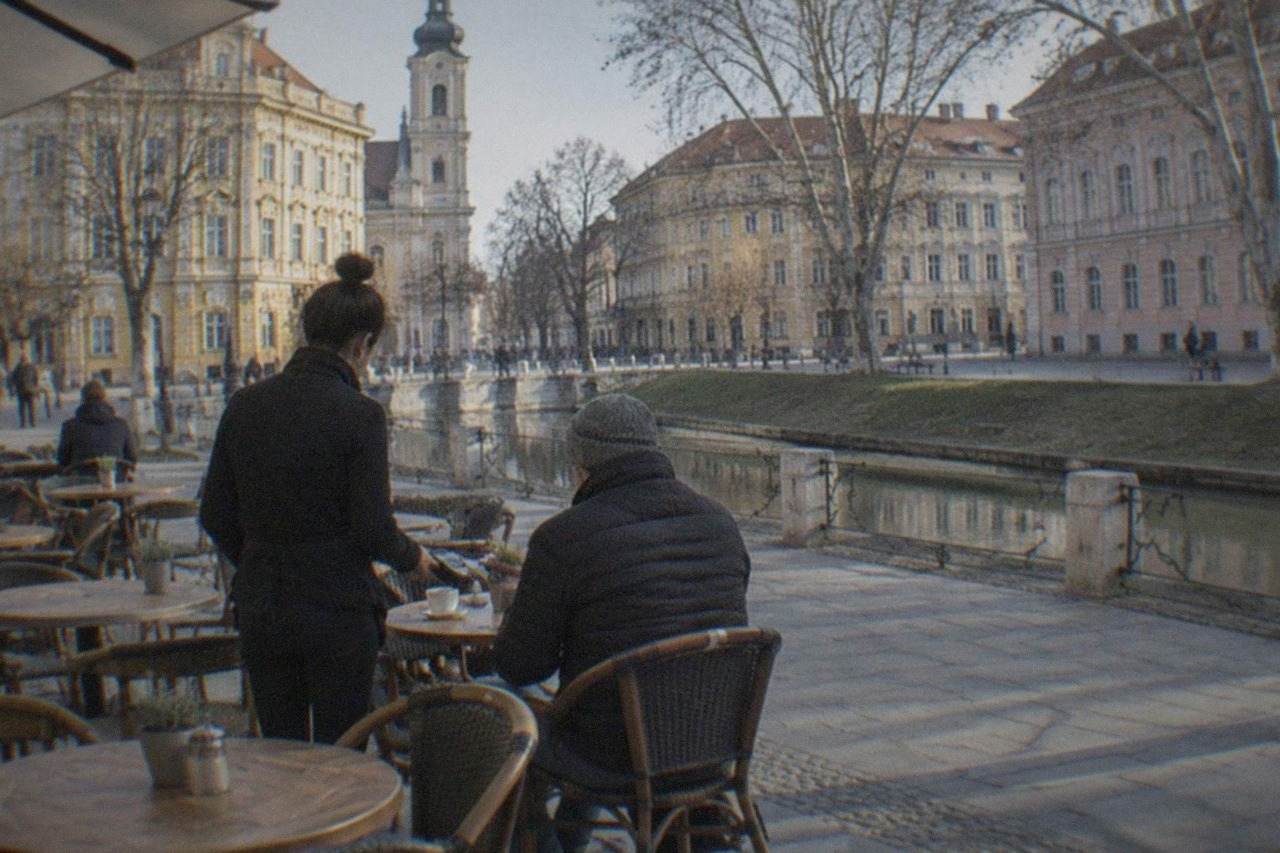
Romania is a full Schengen member and a European Union country, so the payment experience is broadly what you would expect elsewhere in the EU, with one important difference: the country has not adopted the euro. If you are arriving from a euro country, do not assume your euro coins will be accepted anywhere outside an exchange office. The Timisoara Travel Guide desk keeps this page focused on the practical split between plastic and paper.
Is It Better To Use Cash Or Card In Romania?
Card is the better default in Timisoara and in most Romanian cities, because contactless terminals are everywhere in restaurants, hotels, malls and supermarkets, and card payments avoid the rounding and change hassles of handling an unfamiliar currency. Cash in lei is still worth carrying in small amounts, roughly enough for a day of market stalls, tips and kiosks, because some small vendors and kiosks either refuse cards or set a minimum spend.
The honest answer is that this is not a coin-toss country anymore. A decade ago Romania was famously cash-oriented, and the stereotype survives in older travel forums. The reality on the ground in Timisoara in 2026 is closer to the opposite: terminals are fast, contactless limits are generous, and many younger venues actively prefer card because it simplifies their accounting.
Where cash earns its place is at the edges of the day. The flower sellers around Piata Unirii, some stalls at the neighborhood markets, street vendors and the occasional bakery counter in the outer districts still operate on notes and coins. None of this requires a wallet full of money. A few small banknotes, in the order of what a lunch and a coffee cost, cover it.
If you are weighing how far a budget stretches once you have the payment method sorted, the companion piece on how far 100 dollars goes in Romania breaks down typical daily costs, and the page on whether Timisoara is worth visiting covers what the city itself offers for the money.
Where Do Cards Work In Timisoara?
Cards work in essentially all formal venues in Timisoara: hotels, restaurants, cafes, bars, supermarkets, shopping malls, pharmacies, museums with ticket desks, bookshops and the chain stores of the city center. Contactless is the norm, tap-to-pay with a phone works on the same terminals, and American Express is accepted far less reliably than Visa or Mastercard, so carry one of the latter two as your primary. The gaps are informal commerce: market stalls, street vendors, small kiosks and a minority of old-style neighborhood shops.
In practice, a visitor spending a day in the Cetate old town around Piata Unirii and Piata Victoriei can pay by card for nearly everything: morning coffee, lunch, museum entries, dinner and any shopping in the malls. The city's retail scene, including the large Iulius Town development, is fully card-ready.
Public transport is a special case worth knowing, because it is card-friendly in a way many visitors miss. STPT, the city operator, accepts contactless bank cards directly on board its trams, trolleybuses and buses, alongside e-wallet cards, SMS payment, mobilPay, eTicket and kiosk purchases. The single 60-minute ticket, valid on all modes including the Bega vaporetto in season, is 5 lei, and the 1-day pass is 18 lei. Note that the 24pay method was suspended in April 2026, so if an older blog told you to use that app, it is out of date.
One more planning detail: Piata Traian is closed to trams from 3 August 2026 to the end of 2026 for works, with lines diverted. That does not change how you pay, but it changes which tram you board, so check the live STPT alerts before assuming your usual line runs normally.
If you want the city explained rather than just navigated, a guided walk is one purchase where card payment is straightforward, and the operator's live listing confirms the terms before you commit.
How Much Cash Should You Carry In Timisoara?
Carry enough lei to cover a day's small purchases, in the range of what a meal, a coffee and a market stop cost together, and keep it in small notes rather than one large bill, because vendors rarely have change for a 100-lei note first thing in the morning. There is no safety reason to carry more, and every bank-branded ATM in the center dispenses lei if you run short. Withdraw from bank machines and skip standalone ATMs.
The reason for small notes is practical rather than statistical. A stallholder selling flowers or cheese has a float measured in coins and tattered fives. Handing over a large note for a small purchase either fails or wipes out their morning change. Two or three small notes plus some coins make every micro-transaction painless.

For orientation on what those small purchases actually cost, cost-of-living trackers updated in September 2026 give the following picture for Timisoara. Treat them as planning ranges, not promises: prices vary by venue, and a cafe on Piata Unirii sits at the top of each range.
| Typical small purchase | Planning range (lei) | Card usually accepted? |
|---|---|---|
| Cappuccino, regular | 13 to 15 | Yes, in cafes |
| Domestic draught beer, 0.5 L | 11 to 12 | Yes, in pubs |
| Inexpensive restaurant meal | 45 to 50 | Yes |
| Market stall purchase | varies by stall | Often no, cash preferred |
| Public toilet | small coin fee | No, cash only |
Two currency warnings apply. First, never pay in euro notes in a shop even if a merchant offers to take them; the exchange rate you get will be poor and the change will come in lei anyway. Second, when a card terminal offers to charge you in your home currency instead of lei, always decline. That dynamic currency conversion adds a margin on every transaction. The page on using US dollars in Romania covers the same trap for dollar-carrying visitors.
Wondering if a guide is worth adding to the budget at all? A private walk is one of the few purchases where the value is obvious within the first hour, and you can check current terms on the operator's live listing.
What About Tips, Taxis And Small Shops In Timisoara?
Tips in Timisoara are modest and cash-based: rounding up a restaurant bill or leaving a few lei on the table is normal, and for a taxi or rideshare, rounding to the nearest convenient note is the local habit rather than a calculated percentage. Small shops and kiosks are the last real cash territory, and the practical approach is to pay small sums in coins and save the card for anything above a coffee's worth, which keeps everyone's change situation simple.
Restaurants increasingly add a service line to the bill in the city center, so check before tipping on top. Where nothing is added, leaving roughly a tenth of the bill in cash is a generous but not unusual gesture, and anything above that reads as exceptional. For a free walking tour, the tip is the entire business model: the guide's income is what you hand over at the end, so bring notes for it.
Taxis and ride-hailing both operate in Timisoara. Ride-hailing apps settle in the app, which removes the payment question entirely, and that is the simplest option for a visitor who does not want to think about tariffs. If you flag a taxi on the street, agree that the meter runs and pay in lei at the end.
For transport fares, the card-versus-cash question answers itself: STPT takes contactless bank cards on board, so you never need coins for a tram. The current fares from STPT's own site are below.
| STPT ticket or pass | Price (lei) | Notes |
|---|---|---|
| Single ticket, 60 minutes | 5 | All modes, vaporetto included in season |
| 1-day pass | 18 | Raised from 15 lei in August 2025 |
| 30-day general pass | 160 | Only relevant for long stays |
| Annual general pass | 1,320 | Residents, not visitors |
The vaporetto, the water bus on the Bega canal, runs from 1 April to the end of October with nine stops per direction and accepts the same 5-lei ticket and contactless payment as the rest of the network, so even the most tourist-oriented ride in the city needs no special cash preparation.
If your plans extend beyond the city, the same cash-and-card logic travels with you into the Banat countryside, where village shops and farm stalls lean further toward cash than anything in Timisoara. A guided day trip handles most of that friction for you.
Common Questions About Cash And Card In Romania
Is It Better To Use Cash Or Card In Romania?
Card is the better default in Timisoara and most Romanian cities, because contactless terminals are standard in restaurants, hotels, malls and supermarkets. Carry a small amount of lei cash for market stalls, tips, kiosks and public toilets, and you will cover every corner of a normal trip.
Can I pay with euro in Timisoara?
No. Romania's currency is the Romanian leu (RON) and the euro is not adopted. Shops price in lei, and any merchant who accepts a euro note will give change in lei at a poor rate. Exchange money at a bank or withdraw lei from a bank-branded ATM instead.
Do I need cash for public transport in Timisoara?
No. STPT accepts contactless bank cards on board its trams, trolleybuses and buses, alongside SMS, mobilPay, eTicket and kiosks. A single 60-minute ticket is 5 lei and a day pass is 18 lei, and both can be paid without coins.
Should I tip in cash in Timisoara?
Yes, tips are cash in practice. Rounding up a restaurant bill or leaving a few lei on the table is normal, and for taxis the habit is rounding to a convenient note. On a free walking tour, the tip is the guide's entire income, so bring notes.
Are ATMs safe to use in Timisoara?
Bank-branded ATMs in the city center are safe and dispense lei. Decline any offer of dynamic currency conversion, where the machine offers to charge your card in your home currency, and skip standalone ATMs in tourist spots that advertise this feature.
The short version: arrive with a working Visa or Mastercard, withdraw a small amount of lei once, and top up if a market day leaves you short. For more on the city itself, see what Timisoara is known for or the roundup of the best things to do in Timisoara in the old town and beyond.