What Is Timisoara Known For?
Timisoara in western Romania is known for its 1989 Revolution, its record of European firsts, Secession architecture, the Bega canal, and Banat food and wine. Here is what defines the city.
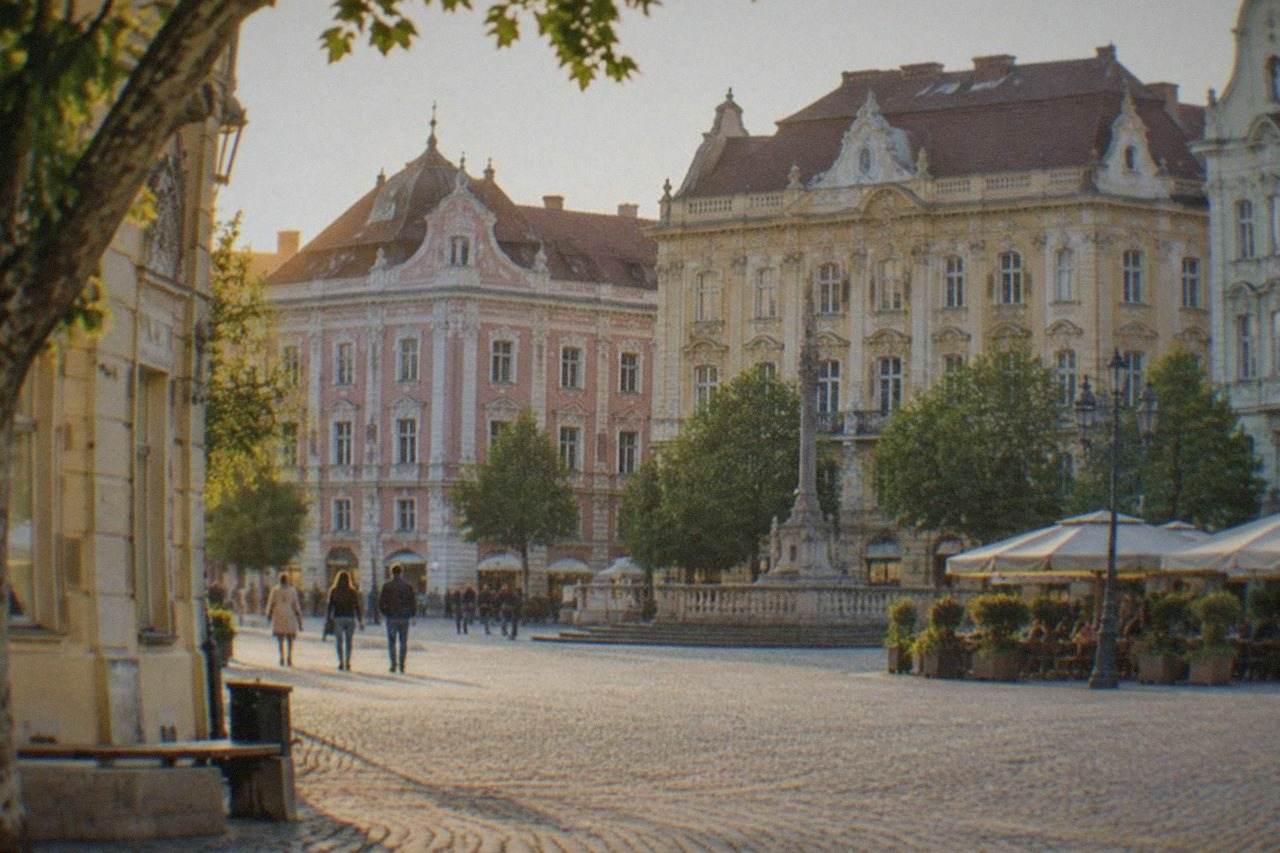
Timisoara, the main city of Timis County in the Banat region of western Romania, is known for three things above all: it is the city where the Romanian Revolution of December 1989 started, it holds one of the densest collections of technical and civic "firsts" in Europe, and it carries a multicultural identity, Romanian, Hungarian, German, Serbian and Jewish, that shows in every square. Under its Hungarian name, Temesvár, and its German name, Temeswar, it served as a Habsburg fortress and administrative center, and that layered past is what visitors actually encounter on the ground: baroque and Secession facades, three state theatres in three languages, and a city that named itself a European Capital of Culture in 2023.
This page from the Timisoara Travel Guide editorial desk lays out each of those claims in order, with the verified dates and figures behind them, so you know exactly what the city is famous for before you plan a visit.
Why Is Timisoara Called The City Of Firsts?
Timisoara is known as a city of firsts because its own city hall documents an unusual run of pioneering achievements: the first city on mainland Europe with electric street lighting on 12 November 1884, the first horse-drawn tram in the Habsburg Empire in 1869, the first electric tram in Romania in 1899, and the first newspaper printed in Romania in 1771. The list runs to more than a dozen verified firsts spanning lighting, transport, medicine and media.
The 1884 electric lighting record is the one that surprises people most. The city hall's own economic report records 731 incandescent lamps over 59 km of streets, switched on while London and Berlin were still debating the technology. That moment capped a century of infrastructure firsts that began with the Bega canal, canalised from 1728 and the first navigable canal in Romania, and continued with the first telegraph service in 1854 and the first telephone network in 1881.
The pattern had a cause. As a Habsburg frontier city, Timisoara, then Temeswar, absorbed engineering and administrative investment earlier than most cities in the region, and its mixed German, Hungarian and Romanian merchant class adopted new technology quickly. The first ambulance station in Hungary and Romania followed in 1886, the first asphalted street in Romania in 1895, and the first film projections in Romania two years later.
| Year | First claimed by Timisoara | Scope |
|---|---|---|
| 1718 | Oldest attested brewery | Romania |
| 1728 | Canalising of the Bega begins | First navigable canal in Romania |
| 1760 | Lamp-lit streets | First city of the Habsburg monarchy |
| 1771 | Newspaper printed ("Temeswarer Nachrichten") | Romania |
| 1869 | Horse-drawn tram, Cetate to Fabric | First in the Habsburg Empire |
| 1884 | Electric street lighting | First city on mainland Europe |
| 1899 | Electric tram | Romania |
| 1953 | Three state theatres, in Romanian, Hungarian and German | Only European city |
The three-theatre record is the one that still shapes the city today. No other European city has state theatres in three languages, and the Romanian National Opera shares a building on Piata Victoriei with the Hungarian and German stages. Visitors often ask why Timisoara is called Little Vienna, and the answer sits in this same period: Habsburg planning, Secession architecture and a German-speaking bourgeoisie gave the city a Central European look unusual for Romania.
What Happened In Timisoara In 1989?
Timisoara is known as the place where the Romanian Revolution of 1989 began. Protests started here on 16 December 1989 around the reformed pastor Laszlo Tokes's parish, spread to Piata Victoriei within days, and made the city the first in Romania to rise openly against the Ceausescu regime. The events are commemorated today at the Memorial of the Revolution, a permanent museum in the city center.
The protest began as a stand by parishioners and grew into mass demonstrations that the regime tried to crush with force. Within a week the army's refusal to continue shooting civilians in Timisoara helped tip the country into open revolt, and Ceausescu fled Bucharest on 22 December. The full sequence, including the casualty figures that remain contested, is covered in our dedicated page on what happened in 1989 in Romania, and the December commemorations are explained in our article on what is special about the 15th of December.
For visitors, the Revolution is not abstract history. The Memorial of the Revolution museum documents the days with photographs, artifacts and a documentary, and its published admission is 20 lei for adults, covering the permanent and temporary exhibitions. Piata Victoriei, where the crowds gathered in front of the Opera, is now the city's main ceremonial square and the site of the Christmas Market each winter.
The decades that made the Revolution possible are the subject of a dedicated walking tour, and the tour pairs naturally with a self-guided visit to the Memorial.
What Food And Wine Is Timisoara Known For?
Timisoara is known for Banat cuisine, a Central European cooking tradition rather than the stereotypical Romanian fare: pork and paprika dishes, ciorba soups, the Timisoreana brewery's beer from Romania's oldest attested brewery, and the wines of the Banat hills around Recas. The city's cafe culture, inherited from its Habsburg past, is a signature in its own right.
The Timisoreana brewery, operating since 1718 on the site documented by the city hall, is the oldest attested brewery in Romania, and its beer remains a local default in the bars around Cetate. The surrounding Banat plain produces the pork, cabbage and peppers that define the regional table, and the Recas wine region west of the city supplies the wine lists. Our dedicated pages on Timisoara restaurants, Timisoara food and Banat wine break the scene down dish by dish.
The cafe habit is the part visitors comment on. The pedestrian streets of Cetate hold a density of terraces that feels closer to Vienna than to Bucharest, a legacy of the same German-speaking culture that built the squares. Prices remain modest by Western standards: a cappuccino runs around 13 to 15 lei and a draught beer around 11 to 12 lei at neighborhood venues, per cost-of-living trackers updated in September 2026.
What Is Timisoara Known For Architecturally?
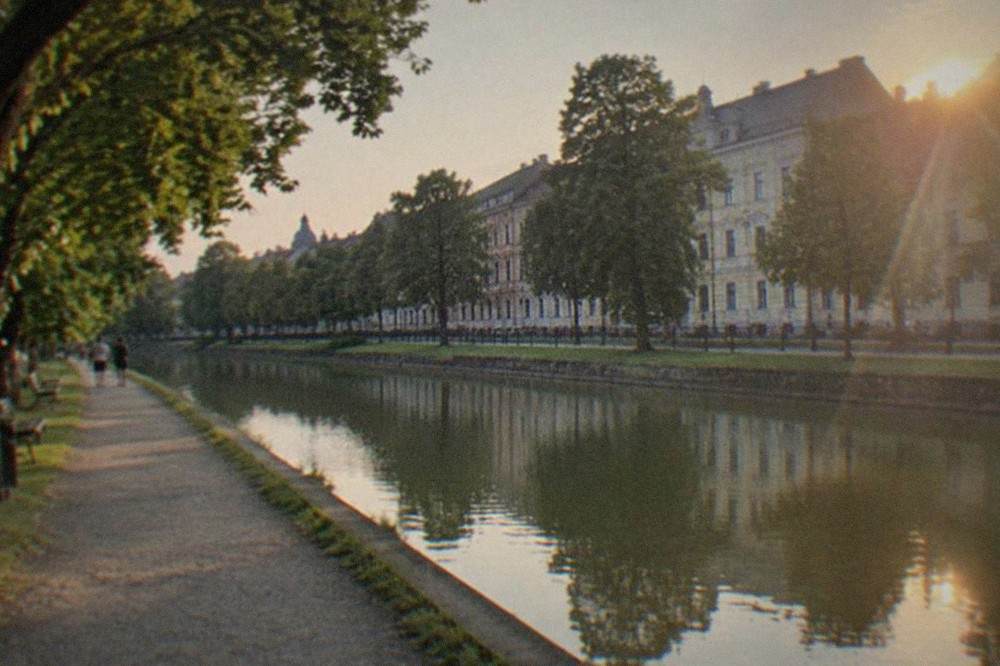
Timisoara is known for its squares and its Secession architecture: Piata Unirii, Piata Victoriei and Piata Libertatii form the baroque and Art Nouveau core of the Cetate district, while the surrounding neighborhoods of Iosefin, Fabric and Elisabetin hold some of the best-preserved early twentieth-century facades in Romania. The city's layout follows the former Habsburg fortress, with the Bega canal cutting through on a Paris-style embankment line.
Piata Unirii is the showpiece: a baroque square ringed by pastel palaces, the Roman Catholic and Serbian Orthodox cathedrals facing each other, and the Baroque Palace housing the National Museum of Art. Piata Victoriei, wide and ceremonial, is the square where the Opera, the Metropolitan Orthodox Cathedral and the Revolution monuments stand together. Piata Libertatii, smaller and quieter, sits between them. The three are covered in detail in our guides to Union Square and Victory Square, with Liberty Square in its own feature as well.
The street grid beyond the squares is the real architectural find. The 1899 decision to demolish the fortress walls left the Cetate district open and planned, and the outer neighborhoods filled with Secession apartment blocks in the early decades of the twentieth century. The Fabric district, with its grand Millennium Church, and Elisabetin, with its villa streets, reward an afternoon of unplanned walking.
What Is Timisoara Known For Today?
Timisoara today is known as a rising city-break destination: it was named Romania's Destination of the Year 2026 at a national awards gala, it held the European Capital of Culture title in 2023, and official arrivals reached 296,199 in 2025, up 3.86 percent on the year before. Its airport, Traian Vuia, handled 1,458,098 passengers in 2025, a 10.2 percent increase.
The 2023 Capital of Culture year, shared with Elefsina in Greece and Veszprem in Hungary, left a permanent mark: the opening weekend ran 17 to 19 February 2023, and the cultural program seeded venues and festivals that continue. The city's festival calendar now includes the Timisoara Jazz Festival each September, the Flight Festival at the Banat Village Museum in June, and Ziua Timisoarei, the city celebration, at the end of July and start of August. The 2026 edition drew more than 100,000 attendees across over 200 events.
Practical conditions have improved alongside. Romania is a full Schengen member, with air and sea access since 31 March 2024 and land borders since 1 January 2025, so there are no routine checks on the Hungarian border. The climate is continental: JMA climate normals for the Timisoara station give a January mean of 0.0 C and a July mean of 22.8 C, with precipitation peaking at 79.1 mm in June. If you are packing for a specific month, our page on how cold it gets in Timisoara has the month-by-month detail.
| Month | Mean temperature (C) | Precipitation (mm) |
|---|---|---|
| January | 0.0 | 37.3 |
| March | 6.5 | 34.1 |
| June | 20.9 | 79.1 |
| July | 22.8 | 61.9 |
| September | 17.2 | 50.4 |
| December | 1.5 | 44.7 |
What Day Trips Is Timisoara Known For?
Timisoara is known as a base for the Banat's natural and historical sights: the Nera Gorge national park and the waterfalls of the Semenic mountains to the south, the Danube Gorge and the Decebalus rock sculpture on the Serbia border, and the Habsburg-era cities and castles of western Romania, including Corvin Castle at Hunedoara and the spa town of Baile Herculane. Most are reachable as organized day trips from the city.
The Nera Gorge, with its gorges and the Bigar Waterfall, is the closest headline attraction, and the Danube Gorge, the Cazanele, offers the most dramatic river scenery in the country. North and east, the list extends to Corvin Castle, the gothic fortress at Hunedoara, and the city of Sibiu. Our guides to the Nera Gorge and Corvin Castle cover each one, and a common question, whether Timisoara is in Transylvania, has a short answer: it is not, but Transylvania's castles sit within day-trip range.
Common Questions About What Timisoara Is Known For
What is Timisoara most famous for?
Timisoara is most famous as the city where the 1989 Revolution against the Ceausescu regime began, and as the first city on mainland Europe with electric street lighting, switched on in 1884.
Is Timisoara worth visiting?
Yes. The city combines baroque squares, Secession architecture, three-language theatre culture and a walkable old town, and it was voted Romania's Destination of the Year 2026.
What food is Timisoara known for?
Banat cuisine: pork and paprika dishes, sour ciorba soups, beer from the Timisoreana brewery, Romania's oldest attested brewery, and wines from the Recas region.
Is Timisoara a big city?
Timisoara is the main city of western Romania, with a resident population of 250,849 at the 2021 census, making it one of the country's largest cities.
Was Timisoara a European Capital of Culture?
Yes, in 2023, shared with Elefsina in Greece and Veszprem in Hungary. The opening weekend ran 17 to 19 February 2023.
What is near Timisoara for day trips?
The Nera Gorge national park, the Danube Gorge, Corvin Castle at Hunedoara, the Banat Village Museum inside the city, and the spa town of Baile Herculane are the most popular options.