What Is Special About The 15Th Of December?
The 15th of December 1989 is the day the Romanian Revolution began in Timisoara, when parishioners gathered to defend pastor Laszlo Tokes. Here is what happened, and how the city marks it today.
The 15th of December is the date the Romanian Revolution of 1989 effectively began, in Timisoara, in the Banat region of western Romania, when a crowd formed outside the parish of Reformed pastor Laszlo Tokes to stop his forced eviction. It is the single most important date in the modern history of this city, the moment a protest over one man's treatment turned into the uprising that ended communist rule across the whole of Romania. Every year since, Timisoara has marked mid-December with commemorations at the places where those first crowds stood, and the date still shapes how the city sees itself.
Why Does The 15Th Of December Matter In Timisoara?
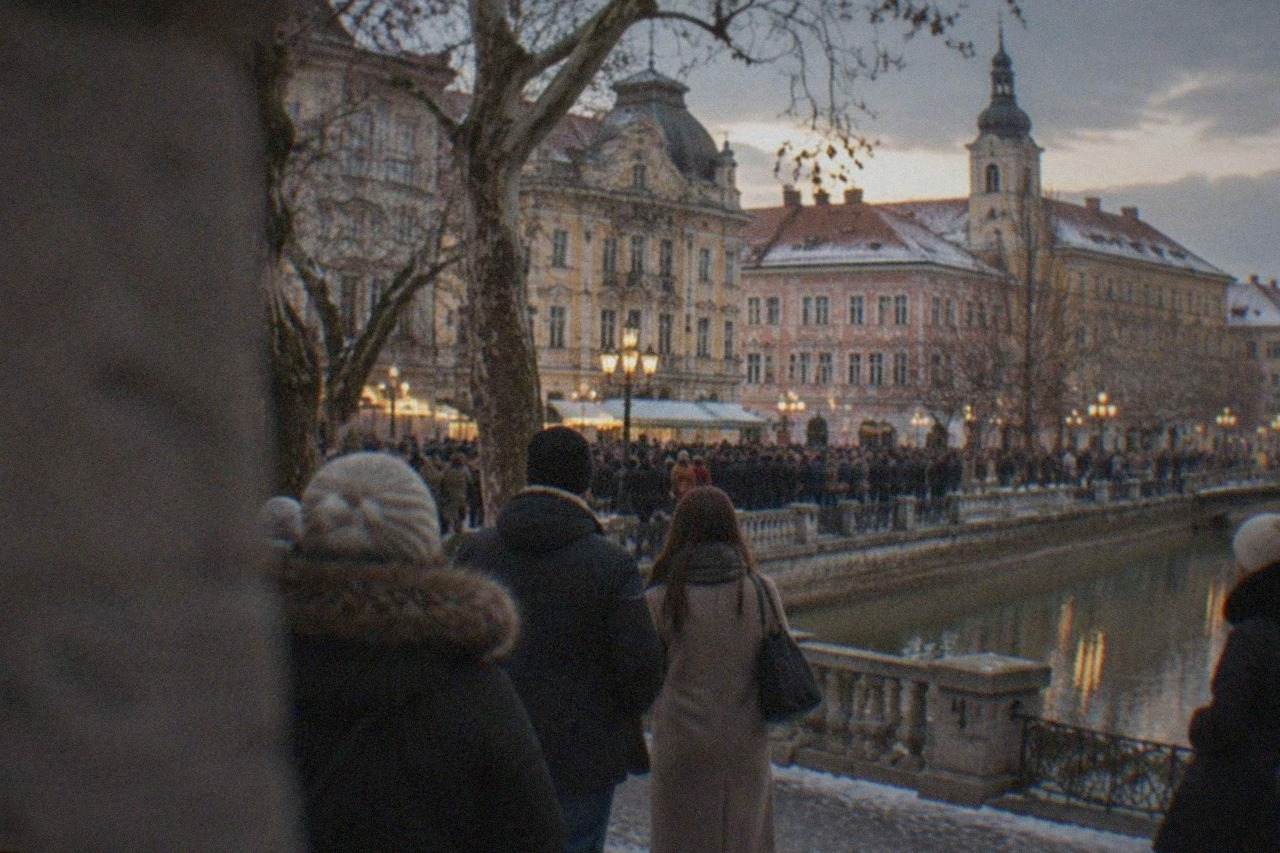
The 15th of December matters because it is the day ordinary people in Timisoara first defied the Securitate in public, gathering around Laszlo Tokes's parish church to block his eviction, an act of collective courage that within days grew into the Romanian Revolution of 1989. It is remembered locally as the moment the fear broke. Before that evening, opposition to the Ceausescu regime existed only in private. After it, crowds were in the streets, and the city never went back. The date anchors Timisoara's identity as the place where Romanian communism began to end, which is why the city's official tourism narrative leans so heavily on it.
Timisoara, known historically as Temesvár in Hungarian and Temeswar in German, has a long record of firsts that made it unusually open for a Romanian city under a closed regime. It was the first city on mainland Europe with electric street lighting, on 12 November 1884, when 731 incandescent lamps lit 59 km of streets. It had the Habsburg Empire's first horse-drawn tram in 1869, and by 1953 it was the only European city with three state theatres, performing in Romanian, Hungarian and German. That multi-ethnic, multi-confessional character is the background to December 1989: a city with Hungarian, German, Serbian and Romanian communities packed tightly together in the Cetate, Fabric and Elisabetin districts.
The role of the churches deserves emphasis. Tokes was a Reformed, that is Hungarian-protestant, pastor, and his congregation's standoff with the authorities was ecumenical from the start, with Roman Catholic, Orthodox and other believers joining in solidarity. The full story of the regime's collapse is covered in what happened in 1989 in Romania, but the short version is that Timisoara's local protest traveled outward: first to other Banat towns, then to Bucharest, where the dictatorship fell within a week.
What Happened On The 15Th Of December 1989 In Timisoara?
On the evening of the 15th of December 1989, a crowd of parishioners and supporters gathered outside the Reformed parish on Maria Square in Timisoara to prevent the authorities from evicting pastor Laszlo Tokes, refusing to disperse despite pressure from the Securitate, and by the next day the standoff had grown into street demonstrations that spread through the city center. The eviction order was the regime's immediate pretext, but the crowd's anger was about far more than one pastor. By the 16th, the protest had moved from the parish to the streets around the Opera and Victory Square, with demonstrators chanting against the regime and tearing communist symbols from buildings.
What made the gathering on the 15th so dangerous to the state was its composition. This was not a dissident circle or an intellectual conspiracy. It was a congregation defending its minister, joined by passers-by, students and workers from districts like Fabric. The Securitate, Romania's feared secret police, was built for infiltrating small groups; it had no clean answer to a crowd of hundreds with no leader to arrest. The regime's violent response over the following days, and its attempt to hide the casualties, is the darkest chapter of the story, and the human cost is examined separately in how many people died in the Romanian Revolution of 1989.
The days after the 15th moved fast. Timisoara was the first major city to rise, and it stayed in open defiance while the rest of the country watched. The protests centered on the Opera and what is today Victory Square, Piata Victoriei, the same broad square where the city's Christmas Market now stands each winter. For visitors walking the old center today, the geography of the revolution is compact: the parish, the squares, the Opera, the streets of Cetate, all within a short walk of one another.
| Date in December 1989 | What happened in Timisoara |
|---|---|
| 15 December | Crowd gathers at Laszlo Tokes's parish to block his forced eviction |
| 16 December | Standoff grows into street demonstrations in the city center |
| 17 December | Regime forces crack down violently on protesters |
| Mid-to-late December | Protests spread from Timisoara to Bucharest and nationwide |
| 22 December | The Ceausescu regime collapses in Bucharest |
The sequence in that table is the reason the 15th, not the 22nd, is the date Timisoara claims as its own. Other cities celebrate the end; this city marks the beginning. A guided walk makes the sequence tangible, since the sites follow each other through streets you can cover on foot.
Where To See The Revolution Story In Timisoara Today?
The Revolution story is told today at the Memorial of the Revolution in Timisoara, which charges 20 lei for adults and opens Monday to Friday from 08:00 to 17:00 and Saturday to Sunday from 10:00 to 18:00, and at the physical sites themselves, including the former parish, Victory Square and the Opera, which can all be walked in an afternoon. The memorial covers the permanent and temporary exhibitions plus a documentary screening, and it is the city's institutional memory of December 1989. The streets do the rest: standing in Victory Square, where crowds faced down the regime, is the part no museum case can reproduce.
The memorial is not the only institution with the revolution in its name. A new National Museum of the Anti-Communist Revolution is planned for the former garrison command courtyard in Piata Libertatii, with funding extended to June 2027 in the 2026 budget documents, so the city's commemorative landscape is still being built out. A separate project, the Revolution Trail, has been under construction near the memorial with a May 2026 target. These are living projects, not finished monuments, which says something about how recent 1989 still feels here. The wider set of guides lives on Timisoara Travel Guide.
For travelers who want the sites explained rather than just found, the themed walking tours are the practical option. The dedicated revolution walk traces the uprising through the squares and side streets of Cetate, and it pairs naturally with a general city tour for context on the architecture and the multi-ethnic history that shaped the city long before 1989.
How Is The 15Th Of December Marked In Timisoara Now?
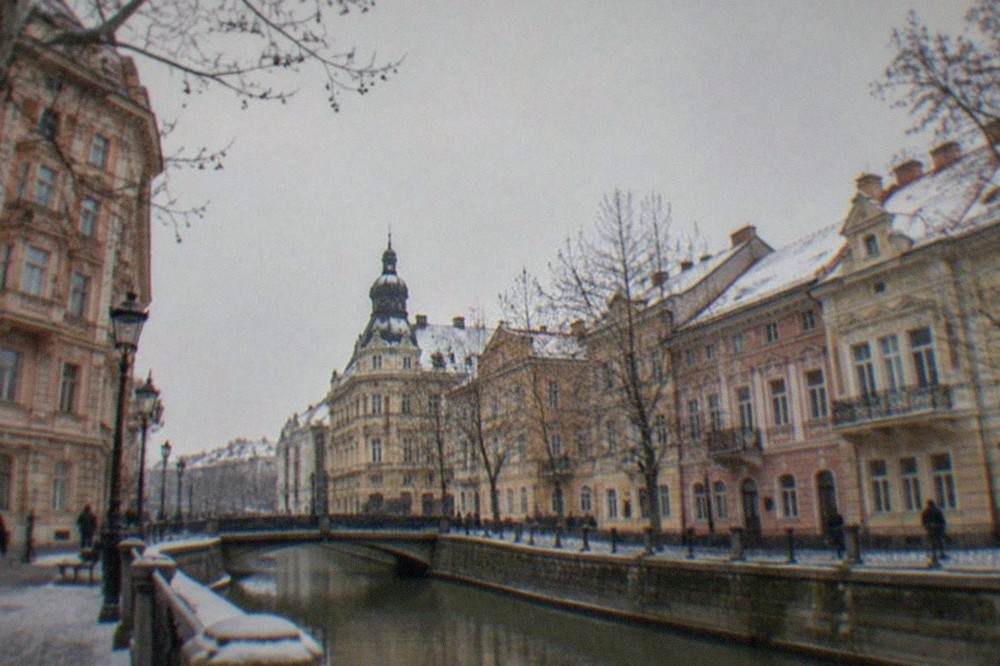
Every year in mid-December, Timisoara holds commemorations for the Revolution, typically clustered around the 15th to the 20th, with ceremonies, religious services and cultural programs at the key sites of 1989, including Victory Square, the Opera and the Memorial, so a visitor arriving in the days around the 15th will find the city actively remembering rather than the date passing quietly. The exact program is announced each year, so check the memorial's own channels before planning around it, but the pattern is stable: wreath-layings, services in the city's churches, and gatherings in the squares where the crowds once stood.
The commemorations sit inside the wider December atmosphere of the city. The Christmas Market takes over Victory Square, the very square where the revolution played out, which gives mid-December in Timisoara a strange double character: a festive market by day, and remembrance events in the same space. The 2026 market dates had not been officially announced currently, so treat any dates you see as estimates until the city confirms them. The overlap is not seen as a conflict locally; the freedom to hold the market at all is understood as one of the things December 1989 bought.
For visitors, this makes mid-December one of the most atmospheric weeks to be in the city, alongside the reasons covered in is December a good time to visit Romania. The JMA climate normals for Timisoara station give a December mean of 1.5 C with 44.7 mm of precipitation across the month, so pack for cold, occasionally damp weather, and plan on warm interiors between the outdoor sites.
| Site connected to the 15th of December | Where it is | What to expect |
|---|---|---|
| Memorial of the Revolution | Central Timisoara | Exhibits and documentary on 1989; 20 lei adult entry |
| Victory Square (Piata Victoriei) | City center | Main 1989 protest site; Christmas Market location in winter |
| The Opera | Edge of Victory Square | Facing point of the December 1989 crowds |
| Former Reformed parish area | Maria Square, near the center | Where the crowd gathered on 15 December 1989 |
| Piata Libertatii | Old town | Site of the planned National Museum of the Anti-Communist Revolution |
Is Mid-December A Good Time To Visit Timisoara?
Mid-December is a good time to visit Timisoara if you want the commemorative atmosphere of the revolution anniversary and a festive old town, with cold but manageable weather, a December mean of 1.5 C, and the Christmas Market in full swing in Victory Square, though the days are short and you should verify the commemoration program and market dates before committing to specific dates. It is not the month for parks and riverside strolls, but the indoor offer, museums, cafes and the memorial, is strong enough to fill the dark hours. Visitors weighing the city in general can start with is Timisoara Romania worth visiting.
The city's broader appeal in winter is covered across this site, including why so many people reach for the nickname why is Timisoara called Little Vienna, a common usage rather than an official title, referring to the Habsburg-era architecture of the old town. What December specifically adds is the layer of memory. In no other month does the city's present, the market, the lights, sit so directly on top of its past.
If you are coming primarily for the history rather than the festivities, the revolution sites are walkable year-round, and a themed tour works in any season. Pairing the city stay with a day trip into the wider region is a popular pattern for visitors with three or more days, and the options below are the established choices for exactly that.
Common Questions About The 15Th Of December In Timisoara
What is special about the 15th of December?
The 15th of December 1989 is the day the Romanian Revolution effectively began in Timisoara, when a crowd gathered outside pastor Laszlo Tokes's parish to block his forced eviction. That standoff grew within days into the uprising that ended communist rule in Romania.
Why did people gather at Laszlo Tokes's parish on 15 December 1989?
The authorities had ordered the pastor's eviction, and his congregation and supporters gathered to physically prevent it. The gathering was the first open, collective defiance of the regime in Timisoara, and it drew in passers-by and other denominations within hours.
Is the 15th of December a public holiday in Romania?
No, the 15th of December is not a national public holiday. It is marked in Timisoara with commemorations, services and ceremonies, typically clustered around mid-December, but businesses and attractions follow normal hours.
Where can I learn about the 1989 Revolution in Timisoara?
The Memorial of the Revolution is the city's main institution, with adult entry at 20 lei and opening Monday to Friday 08:00 to 17:00, Saturday and Sunday 10:00 to 18:00. The outdoor sites, Victory Square, the Opera and the former parish area, are all within walking distance of it.
Is Timisoara worth visiting in mid-December?
Yes, if you want the anniversary commemorations and the Christmas Market atmosphere. The December mean temperature is 1.5 C with about 44.7 mm of precipitation across the month, so expect cold weather, but the indoor and evening offer is at its best.
The 15th of December began as a crowd refusing to let one man be silenced, and it ended a regime. In Timisoara, that is the date the city tells its own story by.