How Many People Died In The Romanian Revolution 1989?
An honest look at what is and is not known about the death toll of the Romanian Revolution of 1989, why it began in Timisoara, and where the city remembers its dead today.
The Romanian Revolution of 1989, the uprising that ended four decades of communist rule in Romania, began in Timisoara, a city in Timis County in the Banat region of western Romania, historically known as Temesvár under Hungarian rule and Temeswar in German. Timișoara was where the first protests broke out on 16 December 1989, and it is where the country still comes to remember. Anyone asking how many people died in those weeks is asking a question with a complicated answer, because the numbers that circulate online do not all come from the same place, and many of them do not come from anywhere verifiable at all. This page, from the Timisoara Travel Guide editorial desk, sets out what the documented record supports, where it stops, and where in the city the dead are commemorated today.
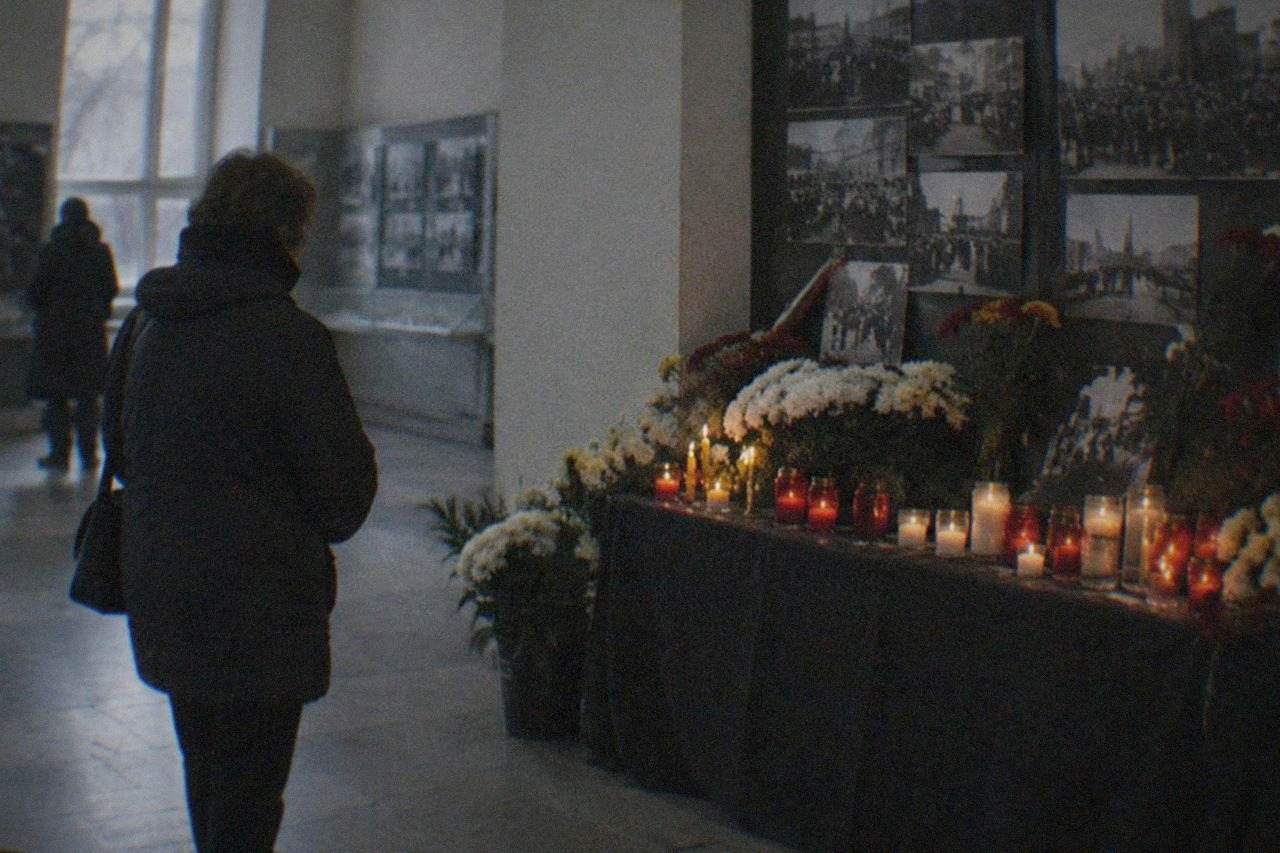
How Many People Died In The Romanian Revolution Of 1989?
No single verified death toll for the Romanian Revolution of 1989 appears in the sources behind this page, and the institution that documents the victims, the Memorial of the Revolution in Timisoara, is the authority on the subject. Casualty figures published online vary widely and often cannot be traced to a primary record, so this site does not print one. What is firmly documented is that deaths occurred in Timisoara in December 1989 and elsewhere in Romania as the uprising spread, and that the revolution ended communist rule within days.
The honest answer to this question is that anyone who gives a precise number without naming a source is guessing. The figures that circulate range from hundreds to well over a thousand depending on who is counting, what period is covered, and whether deaths during and immediately after the fighting are included. None of those figures comes from the verified material assembled for this site, and the rules this publication works under forbid printing a number that cannot be traced to a primary source.
That is not an evasion. It is the difference between a travel guide and a rumor mill. The Romanian Revolution is living memory for much of the city, and Timisoara treats the question of its dead with a seriousness that a casually quoted statistic does not respect. The place to engage with the actual record is the Memorial of the Revolution, whose own site and museum collections document the events, the victims and the aftermath. For the broader narrative of the uprising, the companion page what happened in 1989 in Romania covers the nationwide story.
What can be said without a number is this: the revolution began in Timisoara, the violence here came first, and the city's squares, streets and hospital courtyards were the setting for the earliest and some of the heaviest loss of life in those December weeks. That sequence, rather than a tally, is what the documented record establishes.
Why Did The Romanian Revolution Begin In Timisoara?
The revolution began in Timisoara on 16 December 1989, when crowds gathered in support of the Reformed pastor Laszlo Tokes, whose parish had been targeted by the regime, and the confrontation with security forces escalated into a nationwide uprising. The Memorial of the Revolution in Timisoara is the institution that documents these events, and no official government page on this site's verified list states the origin story beyond the Memorial's own record.
Pastor Laszlo Tokes had become a focal point of dissent in the city, and when the regime moved against his parish in mid-December, the response in the streets grew faster than anyone anticipated. Protesters gathered, security forces responded, and within days Timisoara was in open revolt. Word spread despite the state's near-total control of media, and the unrest that started here reached Bucharest and toppled the government before the month was out.
Timisoara's character shaped what happened. This is a city with a long tradition of being first: the first city on mainland Europe with electric street lighting in 1884, the first horse-drawn tram in the Habsburg Empire in 1869, and by 1953 the only European city with three state theatres in three languages, Romanian, Hungarian and German. Its mixed Romanian, Hungarian, German and Serbian communities gave the protest a breadth that a single-community city might not have produced, and its universities supplied the crowds that filled Piata Victoriei.
The date of 16 December is commemorated in the city every year, and the page on what is special about the 15th of December covers the days immediately before the outbreak, when the confrontation around the parish was building. For the end of the story, the fall of the Ceausescu couple later that December, see why was Ceausescu assassinated.
Where Does Timisoara Remember The 1989 Dead?
The Memorial of the Revolution in Timisoara is the city's principal site of remembrance, charging adults 20 lei for entry to 8 permanent and 3 temporary exhibitions plus the documentary film "Noi nu murim", with a separate 20 lei photo fee, and opening hours reported as Monday to Friday 08:00 to 17:00 and Saturday to Sunday 10:00 to 18:00. Piata Victoriei, the square where the crowds gathered, remains the symbolic heart of the memory.
The Memorial is not a monument in the passive sense. It is a working museum and documentation center, and it is the institution this site treats as the authority on the revolution's victims and events. Its exhibitions cover the December 1989 uprising in Timisoara, the repression that accompanied it, and the way the story was recorded and preserved. The adult ticket at 20 lei covers the full exhibition program and the documentary; the hours above are reported rather than primary-verified, so check the Memorial's own site before a visit.
| Item | Detail | Sourcing note |
|---|---|---|
| Adult ticket | 20 lei | Verified on the Memorial's own site |
| What the ticket covers | 8 permanent plus 3 temporary exhibitions and the documentary "Noi nu murim" | Verified on the Memorial's own site |
| Photo fee | 20 lei | Verified on the Memorial's own site |
| Opening hours | Mon to Fri 08:00 to 17:00, Sat to Sun 10:00 to 18:00 | Reported, not primary-verified; confirm before visiting |
Beyond the museum walls, the memory is built into the city itself. Piata Victoriei, the grand square lined with the Opera and the Metropolitan Orthodox Cathedral, is where the demonstrations swelled, and commemorative events are held there each December around the anniversary of the 16th. The full story of the square is on the Memorial Museum of the Revolution page, and the wider walking route through the revolution's sites is laid out in the Timisoara 1989 Revolution guide.
Visitors who want the events explained on the ground, square by square, rather than read from a plaque, have a guided option that does exactly that. The listing for the Rise Against Communism walking tour describes a route through the revolution's key sites, and its price and availability render from the operator's live listing rather than being quoted here.
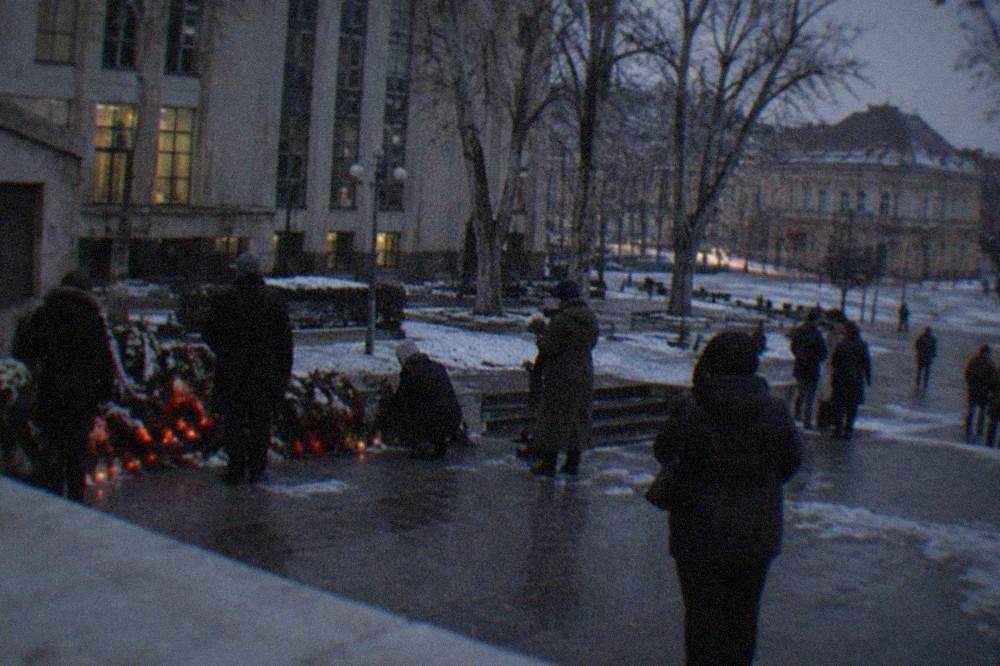
Why Do Death Toll Estimates For The Romanian Revolution Differ?
Estimates differ because no single reconciled register was published that all sources accept, because counting covered different periods and places, and because the chaotic conditions of December 1989 left records incomplete. This site's verified source list contains no official death toll for the revolution, which is why this page names the Memorial of the Revolution as the documenting authority instead of repeating a number.
The revolution lasted days, spread across the country, and unfolded while the state's own record-keeping was collapsing. Hospitals received casualties under circumstances that made clean registration difficult. Afterward, the new authorities, journalists and researchers each assembled figures from different materials, and the results never converged on one accepted total. Some counts covered only the days of active fighting, others included deaths in the weeks that followed, and others mixed in unrelated casualties from the same period.
For a traveler, the practical takeaway is simple: treat any confident single number found online with caution, and treat the Memorial's documentation as the closest thing to a primary record that a visitor can consult. The question of how the regime ended, and why the response to it was so severe, is covered on this site without inventing figures, and the wider question of is Timisoara Romania worth visiting addresses what the city offers beyond its heaviest history.
It is also worth saying what this question is not. It is not a question about danger today. Timisoara in the 2020s is a calm, walkable city of squares and riverside promenades, and the revolution is history here, lived with openly rather than avoided. The memorials sit beside cafes, the commemorative squares host Christmas markets in December, and the same city that mourns its dead also celebrates in them.
Can You Walk The 1989 Revolution Route In Timisoara Today?
Yes, the revolution's key sites in Timisoara sit within walking distance of each other in and around the old center, from Piata Victoriei to the Memorial of the Revolution, and a guided walking tour dedicated to the 1989 story runs roughly two hours with a local guide. The sites are free to walk past; the Memorial museum charges its 20 lei adult admission.
The route needs no car and no special planning. Piata Victoriei is the natural starting point, the square where the crowds confronted the regime and where the annual commemorations are held. From there the old center's squares and side streets carry the rest of the story, and the Memorial museum provides the documented record, the exhibitions and the documentary film. A visitor with an afternoon can cover the ground comfortably, and the things to do in Timisoara page places the revolution sites in the context of everything else the city offers.
For travelers who prefer the story told rather than pieced together from plaques, the guided options below include the dedicated revolution walk and two other ways to see the region. Availability, current prices and booking conditions render from each operator's live listing.
One practical note for December visitors: the commemorations each year fall in the same weeks as the city's Christmas season, and the atmosphere around the anniversary is solemn in the squares and festive a few streets away. Both are authentic Timisoara, and a visit timed to mid-December catches the city at its most historically resonant.
Common Questions About The Romanian Revolution Of 1989
How many people died in the Romanian Revolution 1989?
No single verified death toll appears in the sources behind this site, and figures circulating online vary widely and often lack a traceable origin. The Memorial of the Revolution in Timisoara is the institution that documents the victims and events, and it is the appropriate authority to consult for the record.
Where did the Romanian Revolution of 1989 begin?
It began in Timisoara, in western Romania, on 16 December 1989, when crowds gathered in support of Reformed pastor Laszlo Tokes after the regime moved against his parish. The protests escalated and spread nationwide within days.
Is the Memorial of the Revolution in Timisoara worth visiting?
Yes. The adult ticket is 20 lei and covers 8 permanent plus 3 temporary exhibitions and the documentary "Noi nu murim", with a 20 lei photo fee. Reported hours are Monday to Friday 08:00 to 17:00 and Saturday to Sunday 10:00 to 18:00; confirm on the Memorial's own site before going.
Can you take a guided tour of the 1989 Revolution sites in Timisoara?
Yes. A dedicated walking tour, Rise Against Communism: The 1989 Revolution in Timisoara, covers the key sites in roughly two hours with a local guide. Current price and availability render from the operator's live listing.
Is Timisoara connected to the fall of Ceausescu?
Directly. The uprising that began in Timisoara on 16 December 1989 spread to Bucharest and ended the regime before the month was out. The city is widely regarded as the birthplace of the Romanian Revolution.
The number of the dead may never be settled to everyone's satisfaction, but the place where the question is asked has not changed. Timisoara keeps the record, keeps the commemorations, and keeps the squares where it happened open to anyone who walks through them.