Is Romania Friendly To Americans?
Is Romania friendly to Americans? A practical answer for visitors heading to Timisoara: language, safety, money, Schengen entry rules and daily costs in western Romania.
Romania is friendly to Americans, and Timisoara, in Timis County in the Banat region of western Romania, is a good place to test that claim. The city, formally Timișoara, was a European Capital of Culture in 2023, and its tourist information centre recorded 4,928 visitors in 2025, roughly 70 percent of them international, with Germany, Serbia, France and Spain among the top origins. Americans are a smaller slice of that traffic, which means the welcome you get is the everyday one locals extend to any foreign visitor rather than a rehearsed tourism pitch. This page covers the questions Americans actually ask before booking: language, safety, entry formalities, money and what a few days here realistically cost.
Is Romania Friendly To Americans In Everyday Terms?
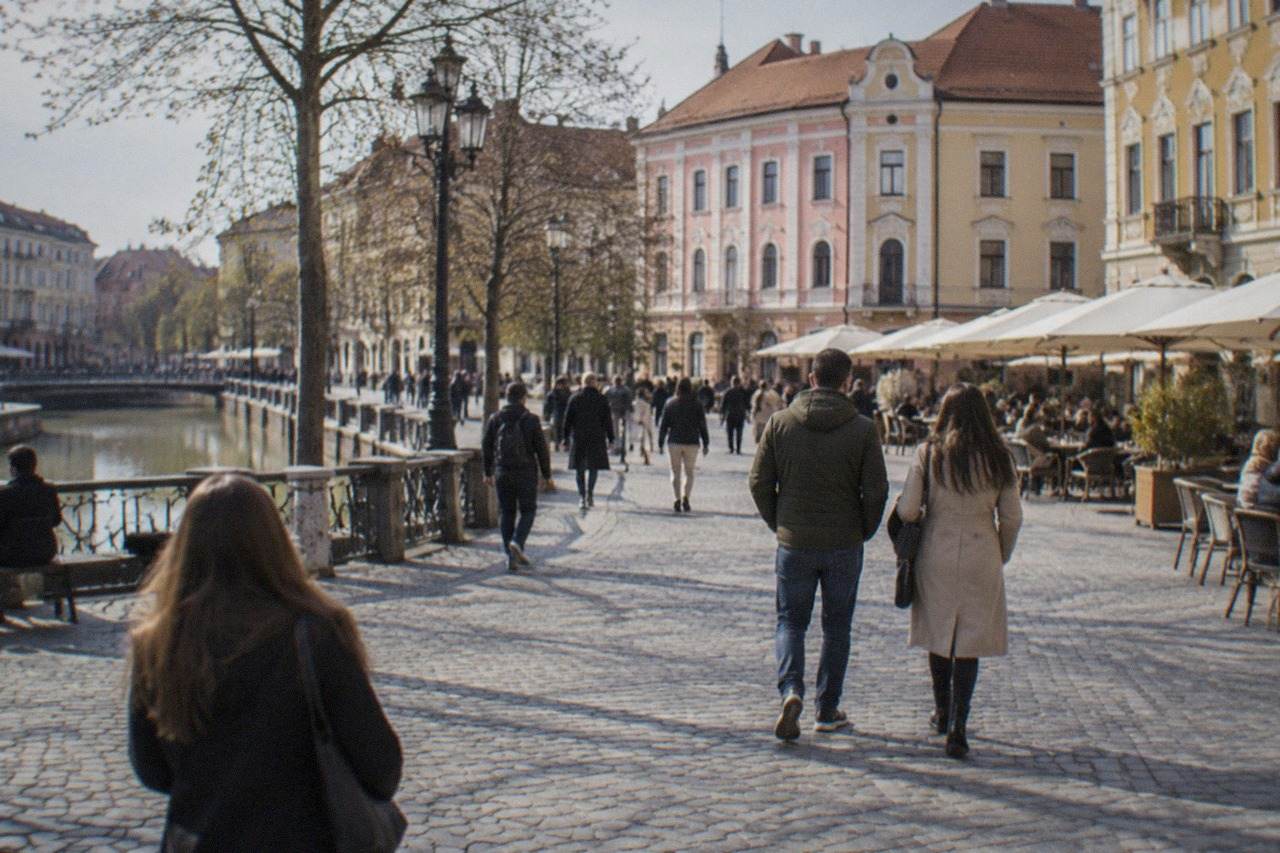
Yes, in the sense that matters to a traveler: Romania is a calm, low-hassle country where Americans face no special formalities, and Timisoara is a compact, walkable city where the default attitude toward foreign visitors is curiosity and courtesy rather than suspicion. Romania has been a full Schengen member since air and sea entry on 31 March 2024 and land borders on 1 January 2025, so an American arriving from another Schengen country crosses with no routine passport check at all. The city itself is used to outsiders; it has three state theatres in Romanian, Hungarian and German, a legacy of the multilingual Banat, and its 2025 tourism figures showed 296,199 arrivals, up 3.86 percent on 2024.
That statistical friendliness shows up in small ways. Restaurant staff in the central squares of Piata Unirii and Piata Victoriei deal with foreign guests every night of the week. The local tourism board runs a year-round information service. The 1989 Revolution began here, and the Memorial Museum of the Revolution and the city's commemorative sites are presented with international visitors in mind, with English-language material at the main exhibitions.
If you want a deeper background read, the sibling page is Timisoara worth visiting covers the case for the city as a destination in its own right, from the first electric street lighting on the European mainland in 1884 to the first horse-drawn tram in the Habsburg Empire in 1869.
The one cultural note worth setting expectations on: friendliness here is reserved rather than effusive. Locals may not greet you warmly on first contact, but they will help at length once asked, and service culture is efficient rather than chatty. Americans used to constant small talk sometimes read the first minutes wrong.
Do People In Timisoara Speak English With American Tourists?
English works well for visitors in Timisoara: staff at hotels, museums, restaurants and tour operators in the city center use it routinely, younger residents speak it fluently, and guided tours in English run several days a week, so an American visitor who speaks no Romanian can book, eat, travel and sightsee without a language problem. The city's tourism economy is built around international guests, and the tour roster for Timisoara includes multiple walking tours conducted in English, including a weekly guided tour that runs on Tuesday, Thursday and Saturday. The tourist information centre counsels thousands of foreign visitors a year in languages including English.
Romanian itself is a Romance language, so if you know French, Spanish or Italian you will recognize words on menus and signs. The city's Hungarian and German heritage means you may also hear those languages in certain neighborhoods and see them on historical plaques. A few phrases in Romanian go a long way socially, and the page on the Romanian language covers what is actually spoken in the city.
For structured sightseeing, these English-language options are the natural fit:
Each of these is led in English by a local guide, which removes the language question entirely for a first visit. The all-in-one walking and tram option pairs the pedestrian old town with a tram leg, which suits visitors who want the city's layout explained while riding part of the network that has run for many years.
Is Timisoara Safe For American Visitors?
Timisoara is a safe city by the standards Americans apply to European city breaks: violent crime against tourists is rare, the main squares are busy and well-lit into the evening, the city was the first in the Habsburg monarchy with lamp-lit streets and keeps that habit, and the practical risks are the ordinary ones, pickpocketing in crowds and traffic in the wider streets, not anything targeting Americans. Romania's emergency number is 112, the same single number used across the European Union, and it connects to police, ambulance and fire services. No specific threat profile for American nationals exists in any of the sources this site uses.
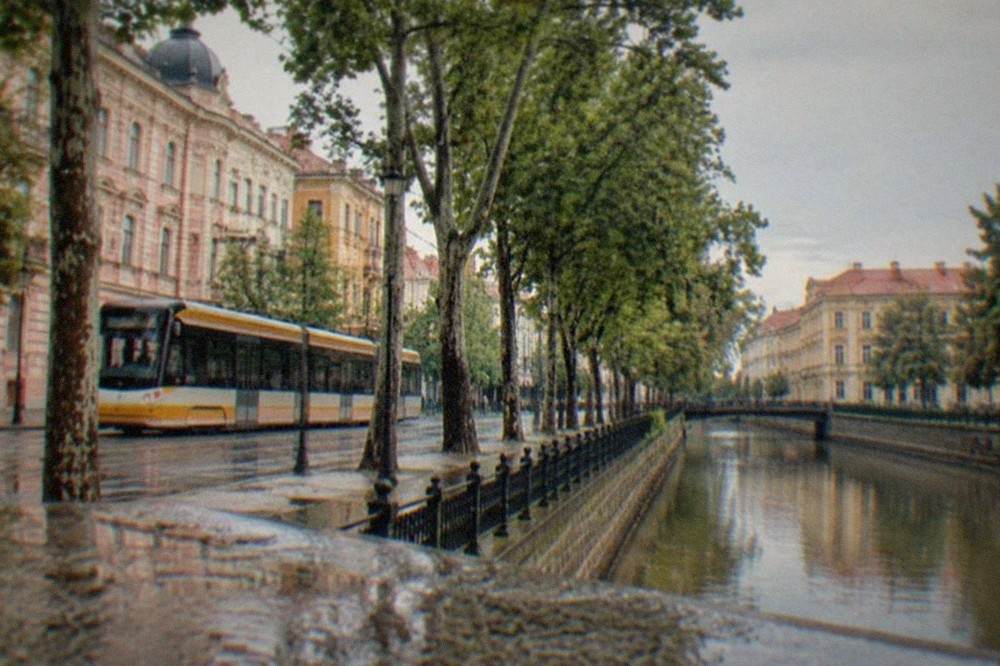
Normal city-break caution covers it: watch bags in the crowds at Piata Victoriei during events, cross at signals on the boulevards, and keep your phone out of back pockets on trams. The trams themselves are a pleasant way to move around, and a single ticket costs 5 lei, with a one-day pass at 18 lei covering the whole network including the seasonal vaporetto on the Bega canal.
A guided first day is also a quiet safety measure, since a local guide tells you which areas feel lively at night and how the tram lines connect before you explore on your own. Check availability for the walking and tram tour if that appeals.
How Do Americans Get To Timisoara, Romania?
Americans reach Timisoara by flying into a European hub and connecting, because the city's airport, Traian Vuia International, has no nonstop route from the United States; its 2026 route additions are European and regional, including a Turkish Airlines flight from Istanbul launched in April 2026, which gives American travelers a convenient one-stop option via a major hub. Wizz Air is the airport's largest operator, and its 2026 additions include Berlin, Birmingham and Prague, all useful connection points. The airport handled 1,458,098 passengers in 2025, up 10.2 percent on 2024, so the facility is growing but remains a compact regional airport, quick to clear.
One planning note for late 2026: the runway is reported to be fully closed for repairs from 2 to 22 November 2026, an announcement carried on the airport's own site in July 2026, so anyone booking that window should verify their flight status with the airline. The airport sits about 12 km northeast of the center, and express bus line E4 connects it with the city for the standard fare. The rest of the planning pages sit on Timisoara Travel Guide.
On the entry side, Americans do not need a visa for short tourist stays in Romania under the EU's visa-waiver arrangement with the United States. What has changed is the biometric layer: the Entry/Exit System became fully operational at all Schengen external borders on 10 April 2026, recording fingerprints and a facial image for non-EU short-stay travelers and replacing routine passport stamping. Arriving at a Schengen external airport, expect a quick biometric capture at first entry. There is nothing hostile in the procedure, but knowing it exists prevents surprise at the desk. The question of direct flights from the US is covered in full on its own page.
What Does A Trip To Timisoara Cost An American?
A Timisoara trip costs far less than a comparable city break in Western Europe: cost-of-living aggregators updated in September 2026 put a cappuccino at 13 to 15 lei, a draft beer at 11 to 12 lei, an inexpensive restaurant meal at 45 to 50 lei and a mid-range hotel night in the low hundreds of lei, so an American visitor can eat and drink well in the center for what a single entree costs in many US cities. The Romanian leu (RON) is the currency you pay with; the euro is not adopted, and the National Bank of Romania's reference rate on 23 September 2026 was 5.2788 lei to one euro. Cards work widely, and the cash-or-card question has its own detailed page on using cash or card in Romania.
| Item | Typical price (RON) | Notes |
|---|---|---|
| Cappuccino, central cafe | 13 to 15 | Aggregator figures, September 2026 |
| Draft beer, 0.5 L | 11 to 12 | Neighborhood pub pricing |
| Inexpensive restaurant meal | 45 to 50 | Main-course range, not fine dining |
| Public transport, 60-minute ticket | 5 | All modes, includes the vaporetto in season |
| One-day transport pass | 18 | Full STPT network |
| 30-day general transport pass | 160 | Only relevant for long stays |
One line item Americans rarely expect is the local tourist tax, a "special tax for tourism promotion" set by the city council in decision HCL 719/2025 and reported at 2 percent of the accommodation tariff excluding VAT, collected by the lodging at checkout. It is small, but it appears on hotel bills, so do not mistake it for a billing error. For a fuller budget breakdown, see how far 100 dollars goes in Romania.
Bookable experiences are priced in US dollars on this site and render with live figures on each listing, so the honest rule is to check the listing rather than trust a printed number. For a sense of the walking options:
The same logic applies across the roster: the classic walking tour and the weekly English-language option all show current prices and ratings on their own listings.
What Should Americans Know About Timisoara Before Booking?
Americans should know three things before booking Timisoara: the city is genuinely easy for English speakers, the weather is continental with a mean of 0.0 C in January and 22.8 C in July, so pack for real seasons, and the historic center is compact enough that most of a first visit happens on foot between Piata Unirii, Piata Victoriei and Piata Libertatii, with trams filling the gaps. Rain is moderate year-round, from 34.1 mm in the driest month, March, to 79.1 mm in the wettest, June, so a light rain layer is sensible in any season.
| Month | Mean temperature (C) | Precipitation (mm) |
|---|---|---|
| January | 0.0 | 37.3 |
| April | 12.3 | 50.6 |
| July | 22.8 | 61.9 |
| October | 11.5 | 50.0 |
Timisoara's own history helps the welcome feel natural. This was the city where the 1989 Revolution started, and residents are used to outsiders arriving with questions about it. It was also the first city on the European mainland with electric street lighting, in 1884, and that civic pride shows in how the center is kept. The nickname "Little Vienna" is common usage, never an official title, but the baroque squares behind it are real and easy to love.
For a first visit built around the center, the trio of English-language walking tours above covers the main squares, the revolution story and the riverside, and the things to do overview lists the full attraction set beyond the old town, from Theresia Bastion to the Banat Village Museum.
Common Questions About Romania For Americans
Is Romania friendly to Americans?
Yes. Romania places no special requirements on American visitors, Timisoara's tourism sector works in English as standard, and the city's own 2025 figures show a growing international visitor base. The welcome is reserved but genuinely helpful.
Do Americans need a visa for Romania?
No, not for short tourist stays. The United States is in the EU's visa-waiver program. Since 10 April 2026, first entry at a Schengen external border includes biometric capture under the Entry/Exit System, which replaces passport stamping.
Is Romania in the Schengen Area?
Yes, fully. Romania joined Schengen for air and sea borders on 31 March 2024 and for land borders on 1 January 2025, so arrivals from other Schengen countries involve no routine passport checks.
Can Americans drink the tap water in Timisoara?
Romanian tap water is treated and monitored to EU standards, and locals in Timisoara commonly drink it. Bottled water is cheap and everywhere if you prefer it.
Is Timisoara expensive for Americans?
No. September 2026 aggregator figures put an inexpensive restaurant meal at 45 to 50 lei and a cappuccino at 13 to 15 lei, well below most US and Western European city prices. A small tourism tax, reported at 2 percent of the accommodation tariff excluding VAT, is added to lodging bills.
The short version: Romania is friendly to Americans in every way that can be measured, entry is easier in 2026 than it has ever been, and Timisoara is a low-stress, English-friendly city where the biggest adjustment is how little money a good dinner costs.