Timisoara Revolution Museum
The Memorial Museum of the 1989 Revolution in Timisoara, Romania, is the permanent record of the uprising that began in this city on 16 December 1989 and ended the Ceausescu regime. Here is what the museum holds, what a ticket costs, and how to plan a visit.
Short answer
The Memorial Museum of the 1989 Revolution in Timisoara, Romania, charges adults 20 lei, a fee that covers eight permanent exhibitions, three temporary exhibition spaces and the documentary film 'Noi nu murim'. Reported hours are Monday to Friday 08:00 to 17:00 and Saturday to Sunday 10:00 to 18:00. Allow one to two hours, and pair it with the Revolution sites around Piata Victoriei.
Timisoara, in Timis County in the Banat region of western Romania, is the city where the Romanian Revolution of December 1989 began, and the Memorial Museum of the 1989 Revolution is where its evidence is kept. The uprising started on 16 December 1989 at the parish of pastor Laszlo Tokes, spread through the squares of the city, and within ten days had brought down a regime that had ruled Romania for a quarter of a century. The museum, known locally as Memorialul Revolutiei din 1989, sits a short walk from the squares where the events unfolded, and it holds the artifacts, photographs, documents and testimony that trace those days hour by hour. This guide, part of the wider coverage on Timisoara Travel Guide, covers what the museum contains, what a visit costs, how the reported opening hours work, and how to fit it into a wider day among the places the revolution actually happened.
What Is The Timisoara Revolution Museum?
The Memorial Museum of the 1989 Revolution in Timisoara, Romania, is a permanent museum dedicated to the December 1989 uprising that began in this city and ended communist rule in Romania. Its adult ticket is 20 lei and covers eight permanent exhibitions, three temporary exhibition spaces and a screening of the documentary film "Noi nu murim". A separate 20 lei fee applies for photography inside. The museum is an institution of record rather than a heritage collection: its subject is ten days in December 1989.
The museum's full Romanian name is Memorialul Revolutiei din 1989, and its purpose is narrow and deliberate. Where most city museums spread across centuries, this one concentrates on the days between 16 December 1989, when crowds gathered at pastor Laszlo Tokes's parish in the city, and 22 December 1989, when the regime fell. Timișoara was the first Romanian city to rise, and the museum treats that fact as its entire reason for existing.
What that means in practice is a dense, documentary-style collection. Displays reconstruct the timeline of the protests, the repression that met them, and the aftermath, using photographs, personal objects, printed material and filmed testimony from people who were in the squares. The documentary "Noi nu murim", included in the ticket, assembles period footage into a single account of the uprising.
The museum is also an active institution rather than a frozen one. It runs commemorations each December around the anniversary dates, hosts temporary exhibitions alongside its permanent eight, and maintains the historical record of the revolution as a living research task. For visitors arriving from outside Romania, it is the single best place in the country to understand what happened here and why it happened first in Timisoara, a city whose history of tolerance and civic organization made it the natural starting point.
How Much Does The Timisoara Revolution Museum Cost And When Is It Open?
The adult ticket at the Memorial Museum of the 1989 Revolution in Timisoara is 20 lei, and it includes eight permanent exhibitions, three temporary exhibition spaces and the documentary film "Noi nu murim". A photography permit costs a further 20 lei. Reported opening hours are Monday to Friday from 08:00 to 17:00 and Saturday to Sunday from 10:00 to 18:00, though hours should be confirmed before a visit since they are reported rather than set out on a primary schedule.
The 20 lei adult fee is the figure the museum itself publishes, and it is unusually generous in what it covers: the permanent galleries, the temporary exhibition spaces and the film screening all sit inside one ticket. The 20 lei photo fee is worth considering only for visitors who genuinely want interior pictures, since the memorial squares and monuments around the city are photographed freely and cost nothing.
Hours are the one part of the visit to double-check. The Monday to Friday 08:00 to 17:00 and weekend 10:00 to 18:00 pattern is reported from the museum's own contact information, but museum hours in Romania shift around public holidays, and December in particular brings commemoration events that can close or extend access. Check the museum's published schedule close to your travel date.
| Item | Figure | Notes |
|---|---|---|
| Adult ticket | 20 lei | Covers 8 permanent plus 3 temporary exhibitions and the documentary |
| Photography permit | 20 lei | Separate fee for interior photography |
| Reported hours, weekdays | 08:00 to 17:00 | Monday to Friday, reported schedule |
| Reported hours, weekend | 10:00 to 18:00 | Saturday and Sunday, reported schedule |
| Documentary included | "Noi nu murim" | Screened with the standard ticket |
| Typical visit length | 1 to 2 hours | Permanent galleries plus film |
For context on value, the adult ticket matches the Banat Village Museum's reported 20 lei entry, while the National Museum of Art in the Baroque Palace publishes its hours rather than a standard adult price. Timisoara's museum fees are modest by any western European standard, and the revolution museum packs more concentrated history per leu than almost anywhere else in the city.
A reasonable plan is to arrive mid-morning, spend an hour and a half inside, then walk the revolution sites themselves. The museum gives the narrative; the squares give the geography. Both are needed, and the walk between them takes only minutes.
What Will You See Inside The Memorial Museum Of The 1989 Revolution?
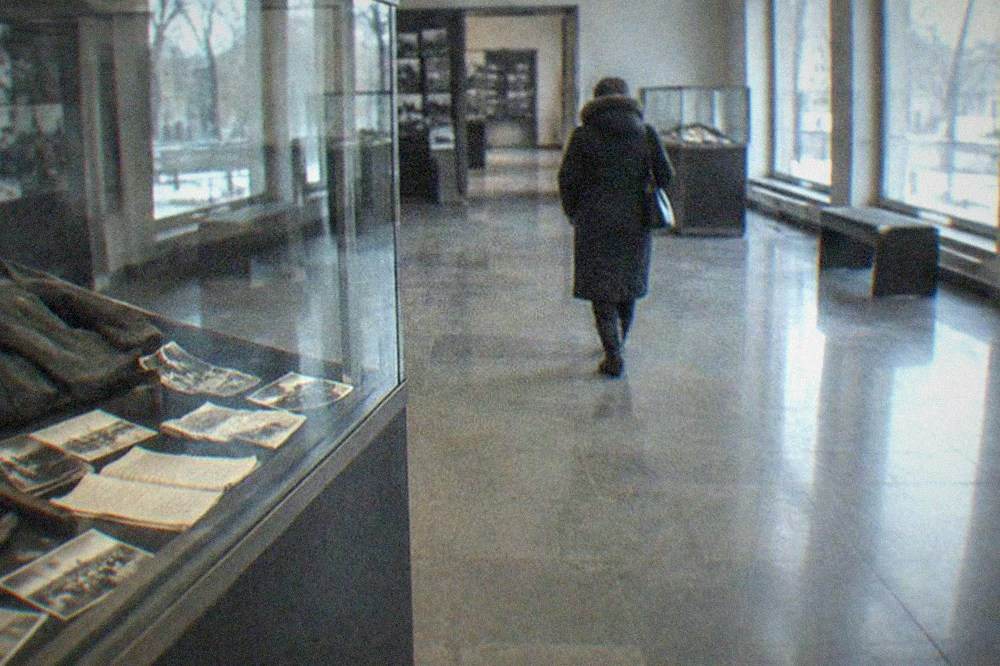
Inside the Memorial Museum of the 1989 Revolution in Timisoara you will find eight permanent exhibitions covering the timeline of December 1989, from the first gathering at Laszlo Tokes's parish through the street protests, the repression, the victims and the fall of the regime, plus three temporary exhibition spaces and a screening room for the documentary "Noi nu murim". The displays mix photographs, printed material, personal objects and filmed testimony rather than a single curated narrative.
The permanent galleries are organized around the sequence of events rather than around object types. One thread follows the build-up: the isolated dissent of the Ceausescu years, the city's reputation for relative openness, and the stand taken at the Reformed parish where the trouble began. Another follows the days of protest themselves, square by square and date by date, using the photographs that local people took at real personal risk, since possessing a camera in a crowd that week could itself be treated as a crime.
A third thread documents the repression. This is the hardest part of the museum and the most important: it records the response of the security forces to unarmed crowds, and the deaths that followed, without dramatizing or softening either. The museum's approach is documentary, built from primary material, and visitors should expect a sobering hour rather than an entertaining one.
The temporary exhibition spaces keep the institution current. Recent programming has included commemorations each December, thematic shows marking anniversary years, and collaborative exhibitions with other memory institutions. What is on in the three temporary spaces changes, so the museum rewards a second visit in a way most small museums do not.
| Exhibition area | Subject | What to expect |
|---|---|---|
| Origins gallery | Dissent under the Ceausescu regime | Context for why the city rose first |
| Parish and 16 December | The gathering at Laszlo Tokes's parish | Where and how the protest began |
| The square days | Protests in the city's squares | Photographs and testimony by date |
| Repression records | The response of the security forces | Documentary material, sobering content |
| Victims and remembrance | Those who died in December 1989 | Memorial treatment, no invented lists |
| Aftermath | The fall of the regime on 22 December 1989 | The ten days concluded |
| Temporary spaces | Rotating exhibitions | Changes through the year |
| Film screening | "Noi nu murim" | Period footage assembled into one account |
One practical note: the museum does not shy away from difficult material, and families with young children may want to preview the galleries before taking children through everything. The city offers lighter counterweights nearby, from the Baroque Palace of the National Museum of Art to the open spaces along the Bega Canal, so a heavy morning can be balanced with an easy afternoon.
If the indoor story leaves you wanting to stand where it happened, the guided options below are the natural next step, and most can be booked with free cancellation.
Where Did The 1989 Revolution In Timisoara Actually Happen?
The 1989 Revolution in Timisoara began on 16 December 1989 at the parish of pastor Laszlo Tokes, then spread to the city's squares, chiefly Piata Victoriei in front of Opera Națională Română Timișoara and nearby Piata Libertatii, before culminating in the fall of the regime on 22 December 1989. The Memorial Museum documents these locations, and all of them are walkable from the museum in a single afternoon.
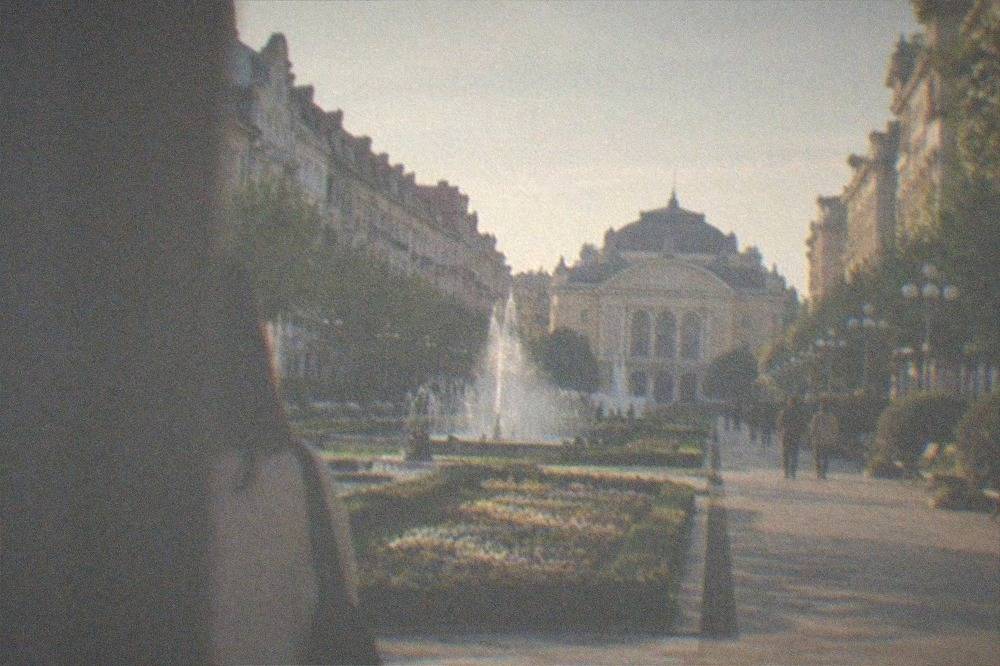
The geography matters because the revolution was a spatial event. Crowds gathered where they could gather, were blocked where the streets were narrow, and converged on the open squares that the city's Habsburg-era layout provided. Piata Victoriei, the long square facing the Opera, became the emblematic image of those days, photographed from rooftops and printed on the front pages of the world's newspapers. The Romanian National Opera building at its head anchored the crowds then and anchors the square now.
Piata Libertatii and the surrounding streets of the old town formed the secondary stage, and the parish where it began sits a short distance from the center. Walking the route in order, from the parish to the squares, is the single most effective way to absorb what the museum explains indoors. The distances are short, the terrain is flat, and the city has marked its revolutionary history with monuments and plaques that make the walk self-guiding if you know what to look for.
| Site | Role in December 1989 | Distance character from the museum |
|---|---|---|
| Laszlo Tokes's parish | Where the first gathering formed on 16 December 1989 | Short walk from the center |
| Piata Victoriei | Main protest square, facing the Opera | Flat, central, walkable |
| Piata Libertatii | Secondary gathering and march route | Adjacent to the old town |
| Old town streets | March routes and flashpoints | Compact, flat |
| Memorial sites and monuments | Post-revolution remembrance markers | Scattered within walking range |
The city has also been developing a dedicated Revolution Trail, a project to mark the route of the events physically in the streets. Works on the trail were reported as ongoing and slow in late 2025, with a 2026 target, so visitors should expect the squares and the museum to carry the interpretive weight for now. A fuller account of the events themselves, including the question of how many people died, is covered in the site's dedicated guide to the Timisoara 1989 Revolution.
Walking these streets with a guide adds a layer that signage cannot. The related tour below is built precisely around this route and this story.
How Long Should You Spend At The Timisoara Revolution Museum?
Visitors should allow one to two hours inside the Memorial Museum of the 1989 Revolution in Timisoara, which is enough time for the eight permanent exhibitions, a viewing of the documentary "Noi nu murim", and a reasonable pause at the temporary spaces. Visitors with a deeper interest in the period should plan closer to two hours and add a further hour for walking the revolution sites around Piata Victoriei and Piata Libertatii afterward.
The museum is compact, but its content is dense. Reading the panels properly, in English or Romanian, and watching the film cannot be compressed much below an hour, and visitors who rush it tend to leave having seen photographs without having understood the sequence. The material rewards patience: the story of ten days in one city is intricate, and the museum's arrangement makes the sequence legible if you give it time.
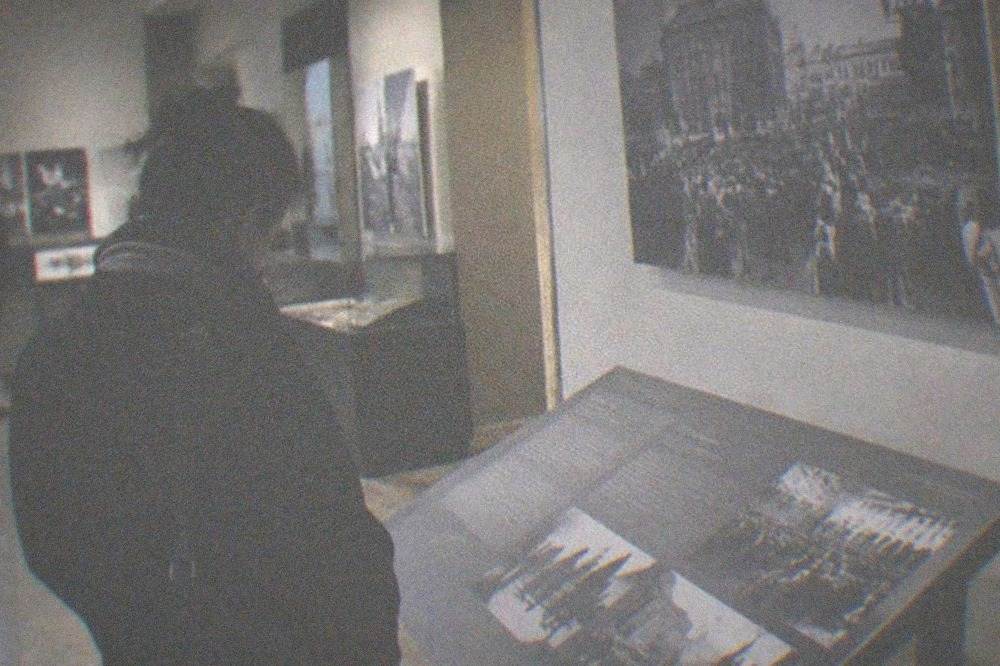
The surrounding walk deserves its own hour. Piata Victoriei, Piata Libertatii and the parish site form a loop that can be walked slowly in under an hour, with stops at monuments and plaques. Done in that order, museum first and streets second, the walk becomes a kind of field trip where the geography confirms the narrative. Reversed, streets first, the museum answers the questions the squares raise.
For visitors on a short schedule, the museum can be compressed to 45 minutes by skipping the film, but that is a poor trade: the documentary assembles period footage in a way the static galleries cannot, and it is included in the ticket. A better economy is to skip nothing inside and trim elsewhere in the day.
| Visitor type | Museum time | Add-on | Total planning figure |
|---|---|---|---|
| First-time visitor, general interest | 60 to 90 minutes | 30-minute squares walk | About 2 hours |
| Visitor with deep interest in 1989 | About 2 hours | 1-hour full revolution route | 3 hours |
| Family with children | 45 to 60 minutes | Lighter afternoon elsewhere | 1 to 1.5 hours |
| December anniversary visitor | 90 minutes | Commemoration events in the squares | Half a day |
How Does The Revolution Museum Compare With Timisoara's Other Museums?
The Memorial Museum of the 1989 Revolution differs from Timisoara's other museums in scale and subject: it covers ten days in December 1989 rather than centuries, its 20 lei ticket matches the Banat Village Museum's reported 20 lei, and it sits closer to the protest squares than the larger institutions. The National Museum of Art and the Banat Village Museum cover fine art and rural life, while Huniade Castle's National Museum of Banat remains closed for restoration with partial reopening targeted for 2027.
Timisoara's museum landscape is unusually varied for a city of its size, and the revolution museum fills a niche none of the others touches. The National Museum of Art in the Baroque Palace on Piata Unirii holds the fine art collections in a magnificent setting, open Wednesday to Sunday with summer hours from 13:00 to 21:00 and winter hours from 10:00 to 18:00. The Banat Village Museum is an open-air collection of regional rural architecture, closed Monday and Tuesday, open Wednesday to Saturday 10:00 to 18:00 and Sunday 12:00 to 20:00, with a reported 20 lei adult ticket.
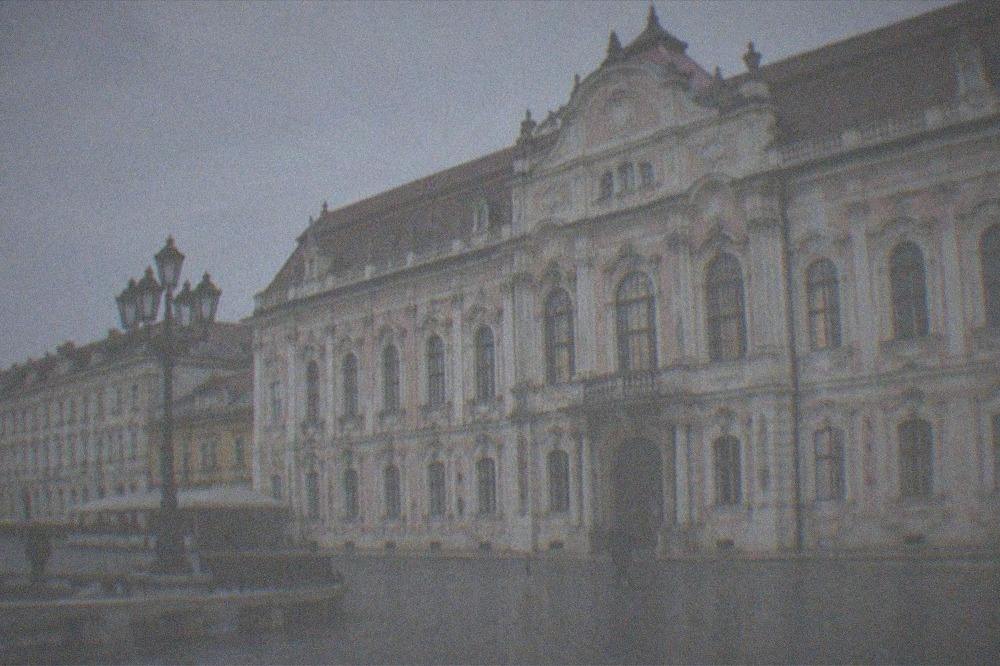
Huniade Castle, the city's oldest surviving secular building and home of the National Museum of Banat, has been closed to the public for roughly two decades, and a restoration contract signed in August 2025 targets partial reopening in 2027 and full reopening in 2028, so it cannot be part of any current itinerary. Two newer additions expand the offer: the MIC children's interactive museum, which opened in May 2026 in Bastion Maria Theresia, and the MINA immersive art venue, which opened in April 2026 in Iulius Town.
| Museum | Subject | Access status | Reported adult fee |
|---|---|---|---|
| Memorial Museum of the 1989 Revolution | The December 1989 uprising | Open, hours reported | 20 lei |
| National Museum of Art, Baroque Palace | Fine art | Open Wed to Sun, seasonal hours | Not stated by the museum |
| Banat Village Museum | Rural Banat architecture and life | Closed Mon and Tue | 20 lei, reported |
| Huniade Castle, National Museum of Banat | Regional history and archaeology | Closed for restoration, partial reopening targeted 2027 | Not applicable |
| MIC, children's interactive museum | Hands-on exhibits for children | Opened May 2026 in Bastion Maria Theresia | Not stated in sources |
| Museum of Urban Public Transport | City transport heritage | Hours and fees not sourced | Not stated |
The practical conclusion is that the revolution museum and the art museum make the strongest single-day pairing, since both sit within the compact historic center and their subjects could not be more different. The village museum works better on a separate day or a long afternoon, given its location and opening pattern. For visitors drawn to the communist period specifically, the Communist Consumer Museum offers the domestic, everyday side of the era, a deliberate counterpoint to the revolution museum's account of its collapse.
What Events Mark The Revolution Anniversary In Timisoara Each December?
Each December, Timisoara marks the anniversary of the 1989 Revolution with commemorations around the 15th to 20th of the month, including ceremonies, religious services and cultural programs centered on Piata Victoriei, the Opera and the Memorial Museum itself. The museum anchors the program, and the squares where the events took place become the setting for public remembrance. Specific programs are announced late in the year, so December visitors should check the museum's published schedule close to travel.
The anniversary is not a staged tourist event. It is a living commemoration attended by people with direct memory of December 1989, by families of those who died, and by city officials, and the tone is correspondingly solemn. Ceremonies typically take place at the key sites, services are held in the city's churches, and the museum runs related programming in its exhibition spaces.
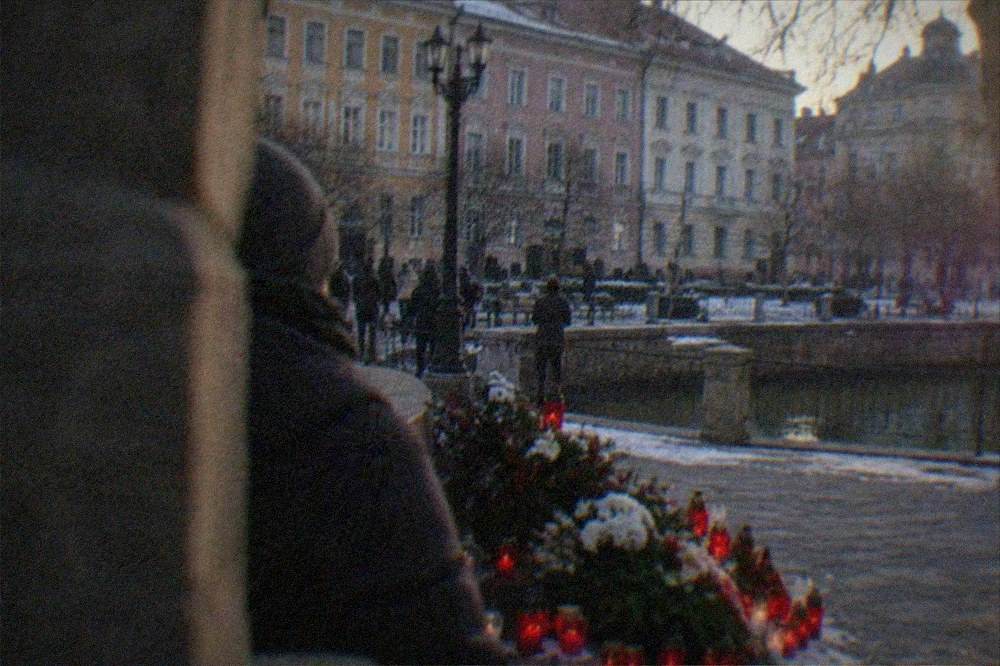
For travelers, mid-December is therefore one of the most affecting times to visit, and also one of the coldest: the city's climate is continental, with a January mean of 0.0 C, and December sits close behind at 1.5 C mean with 44.7 mm of precipitation. Dress for it and the commemoration period rewards the effort; the same squares that hold the summer city celebration, Ziua Timisoarei, held over 31 July to 3 August 2026 with more than 100,000 attendees, stand quiet and candlelit in December.
Visitors with a broader interest in Romania in winter can extend the theme, since the city's Christmas Market, expected in Piata Victoriei from late November into early January on the pattern of prior years, overlaps with the anniversary dates. The combination is distinctive to Timisoara: a festive market and a revolution commemoration sharing the same square, two weeks apart in the calendar.
Should You Visit The Revolution Museum With A Guide Or On Your Own?
Most first-time visitors can enjoy the Memorial Museum of the 1989 Revolution in Timisoara on their own, since its exhibitions are arranged as a self-explanatory sequence and the documentary carries the narrative, but a guided walking tour adds real value for the outdoor half of the story, the squares and sites where the events happened, because signage in the streets cannot match a guide's narration. The strongest plan is the museum independently in the morning and a guided revolution walk in the afternoon.
The museum half of the day needs no guide. The galleries are ordered, the panels do the interpretive work, and the film fills the remaining gaps. Time and money spent on a guide inside the museum is largely redundant.
The streets are different. The route from the parish to Piata Victoriei and Piata Libertatii is walkable alone, but a guide who knows which building held what, which corner saw which confrontation, and how the ten days moved through this geography turns a pleasant walk into a genuine history lesson. That is exactly what the revolution-themed walking tours of the city are built for.
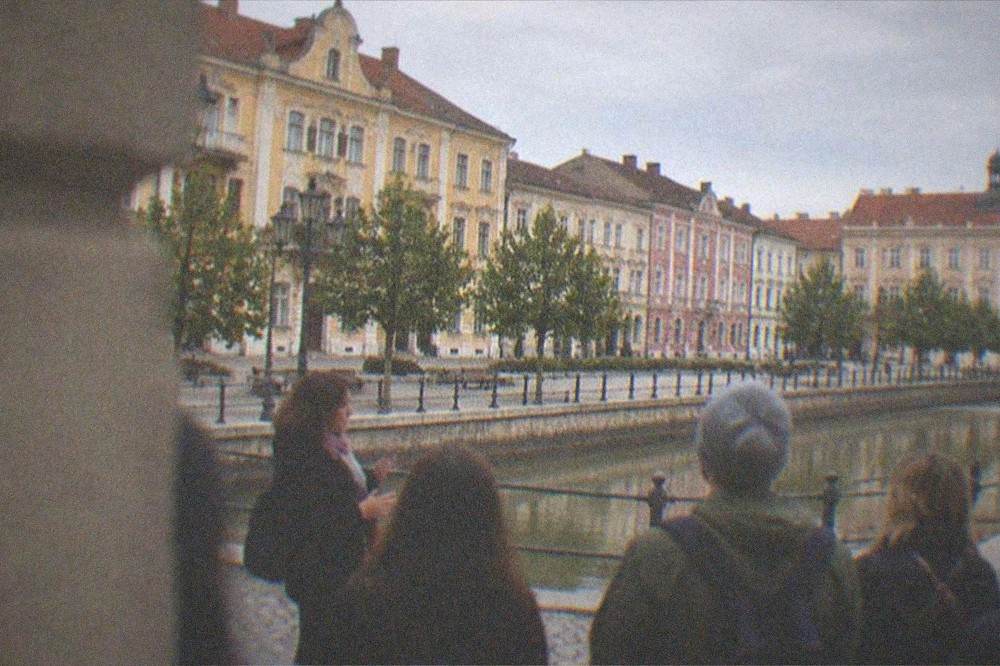
Visitors who prefer a general introduction to the city before narrowing to the revolution can start with a classic orientation walk, then go deeper. The options below include both a revolution-focused walk and a broader city format.
For independent travelers, the self-guided alternative is straightforward: the museum, then Piata Victoriei, then Piata Libertatii, in that order, with the dedicated Timisoara 1989 Revolution guide on this site as a companion text. Either way, the pairing of museum and squares is what makes the subject land.
How Do You Fit The Timisoara Revolution Museum Into A Day In The City?
The Memorial Museum of the 1989 Revolution fits naturally into a half-day in central Timisoara: a morning visit of one to two hours at the museum, an afternoon walking the revolution route through Piata Victoriei and Piata Libertatii, and the rest of the day among the nearby attractions of the old town, including Piata Unirii, the Baroque Palace and the city's churches, all of which sit within flat, short walking distance of one another.
The city center is compact enough that no transport is needed for this itinerary. The squares and museums of the historic core form a rough triangle, and the whole loop is comfortably walkable. Public transport matters only for reaching the center from further out, where a single 60-minute ticket costs 5 lei and a one-day pass costs 18 lei, both valid across the network including the Bega water bus in season.
A sample structure looks like this: museum in the late morning when the reported weekday opening from 08:00 gives a comfortable start, the squares after lunch, then Piata Unirii for the Baroque Palace and the cluster of historic churches around it, the Serbian Orthodox Cathedral among them. An evening in Theresia Bastion rounds out a full day without repeating a single theme.
| Time block | Activity | Notes |
|---|---|---|
| Late morning | Memorial Museum of the 1989 Revolution | 1 to 2 hours, film included |
| Early afternoon | Revolution route: Piata Victoriei and Piata Libertatii | Flat, short walk, monuments en route |
| Mid afternoon | Piata Unirii, Baroque Palace, National Museum of Art | Art museum open Wed to Sun, seasonal hours |
| Late afternoon | Historic churches around the old town | Several within a few minutes' walk |
| Evening | Theresia Bastion or the Bega Canal | Both walkable from the center |
Visitors with more than a day can widen the frame. The one day in Timisoara and two days in Timisoara itineraries on this site place the museum in a fuller sequence, and the three-day plan adds day trips into the Banat countryside. The revolution museum earns its slot in every one of them, because nowhere else in the city, and arguably nowhere else in Romania, is this particular story told so directly.
For travelers who want the revolution story and the Banat landscape in one trip, the picks below pair the city walk with two full-day options beyond it.
Planning the practical side is simple. Romania is a full Schengen member, with air and sea access since 31 March 2024 and land borders since 1 January 2025, so visitors moving from Hungary or elsewhere in the Schengen area face no routine border checks. The currency is the Romanian leu, not the euro, and the 20 lei museum ticket is paid in lei at the desk. A city tourist tax exists, set by local council decision and reported at 2 percent of the accommodation tariff excluding VAT, collected by the lodging rather than the museum. Everything else about the visit is a matter of walking shoes and an open afternoon.
Common Questions About The Timisoara Revolution Museum
How much is a ticket to the Timisoara Revolution Museum?
The adult ticket at the Memorial Museum of the 1989 Revolution in Timisoara is 20 lei, covering the eight permanent exhibitions, three temporary exhibition spaces and the documentary film "Noi nu murim". A separate 20 lei fee applies for photography inside.
What are the opening hours of the Timisoara Revolution Museum?
Reported hours are Monday to Friday from 08:00 to 17:00 and Saturday to Sunday from 10:00 to 18:00. These hours are reported rather than taken from a primary posted schedule, so confirm them close to your visit, especially around public holidays and the December commemorations.
Where did the 1989 Revolution in Romania begin?
It began in Timisoara on 16 December 1989, when crowds gathered at the parish of pastor Laszlo Tokes. The protests spread to the city's squares, chiefly Piata Victoriei and Piata Libertatii, and the regime fell on 22 December 1989.
How long does a visit to the Timisoara Revolution Museum take?
Allow one to two hours for the museum itself, including the documentary. Add a further 30 to 60 minutes to walk the revolution sites around Piata Victoriei and Piata Libertatii afterward.
Is the Timisoara Revolution Museum suitable for children?
The museum covers the repression and deaths of December 1989 in documentary detail, so it is better suited to older children and teenagers than to young ones. Families can preview the galleries first and balance the visit with lighter attractions nearby.
Is the Timisoara Revolution Museum the same as the planned National Museum of the Anti-Communist Revolution?
No. The Memorial Museum of the 1989 Revolution is the existing institution. A separate National Museum of the Anti-Communist Revolution of December 1989 is in the design phase currently, planned for the former garrison command courtyard in Piata Libertatii, with funding extended to June 2027.
The Memorial Museum of the 1989 Revolution is the reason many travelers dig deeper into Timisoara than its squares and cafes, and it repays the effort: a 20 lei ticket, a couple of hours, and a walk through the streets where it all happened will explain this city, and modern Romania, better than any other single stop on a Banat itinerary.