What Does Timisoara Mean In English?
The English meaning of the name Timisoara, the city in Timis County, Banat, western Romania: its river-name origin, the Hungarian Temesvar and German Temeswar forms, and how the name evolved.
Timisoara, the city in Timis County in the Banat region of western Romania, carries a name that travelers often misread on first contact. The English form is a straight borrowing of the Romanian name, and that Romanian name is itself built on a river and a very old habit of naming fortress towns after the water beside them. Under its Hungarian name, Temesvár, and its German name, Temeswar, the same city appears across centuries of Habsburg, Hungarian and Banat Swabian records, all pointing at one meaning: a stronghold on the Timiș. This page unpacks what the name means in English, where each element comes from, and why the spelling changes so much from one map to the next.
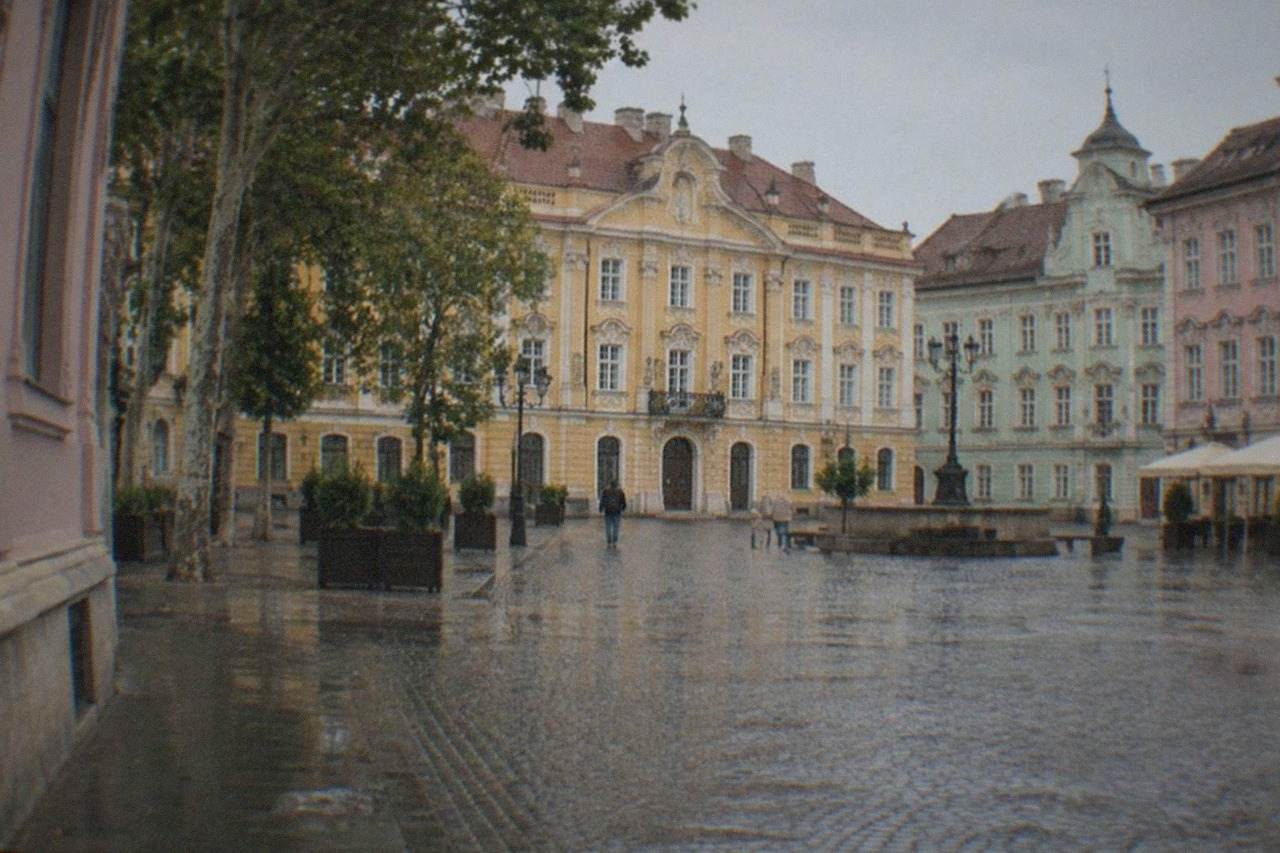
What Does Timisoara Mean In English?
In English, Timisoara means "place on the Timis river," a name built from the river Timiș plus a suffix marking a settlement, and the city's Hungarian name, Temesvár, makes the sense explicit by pairing the river with "vár," the Hungarian word for fortress or castle. So the honest English translation of the city's name is "fortress on the Timis." The name does not describe scenery or an event; it is a simple geographic label stating that a fortified town stood on this river.
That is the core of it. The river gives the first syllable, and the settlement suffix gives the rest. What surprises many visitors is that the meaning has stayed transparent across languages: Hungarian speakers see "Temes" plus "vár" and read a fortress name, German speakers inherited "Temeswar" from the same root, and Romanian speakers recognize their own river name inside the city name. Very few European city names survive this intact across three languages with the meaning still legible.
The name also explains a small confusion travelers hit on arrival. People sometimes assume the city sits directly on the Timiș river, because the name says so. The city's historic core grew up along the Bega canal instead, which was canalized starting in 1728 and became the first navigable canal in Romania, while the Timiș flows through the wider area that gave the region and the county their names. The name preserves an older geography than the modern street map.
Where Does The Name's River Element Come From?
The river element in the name is the Timiș, the watercourse that gives Timis County its name as well, and it appears as "Temes" in Hungarian and "Temeswar" in German, so every historical form of the city's name is a variation on the same river word. The river name itself is far older than any of the city names built on it, predating the modern language boundaries of the region. In English the whole name therefore reduces to "the settlement on the Timis."
The Banat region where the city stands has changed hands many times, and each administration left its own spelling behind. The Habsburg-era records that shaped so much of the city's built heritage, from the lamp-lit streets of 1760 to the electric street lighting of 12 November 1884, used the German form. The first newspaper printed in Romania, which appeared in 1771, carried the name "Temeswarer Nachrichten," literally "Temeswar News," so the German city name was in daily print use more than 250 years ago. Hungarian administration used Temesvár, and Romanian usage gives the form the English-speaking world now borrows.
| Form | Language | Literal sense |
|---|---|---|
| Timisoara | Romanian | Settlement on the Timiș river |
| Temesvár | Hungarian | Fortress on the Timiș |
| Temeswar | German | Fortress town on the Timiș |
The table shows why translation questions have a clean answer: all three forms say the same thing. The Hungarian form is the most literal, because "vár" still means fortress in Hungarian today. The Romanian and English forms drop the fortress element and keep the settlement sense, which is why "What does Timisoara mean in English?" is best answered as "place on the Timis" rather than as a poetic phrase.
If the layered names appeal to you, a walking tour is the easiest way to see how each era stamped itself on the streets: the trio below covers the historic districts where these languages once competed for space on shop signs and church plaques.
Why Do Maps Show Different Names For The Same City?
Maps show Temesvár, Temeswar and Timisoara for the same city because each language named it during a period when that language ran the administration, and English simply adopted the Romanian form after the region became part of Romania. The name changes track the region's political history rather than any change in the place itself. None of the three names is a translation error; each is a legitimate historical form of one fortress-on-the-Timis name.
This matters for anyone reading older travel accounts or family histories from the Banat. A Banat Swabian grandmother writing home in German said Temeswar. A Hungarian census taker in the years before the region joined Romania wrote Temesvár. A Romanian official today writes Timișoara, and English-language guidebooks, including Timisoara Travel Guide, use the plain ASCII spelling Timisoara because it travels better through search boxes and airport signage. The city itself has been the same city throughout, the place where the 1989 Romanian Revolution began, as covered in what happened in 1989 in Romania.
The German name has its own dedicated page, since German is still a living part of the city's identity: the city has had three state theatres, in Romanian, Hungarian and German, since 1953, the only European city with that arrangement. For the German form's full story, see what is the German name for Timisoara.
Wondering how to see the layers of the city in person?
How Has The Name's City Earned Its Fame Since?
The name means "fortress on the Timis," but the city outgrew that label long ago: Timisoara was the first city on mainland Europe with electric street lighting, on 12 November 1884, with 731 lamps over 59 km of streets, the home of Romania's first newspaper in 1771, and the place where the 1989 Revolution started, so the modern fame rests on firsts and on revolution rather than on the river in the name. The name is geographic; the reputation is historical.
The list of firsts attached to this city is unusually long, and it is worth knowing because it explains why a mid-sized Banat city keeps appearing in international coverage. Beyond the electric lighting and the newspaper, the city claims the oldest attested brewery in Romania (1718), the first horse-drawn tram in the Habsburg Empire (8 July 1869, running from Cetate to Fabric), the first electric tram in Romania (1899), and the first telegraph and telephone networks in the country. In 2023 it held the title of European Capital of Culture, with its opening weekend from 17 to 19 February.
| Year | First attached to Timisoara |
|---|---|
| 1718 | Oldest attested brewery in Romania |
| 1771 | First newspaper printed in Romania, the Temeswarer Nachrichten |
| 1884 | First city on mainland Europe with electric street lighting |
| 1899 | First electric tram in Romania |
| 1953 | Only European city with three state theatres, in Romanian, Hungarian and German |
| 2023 | European Capital of Culture, with Elefsina and Veszprem |
For most visitors today, the fame question is answered by the city's squares and its recent history rather than by etymology. The nickname "Little Vienna" is common usage, never an official title, and the comparison is explored in why is Timisoara called Little Vienna. The broader claim to attention is laid out in what is Timisoara known for, and the practical shortlist lives on the main things to do in Timisoara page.
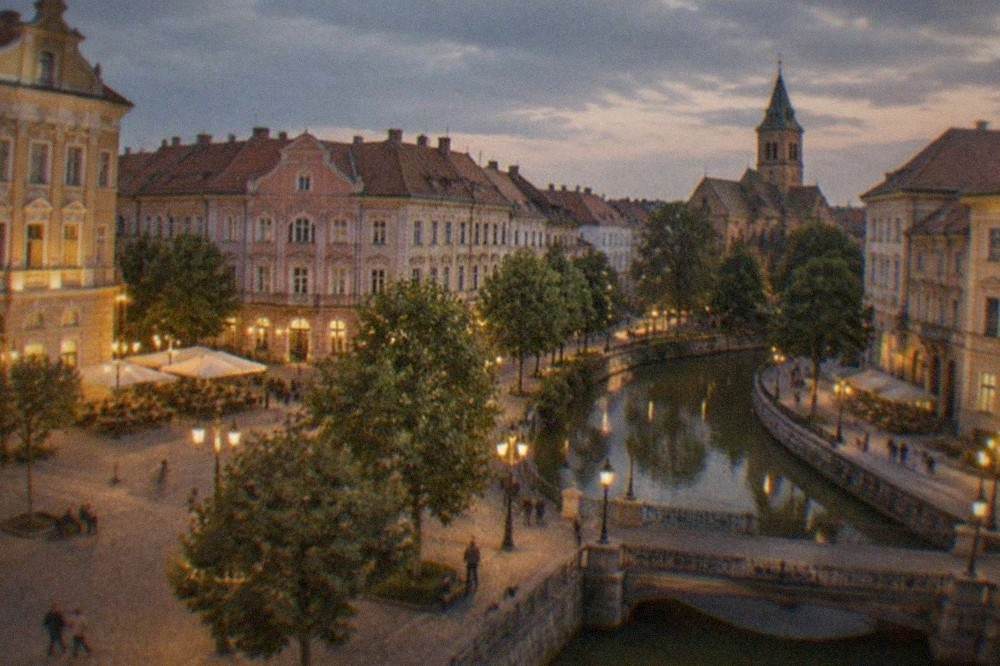
How Do You Pronounce And Spell Timisoara?
The spelling "Timisoara" is the plain ASCII form used in English-language contexts, while Romanian writes "Timișoara" with a diacritic on the s, and the pronunciation in Romanian is roughly "tee-mee-shwa-ra," four syllables with the stress sliding toward the middle, because the marked s sounds like "sh" in English. Travelers who say "tim-ee-oh-ara" will still be understood, but the sh sound is the detail that marks the correct pronunciation.
The spelling question is practical, not pedantic. Airport codes, booking confirmations and this site's URLs use the plain form, because the diacritic does not survive every keyboard and search box. Romanian signage, official documents and the city's own publications use Timișoara. Both spell the same word and mean the same thing. The one form to avoid in English is inventing a hybrid, which happens when writers half-apply the diacritic.
A note on the surrounding names helps too. The county is Timis, the region is Banat, and the river inside the city name is the Timiș. The Hungarian and German names, Temesvár and Temeswar, belong in historical sentences, not on road signs, and modern Hungarian and German speakers referring to the city today generally follow the Romanian form. English has no separate exonym: there is no "Temeshburg" or "Timsville" in English usage, so the Romanian name, minus its diacritic, is the English name.
For seeing the city whose name you now can pronounce, a guided walk through Elisabetin, one of the historic districts that make up the name's living context, is a good fit.
Does The Name Tell You Anything About Visiting Today?
The name tells you the city grew as a fortress town on a river plain, and that origin still shapes a visit: the old core is compact and walkable, organized around squares like Piata Unirii and Piata Victoriei, with the Bega canal running through as the modern waterside, so the "fortress on the Timis" of the name is today a city you cross on foot in well under an hour. The meaning is historical; the walkability is current.
Visitors planning around the name's geography should know the continental climate that comes with the river plain: JMA climate normals for the Timisoara station give a January mean of 0.0 C and a July mean of 22.8 C, with precipitation running from 34.1 mm in the driest month, March, to 79.1 mm in the wettest, June. Summer visits are warm and occasionally wet; winter visits are cold but workable. The full monthly picture is in how cold does it get in Timisoara.
Whether the city justifies the trip is a fair next question, and the answer is yes for most travelers who enjoy walkable Central European cities with a layered past. The case is made in is Timisoara Romania worth visiting. And if the name's multicultural backstory has you curious about the streets where Romanian, Hungarian and German were all spoken within a few blocks, the trio below walks those exact districts with a local guide.
Common Questions About The Meaning Of Timisoara
What does Timisoara mean in English?
Timisoara means "place on the Timis river." The Hungarian form of the name, Temesvár, spells the sense out as "fortress on the Timis," and the German form, Temeswar, carries the same meaning. English uses the Romanian spelling without the diacritic.
Is Timisoara the same city as Temesvár and Temeswar?
Yes. Temesvár is the Hungarian historical name and Temeswar is the German historical name for the same city in western Romania. All three names refer to one place, and each was the working name during a different period of the region's administration.
Why is Timisoara sometimes spelled with a diacritic?
Romanian writes the city's name as Timișoara, where the marked s sounds like "sh" in English. International contexts, including airport codes and this site, use the plain ASCII spelling Timisoara because the diacritic does not survive every keyboard and search box.
Does the Timis river flow through the city?
The city's historic core grew along the Bega canal, which was canalized starting in 1728 and became the first navigable canal in Romania. The Timiș river flows through the wider area and gave its name to the city and to Timis County, so the name preserves an older, regional geography.
Is there a separate English name for the city?
No. English has no exonym for Timisoara; the Romanian name, written without the diacritic, is the English name. Older English texts occasionally used the German or Hungarian forms, but modern usage follows the Romanian spelling.