Which Train Route In Romania Is Considered The Most Scenic?
The Oravita to Anina line through the Banat hills is widely considered Romania's most scenic train route, and it sits within reach of Timisoara. Here is what to know before riding it.
The line most often named as Romania's most scenic train route is the old Banat mountain railway from Oravita to Anina, a narrow-gauge climb through the forested hills of Caras-Severin county, south of Timisoara in western Romania. It is widely known by the nickname the Banat Semmering, after the famous Austrian alpine line it was built to echo, and the comparison is earned rather than borrowed.
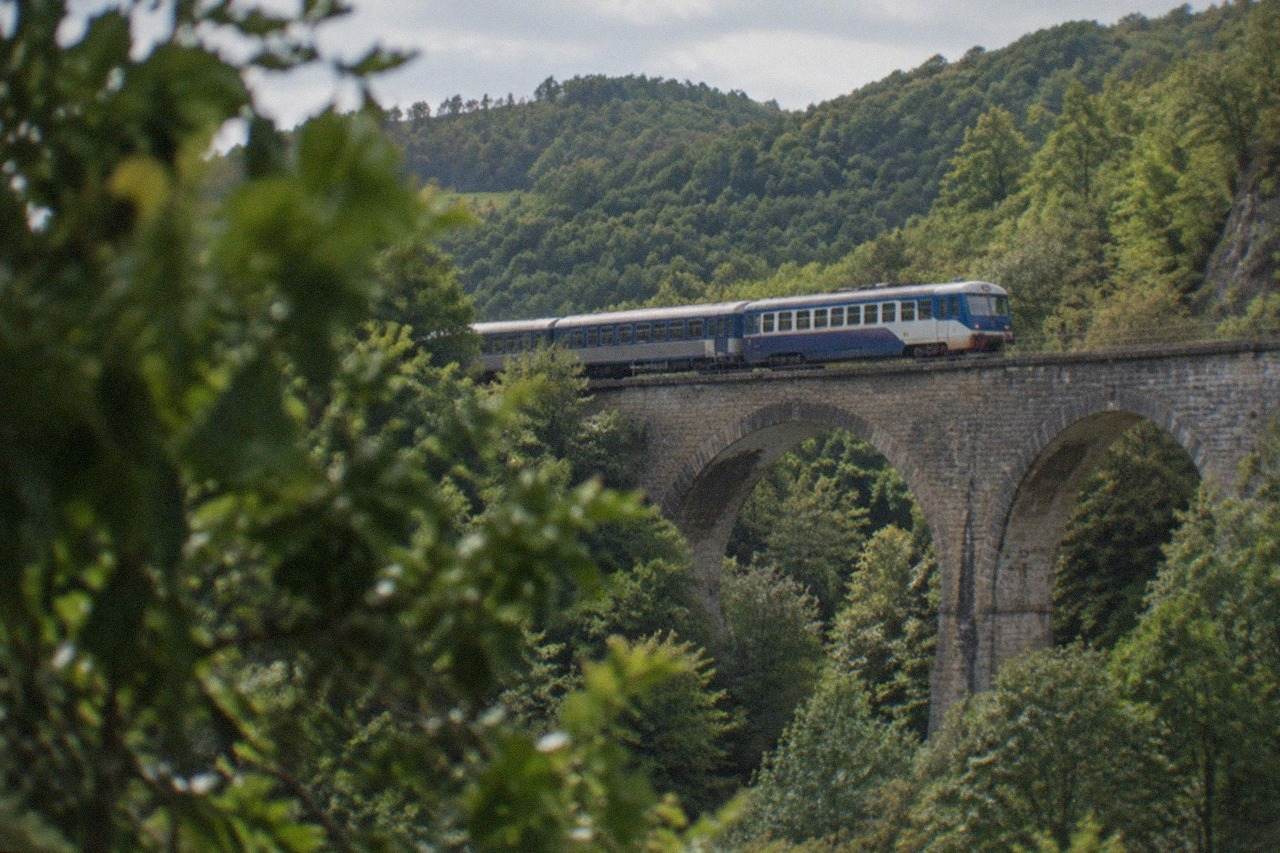
Which Train Route In Romania Is Considered The Most Scenic?
The Oravita to Anina line in the Banat hills of Caras-Severin county, reached from Timisoara in western Romania, is the route most consistently described as the country's most scenic railway. It was engineered as a mountain coal line in the Habsburg era, and its stone viaducts, cuttings and tunnels stack the track along hillsides above the Anina valley, which is why Romanian writers gave it the Banat Semmering nickname in direct comparison with Austria's famous alpine railway.
The comparison is the heart of its reputation. The original Semmering railway west of Vienna was the first mountain railway in the world, built with dramatic viaducts and tight curves so the line could cling to steep ground, and the Banat engineers faced the same problem on the climb from Oravita toward Anina. Their solution, a chain of tall stone viaducts and short tunnels threaded through beech and pine forest, is what makes the ride famous rather than merely pleasant. The line is also one of the oldest mountain railways still carrying regular passenger trains anywhere in Europe, which matters to the railway enthusiasts who ride it from across the continent.
Two practical points shape any trip. The service is sparse, so the line rewards planning around a full day in the Banat rather than a quick out-and-back dash. And the setting is the same Banat region whose landscapes, gorges and waterfalls appear throughout this site, so the train pairs naturally with the region's other sights. For background on the wider area, see the site's Banat region overview.
Why The Oravita To Anina Line Earns Its Reputation
The line earns its reputation through engineering rather than distance: the track crosses a series of tall stone viaducts and passes through repeated tunnels on a continuous climb, so nearly every minute has a valley below the window or rock beside it. It was built to bring coal down from Anina to the Banat plain, and because the terrain allowed no easy route, the builders stacked the railway along the hillsides the way alpine lines were built in Austria. That combination is unmatched on any other Romanian line.
Other Romanian railways are dramatic in moments, a gorge here, a long tunnel there, but the Oravita line is dramatic as a whole. The viaducts are the signature image: tall, arched, stone-built structures that carry the train across ravines with nothing but forest underneath. Because the line was built before earth-moving machinery made sweeping cuts affordable, the engineers followed the contours of the land, and the result is a slow, curving ride where the scenery changes constantly. The forests of the Semenic and Anina mountains close in on the track for much of the route.
The nickname is not an official designation, and no Romanian authority claims it as one. It is common usage among railway writers and travelers, the same way Timisoara's own "Little Vienna" nickname is common usage rather than an official title. Both nicknames say something real: this corner of western Romania was shaped by Habsburg engineering and Habsburg architecture, and the railway is the most visible piece of that inheritance still working today. The site's Banat Semmering railway guide covers the line in depth, station by station.
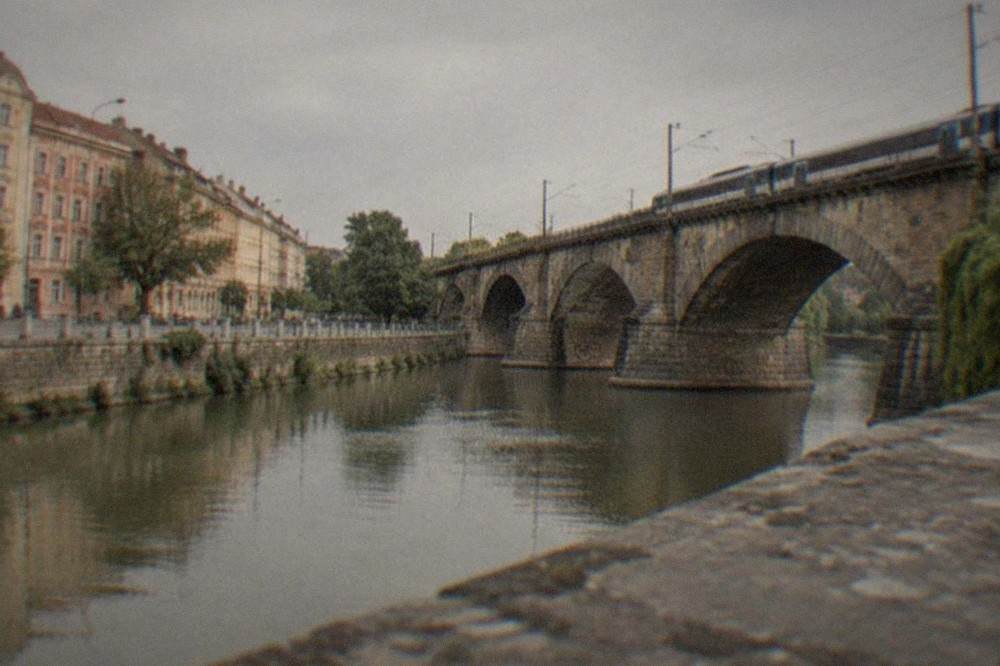
How To Reach The Banat Line From Timisoara
Timisoara is the natural base for reaching the scenic Banat line: the branch starts at Oravita, a town in Caras-Severin county reached by regional train or road from Timisoara, and the mountain section runs from Oravita up to Anina. There is no high-speed shortcut involved, this is a regional railway in a rural county, so the trip works best as a full day built around the mountain section itself rather than a brief excursion.
The practical chain is straightforward. Travelers reach Oravita first, then ride the mountain branch. Because timetables on rural Romanian branches change by season and the pack for this page does not carry a current Oravita timetable, check the operator's own channels before committing to a date, and see how to buy train tickets in Romania for the booking side.
For contrast, here is how the long-distance rail picture from Timisoara looks, using only the figures verified in this site's research:
| Route from Timisoara | Service status (Sept 2026) | Journey time as reported |
|---|---|---|
| Timisoara Nord to Bucuresti Nord | Direct CFR InterRegio service | About 11 to 12 hours |
| Timisoara Nord to Budapest | Direct service reported by rail aggregators, twice daily | Around 5.5 hours, as reported, not a published CFR timetable fact |
| Timisoara to Belgrade | No direct service | Requires a change; buses are the straightforward option |
The Budapest figure deserves its caveat. Rail aggregators active in September 2026 show a direct service of roughly five and a half hours twice daily, but this site's research could not confirm it against a published CFR or MAV timetable, so treat it as reported rather than official. The Bucharest duration, by contrast, comes from CFR's own itinerary page. For the station itself, the Timisoara train station guide covers arrival, layout and connections.
What Other Romanian Train Journeys Are Worth The Ride?
The strongest runners-up are the main line east from Timisoara across the Banat plain toward Bucharest, which crosses a genuinely rural Romania few visitors see, and the international run to Budapest, which crosses the internal Schengen border with Hungary without routine checks. Neither matches the Oravita line's mountain engineering, but both reward the traveler who treats the train as part of the trip rather than a means to an end. The Budapest run in particular pairs two historic railway cities in a single morning or afternoon.
The Bucharest run is the long one, about 11 to 12 hours on CFR's direct InterRegio service, and its character is completely different from the Banat branch. Where Oravita to Anina is all stone viaducts and forest, the Bucharest line is a cross-section of southern Romania: the flat Banat, the towns of the west, then the long approach into the capital. It is a ride for travelers who want to see the country's scale, and the duration is honest, this site's research specifically warns against rounding it down.
The Budapest run is shorter and, since 1 January 2025, borderless in the routine sense: Romania's full Schengen membership means the Hungarian border is internal, with no scheduled passport control on the train. Timisoara's own Habsburg past, under its Hungarian name Temesvár and German name Temeswar, makes the pairing feel natural: the city was built under the same empire that built Budapest's grand railway architecture. Travelers weighing the city itself against other Romanian destinations can compare in is Timisoara worth visiting.
| Journey | Character | Best for |
|---|---|---|
| Oravita to Anina | Narrow mountain branch, stone viaducts, forest | Scenery and railway heritage |
| Timisoara to Bucharest | Long direct InterRegio across rural southern Romania | Seeing the country's scale |
| Timisoara to Budapest | Direct international run, internal Schengen border | City-pair trip, two historic railway cities |
When To Ride The Scenic Banat Line?
The best months for the Oravita to Anina ride are May to September, when the JMA climate normals for the region show means climbing from 17.3 C in May to a peak of 22.8 C in July, with July and August the driest summer months at 61.9 mm and 54.6 mm of rain. Winter riding is possible but the forest hides its colors, and June is the wettest month at 79.1 mm, so pack for showers if riding then.
The climate figures above come from the JMA/WMO CLIMAT normals for the Timisoara station, the closest verified series this site holds, and they describe a continental pattern: cold winters, warm summers, rain spread across the year totaling 600.7 mm. The Banat hills sit higher than the Timisoara plain, so conditions on the mountain line can run cooler than the lowland figures suggest. Autumn adds color to the beech forests; spring adds water to the valleys the viaducts cross.
One seasonal note matters for planning: rural Romanian branch lines sometimes adjust schedules around holidays and maintenance, and this page's research does not carry a current Oravita timetable, so confirm the day's service before traveling. Travelers combining the ride with a stay in the city should also read the site's best time to visit Timisoara guide, which walks through the same climate data month by month.
Pairing The Rails With Timisoara Itself
A scenic-rail trip to the Banat line works best with at least a full day in Timisoara on either side, because the city is a destination in its own right: its baroque squares, its 1989 Revolution sites and its three historic neighborhoods, Cetate, Iosefin and Fabric, fill a day easily. The city's own story, from Habsburg frontier fortress to European Capital of Culture 2023, gives the rail journey a frame, and the two experiences belong together in one itinerary.
The city's railway heritage is not decoration. Timisoara was the first city on mainland Europe with electric street lighting, on 12 November 1884, and it ran the first horse-drawn tram in the Habsburg Empire in 1869, so arriving by train lands you in a place that has taken transport seriously for well over a century. A guided walk is the efficient way to absorb that history, and a themed route adds depth for travelers whose interest runs deeper than the squares. This Timisoara Travel Guide site covers that history across its attractions and answers pages, so the background is easy to piece together.
For the deeper background on the city's past, including the events of December 1989 that began here, the site's history pages walk through the Revolution street by street, and for the full sightseeing picture, the things to do in Timisoara page collects the city's essentials in one place.
Common Questions About Scenic Train Routes In Romania
Which train route in Romania is considered the most scenic?
The Oravita to Anina line in the Banat hills of Caras-Severin county, south of Timisoara, is the route most consistently given that title. Its stone viaducts and forested mountain climb earned it the Banat Semmering nickname, and it remains one of Europe's oldest mountain railways still carrying regular passengers.
How do you get to the Oravita to Anina train from Timisoara?
Travelers reach Oravita first, by regional train or road from Timisoara, then ride the mountain branch from Oravita up to Anina. Because rural branch timetables change by season and this site's research holds no current Oravita schedule, confirm the day's service with the operator before traveling.
Is there a scenic train from Timisoara to Budapest?
There is a direct international service reported by rail aggregators at around 5.5 hours twice daily, though this site's research could not confirm it against a published CFR or MAV timetable, so treat the duration as reported. Since Romania became a full Schengen member with land borders included on 1 January 2025, the Hungarian border crossing involves no routine checks.
Is there a direct train from Timisoara to Belgrade?
No. Currently no direct service exists, and travel requires a change, with buses the more straightforward option. Romanian and Serbian officials were reported in August 2026 to be discussing restoring passenger trains on the Stamora Moravita to Vrsac corridor, but nothing is running yet.
When is the best time of year to ride the Banat mountain railway?
May to September is the safest window, using the verified regional climate normals: means rise from 17.3 C in May to 22.8 C in July, with July and August the driest summer months at 61.9 mm and 54.6 mm of rain. June is the wettest month at 79.1 mm, so riders then should pack for showers.
The Banat Semmering is the answer most Romanians will give you, and the ride backs the claim up; plan the day around it, base yourself in Timisoara, and let the slowest, oldest railway in the region be the point of the trip rather than the delay.