Oravita Anina Railway
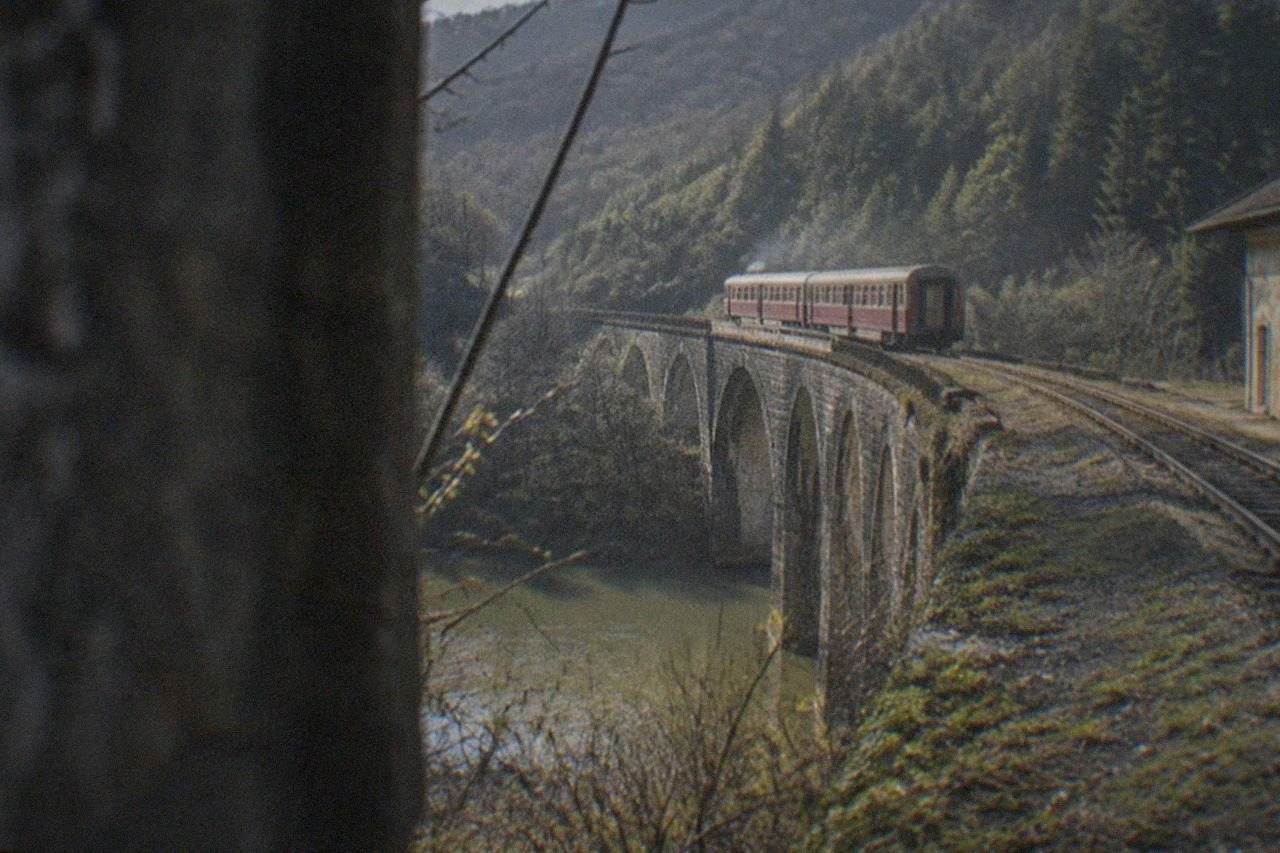
The Oravita Anina Railway is the Banat's famous mountain line, a stone-viaduct railway through the hills of Caras-Severin that makes a rewarding long day trip from Timisoara in western Romania.
Short answer
There is no direct train from Timisoara, so visitors typically drive or join a tour.
The Oravita Anina Railway is a historic mountain railway in the Banat region of western Romania, the same region Timisoara serves as the gateway to, and it is one of the most photogenic rail lines anywhere in the country. Timisoara, in Timis County, is where almost every trip to this line begins, because the towns the railway connects, Oravita and Anina in neighboring Caras-Severin county, are small mountain settlements with limited through transport of their own. The line is often called the Banat Semmering, a nickname borrowed from the famous Austrian mountain railway it is so often compared to, and the comparison is common usage rather than an official designation. This guide sets out how the trip works from Timisoara, what to expect at each end of the line, what the surrounding area offers, and how to budget the day.
What Is The Oravita Anina Railway?
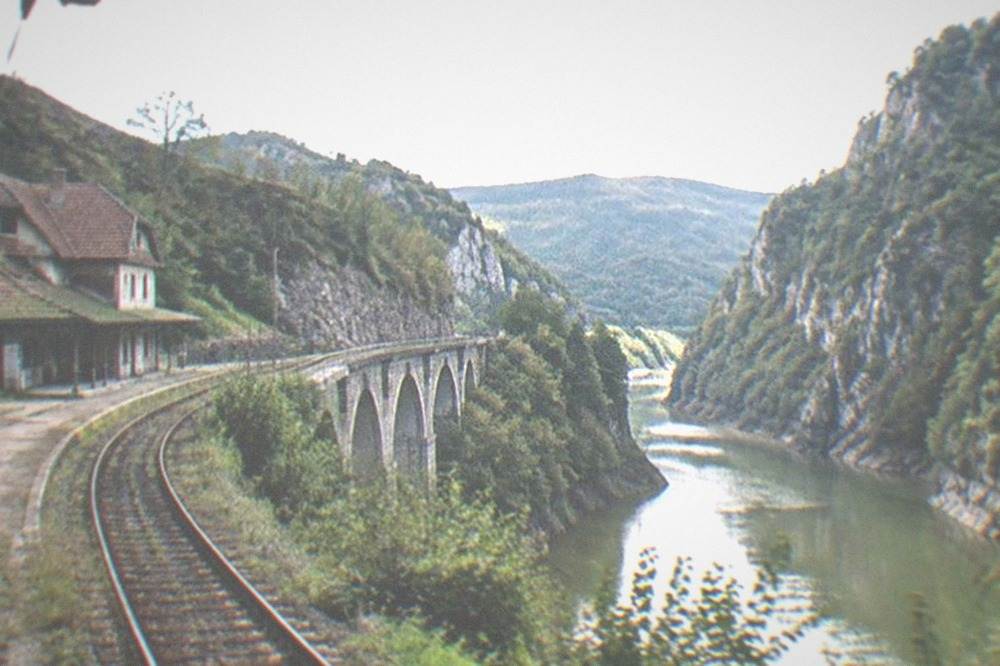
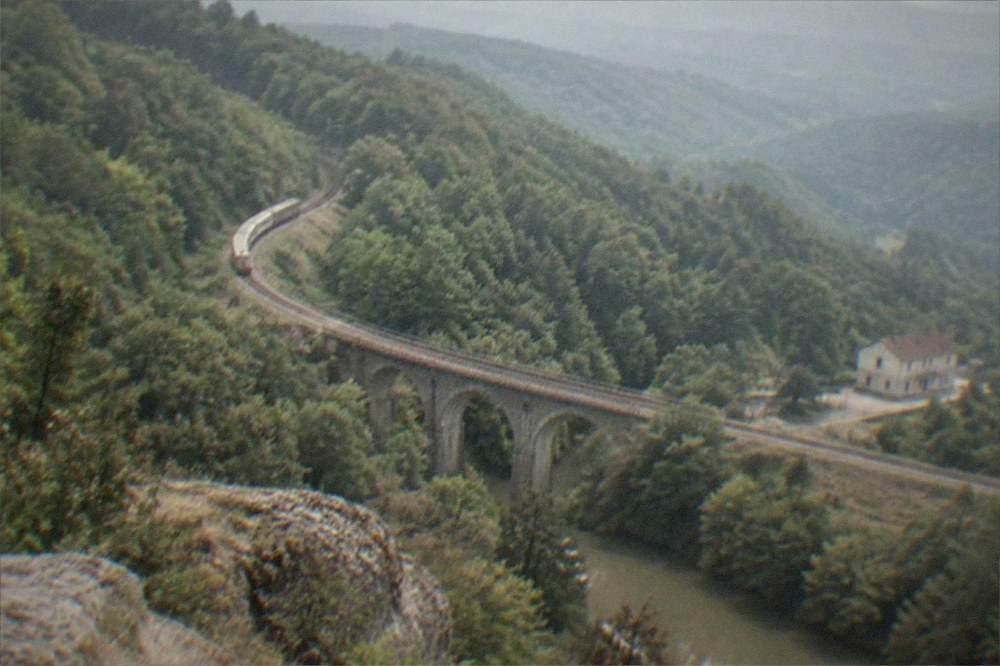
The Oravita Anina Railway is a heritage mountain railway in Caras-Severin county, in the Banat region of western Romania, connecting the small towns of Oravita and Anina through a landscape of forested hills, cuttings, tunnels and stone viaducts. It is informally known as the Banat Semmering after the celebrated Austrian mountain line it resembles, and it is one of the most rewarding rail-related day trips you can make from Timisoara.
The line belongs to the same engineering tradition that shaped the wider Banat under Habsburg-era administration, the period that also gave Timisoara its grid-planned Cetate district and its early public works. The Banat was a heavily engineered landscape long before it was a tourist one: the city's own records list the canalising of the Bega from 1728, the first navigable canal in Romania, and the first horse-drawn tram in the Habsburg Empire running in Timisoara from 8 July 1869. A mountain railway threaded through the Semenic foothills fits that same story of ambitious infrastructure in difficult terrain.
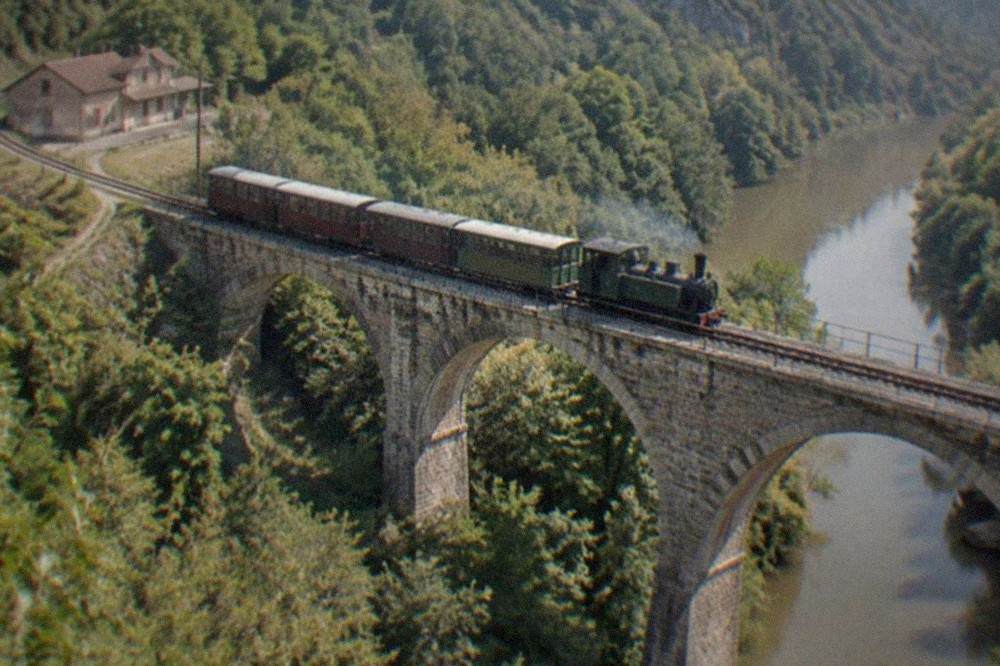
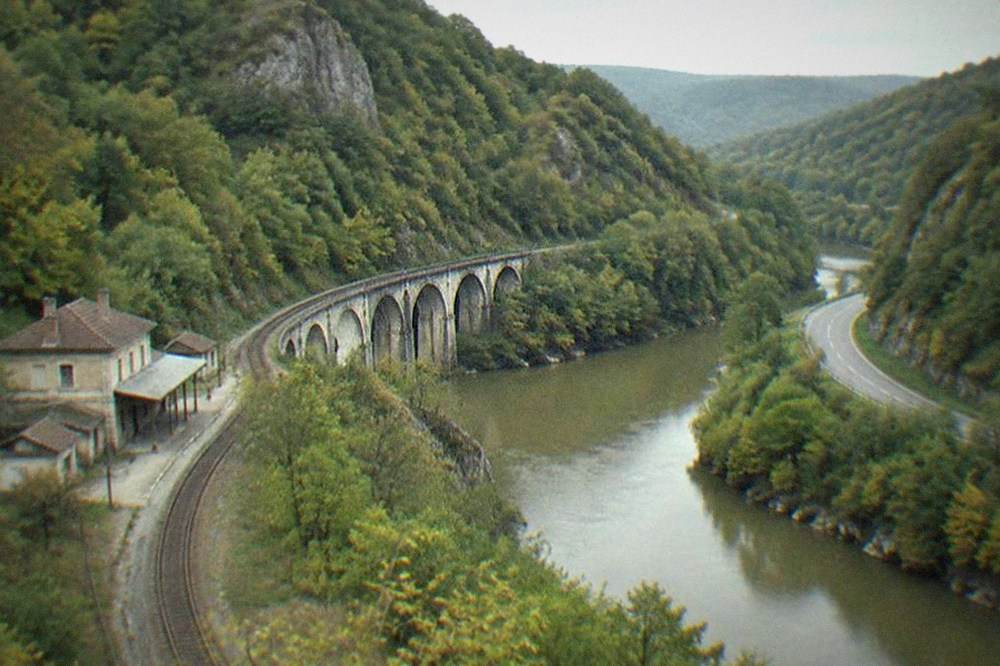
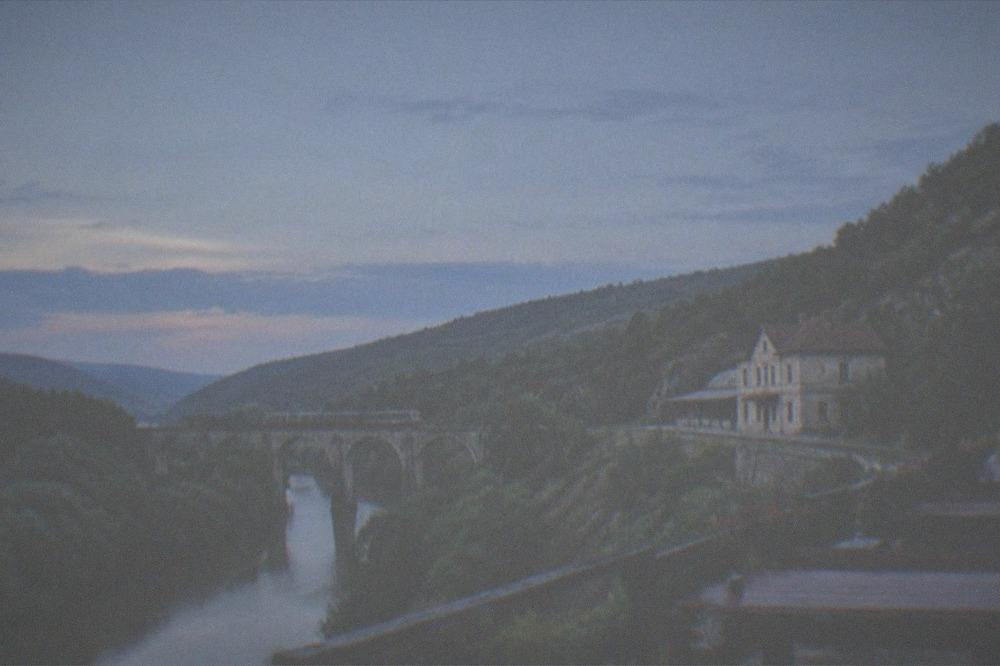
What draws photographers and rail enthusiasts is the density of structures along a short stretch of country. The line does not merely cross the hills, it negotiates them, with the track doubling back on itself and viaducts stacked above one another so the train can climb. The scenery is the point: mixed woodland, limestone outcrops and the small industrial towns at each terminus, which retain the architecture of the Austro-Hungarian period that built them. For visitors based in Timisoara, the line is also a convenient anchor for a wider day in the mountains, since Nera Gorge, Bigar Waterfall and the Danube gorges all sit in the same general direction.
How Do You Get From Timisoara To Oravita And Anina?
There is no direct train from Timisoara to Oravita or Anina, so the practical options are a self-drive day trip by rental car, a private guided tour from Timisoara, or a longer two-day loop that pairs the railway with other Banat sights. The drive leaves Timisoara heading south through the Banat plain toward Caras-Severin county, and the A1 motorway plus a new link road opened on 22 September 2026 make reaching the region's main corridors easier than before.
The road picture improved noticeably in 2026. The A1 sections between Timisoara, Arad and the Hungarian border at Nadlac remain fully open, and a roughly 10 km four-lane link road connecting Timisoara directly to the A1 opened to traffic on 22 September 2026, giving the city a third access point after Giarmata and Remetea. That helps with the outward leg toward the motorway network, though the railway itself sits on secondary mountain roads where you should budget generous time and drive carefully. Our sources do not publish a door-to-door driving time from Timisoara to Oravita, so plan the day as a long one rather than squeezing it into a morning.
If you would rather not drive mountain roads yourself, guided day trips from Timisoara into the Banat are the alternative. Operators run private day tours into the region's gorges and national parks, and while the railway is not itself a standard tour product on every itinerary, a private guide can build a day around it. The selection below shows current options from Timisoara, including a highly rated Retezat National Park day trip, a heritage exploration walking tour of the city itself for your non-driving day, and an ecumenical tour covering Timisoara's many churches.
One planning note that matters: check the operating status of the railway before you commit to a date. Heritage lines across Europe run seasonal or special-service schedules rather than daily timetables, and our verified sources do not include a current timetable for this line, so confirm running days and departure times locally before setting out. Building the day around the towns and the scenery rather than a single train departure keeps the plan flexible if a service is not running.
What Should You Expect At Oravita And Anina?
Oravita and Anina are small historic towns in Caras-Severin county at each end of the line, both shaped by the mining and railway era of the Austro-Hungarian Banat, and both quiet enough that a few hours in each is plenty. Expect period architecture, mountain air, limited dining options, and the sense of a working rural region rather than a polished tourist circuit.
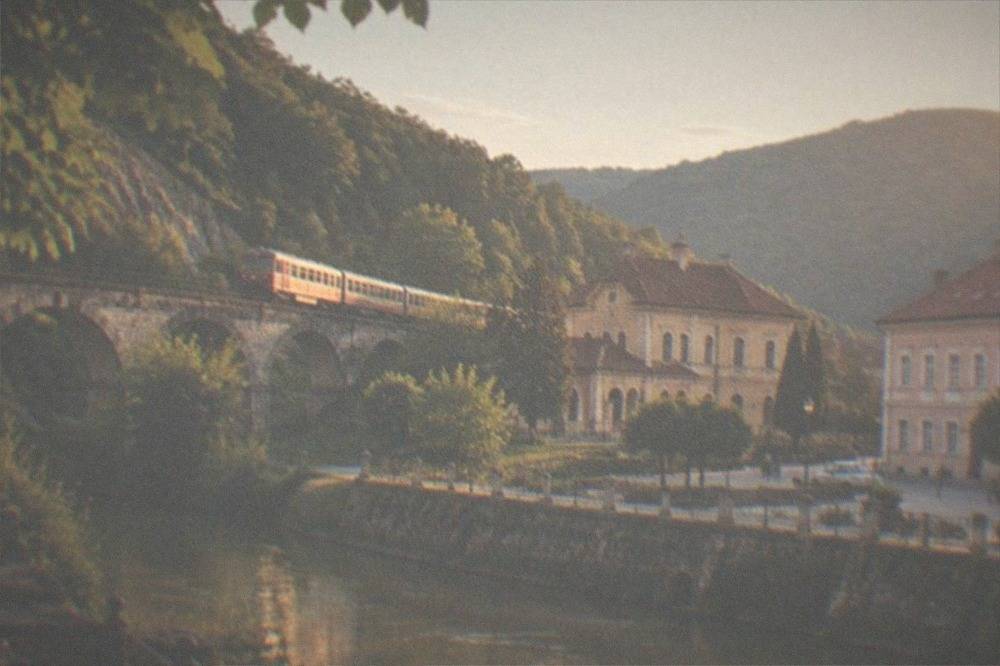
Oravita, the western terminus, is the more storied of the two, with a town center that still carries the imprint of its Habsburg-era prosperity. Anina, at the eastern end, grew around coal mining and sits amid some of the most cave-riddled karst landscape in Romania. Neither town is large, and neither needs a full day on its own; the joy of the trip is the movement between them, whether by train when services run or by the mountain road that shadows the valley.
Practicalities are simple. Bring cash in Romanian lei, since small mountain towns cannot be relied on for card payments everywhere, and note that Romania's currency remains the leu (RON), with the euro not adopted. The National Bank of Romania's reference rate stood at 1 EUR = 5.2788 RON as of 23 September 2026, useful for mental arithmetic. Pack for changeable weather: the JMA climate normals for the Timisoara station, the nearest verified series, show precipitation in every single month of the year, from 34.1 mm in the driest month, March, to 79.1 mm in the wettest, June, and the mountains see more of it than the plain.
If you are weighing whether to organize this yourself or hand the logistics to a guide, this is the natural decision point of the trip.
Which Other Banat Day Trips Pair Well With The Railway?
The best pairings for the Oravita Anina Railway are the Nera Gorge and Beusnita lakes, Bigar Waterfall, the Danube gorges at Cazanele, and the spa town of Baile Herculane, all of which sit in or near the same Caras-Severin mountain belt south and southeast of Timisoara. Combining two of these in one long day is realistic by car; attempting three makes the day rushed.
Nera Gorge is the most natural companion, a river canyon with turquoise lakes and waterfalls that sits in the same Semenic-Oravita-Caras Gorge protected area the railway crosses. Bigar Waterfall, the striking moss-draped cascade that has become one of Romania's most photographed natural sights, is also within reach of the same loop. Further afield, the Danube gorges at Cazanele, where the river cuts a dramatic defile along the Serbian border, and Baile Herculane, one of Romania's oldest spa towns, extend the trip toward a two-day itinerary.
For a two-day version of the trip, a sensible split is the railway and Oravita on day one, then Nera Gorge or Bigar Waterfall on day two, overnighting in the mountains rather than returning to Timisoara twice. If you prefer a single-day outing with everything handled, the private Retezat National Park day trip below is the strongest mountain option from the city, covering one of Romania's highest and wildest national parks with transport included.
Back in Timisoara itself, the days you are not in the mountains deserve their own planning. The city's old core around Union Square and Victory Square repays hours of wandering, and the things to do in Timisoara overview covers the full range from the Metropolitan Cathedral to the Bega canal banks. A heritage-themed walking journey through the city is another way to spend a rest day between mountain trips; the operator does not publish a price for it, so treat the listing as availability-only until you check.
What Does A Day Trip From Timisoara Cost?
A day trip to the Oravita Anina Railway from Timisoara costs mostly what you spend on the car, fuel and food, since the towns themselves charge nothing to wander and our verified sources publish no admission fee for the line. Budget around 45 to 50 RON for an inexpensive restaurant meal, 11 to 12 RON for a draught beer and 13 to 15 RON for a cappuccino, per September 2026 cost-of-living data.
The food and drink figures come from cost-of-living aggregators tracking Timisoara in September 2026: an inexpensive restaurant meal runs about 45 to 50 RON, a neighborhood pub draught beer 11 to 12 RON, and a cappuccino 13 to 15 RON. Mountain-town prices are broadly similar, though menus are thinner. The tourist tax, set by the Timisoara local council for 2026, is reported at 2% of the accommodation tariff excluding VAT, collected by the lodging; the rate is reported rather than primary-confirmed, so expect it to appear as a small line on your hotel bill rather than a surprise.
For reference while planning, here is what everyday spending looks like in Timisoara, based on September 2026 data:
| Item | Typical price (RON) | Notes |
|---|---|---|
| Inexpensive restaurant meal | 45 to 50 | Cheap restaurant, per Numbeo and Hikersbay, Sep 2026 |
| Draught beer, 0.5 L | 11 to 12 | Neighborhood pub, domestic |
| Cappuccino | 13 to 15 | Regular coffee in expat-area cafes |
| Fast-food combo meal | about 32 | Business-district lunchtime, Expatistan |
| 60-minute public transport ticket | 5 | STPT, all modes including the Bega vaporetto |
| 1-day public transport pass | 18 | STPT, covers trams, buses, trolleybuses |
If your day trip runs long and you decide to stay overnight rather than drive back, accommodation in the mountain towns is limited, so booking ahead matters more there than in Timisoara, where the hotel scene is expanding. A Radisson Individuals property, the brand's first in western Romania, opened in the Baroque old town in early June 2026, and further openings including a Courtyard by Marriott and a Curio Collection by Hilton have been announced, so the city's base for trips like this one keeps improving.
When Is The Best Time Of Year To Ride?
The best months to visit the Oravita Anina Railway from Timisoara are May, June and September, when the JMA climate normals for the Timisoara station show mean temperatures of 17.3 C, 20.9 C and 17.2 C respectively, combining warmth with green or early-autumn scenery; July and August are the warmest at 22.8 C and 22.5 C but also busy, while winter offers snow-dusted viaducts in exchange for short days and cold, with a January mean of 0.0 C.
The same verified normals show why the shoulder months work: precipitation is fairly even across the year, from 34.1 mm in March to 79.1 mm in June, totaling 600.7 mm annually, so no month is reliably dry, and the choice is really about temperature and light. June is the wettest single month at 79.1 mm, which matters on a line where views are the whole point. Autumn colors in the Banat hills typically peak around October, when the mean temperature at the Timisoara station is 11.5 C.
| Month | Mean temperature (C) | Precipitation (mm) | Verdict for the railway |
|---|---|---|---|
| March | 6.5 | 34.1 | Driest month of the year, still cool |
| May | 17.3 | 57.2 | Green scenery, comfortable |
| June | 20.9 | 79.1 | Warmest shoulder month, wettest month |
| July | 22.8 | 61.9 | Peak warmth, peak crowds |
| September | 17.2 | 50.4 | Best balance of warmth and light |
| October | 11.5 | 50.0 | Autumn color, crisp days |
| January | 0.0 | 37.3 | Snow on the viaducts, short days |
Source for all figures: JMA/WMO CLIMAT climate normals, station TIMISOARA 15247, the verified series for this site. Note these are means for the Timisoara station on the plain; the Caras-Severin hills run cooler and wetter at the same time of year, so add a layer regardless of the calendar.
What Should You Know About Borders, Money And Safety On This Trip?
The Oravita Anina Railway trip stays entirely inside Romania, so no border is involved, but knowing the wider picture helps: Romania is a full Schengen member, with air and sea access since 31 March 2024 and land borders since 1 January 2025, meaning no routine checks on the Hungarian border and passport checks only if you extend the trip toward Serbia. The currency is the Romanian leu, and the emergency number throughout the country is 112.
If your Banat itinerary extends south or west, the border facts matter. Hungary is now an internal Schengen border with no routine checks, which simplifies any loop toward Szeged. Serbia remains an external Schengen border with passport checks at crossings such as Jimbolia, Moravita/Vatin and Stamora Moravita, and the EU's EES entry/exit system, fully operational at all Schengen external borders since 10 April 2026, now records biometric entry data for non-EU short-stay travelers. If you are heading toward Novi Sad or Belgrade after your railway day, factor that in.
Money is straightforward. Romania uses the leu (RON) and has not adopted the euro, so change money or withdraw lei in Timisoara before heading into the hills. Card acceptance in small mountain towns is not guaranteed, unlike in the city where contactless payment works even on trams and buses through on-board POS terminals. For safety, the region is a normal rural part of the EU; standard city precautions in Timisoara and sensible mountain preparation, water, layers, a charged phone, cover a trip like this. The general safety picture for the city itself is covered in our overview of the destination.
For the evenings you spend in the city around this trip, an ecumenical tour of Timisoara's churches is a calm, well-reviewed way to see the side of the city the mountains echo: the Banat has long been a region of mixed faiths and languages, and the tour covers that story across the city's historic places of worship.
How Does The Railway Fit Into A Longer Banat Itinerary?
The Oravita Anina Railway works best as the anchor of a two- or three-day Banat loop from Timisoara, combining the line with Nera Gorge, Bigar Waterfall, the Danube gorges and Baile Herculane to the south, or with the Banat villages and Resita area to the east, before returning to the city. Timisoara's tourist numbers, 285,190 arrivals in 2024 and 296,199 in 2025, show the city is increasingly used exactly this way, as a base for regional exploring.
The city's own tourism data confirms the trend. Arrivals grew from 153,794 in 2021 to 283,256 in the 2023 European Capital of Culture year, then 285,190 in 2024, and the city hall report shows 268,699 arrivals in the first eleven months of 2025, with the tourist information center recording that roughly 70% of its visitors were international, led by travelers from Germany, Serbia, France and Spain. The average stay of about 1.83 days in 2025 points to short-break travelers, exactly the audience a day trip like this railway serves.
| Year | Tourist arrivals in Timisoara | Context |
|---|---|---|
| 2021 | 153,794 | Post-pandemic trough |
| 2022 | 212,785 | Recovery year |
| 2023 | 283,256 | European Capital of Culture year |
| 2024 | 285,190 | Consolidation |
| 2025 (Jan to Nov) | 268,699 | City hall report citing INS data |
A sample three-day structure: day one in Timisoara itself, covering Union Square and the Memorial Museum of the Revolution; day two the railway and Oravita, overnighting in the mountains; day three Nera Gorge and Beusnita or Bigar Waterfall on the way back. With more time, Baile Herculane and the Danube gorges at Cazanele extend the loop toward the Serbian border defile.
For travelers who want the mountain days fully arranged, these are the current top-rated options from the city, from a national park expedition to the two walking tours that fill a rest day in Timisoara itself.
More pairing ideas, including the Banat villages and the Recas winery closer to the city, are collected in the Timisoara Travel Guide day-trip section, and the city overview at things to do in Timisoara covers the days you keep in town.
Common Questions About The Oravita Anina Railway
Is the Oravita Anina Railway worth the trip from Timisoara?
For most travelers with an interest in railways, mountain scenery or photography, yes. The line is one of the most distinctive pieces of industrial heritage in the Banat, and it pairs naturally with Nera Gorge and Bigar Waterfall for a full mountain day. If your visit to Timisoara is only two nights, the city itself may fill your time first.
Can you get to Oravita from Timisoara by train?
There is no practical direct train from Timisoara to Oravita for this trip. The realistic options are a rental car, a private guided tour, or an overnight stay in the mountains. Timisoara's own rail links run toward Bucharest, about 11 to 12 hours on CFR's direct IR service, and toward Budapest, where aggregators report a direct service of about 5.5 hours twice daily.
Do you need a visa or passport check to visit the Oravita Anina Railway?
No. The line is entirely inside Romania, so no border is crossed. Romania is a full Schengen member, with air and sea access since 31 March 2024 and land borders since 1 January 2025, so EU travelers face no routine checks coming from Hungary; passport checks apply only at the external border with Serbia if you extend your trip that way.
What currency do you need for the trip?
The Romanian leu (RON). The euro is not adopted in Romania, so withdraw lei in Timisoara before heading into the mountains. As a reference, the National Bank of Romania's rate on 23 September 2026 was 1 EUR = 5.2788 RON.
Is the Oravita Anina Railway suitable for children?
The towns and the scenery are family-friendly, and a slow mountain day suits children who enjoy trains. Facilities in Oravita and Anina are limited compared with Timisoara, so bring snacks, water and entertainment for the drive. For city alternatives, see our guide to visiting Timisoara with kids.
What else is there to see near Oravita and Anina?
The Nera Gorge with its lakes and waterfalls, Bigar Waterfall, the karst caves around Anina, and further out the Danube gorges at Cazanele and the spa town of Baile Herculane. All sit in the same Caras-Severin mountain belt and combine naturally with the railway on a one- or two-day loop.