Banat
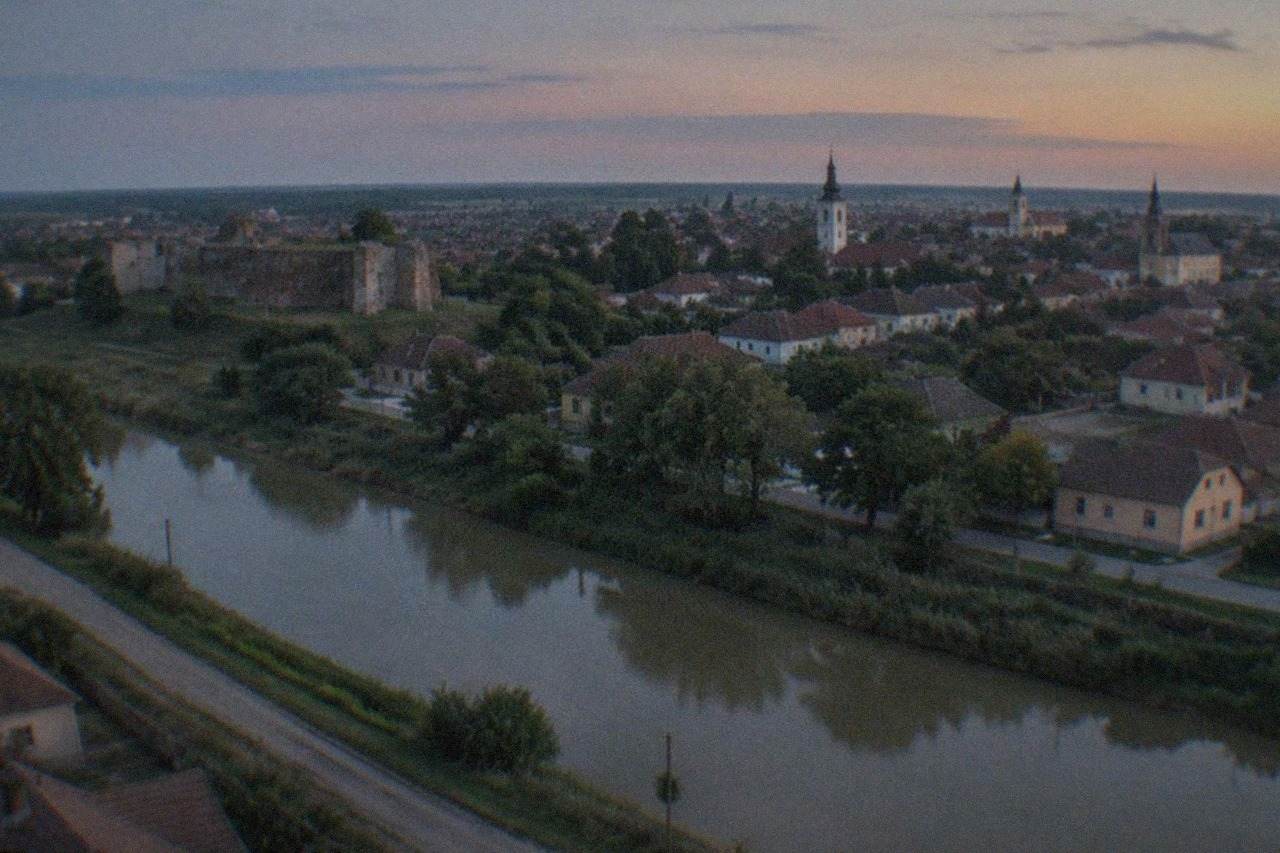
The Banat is the western corner of Romania around Timisoara, a historic region of plains, gorges, vineyards and Habsburg towns that once stretched across three countries.
Short answer
The Banat is a historical region of western Romania centered on Timisoara, stretching from the Pannonian Plain to the Danube Gorge, known for its multicultural heritage, thermal spas, wine and some of Romania's most dramatic karst landscapes.
The Banat is the historical region of western Romania whose capital is Timisoara, in Timis County, and understanding it changes how you see the city. Timișoara is not just a pleasant city break: it is the metropolis of a borderland that once ran from the Pannonian Plain to the Danube, ruled from Vienna and Budapest, settled by Germans, Serbs, Hungarians, Romanians, Jews and others in deliberate waves. This page explains what the Banat is, where it begins and ends, what its landscapes and food are like, and how to use Timisoara as a base to explore it.
What Is The Banat Region Of Romania?
The Banat is a historical and geographical region of western Romania centered on Timisoara, covering roughly the area between the Mures river in the north, the Danube in the south, the Western Carpathians in the east and the national borders with Hungary and Serbia in the west. It is one of Romania's richest cultural mosaics, and today the Romanian share of it forms most of Timis and Caras-Severin counties. Its capital, in every practical sense, is Timisoara.
The name comes from a medieval title: a "ban" was a military governor on the frontier, and the land he ruled was the banatus. That frontier position defined everything that followed. The Banat sat at the meeting point of three great powers, the Habsburg, Ottoman and Hungarian spheres, and each left a layer. When the Habsburgs took the area they rebuilt it as a showcase province, and the traces are still visible in the baroque squares of Timisoara's Cetate district and in the grid-planned villages scattered across the plain.
Under its Hungarian name, Temesvár, the city served as the administrative heart of the region for centuries, and under the German name, Temeswar, it appeared on maps of Central Europe long before modern Romania existed. After the First World War the Banat was split three ways between Romania, Yugoslavia and Hungary, which is why the region's identity today crosses borders even though many visitors only ever see the Romanian side.
That split matters for travelers. The Serbian Banat, with cities like Vrsac and Zrenjanin, is an hour or two away by car, and the Hungarian corner around Szeged is closer still. Romania joined the Schengen area fully on 1 January 2025, so the Hungarian border is now an internal one with no routine checks, while the Serbian border remains an external Schengen frontier with passport controls.
Where Is The Banat, And Which Places Should You Know?
The Romanian Banat stretches from Timisoara southeast to the Danube Gorge at the Serbian border, east into the Caras-Severin mountains and north toward Arad, and the places most worth knowing are Timisoara itself, the spa town of Baile Herculane, the karst country of the Nera Gorge and Bigar Waterfall, the wine area around Recas, and the Danube's clifflined gorges known as the Cazane. Each of these sits within a day trip of the city.
Geographically the region falls into two halves. The west is flat Pannonian plain: farmland, old colonist villages and wide horizons. The east and south rise into the Western Carpathians, where limestone karst produces gorges, caves and waterfalls that surprise visitors who expected Romania to be all about the far better known Transylvanian Alps. The Anina and Semenic mountain areas hold some of the country's least crowded walking country.
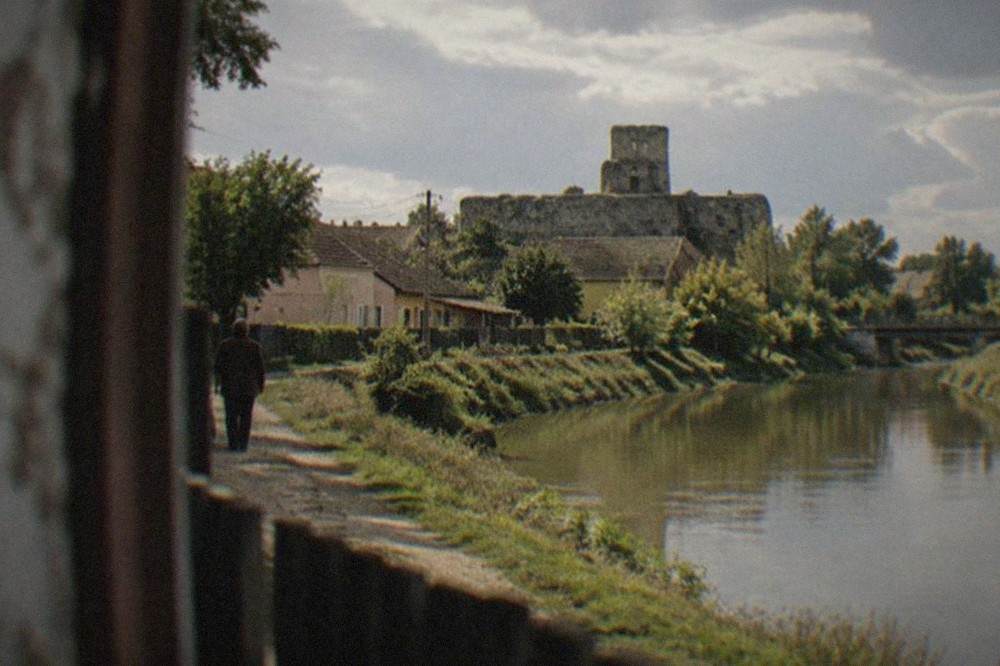
The plain half is not empty of interest. The colonist villages, founded under the Habsburgs in a later century, are laid out on rational grids with wide streets and central churches, a style you will not find elsewhere in Romania. Timisoara's own neighborhoods, Cetate, Iosefin, Fabric and Elisabetin, carry the same DNA at urban scale, which is one reason the city feels so Central European.
For orientation, the table below groups the region's main destinations by what they offer and roughly where they sit relative to Timisoara. Every one of them has its own page in this guide's day trips and regional coverage.
| Destination | Character | Direction from Timisoara | Best for |
|---|---|---|---|
| Arad | Habsburg city, arts and boulevards | North | Architecture, easy half-day |
| Recas | Wine town and surrounding vineyards | East | Tastings, cellar visits |
| Nera Gorge and Beusnita | Karst gorge, lakes and waterfalls | Southeast | Hiking, swimming spots |
| Bigar Waterfall | Moss-covered waterfall in beech forest | Southeast | Photography, short walk |
| Danube Gorges (Cazanele) | Clifflined river reaches | South | Boat trips, Decebalus rock |
| Baile Herculane | Historic thermal spa town | Southeast | Thermal baths, Belle Epoque ruins |
| Vrsac | Serbian Banat wine town | West | Crossing the border, wine |
If the region feels abstract, the cheapest way to make it concrete is to see its capital first with someone who knows it. The free GuruWalk option, the Timisoara Essentials Tour with Alex, runs on tips and covers the core of the old town, while the paid options below dig into the same streets with more depth.
What Is The History That Shaped The Banat?
The Banat's history turns on 1716, when Habsburg forces under Prince Eugene of Savoy took the fortress of Timisoara from the Ottomans, after which Vienna ruled the region directly as the Banat of Temeswar, rebuilt it with German colonists, made it a model province of the empire, and held it until the end of the First World War, when the region was divided between Romania, the Kingdom of Serbs, Croats and Slovenes and Hungary.
That century and a half of direct imperial administration is the single most important fact about the Banat, and it explains almost everything a visitor notices. The Habsburgs drained marshes, straightened the Bega into the first navigable canal in Romania, founded villages for German, Serbian, Hungarian, Slovak and other settlers, and turned Timisoara into a technological showcase. The city's list of firsts is genuinely startling: the first lamp-lit streets in the Habsburg monarchy (1760), the first newspaper printed in Romania (1771), the first horse-drawn tram in the empire (1869), and on 12 November 1884 the first city on mainland Europe with electric street lighting, 731 lamps over 59 km of streets.
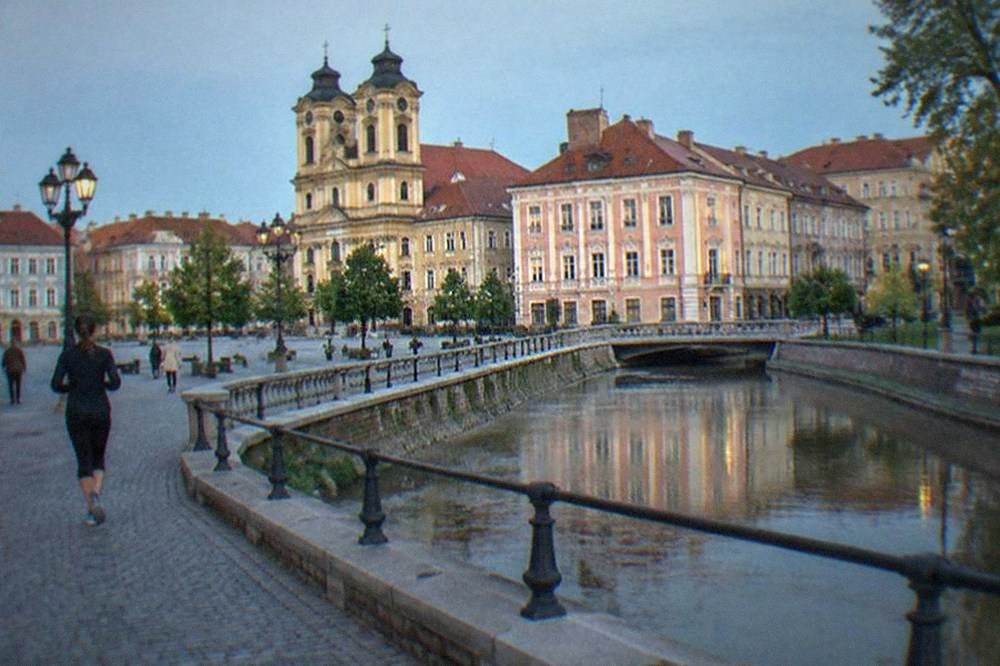
The multicultural settlement policy left a region where, over the centuries that followed, a single market town might hold a Romanian Orthodox church, a Serbian Orthodox church, a Roman Catholic church, a synagogue and a Lutheran or Reformed church within a few streets of each other. Timisoara still has exactly that pattern around Piata Unirii, and it is why the city could later support three state theatres performing in Romanian, Hungarian and German, a distinction it has held since 1953.
The centuries that followed were harder on the region. The postwar division cut the Banat three ways, the Second World War and the communist period that followed dismantled much of the German and Jewish presence, and in December 1989 the revolution against the Ceausescu regime began here, in Timisoara, before spreading to Bucharest. The city's Memorial of the Revolution and the sites around Piata Victoriei tell that story, and our page on the 1989 Revolution in Timisoara covers it in depth.
Before you head out into the countryside, it is worth a morning in the city where all of this happened.
What Landscapes Define The Banat Around Timisoara?
The Banat splits into flat Pannonian plain in the west and limestone Carpathian karst in the east and south, which means one region holds both endless farmland horizons near Timisoara and, within a couple of hours, gorges, caves, waterfalls and the clifflined Danube, all with markedly fewer crowds than equivalent scenery in Transylvania.
The karst half is the surprise. The Nera Gorge, where the river has cut a canyon through limestone in the Anina mountains, is one of Romania's most beautiful walks, with turquoise lakes such as Lacul Dracului along the way. Bigar Waterfall, a cone of moss and tufa with water spilling over it in a ring, sits in beech forest and has become one of the country's most photographed natural sights. The Danube Gorges, the Cazanele, narrow to dramatic cliff corridors where the river squeezes between the Carpathians, overlooked by the giant rock relief of Decebalus carved into the cliff face.
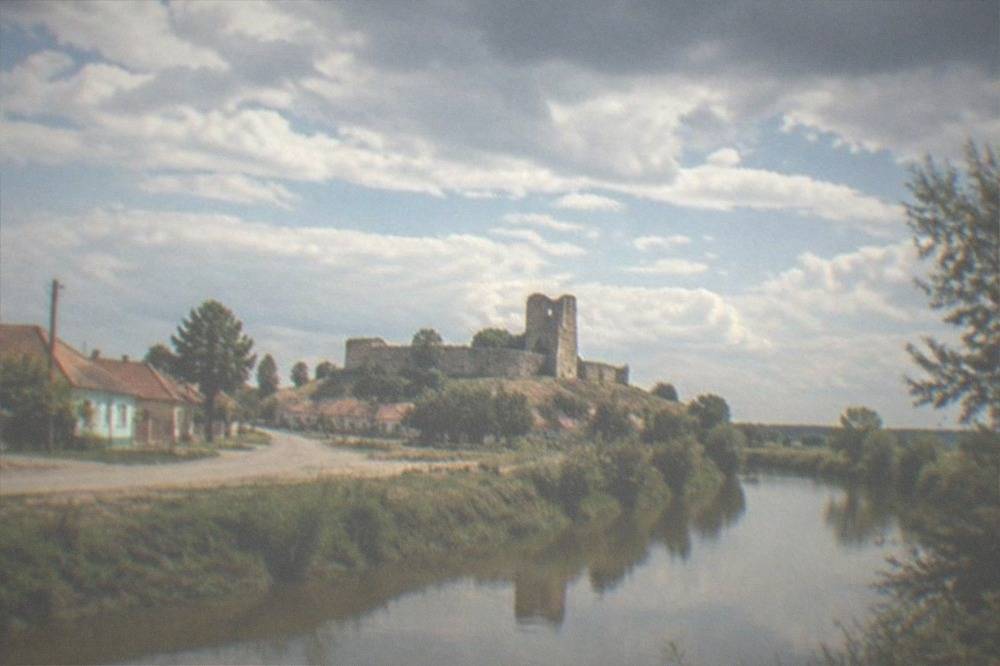
The plain half rewards different attention. The Banat's colonist villages, with their wide streets and oversized churches, are best appreciated slowly, and the region's agricultural wealth shows up in its food. The Bega canal, straightened for navigation starting in 1728, remains the spine of Timisoara's own leisure landscape, with the seasonal water bus running on it from April to the end of October.
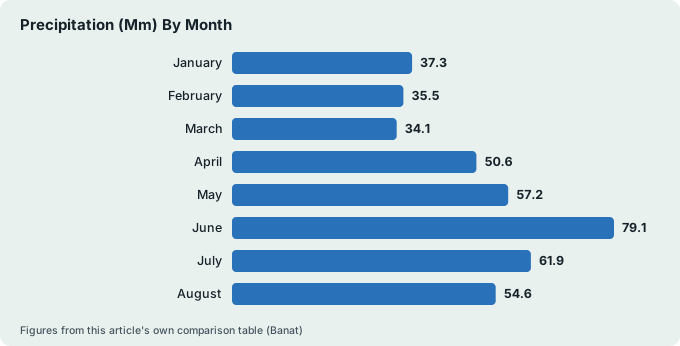
Climate shapes when you can enjoy all this. The JMA climate normals for Timisoara station give a January mean of 0.0 C and a July mean of 22.8 C, with precipitation running from 34.1 mm in March, the driest month, to 79.1 mm in June, the wettest, and 600.7 mm across the year. It is a fully continental pattern: cold winters, warm summers, rain that peaks in early summer.
| Month | Mean temperature (C) | Precipitation (mm) |
|---|---|---|
| January | 0.0 | 37.3 |
| February | 2.1 | 35.5 |
| March | 6.5 | 34.1 |
| April | 12.3 | 50.6 |
| May | 17.3 | 57.2 |
| June | 20.9 | 79.1 |
| July | 22.8 | 61.9 |
| August | 22.5 | 54.6 |
| September | 17.2 | 50.4 |
| October | 11.5 | 50.0 |
| November | 6.4 | 45.3 |
| December | 1.5 | 44.7 |
For month-by-month planning, see our Timisoara weather by month page, and for the seasons that suit the region best, the best time to visit Timisoara.
What Food And Wine Is The Banat Known For?
Banat food is hearty Central European cooking with Serbian and Hungarian accents: pork and chicken dishes, paprika-seasoned stews, dumplings, schnitzels and rich soups, while the region's wine identity centers on Recas, a large wine-growing area east of Timisoara whose vineyards were first documented in the Roman period and whose modern wines are among Romania's most widely exported.
The region's restaurant culture reflects its mixed population. In Timisoara you can eat Romanian classics alongside Swabian German dishes, Serbian grilled meats and Hungarian paprika stews, often on the same street. The city's dining scene, which our Timisoara restaurants and Timisoara food pages cover in detail, is one of the most varied in western Romania precisely because of this inheritance.
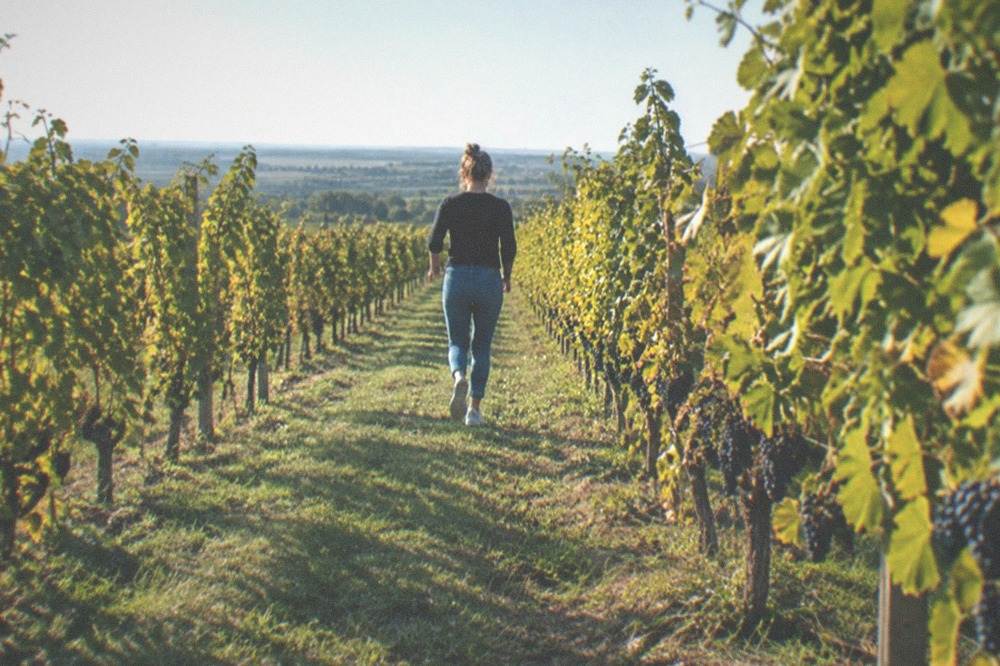
Wine is the region's agricultural headline. The Recas area, a short drive east, has large modern wineries producing everything from dry whites to big reds, and tasting visits are easy to arrange. Our Banat wine page goes deeper. Beer matters too: the city's own Timisoreana brewery traces its roots to 1718, making it the oldest attested brewery in Romania.
Everyday prices in the region are modest. The following figures come from cost-of-living sources updated in September 2026, and they describe Timisoara, the Banat's main city; smaller towns are generally cheaper. Everything else covered here is indexed on Timisoara Travel Guide.
| Item | Typical price (RON) |
|---|---|
| Domestic draught beer, 0.5 L | 11 to 12 |
| Cappuccino | 13 to 15 |
| Inexpensive restaurant meal | 45 to 50 |
| Public transport single ticket (60 min) | 5 |
| Public transport day pass | 18 |
For a fuller budget breakdown, see Timisoara cost and prices and our page on the Romanian currency. Note that a local tourist tax exists, set by the city council for 2026 and reported at 2% of the accommodation tariff excluding VAT, collected by your lodging; treat the rate as reported rather than official.
Which Banat Day Trips Work From Timisoara?
The day trips that work best from Timisoara are the Nera Gorge and Bigar Waterfall for karst scenery, the Danube Gorges and the Decebalus rock sculpture for the river's dramatic south, Baile Herculane for thermal bathing in a faded Belle Epoque spa town, Recas for wine, and Arad for Habsburg architecture, with all of them reachable on a long day's drive and the nearest within about an hour of the city.
The mountains and the Danube are the region's signature trips, and they pair naturally: most itineraries combine the Nera Gorge or Bigar with a stretch of the Cazane. Baile Herculane, one of Europe's oldest spa towns, sits in the Cerna valley and mixes working thermal facilities with haunting Habsburg-era ruins. Our dedicated pages on the Nera Gorge, Bigar Waterfall, the Danube Gorges, Baile Herculane and Recas winery give the detail for each.
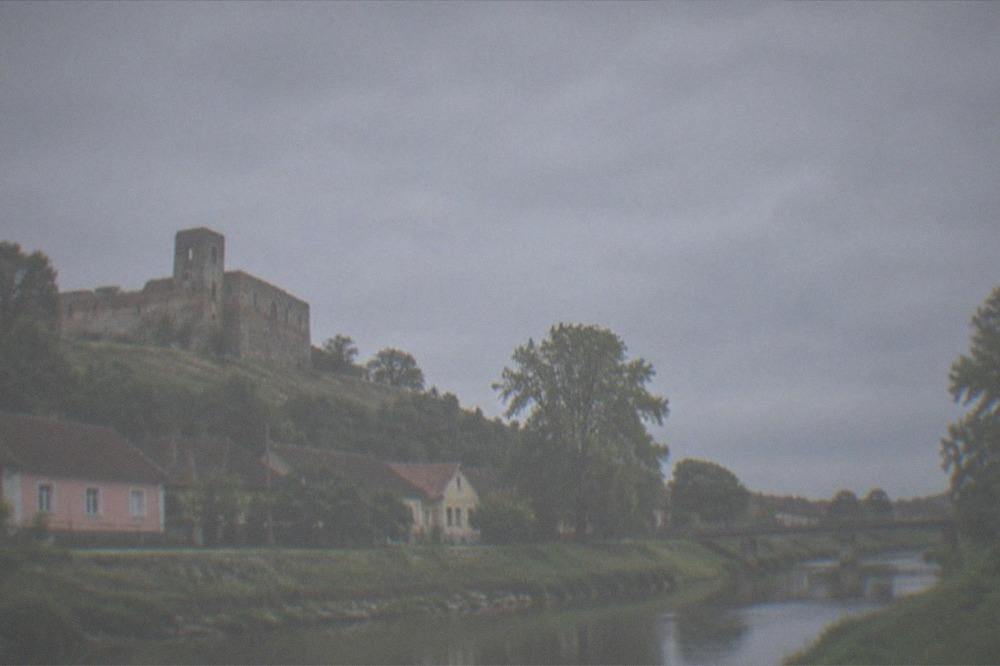
Guided options remove the need to rent a car on unfamiliar roads, and the pick below pairs a city walking tour with the region's cave country to the north.
For a shorter outing that stays inside the city, the highlights walk below is the standard choice, and it pairs well with an afternoon along the Bega.
If you would rather move at your own pace, our Timisoara car rental page covers the practicalities, and the new road link that opened on 22 September 2026 connecting Timisoara directly to the A1 motorway has made northbound and westbound driving smoother than it has ever been.
When Is The Best Time To Visit The Banat?
The best time to visit the Banat is May to September, when the gorges, waterfalls and Danube boat trips are all in season, the water bus runs on the Bega until the end of October, and Timisoara's mean temperatures run from 17.3 C in May to 22.8 C in July; September is the sweet spot, with a 17.2 C mean, 50.4 mm of rain and the city's jazz festival, while December draws visitors for the Christmas market in Piata Victoriei.
Summer is the high season for the region's outdoor highlights. June is the wettest month at 79.1 mm, so afternoon storms are part of the deal, but the karst lakes around the Nera Gorge are at their best and the spa town fills up. July and August are the warmest and busiest months, and the Flight Festival has recently brought major acts to the Banat Village Museum grounds in June.
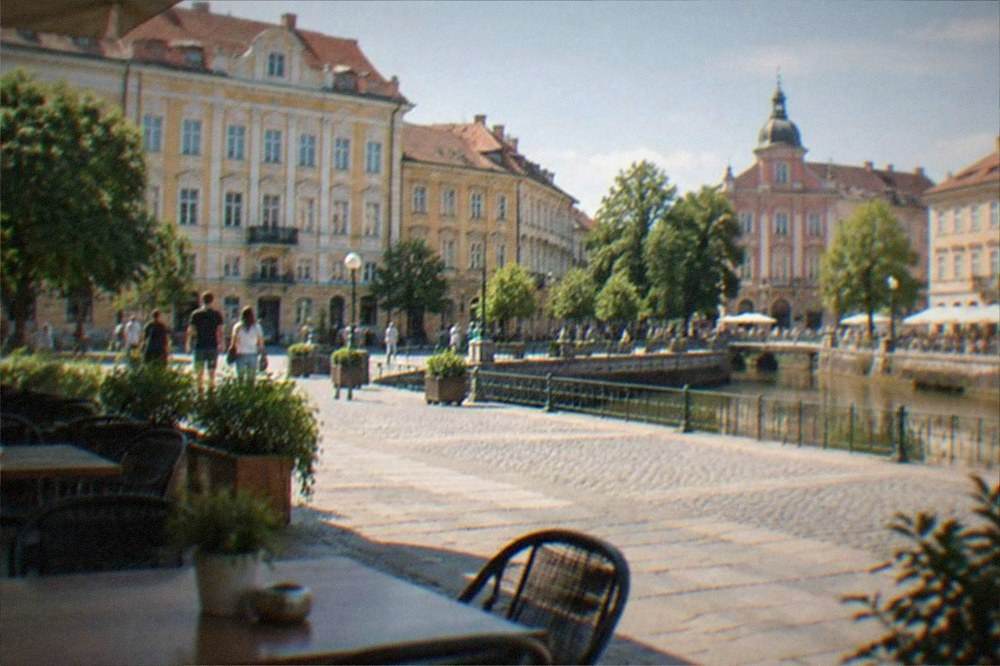
Winter turns the focus back to the city. The Christmas market in Piata Victoriei is the region's biggest seasonal draw, though its 2026 dates had not been officially confirmed at the time sources were checked, and December's revolution commemorations give the month a solemn civic weight alongside the lights. Our pages on Christmas in Timisoara and the city's festivals and events track the calendar.
Tourism has grown steadily here. Official figures cited by the city put arrivals at 283,256 in the 2023 Capital of Culture year, 285,190 in 2024 and 296,199 in 2025, a 3.86% rise, with the peak month on record May 2025 at 30,664 arrivals.
| Year | Tourist arrivals in Timisoara |
|---|---|
| 2021 | 153,794 |
| 2022 | 212,785 |
| 2023 | 283,256 |
| 2024 | 285,190 |
| 2025 | 296,199 |
How Do You Travel Around The Banat?
You travel around the Banat by car for the countryside and by tram, trolleybus and bus inside Timisoara, where a single 5 lei ticket covers 60 minutes on every mode including the Bega water bus, a day pass costs 18 lei, contactless bank cards work on board, and the A1 motorway plus a new link road opened in September 2026 connect the city to Arad, the Hungarian border and points beyond.
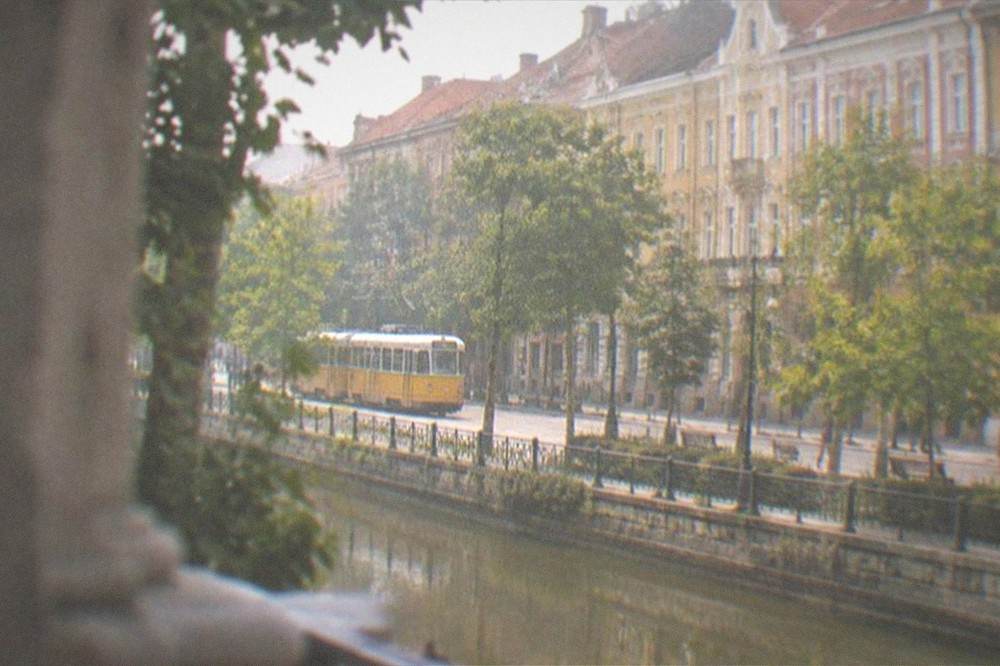
Timisoara's public transport is unusually complete for a city its size: nine tram lines, six trolleybus lines, express buses and the seasonal vaporetto on the Bega, all on one ticket. Payment is by contactless bank card on board, e-wallet, SMS, mobilPay or the operator's own channels. Our getting around Timisoara page has the full picture, and the operator's live arrivals service covers real-time tracking.
For regional travel, the train is the honest answer for Budapest, with direct services taking about five and a half hours twice daily, and a long overnight ride to Bucharest. There is no direct train to Belgrade currently, with officials from both countries discussing restoring the cross-border section, so buses or a car serve the Serbian Banat. Our pages on Timisoara to Budapest and Bucharest to Timisoara cover the rail routes.
Flying in is straightforward: the airport handled 1,458,098 passengers in 2025, a 10.2% rise on the previous year, with new routes added through 2026, though the runway is scheduled for full closure for repairs from 2 to 22 November 2026, so check your dates against that window. The airport guide and the transfer to the center page handle arrival logistics, and flights to Timisoara lists the airline options.
Where to sleep while you do all this: the where to stay in Timisoara page maps the districts, and the best hotels in Timisoara ranks the properties. Safety-wise, standard European precautions apply, and our is Timisoara safe page addresses the question directly.
Common Questions About The Banat Region
Is the Banat in Romania, Serbia or Hungary?
All three. The historical region was divided after the First World War: the largest share went to Romania, a smaller part to Serbia and a small strip to Hungary. The Romanian Banat, centered on Timisoara, is the part this site covers, and since Romania joined Schengen fully on 1 January 2025 the Hungarian side is an internal border while the Serbian side remains an external one.
What is the capital of the Banat?
Timisoara is the region's capital in every practical sense: its largest city, its transport hub and its cultural center. Under Habsburg rule the province was administered from here, first as the Banat of Temeswar, and the city remains the seat of Timis County today.
Is the Banat the same as Transylvania?
No. The Banat is a separate historical region west and south of Transylvania, bounded by the Mures river in the north and the Danube in the south. The two are sometimes lumped together as "western Romania", but they have distinct histories: the Banat was ruled directly from Vienna for 150 years, which Transylvania never was.
What is the Banat famous for?
Karst scenery, including the Nera Gorge, Bigar Waterfall and the Danube Gorges; the thermal spa town of Baile Herculane; the Recas wine area; a genuinely multicultural heritage with German, Serbian, Hungarian and Romanian threads; and the fact that the 1989 revolution against the Ceausescu regime began in Timisoara.
Do you need a car in the Banat?
For the city itself, no: Timisoara's trams, trolleybuses and the Bega water bus run on a single 5 lei ticket valid for 60 minutes. For the gorges, waterfalls and spa towns, a car or a guided day trip is the practical choice, since the best landscapes are scattered across rural Caras-Severin county.
What is the best base for exploring the Banat?
Timisoara. It has the region's airport, the best hotel stock and the widest choice of guided day trips to the Nera Gorge, the Danube Gorges, Bigar Waterfall and Baile Herculane, so you can see the region without changing accommodation.
The Banat rewards exactly the kind of traveler who ends up in Timisoara anyway: someone curious enough to look past the obvious itinerary. Give the region two or three days beyond the city and you will come home with gorges, spas and cellar doors that other visitors to Romania never hear about.