Timisoara Revolution
Timisoara, in western Romania, is where the revolution that ended communist rule in the country began in December 1989. This guide covers the sites, the museums, and the tours that tell that story.
Short answer
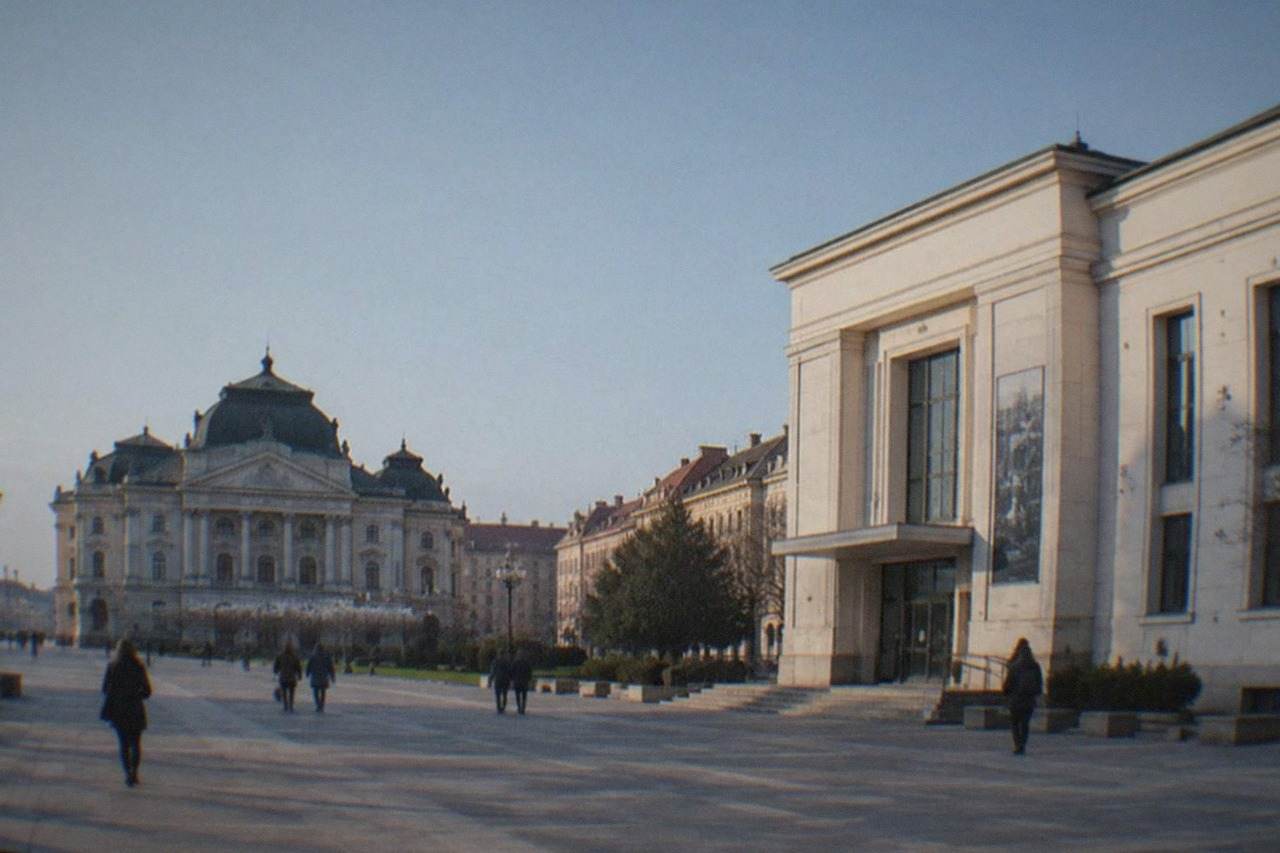
The Romanian Revolution of 1989 began in Timisoara on 16 December 1989, at the parish of pastor Laszlo Tokes, and spread from there to Bucharest within days. Today the Memorial Museum of the Revolution, Piata Victoriei, and the Opera square are the main sites, and guided walking tours connect them.
Timisoara, in Timis County in the Banat region of western Romania, is the city where the Romanian Revolution of December 1989 began, and the place where the country's four decades of communist rule first cracked open. The events that started here on 16 December 1989, at the protected Reformed parish of pastor Laszlo Tokes, spread within days to Bucharest and ended the Ceausescu regime before the year was out. For visitors, that history is not locked away in archives: it is visible in the squares, the churches, and the museum spaces of the city center, and a growing number of guided walks trace it street by street. This guide from Timisoara Travel Guide covers what happened, where to stand when you learn about it, and how to plan a trip around the revolution's most important sites.
What Was The Timisoara Revolution Of 1989?
The Romanian Revolution of 1989 began in Timisoara on 16 December 1989, when crowds gathered at the parish of Reformed pastor Laszlo Tokes after authorities tried to silence him, and the protests grew into mass demonstrations that the regime answered with force. Within a week the unrest had spread to other Romanian cities, and by Christmas the Ceausescu government had fallen. Timisoara is therefore remembered as the city where the revolution started, and its squares carry that identity to this day.
The story matters because of how unusual it was. In the autumn of 1989, while regimes collapsed across Central and Eastern Europe, Romania's government insisted it would hold on. Timisoara, a multiethnic Banat city with Hungarian, German, Serbian, and Romanian communities living side by side, became the point where that confidence broke. The defense of a single pastor, whose congregation refused to accept his removal, turned into something much larger: a public rejection of the secret police, of food shortages, and of a system that had isolated the country for decades.
What followed was not a tidy, bloodless transition. The regime's response to the Timisoara demonstrations was violent, and the city paid a price before the country's leadership collapsed. The Memorial Museum of the Revolution, which opened in the building facing the Opera, exists precisely to document that price: it holds evidence, personal effects, photographs, and testimonies from December 1989, and it treats the events as history to be studied rather than legend to be repeated. This guide deliberately stays at the level of what the Memorial and the city's own institutions state, because the details of casualties and individual stories belong to the museum's documentation, not to a travel article.
The revolution also explains a great deal about the Timisoara you visit today. The city's confidence, its strong civic culture, and its willingness to commemorate difficult history openly all trace back to December 1989. When Timisoara later served as a European Capital of Culture in 2023, sharing the year with Elefsina in Greece and Veszprem in Hungary, the opening weekend in February 2023 presented a city that had spent three decades turning its history into public memory, public art, and public space.
Where Did The Revolution Start In Timisoara?
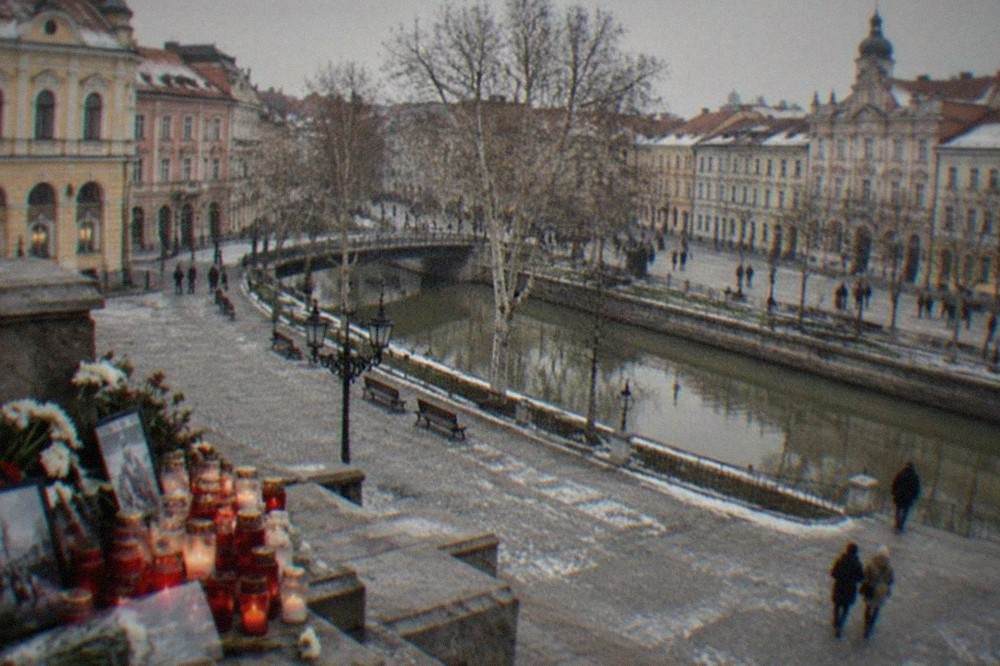
The revolution started in the Cetate district around Piata Maria and the Reformed church on Timotei Cipariu street, where pastor Laszlo Tokes's congregation and then the wider public gathered from 16 December 1989. The demonstrations then moved to the city's great public squares, particularly Piata Victoriei in front of the Opera, which became the symbolic heart of the protests. Those two locations, a small parish church and a grand square, frame the whole story.
The sequence is worth understanding before you walk it. Tokes, a Reformed pastor serving a Hungarian-speaking congregation, had spoken out against the regime's policies and attracted the attention of the secret police. When officials moved to evict him from the parish, his congregation formed a human chain around the building. That act of physical solidarity, ordinary people standing between a pastor and the state, was the spark. In the days that followed, students and workers joined, the crowds grew, and the movement spilled out of the side streets into the main squares.
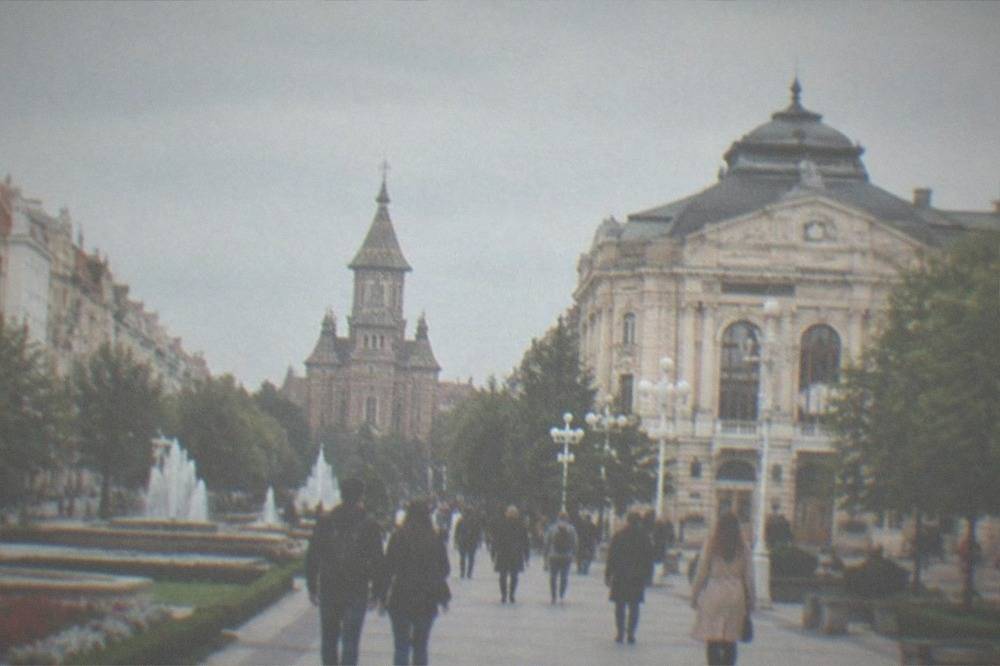
Piata Victoriei, the broad square facing the Romanian National Opera, became the stage on which the confrontation played out. It is the square where the largest demonstrations assembled, and it is where the Memorial Museum of the Revolution now stands, in the former Communist Party headquarters building. The building itself is part of the story: it was from here that officials tried to manage the crisis, and crowds confronted it. Today you can stand in the square, look up at the Opera's colonnade, and then walk into the museum a few steps away.
For visitors who want the sequence explained on the ground, a guided walk is the most efficient way to connect the parish church, the squares, and the museum. The revolution-focused options include:
The alternative is to walk the route yourself with a map, starting at the Reformed church, continuing to Piata Maria, and finishing in Piata Victoriei. The distances are short; this is a compact city center, and the whole route fits comfortably into a morning. What a guide adds is context: which building sheltered whom, which street saw which confrontation, and how the city's Hungarian, German, Serbian, and Romanian communities each experienced the same week.
Which Revolution Sites Can You Visit In Timisoara Today?
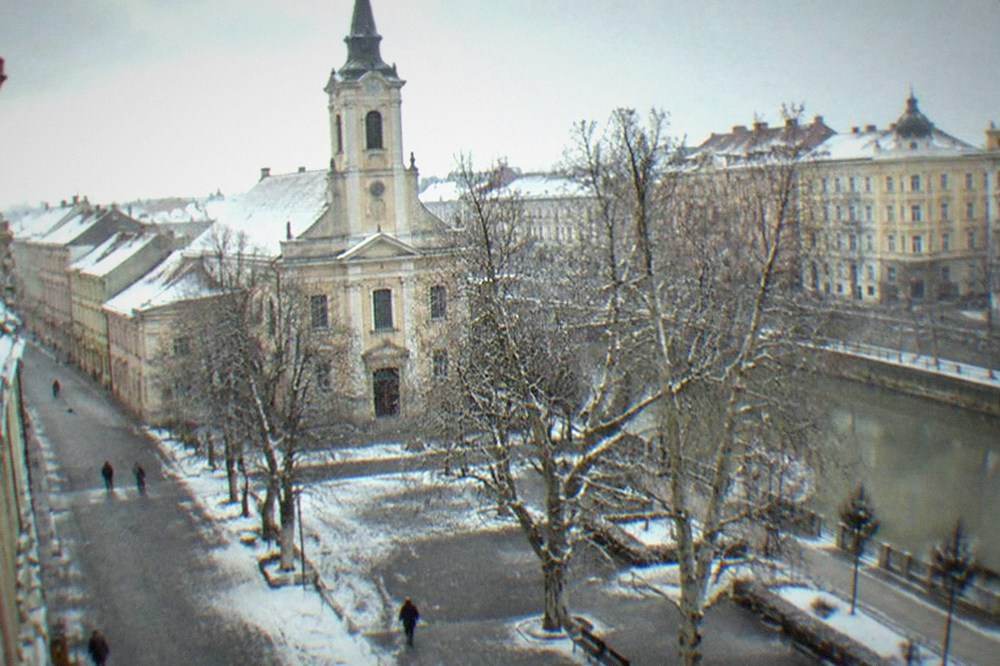
The main sites are the Memorial Museum of the Revolution in Piata Victoriei, the Reformed parish church where the protests began, Piata Victoriei itself in front of the Opera, and Piata Libertatii, which the revolution's memory reshaped in the years that followed. All of them sit within walking distance in the Cetate old town, so a single day is enough to see them all. The Memorial Museum is the anchor, and it deserves at least two hours.
The table below summarizes the key sites and what each one offers a visitor.
| Site | District | What You See | Why It Matters |
|---|---|---|---|
| Memorial Museum of the Revolution | Piata Victoriei | Exhibitions, documents, photographs, personal effects from December 1989 | The main institution documenting the revolution |
| Reformed parish church | Cetate, near Piata Maria | The church defended by Tokes's congregation | Where the protests began on 16 December 1989 |
| Piata Victoriei | Cetate | The Opera, the square, the former party building | The symbolic heart of the demonstrations |
| Romanian National Opera | Piata Victoriei | The building whose balcony marked the square's political stage | Backdrop to the largest gatherings |
| Piata Libertatii | Cetate | Historic square now surrounded by restored facades | Part of the old town walk through revolutionary terrain |
| Metropolitan Orthodox Cathedral | Piata Victoriei side | The city's landmark cathedral | Witness to the square's December crowds |
Begin at the Memorial Museum. The adult ticket is 20 lei, and it covers eight permanent exhibitions plus three temporary ones and a screening of the documentary "Noi nu murim"; a photography permit costs a further 20 lei. Reported hours are Monday to Friday from 08:00 to 17:00 and Saturday to Sunday from 10:00 to 18:00, though hours can shift, so confirm before you set out. The museum is compact but dense: plan on reading, not just glancing, and give the temporary exhibitions time as well, because they often carry the most personal material.
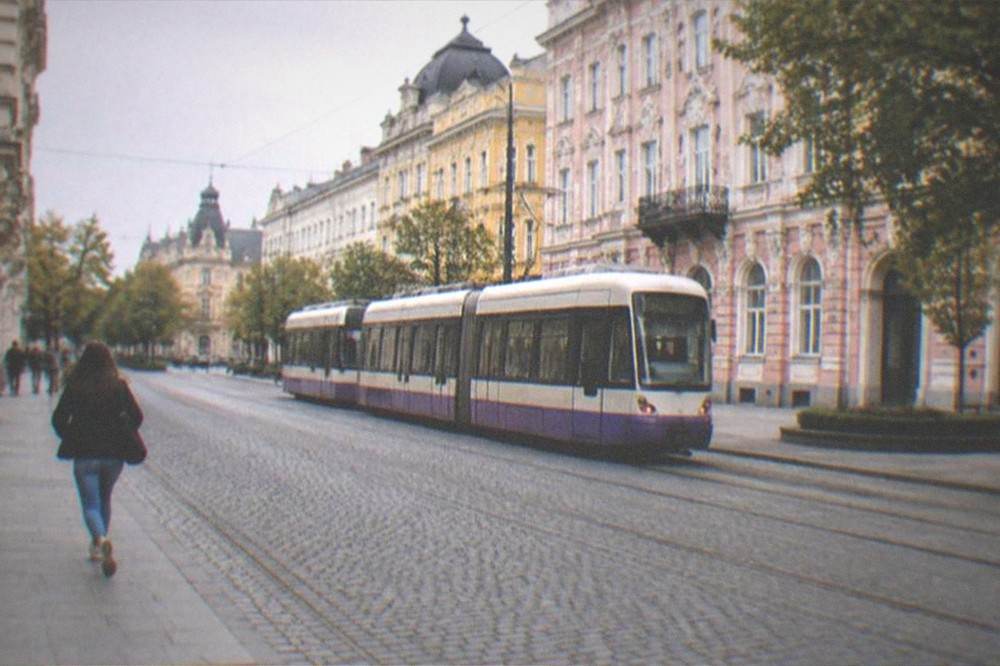
From the museum, the rest of the route is a walk. Cross Piata Victoriei to the Opera, then head south through the old town toward Piata Libertatii and on to Piata Maria and the Reformed church. Along the way you will pass the Baroque Palace housing the National Museum of Art, the Serbian Orthodox Cathedral, and St George's Roman Catholic Cathedral, all clustered around Piata Unirii, the old town's grandest square. The revolution route and the classic sightseeing route overlap almost completely, which is one of the practical pleasures of visiting Timisoara: the history and the architecture share the same few blocks.
A guided tour ties the sites together, and the options below cover the revolution story directly.
The revolution walk also pairs naturally with a broader look at the city's communist decades, since the 1989 story makes more sense when you know what came before it. Timisoara under its Hungarian name, Temesvár, and later under Romanian communist administration, was an industrial city with tram lines, workers' districts, and a suppressed civic life; several tours fold that background in. Our companion pages on things to see across the city and on the Memorial Museum itself go deeper on both.
What Does The Memorial Museum Of The Revolution Cover?
The Memorial Museum of the Revolution covers the December 1989 events in Timisoara through eight permanent exhibitions and three temporary ones, plus the documentary film "Noi nu murim", all included in the 20 lei adult ticket. Its collections hold photographs, documents, and personal effects connected to the demonstrations and their suppression, and it stands in the former Communist Party headquarters facing the Opera, a building that was itself part of the events.
The museum's approach is documentary rather than dramatic. Rather than staging a spectacle, it presents evidence: what was written, what was photographed, what was carried, and what was lost. That restraint is deliberate. The revolution is recent history here, within living memory for many residents, and the institution treats it accordingly. Temporary exhibitions rotate, so even returning visitors find new material, and the documentary screening gives a voice to participants rather than narrators.
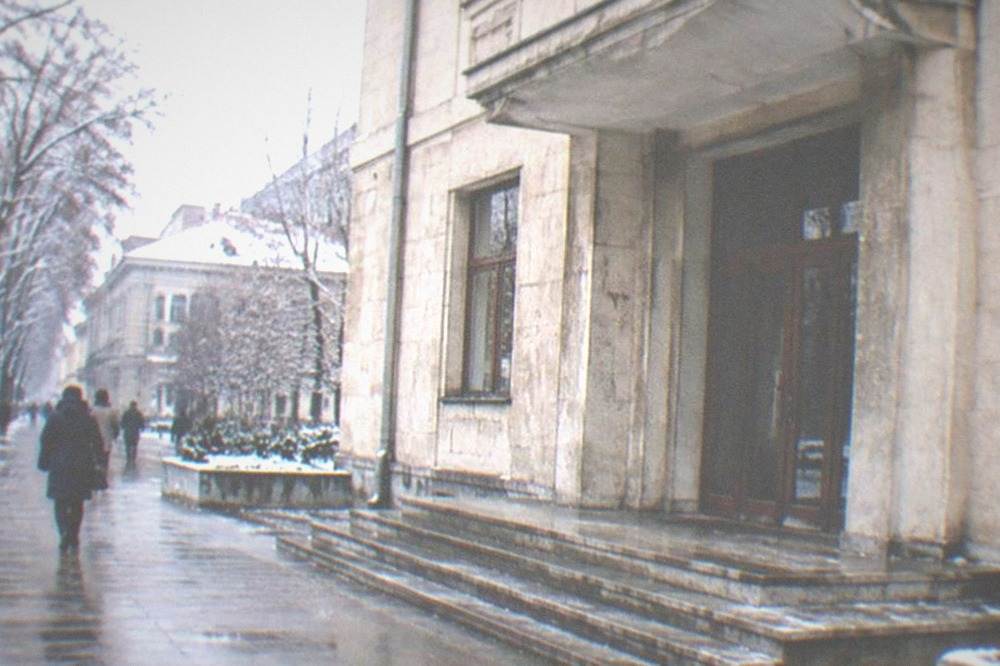
The building's own history deepens the visit. It housed the party apparatus that the crowds confronted, and standing in its rooms while reading about those crowds creates a directness that few museums achieve. The location, steps from the Opera and at the head of Piata Victoriei, means you can walk out of the exhibition, stand in the square, and see exactly where the story happened.
Practical details are simple. The adult ticket is 20 lei, the photo permit is 20 lei, and the ticket includes all eleven exhibition spaces plus the film. Reported hours are weekdays 08:00 to 17:00 and weekends 10:00 to 18:00. The museum sits in the very center, so no transport planning is needed; it is a five-minute walk from Piata Unirii and directly on Piata Victoriei.
If you want the museum explained rather than just visited, the dedicated history walk is the natural pairing:
How Has Timisoara Changed Since The Revolution?
Timisoara has changed from a closed industrial city into one of Romania's most visited urban destinations, named Romania's Destination of the Year 2026, with tourist arrivals rising from 153,794 in 2021 to 296,199 in 2025 according to city hall figures citing the national statistics institute. The revolution's legacy is visible in the city's open commemoration of its history, its restored old town, and a cultural calendar that grew out of the 2023 European Capital of Culture year.
The numbers tell part of the story. Arrivals grew steeply through the Capital of Culture year of 2023, which recorded 283,256 tourist arrivals, and the city has held and extended that level since. The 2025 figure of 296,199 arrivals, up 3.86 percent on 2024, shows the growth was not a one-year spike. The average stay is short, around 1.83 nights, which matches the city's growing profile as a city-break destination served by an expanding low-cost airport network.
| Year | Tourist Arrivals in Timisoara | Note |
|---|---|---|
| 2021 | 153,794 | Post-pandemic base year |
| 2022 | 212,785 | Strong recovery |
| 2023 | 283,256 | European Capital of Culture year |
| 2024 | 285,190 | Growth held after the title year |
| 2025 | 296,199 | City hall report citing INS data |
Beyond the statistics, the physical city has changed. The old town squares have been restored, the Bega canal banks have become leisure corridors, and new cultural venues have opened: the MINA immersive art museum in Iulius Town in April 2026, and the MIC children's interactive museum in the Maria Theresia Bastion in May 2026. Huniade Castle, the city's oldest surviving monument and home of the National Museum of Banat, has been closed for roughly two decades, but a restoration contract signed in August 2025 targets a partial reopening in 2027 and a full reopening in 2028, so check its status rather than assuming it is open.
The revolution's own commemoration has evolved too. December brings annual ceremonies and cultural programs at the key sites, typically around the middle of the month, and the city treats the anniversary as a civic occasion rather than a party. A separate project, the National Museum of the Anti-Communist Revolution, has been planned for the former garrison courtyard in Piata Libertatii, which would give the story a second institutional home in the very square where much of the old town's political life played out.
For planning purposes, the practical takeaway is simple: Timisoara is an easy, safe, walkable city with a short list of genuinely significant historical sites, and the revolution is the thread that ties the visit together. Our guides on where to stay, on getting around, and on the city's museums cover the logistics in detail.
When Is The Best Time To Visit Timisoara For Revolution History?
The best time to visit Timisoara for revolution history is mid-December, when the city marks the anniversary of the 1989 events with ceremonies and cultural programs at Piata Victoriei and the Memorial, though the weather is cold with a January mean of 0.0 C. For comfortable walking weather, May through September is the practical choice, with July the warmest month at a 22.8 C mean. The sites themselves are open year-round.
The climate here is continental, not Mediterranean, and the monthly normals from the weather station at Timisoara show the pattern clearly. Summers are warm and the warmest months are genuinely warm; winters are cold enough that a long outdoor walk needs proper layers. June is the wettest month at 79.1 mm of precipitation, and March the driest at 34.1 mm, with 600.7 mm across the year.
| Month | Mean Temperature (C) | Precipitation (mm) |
|---|---|---|
| January | 0.0 | 37.3 |
| February | 2.1 | 35.5 |
| March | 6.5 | 34.1 |
| April | 12.3 | 50.6 |
| May | 17.3 | 57.2 |
| June | 20.9 | 79.1 |
| July | 22.8 | 61.9 |
| August | 22.5 | 54.6 |
| September | 17.2 | 50.4 |
| October | 11.5 | 50.0 |
| November | 6.4 | 45.3 |
| December | 1.5 | 44.7 |
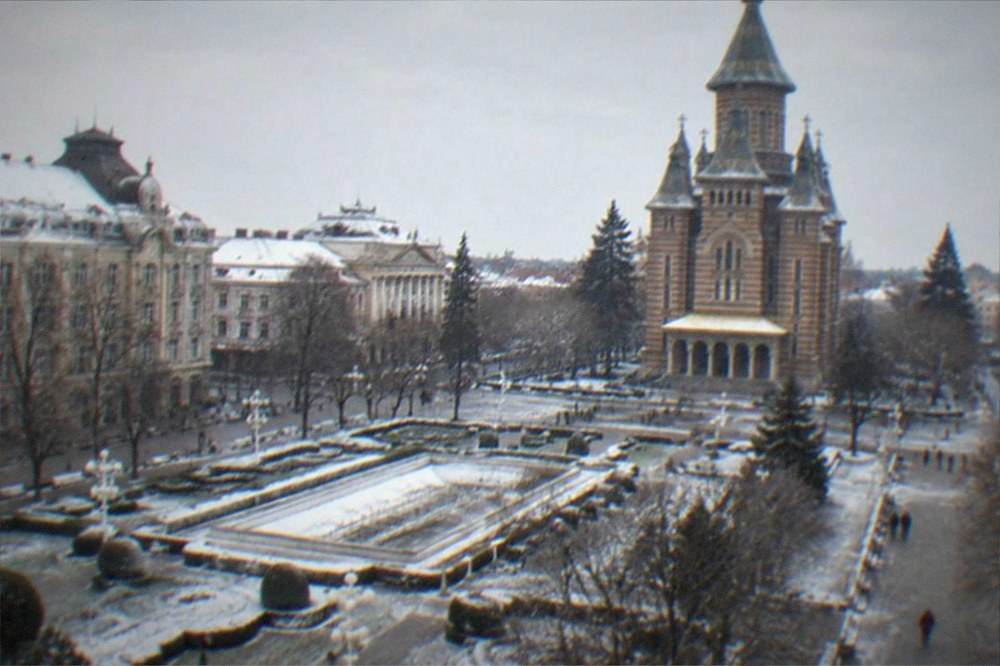
For a revolution-focused visit, the trade-off is between atmosphere and comfort. December in Timisoara is atmospheric: the anniversary brings remembrance events to the squares, and the Christmas Market, expected in Piata Victoriei from late November into early January based on prior years, lights the same square where the demonstrations happened. But the days are short and cold, and the mean temperature sits near 1.5 C. Spring and early autumn give you the same walkable route in mild air, with April, May, and September all comfortable months for spending hours outdoors between the squares and the museum.
Whenever you come, the revolution sites are indoor-and-outdoor combined, so a rainy hour does not end the day. Our month-by-month breakdown in Timisoara weather by month and the broader best time to visit guide help you match dates to plans.
How Do You Get Around Timisoara To See The Sites?
You get around Timisoara's revolution sites almost entirely on foot, because the parish church, Piata Victoriei, Piata Libertatii, and the Memorial Museum all sit within the compact Cetate old town. For longer hops, the city's public transport network sells a 60-minute ticket for 5 lei and a one-day pass for 18 lei, both valid on trams, trolleybuses, buses, and the seasonal Bega water bus, payable by contactless card on board.
The transport system is genuinely easy for visitors. A single 5 lei ticket covers sixty minutes across all modes, including the vaporetto on the Bega canal when it runs in season from April to the end of October, and the 18 lei day pass does the same for a full day. You can pay with a contactless bank card directly on board, or use an e-wallet card, SMS, mobilPay, or the operator's own eTicket channels. Trams, trolleybuses, and buses cover the whole city, and the express line E4 connects the city center out to Traian Vuia airport.
| Ticket | Price | Coverage |
|---|---|---|
| Single ticket, 60 minutes | 5 lei | All modes, including the Bega water bus in season |
| One-day pass | 18 lei | Unlimited travel for one day, all modes |
| 30-day general pass | 160 lei | All modes for a month |
| Annual general pass | 1,320 lei | All modes for a year |
For the revolution route specifically, none of this is strictly needed: the whole walk is under two kilometers of flat, pedestrian-friendly terrain. Where transport helps is at the edges of the trip, getting from the airport, the train station, or a hotel in Iosefin or Fabric into the Cetate center. Trams run through the historic districts, and the Fabric district, once the city's industrial heart under both its Hungarian and later Romanian administration, is itself worth the short ride for its streetscape and its synagogue.
If your stay extends past the revolution theme, the same transport base serves day trips into the Banat region, from the Nera Gorge to the wineries around Recas. The tours below are the most popular extensions from a city-center stay:
And if you simply want a well-reviewed general introduction to the city before diving into the revolution material, the classic walking tour covers the main squares with a licensed guide:
Common Questions About The Timisoara Revolution
Where did the Romanian Revolution of 1989 start?
It started in Timisoara, in western Romania, on 16 December 1989, when crowds gathered to defend Reformed pastor Laszlo Tokes at his parish after authorities tried to remove him. The protests grew into mass demonstrations in the city's squares and spread to other Romanian cities within days.
What can you see at the Memorial Museum of the Revolution?
The Memorial Museum of the Revolution in Piata Victoriei holds eight permanent exhibitions and three temporary ones, plus the documentary "Noi nu murim", all included in the 20 lei adult ticket. The collections include photographs, documents, and personal effects connected to the December 1989 events.
Can you visit the places where the Timisoara protests happened?
Yes. The Reformed parish church near Piata Maria, Piata Victoriei in front of the Opera, and Piata Libertatii are all public spaces in the walkable Cetate old town, and the Memorial Museum stands directly on Piata Victoriei. A single morning covers the entire route.
Is there a tour of the Timisoara Revolution sites?
Yes, several guided walking tours focus on the 1989 story, and the most direct option is the History and 1989 Revolution walking tour, which connects the squares and the key buildings with a local guide. Check availability on the operator's live listing.
When does Timisoara commemorate the revolution?
Commemorations take place annually in mid-December, typically around the anniversary of 16 December, with ceremonies and cultural programs at Piata Victoriei, the Opera, and the Memorial. Exact programs are announced closer to the date each year.
How long should you spend on revolution sites in Timisoara?
Plan on a full day: two hours or more at the Memorial Museum, a morning walking the route from the parish church to Piata Victoriei, and time left over for the surrounding old town squares, which share the same few blocks.
The revolution is the reason many travelers put Timisoara on their itinerary, and the city repays that interest with sites you can actually walk, a museum that takes the history seriously, and a compact center where a single day connects the whole story. Pair the memorial visit with a guided walk, save an afternoon for Piata Unirii and the old town, and the December of 1989 becomes something you can stand inside of rather than just read about.