Roses Park Timisoara
Roses Park is one of Timisoara's best-loved green spaces, a rose garden and leisure park in the east of the city that peaks in color from late spring through early autumn. This guide covers when to come, how to get there with a 5 lei transit ticket, and what to combine with a visit.
Short answer
Roses Park in Timisoara, Romania, is a public park known above all for its rose collection, and the best months to see it in bloom are May through September, when mean temperatures run from 17.3 C to 22.8 C. A single 60-minute STPT ticket costs 5 lei and covers trams, trolleybuses, buses and the Bega vaporetto.
Roses Park in Timisoara, in Timis County in the Banat region of western Romania, is the city's dedicated rose garden, a public green space where flowerbeds, shaded alleys and open lawns come together in the eastern part of town. Timișoara earned its reputation as a city of parks and promenades under the Habsburgs, and this park carries that tradition forward: it is planted around its rose collection, framed by mature trees, and laid out for slow, aimless wandering rather than for ticking off monuments. This page on Timisoara Travel Guide walks through when the roses are at their best, how to reach the park on the city's tram and bus network for the price of a 5 lei ticket, and what to pair with a visit, from the Bega canal promenade to the family attractions a short ride away.
What Is Roses Park In Timisoara?
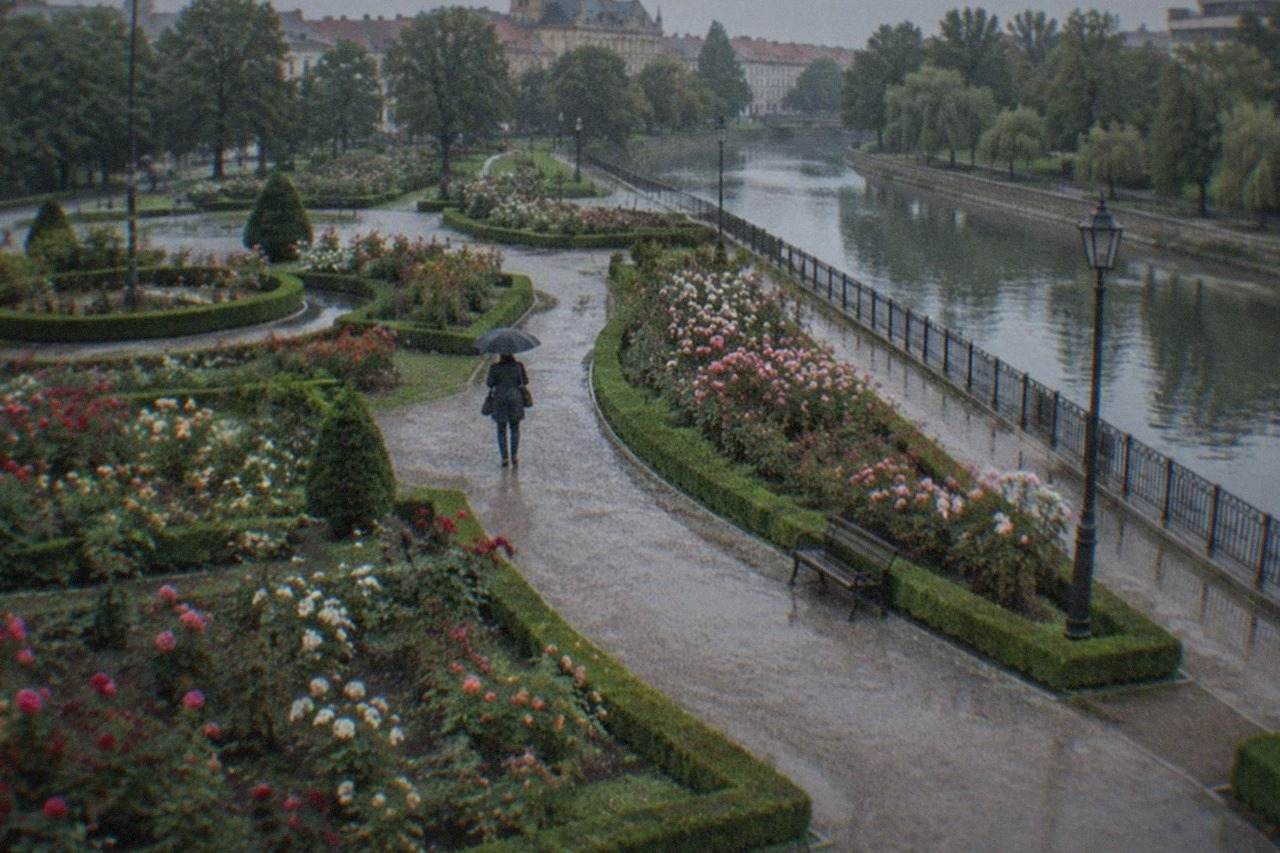
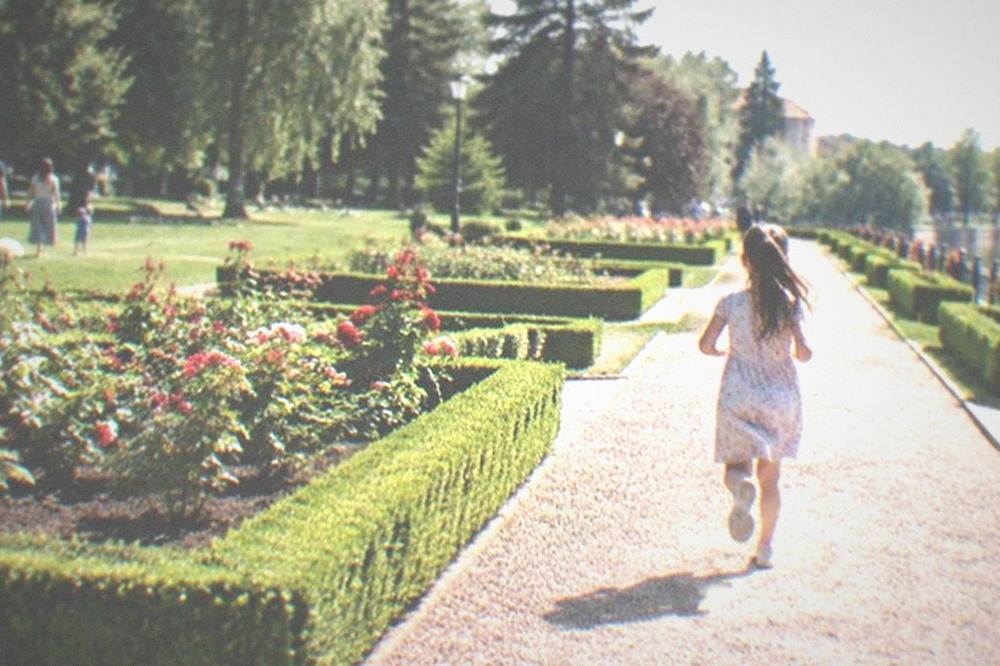
Roses Park is Timisoara's principal rose garden, a free public park in the east of the city built around formal rose beds, tree-lined walkways and open lawns, and it functions as a neighborhood leisure space rather than a ticketed attraction. The park belongs to the same family of green spaces as Central Park and the Botanical Park, and it is at its most colorful from late spring into early autumn. No entrance area, turnstile or ticket booth is part of its design.
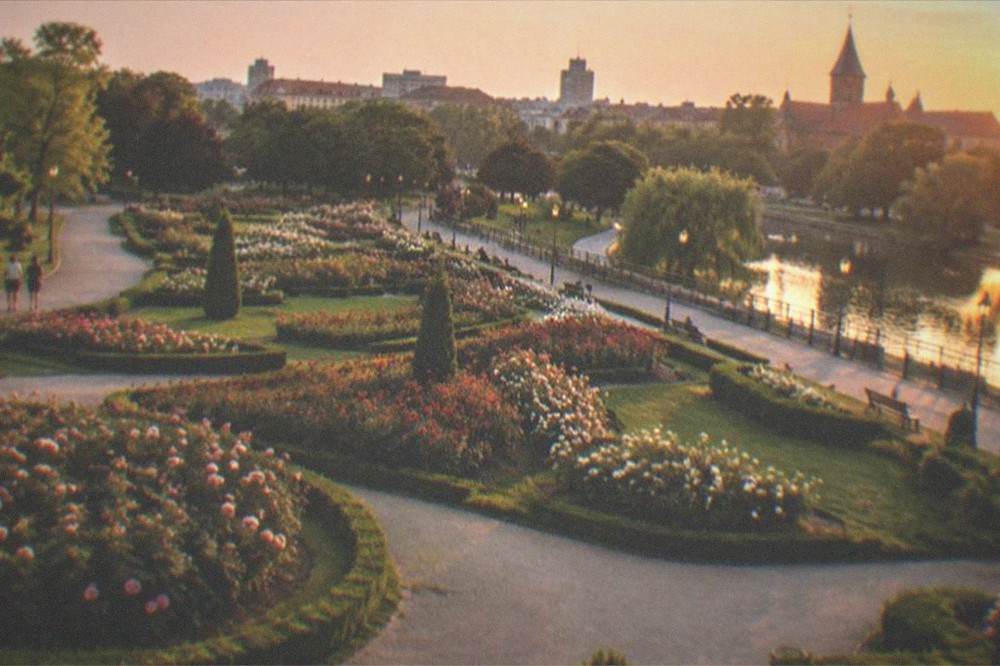
The park's identity rests on its roses. Beds are laid out in geometric patterns, with varieties chosen so that different sections flower in waves across the warmer months, and the alleys between them are shaded by mature trees that make the space usable even in July, when the JMA climate normals for station Timisoara 15247 put the mean temperature at 22.8 C. Benches, a fountain or two, and gravel paths give it the feel of a classic Central European Stadtgarten, which fits the city's history: Timisoara was the first city on the European mainland with electric street lighting, switched on in November 1884, and its planners of the era treated green space as part of urban infrastructure, not an afterthought.
Locals use the park the way locals everywhere use good parks. Morning walkers do laps along the outer alleys, families spread out on the lawns on weekend afternoons, and photographers come in June when the first big flush of roses overlaps with the longest days of the year. Visitors tend to arrive for an hour between sightseeing blocks, and that is the right scale: this is not a half-day destination on its own, but it pairs naturally with the riverside stretches of the Bega canal and with the quieter eastern neighborhoods.
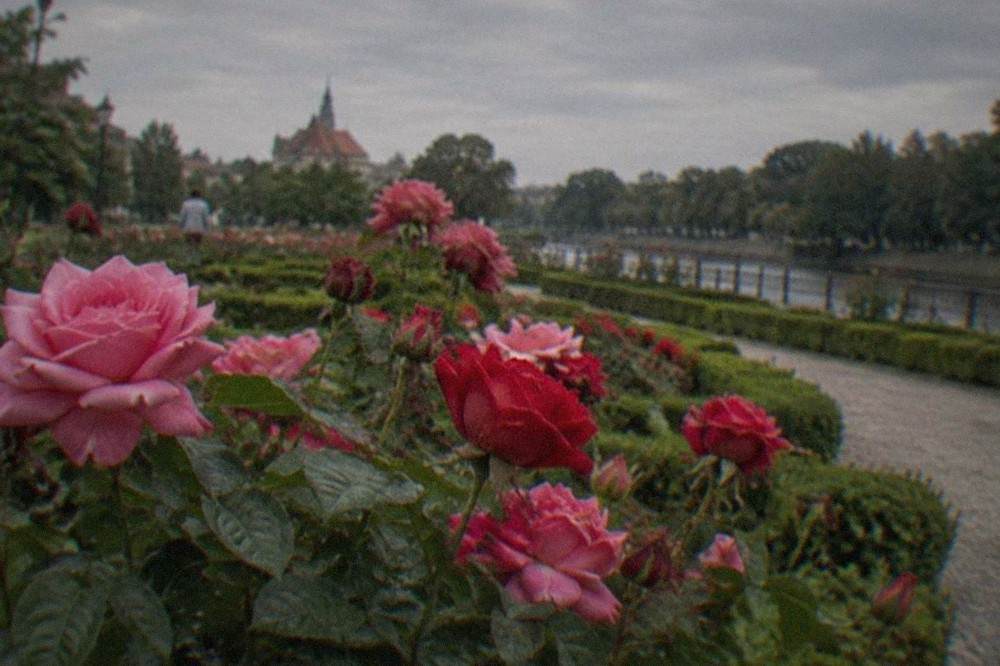
Because the park is a living garden rather than a monument, it changes character with the seasons, and that is the single most useful thing to understand before planning a visit. A rose garden in late May and the same garden in February are two different experiences, and the next section deals with the timing question directly.
When Do The Roses Bloom In Timisoara?
The roses in Timisoara bloom mainly from late May through September, with the heaviest flush in June and a second, lighter wave in early autumn, and the climate data supports this window: mean temperatures rise from 17.3 C in May to 20.9 C in June and peak at 22.8 C in July, while June is also the wettest month at 79.1 mm of rain. Aim for a morning visit in June for the fullest beds.
The numbers behind that answer come from the JMA/WMO CLIMAT normals for station Timisoara 15247, at 86 m altitude, and they describe a fully continental climate: cold winters, warm summers, and rain distributed across the year with a June peak. Here is the full monthly picture.
| Month | Mean Temp (C) | Precipitation (mm) |
|---|---|---|
| Jan | 0.0 | 37.3 |
| Feb | 2.1 | 35.5 |
| Mar | 6.5 | 34.1 |
| Apr | 12.3 | 50.6 |
| May | 17.3 | 57.2 |
| Jun | 20.9 | 79.1 |
| Jul | 22.8 | 61.9 |
| Aug | 22.5 | 54.6 |
| Sep | 17.2 | 50.4 |
| Oct | 11.5 | 50.0 |
| Nov | 6.4 | 45.3 |
| Dec | 1.5 | 44.7 |
Two details in that table matter more than they first appear. June is both the warmest flowering month and the wettest month of the year at 79.1 mm, so a June visit should carry a light rain layer even on a bright morning. March, by contrast, is the driest month at 34.1 mm, but with a mean of 6.5 C it is a bare, pre-bloom month in the rose beds, useful only for a quiet walk among the pruned stems.
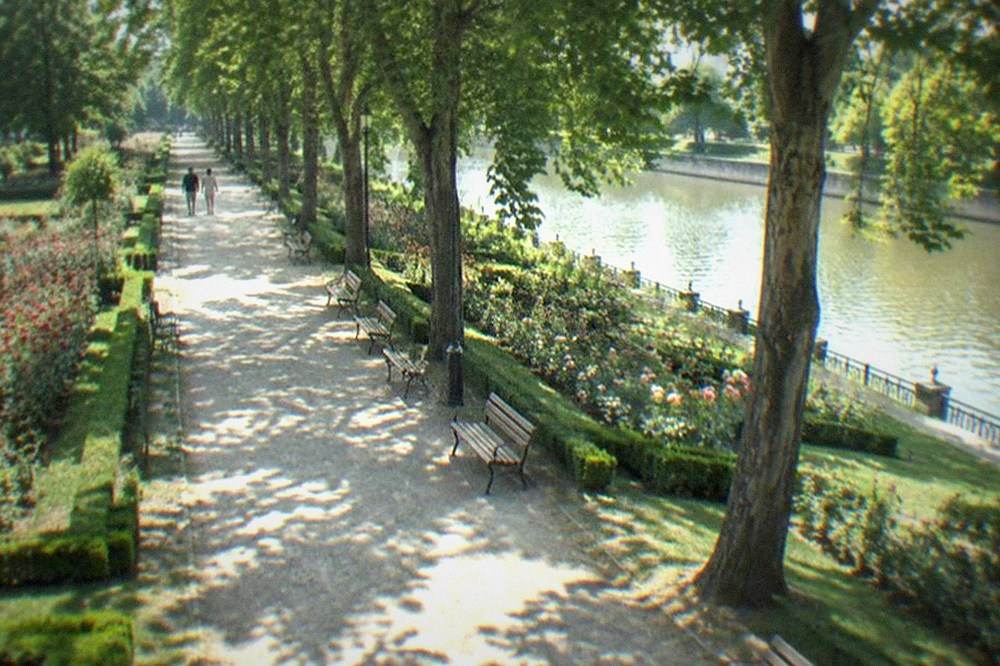
For planning purposes, the seasons divide cleanly. May and June bring the first and best flowering, with fresh foliage and long evenings. July and August are the warmest months and the roses keep going, though the beds look their richest early in the day before the heat builds. September cools to a mean of 17.2 C and often delivers a second flowering wave alongside the first color in the trees. October is about foliage rather than flowers, and from November through March the park is a quiet, structural space of bare beds and empty alleys, with means from 6.4 C down to 0.0 C.
| Season | Months | Mean Temp Range (C) | What the Park Offers |
|---|---|---|---|
| Late spring | May to Jun | 17.3 to 20.9 | First and fullest rose flush, fresh greenery, longest days |
| High summer | Jul to Aug | 22.8 to 22.5 | Continued bloom, best visited in the morning, shade matters |
| Early autumn | Sep | 17.2 | Second lighter flush, first autumn color, comfortable walking |
| Autumn | Oct | 11.5 | Foliage color, roses mostly finished |
| Winter | Nov to Mar | 0.0 to 6.5 | Bare pruned beds, quiet alleys, no flowering |
If the park is one stop on a longer trip, it slots most naturally into a spring or autumn itinerary, the two seasons when the city's squares and outdoor cafes are also at their best. The best time to visit Timisoara question has a longer answer, but for this park specifically the rule is simple: June mornings first, September afternoons second.
A park visit also pairs well with a guided orientation of the city, especially on a first trip when the layout of squares and neighborhoods is still unfamiliar. These three options cover the ground well.
How Do You Get To Roses Park In Timisoara?
Roses Park is reached on Timisoara's STPT public transport network, where a single 60-minute ticket costs 5 lei and is valid on trams, trolleybuses, buses and the Bega vaporetto, and a one-day pass costs 18 lei with the same coverage. Payment works with a contactless bank card on board, an e-wallet card, SMS, mobilPay, eTicket online or STPT kiosks, so no advance purchase is needed.
The fare structure is flat and integrated, which makes park-hopping across the city genuinely cheap. The current tariff, set in August 2025, is summarized below.
| Ticket | Price | Coverage |
|---|---|---|
| Single 60-minute ticket | 5 lei | All modes, including the vaporetto |
| One-day pass | 18 lei | All modes, including the vaporetto |
| 30-day general pass | 160 lei | All modes |
| Annual general pass | 1,320 lei | All modes |
| Vaporetto single trip | 5 lei | Bega canal water bus, 9 stops per direction |
The network is dense by any standard: nine tram lines (1, 2, 4, 5, 6a, 6b, 7, 8, 9), six trolleybus lines (11, 14, 15, 16, 17, 18), express lines E1 through E8, and the seasonal vaporetto line V1 on the Bega. Real-time arrivals are published at live.stpt.ro, and STPT also feeds the Transit app, so checking the next tram before leaving the hotel takes seconds. One caveat worth knowing: the area around Trajan Square has been closed to trams since 3 August 2026 for regeneration works, with lines diverted, so a route that was correct last year may have changed.
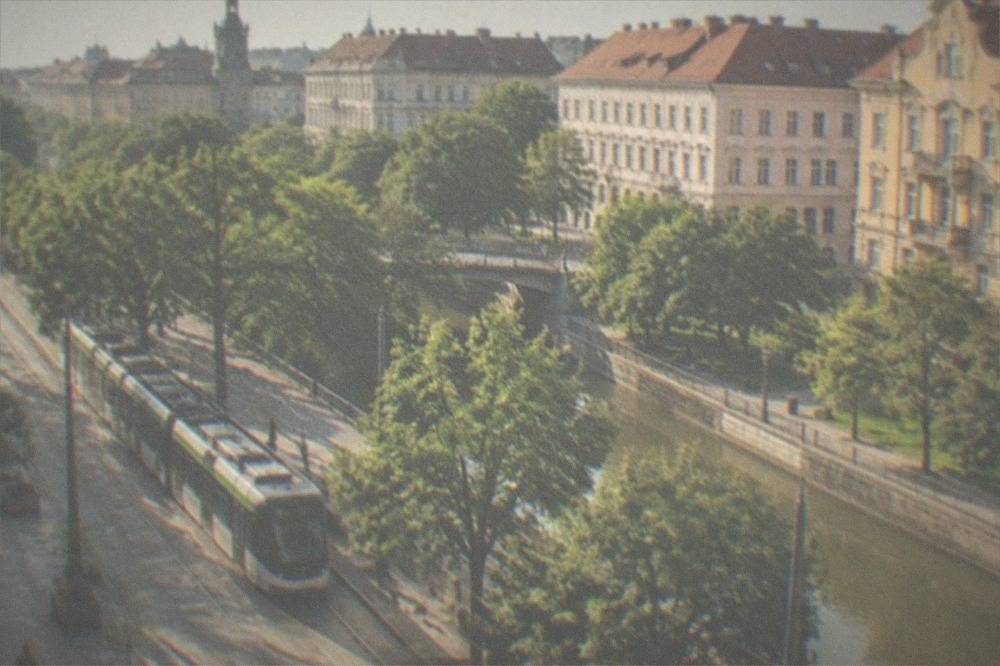
For visitors staying in the center, the practical pattern is to fold the park into a loop: old town squares in the morning, a tram out to the park, then the Bega promenade on the way back. The getting around Timisoara guide covers the network in more depth, including the airport express line E4 from the Bastion to Traian Vuia airport, useful if the park visit falls on departure day.
If you would rather have the city's story told properly than navigate it alone on day one, a short guided walk is the efficient move.
What Else Can You See Around Roses Park In Timisoara?
The useful cluster near Roses Park is Timisoara's eastern green belt and the Bega corridor, including Central Park, the Children's Park, the Botanical Park and the riverside promenade, all reachable on the same 5 lei ticket, with the Banat Village Museum a short ride further out. The park works best as one node in a walking-and-tram loop rather than a standalone destination.
Timisoara is unusually generous with parks for a city of its size, and the green spaces link up. Central Park sits closer to the historic core and acts as the city's front garden; the Children's Park is geared to families; the Botanical Park is the quietest and most botanical of the three; and the Bega canal threads a pedestrian and cycling promenade through all of it. The vaporetto, running seasonally from 1 April to the end of October with nine stops per direction, turns the canal itself into a transport line, and a one-day pass at 18 lei covers a day of hopping between all of these.
| Nearby Green Space | Character | Best For |
|---|---|---|
| Central Park | Formal park near the historic core | A pause between squares, shaded benches |
| Children's Park | Playgrounds and family facilities | Visitors with young children |
| Botanical Park | Quiet, planted collections | Slow walks, plant interest |
| Bega canal promenade | Riverside walking and cycling | Connecting the parks on foot |
| Banat Village Museum | Open-air museum of Banat rural architecture | A half-day excursion by tram |
Beyond the green belt, the heavy sights of the city cluster around the three historic squares. Union Square (Piata Unirii) is the baroque heart, Liberty Square (Piata Libertatii) and Victory Square (Piata Victoriei) carry the 1989 Revolution story, and the whole old town of Cetate sits between them. A realistic day pairs one of those squares in the morning, the park after lunch, and the Bega bank in the evening, when the light comes low across the water.
Is Roses Park A Good Family Outing In Timisoara?
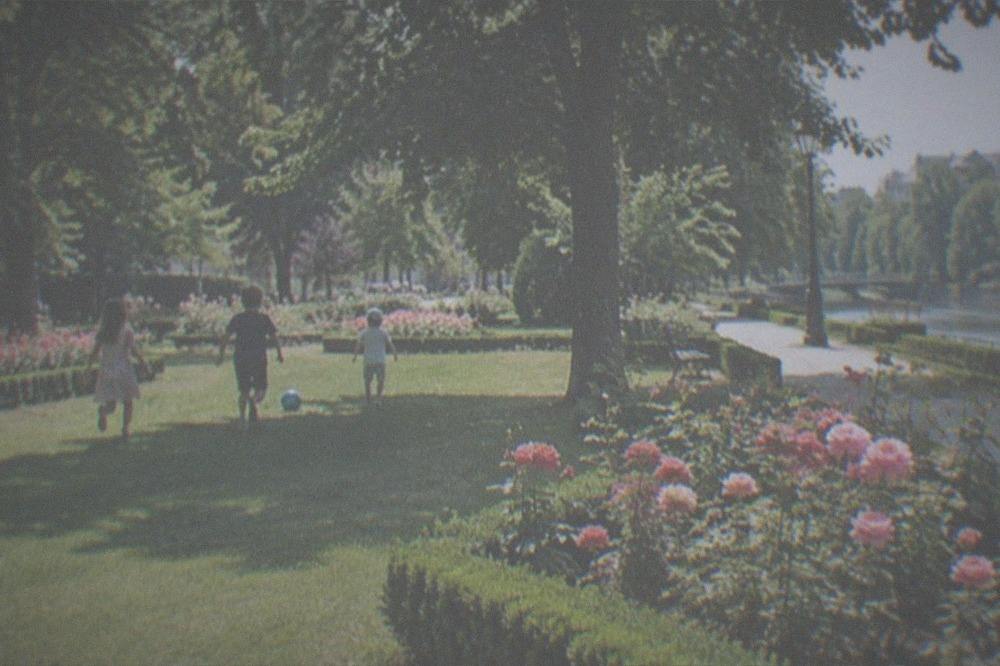
Yes, Roses Park suits families well, because it combines open lawns, shade and a calm traffic-free setting, and it sits close to the Children's Park and within easy tram reach of the Timisoara Zoo, while the city's newest family attraction, the MIC interactive children's museum, opened in May 2026 inside the Maria Theresia Bastion. A day built around the park costs almost nothing beyond transit tickets.
The family logic of the park is straightforward: lawns for running, alleys for strollers, benches for grandparents, and enough shade that a July afternoon is survivable. The Children's Park extends the same offer with play structures, and the zoo rounds out a full family itinerary. Indoors, the recently opened MIC museum in the Theresia Bastion covers ages from roughly ten months to twelve years with hands-on installations, and the MINA immersive art space at Iulius Town, opened in April 2026, gives a rain-day alternative with large-scale projections. The Timisoara with kids guide assembles the full list.
For a compact highlights walk that covers the squares and works for school-age children, this option is a good fit.
Which Guided Tours Pair Well With Roses Park In Timisoara?
The tours that pair best with Roses Park are the city walking tours, because the park itself needs no guide and the guided hours are better spent on the squares, the Revolution sites and the old town, with The Classic Tour of Timisoara the natural companion at roughly two hours. Day trips into the Banat hills or the Danube Gorge then fill a second or third day, since the park visit itself rarely exceeds an hour or two.
The division of labor is simple. The park is self-explanatory: roses, benches, alleys, no ticket, no queue. What benefits from a guide is everything around it, and Timisoara has an unusually rich guiding scene for a city this size, from general highlights walks to themed routes on the 1989 Revolution, Jewish heritage, and the city's multi-confessional churches. The related tour below is the classic option, with the full details on the operator's live listing.
Read more about it on the Classic Tour page, or see how it compares with other walks in the things to do in Timisoara roundup. For travelers with a car-free itinerary, the themed walks matter most; for those with two or more days, the Banat and Danube day trips turn the park into the calm interlude between bigger outings.
What Events And Seasons Shape A Timisoara Park Visit?
Timisoara's event calendar shapes park visits mainly through the warm months, with the Flight Festival on 19 to 21 June 2026 at the Banat Village Museum, the city celebration Ziua Timisoarei from 31 July to 3 August 2026, and the JazzTM festival on 25 to 27 September 2026, while the Christmas Market in Victory Square is expected from late November into early January with 2026 dates not yet officially confirmed.
The festivals matter for park planning because they crowd the center and lift hotel demand, while the park itself stays calm, which makes it a good escape valve on festival weekends.
| Event | Dates | Location |
|---|---|---|
| Flight Festival | 19 to 21 June | Banat Village Museum grounds |
| Ziua Timisoarei city celebration | 31 July to 3 August | City-wide, main stages at Victory Square |
| JazzTM festival | 25 to 27 September | Ion Vidu Arts School and related venues |
| Christmas Market | Expected late November to early January (not yet officially confirmed) | Victory Square and surrounding squares |
Ziua Timisoarei in 2026 drew over 100,000 attendees across more than 200 events with major concerts, and the 2027 edition is already announced for 30 July to 3 August. On those weekends, the park and the Bega banks are exactly where locals retreat when the squares get full, so a festival-date visit is not a reason to skip the park, quite the opposite.
How Should You Plan A Visit To Roses Park In Timisoara?
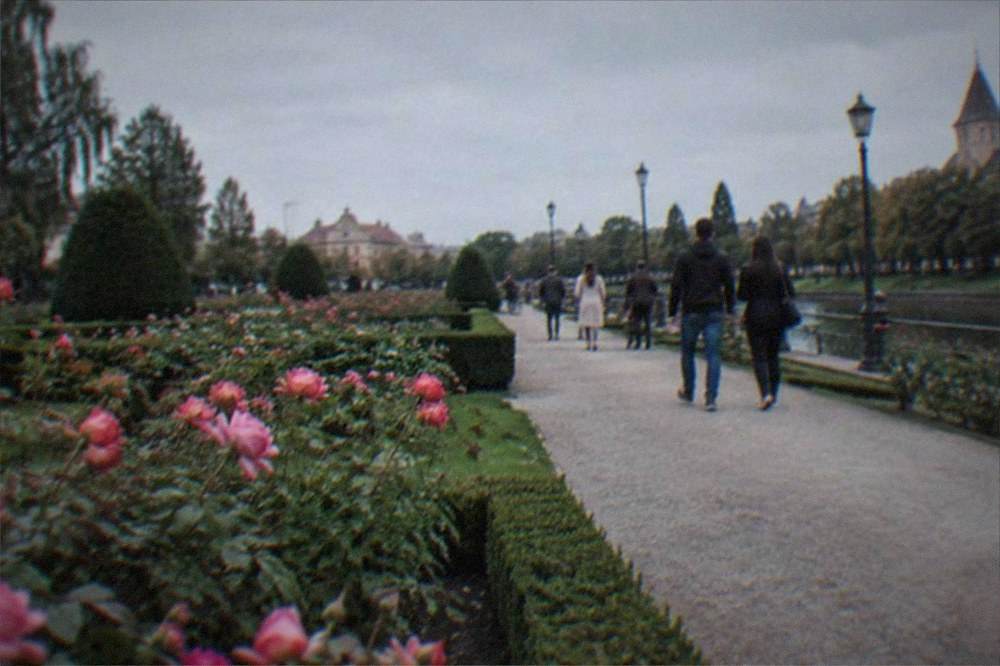
Plan Roses Park as a stop inside a larger day, timed for June or September if blooms matter, reached with a 5 lei STPT ticket or an 18 lei day pass, and combined with the Bega promenade, Central Park or the old town squares, with a morning visit in summer and a late-afternoon visit in spring or autumn. Bring water in July and August, and check live.stpt.ro for tram diversions before setting out.
The packing question answers itself from the climate table. From May through September, normal walking clothes and a sun hat suffice, with a light rain layer in June. From October to March, the park is worth visiting only as a quiet walk, and a proper coat is non-negotiable, with means from 11.5 C down to 0.0 C. Footwear should handle gravel alleys, which is ordinary shoes in dry weather and something with grip after rain.
A sample day that works in any season looks like this.
| Time | Activity | Notes |
|---|---|---|
| Morning | Old town squares walk | Union, Liberty and Victory squares on foot |
| Midday | Lunch in Cetate | See the Timisoara restaurants guide for options |
| Early afternoon | Tram to Roses Park | 5 lei single or 18 lei day pass |
| Late afternoon | Bega canal promenade | Walk back toward the center along the water |
| Evening | Dinner near Victory Square | Vaporetto runs to end of October |
Travelers with more days in the region can push the same ticket-free logic outward: the Banat hills, the Nera Gorge and the Danube Gorge are all established day-trip territory from the city, and the options below show the range, from a brief city walk to a full-day gorge expedition.
For those who want the countryside version of the park's calm, this full-day option into the Banat landscape is the strongest of the group.
Common Questions About Roses Park Timisoara
Is Roses Park in Timisoara free to enter?
Yes, it is a public city park with no ticket booth or turnstile, and no entrance fee is charged. The only costs associated with a visit are transit fares, at 5 lei for a single 60-minute ticket or 18 lei for a one-day pass on the STPT network.
When is the best month to see the roses in Timisoara?
June is the best single month, when the first and fullest flush of blooms coincides with a mean temperature of 20.9 C and the longest days of the year. September, at a mean of 17.2 C, often brings a second, lighter wave of flowers along with the first autumn color.
How do I get to Roses Park without a car?
Use the STPT network: trams, trolleybuses and buses are covered by a single 5 lei ticket valid for 60 minutes, and a contactless bank card can be used on board. Check live.stpt.ro for real-time arrivals and for diversions, since works around Trajan Square have closed some tram routes into the end of 2026.
Is Roses Park suitable for children?
Yes. Open lawns, shade and traffic-free alleys make it easy with young children, and the nearby Children's Park adds play facilities. The Timisoara Zoo and the MIC interactive children's museum, which opened in May 2026 in the Maria Theresia Bastion, extend the family options within easy reach.
How long should I spend at Roses Park?
One to two hours is the right scale for most visitors, since the park is a garden rather than a museum. It works best as one stop in a loop that also takes in the Bega canal promenade and the old town squares, all reachable on the same day pass.
Is Roses Park worth visiting outside the blooming season?
Only as a quiet walk. From November through March, with mean temperatures between 0.0 C and 6.5 C, the beds are bare and pruned, and the park's appeal shifts to empty alleys and mature trees. Visitors in those months get more from the indoor sights, such as the Art Museum in the Baroque Palace or the Memorial of the 1989 Revolution.