Bega Canal
The Bega Canal is the waterway that shaped Timisoara, and this guide covers how to ride it, walk it and understand it.
Short answer
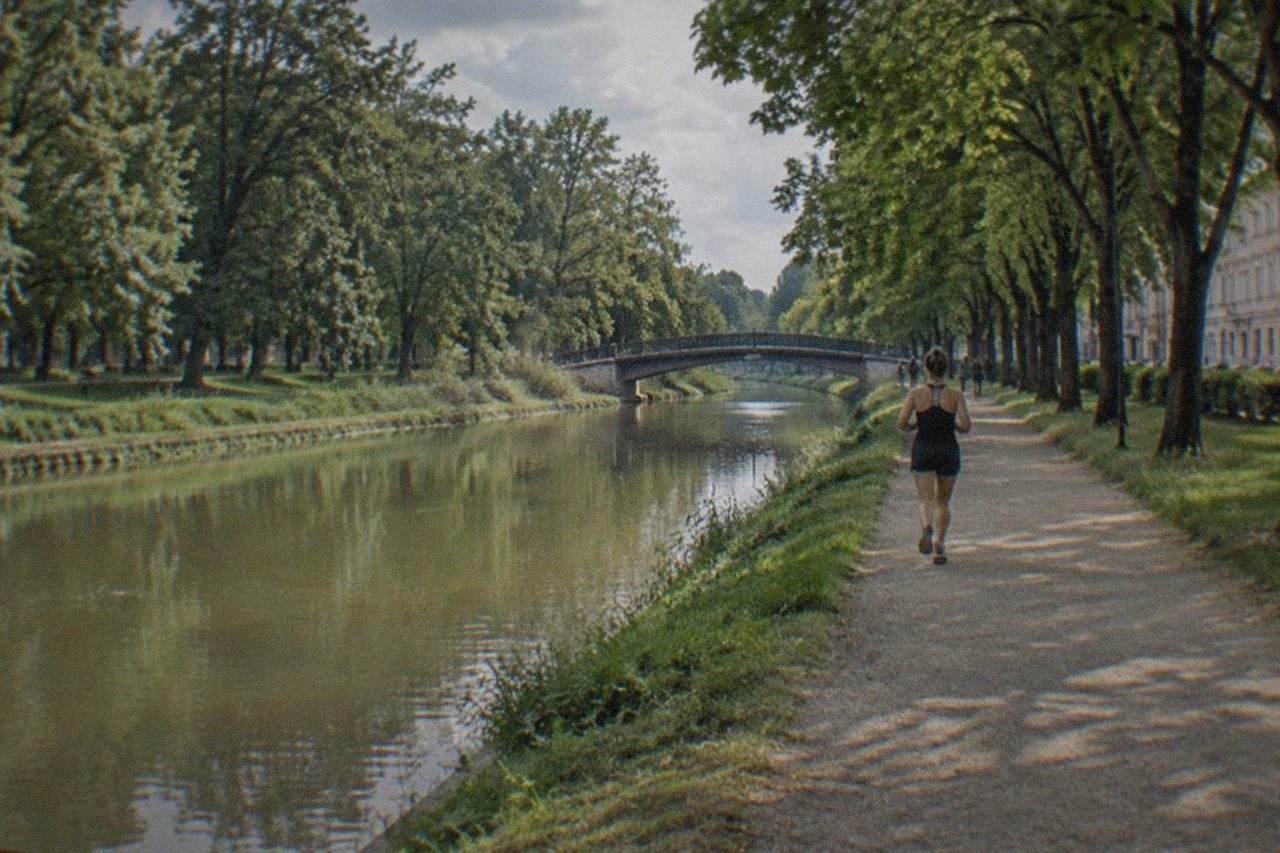
The Bega Canal is a navigable channel through Timisoara, begun long ago and later engineered into its modern form, rideable in season by the STPT vaporetto for 5 lei a trip and walkable year-round along redeveloped green banks.
The Bega Canal in Timisoara, the main city of Timis County in the Banat region of western Romania, is the waterway around which the whole city was organized, straightened, lit and modernized. Work on canalising the Bega began in 1728, making it the first navigable canal in Romania, and the channel has since carried freight, horse-drawn trams on its banks, electric lighting demonstrations and, today, a small fleet of public water buses. This guide from Timisoara Travel Guide covers how to ride the vaporetto, which stretches of bank are worth walking, what the canal's history explains about the city, and how to plan a visit in every season.
What Is The Bega Canal In Timisoara?
The Bega Canal is the channelized course of the Bega river through Timisoara, begun in 1728 as the first navigable canal in Romania, and today it functions as the city's main linear park, a public transport corridor for the seasonal vaporetto water bus, and the spine that connects the historic districts of Cetate, Iosefin and Fabric. It is not a decorative moat or a leftover industrial ditch. The canal was engineered for commerce under the Habsburg administration, and nearly every era of the city's famously early adoption of technology, from gas street lighting to electric trams, happened within a few blocks of its banks.
Under its Hungarian name, Temesvár, the city was a provincial Habsburg center, and the canal was the freight artery that justified its growth. Grain, timber and beer moved on the water; the 1718 Timisoreana brewery, the oldest attested brewery in Romania, sat close to the corridor. When the fortress walls came down, the new boulevards and parks were laid out around the channel, which is why the green ribbon you walk today follows the old defensive geometry so closely.
Modern Timisoara, spelled Timișoara in Romanian, treats the canal as its front yard. The banks hold running and cycling paths, playgrounds, terraces and event spaces, and the city has spent the years since the 2023 European Capital of Culture program extending the promenade, clearing unauthorized structures and planting urban meadows and mini-forests along the water. For a visitor, the practical takeaway is simple: the canal is both a sight in itself and the most pleasant route between the sights.
How The Bega Canal Made Timisoara A City Of Firsts
Canalising the Bega, started in 1728, turned a marshy frontier town into a trading hub, and the wealth and confidence that followed produced a run of technological firsts: the first navigable canal in Romania, the first city of the Habsburg monarchy with lamp-lit streets in 1760, the first newspaper printed in Romania in 1771, and on 12 November 1884 the first city on mainland Europe with electric street lighting, 731 incandescent lamps over 59 km of streets. The canal did not merely sit beside that history; it financed and enabled it.
The chronology below is the city hall's own verified list of firsts, and nearly every entry ties back to the corridor of water and the commerce it carried. Reading it in order explains why Timisoara, and not Bucharest or Vienna's older centers, repeatedly showed up first in the region's technology columns.
| Year | First recorded in Timisoara |
|---|---|
| 1718 | Oldest attested brewery in Romania |
| 1728 | Start of canalising the Bega, the first navigable canal in Romania |
| 1760 | First city of the Habsburg monarchy with lamp-lit streets |
| 1771 | First newspaper printed in Romania, the Temeswarer Nachrichten |
| 1854 | First telegraph service in Romania |
| 1881 | First telephone network in Romania |
| 12 Nov 1884 | First city on mainland Europe with electric street lighting |
| 8 Jul 1869 | First horse-drawn tram in the Habsburg Empire, Cetate to Fabric |
| 1899 | First electric tram in Romania |
Two entries deserve a pause. The horse-drawn tram of 8 July 1869 ran from Cetate, the old town around today's Union Square, to the Fabric district, and it was extended on 25 October 1869 to the Josefin railway station, tying the canal-side districts into one system barely two decades after the canal itself opened to barge traffic. And the electric street lighting of 1884, 731 lamps over 59 km, was an assertion that a mid-sized Banat city could out-engineer capitals, an attitude still visible in how the waterfront is managed today.
A later era layered a darker history onto the same corridor. The Communist decades left their own architecture and their own memorials along the water and in the squares nearby, a story covered in depth by several guided walks. If you want that layer explained rather than guessed at, these are the options worth comparing.
The Grand Tour of Communist Ages in particular explores the city the canal built, and its route and details are on the operator's live listing. For a shorter orientation before a longer canal walk, the Timisoara Downtown Dream Tour covers the core on foot; Check availability if you want a fixed slot.
Can You Ride A Boat On The Bega Canal In Timisoara?
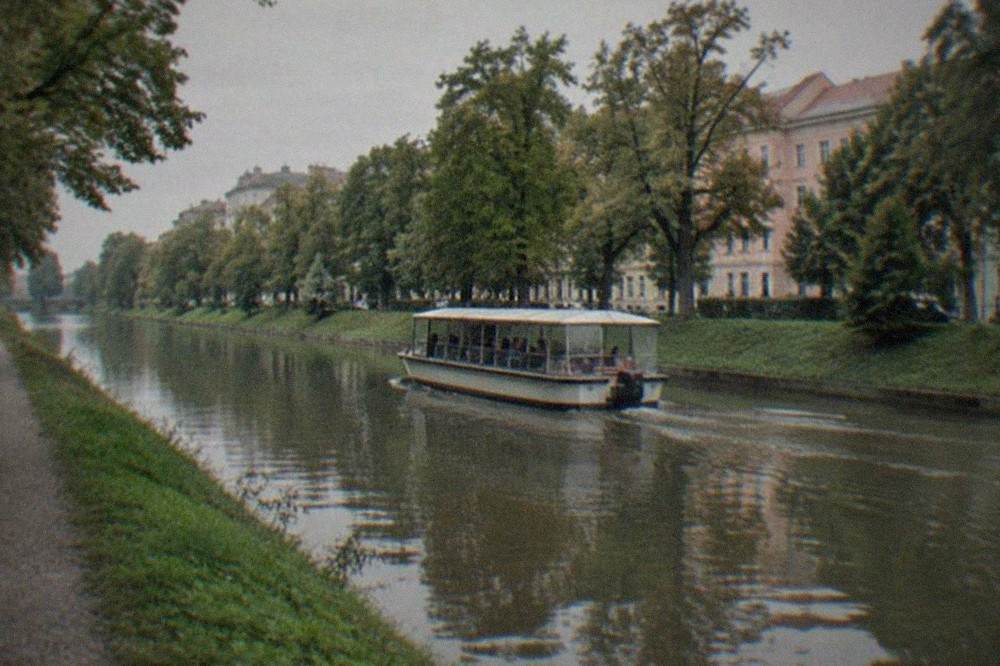
Yes: from 1 April to the end of October, the STPT vaporetto water bus runs scheduled service on the Bega Canal with nine stops in each direction, and a single trip costs 5 lei, payable by contactless bank card on board, e-wallet, SMS, mobilPay or cash, with the same ticket also valid for an hour on the city's trams, trolleybuses and buses. The service resumed on 1 April 2026 after its winter withdrawal and is operated by the same public transport company that runs the streets, not by a private tour operator, which is why the fare matches the land network.
That last point matters for planning. The vaporetto is regular public transport on water, not a sightseeing cruise, so there is no commentary, no reserved seating and no tourist premium. You tap, ride and hop off the way a commuter would. The vessels used are a small seasonal fleet, typically six or seven boats with one usually in maintenance, and the service is popular with locals as much as visitors.
| Vaporetto fact | Detail |
|---|---|
| Season | 1 April to end of October |
| Stops | 9 per direction |
| Single ticket | 5 lei |
| Payment | Contactless card on board, e-wallet, SMS, mobilPay, cash |
| Ticket validity | Also valid on trams, trolleybuses and buses for 60 minutes |
| Operator | STPT, the city's public transport company |
The ride is more recreation than rapid transit, and the city treats it that way: it is explicitly the leisure-oriented face of the network. Hop on near the Romanian National Opera side of the corridor and ride toward Iosefin for the longest pleasant stretch, or do the reverse in the late afternoon when the west bank catches the light.
How Do You Get To The Bega Canal And What Does Transport Cost?
The Bega Canal is reachable by tram, trolleybus or bus from anywhere in Timisoara, using the same STPT ticket the vaporetto accepts: a single ticket valid for an hour costs 5 lei, a 1-day pass covering all modes including the water bus costs 18 lei, and a 30-day general pass costs 160 lei, with contactless bank cards accepted on board so you never need to find a kiosk first. The canal runs through the middle of the city, so "getting there" is really a question of which bank and which stretch you want.
The fare table below is the current STPT tariff, effective since the August 2025 adjustment and still current in September 2026. Note that the day pass is the one visitors tend to underbuy: at 18 lei it repays itself after four trips, and a day that combines a tram ride, a vaporetto crossing and a couple of hops between squares easily reaches that.
| STPT ticket | Price | Notes |
|---|---|---|
| Single, 60 minutes | 5 lei | All modes, including the vaporetto |
| 1-day pass | 18 lei | All modes, including the vaporetto |
| 30-day general pass | 160 lei | All modes |
| Annual general pass | 1,320 lei | All modes |
Payment is genuinely easy: contactless bank card on board, e-wallet card, SMS, mobilPay or the eTicket online channel all work, and real-time arrivals are published on the operator's live map. Tram lines run along or across the corridor at several points, though note that ongoing regeneration works around Trajan Square have diverted some tram lines, so check the live feed on the day rather than trusting a printed map.
If you are staying in the old town, you may never need a vehicle at all: the canal's east bank sits just a short walk from Theresia Bastion, and the whole Cetate-to-Iosefin stretch is a flat, strollable corridor. For orientation on foot with a guide who explains what you are passing, a walking tour is the efficient first move.
The Grand Tour of Communist Ages is the deeper option once you have your bearings, and its current price and schedule are on the operator's live listing rather than printed here.
What Should You See Along The Bega Canal Banks?
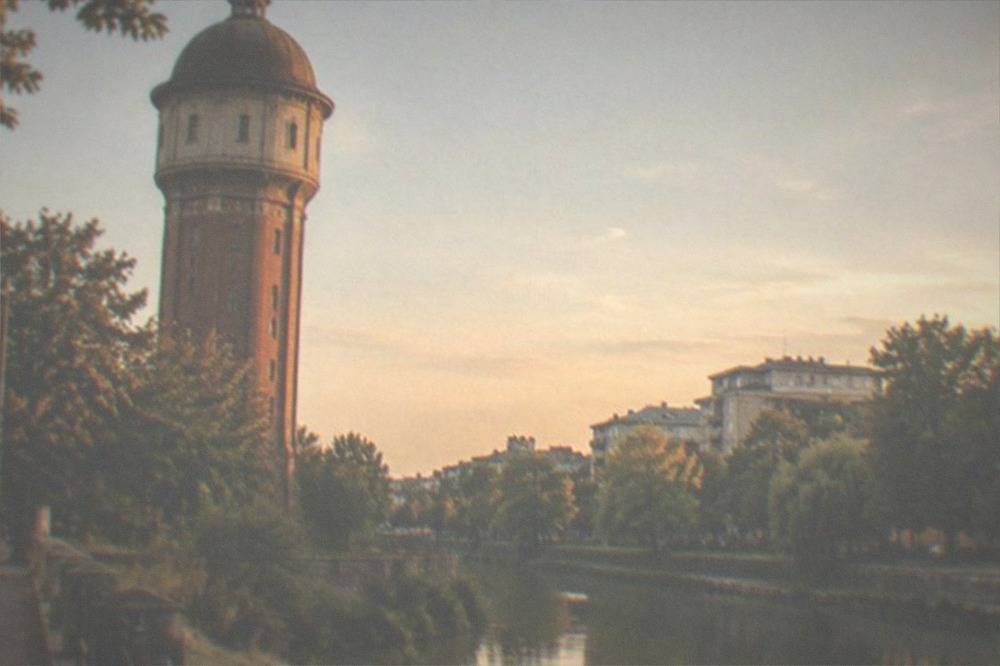
The Bega Canal's banks connect most of Timisoara's headline sights in one walkable line: Theresia Bastion and the old town at the Cetate end, the Romanian National Opera and Victory Square a few blocks north, the Iosefin district and its water tower at the western end, and the green corridor of parks, terraces and event spaces in between, so a canal walk doubles as a self-guided tour of the city's core. You can do the full stretch in a relaxed morning, or pick a segment around what you plan to see that day.
The table below lays out the main anchor points in walking order from east to west, with the district each belongs to. None of these require a ticket to see from the outside, which makes the canal the city's best free itinerary; for more free options, see our roundup of free things to do in Timisoara.
| Stop along the canal | District | What you see |
|---|---|---|
| Theresia Bastion | Cetate | Restored bastion segment, shops, cafes |
| Union Square and the Baroque old town | Cetate | Baroque Palace, art museum, two cathedrals |
| Victory Square | Cetate | Opera, 1989 Revolution sites |
| Central Park and the green corridor | Cetate / Elisabetin | Park, playgrounds, riverside paths |
| Iosefin Water Tower | Iosefin | Historic tower, district walks |
| Millennium Church | Iosefin | Neo-Romanian parish church |
| Fabric district frontage | Fabric | Industrial-heritage facades, Trajan Square |
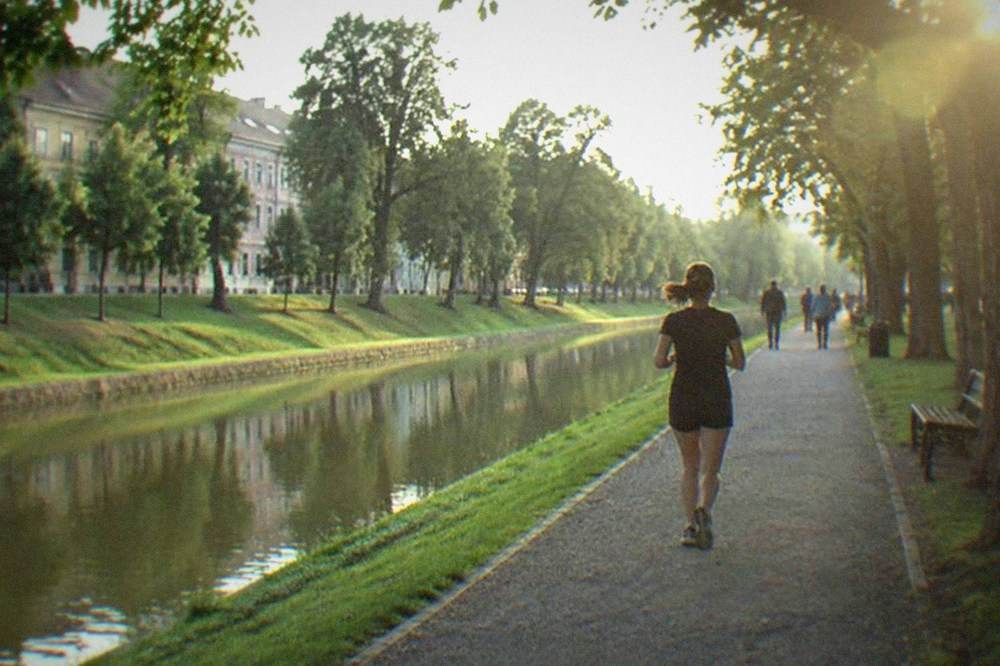
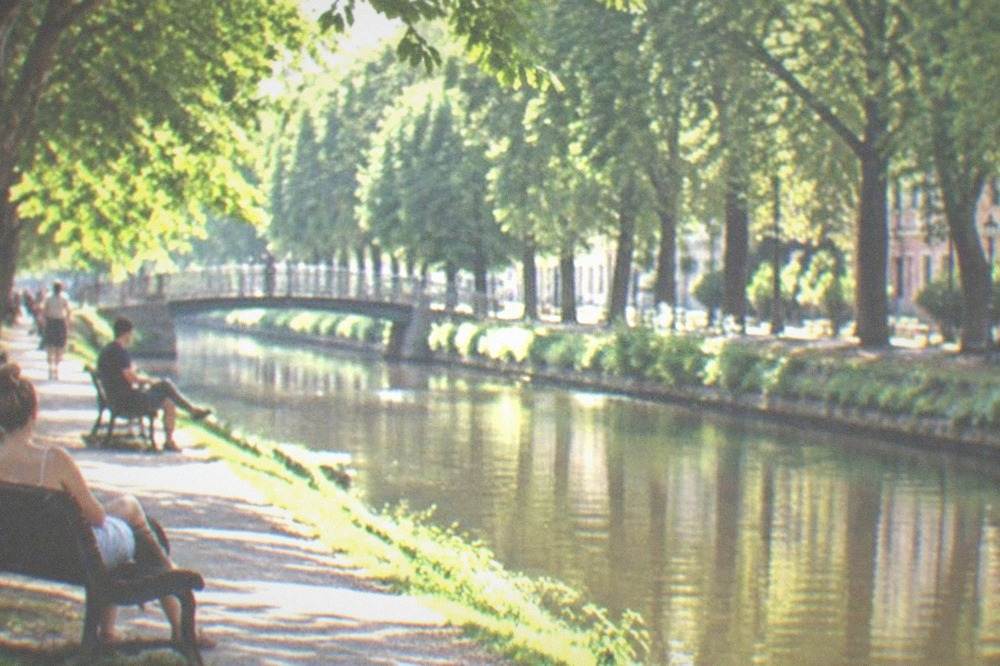
Start at Theresia Bastion, the best-preserved piece of the old fortress, and follow the water west. The stretch past Central Park is the most postcard-friendly, with weeping trees over the bank and the park's bridges framing the water. Beyond the park the character shifts to residential Iosefin, whose streets hold some of the city's quietest Secession facades; the Iosefin Water Tower marks the district's canal-side landmark.
Cross one of the footbridges into Fabric for the other personality of the waterfront: working-class industrial heritage, the grand Millennium Church and Trajan Square, currently a construction zone for the area's regeneration but ringed by cafes that have stayed open through the works. Fabric's synagogue and the Memorial Museum of the Revolution are both short detours from the bank.
When Is The Best Time To Walk The Bega Canal?
The best months for the Bega Canal are May through September, when Timisoara's climate normals show mean temperatures from 17.3 C in May to 22.8 C in July and the vaporetto is running, though June is the wettest month at 79.1 mm of rain, so late spring and early autumn, May, June and September at 17.2 C, offer the best balance of warmth, green banks and manageable crowds. The canal is a continental-city walk, not a coastal promenade, and the season shapes everything from the water bus schedule to how green the banks look.
The full monthly picture from the JMA/WMO climate normals for the Timisoara station makes the planning trade-offs clear. Winter walking is perfectly possible, the paths stay open, but the vaporetto is withdrawn from the end of October, and January's mean of 0.0 C with bare trees makes the corridor feel like a different place.
| Month | Mean temp (C) | Precipitation (mm) |
|---|---|---|
| Jan | 0.0 | 37.3 |
| Feb | 2.1 | 35.5 |
| Mar | 6.5 | 34.1 |
| Apr | 12.3 | 50.6 |
| May | 17.3 | 57.2 |
| Jun | 20.9 | 79.1 |
| Jul | 22.8 | 61.9 |
| Aug | 22.5 | 54.6 |
| Sep | 17.2 | 50.4 |
| Oct | 11.5 | 50.0 |
| Nov | 6.4 | 45.3 |
| Dec | 1.5 | 44.7 |
Two seasonal notes are worth more than the averages. First, the city's event calendar clusters along the water: the Timisoara Days celebration at the end of July and the Flight Festival in June at the Banat Village Museum both pull crowds toward the green corridor, and summer evenings bring open-air terraces onto the banks. Second, precipitation is fairly even outside the June peak, March being the driest month at 34.1 mm, so there is no genuinely dry season to chase; pack a light layer and check the forecast rather than the calendar.
What Is Being Built On The Bega Waterfront Now?
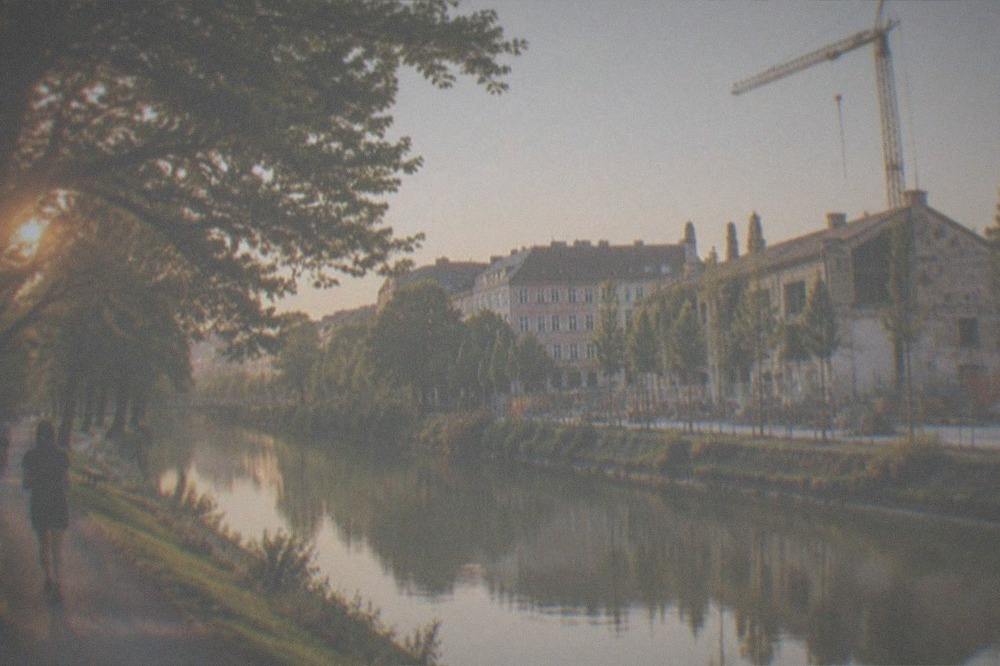
The Bega waterfront is the most actively regenerated part of Timisoara: since 2025 the city has signed a roughly 14.5 million euro contract for public spaces in historic Iosefin including Piata Mocioni, approved a plan for the Fabric district that completes the south-bank promenade between Podul Dacilor and Podul Andrei Saguna, begun clearing unauthorized structures to return more than 2,000 square meters of bank to park use, and planted Miyawaki-method mini-forests and urban meadows along the canal for biodiversity. A visitor in 2026 walks through a construction site with a visible direction of travel.
The biggest single project is MultipleXity, the cultural and technology hub converting the former tram depots on Take Ionescu Boulevard: the EU funding contract signed in March 2026 is worth roughly 150 million lei, with completion targeted around February 2029. It sits a short walk from the canal and will, when finished, give the corridor a major cultural anchor at its eastern end.
For the practical visitor, the regeneration means two things. Expect scaffolding and fenced sections, especially around Trajan Square in Fabric, where tram works run to the end of 2026. And expect the walkable, green, terrace-lined version of the canal to keep getting longer: the Fabric plan explicitly extends the promenade and adds green corridors on former watercourses, so stretches that dead-ended a few years ago now connect.
How Popular Is Timisoara, And Does The Canal Feel Crowded?
Timisoara recorded 296,199 tourist arrivals in 2025, up 3.86 percent on 2024's 285,190, with 542,554 overnight stays and an average stay of about 1.83 days, and the city was named Romania's Destination of the Year 2026, yet the Bega Canal rarely feels crowded because the visitor volume is spread along a corridor that locals use as their everyday park. The numbers describe a city on a gentle growth curve, not a destination at capacity.
The recent series, from the city hall's own reporting of the national statistics office data, shows the pattern clearly: a Capital of Culture surge in 2023, a small rise in 2024, and continued growth in 2025 even as national tourism declined.
| Year | Tourist arrivals |
|---|---|
| 2021 | 153,794 |
| 2022 | 212,785 |
| 2023 | 283,256 |
| 2024 | 285,190 |
| 2025 | 296,199 |
The peak month on record is May 2025 with 30,664 arrivals, which aligns with the climate advice above: late spring is when both the weather and the crowds peak. Even then, crowding on the canal means sharing a bench, not queuing. The busiest moments are weekend evenings on the terrace stretches and the days around the city's festivals; mornings and weekday afternoons are quiet almost all year.
What Else Should You Combine With A Bega Canal Visit?
A Bega Canal visit combines naturally with the old town squares, the 1989 Revolution sites, the city's food scene and a guided walk, because the corridor passes within a few minutes' walk of all of them, and the most efficient plan is a morning on the water or the banks followed by an afternoon in Cetate, ideally with a guide for the history-heavy parts and your own feet for the rest. The canal is the connective tissue; the sights are why you came.
For the food angle, the street food tour below is the one that pairs best with a canal day, since it covers the market and old-town eating culture that grew up around the water. And if the Communist-era layer of the waterfront interests you, the grand tour above is the deep version; the picks here give the full comparison.
One practical combination worth naming: the vaporetto plus the old town. Ride the water bus west in the late morning, walk back east along the bank through Iosefin and the park, and finish at Victory Square in time for a terrace dinner. That single loop, costing little more than the price of a day pass, is the best-value half day the city offers.
Common Questions About The Bega Canal
Can you swim in the Bega Canal in Timisoara?
No. The Bega is a working navigable channel and drainage corridor, and it is not a swimming spot; the city's leisure swimming happens at pools and water parks elsewhere in the municipality. The canal's recreational use is boating, walking and cycling along its banks.
How much does the Bega Canal vaporetto cost?
A single ticket costs 5 lei and is valid for 60 minutes across all STPT modes, including trams, trolleybuses and buses. A 1-day pass at 18 lei covers the water bus too. Pay by contactless bank card on board, e-wallet, SMS, mobilPay or cash.
When does the vaporetto run on the Bega Canal?
The water bus operates seasonally, from 1 April to the end of October, with nine stops in each direction. It is withdrawn for the winter months, so a visit between November and March means walking the banks without the boat ride.
How long does it take to walk the Bega Canal?
The core stretch from Theresia Bastion through Central Park to Iosefin is a comfortable morning's walk at a sightseeing pace, with the Fabric district adding more time on the opposite bank. The corridor is flat and paved throughout, so it suits slow walkers and families.
Is the Bega Canal the same river as the Bega in Serbia?
Yes. The channelized Bega flows west from Timisoara across the Banat plain into Serbia, where it joins the Tisza, and the Serbian border crossings in the region are external Schengen borders with passport checks. Romania itself is a full Schengen member, with land borders included since 1 January 2025.
Is the Bega Canal walkable at night?
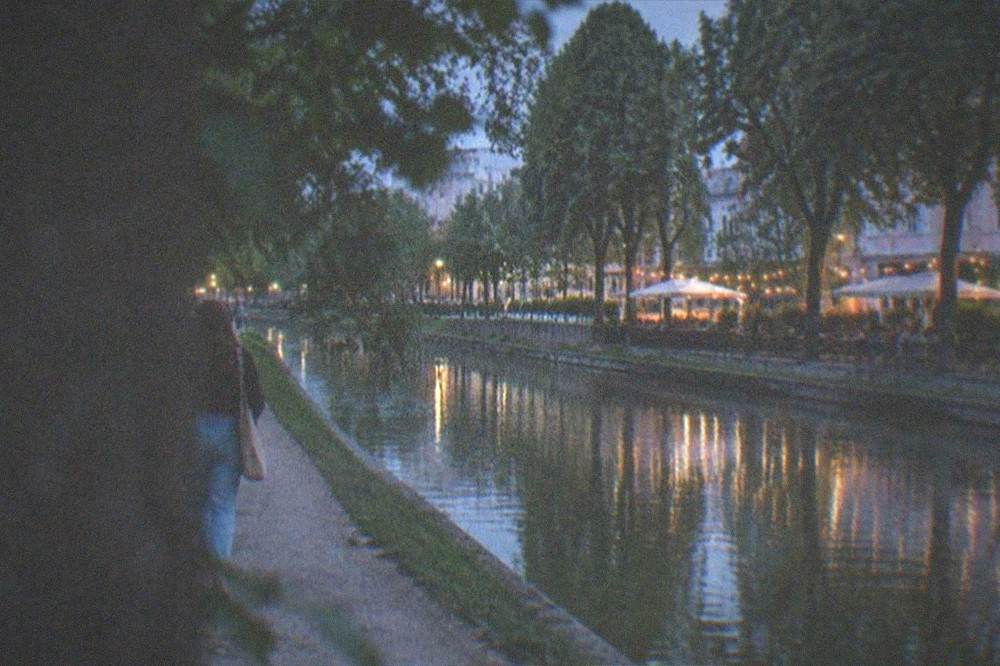
The main promenade stretches through the park and central districts are lit and busy on weekend evenings, with terraces along the water in the warmer months. As anywhere, stick to the populated stretches and the main squares rather than the quieter industrial sections.
The Bega Canal is the single best introduction to Timisoara: it carries the city's engineering history, its green present and its regeneration future in one flat, walkable line, and a single 5 lei water bus ticket is the cheapest way to see it from the water.