Timisoara Public Transport
Timisoara runs one of Romania's most generous public transport systems: a single 5 lei ticket covers trams, trolleybuses, buses and even the Bega canal water bus for a full hour.
Short answer
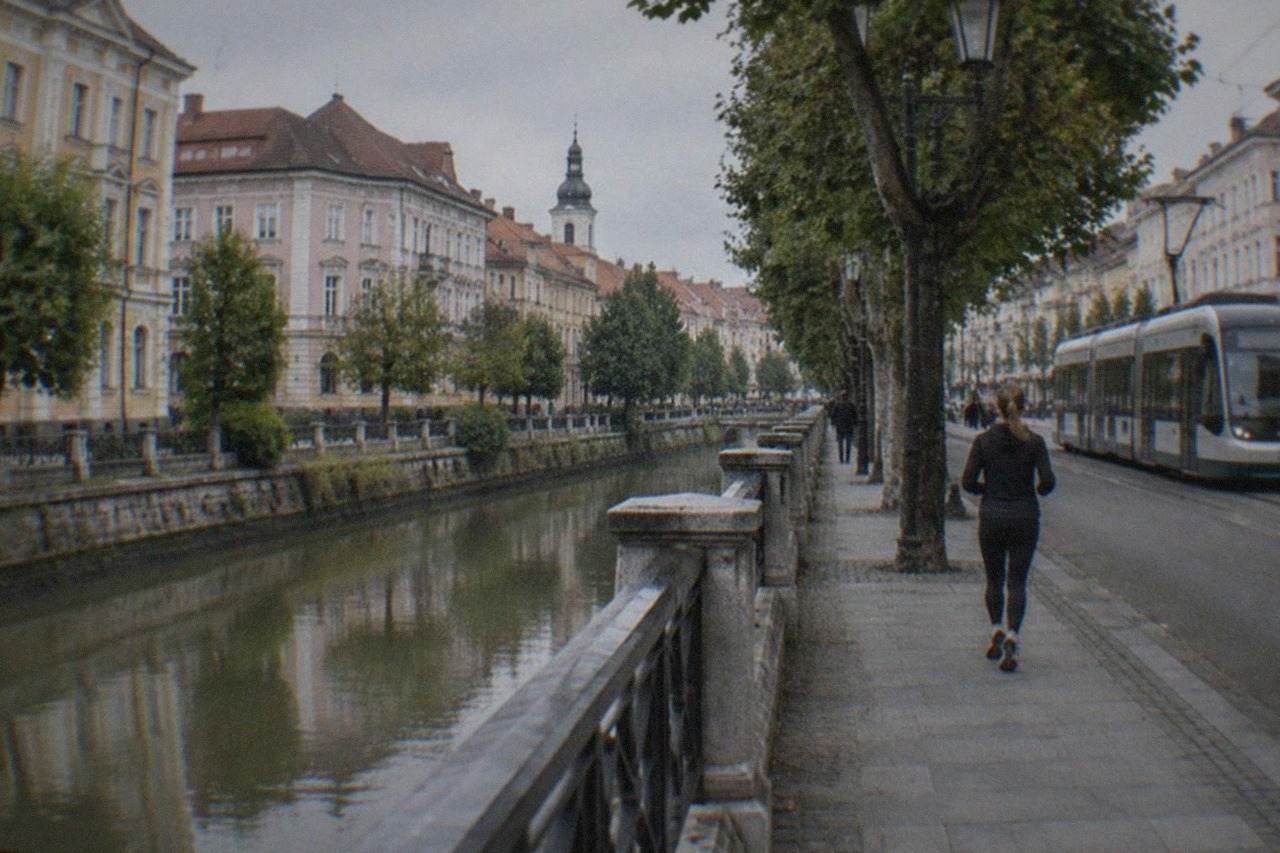
A single STPT ticket costs 5 lei and is valid 60 minutes on every mode, including the vaporetto water bus; a 1-day pass is 18 lei. You can pay by contactless bank card on board.
Timisoara, in Timis County in the Banat region of western Romania, is a city built around its transport: the first horse-drawn tram in the Habsburg Empire ran here in July 1869, and the first electric tram in Romania followed in 1899. Today the municipal operator STPT runs trams, trolleybuses, buses, express lines and even a seasonal water bus on the Bega canal, and a single ticket covers all of them. This page explains the fares, the lines, how to pay, and the current 2026 changes that affect visitors, from the Piata Traian tram closure to the suspended 24pay app. Timișoara's network is dense by Romanian standards, and the old town, Piata Victoriei and Piata Unirii all sit within a short walk of a tram stop, so visitors typically ride only a handful of times, usually between the airport, the train station and their hotel.
What Does Timisoara Public Transport Cost?
A single STPT ticket costs 5 lei and is valid for 60 minutes on every mode in the city, including trams, trolleybuses, buses, express lines and the Bega vaporetto, with changes allowed inside that window. A 1-day pass costs 18 lei, a 30-day general pass costs 160 lei, and an annual pass costs 1,320 lei. The day pass also includes the vaporetto, which makes it the best value for visitors planning several rides.
The 60-minute ticket was 4 lei until April 2025 and the day pass was 15 lei until August 2025, so any older guide you find online is out of date. STPT raised fares in two steps during 2025, and the current prices have held through September 2026. For a typical visitor staying two or three nights, the arithmetic is simple: if you ride more than three or four times in a day, the 18 lei day pass beats buying singles.
There is also a tourist tax to keep in mind, though it is separate from transport: the city levies a promotion tax on accommodation, set by local council decision HCL 719/2025, and it is collected by your hotel rather than at any ticket machine. For broader trip budgeting, see the Timisoara cost and prices guide and the Romanian currency explainer.
| Ticket or pass | Price | What it covers |
|---|---|---|
| Single ticket | 5 lei | 60 minutes, all modes including vaporetto, changes allowed |
| 1-day pass | 18 lei | Unlimited rides for one day, vaporetto included |
| 30-day general pass | 160 lei | All modes, one calendar month |
| Annual general pass | 1,320 lei | All modes, one year |
Which Lines Serve The City, And How Do You Read The Network?
The STPT network runs nine tram lines numbered 1, 2, 4, 5, 6a, 6b, 7, 8 and 9, six trolleybus lines numbered 11, 14, 15, 16, 17 and 18, express bus lines E1 through E8, and the vaporetto water bus line V1 on the Bega canal. Trams form the backbone in the historic center, trolleybuses cover the boulevards, and the express lines link the periphery, including the airport on line E4.
You do not need to memorize any of this. The lines that matter here are the trams crossing the Cetate old town and the E4 airport express, and real-time arrivals are published at live.stpt.ro, STPT's own live map, so you can check the next departure from your phone before walking to the stop. Stops are announced, and the network's geography follows the city's squares: trams converge on Piata Victoriei, Piata Unirii and Piata Libertatii, which is also the order most first-time visitors walk them in.
One dated warning: Piata Traian is closed to trams from 3 August 2026 until the end of 2026 for renovation works, and several tram lines are diverted around the Fabric district while that project runs. If your hotel or dinner reservation is near Trajan Square, check the STPT alerts before assuming your usual line still stops there. The square itself remains open to pedestrians; only the tram tracks are out of service. Anyone curious about the rolling stock itself can visit the Museum of Urban Public Transport, which preserves the city's tram and bus heritage.
If you would rather have the route planning done for you, a guided option covers the same streets on foot and by tram: the Timisoara All in One Walking and Tram Tour pairs the central squares with a tram ride through quieter districts.
| Mode | Lines | Where it is most useful |
|---|---|---|
| Tram | 1, 2, 4, 5, 6a, 6b, 7, 8, 9 | Historic center squares and inner districts |
| Trolleybus | 11, 14, 15, 16, 17, 18 | Boulevards and residential quarters |
| Express bus | E1 to E8 | Peripheral links, including E4 to the airport |
| Vaporetto | V1 | Bega canal, seasonal, nine stops per direction |
How Do You Pay On Trams, Trolleybuses And Buses In Timisoara?
You can pay on board with a contactless bank card at the POS terminal, or use an e-wallet card, an SMS ticket, mobilPay, the eTicket online system, or staffed STPT kiosks, and the same single ticket covers every mode. One method is gone: the 24pay app was suspended in April 2026, so if an older guide tells you to download it, ignore that advice. Contactless card payment on board is the simplest option for visitors.
Tap your card when you board, exactly as you would on any European contactless system, and keep the receipt until you finish your ride. The eTicket system lets you buy before you travel, which suits anyone who prefers not to tap a foreign card on a moving tram, and SMS tickets work with a Romanian SIM, which most short-stay visitors will not have. Kiosks at major interchanges sell paper tickets and passes if you want them in advance.
The payment landscape has churned recently, which is worth knowing so you do not trust stale instructions. The Tranzy app was discontinued in February 2026 and 24pay followed it in April 2026, leaving the official methods listed above as the reliable set currently. For everything beyond riding around, from entry requirements to emergency numbers, the Romania travel essentials guide collects the practical details in one place.
| Payment method | How it works | Notes for visitors |
|---|---|---|
| Contactless bank card | Tap at the on-board POS terminal | Simplest option, works with foreign cards |
| E-wallet card | STPT rechargeable card | Buy and top up at STPT points |
| eTicket | Online purchase before travel | Good if you dislike tapping on board |
| mobilPay | Mobile payment system | Requires setup |
| SMS ticket | Text from a Romanian SIM | Impractical for most visitors |
| STPT kiosks | Staffed sales points | Paper tickets and passes |
| 24pay app | Suspended April 2026 | No longer usable |
Does Timisoara Have A Water Bus On The Bega Canal?
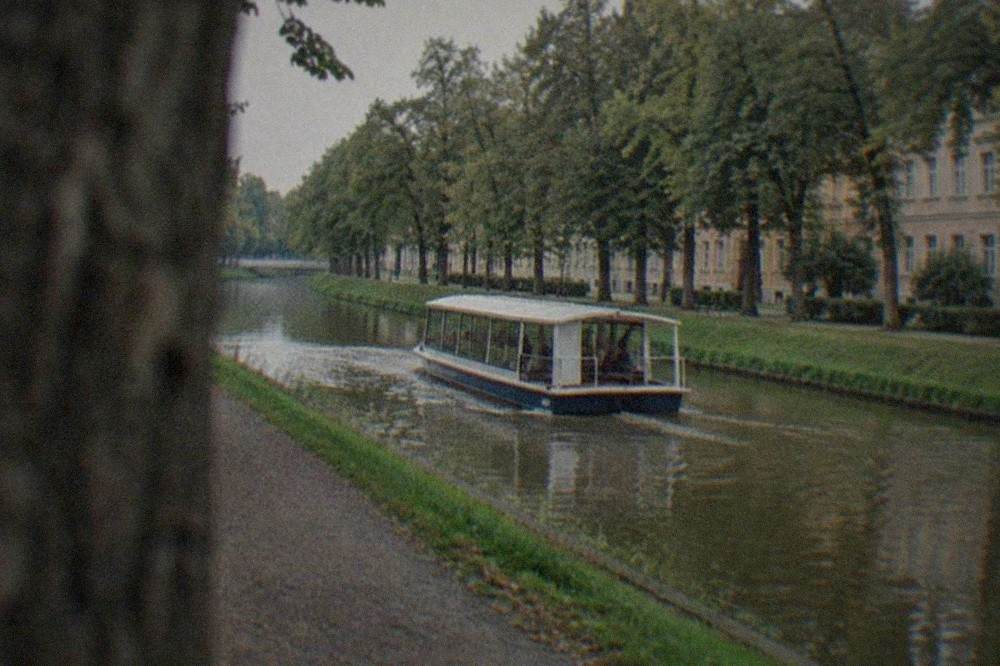
Yes, the vaporetto water bus runs on the Bega canal from 1 April to the end of October, serving nine stops in each direction, and a ride costs 5 lei, the same as any single ticket, with day passes and general passes also accepted on board. It is a seasonal service, more aimed at recreation and sightseeing than at commuting, and it is withdrawn for the winter every year at the end of October.
The vaporetto resumed service on 1 April 2026 after its winter withdrawal, and it runs along the landscaped Bega corridor that the city has been upgrading with new parks and cleared banks. Because the single ticket and the day pass both cover it, the water bus is effectively a cheap canal cruise: you ride the same stretch of water that carried the first passenger trips in Romania back in 1869, when the Bega became the country's first navigable canal.
Pay on board with a contactless card or cash, or simply board with a pass. The stops link central points with quieter green stretches, so it works well as a one-way ride combined with a walk back along the towpath. The canal's history and its riverside walks are covered in detail in the Bega canal guide, and the Timisoara parks guide picks up where the towpath ends.
How Do You Get From Timisoara Airport To The City Center?
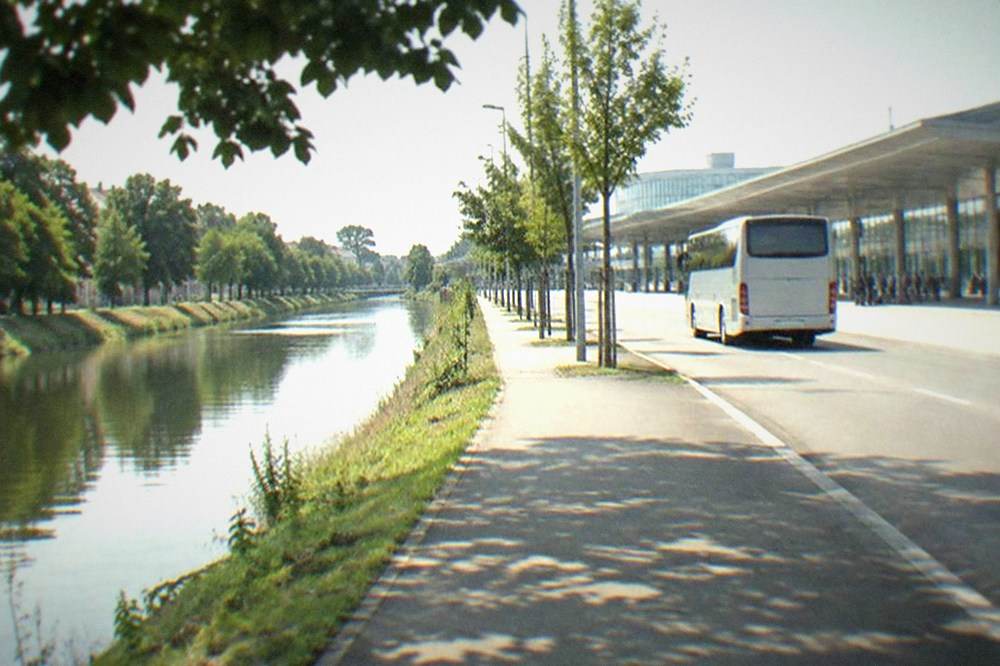
Timisoara Traian Vuia International Airport sits about 12 km northeast of the center, and the express bus line E4 connects the airport with the Bastion area of the city, with a variant line E4B also serving the route, all covered by the standard 5 lei single ticket or the 18 lei day pass. The E4 is the budget option and the one most locals use; taxis and pre-booked transfers are the alternatives when you have luggage or arrive late.
The E4 runs under the same STPT fare system as everything else, which makes Timisoara's airport one of the cheaper arrivals in Romania: your 5 lei ticket covers the whole ride in, and if you plan more journeys that day the 18 lei pass already pays for itself. The full arrival walkthrough, including what to expect at the terminal and how the two lines differ, is in the airport to city center guide, and the broader flight options are covered in flights to Timisoara and the airport guide.
One dated item to check if you are flying in November 2026: the airport's runway is closed for repairs from 2 to 22 November 2026, a full closure announced by the airport in July 2026, so flights are not operating in that window and you should confirm your itinerary with your airline. A rail link to the airport is also under development, with the contract signed in August 2025, but construction means no train serves the terminal yet.
| Airport transfer | Cost | Notes |
|---|---|---|
| Express bus E4 / E4B | 5 lei single, 18 lei day pass | Standard STPT ticket, no supplement |
| Taxi or rideshare | Fare on the meter, no official per-km rate published | Agree or check the app before setting off |
| Pre-booked private transfer | Set by the operator | Worthwhile with heavy luggage or late arrivals |
Is Timisoara Easy To Explore On Foot Or By Bike?
Yes, Timisoara is one of Romania's most walkable cities: the Cetate old town, Piata Victoriei, Piata Unirii and Piata Libertatii sit within a compact rectangle, and the squares are linked by pedestrian streets, so the main sights can be covered on foot, with trams useful only for longer hops. The city also runs the VeloTm bike-share scheme operated with STPT, though its fleet size and tariff are not officially published, so check the app for current details.
The walking geography is the reason the transport system feels optional in the center. Three great squares line up within about fifteen minutes of each other on foot, the Bega canal cuts a green corridor just south of them, and the boulevards of Piata Victoriei fan out toward the older neighborhoods of Iosefin, Fabric and Elisabetin. A visitor with two full days can see the core entirely on foot and reserve the tram for the airport, the train station or an evening in an outlying district.
For orientation, the Cetate old town guide maps the walkable core, and the one day in Timisoara itinerary sequences it sensibly. If you prefer company and commentary over self-guiding, the Classic Tour of Timisoara covers the central squares in about two hours.
When Is The Best Season For Riding The Vaporetto And The Trams?
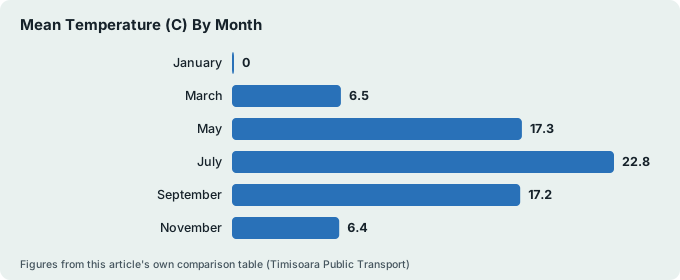
The vaporetto only runs from 1 April to the end of October, so the canal ride is a warm-season experience, and the city's climate normals make the case for late spring through early autumn: July is the warmest month at a 22.8 C mean and January the coldest at 0.0 C, while June is the wettest month at 79.1 mm of rain and March the driest at 34.1 mm, out of 600.7 mm across the year.
What that means practically: from May through September you can comfortably combine trams, long walks and the water bus in a single day, while in winter you will lean more on the trams and the covered sights. The Timisoara weather by month guide breaks the normals down month by month, and the best time to visit guide ties the climate to the festival calendar, from the JazzTM weekend each September to the city celebration at the end of July.
| Month | Mean temperature (C) | Precipitation (mm) | Vaporetto running |
|---|---|---|---|
| January | 0.0 | 37.3 | No |
| March | 6.5 | 34.1 | From 1 April, so no |
| May | 17.3 | 57.2 | Yes |
| July | 22.8 | 61.9 | Yes |
| September | 17.2 | 50.4 | Yes |
| November | 6.4 | 45.3 | No, season ends late October |
What About Trains, Taxis And Day Trips From Timisoara?
For leaving the city, Timisoara Nord station runs direct trains to Budapest in about five and a half hours twice daily, and direct trains to Bucharest take roughly 11 to 12 hours; there is no direct train to Belgrade currently, though Romania and Serbia discussed restoring the link in August 2026. Within the city, taxis and rideshare apps operate normally, but no official per-kilometer tariff is published, so check the meter or the app price before you ride.
The Budapest train is the standout: a direct international service from western Romania to the Hungarian capital in an afternoon makes Timisoara a practical two-city trip, and the Timisoara to Budapest guide covers tickets and timings. Coming from the capital, the Bucharest to Timisoara guide compares the train with the flight. For drivers, the car rental guide explains what to expect, and the A1 motorway toward Arad and the Hungarian border is fully open, with a new four-lane link road connecting Timisoara directly to it since 22 September 2026.
Once you have used the city's trams to find your bearings, a guided walk adds the stories the stops do not tell. The Grand Tour of Communist Ages traces the city's more recent layers across several hours, and Check availability for current departures.
For trips beyond the city limits, the Banat region guide surveys the gorges, waterfalls and villages within day-trip range, and organized tours handle the driving on the mountain roads that make some of these routes slow going by public transport. The Nera Gorge is the classic example: reachable in principle by a combination of trains and buses, but far more practical as a guided day out.
Longer escapes work the same way. Transylvania's castles sit several hours from Timisoara by road, which is why visitors who want Corvin Castle or Dracula's Castle often book a tour with the logistics included rather than stringing together rail connections.
Whichever way you travel, the practical base matters as much as the route: the where to stay in Timisoara guide maps the neighborhoods against the tram lines, so you can pick a hotel within an easy ride of everything on your list.
Common Questions About Timisoara Public Transport
What does Timisoara public transport cost?
A single ticket is 5 lei and is valid for 60 minutes on every mode, including the vaporetto. A 1-day pass is 18 lei, a 30-day general pass is 160 lei and an annual pass is 1,320 lei.
Which lines serve the city, and how do you read the network?
Trams 1, 2, 4, 5, 6a, 6b, 7, 8 and 9, trolleybuses 11, 14, 15, 16, 17 and 18, express lines E1 to E8 and the vaporetto V1. Real-time arrivals are on STPT's live map, live.stpt.ro.
How do you pay on trams, trolleybuses and buses in Timisoara?
Tap a contactless bank card at the on-board terminal, or use an e-wallet card, eTicket, mobilPay, SMS or an STPT kiosk. The 24pay app was suspended in April 2026 and no longer works.
Does Timisoara have a water bus on the Bega canal?
Yes. The vaporetto runs 1 April to the end of October with nine stops per direction, costs 5 lei per ride, and accepts day passes and general passes.
How do you get from Timisoara airport to the city center?
Take the E4 or E4B express bus from the airport toward the Bastion area, covered by the standard 5 lei ticket or 18 lei day pass. The airport is about 12 km northeast of the center.
Is Timisoara easy to explore on foot or by bike?
Yes. The three central squares sit within about fifteen minutes of one another on foot, and the STPT-linked VeloTm bike-share scheme also operates, though its tariff is not officially published.
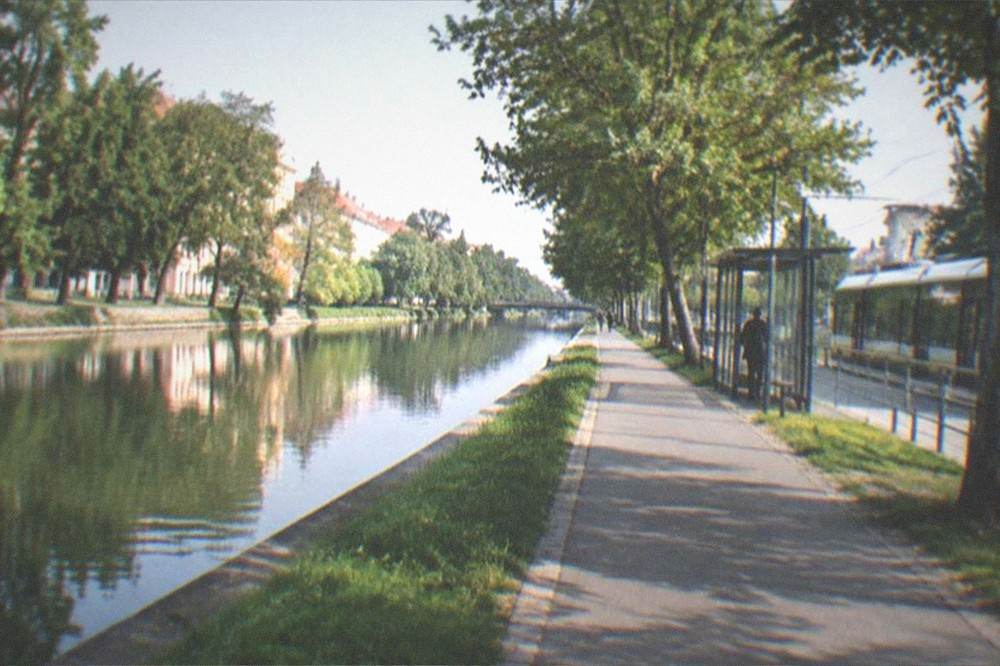
The short version: buy nothing in advance, tap your bank card on the first tram you board, keep the day pass in mind if you plan to ride often, and save the vaporetto for a warm afternoon between April and October. Between the trams that have run here for many years and the water bus on the Bega, getting around Timisoara is a small part of the pleasure of the city rather than a chore, and the Timisoara Travel Guide covers everything else, from the squares to the day trips, in the same detail.