Piata Victoriei Timisoara
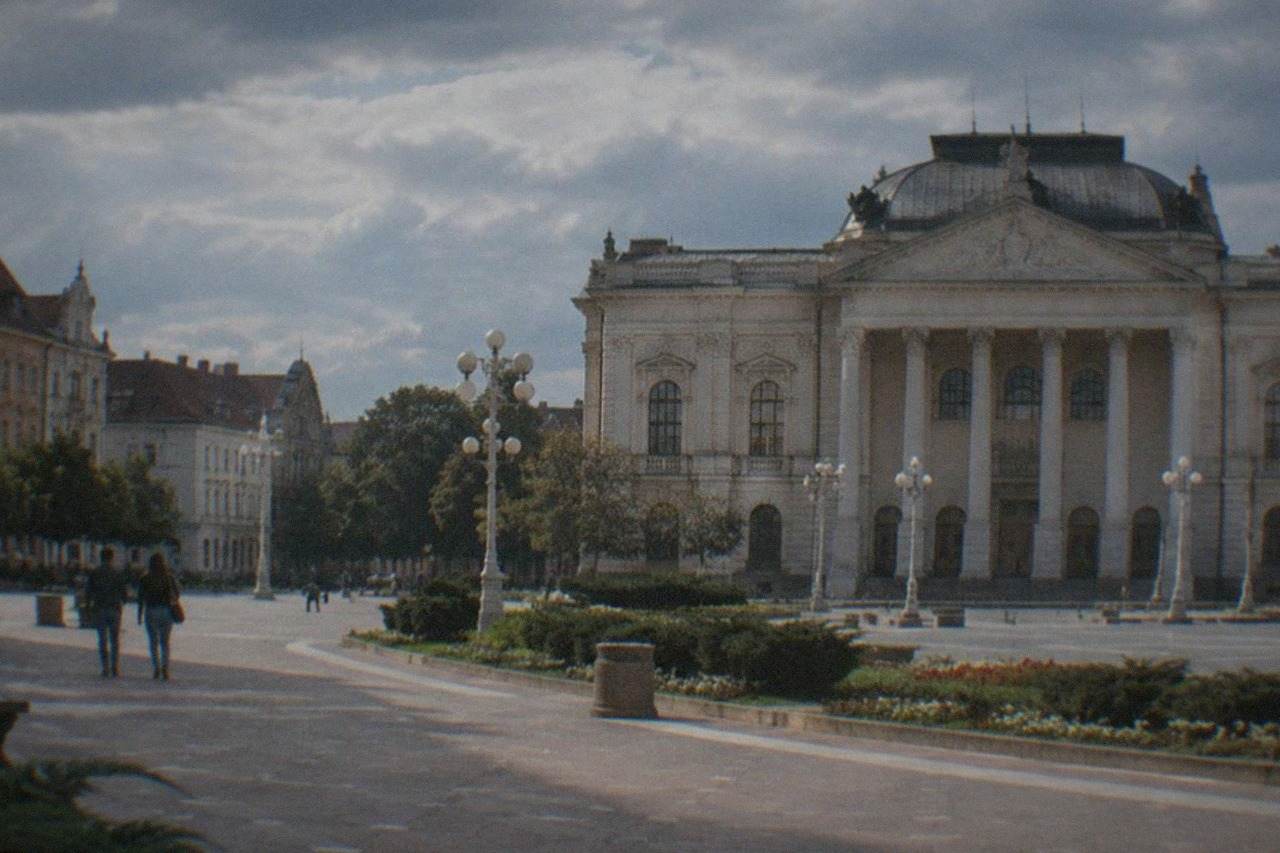
Piata Victoriei is the ceremonial heart of Timisoara, Romania: the square where the 1989 Revolution began in public, framed by the Opera, the Metropolitan Cathedral and rows of Secession facades.
Short answer
Piata Victoriei is Timisoara's central square, the place where the December 1989 Revolution against Ceausescu broke out in public view. It is flanked by the Romanian National Opera and the Orthodox Metropolitan Cathedral, sits at the meeting point of the Cetate and Elisabetin districts, and is a five-minute walk from Piata Unirii.
Piata Victoriei is the central square of Timisoara, the county seat of Timis County in the Banat region of western Romania, and the place where the city's modern history is written in stone. Known in Romanian as Victory Square, and to locals simply as "the Corso" stretch of the city's promenade, it is the stage on which the December 1989 Revolution stepped from a church courtyard into full public view. Today it is the first square many visitors see, a broad, tree-lined axis running between the Romanian National Opera at one end and the Orthodox Metropolitan Cathedral at the other, with the historic Cetate district beginning at its northern edge. This guide from Timisoara Travel Guide covers what stands on the square, what happened there in 1989, which tours walk you through it, and how to reach it.
What Is Piata Victoriei In Timisoara?
Piata Victoriei is the central ceremonial square of Timisoara, Romania, laid out along the historic Corso promenade and bounded by the Romanian National Opera at the north end and the Orthodox Metropolitan Cathedral at the south. It marks the seam between the Cetate old town and the Elisabetin district, and it is the square where the anti-Ceausescu demonstrations of December 1989 gathered in their thousands. Almost every walking tour of the city starts or passes through it.
The square's earlier name, Piata Opera, still surfaces in older guidebooks, and the name change itself is part of the story: after the Revolution, the city renamed it Victory Square to honor what began there. Under its Habsburg-era development, and under the Hungarian name Temesvár, the city grew this axis as its fashionable promenade, lined with the Secession and eclectic apartment houses that Banat's merchant class built at the turn of the twentieth century. The "Little Vienna" label you sometimes read is common usage only, never an official designation, but standing on the Corso at dusk you can see why the comparison stuck.
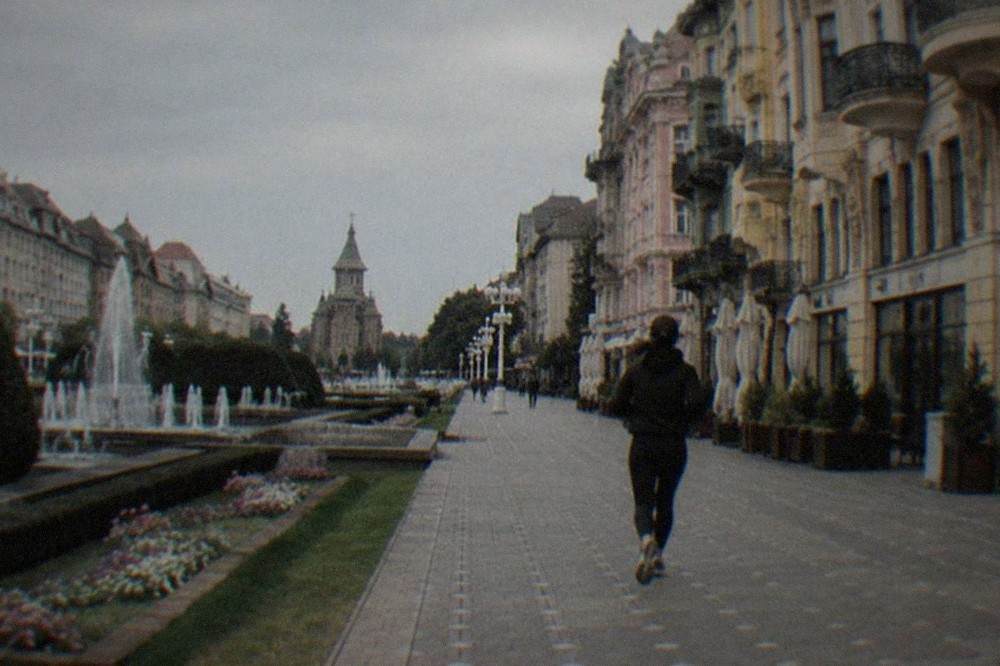
The square works as a spine for the whole city. Walk north past the Opera and you drop into Piata Unirii, the baroque heart of the Cetate district. Walk south past the cathedral and you are in Elisabetin. East of the Opera sits Theresia Bastion, the restored fortress segment now housing cafes and cultural spaces. Few squares in Romania concentrate this much within a ten-minute radius.
It is worth understanding how the square fits the city's larger shape before you plan your days. Timisoara grew outward from the Habsburg fortress core, and each historic district, Cetate, Fabric, Elisabetin and Iosefin, keeps its own character. Piata Victoriei sits where those worlds meet: the baroque Cetate to the north, the leafier residential Elisabetin to the south, and the working-class heritage of Fabric a short tram ride east. That position is why the square, rather than any of the older plazas, became the natural gathering point in 1989, and why it remains the city's default meeting spot today.
What Can You See On Piata Victoriei Today?
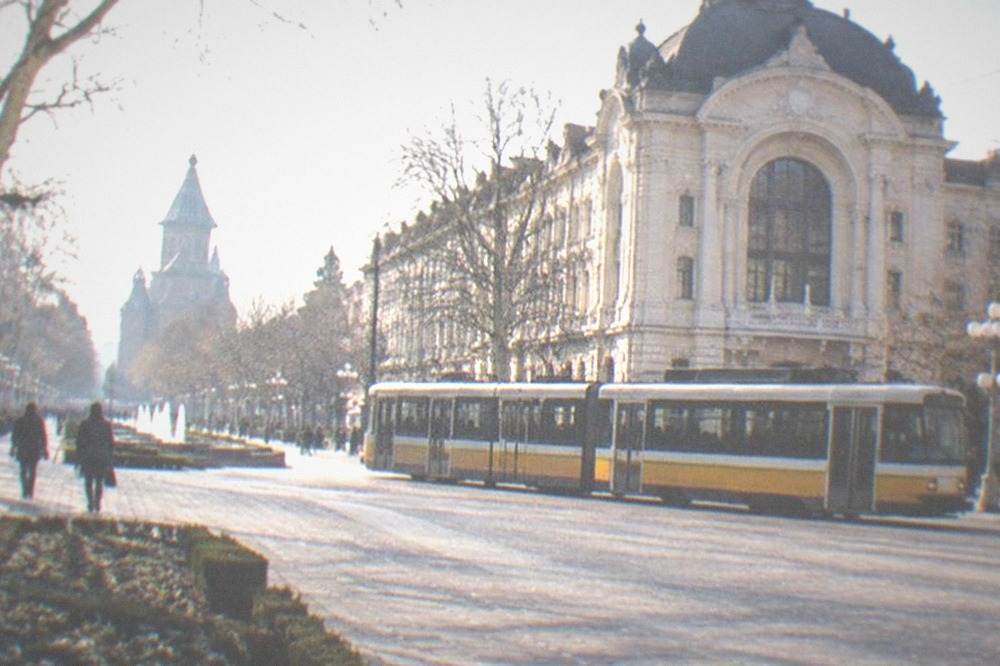
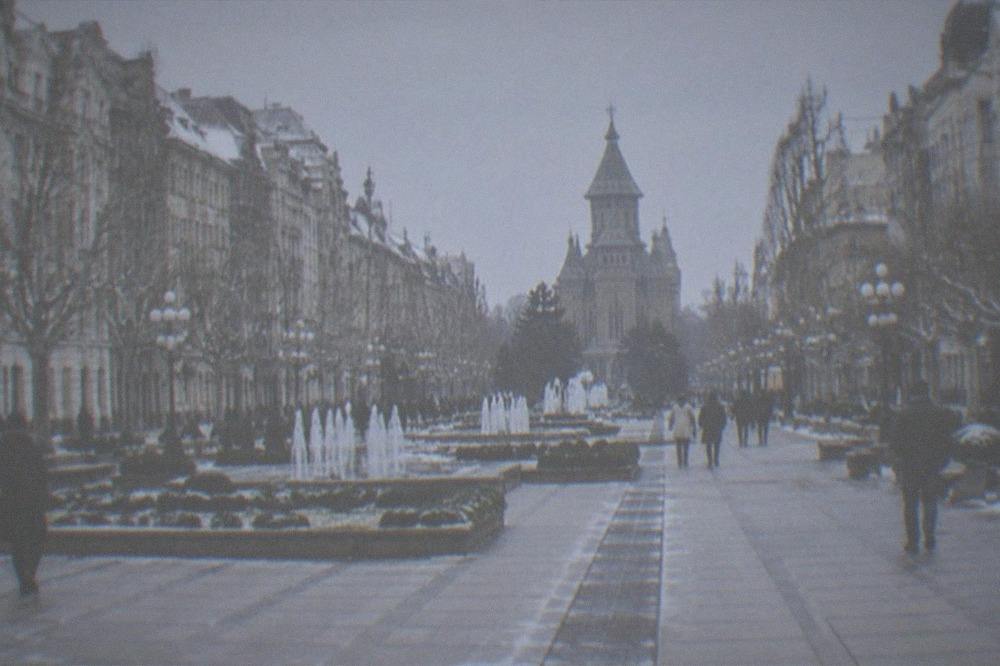
The square's visible landmarks are the Romanian National Opera on the north side, the Orthodox Metropolitan Cathedral closing the southern view, the Revolution Memorial markers embedded in the paving, and the continuous rank of Secession and eclectic facades along both flanks. At the Opera corner stands the memorial cross honoring those killed in December 1989, and the square's flower beds, fountains and plane trees make it the city's default meeting place.
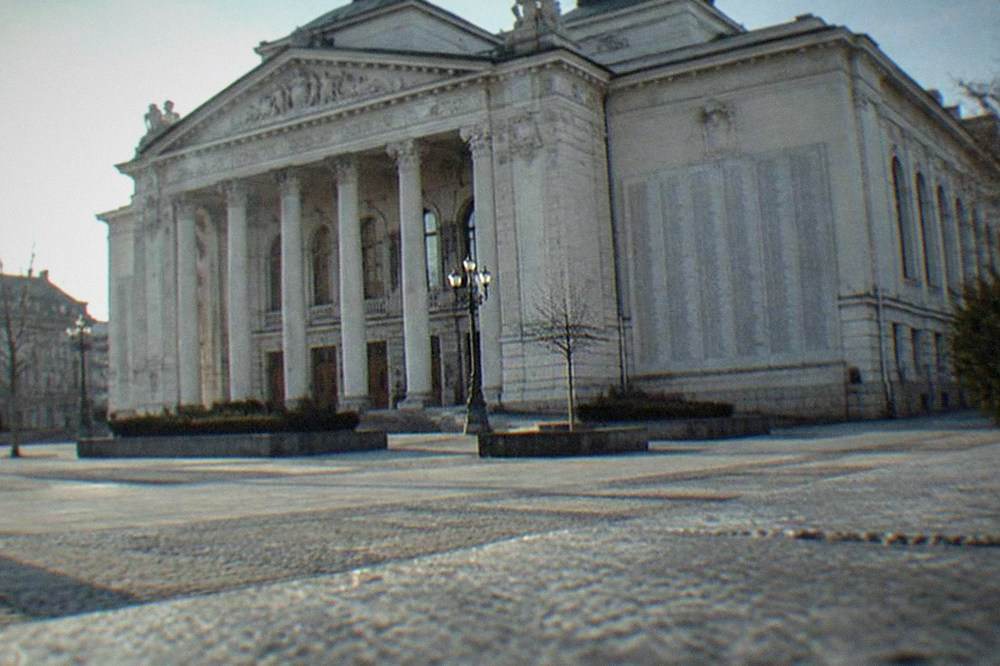
The Opera building itself is the square's architectural anchor. Timisoara holds a singular distinction here: since 1953 it has been the only European city with three state theatres, in Romanian, Hungarian and German, and the Romanian institution's home is the Opera building on the Corso. The 1989 Revolution is physically present on the square: the paving carries a memorial strip marking where victims fell, and the wall of the Opera bears the list of names. The Memorial Museum of the Revolution a short walk away holds the fuller exhibition record, with an adult ticket of 20 lei covering the permanent and temporary exhibitions plus the documentary screening, open Monday to Friday 08:00 to 17:00 and Saturday to Sunday 10:00 to 18:00.
The Metropolitan Cathedral, formally the Orthodox Metropolitan Cathedral, closes the square's southern end with its green-and-gold tiled spires. It is one of the city's most photographed buildings, and the square between the two monuments is used for everything from state ceremonies to the Christmas market, which returns to Piata Victoriei each winter, with 2026 dates not yet announced. Between the anchors, the flanking facades reward slow looking: pilasters, caryatids, wrought-iron balconies and the occasional ceramic mosaic panel, the signature of the Banat version of Secession architecture.
| Landmark on or beside the square | What it is | Why it matters |
|---|---|---|
| Romanian National Opera | Theatre and opera house on the north side | Home of the Romanian state theatre; its wall carries the 1989 victims' names |
| Orthodox Metropolitan Cathedral | Cathedral at the south end | The city's most recognizable silhouette, facing the Opera across the square |
| The Corso facades | Secession and eclectic apartment blocks | Merchant-built architecture from the turn of the twentieth century, the "Little Vienna" look in common usage |
| Revolution memorial markers | Paving strip and cross at the Opera corner | Mark where demonstrations and shootings occurred in December 1989 |
| Fountains and flower beds | Central promenade landscaping | The square doubles as the city's public living room |
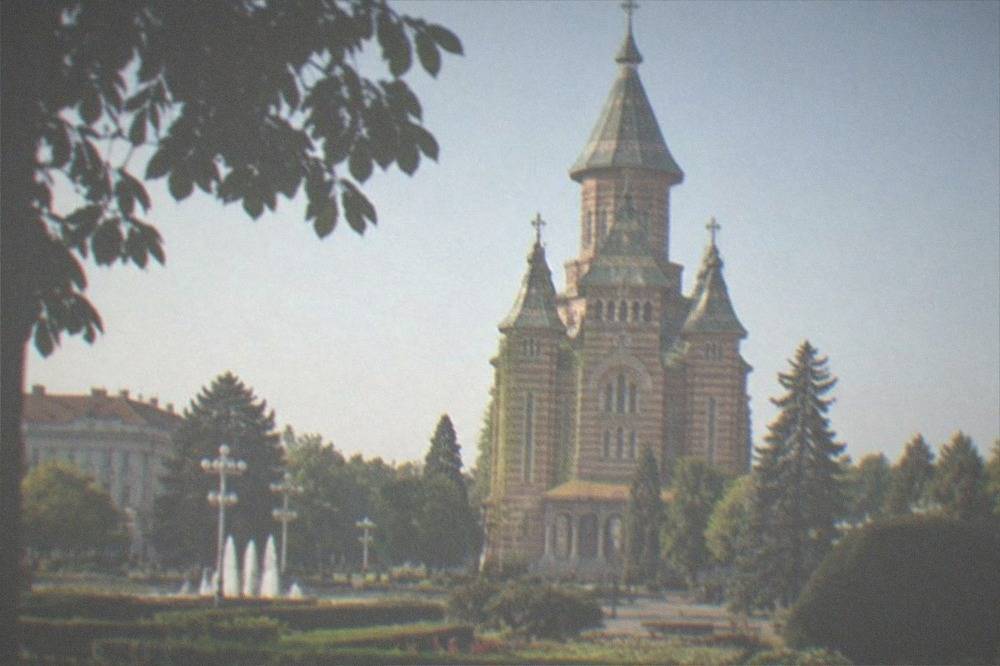
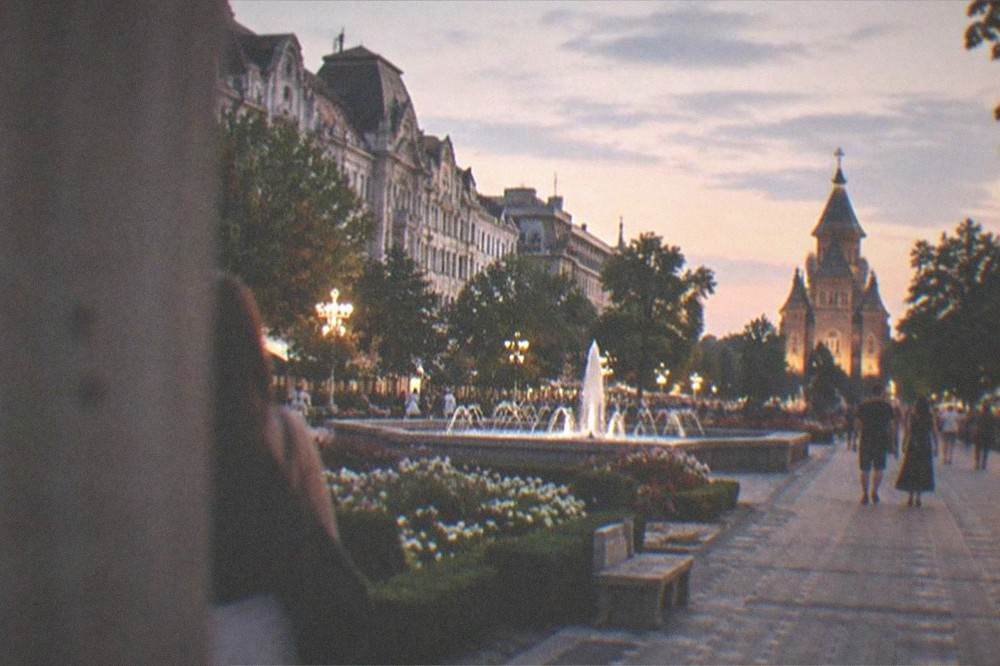
Photographers should plan around the light. The square runs roughly north to south, so the Opera facade is lit from mid-morning onward while the cathedral spires photograph best in the late afternoon, when the low sun catches the green tile work. In the blue hour both monuments are floodlit, and the long, empty axis between them, with the illuminated facades on either flank, is the single most reliable night shot in the city. On summer evenings the terraces fill and the square takes on the promenade atmosphere it has carried since the Habsburg era.
Which Guided Tours Of Timisoara Cover Piata Victoriei?
The square appears on virtually every city walking tour in Timisoara, and the most economical option is the weekly guided tour in English, a tip-free paid walk running on Tuesdays, Thursdays and Saturdays that covers the Revolution square and the old town. For a private pace, a highlights walk, or a deeper dive into 1989, several other verified tours start from or pass through the square. Prices and ratings below render from the operators' live listings.
The weekly English-language guided tour is the natural first walk for most visitors: it runs three days a week, moves at an unhurried pace, and treats Piata Victoriei as its centerpiece. Check availability on the operator's live listing before locking your day, since the fixed schedule means missing a Tuesday, Thursday or Saturday means waiting for the next one.
If your interest is the Revolution specifically, a dedicated 1989 walk spends its whole time on the square and the streets around it, and pairs naturally with the Memorial Museum.
How Do You Get To Piata Victoriei In Timisoara?
Piata Victoriei sits at the crossing of most of central Timisoara's tram lines, and the cheapest way to arrive is the STPT single ticket at 5 lei, valid 60 minutes across trams, trolleybuses, buses and the Bega water bus; the day pass is 18 lei. You can pay with a contactless bank card on board, and live arrivals are published online. From Piata Unirii it is a five-minute walk north; from the train station a short tram ride.
The square is one of the network's main interchange points, so you rarely need to plan a route: trams 1, 2, 4, 5, 6a, 6b, 7, 8 and 9 serve the central lines, and the STPT network also runs trolleybuses 11, 14, 15, 16, 17 and 18 plus express buses E1 to E8. One caveat for autumn and winter 2026: tram diversions around Piata Traian have been in force since early August 2026 and are expected to run to the end of the year, so check the live service before assuming a specific line stops at the square. Real-time information is available at live.stpt.ro.
| Ticket or pass | Price | Validity |
|---|---|---|
| Single ticket | 5 lei | 60 minutes, all modes including the Bega water bus |
| Day pass | 18 lei | One calendar day, all modes |
| 30-day general pass | 160 lei | All modes, one month |
| Annual general pass | 1,320 lei | All modes, one year |
On foot, the square is the pivot of the compact center. Piata Unirii lies to the north, Piata Libertatii sits between the two on the walk, and the Bega canal promenade runs a few minutes east with its seasonal water bus between nine stops from early April to the end of October.
What Happened On Piata Victoriei In December 1989?
The anti-Ceausescu uprising that became the Romanian Revolution of 1989 began in Timisoara on 16 December 1989, sparked at the Reformed parish of pastor Laszlo Tokes, and by 20 December the crowds had moved onto Piata Victoriei, where thousands defied the regime in open view; the square's Opera wall still carries the names of those killed. Timisoara was the first city declared free, and the square's renaming to Victory Square commemorates those days.
The sequence matters to understand the square you are standing on. Protests that began around the Tokes parish in the Fabric district grew over four days despite shootings, and when the crowd massed in front of the Opera on 20 December, the city's resistance became impossible for state media to hide. The revolution then spread to Bucharest, Ceausescu fled, and the regime fell on Christmas Day. The Memorial Museum of the Revolution preserves the documentation, and December commemorations still gather on the square each year around 15 to 20 December.
Timisoara's history of firsts explains why the Revolution caught fire here and nowhere else first. The city was the first on mainland Europe with electric street lighting, on 12 November 1884, with 731 lamps over 59 km of streets, and it had Romania's first newspaper (1771), first telegraph (1854), first telephone network (1881) and first electric tram (1899). A city with that civic tradition, and with three state theatres in three languages since 1953, had both the networks and the nerve to move first.
| Timisoara "first" | Year | Relevance to the square's story |
|---|---|---|
| First newspaper printed in Romania | 1771 | An informed public culture, decades old by 1989 |
| First telegraph service in Romania | 1854 | Communications tradition |
| First telephone network in Romania | 1881 | The city's early infrastructure of dissent |
| First mainland European city with electric street lighting | 1884 | 731 lamps over 59 km of streets |
| First electric tram in Romania | 1899 | The trams that still serve the square |
| Only European city with three state theatres since | 1953 | Romanian, Hungarian and German stages |
When Is The Best Time To Visit Piata Victoriei?
The square is at its best from May to September, when Timisoara's mean temperature runs from 17.3 C to 22.8 C, the fountains are running and the cafe terraces fill the Corso; December brings the Christmas market and the Revolution commemorations, while January, the coldest month at a mean of 0.0 C, is the quietest time to have the square almost to yourself. June is the wettest month at 79.1 mm of rain, March the driest at 34.1 mm.
The climate here is firmly continental, so plan around real seasons rather than hoping for Mediterranean mildness. The verified JMA normals for the Timisoara station, at 86 m altitude, give a clear picture of the year, and the square's open, tree-lined layout means summer heat is manageable in the shade of the plane trees while winter wind can sweep straight down the Corso.
| Month | Mean temperature (C) | Precipitation (mm) |
|---|---|---|
| January | 0.0 | 37.3 |
| February | 2.1 | 35.5 |
| March | 6.5 | 34.1 |
| April | 12.3 | 50.6 |
| May | 17.3 | 57.2 |
| June | 20.9 | 79.1 |
| July | 22.8 | 61.9 |
| August | 22.5 | 54.6 |
| September | 17.2 | 50.4 |
| October | 11.5 | 50.0 |
| November | 6.4 | 45.3 |
| December | 1.5 | 44.7 |
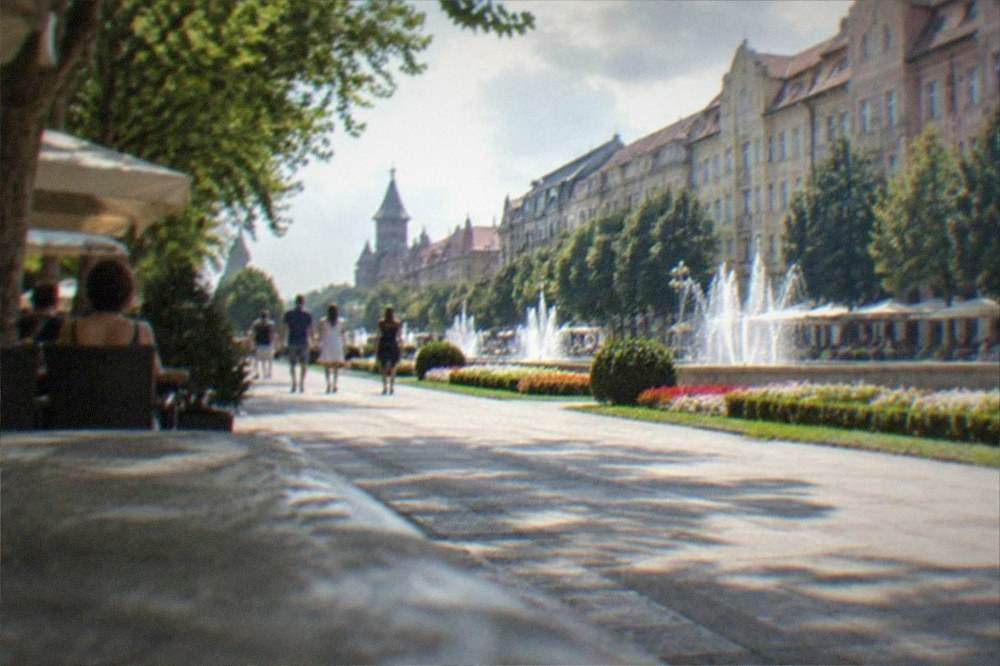
Event timing can outweigh weather. The Timisoara Jazz Festival confirmed its 14th edition for 25 to 27 September 2026, and the city's big summer celebration, Ziua Timisoarei, ran 31 July to 3 August 2026 with the 2027 edition already announced for 30 July to 3 August. December is doubly significant: the Christmas market traditionally fills the square, and the Revolution commemorations around 15 to 20 December give the month a gravity no other Romanian square shares.
What Is Near Piata Victoriei In Timisoara?
Within ten minutes on foot from Piata Victoriei you can reach Piata Unirii with the National Museum of Art, Piata Libertatii, Theresia Bastion, the Millennium Church in Fabric and the Bega canal promenade, plus the Memorial Museum of the Revolution; the Banat Village Museum is a short tram ride east. The square is the best possible base for a first day in the city, and a one-day itinerary can be built entirely from what surrounds it.
The National Museum of Art in the Baroque Palace on Piata Unirii keeps summer hours of 13:00 to 21:00, Wednesday to Sunday, from 1 June to 30 September, and winter hours of 10:00 to 18:00 from 1 October to 31 May, with a group guided tour at 175 lei. The Banat Village Museum, an open-air collection of regional houses, is open Wednesday to Saturday 10:00 to 18:00 and Sunday 12:00 to 20:00, closed Monday and Tuesday, with an adult ticket reported at 20 lei. Both sit comfortably in a day that starts on the Corso.
| Nearby sight | Direction from the square | Hours and admission |
|---|---|---|
| Piata Unirii and the National Museum of Art | 5 minutes north | Museum: Wed to Sun, summer 13:00 to 21:00, winter 10:00 to 18:00; group tour 175 lei |
| Piata Libertatii | Between the two main squares | Open public square |
| Memorial Museum of the Revolution | Short walk east | Adults 20 lei; Mon to Fri 08:00 to 17:00, Sat to Sun 10:00 to 18:00 |
| Banat Village Museum | Tram ride east | Wed to Sat 10:00 to 18:00, Sun 12:00 to 20:00; adult ticket reported at 20 lei |
| Bega canal and water bus | A few minutes east | Seasonal water bus, 9 stops per direction, 5 lei with the standard ticket |
| Theresia Bastion | East of the Opera | Restored fortress segment with cafes and cultural venues |
If the city has earned your trust after a day or two, the Banat region beyond it rewards a longer stay: the Danube Gorge and the region's waterfalls are the most-booked day trip from the city, and the same operators who walk you across Piata Victoriei will drive you out to them.
For planning beyond the square, the site's one-day itinerary and weekend guide both use Piata Victoriei as their anchor point, and the free things to do in Timisoara guide includes the square itself, which costs nothing to wander.
Common Questions About Piata Victoriei Timisoara
What is Piata Victoriei in Timisoara?
It is the city's central square, running between the Romanian National Opera and the Orthodox Metropolitan Cathedral, and the place where the December 1989 Revolution gathered in public. It was renamed Victory Square after those events.
Is Piata Victoriei the same as the Corso in Timisoara?
Locals often call the promenade along the square the Corso, a name carried over from the Habsburg era when this axis was the city's fashionable walking street. The square and the Corso refer to the same central stretch.
How far is Piata Victoriei from Piata Unirii?
The two squares are about a five-minute walk apart, with Piata Libertatii in between. The whole central triangle is compact and fully walkable.
What happened on Piata Victoriei in 1989?
From 20 December 1989, thousands of demonstrators massed in front of the Opera on this square, defying the Ceausescu regime after days of protests that began in Timisoara on 16 December. The Opera wall carries the names of those killed, and the paving holds memorial markers.
Where is the Christmas market in Timisoara held?
The Christmas market traditionally fills Piata Victoriei each winter. The 2026 dates had not been announced so check the city's official channels closer to the season.
How much does public transport cost to reach Piata Victoriei?
The STPT single ticket costs 5 lei and is valid 60 minutes across trams, trolleybuses, buses and the Bega water bus; a day pass is 18 lei. Contactless bank card payment is available on board.
Piata Victoriei rewards an unhurried visit: read the names on the Opera wall, walk the Corso in the late afternoon light, and then let the square hand you onward to Piata Unirii, the Bega or the Revolution Museum, all within the same easy radius.