One Day In Timisoara
One well-planned day covers Timisoara's baroque squares, the 1989 Revolution sites, the Bega Canal and a proper Banat dinner. Here is the route, hour by hour.
Short answer
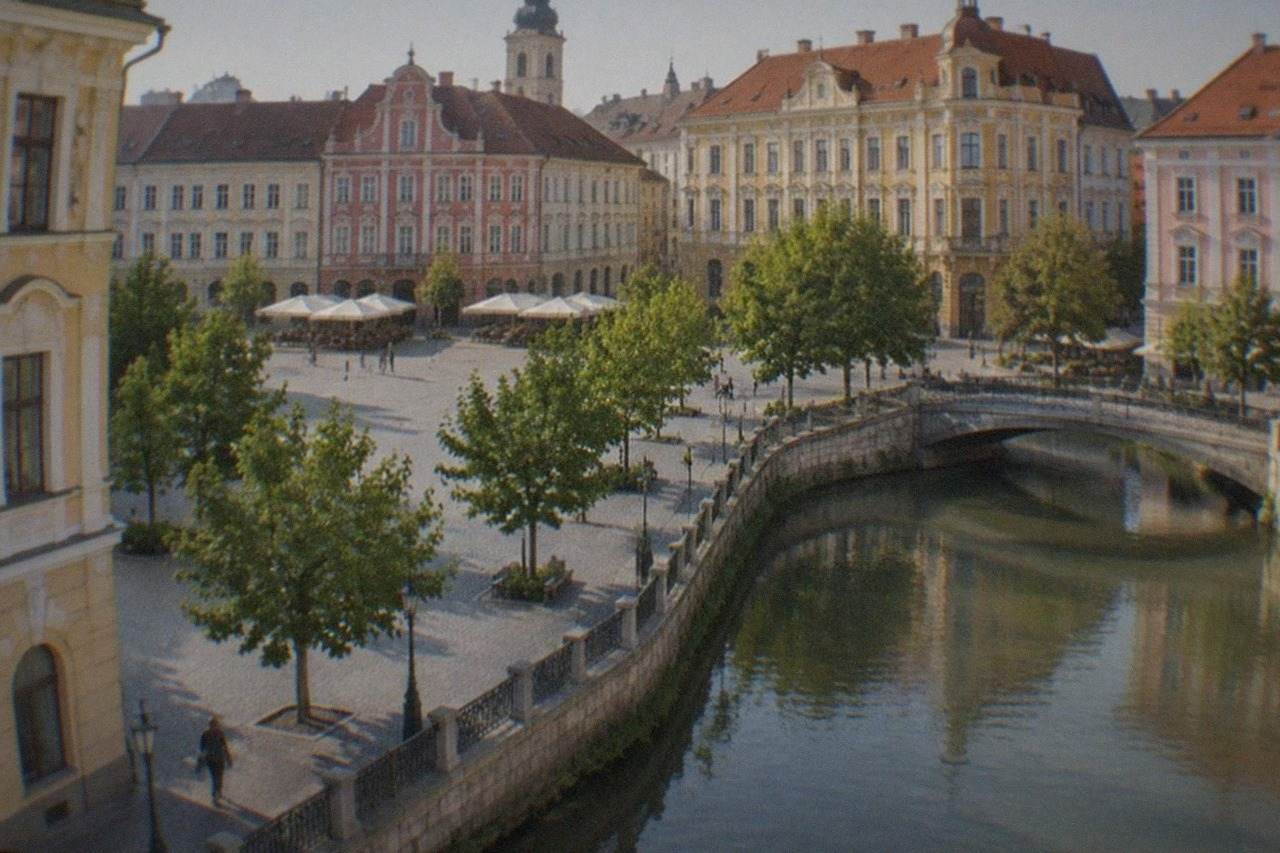
Yes. Timisoara's core is compact: Cetate old town, the Bega Canal and the main museums fit a single day of easy walking, with Piata Unirii, Piata Victoriei and the Metropolitan Cathedral all within 15 minutes of each other on foot.
Timisoara, in Timis County in the Banat region of western Romania, is one of the few European cities where a single day of walking genuinely covers the essentials. The old town of Cetate sits inside a ring of former fortress walls, the squares are a few minutes apart on foot, and the Bega Canal cuts straight through the middle of it all. Timișoara, under its official Romanian spelling, was the first city on mainland Europe with electric street lighting, back on 12 November 1884, when 731 incandescent lamps went up along 59 km of streets, and the city still behaves like a place built to be seen on foot.
This itinerary assumes arrival the evening before or an early start, comfortable shoes, and a willingness to cross the Bega at least twice. It is built around opening hours that are actually published, so nothing here sends you to a locked church door at noon. For a broader list of options, the site's things to do in Timisoara overview on Timisoara Travel Guide is the companion page; this one is strictly about sequencing one day.
Can You See Timisoara's Old Town In One Day?
Yes, comfortably. Timisoara's historic core, the Cetate district, measures roughly a kilometer across, so Piata Unirii, Piata Libertatii, Piata Victoriei and the Bega Canal banks are all within a ten to fifteen minute walk of one another. The main museums publish fixed hours, the STPT single ticket costs 5 lei and covers trams, trolleybuses and the Bega vaporetto, and the whole day needs no car and no taxi.
The city's shape does the work for you. Cetate, the old walled town, holds the three great squares in a line, and the former fortress wall survives today as the Theresia Bastion block at its northern edge. South and east across the Bega lie the historic districts of Fabric and Iosefin, each worth a detour if your legs allow. A day spent in Cetate with one crossing into Fabric is the realistic maximum, and it is a full day.
Weather rarely forces a change of plan. The JMA climate normals for station Timisoara 15247 put the July mean at 22.8 C and the January mean at 0.0 C, with precipitation spread fairly evenly through the year, wettest in June at 79.1 mm and driest in March at 34.1 mm. In practice that means a summer day wants shade at midday and a winter day wants the museums scheduled for the coldest hours. If rain does hit, the site's rainy day in Timisoara plan swaps the canal walk for indoor stops.
Here is the day at a glance:
| Time | Stop | District | What it is |
|---|---|---|---|
| 09:00 | Piata Unirii | Cetate | Baroque square, museums, coffee |
| 10:30 | Piata Libertatii | Cetate | Old arsenal square, St George Cathedral |
| 11:00 | Piata Victoriei | Cetate | Revolution square, Opera, flowers |
| 12:30 | Lunch in Cetate | Cetate | Banat cuisine |
| 14:00 | Metropolitan Cathedral and Bega | Cetate | Cathedral exterior, canal banks |
| 15:00 | Memorial of the 1989 Revolution | Cetate | Museum, 20 lei adults |
| 16:30 | Theresia Bastion | Cetate | Restored fortress segment |
| 18:30 | Dinner, then Opera Square | Cetate | Evening light on Piata Victoriei |
Morning In Cetate: Union Square To Victory Square
Start at 09:00 in Piata Unirii, Timisoara's baroque showpiece, because its two museums, the Art Museum in the Baroque Palace and the Roman Catholic and Serbian Orthodox cathedrals, are all on or beside the square, and the Art Museum opens at 13:00 in summer and 10:00 in winter. Walk east to Piata Libertatii, then to Piata Victoriei, the square where the 1989 Revolution played out, finishing at the Opera by late morning.
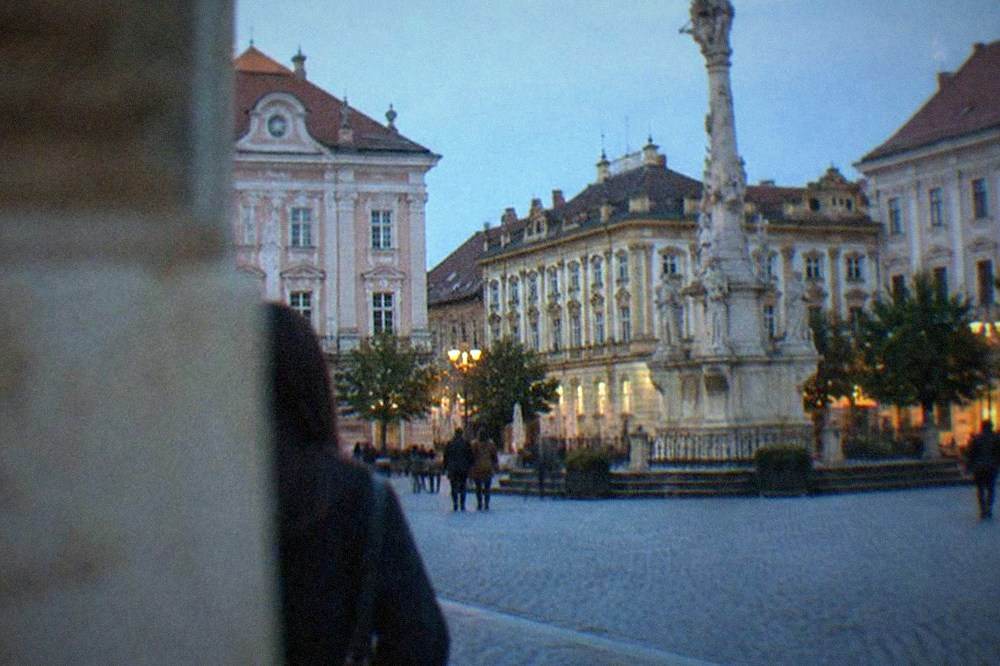
Piata Unirii rewards the early start. The square is lined with pastel baroque and Secession facades, and at its center stands the Holy Trinity Monument. The Union Square guide covers the buildings one by one, but the short version is this: the Baroque Palace on the east side houses the National Museum of Art, which publishes summer hours of 13:00 to 21:00, Wednesday to Sunday, from 1 June to 30 September, and winter hours of 10:00 to 18:00 from 1 October to 31 May, closed Mondays and Tuesdays. If you are visiting in winter, do the Art Museum in the morning; in summer, save it for the afternoon.
Coffee on the square is the standard first move. Price trackers updated in September 2026 put a cappuccino in the city at roughly 13 to 15 lei, so a terrace seat is not a splurge. From Piata Unirii, the walk east through the narrow streets of the Cetate old town reaches Piata Libertatii in about five minutes. That square was the fortress's arsenal parade ground, and St George's Roman Catholic Cathedral faces it with its two tower spires.
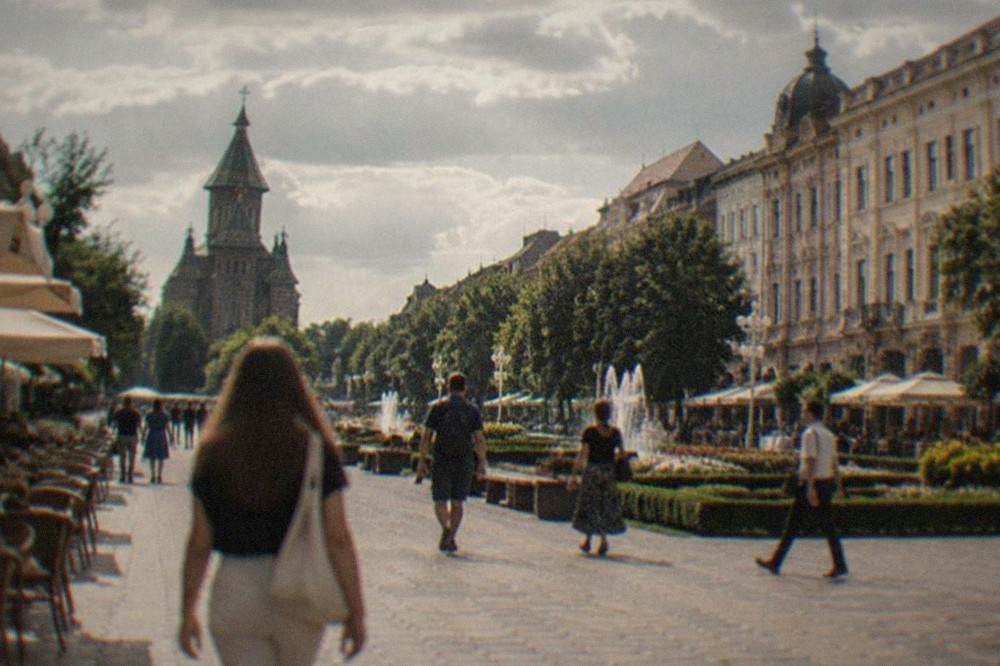
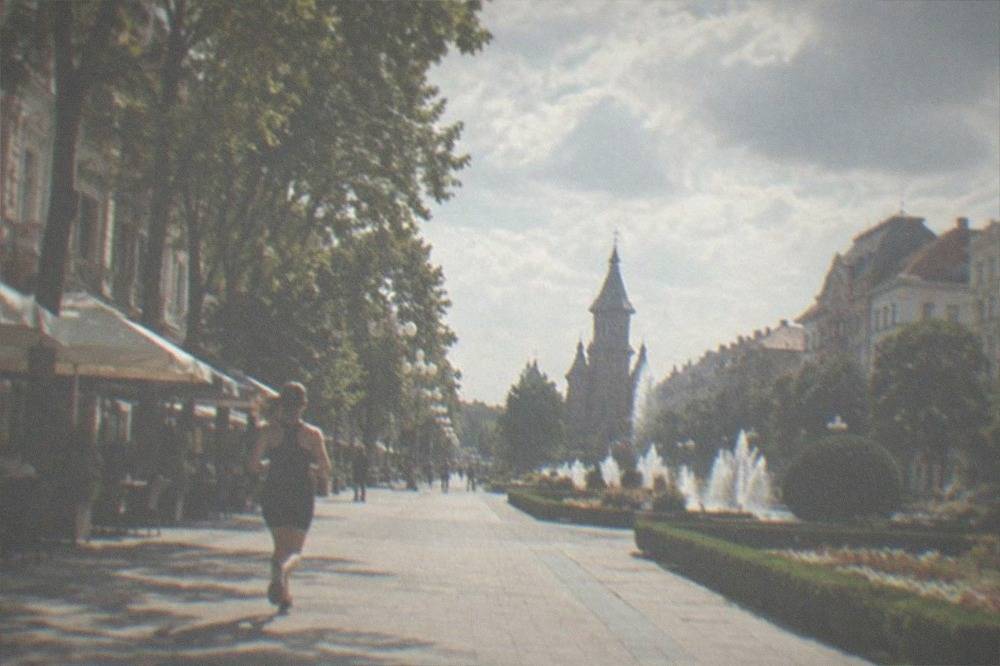
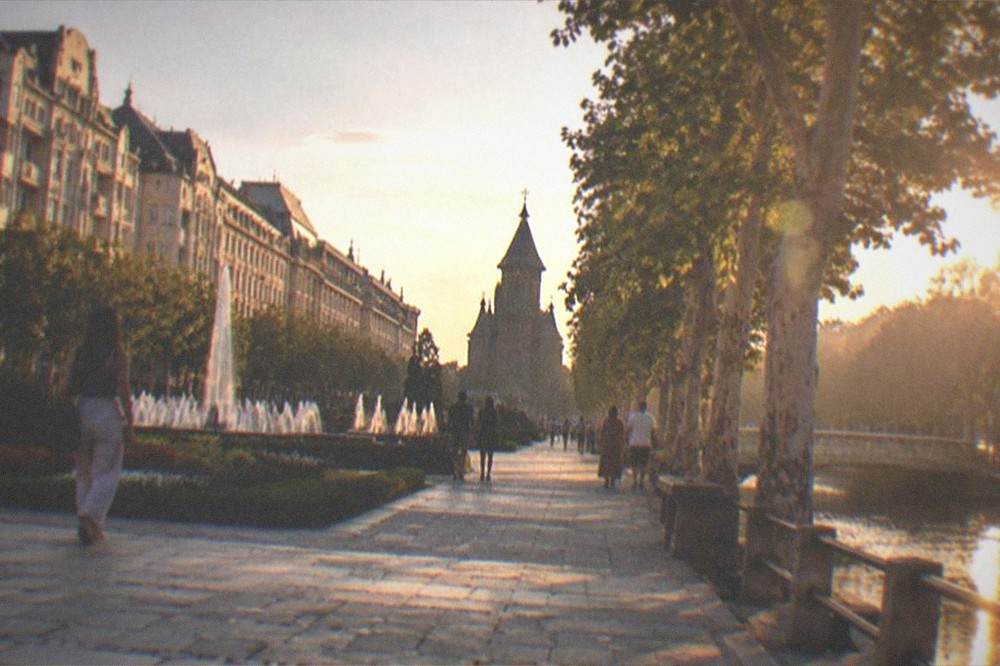
Ten minutes further east, Piata Victoriei opens up wide. This is where the December 1989 Revolution became unstoppable, when crowds gathered facing the Opera and the regime's response turned the city into the spark that ended the Ceausescu government. The Victory Square guide tells that story in full. Architecturally, the square is the city's most photogenic single frame: the Romanian National Opera at the head, the Metropolitan Orthodox Cathedral visible at the far end, and flower beds running down the middle.
A quick timing note for history fans: the city's street lighting firsts are worth a sentence over coffee. Timisoara was the first city of the Habsburg monarchy with lamp-lit streets in 1760, the first with gas street lighting in 1855, and then the first city on mainland Europe with electric street lighting in 1884. That lighting heritage is why the city leans so hard on its illuminated identity today, and why an evening walk is scheduled at the end of this day.
If you would rather have a local guide for the morning's history, the options below cover the same ground with a storyteller attached.
Where Should You Eat Lunch In Timisoara?
Eat in or around Piata Unirii or on the edge of Piata Victoriei, where the concentration of restaurants is highest and the walk from the morning's last square is zero. Banat cuisine is the thing to order: the region's cooking mixes Romanian, Hungarian, German and Serbian traditions, and a lunch in Cetate typically means a soup, a meat main and a local beer for the price of a snack in Western Europe.
The city's food identity is genuinely regional rather than generically Romanian. Banat was a frontier zone of the Habsburg monarchy, settled by Germans, Serbs, Hungarians and Romanians side by side, and the plate shows it. Expect paprika-rich stews, pork in several forms, and desserts with Central European names. The site's dedicated food and restaurant pages go dish by dish and venue by venue, district by district.
Prices are the pleasant surprise. Cost-of-living trackers updated in September 2026 put a meal in an inexpensive restaurant at around 45 to 50 lei, a domestic draft beer at 11 to 12 lei, and a fast-food combo near 32 lei. A sit-down lunch for two with drinks lands comfortably under 150 lei in most places in Cetate. The one figure to keep in mind at the hotel: the local tourist tax, set by council decision HCL 719/2025, is charged on the accommodation tariff, with the commonly reported rate at 2 percent excluding VAT, collected by the lodging.
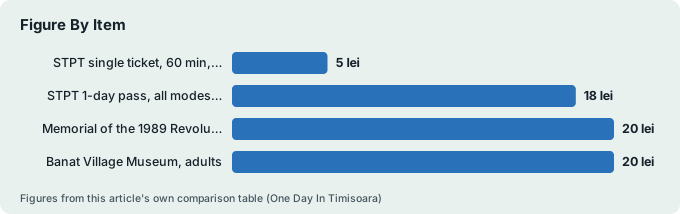
A quick budget sketch for the whole day, using only published figures:
| Item | Figure | Source status |
|---|---|---|
| STPT single ticket, 60 min, all modes | 5 lei | STPT tariff page |
| STPT 1-day pass, all modes incl. vaporetto | 18 lei | STPT tariff page |
| Cappuccino in the city | 13 to 15 lei | Sep 2026 price trackers |
| Inexpensive restaurant meal | 45 to 50 lei | Sep 2026 price trackers |
| Domestic draft beer, 0.5 L | 11 to 12 lei | Sep 2026 price trackers |
| Memorial of the 1989 Revolution, adults | 20 lei | Museum site |
| Banat Village Museum, adults | 20 lei | Museum site |
| BNR reference rate | 1 EUR = 5.2788 lei | BNR, 23 Sep 2026 |
Planning a day trip instead of a second day in the city? One option keeps it simple:
Afternoon By The Bega Canal And The Museums
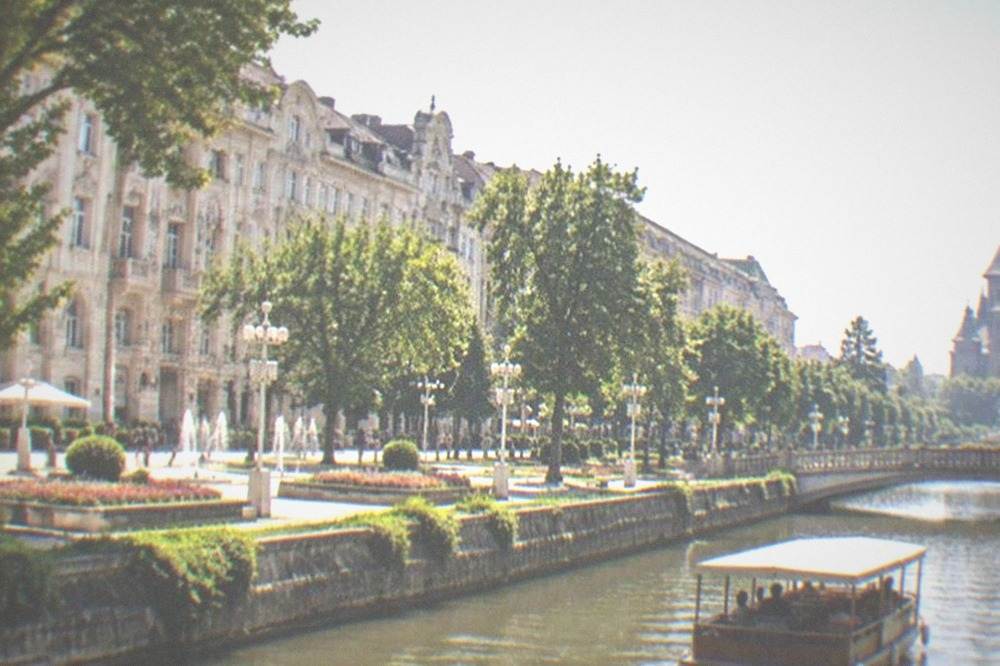
After lunch, cross to the south side of Piata Victoriei to the Metropolitan Orthodox Cathedral, then drop down to the Bega Canal for the walk west, because the vaporetto water bus runs 1 April to end of October with a 5 lei ticket that the same STPT day pass covers, and the Memorial of the 1989 Revolution sits two blocks north of the canal on Bulevardul 16 Decembrie 1989.
The Metropolitan Orthodox Cathedral is the single most recognizable building in the city, its green-tiled towers closing the view down Piata Victoriei. The cathedral's interior hours are not published in the sources this site trusts, so plan for the exterior and the square around it rather than betting on going inside. From there, the Bega Canal banks are a five-minute walk south, and the canal is the city's favorite outdoor room: rowers in the early evening, runners at all hours, and the water bus gliding between its nine stops per direction.
The vaporetto is the afternoon's small pleasure. It resumed service on 1 April 2026 for the season, runs to the end of October, and takes the standard 5 lei ticket or any STPT pass. It is more of a scenic ride than a commuter service, which is exactly the point on a one-day visit. If your day falls between November and March, skip the boat and walk the north bank instead; the towpath is continuous and the bridges connect Cetate to Fabric and Elisabetin.
The Memorial of the 1989 Revolution is the afternoon's essential museum stop. Its published admission is 20 lei for adults, covering eight permanent exhibitions, three temporary ones and the documentary "Noi nu murim", with hours of Monday to Friday 08:00 to 17:00 and Saturday to Sunday 10:00 to 18:00. The memorial's own guide page on this site sets out what is inside. Allow an hour; the museum is small, dense and, for many visitors, the emotional center of the whole trip.
Two other stops compete for the late afternoon, and the honest advice is to pick one. The Theresia Bastion, the surviving segment of the fortress wall, is a restored block of vaulted passages housing cafes and shops, and it sits directly between the canal and Piata Unirii, so it costs you almost no walking. The Banat Village Museum, out past the eastern edge of the center, is an open-air collection of village houses and churches, open Wednesday to Saturday 10:00 to 18:00 and Sunday 12:00 to 20:00, closed Mondays and Tuesdays, with a reported adult ticket of 20 lei. The village museum needs a tram ride and about two hours; the bastion needs twenty minutes.
| Afternoon stop | Published hours | Published admission | Time needed |
|---|---|---|---|
| Metropolitan Orthodox Cathedral | not published in verified sources | not published | 15 min exterior |
| Bega vaporetto | 1 Apr to end Oct, seasonal | 5 lei, passes valid | 30 to 45 min |
| Memorial of the 1989 Revolution | Mon-Fri 08:00-17:00, Sat-Sun 10:00-18:00 | 20 lei adults | 60 min |
| Art Museum, Baroque Palace | summer Wed-Sun 13:00-21:00, winter 10:00-18:00 | on site, group tour 175 lei | 60 to 90 min |
| Theresia Bastion | open passage, venues vary | free to walk | 20 to 30 min |
| Banat Village Museum | Wed-Sat 10:00-18:00, Sun 12:00-20:00 | 20 lei adults (reported) | 2 hours plus tram |
Evening In Timisoara: Opera Square And Dinner
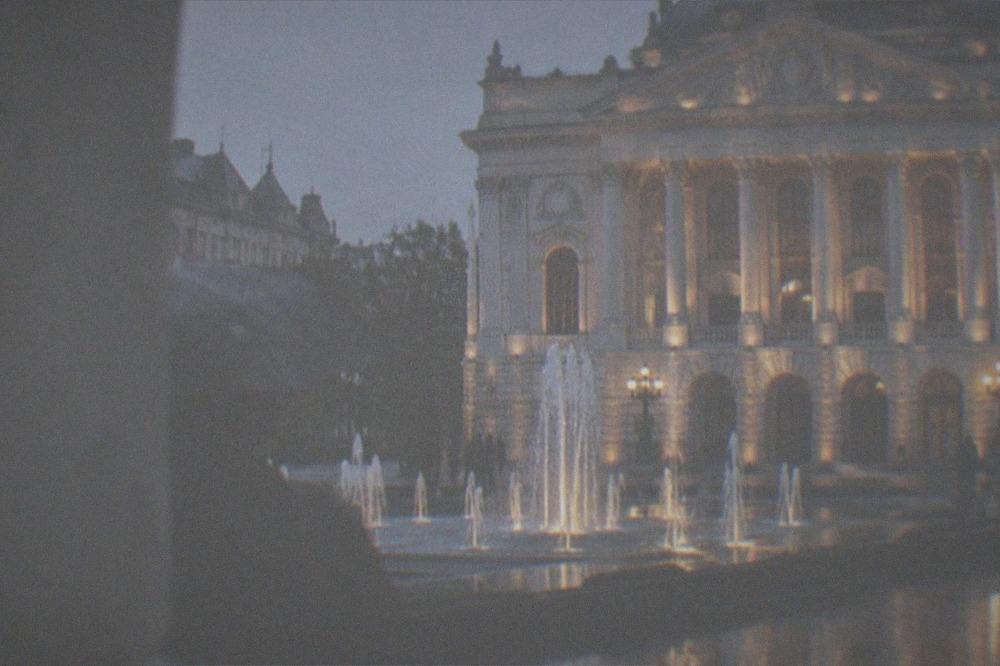
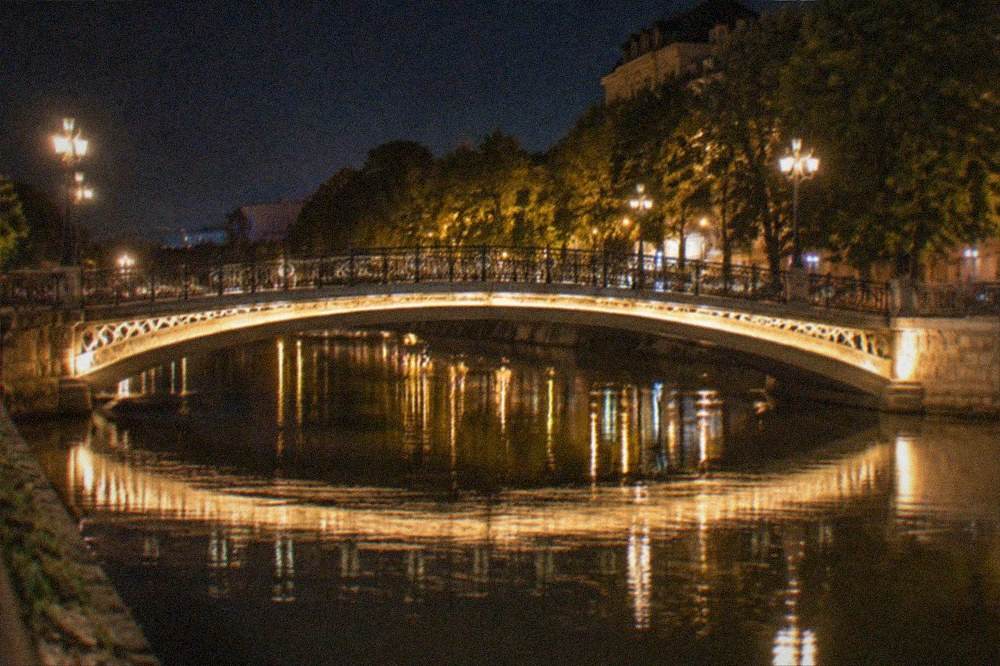
End the day back on Piata Victoriei after dark, because Timisoara's electric street lighting heritage from 1884 is not just trivia here, the square and the canal banks are the city's showcase for evening light, and the Romanian National Opera fronts the square with its seasons running through the year. Dinner first in Cetate, then the square, then the short walk north to the lit facades of Piata Unirii closes the loop.
The evening ritual writes itself. Dinner in Cetate, ideally something regional with a Timisoreana, the beer from the brewery founded in 1718 as the oldest attested brewery in Romania. Then the slow walk back up Piata Victoriei, when the Opera's facade and the cathedral towers are lit and the flower beds are empty of tourists. The Romanian National Opera publishes its programming through the year; if there is a performance on your evening, the box office is on the square itself.
For a different evening, the city's craft beer bars cluster in Cetate and Elisabetin within walking distance of the squares, and the dedicated nightlife guide maps them one by one. The city's cultural calendar is busier than its size suggests: the Timisoara Jazz Festival held its 14th edition on 25 to 27 September 2026, and the city's Days celebration in 2026 ran 31 July to 3 August with over 200 events. Check what is on during your visit on the site's festivals page.
One practical point for the evening: getting back to your hotel. Trams and trolleybuses run across the whole network with the same 5 lei ticket, contactless bank cards work on board, and the day pass at 18 lei covers unlimited rides including the vaporetto. There is no reason to end the night early for transport reasons.
What If You Have More Than One Day In Timisoara?
With a second day, add the Fabric and Iosefin districts and the Banat Village Museum inside the city, or take one of the day trips into the Banat hills and the Danube Gorge, which are the region's real headline scenery. With two days, split city and countryside; with three or more, the Nera Gorge, Corvin Castle and even Belgrade across the Serbia border all come into range, and the border is an external Schengen crossing with passport checks.
The city itself rewards a slower pass. Fabric, east across the Bega, holds the Millennium Church and the Trajan Square works area; Iosefin, to the southwest, keeps the water tower and quiet Secession streets. The site has full itineraries for two days in Timisoara, three days and a weekend in Timisoara. Traveling with children opens the with kids itinerary, and a December visit turns into the Christmas in Timisoara plan.
Out of the city, the picks below are the strongest uses of an extra day. The Nera Gorge is the closest dramatic nature, and Corvin Castle is the region's great medieval monument. North of the border, Novi Sad and Belgrade are realistic overnights, though note there is no direct Timisoara to Belgrade train currently; the bus is the practical link.
For a private nature day closer to the city, this is the strongest fit:
And if one extra day becomes two, the Transylvania loop is the ambitious upgrade:
| Extra time | Best use | Where it is |
|---|---|---|
| Second morning | Fabric district and Millennium Church | 15 min walk east of Cetate |
| Second afternoon | Banat Village Museum | tram ride east of center |
| One extra day | Nera Gorge and Banat waterfalls | Banat mountains, day trip |
| One extra day | Corvin Castle and Sibiu | Transylvania, day trip |
| Two extra days | Transylvania castles loop | overnight |
| Cross-border day | Novi Sad, Serbia | external Schengen border, passport |
Common Questions About One Day In Timisoara
Is one day enough for Timisoara?
One day covers Cetate old town, the three central squares, the Bega Canal, the Memorial of the 1989 Revolution and dinner, all on foot. It is not enough for Fabric and Iosefin in depth, the Banat Village Museum, or any day trip. Visitors who enjoy the city come back for a second day.
What is the best time of year for one day in Timisoara?
May through September, using the JMA normals as a guide: means run from 17.3 C in May to 22.8 C in July. June is the wettest month at 79.1 mm, so pack a rain layer. December works too, centered on the Christmas Market in Piata Victoriei, with a January mean of 0.0 C.
How do I get around Timisoara in one day?
On foot, with the tram as backup. A 60-minute STPT ticket is 5 lei, a day pass is 18 lei, and both cover trams, trolleybuses, buses and the seasonal Bega vaporetto. Contactless bank cards work on board, and live arrivals are on the STPT site.
What should I not miss in one day in Timisoara?
Piata Unirii, Piata Victoriei, the Metropolitan Orthodox Cathedral exterior, the Bega Canal, and the Memorial of the 1989 Revolution. If time allows one more stop, the Theresia Bastion sits directly on the walking route and costs nothing to enter.
Do I need cash for a day in Timisoara?
A little. Romania's currency is the leu (RON), the euro is not adopted, and the BNR reference rate on 23 September 2026 was 5.2788 lei per euro. Cards work on public transport and in most restaurants, but small cafes, market stalls and the vaporetto cash box favor some lei in your pocket.
Can I do a day trip on the same day as the city?
Not realistically. The main day trips from Timisoara run nine hours or more, so they consume a full day. Plan one day for the city and a separate day for the Banat hills, the Danube Gorge or Corvin Castle.
The day ends where it began, in Piata Victoriei under electric light, in the city that switched on mainland Europe's first street lamps in 1884 and switched on its own future in December 1989. Walk slowly; the squares are worth it.