Timisoara To Belgrade
Belgrade sits closer to Timisoara than most visitors assume, but the trip crosses an external Schengen border, so the planning details matter more than the mileage.
Short answer
There is no direct train from Timisoara to Belgrade currently. Buses run the route in roughly 3.5 to 4 hours per current sources, and driving takes you through passport control at crossings such as Jimbolia, Moravita or Stamora Moravita, where the EU's EES system now applies.
Belgrade, the capital of Serbia, lies west of Timisoara across the Banat plain, and the two cities are linked by a border that changed character in 2025 when Romania became a full member of the Schengen area. That single fact reshapes every part of the journey. The Hungarian border to the north is now an internal Schengen line with no routine checks, but the Serbian frontier remains an external border with passport control, biometric registration, and queues that move at their own rhythm. This page lays out what the crossing actually involves, why the train option does not exist yet, and how to build a day trip that survives contact with the border.
How Do You Get From Timisoara To Belgrade?
The practical options from Timisoara to Belgrade are the bus, which covers the route in roughly 3.5 to 4 hours per current travel sources, and driving via one of the local border crossings such as Jimbolia, Moravita or Stamora Moravita. There is no direct train currently, and no flight connects the two cities. The border with Serbia is external to Schengen, so every option includes a passport check in both directions.
The bus is the option most sources point to as the straightforward one. Aggregator and guidebook material updated through 2026 describes the run as taking around three and a half to four hours, a figure that includes the border stop. Timisoara's bus terminal handles departures toward Serbia, and tickets are normally bought at the counter or online through the carrier. Schedules shift with demand, so check the operator's current timetable rather than relying on any frequency printed here. Weekend and holiday departures tend to be the ones that fill first, and the return legs out of Belgrade follow the same pattern, so a seat reserved the same morning is a gamble worth avoiding.
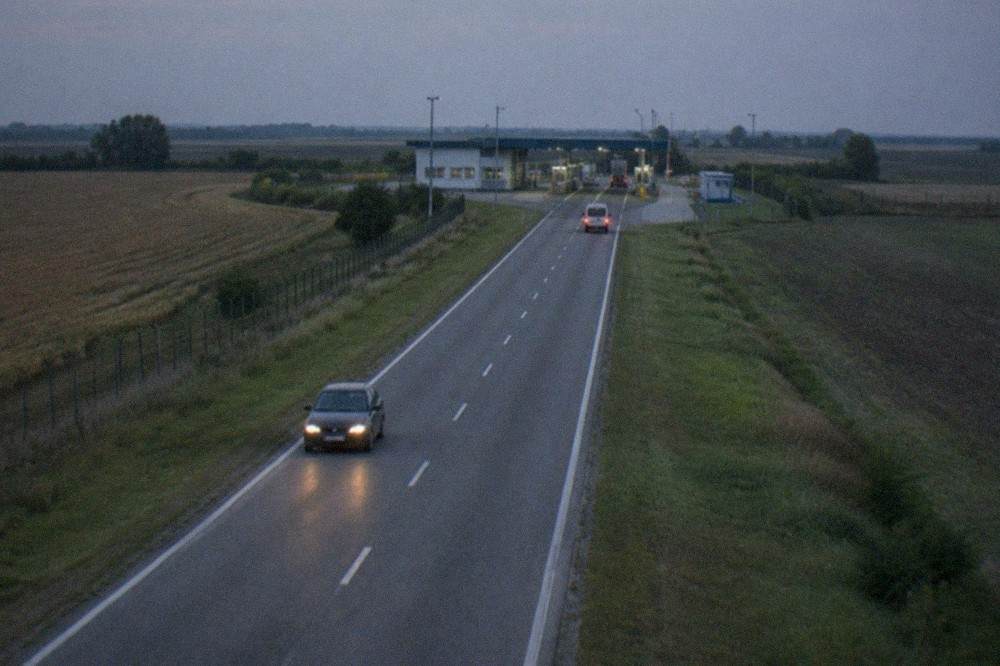
Driving gives you the most control and the most responsibility. The crossing points near Timisoara are small compared with the major EU gateways, which is both their charm and their weakness: a quiet post can mean minutes of waiting, while a Sunday-evening return can stretch well past that. Live border monitoring services, updated during September 2026, showed typical waits of 20 to 30 minutes for Romania to Serbia at crossings such as Jimbolia-Vršac, Moravita-Vatin and Foeni-Jaša Tomić, with some points running shorter and others longer depending on the hour.
| Option | Current Status | What To Expect |
|---|---|---|
| Direct train | Does not exist | Talks on restoring a Stamora Moravita to Vršac service were reported in August 2026, but nothing runs yet |
| Bus | Operating | Roughly 3.5 to 4 hours door to door per current sources, border stop included |
| Car | Operating | Passport checks at Jimbolia, Moravita/Vatin or Stamora Moravita; typical waits of 20 to 30 minutes in mid-September 2026 monitoring |
| Flight | Not available | No direct connection between the two cities |
One planning note that belongs in every itinerary: build slack into the return leg. The same monitoring data that showed 20 to 30 minute waits heading west also showed the Serbia to Romania direction running longer at certain points, with reports ranging from 20 minutes to over an hour at busier crossings. If your evening plans in Timisoara are fixed, leave Belgrade earlier than the map suggests.
What Happens At The Romania-Serbia Border Crossing?
Serbia is outside the Schengen area, so the border is external and every traveler shows a passport or ID card in both directions. Since 10 April 2026 the EU's Entry/Exit System, EES, has been fully operational at all Schengen external borders, recording fingerprints and a facial image for non-EU short-stay visitors and replacing routine passport stamping. Travelers holding EU documents are processed as EU citizens, while others should expect biometric registration on first entry.
The EES rollout is the biggest change to this crossing in years. The system became fully deployed across the Schengen external borders on 10 April 2026, after a progressive rollout that began in October 2025, and Romanian border points in the Timis area, including Foeni and Valcani, were brought online stepwise through early 2026. What it means in practice: if you travel on a non-EU passport, your fingerprints and face are registered at the booth, and the familiar passport stamp is no longer applied. EU and Romanian citizens continue through the standard citizen lanes.
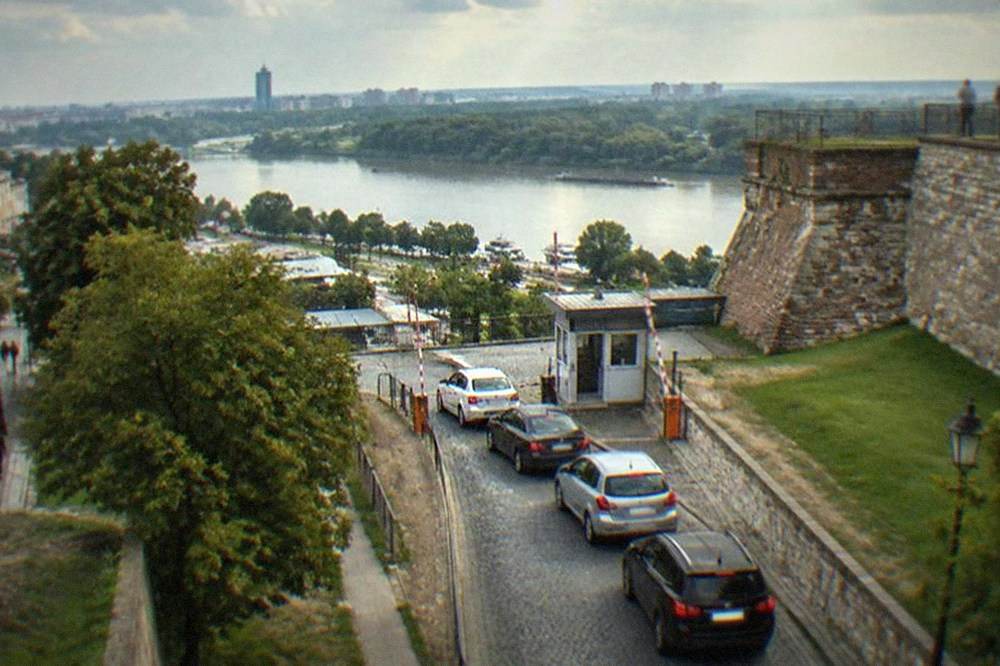
The crossings themselves are modest. Jimbolia, Moravita and Stamora Moravita are the three posts relevant to the Timisoara to Belgrade axis, and all sit on secondary roads rather than motorways. That keeps traffic volumes low but also means limited booth capacity, so a single coach ahead of you can add real time. Community-reported and official border police data feeding the live monitoring sites in late September 2026 consistently put the Romania to Serbia direction in the 20 to 30 minute band, with the shortest waits often around 20 minutes.
| Crossing Point | Direction | Typical Wait, Mid-September 2026 Monitoring |
|---|---|---|
| Jimbolia-Vršac | Romania to Serbia | Around 20 to 30 minutes |
| Moravita-Vatin | Romania to Serbia | Around 20 to 30 minutes |
| Foeni-Jaša Tomić | Romania to Serbia | Around 20 to 30 minutes |
| Jaša Tomić-Foeni | Serbia to Romania | Longer at busy periods, reports from 20 minutes to over an hour |
Documents are the other half of the equation. Romania has been a full Schengen member since 1 January 2025, when the land borders opened after air and sea accession on 31 March 2024, but Serbia is not in the EU and not in Schengen. A valid passport or national ID card is required for the crossing, and travelers on non-EU documents should also confirm Serbia's visa rules for their nationality before setting out, since those rules sit outside this site's scope.
If you would rather leave the logistics to someone who runs the route regularly, guided options exist on the Romanian side of the border too, covering the Banat countryside that sits between the two cities.
The listings above are bookable experiences based in and around Timisoara, each with its own page and live availability. They are alternatives to a self-driven Serbia run rather than substitutes for it, and they suit travelers whose appetite runs to the villages, gorges and castles of western Romania.
Is There A Direct Train From Timisoara To Belgrade?
No, there is no direct train between Timisoara and Belgrade currently, and there has not been one for years. The route requires a change, typically a local train toward the Vršac area in Serbia followed by onward connections, which is why buses remain the recommended option. In August 2026, Romanian and Serbian transport officials discussed resuming passenger trains on the Stamora Moravita to Vršac corridor, but no restoration had been confirmed by September 2026 sources.
The train question comes up constantly, and the honest answer disappoints rail enthusiasts. Travel guides covering the corridor describe it as involving changes and limited frequencies even with workarounds, and the talks reported by Romanian media remain at the discussion stage, citing ongoing technical and procedural negotiations. Until something is signed and timetabled, the bus is the mode that actually runs.
For context on what Timisoara's rail network does offer: the city's station connects directly to Budapest in roughly 5.5 hours, per aggregator data, and to Bucharest in about 11 to 12 hours on CFR's own IR service. Serbia is the odd one out. The full picture, including the answer to the specific Belgrade question, is covered in our dedicated page on whether there is a direct train from Belgrade to Timisoara.
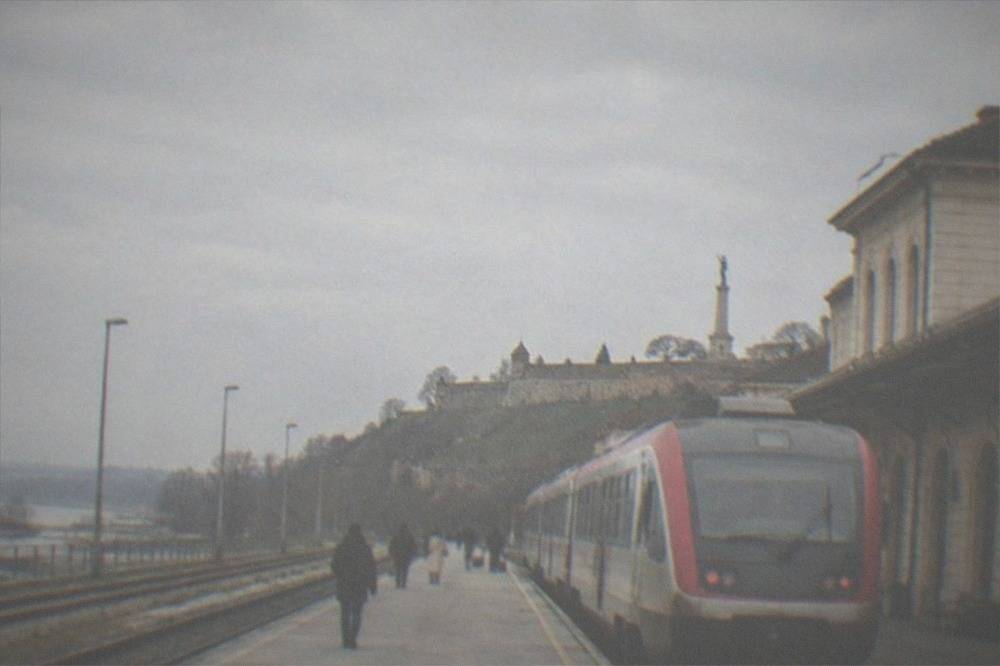
A note on expectations if the train ever returns: the Stamora Moravita to Vršac segment is a short local line, and any future service would likely be a slow regional connection feeding into Serbian domestic trains at Vršac, not a direct intercity. Plan around the bus for now and treat any news of a restored service as unconfirmed until it appears in an official timetable.
What Can You See On A Day Trip To Belgrade From Timisoara?
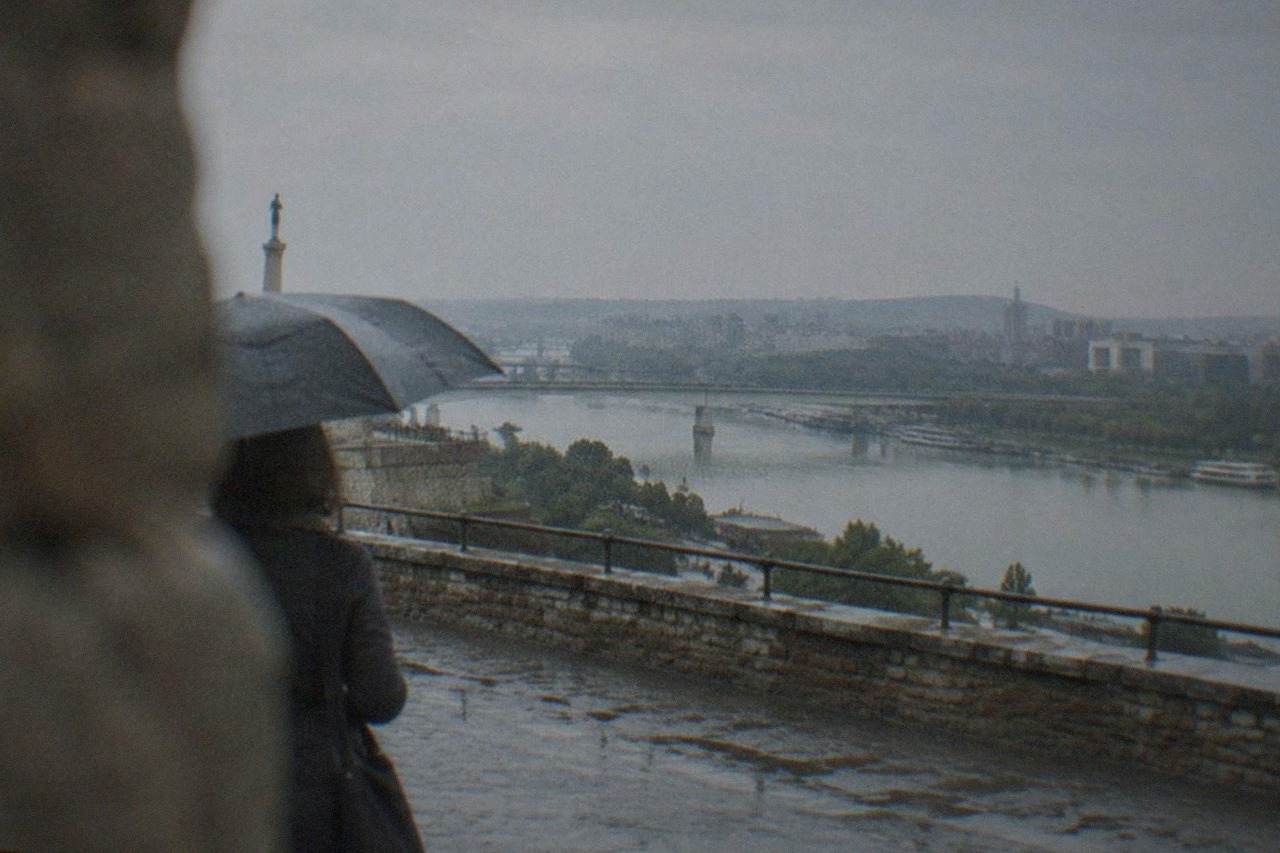
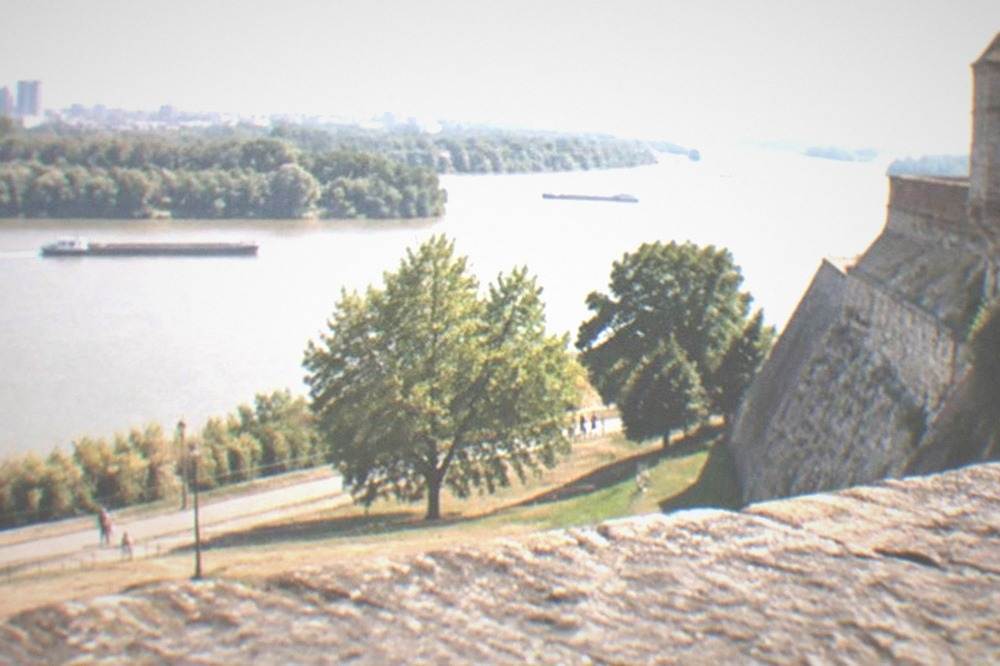
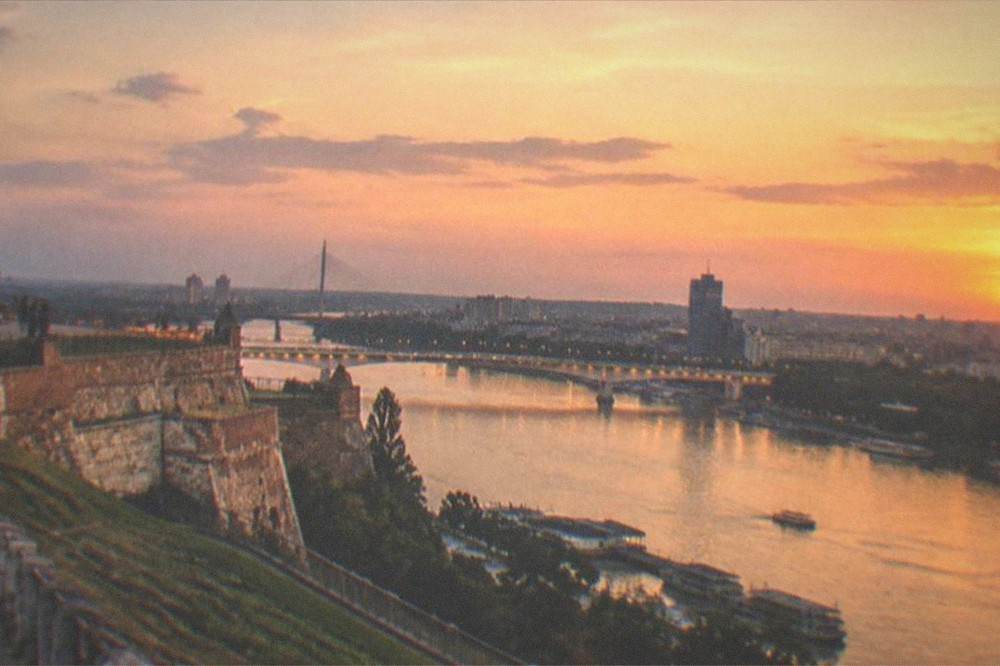
A day trip from Timisoara to Belgrade is tight but workable if you leave early and accept that the border takes a real slice of the day. The city's core sights cluster around Kalemegdan park and fortress at the confluence of the Sava and Danube rivers, the pedestrian stretch of Knez Mihailova street, and the bohemian Skadarlija quarter, all reachable on foot from the central bus stop area. Realistic planning gives you roughly five to six hours in the city itself.
The arithmetic is unforgiving. With around four hours of travel each way, plus border time in both directions, a day trip consumes most of its daylight in transit. That argues for a focused itinerary: the fortress and river confluence in the morning, lunch in the central streets, and one neighborhood wander before the return leg. Travelers who want Belgrade's nightlife or its museum depth should plan an overnight instead, which also removes the pressure of the return border queue. The wider set of guides lives on Timisoara Travel Guide.
What you should not do is treat the Serbian side of the border as a formality to ignore. The EES biometric registration described above applies on the way back into Romania for non-EU travelers, and the same booth capacity limits that slow the westbound direction slow the eastbound one too. Build your departure from Belgrade with at least an hour of cushion if you have a fixed commitment in Timisoara that evening.
| Time Block | Realistic Plan For A Day Trip |
|---|---|
| Early morning | Depart Timisoara by bus or car, border crossing westbound |
| Mid-morning | Arrive Belgrade, walk Kalemegdan fortress and the river confluence |
| Midday | Lunch on the central pedestrian streets |
| Afternoon | One quarter on foot, such as the bohemian lane near the center |
| Late afternoon | Depart Belgrade with cushion for the eastbound border |
| Evening | Arrive back in Timisoara |
Currency is the other practical detail. Serbia uses the Serbian dinar, not the euro and not the Romanian leu, so change a small amount or plan on card payments in the city. Romania itself remains a leu country, a point worth remembering on both ends of the trip, and our page on the Romanian currency covers the leu side of the equation.
Should You Stop In Vrsac On The Way To Belgrade?
Vrsac, the first Serbian town after the Jimbolia and Stamora Moravita crossings, is the natural stop on the Timisoara to Belgrade axis, and it rewards a short detour with a wine-growing hill town worth slowing down for. Its old center sits below a hilltop fortress, and the town sits in one of Serbia's established wine districts, directly across the border from Timis County. A stop of one to two hours fits comfortably into a driving itinerary.
The geography makes the decision easy. Vrsac lies minutes past the border on the road toward Belgrade, so a car traveler loses almost nothing by pausing there, while bus passengers will find it harder since intercity services do not detour. Our full guide to Vrsac as a day trip from Timisoara covers the town in detail, including the fortress hill and the wine tradition.
The wine angle is genuine rather than invented romance: the Vrsac district is one of the older viticultural zones on this side of the Balkans, and the town's name appears in regional wine literature going back generations. Tastings are a matter of checking what is open on the day you pass, especially midweek outside the summer season, so treat any visit as opportunistic rather than guaranteed.
What Are The Best Alternatives If You Have More Time In The Banat Region?
If the Belgrade day trip feels too compressed, the stronger play from Timisoara is to spend that time in the Banat region itself, on the Romanian side of the border, where guided trips reach remote villages, gorges and wine country without any passport control at all. Multi-day and full-day options cover the Banat mountains, Transylvanian castles and the Nera gorges, and every one of them leaves from Timisoara. The region's diversity, from Danube gorges to Saxon-era castles, means the alternative is not a consolation prize.
The case is simple: the same day you would spend on a bus to Serbia can buy you a full guided day inside Romania, with no border, no EES registration and no timetable pressure. The Banat villages that sit in the hills south and east of the city preserve a mixed Romanian, Serbian, German and Hungarian heritage that the plain around the border road never shows you. Our guide to the Banat villages and the overview of things to do in Timisoara itself are the starting points for building that version of the trip.
The listing above is the standout for this angle: a full-day guided hike into the remote villages of the Banat, the kind of itinerary that turns a transit day into the most memorable day of a Romania trip.
For travelers whose hearts are set on Serbia but who want a shorter crossing, Novi Sad sits north of Belgrade and is covered in its own guide to Novi Sad from Timisoara. The border mechanics are identical, since Serbia is external to Schengen everywhere, but the journey is shorter and the city is more compact for a one-day visit.
| Alternative Day Trip From Timisoara | Border Formalities | Character |
|---|---|---|
| Belgrade, Serbia | Full passport and EES checks both ways | Big-city Balkan capital, rivers and fortress |
| Novi Sad, Serbia | Full passport and EES checks both ways | Compact Danube city, shorter transit |
| Vrsac, Serbia | Full passport and EES checks both ways | Small wine town just past the border |
| Banat villages, Romania | None | Remote hill villages, mixed heritage |
| Nera gorges, Romania | None | Gorges, waterfalls and forest hiking |
The Romanian-side options also pair well with a second day, and travelers with a full weekend can split it: one day across the border in Serbia, one day in the Banat hills. Our weekend in Timisoara itinerary shows how the pieces fit.
For the multi-day version of the Banat, the two-day guided option below is the fullest treatment, and the castles-and-wine private tour covers the Transylvanian side of the ledger for travelers who want grand architecture with their countryside.
Both of these run entirely inside Romania, which matters if you are traveling on documents that make the Serbian border slow, or if you simply want a day without a checkpoint in it. Availability and current pricing are on each operator's live listing.
Common Questions About Traveling From Timisoara To Belgrade
Is there a direct train from Timisoara to Belgrade?
No. Currently no direct service runs. Any rail journey requires a change, typically toward Vršac, and talks on restoring the Stamora Moravita to Vršac line were reported in August 2026 without confirmation.
Do you need a passport to cross from Romania to Serbia?
Yes. Serbia is outside the Schengen area, so the border is external and every traveler presents a passport or accepted ID card in both directions, regardless of Romania's own Schengen membership.
How long does the bus from Timisoara to Belgrade take?
Current travel sources put the bus journey at roughly 3.5 to 4 hours, including the border stop. Schedules vary by carrier and day, so check the operator's live timetable before committing to plans.
What is the EES and does it apply at the Serbian border near Timisoara?
The Entry/Exit System records fingerprints and a facial image for non-EU short-stay travelers at Schengen external borders. It has been fully operational since 10 April 2026 and applies at the Romanian crossings toward Serbia, replacing routine passport stamping.
Which border crossing should you use driving from Timisoara to Belgrade?
Jimbolia, Moravita and Stamora Moravita are the relevant posts. Mid-September 2026 monitoring showed typical waits of 20 to 30 minutes heading into Serbia, with the return direction sometimes longer at busy periods.
Is a day trip to Belgrade from Timisoara realistic?
It is tight but possible with an early start. Expect roughly five to six hours in the city after accounting for travel and border time in both directions, and build cushion into the return leg.
The Timisoara to Belgrade run is one of those routes where the planning matters as much as the destination: get the border timing, the documents and the mode right, and the Serbian capital opens up as a genuine day trip from western Romania. Get them wrong, and you spend your afternoon watching a barrier arm. Every figure on this page reflects the position as reported in September 2026, and border conditions change, so check the live queue monitors and the operator's timetables on the day you travel.