Novi Sad
Novi Sad, Serbia's second city on the Danube, sits close enough to Timisoara, in western Romania's Banat region, to work as a rewarding cross-border day trip. This guide covers the border, the sights and the practical planning.
Short answer
Novi Sad makes an excellent day trip from Timisoara: you cross an external Schengen border into Serbia, pass passport control at crossings such as Jimbolia or Moravita, and reach a compact, walkable city centered on Freedom Square and the Petrovaradin Fortress above the Danube. Plan a full day, carry your passport, and budget for two currencies, the Romanian leu at home and the Serbian dinar in Novi Sad.
Novi Sad is the natural big excursion from Timisoara, the city in Timis County, in the Banat region of western Romania. It is Serbia's second city, spread along the Danube, and it pairs a lively, cafe-heavy center with one of the great river fortresses of Central Europe. The two cities share a Habsburg past, a flat landscape between them, and a border that has become much easier to cross since Romania joined the Schengen Area fully on 1 January 2025, though Serbia itself remains outside Schengen, so the crossing is a real external border with passport checks.
This page on Timisoara Travel Guide covers everything a visitor based in Timisoara needs for a Novi Sad day trip: how the border works, what to see once you are there, where to eat, and how to fit it into a wider western Romania itinerary. If you are still assembling your base plan, start with the things to do in Timisoara area guide, then come back here for the cross-border options.
Why Visit Novi Sad From Timisoara?
Novi Sad rewards the day-tripper because it compresses the Petrovaradin Fortress, a riverside old town, a museum quarter and a genuinely different national atmosphere into a compact, walkable core, all reachable from Timisoara across a single border crossing. The language on the shop signs, the currency and the coffee culture all change, yet the journey stays short and the driving stays easy. The city was the capital of the old Habsburg Military Frontier's Danube sector, and its architecture still shows that Austro-Hungarian inheritance, in the same way Timisoara's does. What makes the trip feel worthwhile is the contrast: the language on the shop signs changes, the currency changes, the coffee culture changes, yet the journey stays short and the driving stays easy. For a fuller comparison of the two cities, see Timisoara vs Novi Sad.
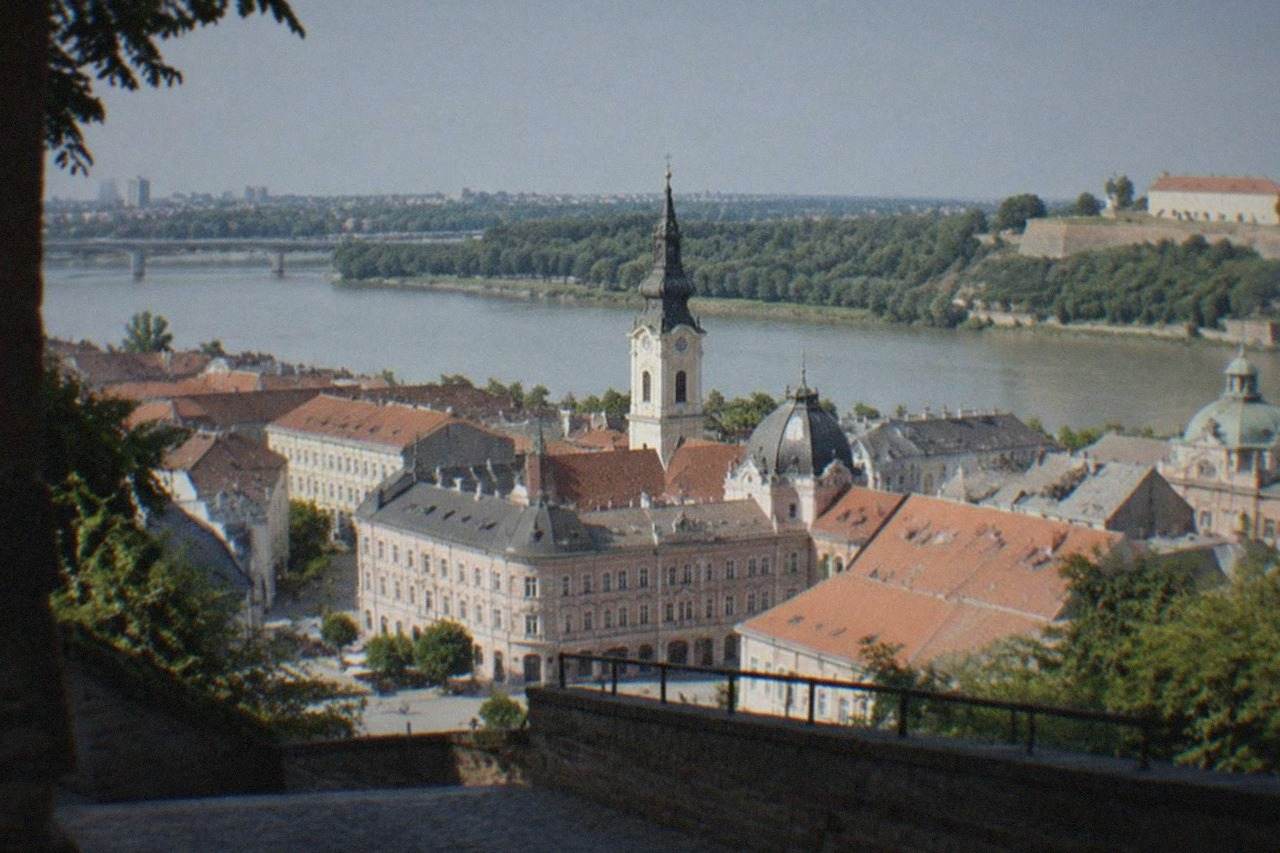
The centerpiece is the Petrovaradin Fortress, the Habsburg citadel on the right bank of the Danube, whose walls, gates and tunnels dominate the river approach. Below it, across the Varadin Bridge, the city center gathers around Freedom Square, with the Name of Mary Church, the city hall and the neo-Gothic spire that serves as Novi Sad's most photographed silhouette. Between the square and the river runs the pedestrianized core of Zmaj Jovina and Dunavska streets, lined with bookshops, pastry shops and kafane, the traditional Serbian cafes that give the city its unhurried rhythm.
Novi Sad also carries a cultural weight beyond its size. It was the European Capital of Culture in 2022, it hosts one of Europe's best-known music festivals inside the fortress each summer, and its old town has been quietly restored over the past decade. A visitor coming from Timisoara, itself a European Capital of Culture in 2023, will recognize the pattern: a mid-sized regional capital investing heavily in its public spaces and cultural life. The difference is the setting, because Novi Sad has the Danube, and the fortress sits directly above it.
How Do You Get From Timisoara To Novi Sad?
The practical route from Timisoara to Novi Sad is by road, crossing the Romania-Serbia border at one of the local points such as Jimbolia-Vrsac, Moravita-Vatin or Stamora Moravita, all of which are external Schengen border crossings with passport control in both directions. There is no usable direct train: the rail link between the two countries has not been restored, and reports currently confirm there is no direct Timisoara to Belgrade service, with talks between Romanian and Serbian officials about resuming passenger trains on the Stamora Moravita to Vrsac section still unresolved. The bus, by contrast, is an established option toward Belgrade, and services toward Novi Sad connect through the same corridor. Driving yourself, or taking a guided transfer, is what most day-trippers do.
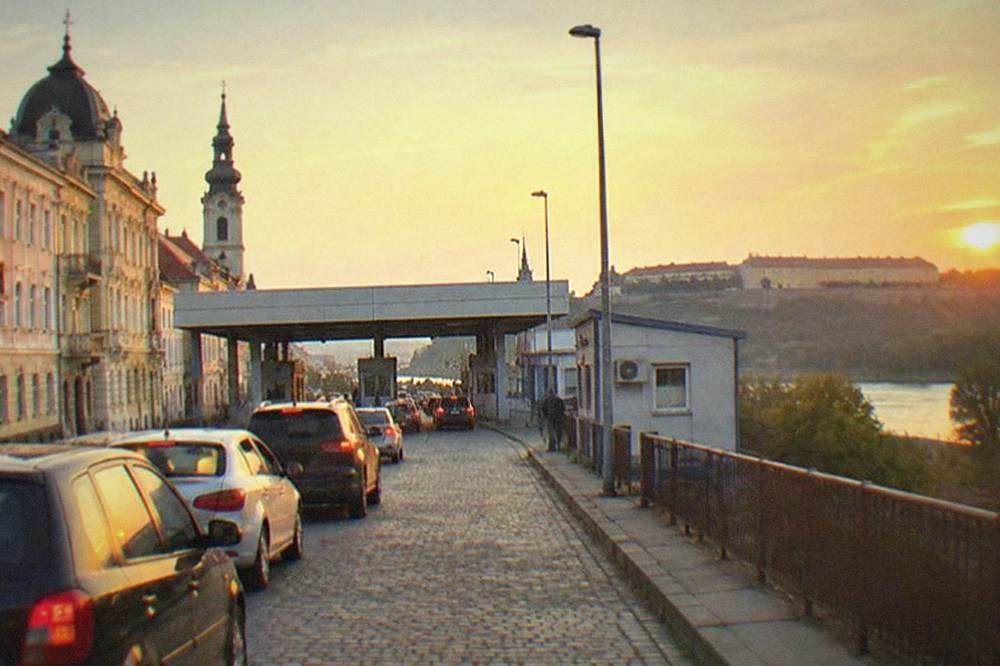
The border itself is the part to plan around. Romania has been a full Schengen member since 1 January 2025, when land border checks with Hungary and other members ended, but Serbia is outside the Schengen Area, so every crossing into it is an external border. Passport checks apply in both directions, and since 10 April 2026 the EU's Entry/Exit System (EES) has been fully operational at all Schengen external borders, recording fingerprints and a facial image for non-EU short-stay travelers and replacing routine passport stamping. EU citizens simply show an ID card or passport; non-EU visitors should expect the biometric registration on first entry.
| Border crossing | Direction | Typical situation |
|---|---|---|
| Jimbolia-Vrsac | Romania to Serbia | Passport checks, waits commonly around 20-30 minutes in normal conditions |
| Moravita-Vatin | Romania to Serbia | Passport checks, similar typical waits, heavier at peak weekend times |
| Stamora Moravita | Romania to Serbia | Passport checks, the crossing linked to the dormant rail line |
| Foeni-Jasa Tomic | Romania to Serbia | Passport checks, can run longer in the Serbia-bound direction at busy periods |
Live monitoring services in September 2026 showed Romania-to-Serbia waits generally in the 20 to 30 minute range at the crossings nearest Timisoara, with the Serbia-to-Romania direction occasionally longer at busier points. Queues move with traffic and season, so check a live border-queue service on the morning you travel rather than relying on any fixed estimate. Carry your passport even as an EU citizen, because identity checks are routine on both sides.
If you would rather leave the border and the driving to someone else, there are guided options that depart from Timisoara. These handle the crossing logistics and the parking, which matters because Novi Sad's center is compact and best explored on foot.
The trio above covers the wider region around Timisoara, from multi-day Transylvania circuits to closer half-day escapes, and it is worth scanning even if your heart is set on Serbia, because the same operators run cross-border and domestic trips with the same standard of planning.
What Are The Must-See Sights In Novi Sad?
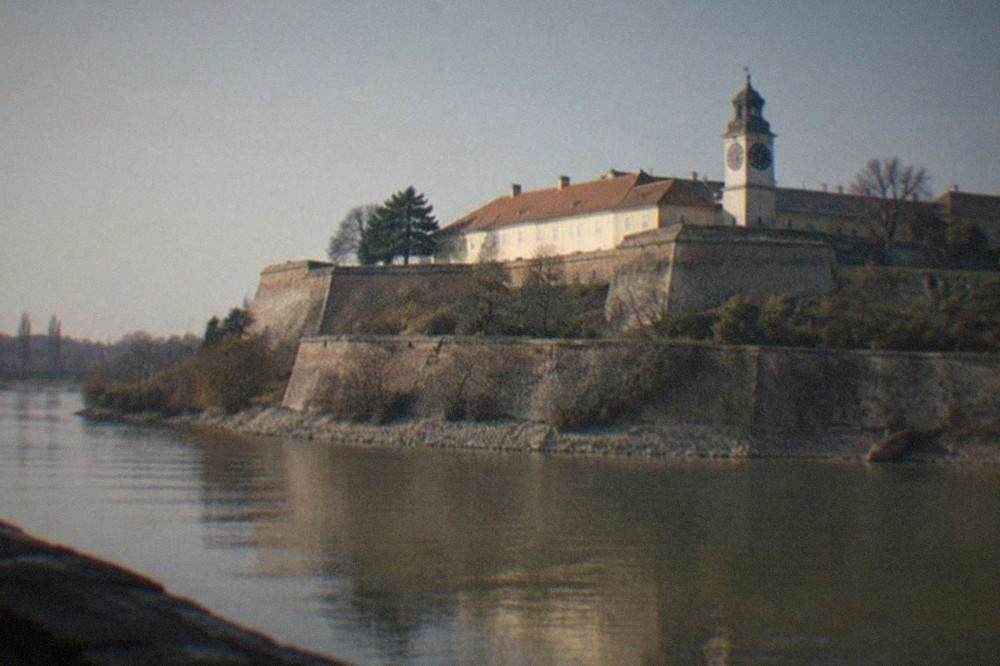
The four sights that define a first visit to Novi Sad are the Petrovaradin Fortress, Freedom Square with the Name of Mary Church, the Danube promenade and bridges, and the old-town pedestrian streets of Zmaj Jovina and Dunavska, all within a short walk of one another. The fortress is the anchor. Its upper level holds the famous clock tower, whose clock face is deliberately oversized so boatmen could read it from the river, and its ramparts give the best view over the red roofs of the center and the wide Danube beyond. The lower galleries of the fortress are a separate attraction, a network of counter-mine tunnels that in places runs deep beneath the rock.
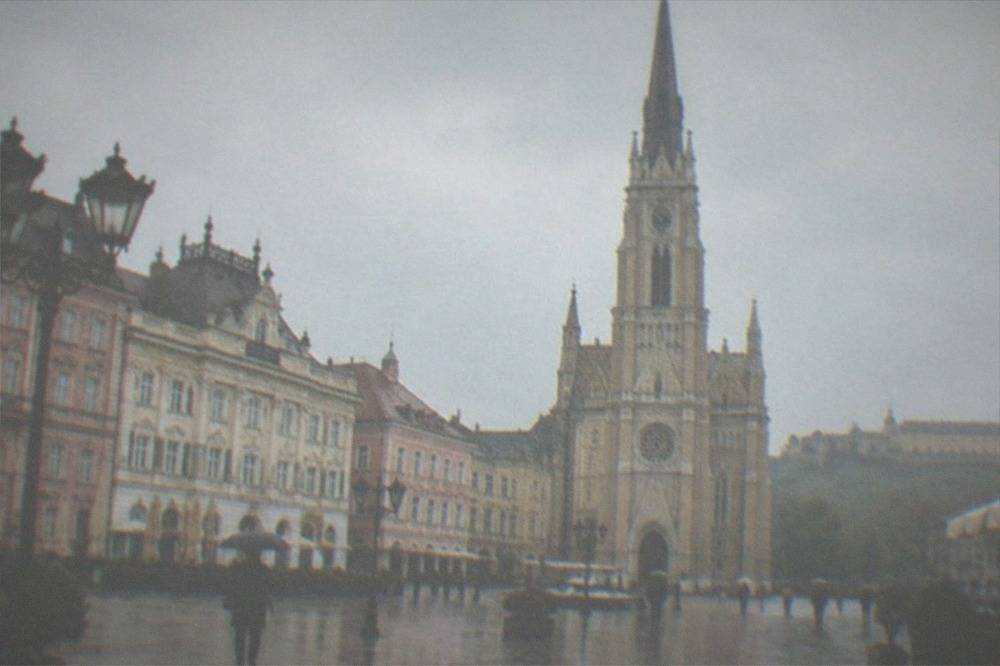
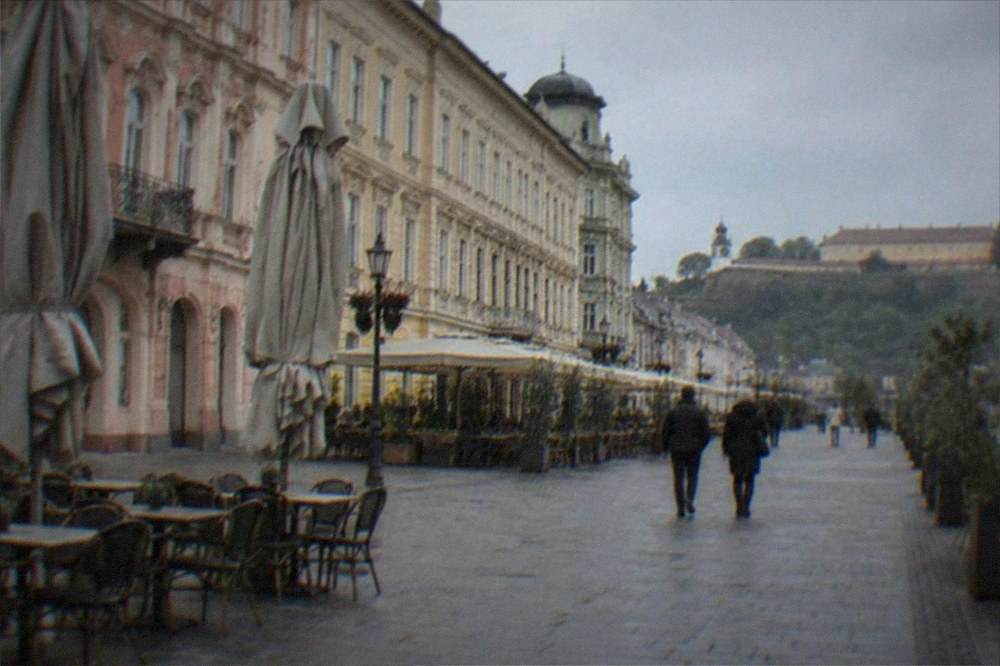
Freedom Square is the city's living room, framed by the city hall, the Name of Mary Church and a row of pastel façades with a mix of neo-Gothic, neo-Renaissance and Art Nouveau detailing. From the square, Zmaj Jovina runs gently downhill toward the bishop's palace and the start of Dunavska, the street that leads to the river. Along the way the Serbian National Theatre and the neo-Renaissance buildings of the old merchant quarter give the walk its texture.
Across the river, the fortress quarter of Petrovaradin is more than the citadel alone. Below the walls sits a small old town of cobbled lanes and courtyard houses, quieter than the main city and good for a slow coffee before climbing back up. The Danube itself should not be rushed: the stretch between the Varadin Bridge and the beach areas downstream is the city's great open space, and the view back toward the fortress from the left bank is the classic postcard shot.
Museum visitors have real options too. The Museum of Vojvodina covers the region's history, and the city's gallery collections are scattered through restored townhouses. None of these need advance booking for a day trip, and the fortress tunnels and upper town can absorb an hour or two on their own. For a sense of what a strong regional museum looks like on the Romanian side of the border, the Memorial Museum of the Revolution in Timisoara sets a high bar, and Novi Sad's museum quarter rewards the same unhurried approach.
If a guided structure appeals but a full cross-border day feels like too much, a private option closer to home is a good first step, and the Transylvania circuit above is the most ambitious of them.
Where Are The Best Views And Walks In Novi Sad?
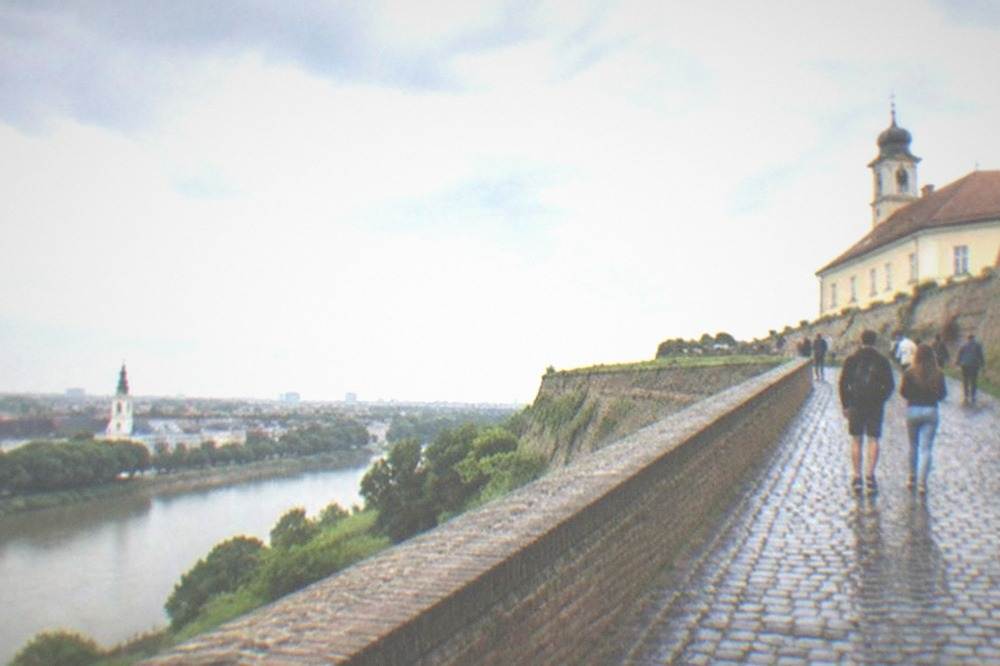
The best views in Novi Sad are from the Petrovaradin Fortress ramparts and clock tower, from the left bank of the Danube looking back at the fortress, and from the Varadin Bridge itself, and the best walk links all three in a loop of roughly two to three hours at a relaxed pace. Start on the city side at Freedom Square, walk down Dunavska to the river, cross the Varadin Bridge with the fortress rising ahead of you, climb to the upper town, then descend through the Petrovaradin old town lanes and recross by the bridge. That single loop gives you the fortress, the river, both banks and the old town without retracing a step.
The ramparts are the highlight. From the upper platform the whole city lies below, with the Danube bending away east and the plains of Vojvodina stretching to the horizon. Late afternoon is the classic time, when the low sun warms the fortress stone and the city lights begin to come on. The clock tower is the landmark to aim for; its tower clock has a quirk worth looking for, since the minute and hour hands are reversed, with the longer hand showing the hours so it could be read from farther away.
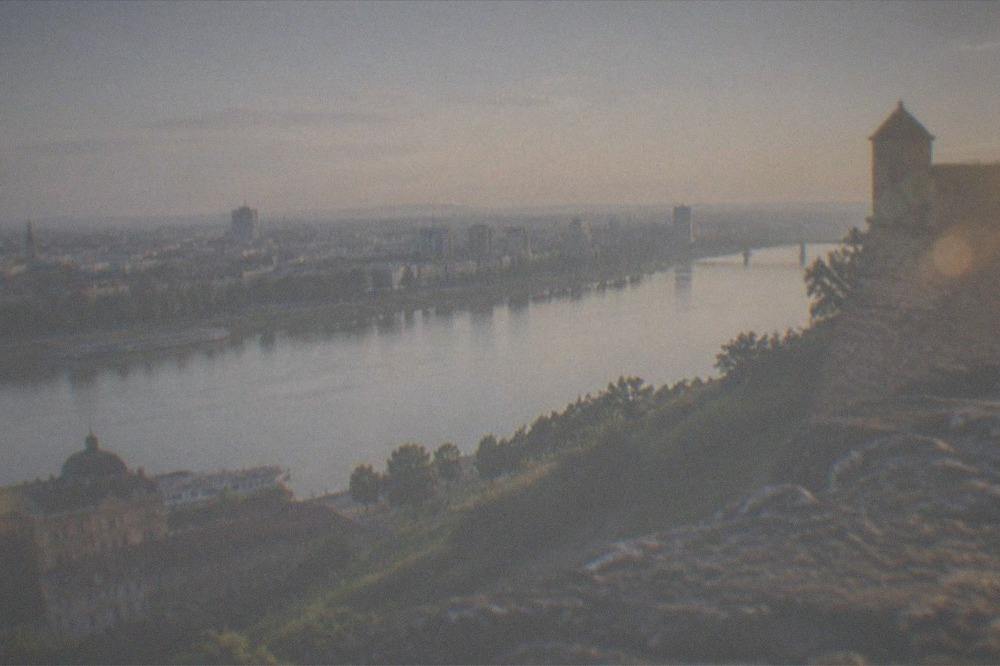
Back in the center, the Danube park, a landscaped stretch of green near the river, and the beaches along the left bank extend the walking options in summer. Locals treat the riverbank as their promenade, and in warm months the Strand, the city's river beach, fills with families. There is no need to plan a rigid route; the city is flat, compact and safe to wander, and the fortress is visible from almost everywhere, so getting lost is difficult.
What And Where Should You Eat In Novi Sad?
Novi Sad's food is hearty Central European cooking with a Balkan accent: grilled meats, stews, river fish and strong pastry traditions, eaten in kafanes in the old town or modern bistros along the pedestrian streets, at prices that generally feel lower than comparable Western European cities. The classic order is a pljeskavica, the Balkan grilled meat patty, or cevapi with raw onion and kajmak, the rich clotted dairy spread that accompanies almost everything. For something slower, ask for a podvarak or a fish paprikash, the Danube fish stew that belongs to the river towns of the region.
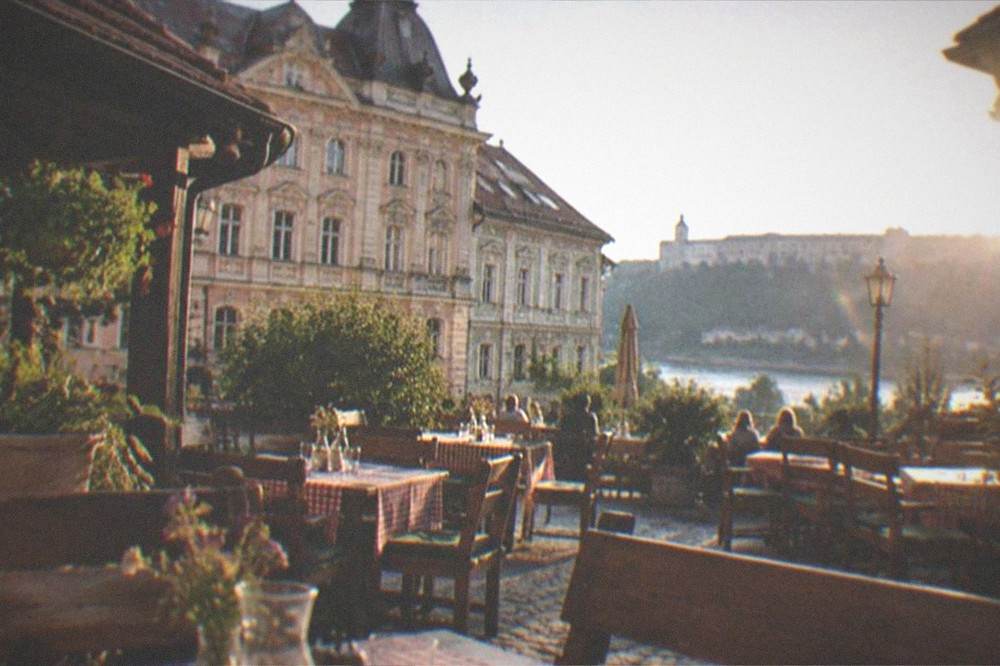
The old-town kafanes, the wood-paneled traditional taverns around Zmaj Jovina and Dunavska, are the atmospheric choice, some of them occupying courtyards that open up in summer. For pastry, the city's pastry shops sell strudels and layered cakes that reflect the Austro-Hungarian kitchen, a shared inheritance with Timisoara's own cafe culture, which you can explore further in our guide to Timisoara restaurants and the city's food traditions. Breakfast here is usually simple: burek, the flaky filled pastry, with yogurt, bought from a bakery window.
Two practical notes. First, Serbia uses the Serbian dinar, not the euro and not the Romanian leu, so change a modest amount or pay by card where it is accepted. Second, service culture in a kafana is unhurried by design; asking for the bill is normal and expected, not rude. A day-trip lunch in the old town is one of the pleasures of the visit, and it is worth budgeting more time for it than you would at home.
Food-focused travelers who want a structured taste of the region can also look at the Oradea and Apuseni caves option above, which pairs a Romanian city's food scene with a countryside excursion.
How Long Should A Novi Sad Day Trip Take?
A Novi Sad day trip from Timisoara is a full-day commitment: with the border crossing, the drive on both sides and a meaningful visit to the fortress and the old town, plan to leave in the morning and return in the evening, and treat anything shorter as a taster rather than a proper visit. The border is the variable. A crossing that takes twenty minutes each way barely dents the day, but a peak-period queue can, so build slack into both legs and avoid crossing at the busiest weekend hours if your schedule allows.
A sensible shape for the day: leave Timisoara early, cross the border while queues are short, arrive in Novi Sad mid-morning, walk the old town and Freedom Square before lunch, eat long in a kafane, then climb the fortress for the afternoon and the view, and recross the border in the early evening before dark. That gives you the city's two halves, the center and the citadel, without rushing either. Travelers who want more depth, or who fall for the city, sometimes turn it into an overnight and add the museum quarter or a river walk the next morning.
For comparison, if a multi-day structure appeals, the two-day private Transylvania circuit above shows what a longer, guided version of regional travel looks like from a Timisoara base.
When Is The Best Time To Visit Novi Sad?
The best months for a Novi Sad day trip from Timisoara are May, June and September, when the continental climate of the region is warm without peak-summer heat, the fortress walks are comfortable, and the riverside is at its best, though any month from April to October works well. The climate here is firmly continental, and the JMA/WMO climate normals for the Timisoara station, altitude 86 m, give a clear picture of the year: a mean of 0.0 C in January, rising to 22.8 C in July, with annual precipitation of 600.7 mm spread across every month.
| Month | Mean temperature (C) | Precipitation (mm) |
|---|---|---|
| Jan | 0.0 | 37.3 |
| Feb | 2.1 | 35.5 |
| Mar | 6.5 | 34.1 |
| Apr | 12.3 | 50.6 |
| May | 17.3 | 57.2 |
| Jun | 20.9 | 79.1 |
| Jul | 22.8 | 61.9 |
| Aug | 22.5 | 54.6 |
| Sep | 17.2 | 50.4 |
| Oct | 11.5 | 50.0 |
| Nov | 6.4 | 45.3 |
| Dec | 1.5 | 44.7 |
June is the wettest month at 79.1 mm and March the driest at 34.1 mm, so summer showers are a real possibility but rarely wash out a whole day. July and August are the warmest and busiest months, and they coincide with the fortress festival season, when the citadel's upper town becomes a concert site and accommodation in the city fills up. If your trip overlaps with the festival, book anything you need in advance, and expect the fortress to be far livelier than on a normal day.
Winter visits are possible and atmospheric in their own way, with the fortress in low light and the old town's kafanes at their coziest, but the days are short and the riverside walks lose their appeal. For the full seasonal picture on the Romanian side, see best time to visit Timisoara.
What Should You Know About The Serbia Border Crossing?
Crossing from Timisoara to Novi Sad means leaving the Schengen Area: Romania is a full member since 1 January 2025, Serbia is not, so every crossing involves passport checks in both directions, and since April 2026 the EU's Entry/Exit System records biometric data for non-EU short-stay travelers at the border. EU citizens travel on an ID card or passport and pass quickly; visitors from outside the EU should factor in the biometric enrollment on their first entry and keep the crossing smooth by having documents to hand rather than in a suitcase.
Choose your crossing with a little care. The crossings nearest Timisoara are small road points, and their queues are driven less by throughput than by local traffic, commuter flows and seasonal shopping trips. A live border-queue service is the honest answer here: waits that a September 2026 snapshot put at 20 to 30 minutes in the Romania-to-Serbia direction can stretch at peak times, and the reverse direction can occasionally run longer at busier points. Crossing early in the morning, or outside the weekend midday rush, is the reliable tactic.
| Border topic | What applies |
|---|---|
| Romania's status | Full Schengen member, air and sea since 31 March 2024, land borders since 1 January 2025 |
| Serbia's status | Outside the Schengen Area; the crossing is an external Schengen border |
| Documents | Passport checks in both directions; EU citizens may use ID cards |
| EES | Fully operational at all Schengen external borders since 10 April 2026; fingerprints and facial image for non-EU short-stay travelers |
| Typical waits | Around 20-30 minutes Romania to Serbia in normal conditions, per September 2026 live monitoring |
| Rail | No direct Timisoara to Belgrade train currently; restoration talks ongoing |
Two more practical points. First, if you are driving a rental car from Timisoara, confirm with the rental company that the vehicle may be taken into Serbia; policies vary and it is a question worth asking before you set out. Second, keep a little cash in dinars for small purchases in Novi Sad, since not every market stall or bakery kiosk takes cards.
How Does Novi Sad Fit Into A Wider Timisoara Itinerary?
Novi Sad works best as the cross-border day in a Timisoara itinerary that otherwise stays inside western Romania: pair it with a city day in Timisoara's squares, a nature day in the Banat, and, if time allows, a second Serbian day in Belgrade, which sits beyond Novi Sad along the same corridor. Many travelers do exactly this, using Novi Sad as the gentler introduction to Serbia before deciding whether to continue. The two cities are linked by the Danube corridor, and the drive between them passes through the flat farmland of Vojvodina.
Inside Romania, the alternatives are strong. The Nera Gorge and the Danube Gorges offer the region's most dramatic river landscapes, the Banat villages show the mountain side of the region's mixed heritage, and Vrsac makes a lighter Serbian taster, since the town lies just across the border on the way toward Novi Sad. A week based in Timisoara can comfortably mix two or three of these with a city day and a Novi Sad day.
The selection above gathers the region's most substantial guided trips, from a two-day Transylvania circuit to full-day and half-day options within reach of Timisoara, and it is the natural next step after you have sketched your own route.
What Does A Day Trip To Novi Sad Cost?
A Novi Sad day trip from Timisoara costs three things: transport, food and incidentals, with the Serbian side generally cheaper than comparable Western European cities, and the only Romanian-side fixed costs being your transport to the border and any Timisoara parking or fares you use before you leave. On the Romanian side, a single 60-minute public transport ticket in Timisoara costs 5 lei and a one-day pass 18 lei, per the operator's published tariff, and paid city parking is managed by the municipal operator in color-coded zones with enforcement on weekday daytime hours, so check the signs near your accommodation.
| Item | Figure | Notes |
|---|---|---|
| Timisoara single transport ticket, 60 min | 5 lei | All modes including the Bega water bus, per STPT tariff |
| Timisoara one-day pass | 18 lei | Same tariff; covers a full day of city transport |
| Timisoara 30-day general pass | 160 lei | For longer stays |
| Tourist tax in Timisoara | 2% of the accommodation tariff, excluding VAT, per night | Reported rate under local council decision HCL 719/2025; collected by the lodging |
| Coffee in Timisoara | 13-15 lei for a cappuccino | September 2026 cost-of-living estimates |
| Inexpensive meal in Timisoara | 45-50 lei | September 2026 estimates, for comparison shopping |
In Novi Sad itself, prices are in dinars, and by the common estimates used for travel planning the city sits at the affordable end for Europe: an old-town lunch in a kafane, a fortress visit and a pastry stop will not strain a modest daily budget. Do not convert mentally through the euro; check the day's exchange rate on your banking app before you buy, and treat card payments as the simplest option wherever they are offered. The honest planning rule for this trip is that the border, not the budget, is the thing to manage.
Common Questions About Novi Sad Day Trips From Timisoara
Do I need a passport to visit Novi Sad from Timisoara?
Yes, in practice. Serbia is outside the Schengen Area, so the border crossing involves passport checks in both directions. EU citizens can travel on an ID card or passport; non-EU visitors should carry a passport and expect biometric registration under the EU Entry/Exit System, fully operational at Schengen external borders since 10 April 2026.
How long is the drive from Timisoara to Novi Sad?
It is a half-day-round excursion by road, crossing at one of the local border points such as Jimbolia-Vrsac or Moravita-Vatin. The exact driving time depends on the route and on border queues, which live monitoring in September 2026 put at roughly 20 to 30 minutes in the Romania-to-Serbia direction in normal conditions, so leave slack in your schedule.
Is there a train from Timisoara to Novi Sad?
No usable direct service exists currently. There is no direct Timisoara to Belgrade train either, though Romanian and Serbian officials discussed restoring passenger trains on the Stamora Moravita to Vrsac section in August 2026. The road, by private car, bus or guided transfer, is the practical option.
What currency is used in Novi Sad?
The Serbian dinar. Romania uses the Romanian leu, and the euro is adopted in neither country, so you will deal with two currencies on this trip. Pay by card where accepted and change or withdraw a modest amount of dinars for small purchases.
Can I visit Novi Sad and Belgrade on the same day trip?
It is possible in a long day with a car, but it shortchanges both cities. The common pattern is to make Novi Sad the day trip and save Belgrade for a separate overnight, since the two lie along the same corridor and Belgrade deserves more than a rushed stop.
What is the single best thing to see in Novi Sad?
The Petrovaradin Fortress. Its ramparts and clock tower give the defining view over the city and the Danube, its tunnels are a destination in themselves, and everything else in the center is within a short walk of the bridge below it.
Novi Sad gives Timisoara-based travelers the rare pleasure of a genuinely foreign city within a single border crossing: a fortress worth the drive, a Danube setting Timisoara cannot match, and a cafe culture that rewards a long lunch. Plan around the passport checks, pick a calm crossing hour, and the day takes care of itself.