Vrsac
Vrsac is the closest sizeable Serbian town to Timisoara, a short hop across an external Schengen border, and one of the easiest international day trips in the Banat region.
Short answer
Vrsac sits just across the Serbia border from Timisoara, reachable by car via the Jimbolia or Moravita crossings, and best combined with a look at Timisoara's own sights on the way back.
Vrsac is a small town in northeastern Serbia, in the part of the Banat that stayed Serbian when the region was divided after the First World War, and it sits close enough to Timisoara, in Timis County in western Romania, that crossing the border for a few hours is a realistic plan rather than an expedition. This guide lays out what the verified sources say about the crossings, the transport reality and the practical details, so the trip can be judged on facts rather than guesswork.
The two towns share one thing most cross-border pairs do not: a genuinely common history. Both belonged to the same Habsburg administration before the Banat was split between Romania, Serbia and Hungary, and that shared past is why the architecture, the food and even the vineyard hillsides feel familiar, and why so many Timisoara residents treat Vrsac as an easy excursion rather than a foreign trip. The team behind Timisoara Travel Guide has pulled together the verified border, transport and planning facts below.
Where Is Vrsac And Why Does It Suit A Timisoara Day Trip?
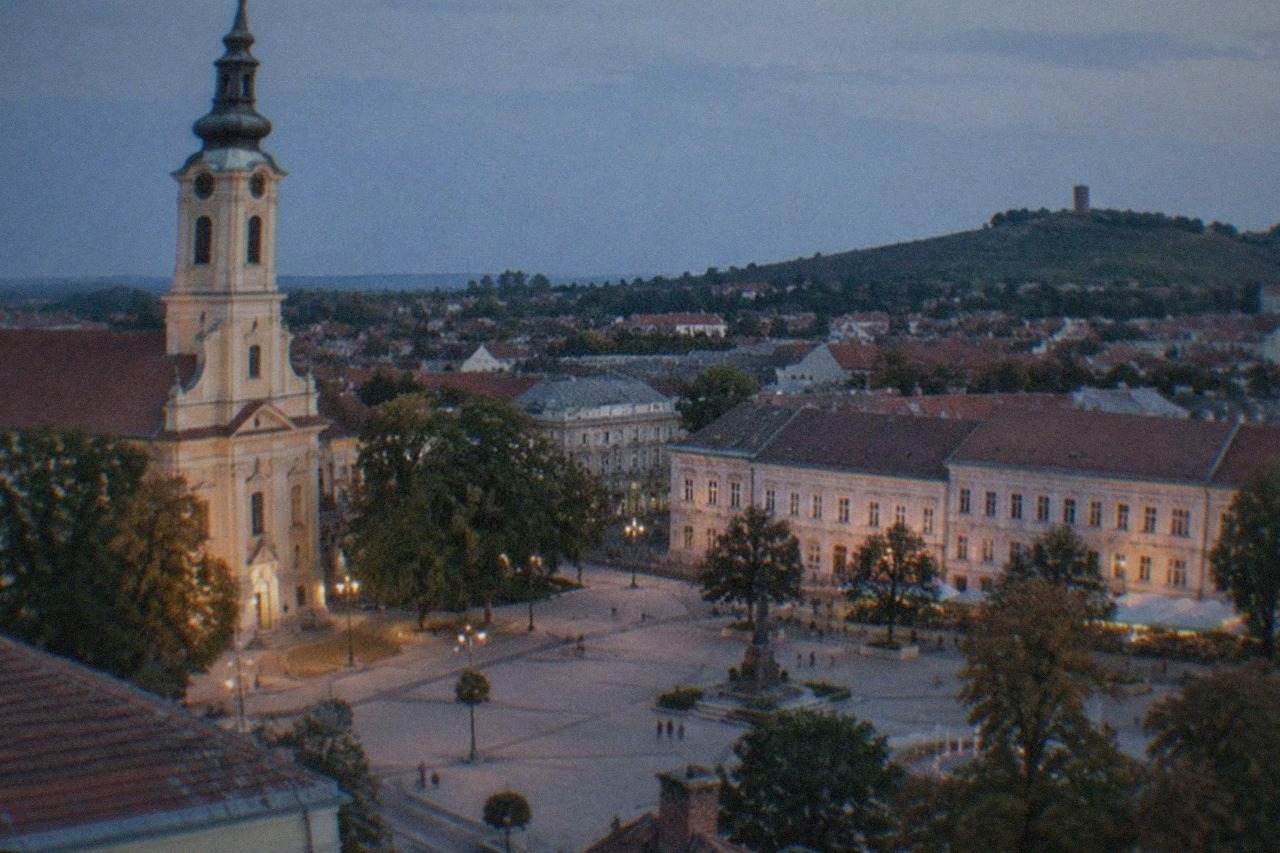
Vrsac lies in northeastern Serbia, in the Serbian half of the Banat region, directly across the external Schengen border from Timisoara's county of Timis in western Romania, and it is the closest sizeable Serbian town to the city, which is exactly what makes it the natural first international day trip for anyone based in Timisoara.
The geography matters more than the mileage. Timisoara sits only about 40 km from the Serbian frontier at its nearest points, and the crossings that serve this stretch, Jimbolia to Vrsac's side, Moravita to Vatin, and Stamora Moravita, are all local road posts rather than major motorway gates. That keeps them comparatively quiet. Live border monitoring in late September 2026 showed that waits for Romania to Serbia at these crossings were generally short.
The border itself is the key planning fact. Romania has been a full Schengen member since 1 January 2025, when land borders were absorbed, but Serbia is outside Schengen altogether. That means the frontier between the two is an external Schengen border with passport checks in both directions, and since 10 April 2026 the EU's Entry/Exit System has been fully operational at all Schengen external borders, recording fingerprints and a facial image for non-EU short-stay travelers. Anyone who needs a stamp or a biometric capture should expect the process to take a few minutes longer than it did before.
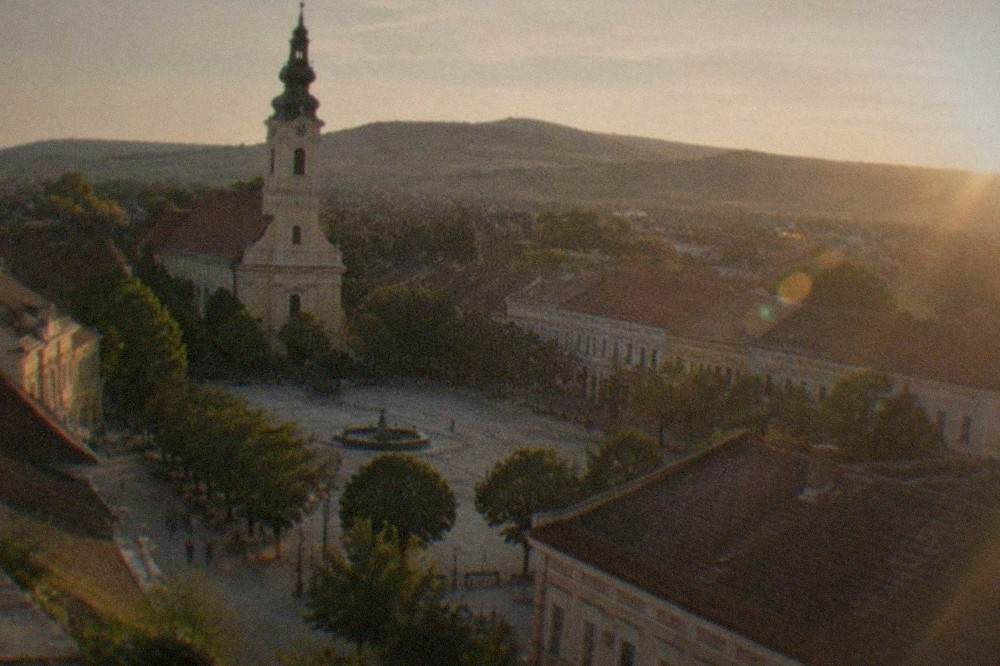
For orientation once across, Vrsac is a compact town that can be walked end to end in an afternoon. The old center, the town's hill with its medieval tower, and the surrounding wine country are the three anchors of a visit, and none of them requires a car once you have parked. Travelers who want a fuller picture of the Romanian side of the region can pair the drive out with a stop in Timisoara itself, and the things to do in Timisoara hub page covers the city's squares, museums and riverside in detail.
Which Border Crossing Should You Use From Timisoara To Vrsac?
The Jimbolia crossing is the one aimed squarely at Vrsac, since the road on the Serbian side runs toward the town directly, while Moravita to Vatin and Stamora Moravita are the alternatives, and live monitoring in late September 2026 showed typical Romania-to-Serbia waits of 20 to 30 minutes at all of them, so the choice is less about queues and more about which road suits your route.
All three posts sit on local roads through flat Banat farmland, and none of them carries the freight pressure of a motorway crossing. The Romania-to-Serbia direction is generally the lighter one: monitoring from 23 September 2026 showed waits around 20 to 30 minutes at Jimbolia-Vrsac, Moravita-Vatin and Foeni-Jasa Tomic, with the shortest often around 20 minutes at quieter points. The return direction can be longer at busy posts, with reports ranging from 20 minutes to over an hour at some crossings, so it pays to check a live border service such as the community monitors before setting off home.
| Crossing | Romanian side | Serbian side | Typical wait Romania to Serbia, Sept 2026 | Notes |
|---|---|---|---|---|
| Jimbolia | Jimbolia, Timis county | Vrsac area | 20-30 minutes | Most direct road for Vrsac |
| Moravita | Moravita | Vatin | 20-30 minutes | Alternative local post |
| Stamora Moravita | Stamora Moravita | Vrsac area | 20-30 minutes | Subject of passenger train resumption talks |
| Foeni | Foeni | Jasa Tomic | 20-30 minutes | Quieter post; return direction can exceed 1 hour |
Two further facts from the verified pack shape the paperwork side. First, the Entry/Exit System replaced routine passport stamping for non-EU short-stay travelers when it became fully operational on 10 April 2026, so passports are scanned and biometrics recorded rather than stamped. Second, because Romania is inside Schengen and Serbia is not, there is no way to make this crossing without a document check: this is not the frictionless internal border you get heading to Hungary, where routine checks ended in January 2025.
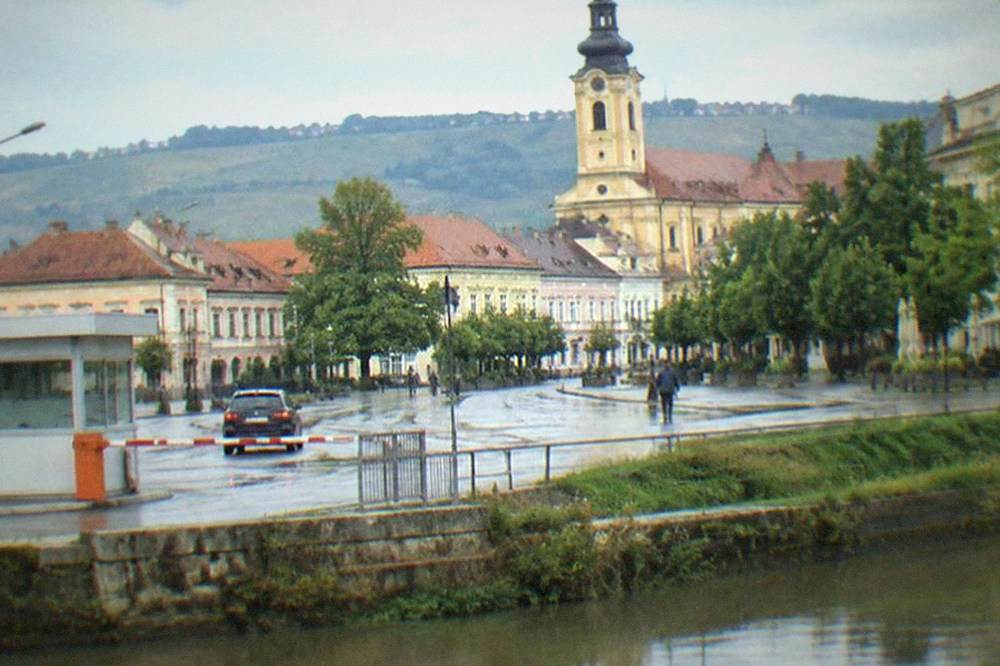
The Stamora Moravita post carries one extra piece of interest for rail watchers. In August 2026, Romanian and Serbian transport officials discussed resuming passenger trains on the Stamora Moravita to Vrsac route, but currently no restoration had been confirmed. The practical consequence for now is simple: this crossing is road traffic only.
If reading about border logistics makes a driver-led day sound more appealing than steering yourself, the options above are the guided day trips from the verified roster that suit travelers based in Timisoara, and each can be checked against the operator's live listing for current prices and dates.
How Do You Get To Vrsac Without A Car?
Getting to Vrsac without a car means the bus, because there is no direct train from Timisoara to Belgrade or onward to Vrsac currently, and the verified sources say the bus route to Belgrade takes roughly 3.5 to 4 hours with a change or stop at Vrsac on the way, so a car or a bus remains the practical choice and the train is not an option.
The train situation is the clearest fact and the one most worth stating plainly: no direct Timisoara to Belgrade service exists currently. Travel by rail requires a change, and the August 2026 talks on the Stamora Moravita to Vrsac corridor have produced no confirmed restoration. Buses, by contrast, are described in the September 2026 sources as the more straightforward option, with journey times of about 3.5 to 4 hours to Belgrade, and Vrsac sits on that corridor before the Serbian capital.
For comparison, the rail picture on the other two international corridors from Timisoara is much better. Direct trains to Budapest run roughly twice daily and take about 5.5 hours, and domestic trains reach Bucharest in about 11 to 12 hours. The Vrsac direction is the weak link, which is why the roads carry the traffic.
| Route from Timisoara | Mode | Current status | Typical journey time |
|---|---|---|---|
| Timisoara to Vrsac / Belgrade | Bus | Operating, the straightforward option | About 3.5 to 4 hours to Belgrade |
| Timisoara to Belgrade | Train | No direct service; resumption talks only | Not available direct |
| Timisoara to Budapest | Train | Direct, twice daily | About 5.5 hours |
| Timisoara to Bucharest | Train | Direct | About 11 to 12 hours |
| Timisoara to Vrsac | Car via Jimbolia | Operating | Not stated in verified sources |
Inside Timisoara itself, the starting point for any of this is easy. The city's public transport network runs trams, trolleybuses and express buses on a single integrated ticket: 5 lei for a 60-minute ride or 18 lei for a day pass, both valid on the Bega water bus in season. Payment works with a contactless bank card on board, an e-wallet card, SMS, mobilPay, eTicket or the STPT kiosks, and live arrivals are available through the operator's real-time service. The getting around Timisoara guide covers the network in full.
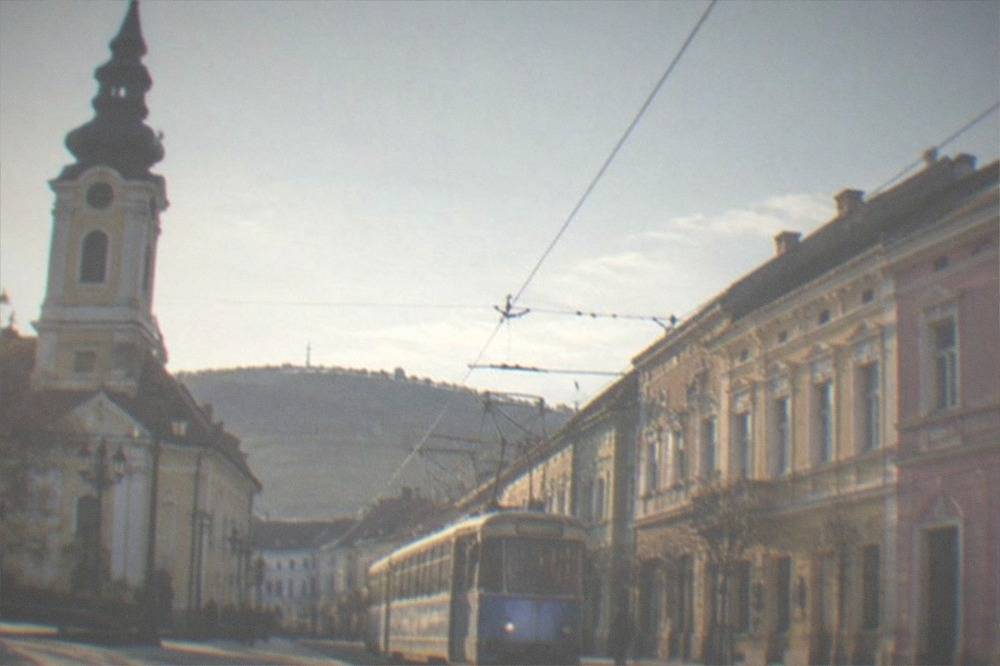
One seasonal note worth folding in: the water bus on the Bega runs from 1 April to the end of October with nine stops per direction at the standard 5 lei fare, so a spring or autumn trip can begin with a boat ride to the point where you catch your onward transport, and end with one back toward the center.
What Should You Actually See And Do In Vrsac?
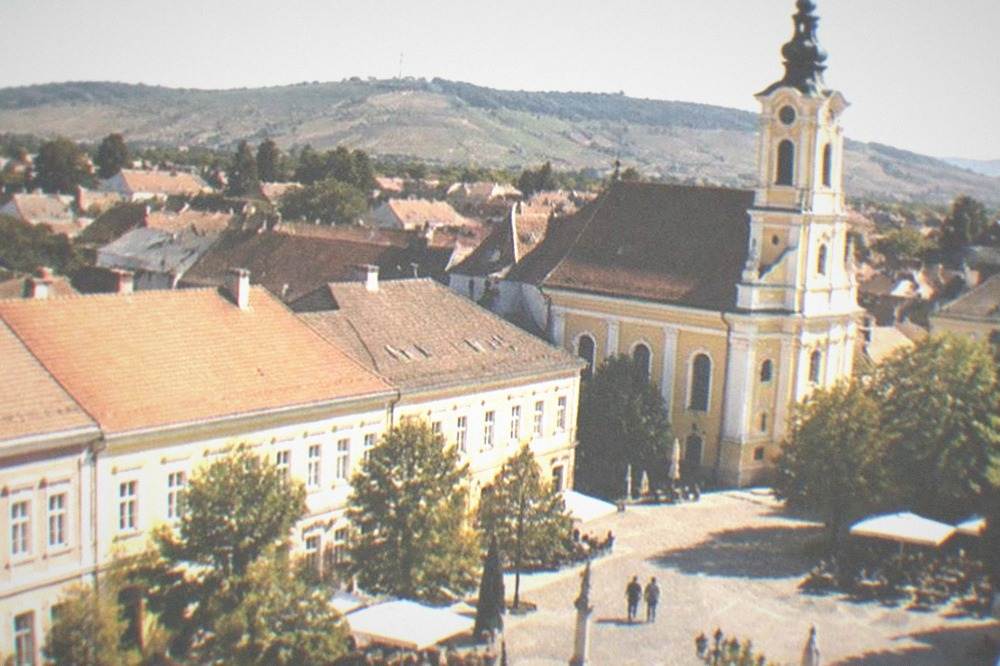
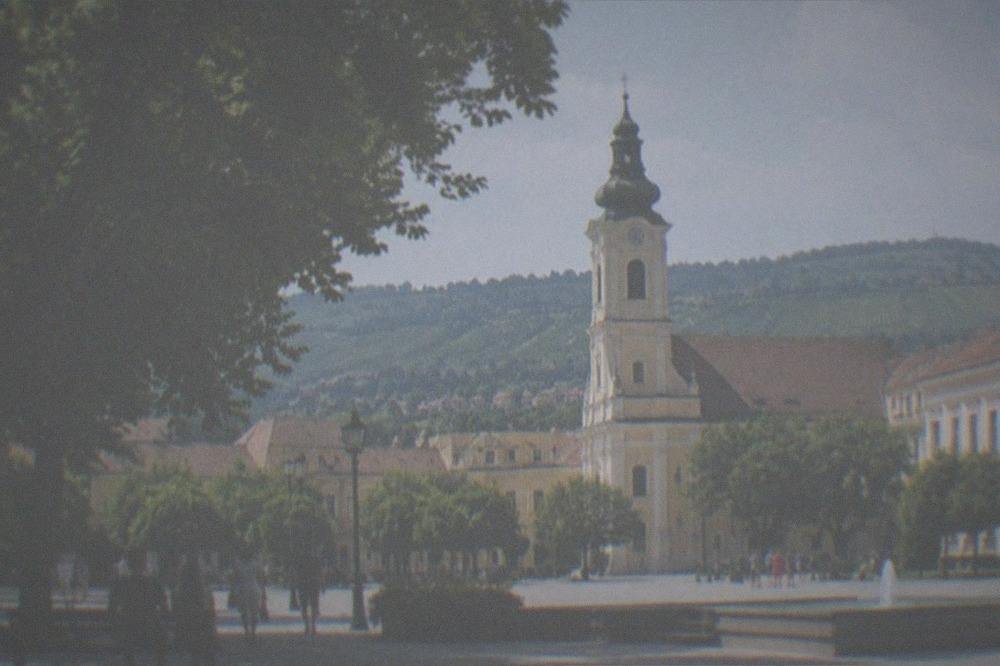
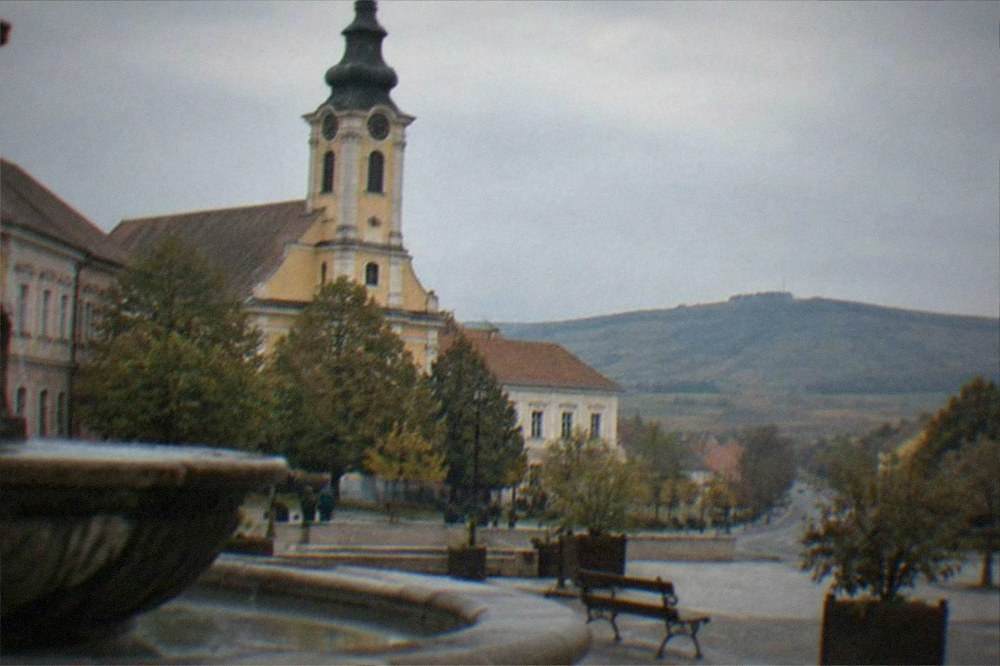
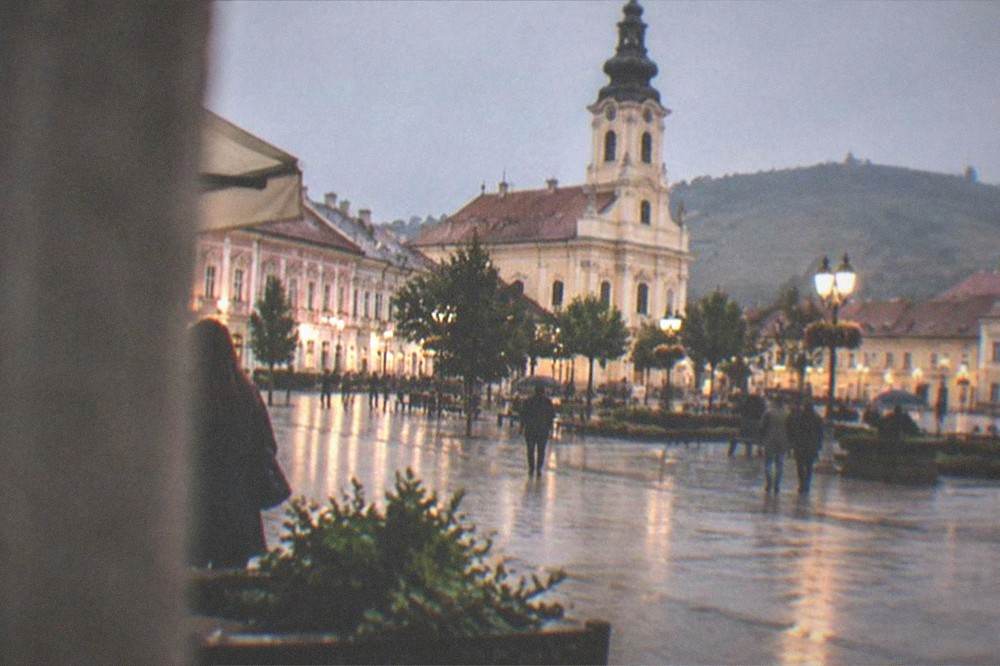
A day in Vrsac divides naturally into three parts: the compact old center with its squares and cafes, the hill above town crowned by the medieval Vrsac Tower, and the surrounding wine country that gives the town its reputation, and all three are close enough together that a visitor without a car can manage the first two on foot and the third by taxi or an organized tasting.
The tower is the town's landmark and the reason most photographs of Vrsac look the way they do: it stands on a hill at the edge of the built-up area, visible from the plain in every direction, and the walk up passes through woods before opening onto a view across the whole flat Banat. The old center below is a grid of squares and pedestrian streets with the usual mix of cafes, pastry shops and church spires, and it rewards slow wandering more than any fixed itinerary.
Wine is the town's other claim. The hills around Vrsac are among Serbia's best-known wine-growing areas, and local tasting rooms serve the region's whites. Tasting fees vary by room, so check with the venue before committing to a schedule; the verified pack does not publish a tariff for any Vrsac producer, and this site does not print invented figures.
| Vrsac activity | Setting | Time needed | Best for |
|---|---|---|---|
| Walk up to the Vrsac Tower | Wooded hill above town | Half a morning or afternoon | Views, photographs |
| Old center wander | Squares and pedestrian streets | 1 to 2 hours | Cafes, architecture |
| Wine tasting in the surrounding hills | Local tasting rooms | Half a day with transport | Food and wine travelers |
| Lunch in the center | Traditional restaurants | About 1 hour | Banat and Serbian dishes |
Because the town is small, the temptation is to rush it. Do not. The point of Vrsac, for a traveler from Timisoara, is the contrast: the same Banat landscape, the same Habsburg-era squares, but a different currency, a different language and a different pace. A long lunch and a slow climb beat a checklist. Travelers who want more structure on the Romanian side can build a contrast day around the city's own headline spaces, such as Union Square in Timisoara or Victory Square, both of which are covered in dedicated guides.
What About Money, Papers And Phones At The Border?
Serbia uses the Serbian dinar, not the euro and not Romania's leu, so a Vrsac day trip needs a second currency or a card that works abroad, and travelers need a valid passport because this is an external Schengen border with full checks, while EU citizens can cross on ID cards and should still expect the Entry/Exit System scan on the Romanian side.
The currency point trips people up more than any other. Romania's own currency is the Romanian leu (RON), and the euro is not adopted there; Serbia, in turn, has the dinar. Cards are widely usable in Vrsac's cafes and restaurants, but small tasting rooms and market stalls may prefer cash, so withdrawing a modest amount of dinars after crossing, or before departure, saves awkwardness. For reference, the Romanian central bank's reference rate on 23 September 2026 was 5.2788 RON to 1 EUR, useful for judging prices on the Romanian side of the day.
Papers are straightforward but non-negotiable. The border is external Schengen, so checks run in both directions, and the Entry/Exit System has been fully operational at all external borders since 10 April 2026. Non-EU travelers should expect biometric capture, fingerprints plus a facial image, in place of the old passport stamp. EU citizens cross more lightly but still show documents.
| Practical item | Romanian side | Serbian side |
|---|---|---|
| Currency | Romanian leu (RON) | Serbian dinar |
| Border status | Schengen internal since 1 Jan 2025 | External Schengen border |
| Document checks | Yes, outbound and inbound | Yes, both directions |
| Biometric EES capture | For non-EU short-stay travelers | N/A, Serbia outside the system |
| Emergency number | 112 | 112 |
Roaming is worth a thought too. EU roaming rules cover Romanian SIMs across the EU, but Serbia is not in the EU, so a Romanian or other EU SIM may incur non-EU roaming charges the moment you cross. Downloading offline maps before leaving Timisoara, and noting that the border posts themselves sit in coverage dead zones on at least one side, is the kind of small preparation that makes the day run smoothly.
When Is The Best Time Of Year For A Vrsac Day Trip?
The best window for a Vrsac day trip from Timisoara runs from late April through early October, when the JMA climate normals for Timisoara's station show monthly means climbing from 12.3 C in April to 22.8 C in July, but June is the wettest month at 79.1 mm and March the driest at 34.1 mm, so midsummer visits trade warmth against the year's highest rainfall.
The climate data comes from the verified normals for station TIMISOARA 15247, which sits at 86 m altitude a short distance from the border, and it describes a continental pattern: cold winters, warm summers and rain distributed through the year with a June peak. A tower climb in January, with a mean of 0.0 C, is a different proposition from the same walk in July, and the wine country is at its most inviting when the vines are in leaf.
| Month | Mean temperature, C | Precipitation, mm | Day-trip verdict |
|---|---|---|---|
| March | 6.5 | 34.1 | Driest month, still cool |
| April | 12.3 | 50.6 | Comfortable walking weather |
| May | 17.3 | 57.2 | Good all-round month |
| June | 20.9 | 79.1 | Warm but the wettest month |
| July | 22.8 | 61.9 | Warmest month |
| September | 17.2 | 50.4 | Excellent, post-summer calm |
| October | 11.5 | 50.0 | Last comfortable window |
Festival timing can sweeten a visit, though the verified pack is thin on Serbian-side events and this site does not print unverified dates. On the Romanian side, the pack confirms Timisoara's Jazz Festival for 25 to 27 September 2026 and the city celebration for 31 July to 3 August 2026, so a summer or early-autumn Vrsac day can be slotted around a festival evening back in the city. The best time to visit Timisoara guide unpacks the seasonal logic in more depth.
How Does Vrsac Compare With Timisoara's Other Day Trips?
Vrsac is the shortest and easiest international day trip from Timisoara, while the Romanian options trade the border for distance, with the Banat waterfall gorges, the Danube gorges and the Transylvanian castle routes all running longer days, so the choice comes down to whether the appeal of crossing into Serbia outweighs the depth of scenery available inside Romania.
The contrast is stark and worth spelling out. Vrsac is a half-day-out, full-day-back proposition with a border crossing in the middle. The Romanian day trips in the verified roster are proper expeditions: the Danube Gorge and Banat Waterfalls trip runs 10 to 12 hours, the Corvin Castle and Sibiu day runs 11 to 13 hours, and the Retezat National Park visit runs about 12 hours. Those figures come from the operators' listings and are rendered by the tour cards rather than typed here.
| Day trip from Timisoara | Country | Character | Border involved |
|---|---|---|---|
| Vrsac | Serbia | Small town, tower, wine | External Schengen border |
| Nera Gorge and Beusnita | Romania | Gorges, waterfalls, forest | None |
| Danube gorges at Cazanele | Romania | River cliffs, boat scenery | None |
| Corvin Castle and Sibiu | Romania | Gothic castle, historic city | None |
| Novi Sad | Serbia | Danube city, fortress | External Schengen border |
| Belgrade | Serbia | Capital city, full day | External Schengen border |
For travelers weighing the Serbian options against each other, Vrsac is the light one and Belgrade the heavy one, with Novi Sad sitting between them as a Danube city with a fortress. All three share the same border mechanics described above, so the paperwork advice is identical; only the driving time changes. If the border feels like more friction than the destination justifies, the Romanian waterfall country at Nera Gorge delivers dramatic scenery with no checks at all.
The three options above suit travelers who decide the Romanian interior deserves the day instead, and every price, rating and duration shown renders from the operators' verified listing data, so what you see is what the operator publishes today.
Can You Combine Vrsac With Anything Else In One Day?
A realistic combined day pairs Vrsac with either the Romanian borderland on the way out or a relaxed evening back in Timisoara, but combining it with another Serbian destination in the same day is only sensible if you have a car and accept a long return, because the bus corridor runs Vrsac then Belgrade and a two-stop Serbia day pushes the schedule hard.
The car makes combinations easy. The road out of Timisoara toward Jimbolia passes through flat Banat villages that rarely appear on itineraries, and a morning coffee stop before the border turns the drive itself into part of the day. On the Serbian side, the wine hills around Vrsac can absorb an afternoon without any need to push further south.
The evening return is where Timisoara rewards you. The city's restaurant and cafe scene is covered in the Timisoara restaurants guide, and the Timisoara food guide explains the regional dishes that Vrsac's kitchens echo in their own way, since both towns draw on the same Banat culinary tradition. A day that starts with Serbian grill and ends with Romanian paprikash is a fair summary of what the region's shared history tastes like.
For a different kind of pairing, the city's own history is worth an hour before or after: the Memorial Museum of the Revolution explains the 1989 events that began in Timisoara, and the Theresia Bastion is an old fortress fragment that photographs well. Both anchor a morning in the city that balances an afternoon abroad.
Common Questions About A Vrsac Day Trip From Timisoara
Do you need a passport to visit Vrsac from Timisoara?
The Serbia border is an external Schengen border with document checks in both directions. EU citizens can cross on national ID cards; everyone else needs a valid passport, and since 10 April 2026 the Entry/Exit System records biometrics for non-EU short-stay travelers instead of stamping passports.
How long is the wait at the border between Timisoara and Vrsac?
Live monitoring in late September 2026 showed typical waits of 20 to 30 minutes for Romania to Serbia at the Jimbolia, Moravita and Foeni crossings, with the return direction sometimes running longer at busier posts. Queues change day to day, so check a live border monitor before setting off.
Is there a train from Timisoara to Vrsac?
No. Currently there is no direct train from Timisoara to Belgrade or to Vrsac. Romanian and Serbian officials discussed resuming passenger trains on the Stamora Moravita to Vrsac route in August 2026, but nothing has been confirmed, and buses remain the straightforward option.
What currency do you need in Vrsac?
Serbia uses the Serbian dinar. Romania uses the Romanian leu (RON) and has not adopted the euro, so a day trip involves two currencies unless you pay by card throughout, which works in most cafes and restaurants but not everywhere.
Is Vrsac worth a day trip from Timisoara?
For travelers based in Timisoara who want the experience of crossing into Serbia without committing to a Belgrade-length day, Vrsac is the easiest option: a compact old center, a hilltop tower walk and wine country, all reached through quiet local border crossings.
When is the best month to visit Vrsac?
May through September is the comfortable window. The verified climate normals for the Timisoara station show July as the warmest month at a mean of 22.8 C and June as the wettest at 79.1 mm, while April, May and September offer a good balance of warmth and manageable rain.
A Vrsac day trip is the region's cross-border story in miniature: one shared Banat landscape split by a frontier, close enough that the border is the only real obstacle, and rewarding precisely because it is so easy to reach.