Banat Villages
The countryside around Timisoara, in the Banat region of western Romania, is a patchwork of villages where Romanian, Serbian, German and Hungarian traditions still share the same lanes. Here is how to plan a village day trip from the city.
Short answer
The most rewarding Banat villages to visit from Timisoara are those reachable on a half-day or full-day countryside trip east and south of the city, including villages around the Nera valley and the foothills of the Semmering-style mountain railway. A guided countryside tour with lunch is the easiest way in; independent travel is possible but slow.
The Banat villages around Timisoara, in Timis County in western Romania, are the quiet half of a city break that many visitors never see. Timisoara itself is a city of squares, Secession facades and café terraces, but within an hour of its edges the land flattens into plum orchards, walnut trees and villages where the church bell still sets the rhythm of the afternoon. Under its Hungarian name, Temesvár, the city governed this countryside for centuries, and the villages still carry the marks of that mixed heritage: Romanian, Serbian, German and Hungarian households, often in the same settlement, sometimes on the same street. This guide covers which villages are worth the trip, how to reach them, and how to fit them into a wider western Romania itinerary.
What Are The Banat Villages Near Timisoara?
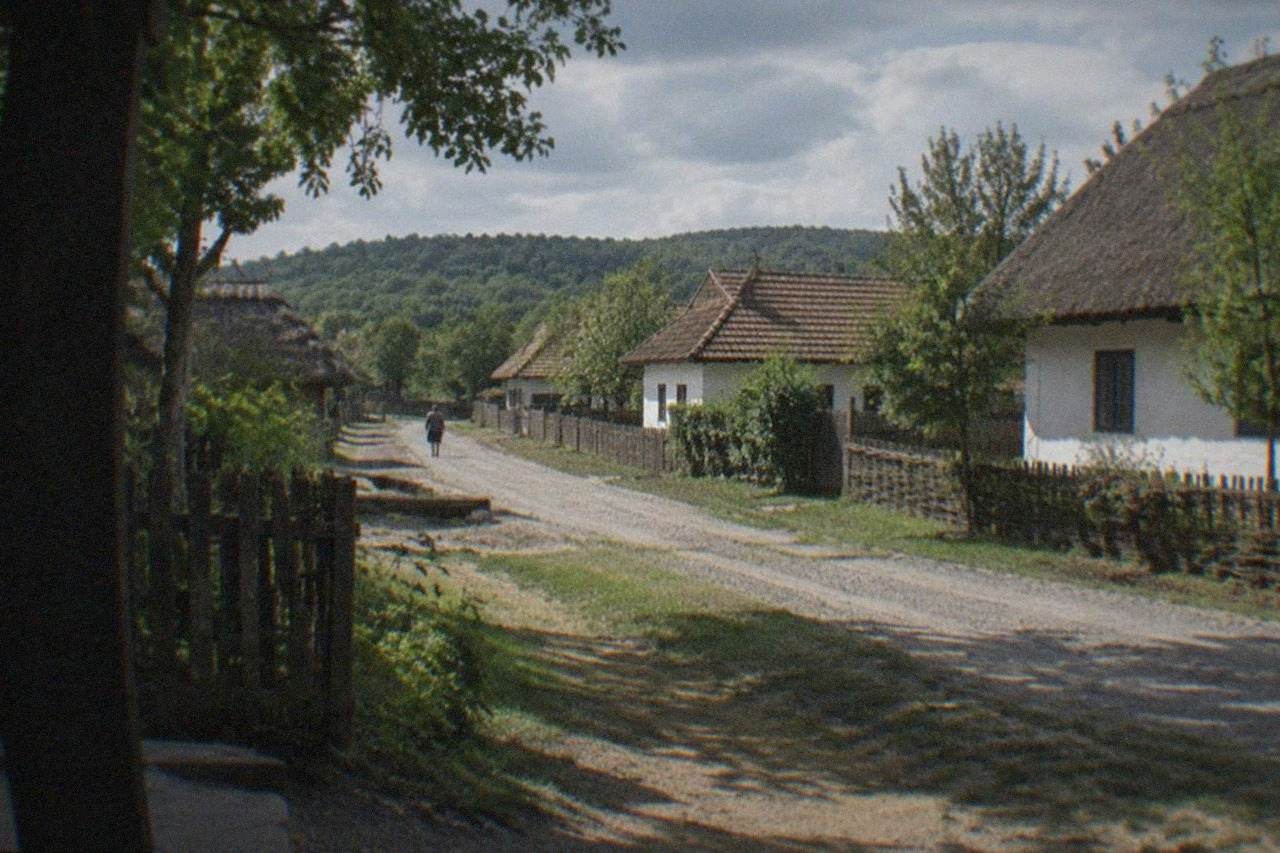
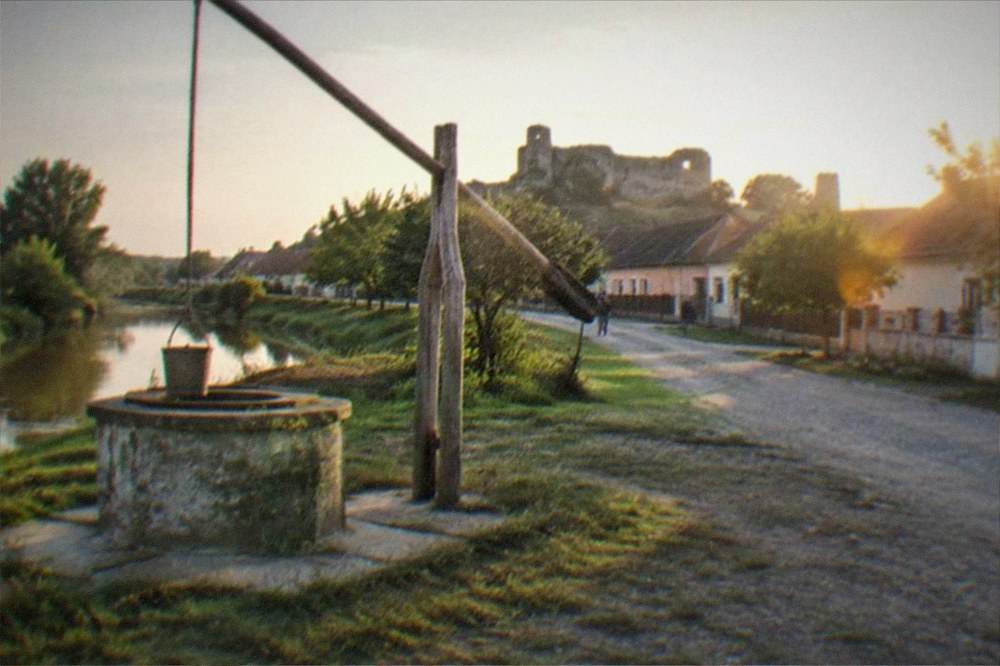
The Banat villages are the small rural settlements scattered across the plains and low hills east and south of Timisoara, in the historical Banat region that Romania now shares with Serbia and Hungary. They are not a single named cluster but a countryside of farming villages marked by mixed ethnic heritage, roadside wells, painted house fronts and slow, agricultural rhythms, several of which sit within an easy half-day drive of the city.
The Banat itself is one of Europe's more unusual cultural experiments. When the Habsburgs took control of the region, they repopulated a depopulated frontier with colonists from across central Europe, which is why a village an hour from Timisoara can have a Romanian Orthodox church, a Serbian Orthodox church and the shell of a German Catholic one, all within walking distance of each other. The German communities largely emigrated in the decades after the Second World War, but their houses, barns and church towers remain, and several villages have begun restoring them.
For a visitor, this means the countryside is not just scenery. It is a living museum of coexistence, and one that pairs naturally with the city. If you are working through the main things to do in Timisoara list, a village day is the natural third or fourth day, once the squares and museums of the old town have been absorbed. The contrast is the point: Piata Unirii's baroque palaces and the Union Square area sit barely an hour from lanes where the loudest sound is a horse cart.
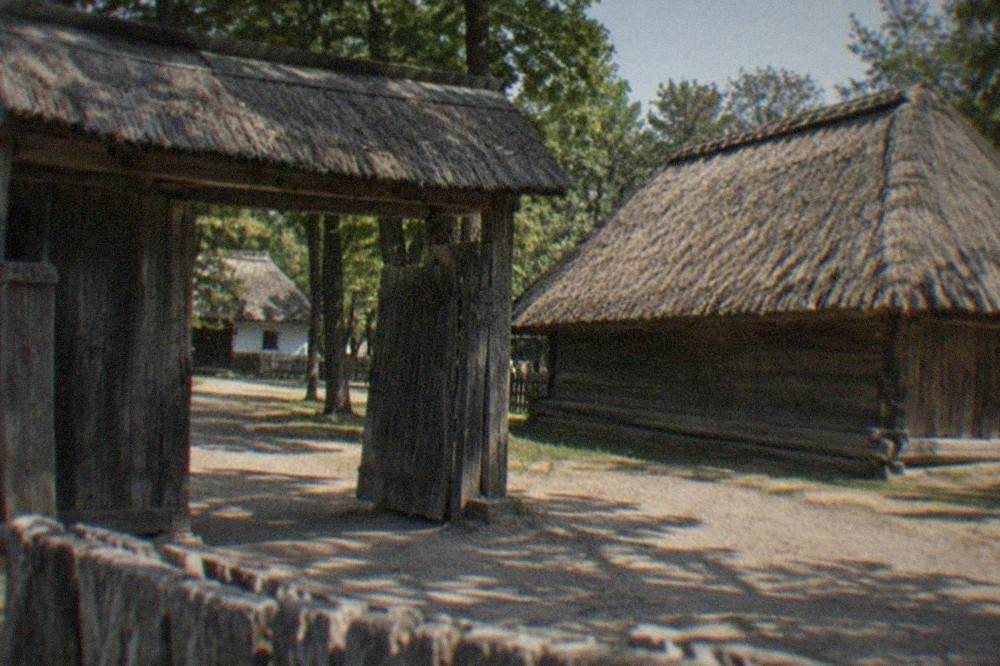
A good way to understand what the region is about before heading out is the Banat Village Museum inside Timisoara itself, an open-air collection of relocated village houses, wells and churches that documents exactly the rural architecture you will meet in the countryside. The museum is open Wednesday to Saturday from 10:00 to 18:00 and Sunday from 12:00 to 20:00, closed Monday and Tuesday, per its own site.
Which Banat Villages Should You Visit From Timisoara?
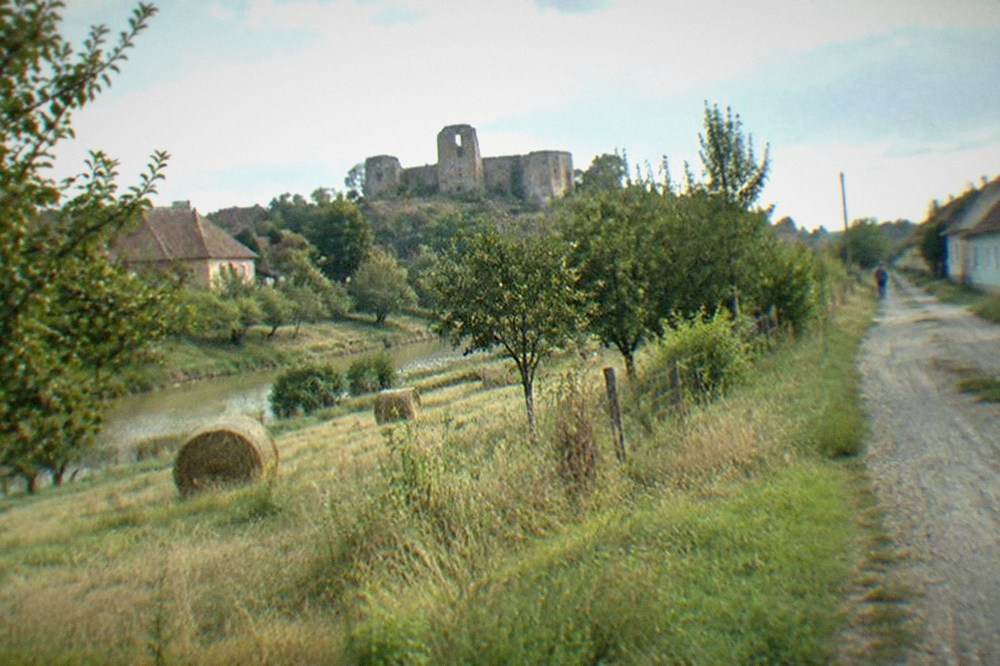
The villages most worth visiting from Timisoara fall into three bands: the plain villages immediately east of the city around Buzias and Lugoj, the hill villages along the Banat Semmering railway line towards Caransebes, and the mountain-edge settlements of the Nera and Caras valleys further south. Each band suits a different day length, from a half-day loop to a full-day circuit, and the guided countryside options cover the first band most easily.
The plain villages are the closest and the easiest. Around Buzias, a former spa town with tree-lined promenades, and Lugoj, a market town on the Timis river, the roads thread between villages with wide courtyards, orchards and the occasional painted facade. This is the countryside that the classic half-day trips reach, and it is where you will find the homesteads that still cook for visitors.
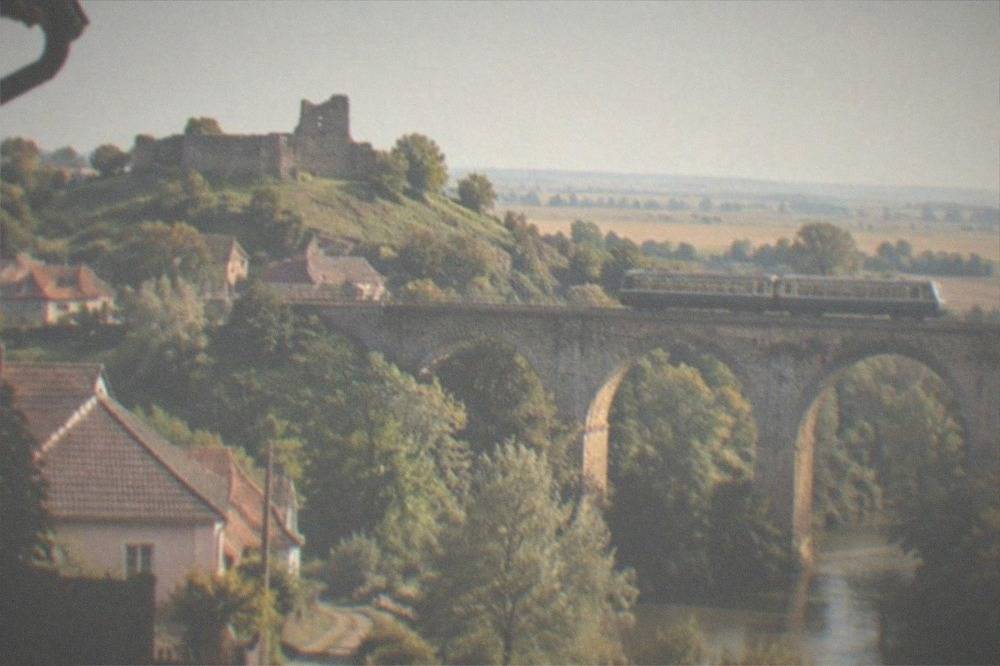
The hill band follows the old railway. The Banat Semmering railway climbs through the Poiana Rusca mountains on viaducts and horseshoe curves, and the stations along it are small mountain villages that the train still serves. This is the most scenic of the three bands and rewards a full day.
The southern band is the wildest. The villages around the Nera Gorge and towards the Danube, including those near Bigar Waterfall, sit at the edge of the Caras-Severin highlands, where the houses get stonier and the forests close in. These are full-day destinations, best combined with the gorges and waterfalls rather than visited for their own sake.
| Band | Direction from Timisoara | Character | Best Suited To |
|---|---|---|---|
| Plain villages (Buzias, Lugoj area) | East | Orchards, courtyard houses, spa-town fringe | Half-day trips, food-focused visits |
| Hill villages (Semmering line) | Southeast | Mountain hamlets, viaducts, forest slopes | Full-day scenic circuits |
| Valley villages (Nera, Caras) | South | Stone houses, gorges, waterfalls | Full-day nature-plus-heritage trips |
If you would rather have someone else handle the route, the countryside options below are the ones that fit this page best.
The half-day countryside trip with lunch is the most direct match for village visiting, since it exists precisely to take city visitors into the surrounding villages and feed them there. For travelers with a full day and a taste for walking, there is also a hiking-focused option that reaches the remoter Banat settlements.
How Do You Get From Timisoara To The Banat Villages?
The practical ways to reach the Banat villages from Timisoara are a rental car, a booked guided tour, or the regional train network towards Lugoj and Caransebes; there is no single village bus and no hop-on circuit. A car gives full freedom on the plain and hill roads, a tour removes all navigation, and the train works best for the Semmering line villages where the railway itself is the attraction.
Driving is straightforward. The A1 motorway runs east from Timisoara towards Arad and Lugoj, and a new four-lane link road connecting the city directly to the A1 opened to traffic in September 2026, which shortens the run towards the eastern plain villages. Southbound roads towards Buzias and the Nera valley are ordinary national roads, well surfaced but single carriageway. Fuel up in the city, since village petrol stations are sparse in the southern band.
The train is underrated. Regional services from Timisoara Nord towards Lugoj and Caransebes stop at small stations along the way, and the Semmering section is one of the most scenic rail rides in Romania. Check current timetables before committing, since regional frequencies are limited and works can alter schedules. Buses fill the gaps to towns but rarely serve the smallest villages at useful times.
A guided tour solves all of this at once, and for a first visit it is usually the calmest choice. The operator's live listing carries the current price, meeting point and schedule.
What Is There To Do In The Banat Countryside?
The main things to do in the Banat countryside around Timisoara are eating village-cooked food, visiting the region's churches and restored farmhouses, walking or riding through the hills, tasting local wine, and photographing the vernacular architecture; the pace is deliberately slow, built around one long lunch and one or two stops rather than a checklist.
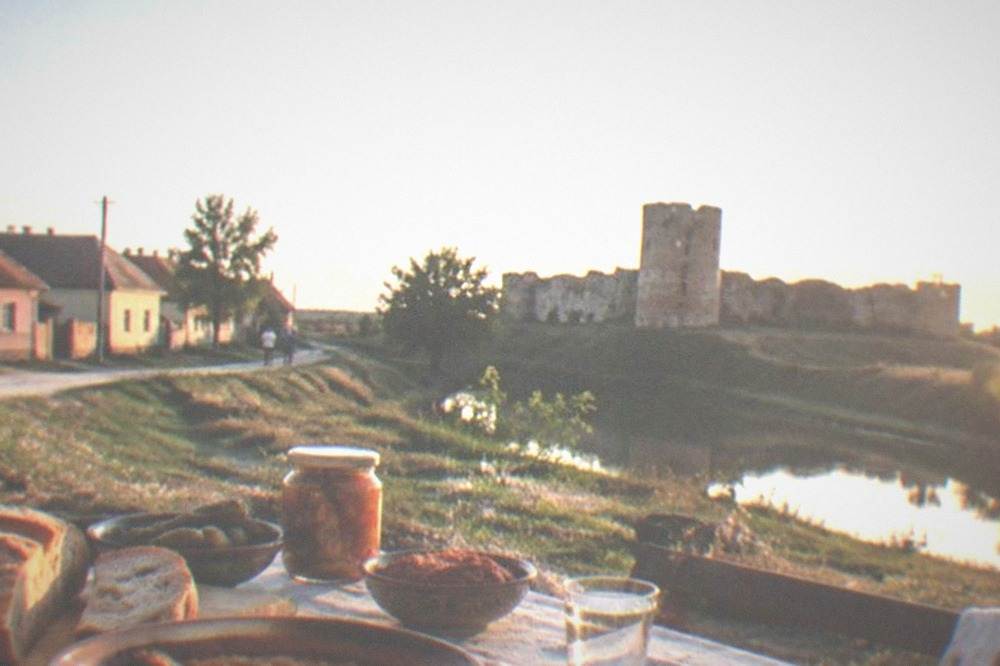
Food is the anchor. Village kitchens in the Banat plain still cook the old mixed menu: sour soups, pork and chicken stews, homemade bread, and preserves from the orchard. Several village households around Timisoara receive visitors for lunch, and the guided half-day options build the entire trip around that meal. Back in the city, the same traditions appear on restaurant menus, so a village lunch pairs well with a read of the broader Timisoara food scene.
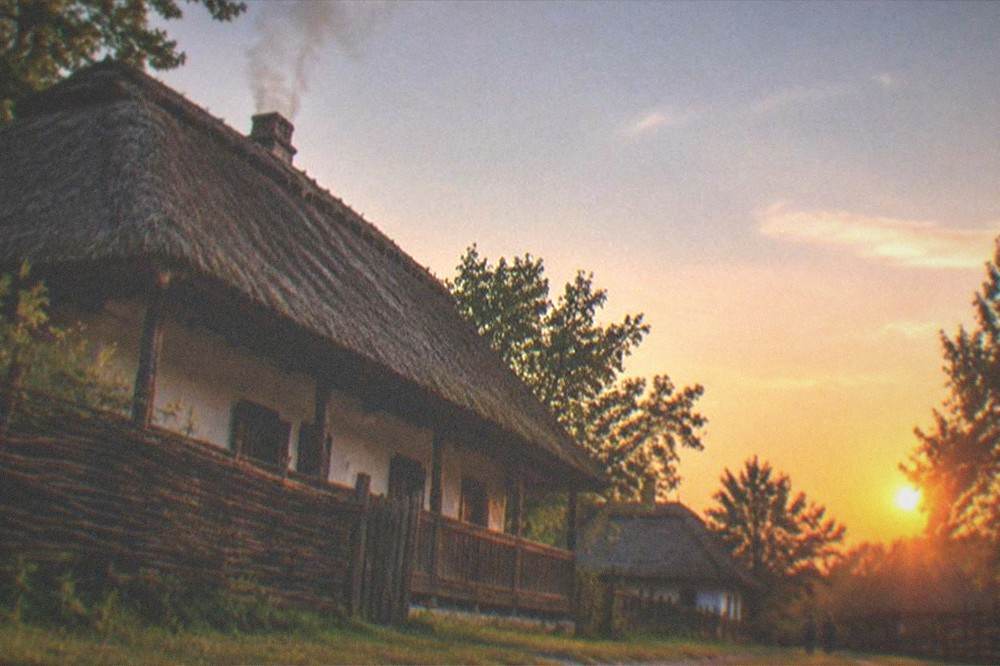
Heritage comes second. The village church, whatever its denomination, is usually the oldest standing structure, and the German-built houses, with their long low profiles and street-facing courtyards, are the region's signature architecture. The Banat Village Museum in Timisoara, mentioned above, is the best primer, and the countryside is where you see the real thing in situ.
Walking and wine fill the rest. The hill band has forest paths between hamlets, and the plain has quiet lanes between orchards. On the wine side, the Banat's best-known vineyard area lies at Recas, a short drive from the city, covered in our Recas winery day trip guide; there is also a winery closer to the city that runs its own tasting visits.
When Is The Best Time To Visit The Banat Villages?
The best time to visit the Banat villages around Timisoara is May to September, when the JMA climate normals for the Timisoara station show means rising from 17.3 C in May to a peak of 22.8 C in July, with June the wettest month at 79.1 mm and the late summer drier; spring and early autumn give the best balance of warmth, greenery and fewer afternoon storms, while winter villages are atmospheric but cold at a 0.0 C January mean.
The continental climate here swings hard between seasons. The JMA normals for station Timisoara 15247 give the full picture, and the table below condenses it for trip planning. April warms quickly to a 12.3 C mean but carries 50.6 mm of rain, so the orchards flower and the lanes mud over in the same month. September, at 17.2 C and 50.4 mm, is arguably the sweet spot: harvest colors, stable weather, and the village kitchens cooking from the new crop.
| Month | Mean Temp (C) | Precipitation (mm) | Village Visit Notes |
|---|---|---|---|
| March | 6.5 | 34.1 | Driest month of the year, still cold |
| April | 12.3 | 50.6 | Orchard blossom, soft ground |
| May | 17.3 | 57.2 | Green and warm, good walking |
| June | 20.9 | 79.1 | Wettest month, afternoon storms |
| July | 22.8 | 61.9 | Warmest month, full summer pace |
| August | 22.5 | 54.6 | High summer, ripening orchards |
| September | 17.2 | 50.4 | Harvest season, best all-round month |
| October | 11.5 | 50.0 | Autumn colors, cooling fast |
Winter has its own case. The January mean of 0.0 C and the December mean of 1.5 C make the villages cold, but the region's Christmas traditions are strong, and the city's own market season, covered in our Christmas in Timisoara guide, gives a village visit a festive frame. Just check ahead: some village households that cook for visitors pause their kitchens in deep winter.
Where Do The Banat Villages Fit In A Longer Western Romania Trip?
The Banat villages work best as the countryside day of a Timisoara-based itinerary of three to seven days, paired on other days with the region's bigger draws: the Nera gorges and waterfalls to the south, the spa town of Baile Herculane, the Danube gorges towards Orsova, and the cross-border cities of Vrsac in Serbia or Szeged in Hungary, all of which radiate from Timisoara along decent roads and one scenic railway.
A sensible week, based in Timisoara, looks like this: two days for the city itself, including the squares, the Metropolitan Orthodox Cathedral and the Theresia Bastion; one day for the villages, either guided or by car; one day for the Nera valley and its waterfalls; one day for the Danube gorges or Baile Herculane; and, if borders appeal, one day for Vrsac or Szeged, both close enough that the border is a formality.
| Day Trip From Timisoara | Direction | Type | Pairs Well With |
|---|---|---|---|
| Banat villages (this guide) | East / southeast | Rural heritage and food | City sightseeing days |
| Nera Gorge and Beusnita | South | Gorges, lakes, waterfalls | Bigar Waterfall |
| Banat Semmering railway | Southeast | Scenic train, mountain villages | Lugoj |
| Recas winery | Northeast | Wine tasting | Village lunch loop |
| Baile Herculane | Southeast | Historic spa town | Semmering railway |
| Danube gorges (Cazanele) | South | River cliffs, boat trips | Decebalus rock sculpture |
| Vrsac | Southwest, Serbia | Cross-border market town | Village plain loop |
The border point matters more than it used to. Romania is a full Schengen member, with air and sea accession on 31 March 2024 and full land-border integration on 1 January 2025, so crossing into Hungary towards Szeged involves no routine checks. The Serbian border, by contrast, remains an external Schengen border with passport control, and live queue monitors showed typical waits of roughly 20 to 30 minutes at crossings near Timisoara in late September 2026, so build a buffer into any Vrsac or Belgrade day.
For the village day itself, the guided options remain the simplest fit for a tight itinerary, and the trio below covers the three most useful angles: countryside with lunch, wine, and the city heritage context.
What Should You Know Before Visiting Rural Banat?
Before visiting the Banat villages you should know four practical things: the currency is the Romanian leu, not the euro, and village shops and households expect cash; English and German are thinner on the ground than in Timisoara, so a few Romanian phrases help; Romania's Schengen membership means no border formalities on the Hungarian side but full checks towards Serbia; and a local tourist tax of two percent of the accommodation tariff, as reported for 2026, is collected by lodging providers if you overnight in a village guesthouse.
Money first. The Romanian leu (RON) is the till currency everywhere, and the euro is not adopted; the Banat countryside is more cash-dependent than the city, where contactless payment works on public transport and in most cafés. Bring leu in notes small enough for a village shop. The national bank's reference rate, published daily, was 5.2788 RON per euro on 23 September 2026, useful for mental conversion if you arrive with euros.
Language is a genuine consideration. In Timisoara, English is widespread in tourism-facing businesses, but in the villages Romanian dominates, with Hungarian and Serbian present in mixed communities and German remembered mainly by the older generation and on building inscriptions. A greeting and a thank-you in Romanian open doors faster than any card.
| Topic | City (Timisoara) | Banat Villages | Practical Advice |
|---|---|---|---|
| Payment | Cards widely accepted | Cash expected | Carry small leu notes |
| Language | English common in tourism | Mostly Romanian | Learn a greeting and thank-you |
| Border travel | N/A | Hungary free, Serbia checked | Buffer time for Serbia trips |
| Opening rhythm | Full daily schedule | Midday pause, early close | Plan lunch as the anchor stop |
| Accommodation tax | Collected by hotel | Collected by guesthouse, if staying | Reported at 2% of tariff for 2026 |
Rhythm is the last thing to internalize. Village days run early and pause at midday. Shops close for the middle of the day, meals happen at home, and the afternoon restarts slowly. Plan around a long lunch rather than against it, and the countryside will feel generous instead of shut. For more on the city side of the equation, the Timisoara Travel Guide homepage collects the full set of itineraries, from one day to a week.
Common Questions About The Banat Villages
Are the Banat villages worth visiting from Timisoara?
Yes, if you have at least three days in the region. The villages are the countryside half of what makes Timisoara distinctive, and a half-day or full-day trip shows a side of the Banat that the city squares cannot. Travelers with only one or two days are usually better served by the city itself.
Can you visit the Banat villages without a car?
You can, but it takes planning. Regional trains from Timisoara Nord reach the towns and the Semmering line villages, and booked tours cover the plain villages with lunch included. Public buses serve towns like Buzias and Lugoj but rarely the smallest settlements, so a tour or a rental car is the practical answer for village proper stops.
What food is the Banat countryside known for?
Village kitchens in the Banat cook sour soups, pork and chicken stews, homemade bread and orchard preserves, with the menu shifting by season. A village lunch is the standard centerpiece of a countryside day trip, and the guided half-day options from Timisoara are built around exactly that meal.
Do people in the Banat villages speak English?
Less than in Timisoara. Romanian is the working language of the countryside, with Hungarian and Serbian present in mixed communities. Basic Romanian phrases go a long way, and guided tours remove the language question entirely.
How far are the Banat villages from Timisoara?
The nearest plain villages sit within an easy half-day drive of the city, the hill villages along the Semmering railway line are a full-day round trip, and the southern valley villages near the Nera gorges are best combined with a nature day rather than visited alone. Exact driving distances vary by route, so check your specific destination before setting out.
What is the difference between the Banat and Transylvania?
The Banat is the region around Timisoara, in western Romania along the Serbian and Hungarian borders, historically repopulated under the Habsburgs with mixed Romanian, German, Serbian and Hungarian communities. Transylvania lies further north and east, beyond the Carpathian crest, with a different history and landscape. The villages this guide covers are Banat villages, not Transylvanian ones.
Whether you take a guided half-day with lunch, ride the Semmering line through the hill hamlets, or drive the plain lanes east of the city with a map and a full tank, the Banat villages repay the hour it takes to reach them, and they turn a Timisoara city break into something closer to a portrait of the whole region.