Romania Travel Essentials
Entry rules, the leu, trams, climate and safety: the practical basics every visitor needs before landing in Timisoara, in western Romania's Banat region.
Short answer
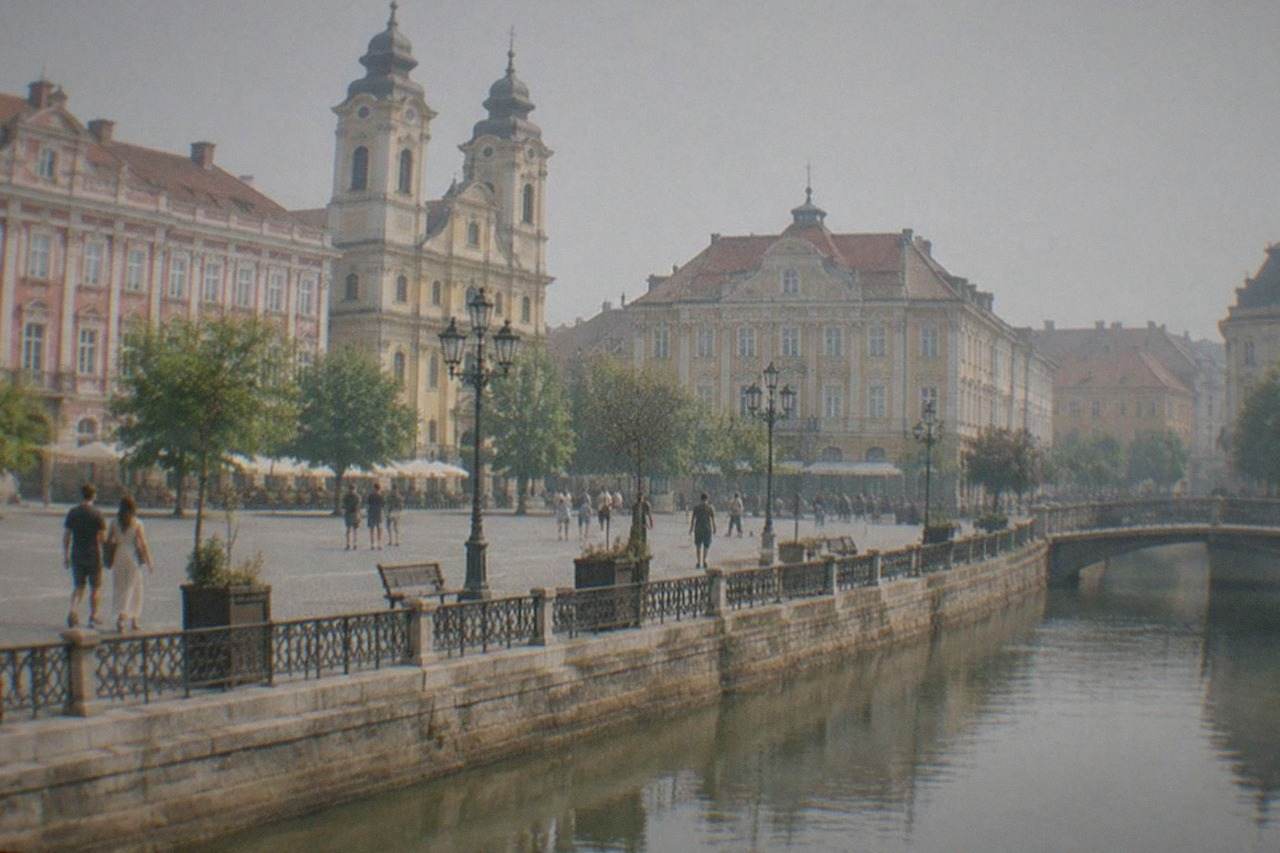
Romania is a full Schengen member, uses the Romanian leu, and Timisoara is reached through Traian Vuia Airport about 12 km from the center; a single 60-minute public transport ticket costs 5 lei and the city is compact and walkable.
Timisoara, in Timis County in the Banat region of western Romania, is the kind of city that rewards a little preparation. The practical side of a visit is genuinely easy once you know the basics, and this page gathers them in one place: what documents you need, how the airport connection works, what the Romanian leu buys, how the trams and buses are paid for, and what the climate actually does across the year. Under its Hungarian name, Temesvar, and its German name, Temeswar, the same city spent centuries under Habsburg administration, which is why the center looks more Central European than many visitors expect. For the full sightseeing picture, start with the site's things to do in Timisoara overview, then come back here for the logistics.
What Documents Do You Need To Visit Romania And Timisoara?
Romania has been a full member of the Schengen Area since 1 January 2025, with air and sea borders open since 31 March 2024, so EU citizens cross with a national ID card and no routine checks, while visitors from the United States, the United Kingdom, Canada and dozens of other visa-exempt countries can stay up to 90 days with just a passport valid for at least three months beyond departure. Romania is not in the eurozone and sets its own entry rules, but it applies the common Schengen visa policy for travelers who do need one. The practical effect is simple: no visa, no visa-on-arrival fee, no separate Romanian permit.
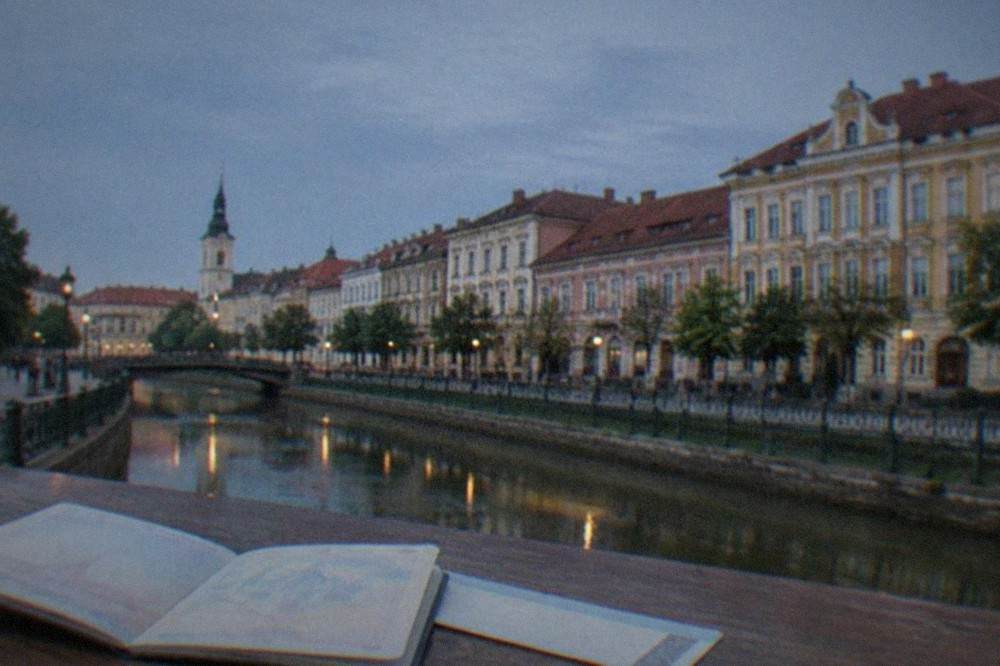
Two details deserve attention. First, the EU's Entry/Exit System became fully operational at all Schengen external borders on 10 April 2026, so non-EU travelers have their fingerprints and facial image recorded on first entry instead of receiving a passport stamp. The system replaced routine passport stamping across the Schengen zone, and Romanian border points around Timis, including Foeni and Valcani, came online progressively during the rollout. Second, if you are combining Timisoara with Serbia, which is an hour's drive away, remember that the Serbia border is an external Schengen border with passport checks at crossings such as Jimbolia and Moravita. Travelers planning a winter trip should also read the site's guide to Christmas in Timisoara, since December brings its own crowd and booking patterns.
| Traveler type | Document needed | Maximum stay |
|---|---|---|
| EU/EEA citizen | National ID card | Unlimited |
| US, UK, Canada, Australia and other visa-exempt nationals | Passport valid 3+ months beyond departure | Up to 90 days |
| Serbian citizens | Passport or ID card | Up to 90 days |
| All other nationals | Schengen visa (type C) | As per visa |
How Do You Get To Timisoara, Romania?
Timisoara Traian Vuia International Airport (TSR), about 12 km northeast of the center, handled 1,458,098 passengers in 2025 according to Romanian Airports Association figures reported in the press, and it connects to the city by the E4 express bus using the same 5 lei ticket as every other public transport in town. Wizz Air is the largest operator, and 2026 brought new routes including Turkish Airlines from Istanbul from 1 April and Wizz Air services to Berlin, Birmingham and Prague from late May. One planning note: the airport announced a full runway closure for repairs from 2 to 22 November 2026, so anyone flying in that window should confirm their schedule with the airline.
The airport arrival is covered in detail on the site's Timisoara airport guide and the step-by-step airport to city center guide. Overland, direct trains run twice daily to Budapest in about five and a half hours, and the Bucharest service takes roughly eleven to twelve hours; there is no direct train to Belgrade currently, with talks on restoring a Vrsac connection still ongoing, so buses remain the straightforward option toward Serbia. Drivers reach the city via the A1 motorway, and a new four-lane link road between Timisoara and the A1 opened to traffic on 22 September 2026, giving the city a third direct access point toward Arad, Hungary and Bucharest. For everything on driving yourself, see Timisoara car rental.
Once you have arrived, a guided walk is the most efficient way to convert a strange city into a familiar one, and the options below are the strongest for a first visit.
How Do You Get Around Timisoara Without A Car?
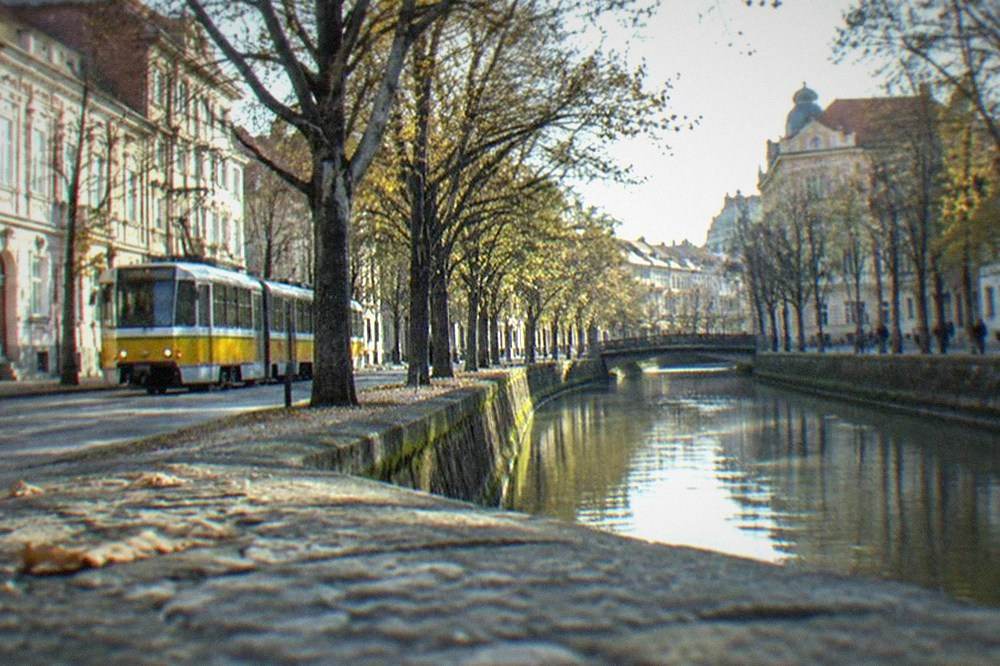
Timisoara runs an integrated public transport network of nine tram lines, six trolleybus lines, express buses and a seasonal water bus on the Bega canal, all on one ticket: a 60-minute single costs 5 lei, a one-day pass costs 18 lei, a 30-day general pass costs 160 lei, and you can pay with a contactless bank card directly on board. The day pass also covers the vaporetto boats that run on the Bega from 1 April to the end of October, which is a genuinely pleasant way to see the city from the water. Trams are the backbone of the network and reach every central neighborhood, though diversions around Piata Traian were in force from August 2026 and scheduled to last to the end of the year, so check live alerts before relying on a specific line.
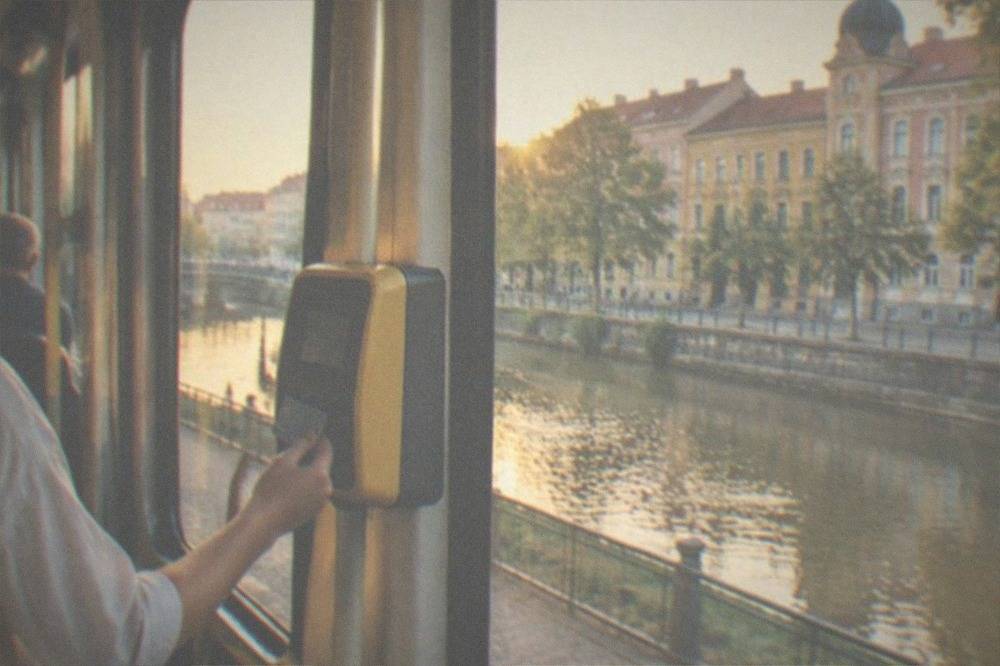
The old center, meaning Cetate with its three main squares, is compact enough that you can walk almost everywhere and use trams mainly for Iosefin, Fabric and Elisabetin. The full network detail, including the vaporetto and bike share, is on the site's getting around Timisoara guide. For real-time arrivals, the operator's live map is the reliable source, and it is what locals actually check. A practical note on ticketing apps: some third-party payment apps that worked in earlier years have been suspended or discontinued, so the contactless card tap on board is now the simplest option for a visitor without a local account.
| STPT ticket | Price | What it covers |
|---|---|---|
| Single, 60 minutes | 5 lei | All modes, including the vaporetto in season |
| One-day pass | 18 lei | Unlimited rides, all modes |
| 30-day general pass | 160 lei | All modes, all lines |
| Payment on board | Contactless card, e-wallet, SMS, mobilPay | No cash needed for tickets |
The classic guided walk is the best first move after you drop your bags, because it lays out the geography of Piata Unirii, Piata Victoriei and Piata Libertatii in a single morning and gives you the stories behind the facades you would otherwise walk past.
If you would rather lock in that first morning before you fly, the button below goes straight to the operator's live listing, where free cancellation and pay-later options are offered at checkout.
What Money Does Romania Use, And What Do Things Cost In Timisoara?
Romania uses the Romanian leu (RON), not the euro, and the National Bank of Romania reference rate stood at 5.2788 lei per euro on 23 September 2026; in Timisoara a cappuccino runs about 13 to 15 lei, a half-liter of domestic draft beer about 11 to 12 lei, an inexpensive restaurant meal about 45 to 50 lei, and a mid-range hotel night averages roughly 176 to 227 lei according to September 2026 cost-of-living trackers. Cards are widely accepted in the city center, but small kiosks, market stalls and some rural spots on day trips still expect cash, so keeping a few dozen lei in notes is sensible. Prices on this site's bookable tours are quoted in US dollars, so check the live listing for the current figure.
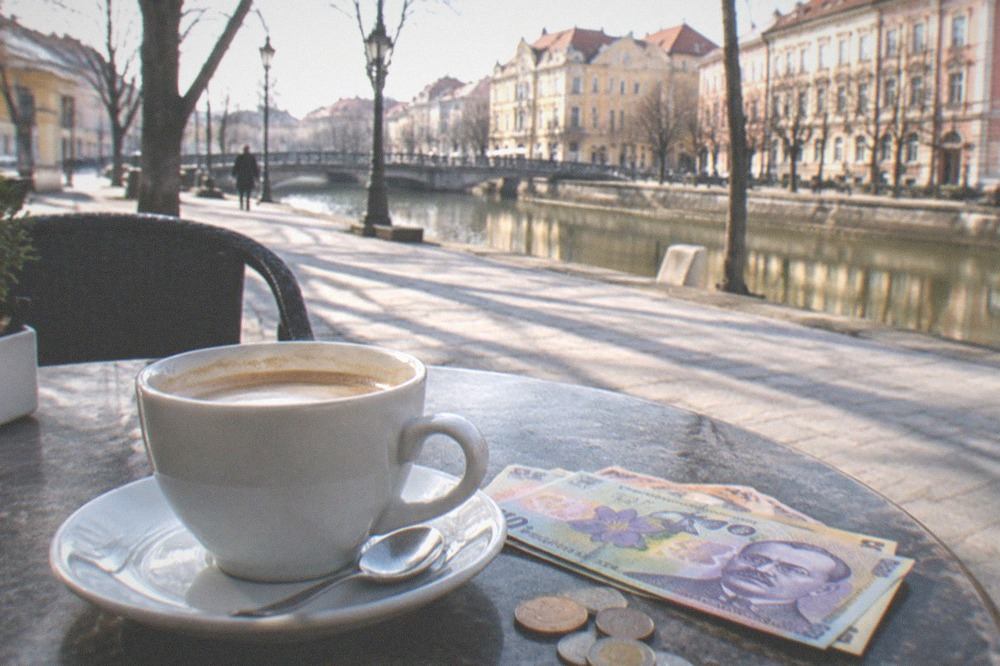
One local levy worth knowing about: Timisoara charges a tourist promotion tax on accommodation, set by local council decision 719/2025, and it is collected by the hotel or host at checkout rather than paid separately. The rate is reported as 2% of the accommodation tariff excluding VAT, though that figure comes from secondary reporting rather than the primary text, so treat it as indicative and expect it to appear as a small line on your bill. Tipping follows Romanian custom: rounding up in cafes and leaving roughly 10% in restaurants is normal, never obligatory. The site's Romanian currency guide covers exchange strategy, and the cost and prices guide itemizes what a realistic daily budget looks like.
| Everyday item | Typical price (Sep 2026 trackers) |
|---|---|
| Cappuccino | 13 to 15 lei |
| Draft beer, 0.5 L domestic | 11 to 12 lei |
| Inexpensive restaurant meal | 45 to 50 lei |
| Mid-range hotel night | about 176 to 227 lei |
| Single transport ticket | 5 lei |
When Is The Best Time To Visit Timisoara?
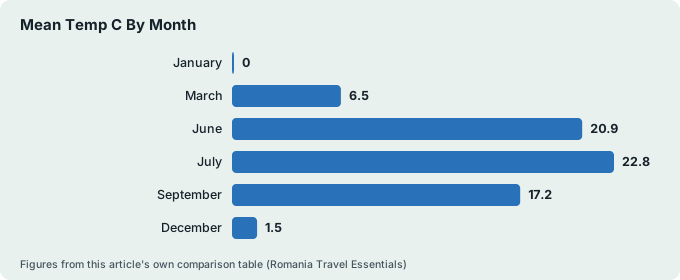
The JMA climate normals for Timisoara station 15247 show a continental pattern: July is the warmest month at a mean of 22.8 C, January the coldest at 0.0 C, and precipitation ranges from 34.1 mm in March, the driest month, to 79.1 mm in June, the wettest, totaling 600.7 mm across the year, so late April through June and September offer the most comfortable sightseeing weather, while December attracts a separate crowd for the Christmas market. Spring and early autumn combine mild temperatures with the city's outdoor cafe culture at its best. Summer is warm rather than scorching, but June's rainfall is the highest of the year, so pack for showers.
The site's best time to visit Timisoara guide turns the table below into a planning tool, and it is worth cross-checking against the events calendar if you want to land during JazzTM in late September or the city celebration at the end of July, which drew over 100,000 attendees across more than 200 events in 2026. May is the single busiest month on record for arrivals, with 30,664 visitors counted in May 2025, so book rooms early if that is your window.
| Month | Mean temp C | Precipitation mm | Character |
|---|---|---|---|
| January | 0.0 | 37.3 | Cold, quiet, occasional snow |
| March | 6.5 | 34.1 | Driest month, warming up |
| June | 20.9 | 79.1 | Highest rainfall, green city |
| July | 22.8 | 61.9 | Warmest month, festival season |
| September | 17.2 | 50.4 | Comfortable, jazz festival |
| December | 1.5 | 44.7 | Christmas market season |
Where Should You Stay In Timisoara?
Cetate, the old town around Piata Unirii, is the best base for most first-time visitors because every major sight is within a short walk, while Iosefin and Elisabetin offer quieter, more local streets a short tram ride out, and Fabric is the up-and-coming district where industrial heritage meets new cafes, so the real choice is between atmosphere and walkability rather than between good and bad areas. Hotel openings keep adding options: the Radisson Individuals-branded Hotel Galaxy opened in the Baroque old town in June 2026, and a Courtyard by Marriott began construction the same year with a 2029 target. Short-term apartment rentals are the most common accommodation type chosen by visitors to the city, according to the local tourism study, so competition for the best-located apartments is real in peak weeks.
The site's where to stay in Timisoara guide compares the neighborhoods street by street, and the best hotels in Timisoara page covers the properties worth their rates. Book early for the Christmas market period and for late July, when the city celebration draws very large crowds and central rooms sell out well ahead.
Is Timisoara Safe, And What Should You Know About Local Culture?
Timisoara is considered a safe city by the standards of Romania and of Europe generally, with the usual city caveats about pickpockets in crowded squares and unlicensed taxis at the airport, and the single emergency number across Romania is 112 for police, ambulance and fire; the local culture is multi-ethnic and multilingual, with Romanian the official language, Hungarian and German historically present, and English widely spoken by younger people in hospitality. The city's three state theatres, performing in Romanian, Hungarian and German, are the visible legacy of that mix, unique in Europe since 1953. Street crime against visitors is rare enough that the standard advice is simply to watch belongings in busy areas like any mid-sized European city.
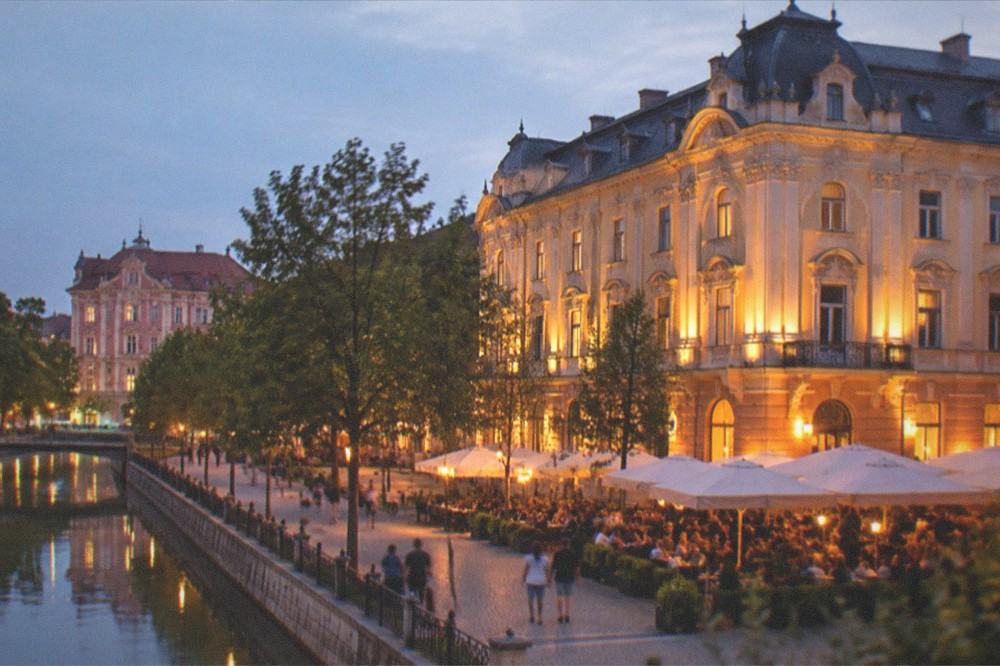
For current-events context, including the question travelers ask about the region, see the site's is Timisoara safe page. The 1989 Revolution guide explains why the city occupies such a specific place in Romanian national memory: the uprising against the Ceausescu regime began here in December 1989, and the Memorial museum in the center documents it, with an adult ticket at 20 lei covering the permanent and temporary exhibitions plus the documentary screening. Visitors with more time should also read up on the train travel basics before locking long-distance plans.
| Situation | What to do |
|---|---|
| Medical emergency, police, fire | Dial 112, the single EU emergency number |
| Airport taxi concerns | Use a booked transfer or a ride-hailing app |
| Lost passport | Contact your embassy in Bucharest, file a police report locally |
| Late-night transport | Trams run until late evening; check the live map |
What Should You Pack For A Trip To Timisoara?
Pack for a continental climate and a walking city: comfortable shoes for cobblestones dominate every season, a light rain layer matters most in June and around the shoulder months, warm layers and a proper coat from November through March when means sit between 1.5 and 6.5 C, and in summer nothing heavier than a cardigan for evenings, plus a contactless bank card so you can board trams without buying anything in advance. An EU plug adapter is needed for visitors from the UK, US and elsewhere outside the continental standard. Nothing on the standard packing list is hard to buy locally if you forget it, and central pharmacies and supermarkets keep long hours.
A few practical extras earn their space. A power bank helps on day trips into the Banat countryside, where signal can drop between villages. If you plan to visit churches, including the Orthodox Metropolitan Cathedral, bring clothing that covers shoulders and knees. And if the Christmas market is your destination, gloves and a hat are not optional: December evenings at Piata Victoriei sit close to freezing, and the market's warm wine cups only go so far.
For travelers who want to go deeper than the city itself, a day trip into the Banat hills or toward Transylvania's castles is the natural extension of a Timisoara stay, and the strongest options follow.
Wine travelers have a convenient option too: the Petro Vaselo winery just outside the city runs its own tasting visit, and the listing carries the current price.
Common Questions About Romania Travel Essentials
Do I need a visa to visit Timisoara, Romania?
No, if you are an EU citizen or a national of the US, UK, Canada or another visa-exempt country: a passport, or ID card for EU citizens, is enough for a stay of up to 90 days. Romania applies the common Schengen visa policy for everyone else.
Can I pay with euros in Timisoara?
No. Romania uses the Romanian leu (RON), and the euro is not adopted. Some hotels may quote in euros, but you pay in lei. The reference rate on 23 September 2026 was 5.2788 lei per euro.
Is Romania in the Schengen Area?
Yes, fully: air and sea borders since 31 March 2024 and land borders since 1 January 2025. There are no routine checks on the Hungarian border next to Timisoara.
How do I buy a tram ticket in Timisoara?
Tap a contactless bank card on the validator on board, or use SMS, mobilPay or the eTicket system. A 60-minute single is 5 lei and a day pass is 18 lei.
Is tap water safe to drink in Timisoara?
Yes, municipal tap water in Timisoara is treated and safe to drink, as it is across Romanian cities. Many visitors still prefer bottled water for taste, and it is inexpensive everywhere.
What is the emergency number in Romania?
112, the single European emergency number, connects police, ambulance and fire services from any phone, including foreign mobiles without a local SIM.
Timisoara rewards exactly this kind of light preparation: sort the documents, tap the card on the tram, keep some lei in your pocket, and the city does the rest. For a first-timer wanting a shortcut into the old town's stories, the classic guided walk remains the single best investment of a first morning, and the rest of this site, from Timisoara Travel Guide to the neighborhood and day-trip guides, fills in everything beyond the essentials.