Where To Stay In Timisoara
Timisoara, in the Banat region of western Romania, is compact enough that almost nowhere in the city is a bad place to sleep, but the right neighborhood still shapes the whole trip. This guide breaks down Cetate, Iosefin, Fabric and Elisabetin, what a day costs, and how to reach the center from the airport.
Short answer
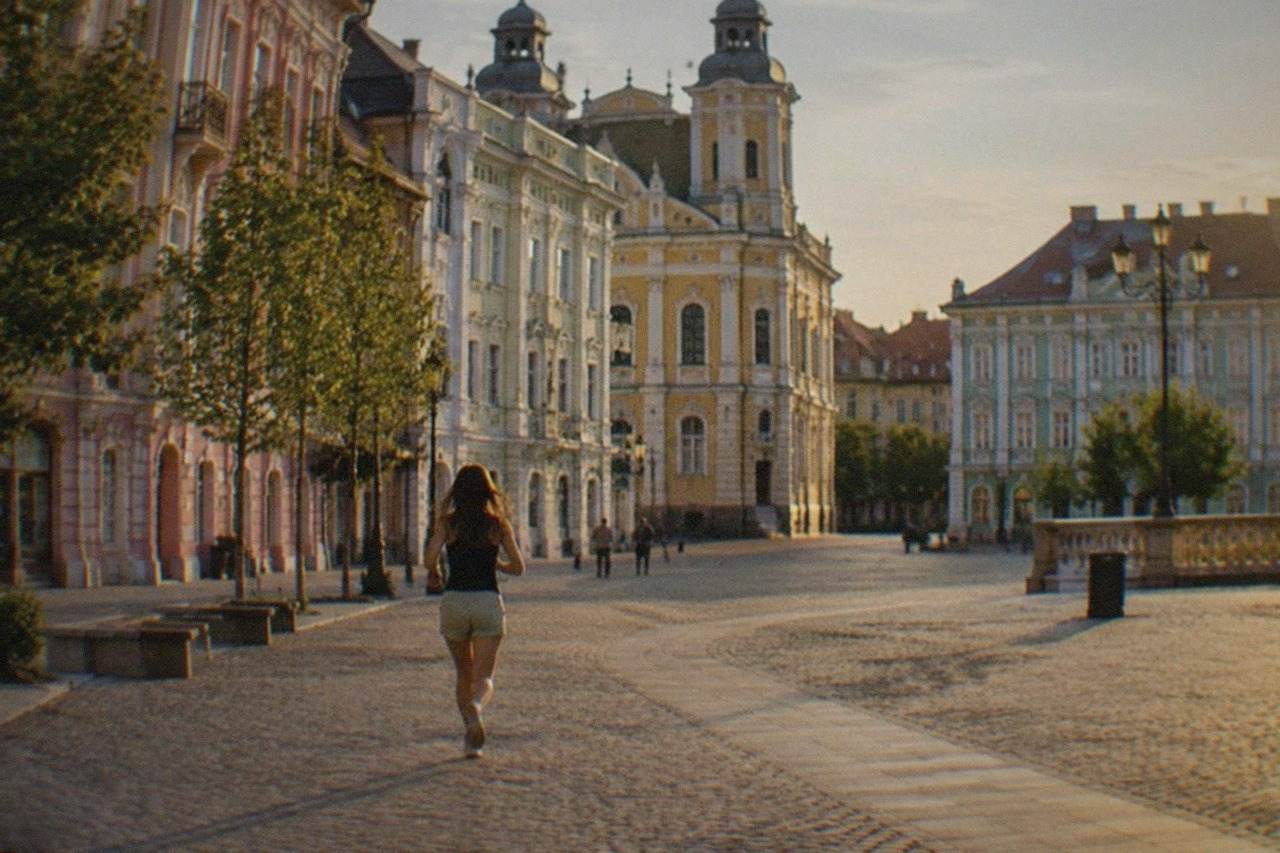
Stay in or beside Cetate, the baroque old town around Piata Unirii, if it is your first visit: nearly everything worth seeing is within walking distance. Iosefin and Elisabetin are quieter, cheaper and still walkable, while Fabric suits travelers who want an authentic, regenerating district. All four connect to the center by tram with a 5 lei ticket.
Timisoara, the county seat of Timis County in the Banat region of western Romania, is a city where the "where to stay" question matters less than in most European destinations, and more than most guides admit. The city that lit its streets with electricity in 1884, the first on mainland Europe to do so, is compact, walkable and laced with trams, so a bed in Iosefin is fifteen minutes from Piata Unirii by rail. What actually varies between neighborhoods is atmosphere, noise, price and the walk home after dinner. Timișoara's four historic districts, Cetate, Iosefin, Fabric and Elisabetin, each carry a distinct character, and this guide walks through all of them, plus the practical questions that follow: daily costs, airport access, the local tourist tax, and when to book. The short version for a first visit: sleep in or beside Cetate, and use the tram for everything else.
Which Area Of Timisoara Is Best For A First Visit?
For a first visit, the best area to stay in Timisoara is Cetate, the old town centered on Piata Unirii, because the main squares, the art museum, the opera and the Metropolitan Orthodox Cathedral are all within a short walk of its hotels and guesthouses. If Cetate is full or priced high, Elisabetin and Iosefin sit directly beside it and stay walkable. Fabric is a little further out but well connected by tram.
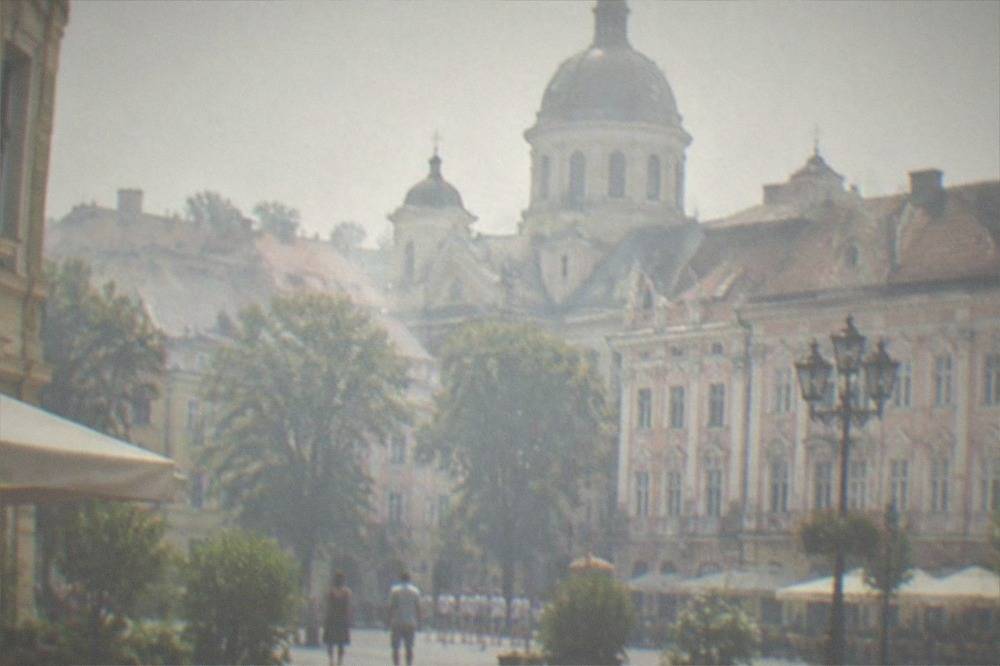
Cetate is the baroque core the Habsburgs built after 1716, and nearly every visitor spends most of their time here whether they sleep here or not. Piata Unirii, Piata Libertatii and Piata Victoriei form a chain of squares running through it, each about five minutes from the next. Staying inside that chain means no tram, no taxi and no navigation after dark: dinner, the evening promenade and the sights are all on foot.
The trade-off is real, though. Old-town buildings are historic, so rooms can be smaller, street noise on weekend nights is genuine, and rates climb during festivals. The city's best hotels include options right in the old town as well as in the quieter districts, and the difference between them is mostly about how much evening buzz you want outside your window.
If you want to judge the neighborhoods before committing, one efficient move is to take a guided circuit on your first day. The All in One walking and tram tour crosses Cetate, Elisabetin and Fabric in a single outing, which is exactly the ground you are choosing between.
Is Staying In The Old Town Around Piata Unirii Worth It?
Staying in Cetate around Piata Unirii is worth it for first-time visitors on short trips of one to three nights, because it puts the Art Museum, the Serbian Orthodox Cathedral, St George's Cathedral and the opera within a ten-minute walk. For longer stays, quiet sleepers or budget travelers, the districts just outside the old town deliver better value and reach the center by tram in minutes.
The case for Cetate is simple arithmetic. On a two-night city break, every tram ride you skip is twenty minutes of your trip returned. The National Museum of Art sits on Piata Unirii itself, in the Baroque Palace, open Wednesday to Sunday with summer hours from 13:00 to 21:00 and winter hours from 10:00 to 18:00. The Memorial of the Revolution, the Theresia Bastion and the Bega canal promenade all sit at the old town's edges.
The case against is equally simple. Cetate is where the city celebrates, and it celebrates often: the Christmas Market fills Piata Victoriei in winter, and the summer festival calendar regularly puts stages and crowds in the central squares. Rooms facing a square can be loud until late. A room one street back from the squares, inside the same district, often buys quiet without giving up the walkability.
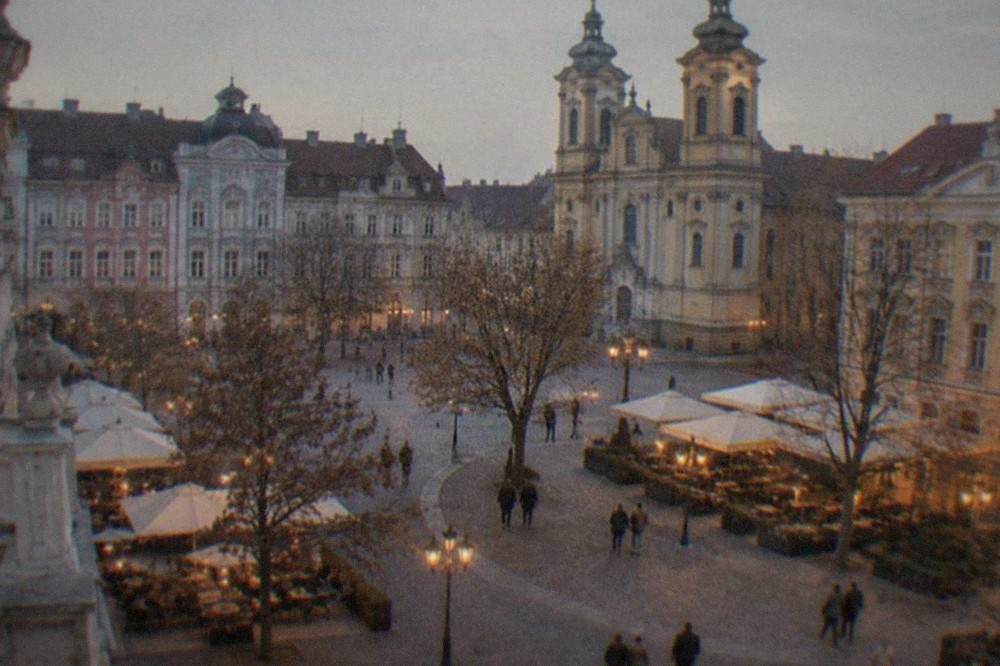
For orientation on arrival, a walking tour of the center costs less than a restaurant dinner and maps the whole area in two hours. The Classic Tour of Timisoara is a popular option, and there is also a free, tip-based essentials walk listed on GuruWalk, where the guide Alex covers the same core ground for whatever you choose to tip.
What Are Iosefin, Fabric And Elisabetin Like To Stay In?
Iosefin, Fabric and Elisabetin are Timisoara's historic outer districts, and all three are quieter and more residential than Cetate while staying within easy reach of the center: Elisabetin sits directly south of the old town, Iosefin lies southwest along the Bega canal, and Fabric sits east across the water, each with its own architecture and tram connections. Elisabetin is the closest and most convenient, Iosefin the most elegant, and Fabric the most rapidly changing.
Elisabetin is the pragmatic choice. It borders Cetate directly, so the walk to Piata Unirii is short, and its streets mix secessionist villas, student housing and some of the city's best small cafes. It is where many locals would tell a friend to stay: close enough to walk home from dinner, far enough to sleep.
Iosefin, southwest of the center along the Bega, is the grandest of the three, with wide avenues, historic facades and the Iosefin Water Tower among its landmarks. The district's public spaces around Piata Mocioni are undergoing regeneration under a European-funded contract signed in December 2025, worth about 14.5 million euro, which points to where the neighborhood is heading. The Bega canal promenade runs along its edge, and the city's parks and riverside walks give it the best morning-running territory of any district.
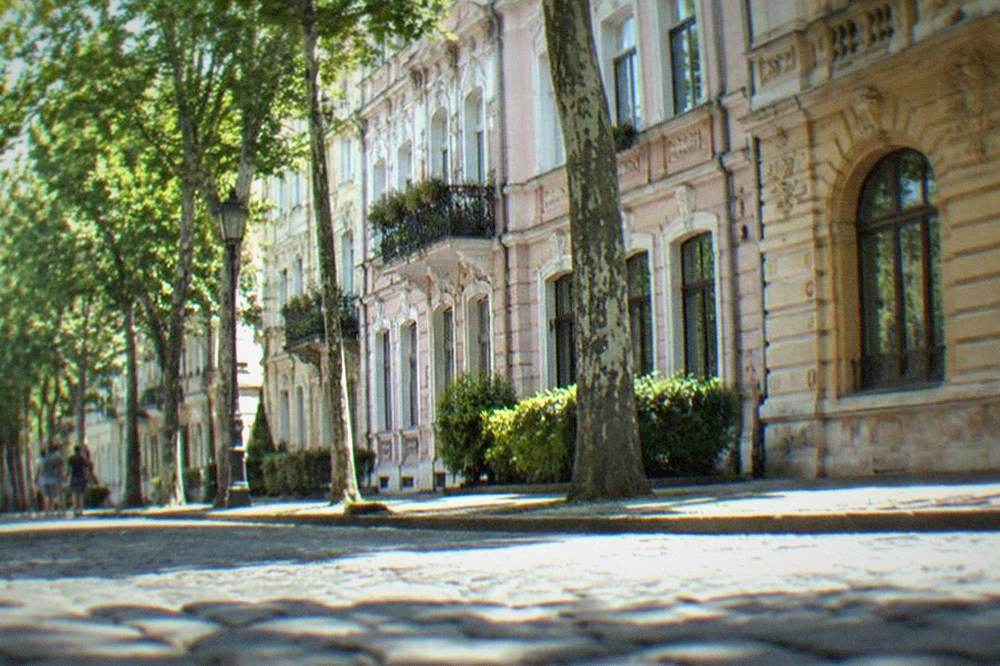
Fabric, east of Cetate across the Bega, is the district to watch. Its grand Millennium Church and the Fabric Synagogue anchor a fabric of workers' housing, courtyards and industrial heritage now filling with studios and small venues. A city plan approved in October 2025 targets the completion of the Bega promenade on Fabric's south bank and new green corridors through the district. Trams cross the river here, and Piata Traian, Fabric's central square, is in the middle of a redevelopment that has diverted some tram lines, so check current routes on the operator's live alerts.
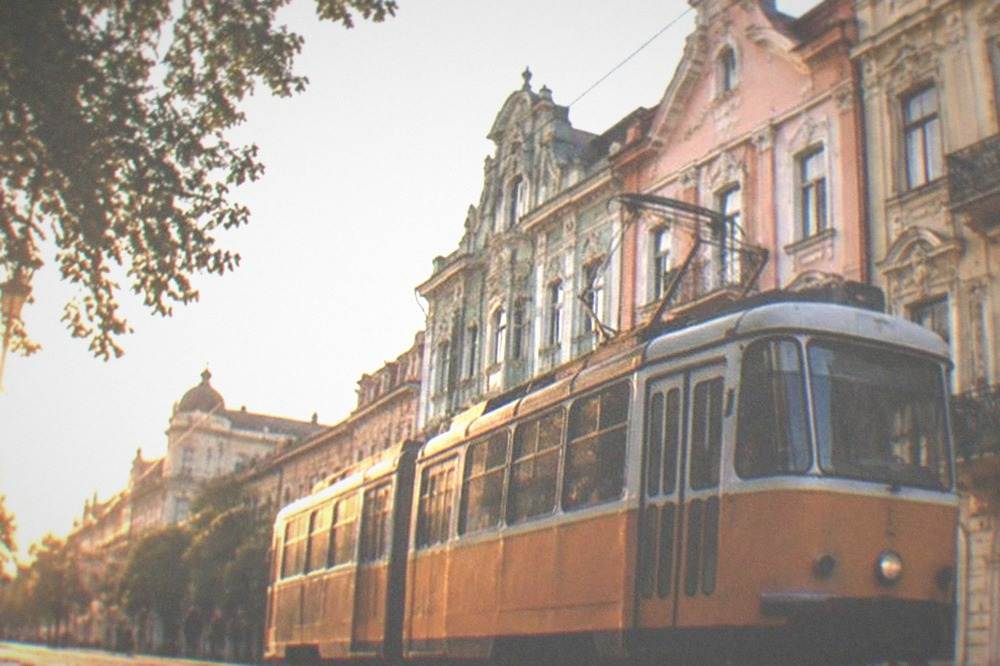
The honest summary of the three: pick Elisabetin for convenience, Iosefin for calm and elegance, Fabric for character and momentum. None of them isolates you. The city's public transport page lists trams, trolleybuses and express buses crossing all four districts, and a single ticket covers sixty minutes of riding.
How Much Does A Day In Timisoara Cost?
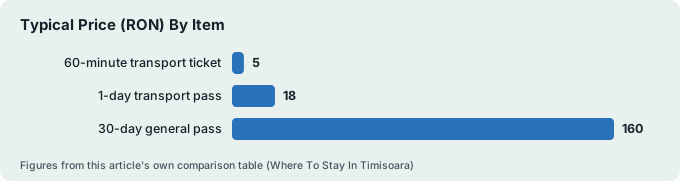
A comfortable day in Timisoara costs roughly 150 to 250 lei per person beyond your hotel bill: around 45 to 50 lei for a main meal in an inexpensive restaurant, 13 to 15 lei for a cappuccino, 11 to 12 lei for a half-liter of local draught beer, and 5 lei for a 60-minute public transport ticket, according to cost-of-living trackers updated in September 2026. Timisoara is one of the more affordable cities in the European Union for food and transport.
Those figures come from the price aggregators that monitor the city, and they hold up as planning ranges rather than promises: a business-district lunch menu runs a little more, a neighborhood kitchen a little less. What the ranges do not capture is how far a modest budget stretches at market tables and neighborhood grills, which is where the city's food scene really lives.
| Item | Typical price (RON) | Notes |
|---|---|---|
| Inexpensive restaurant meal | 45 to 50 | Main dish, cheap restaurant or lunch menu |
| Cappuccino | 13 to 15 | Regular coffee bar |
| Draught beer, 0.5 L | 11 to 12 | Domestic, neighborhood pub |
| 60-minute transport ticket | 5 | All modes, including the Bega water bus in season |
| 1-day transport pass | 18 | Full network, also valid on the water bus |
| 30-day general pass | 160 | Only relevant for long stays |
Transport is the quiet bargain. A 5 lei ticket, raised from 4 lei in August 2025, covers sixty minutes across trams, trolleybuses, buses and, from April to the end of October, the water bus on the Bega. The day pass at 18 lei covers everything the network runs, and you can pay with a contactless bank card directly on board. Full fare details are on the getting around page.
Accommodation is the line item this guide cannot quote: no hotel or apartment rate belongs on this page, because nightly prices move constantly and the city levies its tourist tax on top of the room rate. For the fuller cost picture, including how the leu behaves against the euro, see the dedicated cost and prices and Romanian currency guides.
Where To Stay In Timisoara Near The Airport?
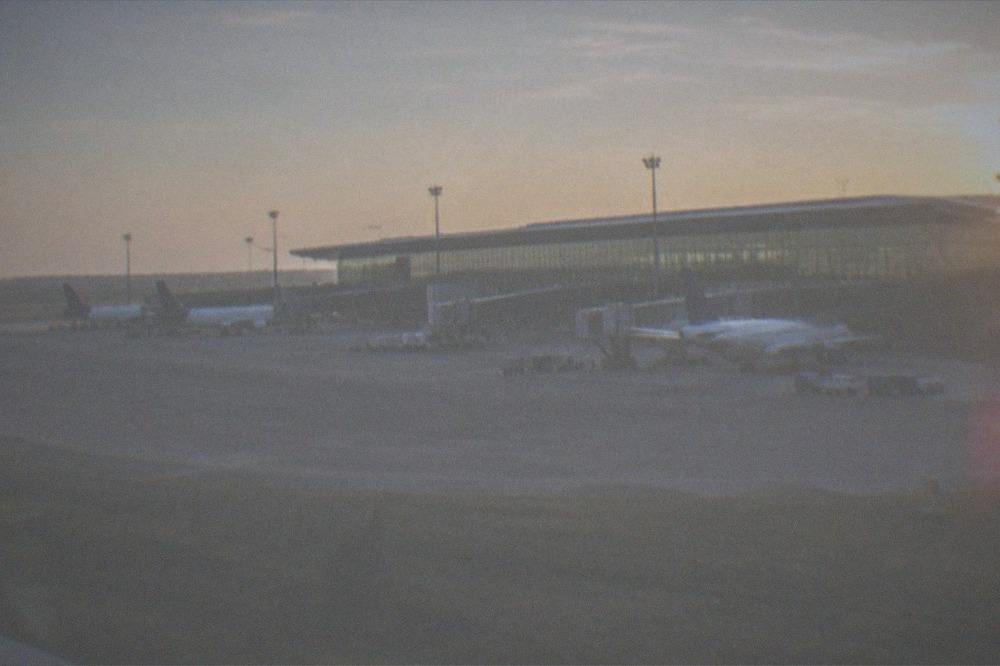
Timisoara Traian Vuia International Airport sits about 12 km northeast of the center, so no city neighborhood is "near" the airport in a walkable sense, and the standard advice is to stay in the center and ride the E4 express bus, which runs between the airport and the Theresia Bastion area using the same 5 lei ticket as the rest of the network. Staying airport-side only makes sense for a dawn departure.
The E4 airport express is the answer to most arrival questions. It connects the airport to the Bastion stop at the edge of Cetate, which means a hotel anywhere in the old town, Elisabetin or Iosefin is one ticket and one ride away. The full route and stop list are on the airport to city center page, and the broader airport guide covers airlines, routes and facilities.
Two 2026 facts matter for booking flights around your stay. First, the airport handled 1,458,098 passengers in 2025, up 10.2 percent on 2024, and the route network keeps widening: Turkish Airlines started Istanbul flights in April 2026, and Wizz Air added Berlin, Birmingham and Prague for the summer. Second, the runway closes fully for repairs from 2 to 22 November 2026, a closure announced by the airport in July 2026, so if your trip falls in that window, verify your flight status before locking in a non-refundable room.
If you are driving in rather than flying, the road situation improved in September 2026, when a new four-lane link road opened between the city and the A1 motorway, giving a third access point toward Arad, the Hungarian border and Bucharest. The car rental guide covers whether a car is worth having at all, and for most old-town stays it is not: central parking is zoned, paid and enforced on weekdays.
When Is The Best Time To Book A Timisoara Hotel?
The best time to book a Timisoara hotel is one to two months ahead for the peak months of May through September, because the city's tourist arrivals have grown every year since 2021 and the busiest month on record was May 2025 with 30,664 arrivals, while December also tightens around the Christmas Market in Piata Victoriei. Outside those windows, availability is easy and last-minute booking works.
The arrival numbers tell the story. The city recorded 153,794 tourist arrivals in 2021, 212,785 in 2022, then 283,256 in the 2023 European Capital of Culture year, 285,190 in 2024 and 268,699 across January to November 2025, with the full 2025 figure reported at 296,199 arrivals, a 3.86 percent rise. Growth is steady, not explosive, which is why the city rarely "sells out" but does get tight around festivals.
| Period | Demand in Timisoara | Booking advice |
|---|---|---|
| May to June | High, peak month on record was May 2025 | Book one to two months ahead |
| July to August | High, city celebration draws 100,000+ attendees | Book early for festival weekends |
| September to October | Moderate, jazz and architecture events | Two to three weeks ahead is fine |
| November | Low, except runway closure 2 to 22 Nov 2026 | Easy, but confirm flights first |
| December | High around the Christmas Market | Book a month ahead for old-town rooms |
| January to March | Low, coldest months | Last-minute usually works |
Weather shapes this calendar. The JMA climate normals for the Timisoara station give a January mean of 0.0 C and a July mean of 22.8 C, with June the wettest month at 79.1 mm and March the driest at 34.1 mm. Summer is warm rather than scorching; winter is cold but the Christmas Market makes December the one cold month with real hotel demand. The month-by-month detail lives in the best time to visit and weather by month guides.
What Is The Tourist Tax In Timisoara?
Timisoara charges a local tourist promotion tax, created by the city council's 2025 tax decision, that is collected by your hotel or host on top of the room rate rather than paid by you at a counter, and the rate is reported as 2 percent of the accommodation tariff excluding VAT, though that percentage comes from secondary reporting of the ordinance rather than the primary document. Ask your lodging to show the line on your bill.
The tax's existence and its official name, "taxa speciala pentru promovarea turistica", are verified from the council decision HCL 719/2025, which sets the city's 2026 local taxes. The 2 percent figure is reported in tax commentary rather than printed in the primary ordinance text available to this site, so treat it as the reported rate and expect it to appear as a small line item on your folio, not a surprise charge. It is per night, collected by the accommodation provider, and it applies to visitors staying in the city.
This is not a reason to change where you stay, because the tax applies citywide, but it is a reason to read your bill. Short-term rental hosts collect it too. If a listing quotes a nightly rate, confirm whether the tax is included, the same way you would anywhere in the European Union.
Beyond the tax, the money questions travelers ask about Romania are covered in depth elsewhere on this site: whether Timisoara is safe, what the travel essentials are since Romania became a full Schengen member with open land borders from 1 January 2025, and how to plan the wider things to do in Timisoara once you have a bed.
Should You Book A Hotel Or Use Day Trips From Timisoara As A Base?
Timisoara works well as a base for western Romania and beyond, because the city sits on the A1 motorway corridor toward Arad and Hungary, direct trains run to Budapest in about five and a half hours twice daily, and a mature day-trip circuit covers Corvin Castle, Turda Salt Mine, the Danube Gorge and the Banat mountains, so a single well-chosen hotel can anchor a week of sightseeing without changing beds.
The base-city argument is strong. From one hotel in Cetate or Elisabetin you can cover the city's museums in two days, then spend whole days out: the Danube Gorge and Banat waterfalls, Corvin Castle with Sibiu, the Turda Salt Mine, or the Nera Gorge national park. Each of those is a bookable guided day trip with transport included, which removes the need for a rental car entirely.
For travelers who want the castle-and-mine double header in one long day, the Turda and Corvin combination tour is the direct option.
Rail extends the reach. Direct trains link Timisoara Nord with Budapest-Keleti in roughly five and a half hours, twice daily, covered in the Timisoara to Budapest guide, while Bucharest is a long overnight-scale ride detailed in Bucharest to Timisoara. There is no direct train to Belgrade currently, with only talks underway on restoring the cross-border section, so Serbia is a bus or car trip.
| Direction from Timisoara | Connection | Practical use |
|---|---|---|
| Budapest | Direct train, about 5.5 h, twice daily | Weekend add-on, no car needed |
| Bucharest | Direct train, about 11 to 12 h | Overnight or flight instead |
| Belgrade | No direct train; bus is the standard | Day trip by road only |
| Arad and Hungary border | A1 motorway, fully open | Fastest driving exit north |
| Banat mountains and Danube Gorge | Guided day trips from the city | Best without a car |
| Airport (TSR) | E4 express bus, 5 lei ticket | About 12 km northeast of center |
The base-city math favors longer stays in one place: Timisoara's hotel market is calmer than Transylvania's, the old town is genuinely pleasant to return to each evening, and the tram network makes a car-free week realistic. That is the quiet conclusion of this whole guide. Choose Cetate for a short first visit, Elisabetin or Iosefin for a longer one, Fabric for something with an edge, and let the 5 lei ticket do the rest. For everything to fill your days once the room is booked, the Timisoara Travel Guide homepage and the full things to do in Timisoara roundup are the next stops.
Common Questions About Staying In Timisoara
What is the best neighborhood to stay in Timisoara?
Cetate, the old town around Piata Unirii, is best for first-time visitors on short trips because the main sights are all walkable. Elisabetin is the best value alternative, Iosefin the most elegant, and Fabric the most characterful.
Is Timisoara safe for tourists at night?
Timisoara is considered a safe city by regional standards, with a lively, well-lit old town where people stroll late. Normal city precautions apply, and the squares around Piata Unirii and Piata Victoriei stay busy through the evening.
How far is the airport from the city center?
The airport is about 12 km northeast of the center. The E4 express bus links it to the Bastion stop at the edge of the old town on a standard 5 lei ticket, so any central hotel works for an arrival.
Do hotels in Timisoara charge a tourist tax?
Yes. The city levies a tourist promotion tax created by council decision HCL 719/2025, collected by the accommodation provider on top of the room rate. The rate is reported as 2 percent of the tariff excluding VAT, and it appears as a line on your bill.
Can you visit Timisoara without a car?
Yes, easily. The city runs trams, trolleybuses, buses and a seasonal water bus on a single 5 lei ticket for 60 minutes, and the main day-trip destinations are covered by guided tours with transport included.
When should I book a hotel for the Timisoara Christmas Market?
About a month ahead. The market fills Piata Victoriei from late November into early January, and December is the one cold month with real old-town demand, so central rooms tighten around it.