Timisoara Weather
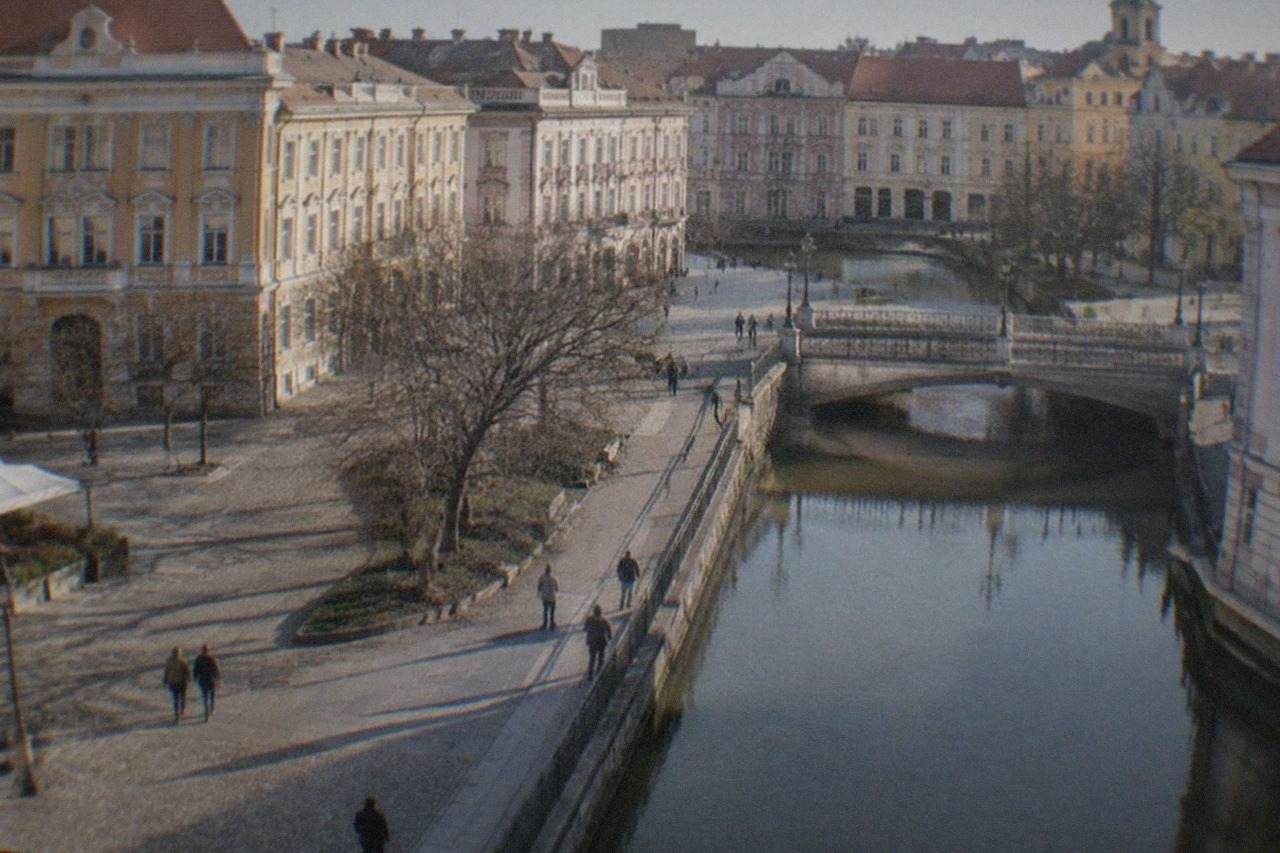
Timisoara sits on the plains of the Banat in western Romania, and its weather runs on a continental rhythm: cold, gray winters and warm, showery summers. Here is what the official climate normals say, month by month, and how each part of the year shapes a visit.
Short answer
Timisoara has a continental climate. Official JMA/WMO normals for the city's station give a January mean of 0.0 C, a July mean of 22.8 C, and yearly precipitation of 600.7 mm, with March the driest month (34.1 mm) and June the wettest (79.1 mm). Late spring through early autumn is the most popular window for a visit.
Timisoara, the city in Timis County at the heart of the Banat region of western Romania, owes its weather to geography more than to anything else. The city stands on flat plain country at an altitude of about 86 m, far from any coast, and the official climate record for its weather station describes a textbook continental pattern: a January mean of 0.0 C, a July mean of 22.8 C, and 600.7 mm of precipitation spread across the year. Anyone imagining Mediterranean warmth or Atlantic mildness is looking at the wrong half of Europe. What you get instead is a place with four genuinely different seasons, each of which changes how the squares feel, how long the evenings last and how much of your day you will want to spend indoors.
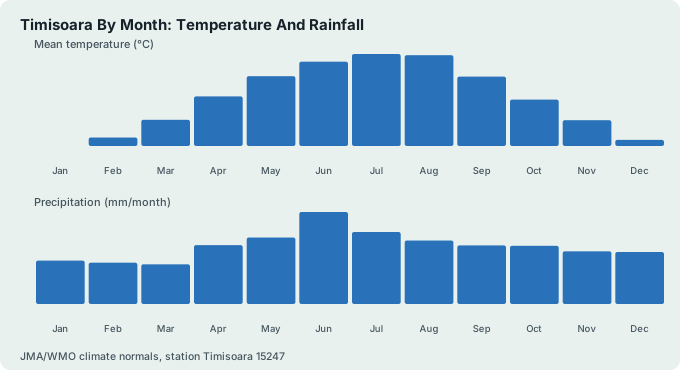
The figures in this guide come from one source and one station: the JMA/WMO CLIMAT climate normals for station TIMISOARA 15247. That record publishes exactly two numbers per month, the mean temperature and the total precipitation, and this page stays inside those limits. It does not guess at daily highs or lows, sunshine hours or humidity, because the station's published record does not offer them, and a weather guide that invents numbers is worse than no guide at all. If you want the fuller trip-planning picture, pair this page with our best time to visit Timisoara guide, which weighs crowds, prices and events alongside the climate.
What Is The Timisoara Climate, Month By Month?
The official normals for Timisoara give a mean temperature of 0.0 C in January, rising through 6.5 C in March and 17.3 C in May to a July peak of 22.8 C, then falling back to 1.5 C by December. Precipitation runs from 34.1 mm in the driest month, March, to 79.1 mm in the wettest, June, totaling 600.7 mm across the year. These are 30-year averages, so any single day can sit well above or below them.
The table below is the spine of this guide. Every temperature is the monthly mean, the average across day and night, not a daytime high, so a July that averages 22.8 C includes both hot afternoons and warm nights. Read the precipitation column as a monthly total, not a daily rate: 79.1 mm in June typically arrives as a handful of heavy showers rather than a week of drizzle, because summer rain on the Hungarian Plain and the Banat plain tends to come in short, sharp bursts.
| Month | Mean temperature (C) | Precipitation (mm) |
|---|---|---|
| January | 0.0 | 37.3 |
| February | 2.1 | 35.5 |
| March | 6.5 | 34.1 |
| April | 12.3 | 50.6 |
| May | 17.3 | 57.2 |
| June | 20.9 | 79.1 |
| July | 22.8 | 61.9 |
| August | 22.5 | 54.6 |
| September | 17.2 | 50.4 |
| October | 11.5 | 50.0 |
| November | 6.4 | 45.3 |
| December | 1.5 | 44.7 |
| Year total | per month above | 600.7 |
Two details in that table surprise first-time visitors. The first is March: it is the driest month of the whole year at 34.1 mm, drier even than high summer, which makes early spring a quietly good window for anyone who dislikes rain more than they dislike a chill. The second is June, which tops the precipitation table at 79.1 mm. That single figure is why locals check the forecast before open-air plans in June even when the morning looks perfect, and why the city's tree-lined squares feel so green by midsummer.

The year divides fairly cleanly. Winter, from December through February, sits between 0.0 C and 2.1 C on the monthly mean. Spring warms quickly, March's 6.5 C more than doubling to May's 17.3 C. Summer, June through August, holds a remarkably even 20.9 C to 22.8 C. Autumn cools on roughly the reverse path, 17.2 C in September down to 6.4 C in November. That symmetry is normal for a continental interior city: the land heats and cools faster than water ever would, so transitions are sharp and seasons are distinct.
Which Season Suits A Timisoara Trip Best?
Late spring through early autumn suits the city best: May (17.3 C mean, 57.2 mm of rain), June (20.9 C, 79.1 mm) and September (17.2 C, 50.4 mm) combine comfortable temperatures with long evenings, and the city's squares and riverside terraces are at their liveliest. Spring is the drier shoulder, autumn the quieter one, and winter, with means of 0.0 C to 2.1 C, belongs to the Christmas Market and the museums.
Spring is the season for people who like to walk. March is cold but strikingly dry, April warms to a 12.3 C mean, and by May the city is fully awake. The two big advantages are the rainfall curve, which is still climbing toward its June peak, and the crowd curve, which has not yet reached the summer high. The trade-off is simple: evenings stay cool, so pack layers rather than assuming the afternoon temperature will hold after dark.

| Season | Months | Mean temperature range (C) | Monthly precipitation range (mm) | What it means for a visit |
|---|---|---|---|---|
| Spring | March to May | 6.5 to 17.3 | 34.1 to 57.2 | Dry, cool and good for walking; layers needed |
| Summer | June to August | 20.9 to 22.8 | 54.6 to 79.1 | Warmest and busiest; June is the wettest month |
| Autumn | September to November | 6.4 to 17.2 | 45.3 to 50.4 | Warm start, mild rain, thinning crowds |
| Winter | December to February | 0.0 to 2.1 | 35.5 to 44.7 | Cold and gray; indoor sights and the Christmas Market |
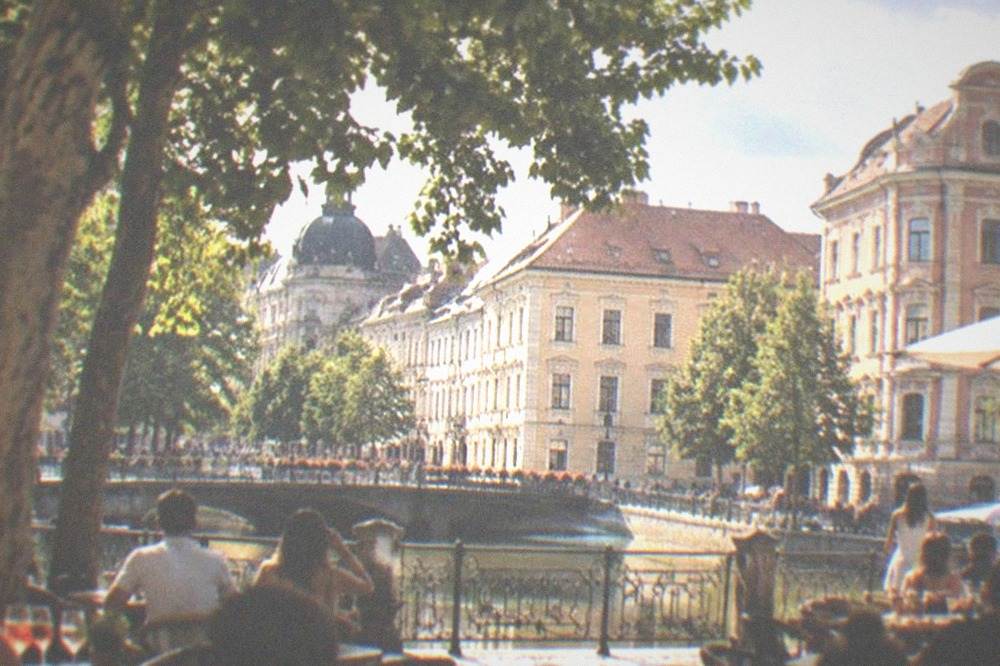
Summer is the peak, and the numbers explain why. A 22.8 C mean in July means long, warm evenings in Piata Unirii and Piata Victoriei, and the summer calendar fills accordingly, from the Flight Festival in June to the city's own celebration weekend at the end of July. The catch is June's 79.1 mm, the wettest month of the year, so summer visitors should build one flexible indoor hour into each day, a museum, a long lunch, or one of the covered commercial passages off the main squares.
Autumn is the connoisseur's pick. September still carries a 17.2 C mean with a modest 50.4 mm of rain, the trees along the Bega turn, and the JazzTM festival closes the open-air season in late September. October drops to 11.5 C and November to 6.4 C, so late autumn visitors get short days and low prices in exchange. Winter is for the Christmas Market, the Memorial of the Revolution, the Art Museum and long evenings in the old brewpubs, and snow is possible at a 0.0 C mean but not guaranteed on any given week.
Whatever the season, a guided introduction to the city works well, because a local guide adapts the route to the sky. The options below include a walk across the city's many denominations and a full-day escape into the Banat mountains, plus a walking-and-tram combination that keeps moving in any weather.
If the forecast looks kind, the ecumenical walking tour is a natural fit for a fine Timisoara afternoon, since most of its route runs through open squares and past cathedral facades best seen in daylight.
How Does Rain Change A Day In Timisoara?
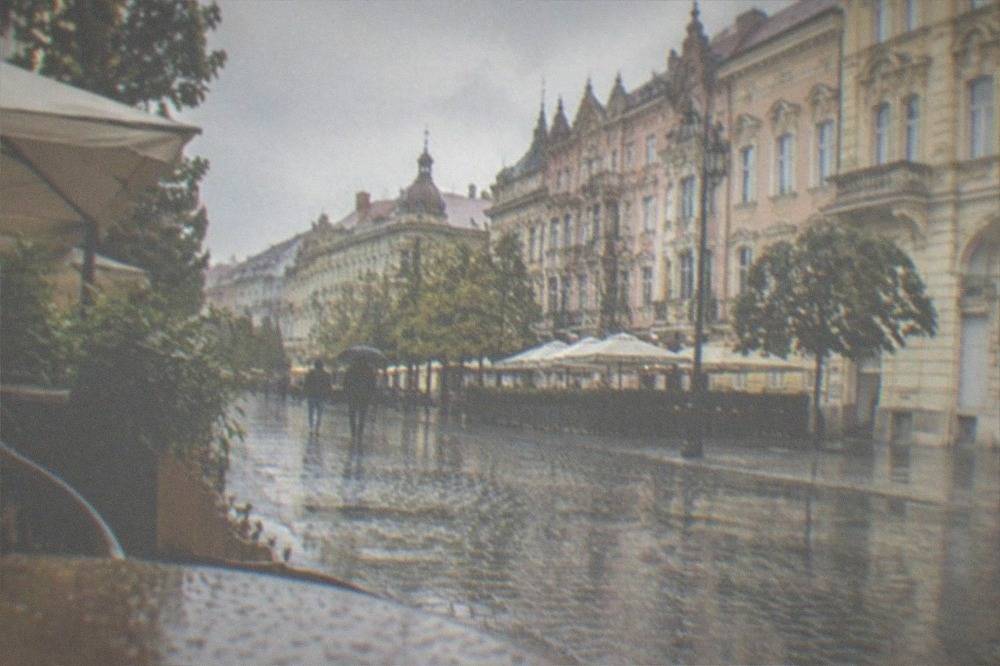
Timisoara's rain is unevenly spread: 79.1 mm falls in June against 34.1 mm in March, and summer rain tends to arrive in short, heavy showers rather than long drizzle. On a rainy day the practical answer is the city's compact center, where the Art Museum, the Memorial of the Revolution, the old-town squares and covered passages sit within a short walk of one another, so a downpour costs you an hour, not a day.
The pattern matters more than the totals. A continental interior city gets most of its summer rain from convective storms, the kind that build in a warm afternoon, release a burst of water and clear by evening. Locals plan around this instinctively: morning sightseeing, shelter over the early afternoon, terraces again after five. Winter rain is different, arriving with frontal systems as slower, colder, grayer falls that can linger, and at a January mean of 0.0 C some of that precipitation lands as snow.
The indoor backbone of the city is genuinely strong. The National Museum of Art in the Baroque Palace on Piata Unirii keeps summer hours from 13:00 to 21:00 between June and September, with last entry at 20:15, and winter hours of 10:00 to 18:00 from October to May, closed Mondays and Tuesdays, per the museum's own information page. The Memorial of the 1989 Revolution charges adults 20 lei for its permanent and temporary exhibitions plus a documentary screening. Two newer additions, the MINA immersive art space that opened in April 2026 at Iulius Town and the interactive children's museum that opened in May 2026 inside the Maria Theresia Bastion, give families two further wet-weather anchors. Our guide to museums in Timisoara lays out the full list.
For a structure that keeps you moving but never far from shelter, the walking-and-tram combination is the strongest pick in wet weather, because the tram legs cover ground while the walking legs stick to the compact squares.
| Ticket | Price | Covers |
|---|---|---|
| Single ticket, 60 minutes | 5 lei | Any STPT mode for one hour, including the water bus in season |
| 1-day pass | 18 lei | All trams, trolleybuses, buses and the vaporetto for a full day |
| 30-day general pass | 160 lei | The whole network for a month |
| Annual general pass | 1,320 lei | The whole network for a year |
When Do Most People Visit Timisoara, And Does Weather Explain It?
The city's arrivals climbed from 153,794 in 2021 to 283,256 in the 2023 European Capital of Culture year, eased into 285,190 in 2024, and totaled 268,699 across January to November 2025, with the busiest single month on record being May 2025 at 30,664 arrivals. The peak sits squarely in the warm months, which matches the climate: people arrive when the 17.3 C to 22.8 C summer means make the squares and terraces usable.
The Capital of Culture year changed the city's tourism math permanently. Arrivals rose by a third from 2022 to 2023 and held that level afterward, so the busy season is now a real season rather than a one-off spike. The record month, May 2025, lands right at the point where spring warmth is established but June's rainfall peak has not yet arrived, which is exactly where the climate table says the best weather-per-rain ratio sits. Visitors, in aggregate, read the climate table correctly. More of these guides are collected on Timisoara Travel Guide.
| Year | Tourist arrivals | Note |
|---|---|---|
| 2021 | 153,794 | Pandemic-era low |
| 2022 | 212,785 | Recovery year |
| 2023 | 283,256 | European Capital of Culture year |
| 2024 | 285,190 | Post-title consolidation |
| 2025 (January to November) | 268,699 | Full-year figure reported separately at 296,199 |
| Record month | 30,664 | May 2025 |
Crowds and weather therefore move together, and the planning advice follows from that. Visit in the March-to-April window and you get the driest months on the normals table with the thinnest crowds, at the cost of cool evenings. Visit in June and you share the city with the peak-season flow and the year's heaviest rain. September is the compromise month, 17.2 C, 50.4 mm, festival calendar still alive, summer prices gone. Anyone weighing cost against climate should also read our Timisoara cost and prices guide before picking dates.
What Should You Pack For Timisoara Weather?
Pack for a 22-degree annual temperature swing: light layers for summer days averaging 20.9 C to 22.8 C with a jacket for shower-heavy June, warm layers for winters averaging 0.0 C to 2.1 C, and a rain layer in every month, because no month on the normals table records less than 34 mm of precipitation. Comfortable walking shoes matter more than anything else in the suitcase.
Summer packing is simple in Timisoara, with one caveat. Days are warm and evenings are pleasant, but June's 79.1 mm means a light rain layer earns its place even in the height of the season. Sun matters too: on a plain city at 86 m altitude, midsummer afternoons can feel much warmer than the monthly mean suggests, so hats and water bottles are worth carrying on the long walks between Piata Unirii and the Fabric district.
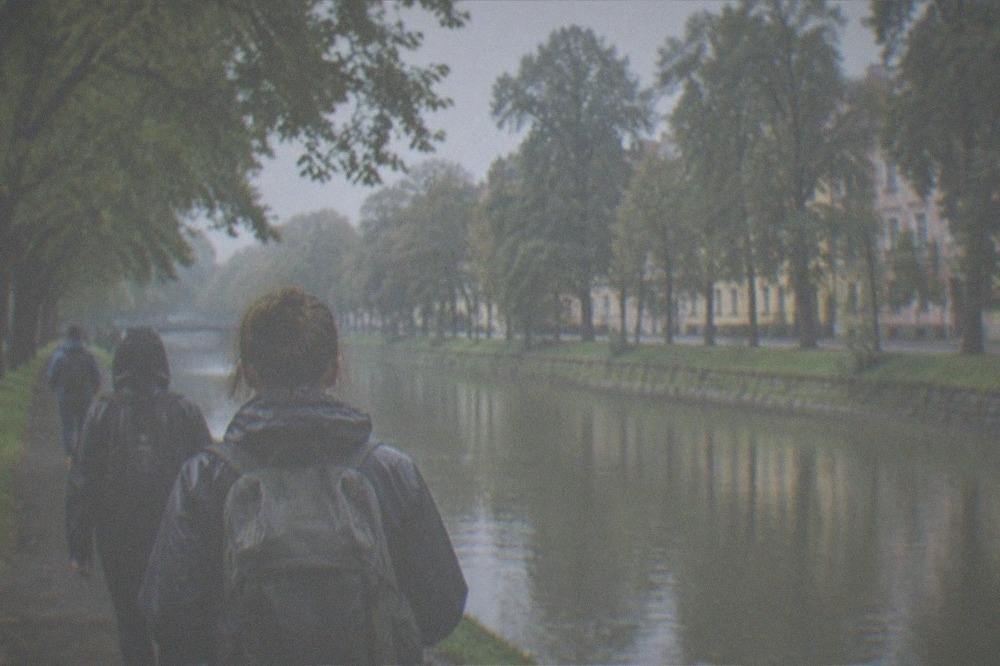
Winter packing is the standard continental kit: a proper coat, gloves, a hat and waterproof shoes, because the 0.0 C January mean mixes frost, damp and occasional snow, and the gray days can feel colder than the thermometer reads. Spring and autumn both reward the layered approach, a base layer, a mid layer and a shell, because a March or April day can swing from bright to bleak within a few hours, and May and September afternoons are often warm enough for a terrace even when the morning demanded a jacket.
One practical note on money and weather: Romania's currency is the leu (RON), and the euro is not adopted, so small cash amounts in lei remain handy for kiosks and market stalls. Our Romanian currency and Romania travel essentials guides cover the details, including the tourist tax that lodging providers collect under the city's local council decision.
How Does Timisoara Weather Shape Its Festival Calendar?
The open-air calendar runs from spring to early autumn, in step with the climate: the Flight Festival takes place 19 to 21 June 2026 at the Banat Village Museum, the city celebration runs 31 July to 3 August 2026, JazzTM closes the open-air season 25 to 27 September 2026, and the seasonal water bus on the Bega operates 1 April to the end of October. Winter belongs to the indoor program and the Christmas Market in Piata Victoriei.
The festival year reads like a map of the normals table. It opens when April warmth arrives, peaks across the warm months, and ends with a jazz festival deliberately placed in late September, when the 17.2 C mean still supports open-air venues. The 2026 edition of JazzTM, its 14th, confirmed the pattern with a 25 to 27 September run. The Banat Village Museum, which hosts the Flight Festival, is an open-air site, which is exactly why the festival sits in June rather than November.

| Event | Season | Dates in the 2026 record | Weather logic |
|---|---|---|---|
| Water bus on the Bega | Spring to autumn | 1 April to end of October | Operates only in the warm half of the year |
| Flight Festival | Summer | 19 to 21 June 2026 | Open-air site at the Banat Village Museum |
| Ziua Timisoarei | High summer | 31 July to 3 August 2026 | Peak-warmth city celebration |
| JazzTM | Early autumn | 25 to 27 September 2026 | Last warm month for open-air venues |
| Christmas Market | Winter | Piata Victoriei; 2026 dates unannounced | Moves the calendar indoors as means fall to 0.0 C to 1.5 C |
For a summer day trip beyond the city, the mountains of the Banat offer a different climate at higher altitude, cooler and wetter than the plain, which is part of their appeal when the July mean in town sits at 22.8 C.
How Do You Get Around Timisoara When The Weather Turns?
Timisoara's public transport covers the whole city with nine tram lines, six trolleybus lines, eight express bus lines and a seasonal water bus on the Bega, and a single 5 lei ticket buys 60 minutes across all of them, including the water bus in season. Contactless bank cards work on board, so a sudden shower does not send you hunting for a ticket kiosk, and the trams in particular connect every main square to the train and bus stations.
The tram network is the city's all-weather backbone and one of its quietest attractions, because Timisoara's transport history runs deep: the first horse-drawn tram in the Habsburg Empire started here in July 1869, and the first electric tram in Romania followed in 1899. On a wet June afternoon, when the 79.1 mm monthly total is landing on the square in front of you, a tram is the difference between a dash and a plan. Real-time arrivals are published at the operator's live site, and temporary diversions, such as the works that closed Piata Traian to trams from August 2026, are announced there first.
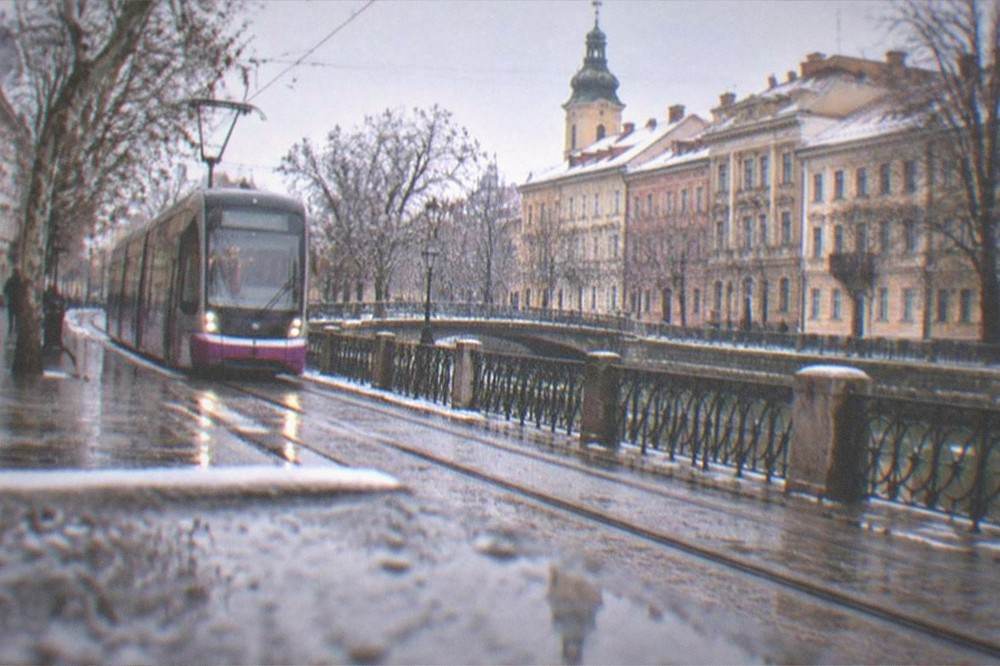
Driving is the weaker option in the center in any weather, because paid parking is zoned and enforced on weekdays, while the trams and the walkable core make a car mostly unnecessary for a short visit; our getting around Timisoara and Timisoara taxi, Bolt and Uber guides cover the details. If you are flying in, the airport to city center connection is the express bus E4, and the flights to Timisoara guide lists the routes that serve the city. Note one planning wrinkle for late 2026: the airport's runway was scheduled for full closure for repairs from 2 to 22 November 2026, a period reported in the airport's own July 2026 announcement, so autumn travelers should confirm flight status directly.
For a day of sightseeing that keeps options open in every forecast, these three picks cover a city walking tour, an all-terrain tram-and-walk combination and a private day trip into the mountains.
The underlying truth of the Timisoara climate is that it rewards preparation rather than luck. A rain layer in June, warm boots in January, layers in April: the normals table tells you which, and the city is compact enough that no weather verdict, wet or cold, ever closes more than a third of your day.
Common Questions About Timisoara Weather
What is the coldest month in Timisoara?
January, with a mean temperature of 0.0 C, is the coldest month on the official normals for the city's station, followed by December at 1.5 C and February at 2.1 C.
What is the warmest month in Timisoara?
July, with a mean temperature of 22.8 C, is the warmest month, closely followed by August at 22.5 C. June averages 20.9 C.
What is the rainiest month in Timisoara?
June, with 79.1 mm of precipitation on the official normals, is the wettest month of the year, ahead of July at 61.9 mm and May at 57.2 mm.
What is the driest month in Timisoara?
March, with 34.1 mm, is the driest month, followed by February at 35.5 mm and January at 37.3 mm.
Does it snow in Timisoara?
Winter precipitation falls across December, January and February at a mean of 0.0 C to 2.1 C, which allows snow, but the published normals record precipitation totals rather than snow days, so no reliable snow-day count exists for this station and none should be assumed.
How much rain does Timisoara get in a year?
The official normals total 600.7 mm of precipitation per year, spread unevenly from 34.1 mm in the driest month to 79.1 mm in the wettest.