Banat Village Museum In Timisoara, Romania
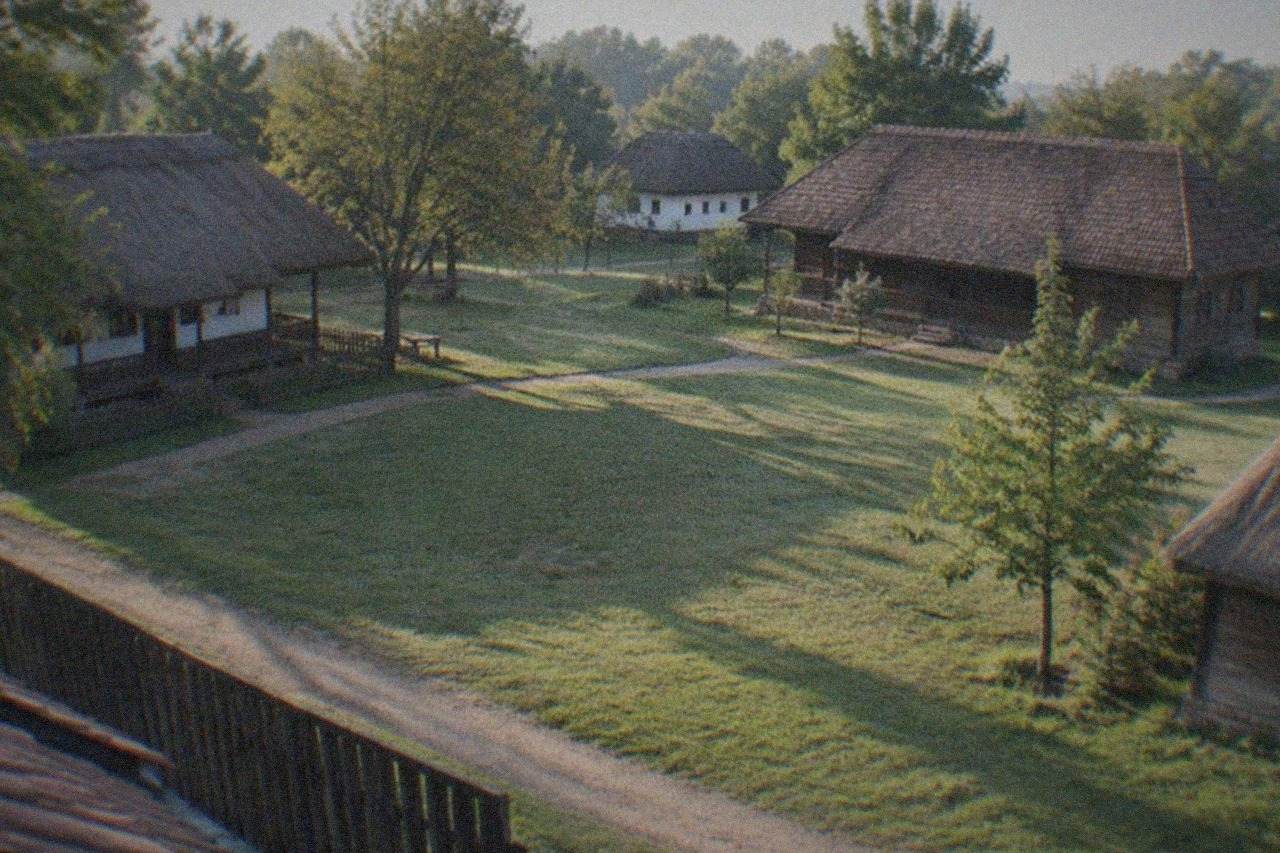
The Banat Village Museum is Timisoara's open-air museum of traditional rural architecture, spread across a green park in the north-east of the city, with more than a hundred relocated buildings from across the Banat region of western Romania.
Short answer
The Banat Village Museum in Timisoara is open Wednesday to Saturday 10:00 to 18:00 and Sunday 12:00 to 20:00, closed Monday and Tuesday. The reported adult ticket is 20 lei. It is an open-air museum of traditional houses, churches and farm buildings from the Banat region.
The Banat Village Museum in Timisoara, in the Timis County corner of the Banat region of western Romania, is the city's open-air museum of rural life: a park of traditional houses, barns, water mills and wooden churches that were dismantled across the Banat countryside and rebuilt here, street by street, so a visitor can walk through the region's villages without leaving the city. Locals know it as Muzeul Satului Bănățean, and it sits in the north-east of Timișoara, a short ride from the center but a world away in atmosphere. This guide, from the Timisoara Travel Guide editorial desk, covers the verified opening hours, the reported ticket price, what you will actually see inside, how to reach it, and the best months to go.
What Is The Banat Village Museum In Timisoara?
The Banat Village Museum is an open-air ethnographic museum in north-east Timisoara that reconstructs the traditional villages of the Banat region, using original houses, farmsteads, workshops and churches relocated from the countryside and reassembled across a landscaped park. It is the largest attraction of its kind in western Romania and works as a walk-through catalogue of how the region's Romanian, German, Hungarian and Serbian communities built and lived. The museum's own site presents it as a museum of the Banat's vernacular heritage, and the setting, lawns and tree-lined lanes between the buildings, makes it one of the greenest visits in the city.
The Banat is a genuinely mixed region, and the museum reflects that. This was frontier land under the Habsburgs, systematically colonized over the centuries that followed, and under its Hungarian name, Temesvár, the city at its heart became one of the monarchy's most modern towns. The villages around it kept older ways of building much longer: thick walls, deep porches, steep thatch or tile roofs, and outbuildings arranged around a courtyard. The museum gathers these into thematic sectors, so the differences between a German Banat Swabian farmstead and a Romanian hill house are visible side by side.
It is also a living venue rather than a static display. Craft demonstrations, folk events and festivals use the grounds through the year, including two of the city's biggest music events, covered further down this page. For families it doubles as a park, with room to run between the exhibits in a way a conventional museum never allows. If you are planning a wider trip, our overview of things to do in Timisoara places the museum in context with the city's squares and other institutions.
What Are The Opening Hours And Ticket Prices At The Banat Village Museum?
The Banat Village Museum is open Wednesday to Saturday from 10:00 to 18:00 and on Sunday from 12:00 to 20:00, and it is closed on Mondays and Tuesdays; the reported adult ticket is 20 lei, a figure carried by the museum's listing rather than by a page this site has re-checked directly. Those hours come from the museum's own site and are the ones to plan around, but treat the 20 lei price as reported: check the ticket desk on arrival for the current figure and any concessions, since open-air museums in Romania adjust tariffs more often than they update their web pages. Allow roughly two to three hours for a full circuit at a relaxed pace.
The closed days matter more here than at most attractions. Because Monday and Tuesday are dead days, a weekend city break naturally lands on the museum's best hours, and the Sunday afternoon slot, noon to 20:00, is the one long evening opening of the week. Visitors arriving on a Monday often assume the whole city is shut; it is not, but this museum is, so slot it midweek or at the weekend.
| Day | Hours | Notes |
|---|---|---|
| Monday | Closed | Plan another sight |
| Tuesday | Closed | Plan another sight |
| Wednesday | 10:00 to 18:00 | Standard weekday hours |
| Thursday | 10:00 to 18:00 | Standard weekday hours |
| Friday | 10:00 to 18:00 | Standard weekday hours |
| Saturday | 10:00 to 18:00 | Busiest family day |
| Sunday | 12:00 to 20:00 | Late opening, closes at 20:00 |
For comparison, here is how the city's other major museums handle tickets, drawn from their own published information. Prices and hours below are stated only where this site's research verified them or flagged them as reported figures.
| Museum | Adult ticket | Hours as published |
|---|---|---|
| Banat Village Museum | 20 lei (reported) | Wed-Sat 10:00-18:00, Sun 12:00-20:00 |
| Memorial of the 1989 Revolution | 20 lei | Mon-Fri 08:00-17:00, Sat-Sun 10:00-18:00 |
| National Museum of Art | Not extracted | Summer Wed-Sun 13:00-21:00, winter Wed-Sun 10:00-18:00 |
| Huniade Castle / National Museum of Banat | Closed | Closed for restoration, partial reopening targeted 2027 |
The Memorial of the 1989 Revolution, covered in our Memorial Museum of the Revolution guide, is the city's other essential museum, and the two make a good pair: one shows how rural Banat lived, the other how Timisoara made history in December 1989. The National Museum of Art in the Baroque Palace on Piata Unirii rounds out a museum-heavy day.
What Can You See Inside The Banat Village Museum?
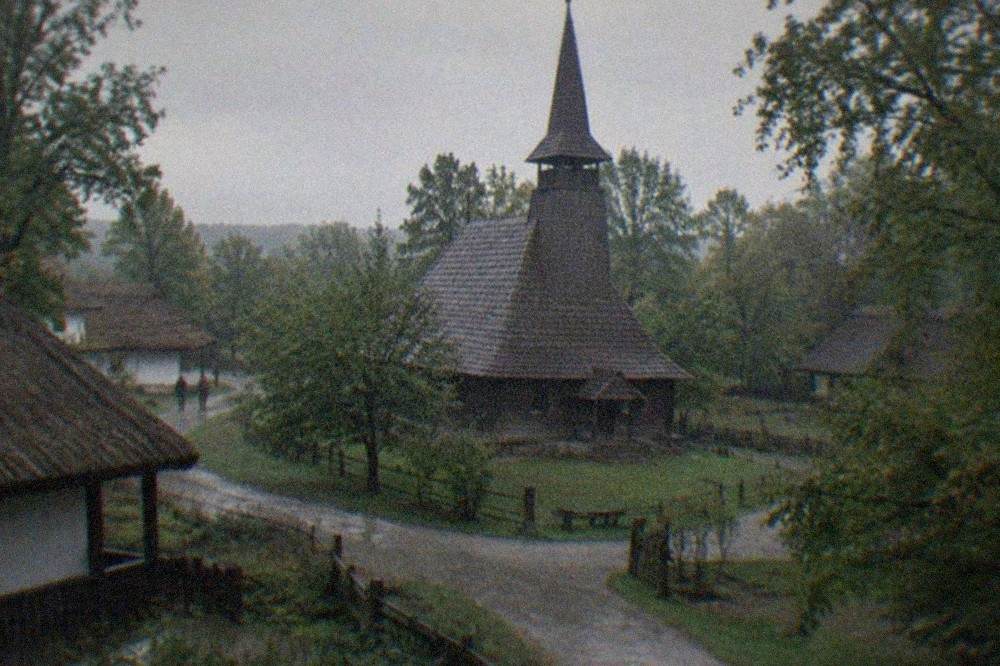
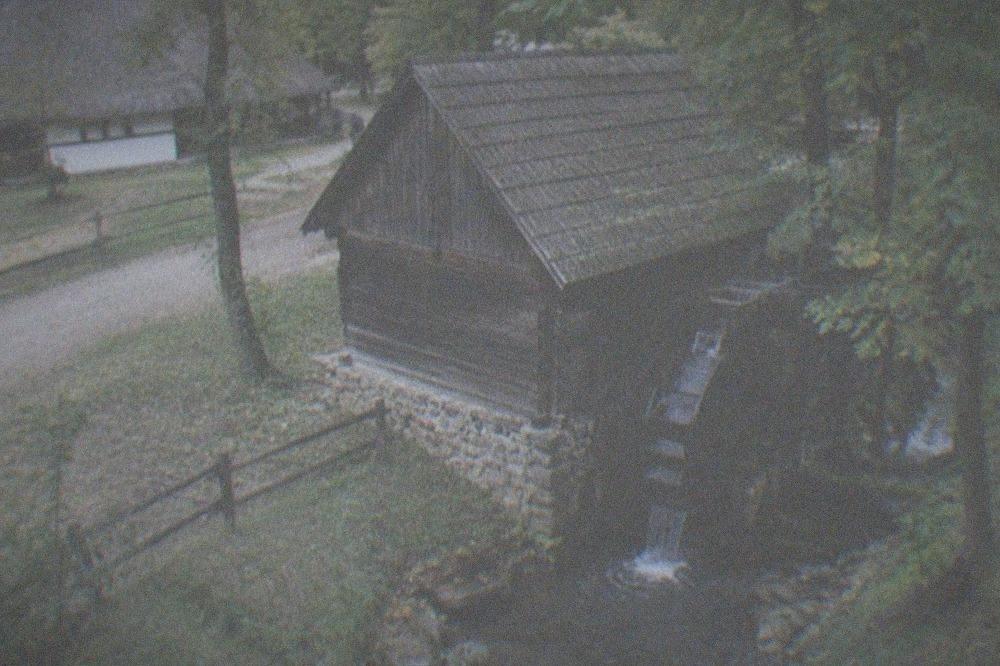
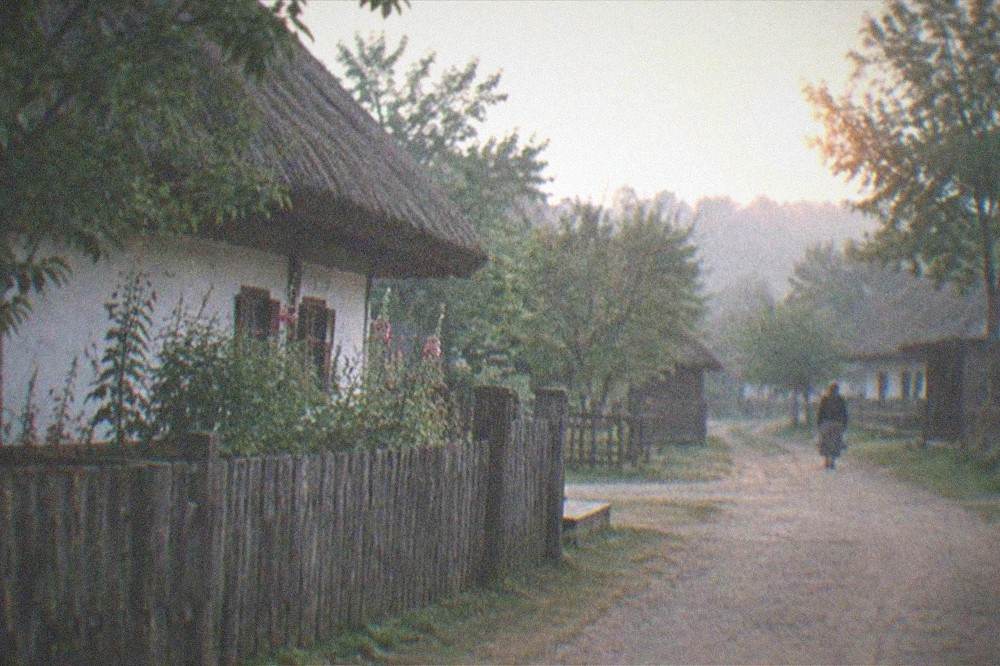
Inside the Banat Village Museum you walk through reconstructed village sectors of original rural buildings: farmhouses with furnished interiors, barns and stables, a wooden church, windmills and water mills, village craft workshops, and equipment from pre-mechanized agriculture, all laid out along dirt lanes and green commons. The interiors are the detail that tends to surprise people. These are not empty shells: rooms hold looms, painted furniture, ceramics, textiles and household tools arranged as they would have been used, and the contrast between a wealthy farmer's parlor and a poor family's single room is part of the story the museum tells.
The buildings come from across the Banat, which is what gives the collection its range. Flat-country houses built from packed earth and brick sit near hill houses of rough timber; German colonist farmsteads with their orderly courtyards stand beside Romanian and Serbian dwellings with different roof lines and porch styles. The museum's church buildings are the quiet highlights, and the sector layout means you can compare rather than just admire. Photography is unrestricted in the grounds, though the Memorial of the 1989 Revolution, by contrast, charges a separate 20 lei photo fee inside.
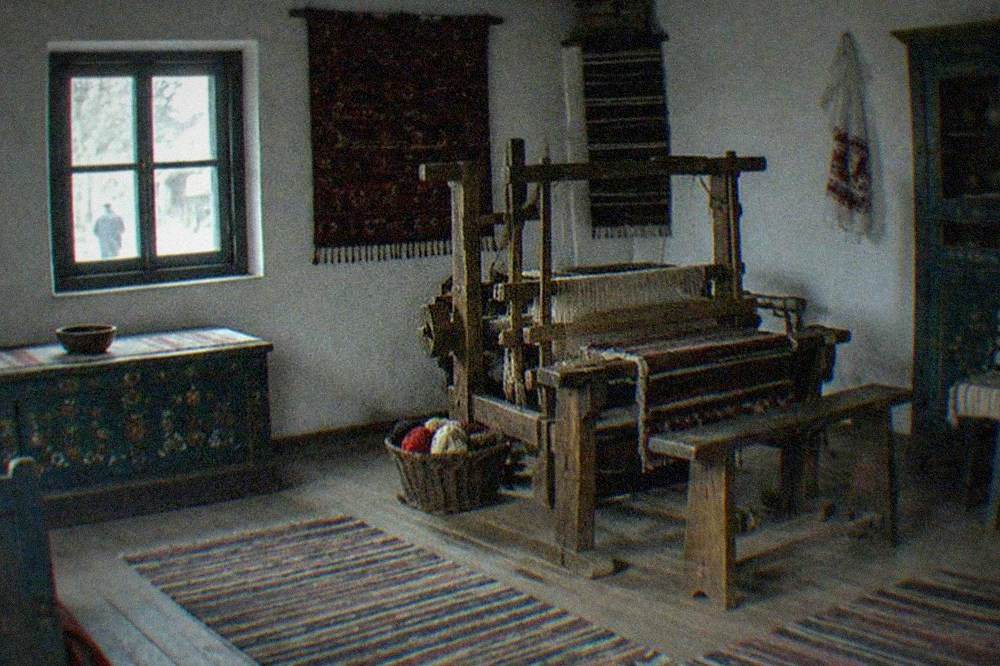
Practical notes for the walk: the lanes are unpaved, so wear closed shoes after rain, and there is little shade inside the house interiors even when the grounds are hot. A relaxed circuit with the furnished houses entered one by one takes most people two to three hours. Families with children tend to stay longer, because the open grounds behave like a park between exhibits.
A guided walk through the city before or after puts what you see here into context, and a heritage-focused option pairs naturally with the museum's theme.
The operator of that heritage walk does not publish its price, so the listing above is the place where the current figure appears. If you prefer a fixed schedule, there are solid alternatives.
How Do You Get To The Banat Village Museum From Central Timisoara?
The Banat Village Museum sits in the north-east of Timisoara, and the practical way to reach it from the center is by public transport: a single 60-minute STPT ticket costs 5 lei and covers trams, trolleybuses, buses and even the Bega water bus, with a day pass at 18 lei and contactless bank card payment accepted on board. The museum's own site gives the address and directions, and the STPT network of nine tram lines, six trolleybus lines and express buses serves the area; check live.stpt.ro for real-time arrivals before you set off, since the network has had temporary diversions through 2026, including works around Trajan Square.
A taxi or ride-hailing car is the alternative when the weather is poor or you are carrying small children, but this site does not publish a taxi tariff because no official per-kilometer rate is sourced for Timisoara. Driving is straightforward too: the museum is a short hop from the city's eastern ring roads, and the on-site car park fills fastest on weekends and festival days. Cyclists can reach it along the Bega corridor; the canal-side path is one of the city's most pleasant rides, and the Bega Canal page covers the waterfront in detail.
| Transport option | Cost | Notes |
|---|---|---|
| Single 60-minute STPT ticket | 5 lei | All modes, including the water bus |
| 1-day pass | 18 lei | Full network for a day |
| 30-day general pass | 160 lei | Only useful for long stays |
| Water bus ticket | 5 lei | Seasonal, 1 April to end October, 9 stops per direction |
| Taxi / ride-hailing | Not published here | No official per-km tariff is sourced |
The water bus deserves a mention even though it does not serve the museum directly, because it is the same 5 lei ticket and the same day pass: a morning on the Bega and an afternoon in the village museum can run on one 18 lei day ticket. Payment on board is by contactless bank card, e-wallet card, SMS or the STPT kiosks; the 24Pay app was suspended in 2026, so do not plan around it.
If the museum's rural theme has sold you on a deeper dive into the city's heritage, a guided walk is the most efficient next step.
When Is The Best Time To Visit The Banat Village Museum?
The best time to visit the Banat Village Museum is late April to June or September, when Timisoara's continental climate gives warm days without the peak summer heat, and the museum's grounds are green; July is the warmest month at a 22.8 C mean and January the coldest at 0.0 C, so dress for the season. This is an open-air museum, so the weather matters more here than anywhere indoors. The JMA climate normals for Timisoara station 15247 show a clear continental pattern: spring is mild and relatively dry, June is the wettest month at 79.1 mm of rain, and high summer is warm with occasional heavy showers.
| Month | Mean temperature | Precipitation |
|---|---|---|
| January | 0.0 C | 37.3 mm |
| February | 2.1 C | 35.5 mm |
| March | 6.5 C | 34.1 mm |
| April | 12.3 C | 50.6 mm |
| May | 17.3 C | 57.2 mm |
| June | 20.9 C | 79.1 mm |
| July | 22.8 C | 61.9 mm |
| August | 22.5 C | 54.6 mm |
| September | 17.2 C | 50.4 mm |
| October | 11.5 C | 50.0 mm |
| November | 6.4 C | 45.3 mm |
| December | 1.5 C | 44.7 mm |
March is actually the driest month of the year at 34.1 mm, which surprises visitors who expect a soggy early spring, but the grounds are at their barest then. May combines warmth with the city's best light, and it is also the month Timisoara's tourism peaks: the city hall's own data records May 2025 as the strongest month on record for tourist arrivals. September brings the festivals, covered below, and comfortable walking weather. Winter visits are possible on the museum's open days, but expect mud or frost on the lanes and shorter useful daylight.
Which Events And Festivals Are Held At The Banat Village Museum?
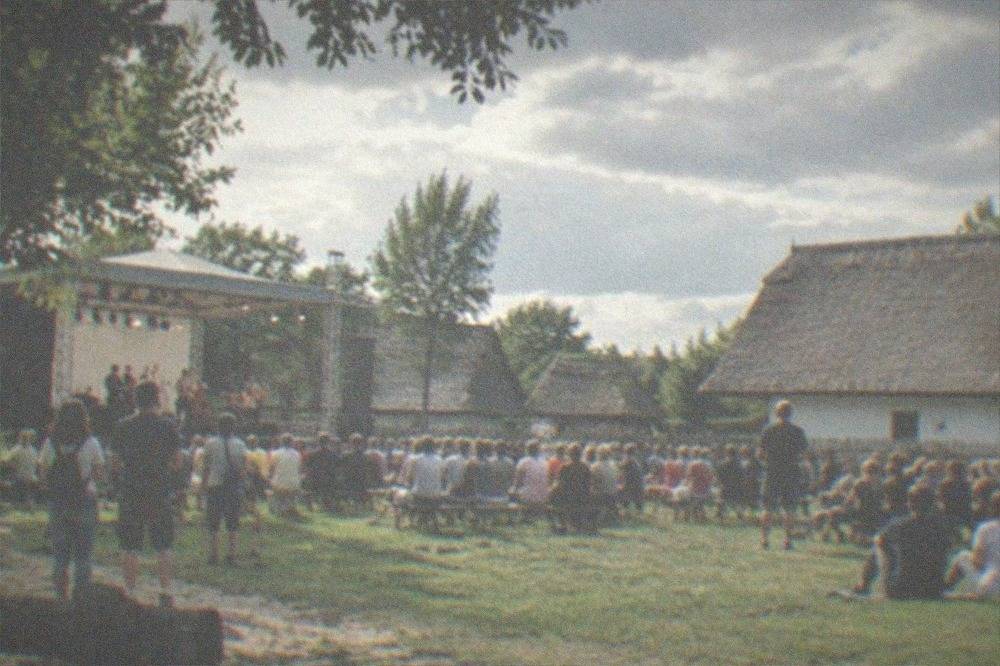
The Banat Village Museum's grounds host two of Timisoara's biggest outdoor events: the Flight Festival, held 19 to 21 June 2026 on the museum site, and the Plai Festival, which has historically run in mid-September at the same venue, though no 2026 Plai dates had been announced in the sources this site checked. Flight Festival's 2026 "Endless Flight" edition brought national and international acts across multiple stages to the museum lawns, and Plai has long been the city's world-music and folk festival, a natural fit for an ethnographic park. Both transform the quiet lanes into festival grounds for a weekend.
Beyond the festivals, the museum runs its own folk calendar: craft demonstrations, folk dance gatherings and seasonal fairs, concentrated in the warm months when the open-air setting works. The city's wider event calendar is covered in our Timisoara festivals and events guide, and the Christmas Market in Piata Victoriei, the subject of our Christmas in Timisoara page, takes over the city center in December when the village museum's grounds are quiet.
| Event | Venue | 2026 status |
|---|---|---|
| Flight Festival | Banat Village Museum grounds | Held 19-21 June 2026 |
| Plai Festival | Banat Village Museum grounds | No 2026 dates announced in sources checked |
| Timisoara Jazz Festival | Liceul de Arta Ion Vidu, city center | 25-27 September 2026 |
| Ziua Timisoarei | Citywide, Piata Victoriei area | Held 31 July to 3 August 2026 |
| Christmas Market | Piata Victoriei | 2026 dates estimated, not officially confirmed |
If your trip lands on a festival weekend, expect the museum's normal calm to disappear, ticketing to shift to the festival's own system, and parking to be difficult. On every other weekend it reverts to one of the city's most peaceful attractions.
What Else Is Near The Banat Village Museum?
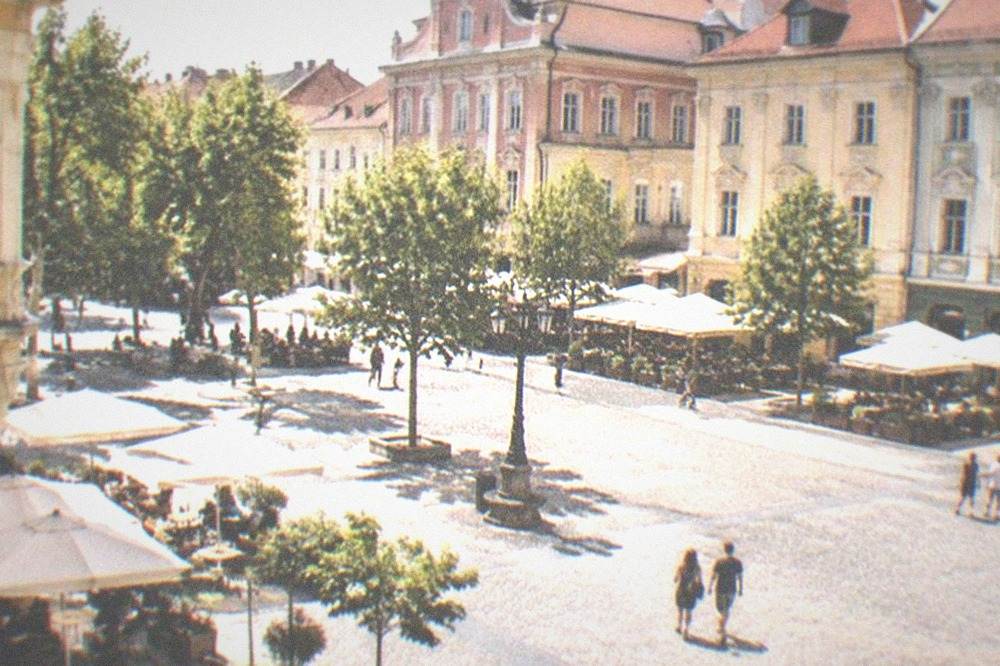
The Banat Village Museum stands in the north-east of Timisoara, and the sights within easy reach include the city's green eastern corridor, while the historic center, with Piata Unirii, Piata Victoriei and Piata Libertatii, is a short tram or car ride away. Pairing the museum with a half day in the Cetate old town works well, and it works in either direction: morning squares, afternoon village. The city's parks and green spaces sit on the museum side of town, though this site publishes no hours or fees for them because none are sourced.
A sensible day looks like this: start on Piata Unirii, the Baroque heart of the old town, walk through Piata Libertatii and on to Piata Victoriei, where the 1989 Revolution played out in front of the Romanian National Opera, then ride out to the museum for the afternoon. The Theresia Bastion and the Orthodox Metropolitan Cathedral are the two landmarks worth adding if you have a full day rather than a half.
For rainy days, the city's indoor options are covered in our rainy day in Timisoara guide; the village museum is the one major attraction that loses most of its appeal in heavy rain, since the lanes turn muddy and the grounds are the point. Smaller specialist museums in the center make workable wet-weather substitutes, though this site publishes no hours or fees for them.
How Does The Banat Village Museum Fit Into A Longer Trip?
The Banat Village Museum fits best as the half-day "green" chapter of a two- or three-day Timisoara itinerary, paired with the old town squares on one day and used as a launch pad for day trips into the Banat countryside on another. Our two days in Timisoara itinerary slots it into the second morning, when the initial rush of squares and churches has passed and a slower, walkable attraction lands well. The museum also previews the countryside: if the houses and mills appeal, the actual villages of the Banat are reachable on day trips.
The region beyond the city is where the museum's buildings came from, and several of our day-trip guides cover it: the Nera Gorge, the Danube gorges at Cazanele, and the Banat villages themselves. The museum is both a destination and a preview of destinations, which is the neat trick of the place.
Guided touring in the city itself remains the most efficient way to absorb the history, and the fixed-schedule English walk below is the one that fits most easily around a museum visit.
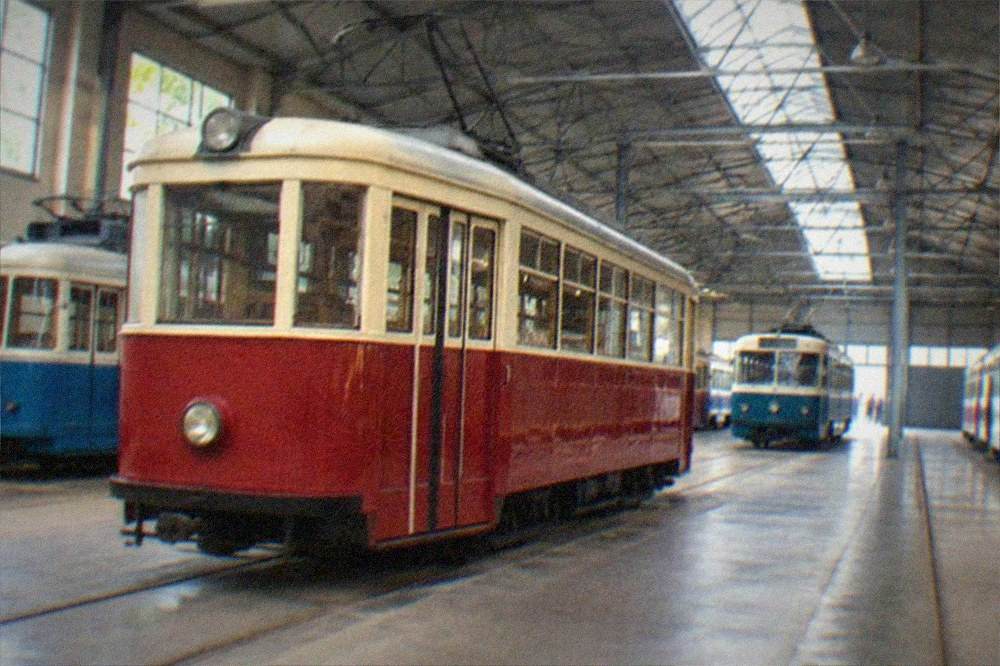
The tram-inclusive option covers more ground and suits visitors who want the city's spread-out districts, from the Bega to the boulevards, in a single loop.
Common Questions About The Banat Village Museum
Is the Banat Village Museum open on Mondays?
No. The museum is closed on Mondays and Tuesdays. It opens Wednesday to Saturday from 10:00 to 18:00 and on Sunday from 12:00 to 20:00, per its published hours.
How much does the Banat Village Museum cost?
The reported adult ticket is 20 lei, a figure this site carries as reported rather than re-verified from the ticket desk. Check the current price and concessions on arrival.
How long does a visit to the Banat Village Museum take?
Plan on two to three hours for a relaxed circuit of the houses, church buildings and grounds. Families with children often stay longer, since the open parkland between exhibits invites lingering.
Is the Banat Village Museum good for kids?
Yes. The open-air layout, farm equipment, craft displays and room to run make it one of the city's most child-friendly attractions.
What festivals are held at the Banat Village Museum?
The Flight Festival was held on the museum grounds 19 to 21 June 2026, and the Plai Festival has historically run there in mid-September, though no 2026 Plai dates had been announced in the sources this site checked.
Can you reach the Banat Village Museum by public transport?
Yes. A single 60-minute STPT ticket costs 5 lei and covers trams, trolleybuses and buses; a day pass is 18 lei. Check live.stpt.ro for real-time arrivals and any temporary diversions before setting off.
The Banat Village Museum rewards the visitor who gives it a slow half day rather than a rushed hour: the hours are generous on weekends, the reported ticket is modest, and no other attraction in Timisoara explains the countryside that surrounds the city as well as this one does. Slot it midweek or on a Sunday afternoon, check the desk price when you arrive, and leave time for the furnished interiors, which are where the region's story actually lives.