Cheile Nerei: The Nera Gorge Day Trip From Timisoara
Cheile Nerei is the longest gorge complex in Romania and one of the wildest corners of the Banat, reachable as a long day trip from Timisoara. Here is what to see, when to go and how to plan it.
Short answer
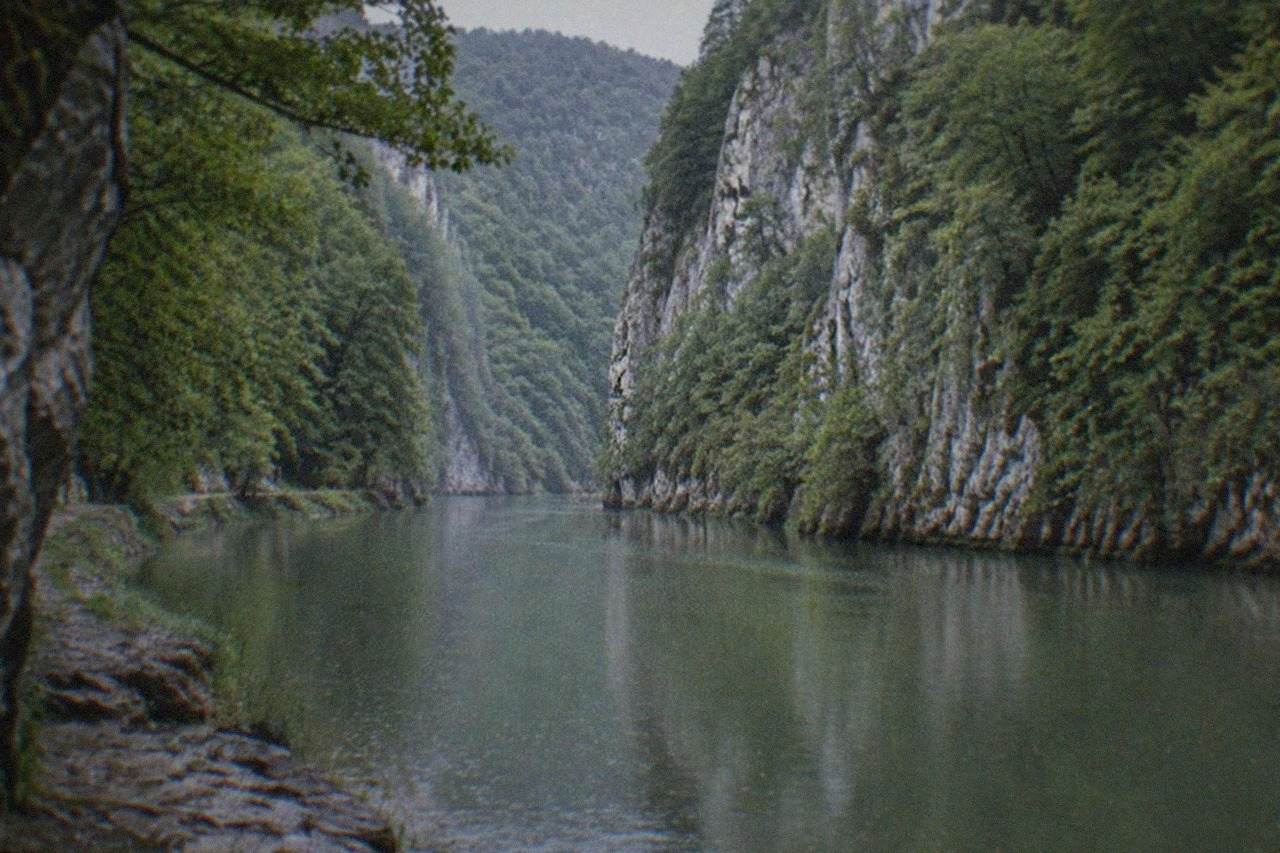
Cheile Nerei, the Nera Gorge, lies in the Anina Mountains in Caras-Severin County, roughly two hours' drive south of Timisoara by road. It is the centerpiece of the Cheile Nerei-Beusnita National Park, known for its turquoise river, waterfalls and karst springs, and it works best as a full-day trip from Timisoara with a car or a booked tour.
Cheile Nerei, the Nera Gorge, cuts through the Anina Mountains of the Banat in western Romania, and it is one of the most rewarding day trips you can build out of Timisoara. Timisoara, in Timis County, is the natural base for the Banat region, and the gorge sits just over the county line in Caras-Severin, close enough for a full day and far enough that the landscape changes completely: the flat Banat plain gives way to forested limestone cliffs, a turquoise river and some of the most photographed water in the country. This guide covers what the park actually contains, when to go from Timisoara, how to get there under your own steam, and which guided options make sense.
What Is Cheile Nerei And Where Is It Relative To Timisoara?
Cheile Nerei is the Nera Gorge, a river canyon carved by the Nera through the Anina Mountains in Caras-Severin County, and it forms the core of the Cheile Nerei-Beusnita National Park, one of Romania's protected natural areas in the Banat region of western Romania. From Timisoara it sits to the southeast, across the county border, and it is a fixture of every Banat day-trip list precisely because nothing like it exists nearer the city. The park is managed under Romania's national park framework, and its name pairs the gorge itself with the Beusnita area, a karst plateau of springs, waterfalls and lakes upstream of the canyon.
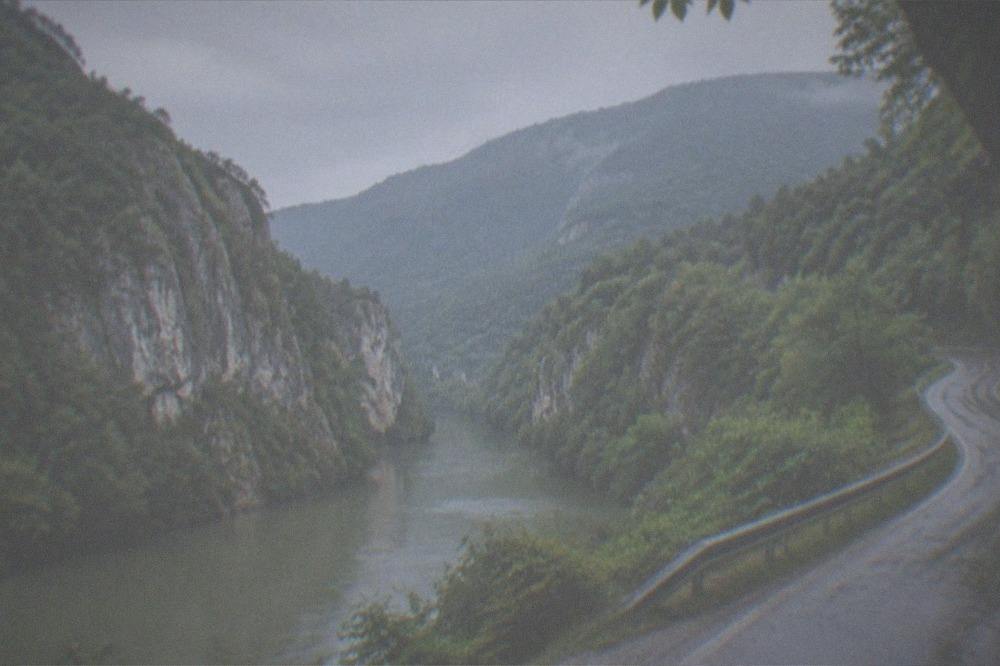
The Nera rises on the Semenic massif and flows west toward the Danube, and along its middle stretch the river has cut a canyon between steep, heavily wooded limestone walls. The park, gorge and plateau are usually treated as a single destination, and visitors from the city tend to cover them in one long loop. The area belongs to the same Banat mountain chain that also holds the Danube Gorges further south, so a trip here is a taste of the same landscape without driving all the way to the river Danube.
The park's reputation in Romania rests on water. The Nera and its tributaries run a distinctive blue-green color, fed by karst springs that keep the flow steady even late in summer, and the combination of clear water, waterfalls and swimable stretches makes it far more than a hiking destination. Romanian travel media regularly ranks it among the country's foremost natural attractions, and after Timisoara's year as European Capital of Culture in 2023, international visitors began discovering it too.
What Can You Actually See In The Nera Gorge From Timisoara?
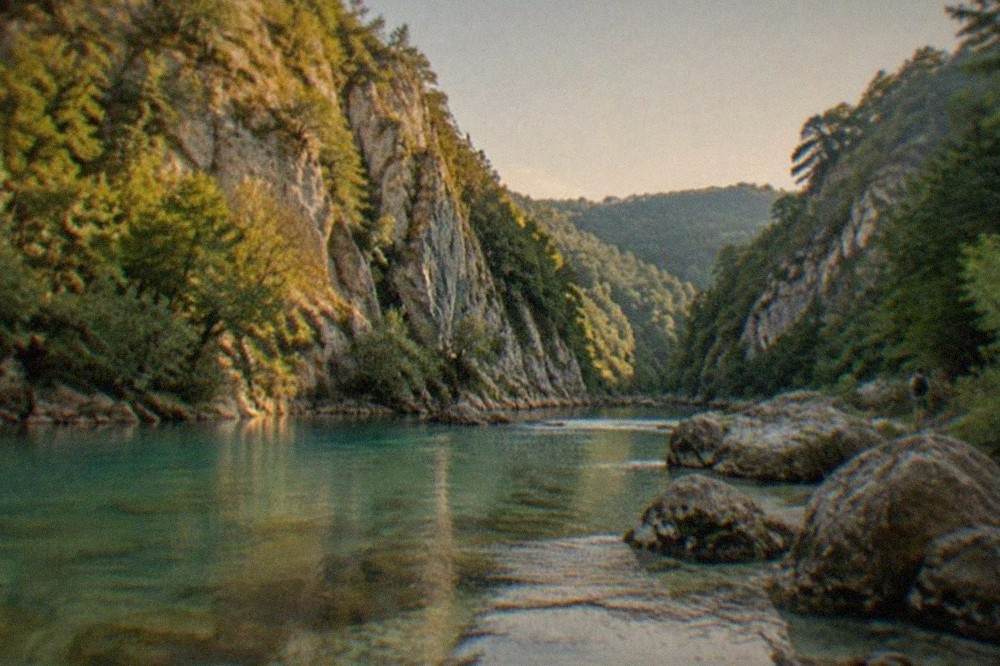
The sights that draw visitors from Timisoara to Cheile Nerei are the Nera river canyon itself, the Ochiul Beiului lake, the Beusnita and Vanturatoarea waterfalls, and the karst springs that feed them, all inside the Cheile Nerei-Beusnita National Park. The classic route strings several of these together along the river, and even a partial loop delivers the park's signature mix of cliffs, water and forest. Nothing here requires technical climbing; the main paths are walking trails on established routes.
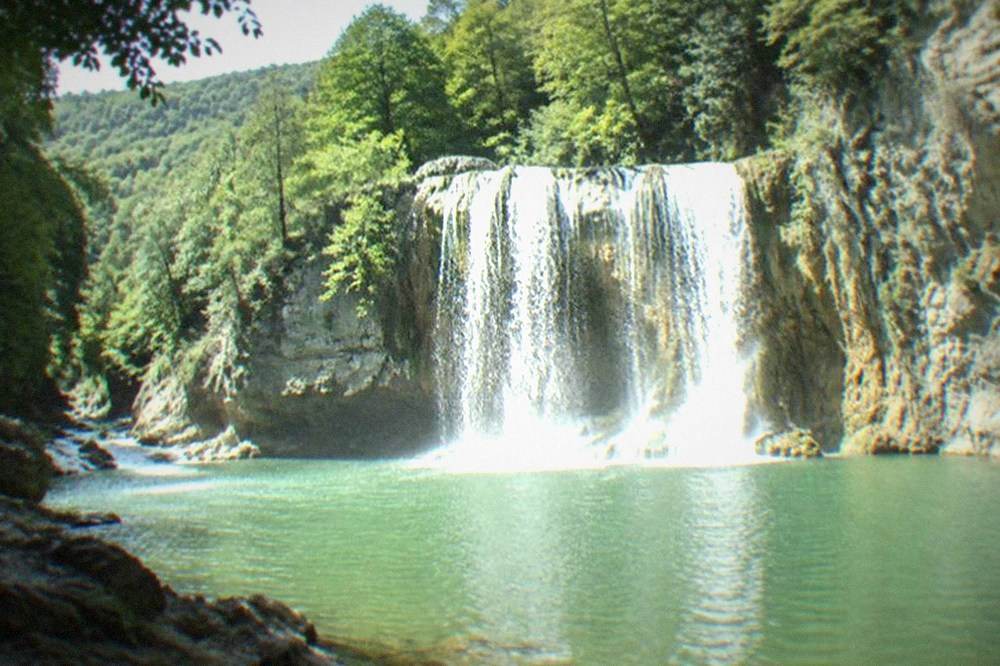
Ochiul Beiului is the single most famous spot. It is a small karst lake, strikingly blue and clear, held in a natural basin, and its color changes with the light and the season. Swimming is possible and popular in summer, though the lake is small and fills early on weekends. Beusnita waterfall sits on the Beu stream a short walk away, a broad cascade over a limestone lip into a green pool, and it is the most photographed waterfall in the park.
| Sight | What It Is | What To Expect |
|---|---|---|
| Cheile Nerei (the gorge proper) | River canyon between forested limestone walls | The park's core walk; cliffs, clear water, quiet stretches away from the entry points |
| Ochiul Beiului | Karst lake in a natural limestone basin | Intensely blue water; swimming in summer; busiest spot at midday |
| Beusnita waterfall | Cascade on the Beu stream over limestone | Wide, photogenic waterfall with a green pool below |
| Vanturatoarea waterfall | Tall single-drop waterfall in the Beusnita area | The park's most dramatic drop, reached on a forest trail |
| Lacul Dracului | Small karst lake near the Beusnita valley | Quieter than Ochiul Beiului, similar blue-green water |
| The Nera river itself | The waterway that shapes the whole park | Steady karst-fed flow; swimable pools in warm months |
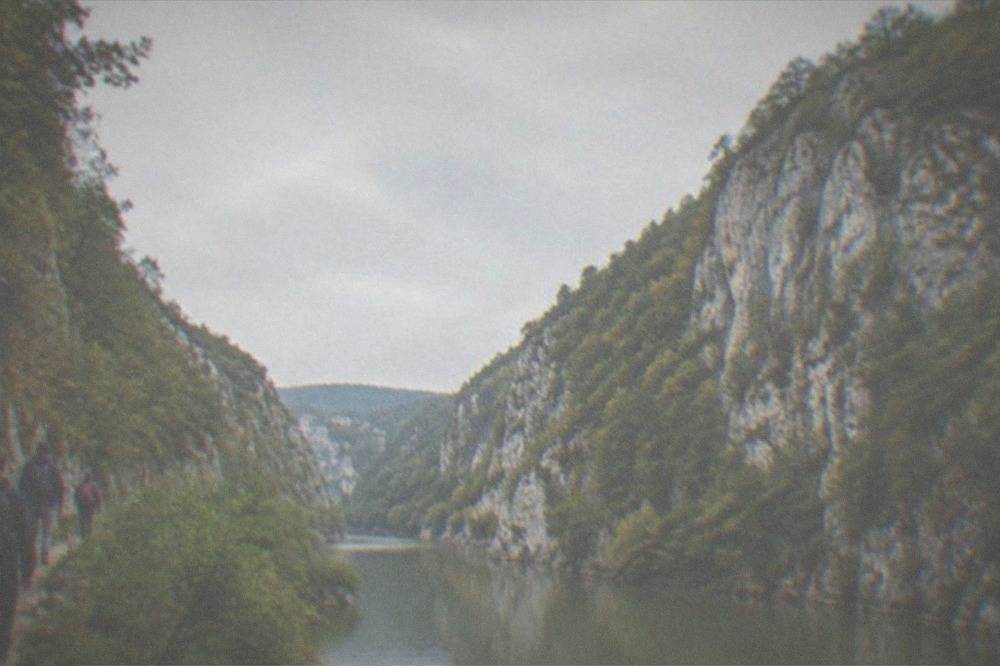
The gorge walk itself is the other half of the day. The trail follows the Nera between the canyon walls, crossing the river in places, and passes through stretches where the cliffs close in and the light turns green. In high summer the pools along the river fill with swimmers from Timisoara and Resita, while in spring the water runs faster and colder. The park's trail network lets you build anything from a short waterfall circuit to a full traverse of the gorge, and the entry points at either end mean you can plan a one-way walk with a pickup, or an out-and-back from a single parking area.
Which Guided Tours From Timisoara Cover Cheile Nerei And The Banat Mountains?
The most direct booked option from Timisoara is a private day tour of the Nera Gorge National Park, which handles the roughly two-hour drive each way and takes you to the main trailheads; beyond it, operators run Banat mountain day trips covering gorges, waterfalls and villages, and a national park tour to Retezat covers a different but comparable wilderness day. A tour makes particular sense here because the park's entry points are scattered, public transport from Timisoara is thin, and a guide who knows which trailhead to start from saves the one thing a day trip cannot recover: time.
The Nera Gorge private day tour runs from Timisoara, with the operator's live listing carrying the current price and availability. It suits travelers who want the gorge without the logistics.
For a bigger Banat mountain day, the Danube Gorge and Banat Waterfalls tour covers a wider sweep of the same landscape, including the Cazane gorges on the Danube. And for a different kind of wilderness, the Retezat National Park tour from Timisoara trades karst water for high granite peaks and glacial lakes.
Comparing the three formats helps before you book. A private car tour of the Nera Gorge is the closest match to this page's destination. The Danube Gorge tour covers more ground and more sights but spends more of the day driving. Retezat is a full mountain hiking day for people who want altitude rather than water. All three are bookable with free cancellation through the operator's live listing, so you can lock one in early and adjust if your Timisoara plans change.
When Is The Best Time Of Year To Visit Cheile Nerei From Timisoara?
The best months to visit Cheile Nerei from Timisoara are late May through September, when the Timisoara region's mean temperatures run from 17.3 C in May to 22.8 C in July and the park's water is warm enough for swimming; June is the wettest month of the year at 79.1 mm of rain, so July and August are the safest bets for dry trails, and September at 17.2 C mean is the quietest good month. These figures come from the JMA climate normals for Timisoara station 15247, the same continental climate data that governs the whole Banat plain, and the mountains southeast of the city follow a similar pattern with somewhat more rain.
Spring is beautiful but unpredictable. March is the driest month of the year at just 34.1 mm, but the mean temperature is only 6.5 C, and the karst-fed river runs cold and full. April and May warm up fast, to 12.3 C and then 17.3 C mean, and the forest greens out dramatically, but rain increases too, reaching 57.2 mm in May. Trails can be muddy and the waterfalls are at their fullest, which is exactly what some photographers want. Everything else covered here is indexed on Timisoara Travel Guide.
| Month | Mean Temp (C) | Precip (mm) | What It Means For The Gorge |
|---|---|---|---|
| March | 6.5 | 34.1 | Driest month of the year; cold water, empty trails |
| April | 12.3 | 50.6 | Full waterfalls, muddy paths |
| May | 17.3 | 57.2 | Peak green season; first warm swimming days |
| June | 20.9 | 79.1 | Wettest month; lush but bring rain gear |
| July | 22.8 | 61.9 | Warmest month; best swimming, busiest weekends |
| August | 22.5 | 54.6 | Still fully warm; slightly drier than July |
| September | 17.2 | 50.4 | The quiet month; warm days, cool water |
| October | 11.5 | 50.0 | Autumn color begins; too cold for most swimmers |
Summer weekends are the one thing to plan around. From late June through August, the Ochiul Beiului lake and the main parking areas fill with day-trippers from Timisoara, Resita and even Belgrade, and the lakeside can feel anything but wild by noon. The fix is simple: go on a weekday, or start very early. Locals from Timisoara often leave the city in the morning and arrive at the trailheads before the midday rush builds.
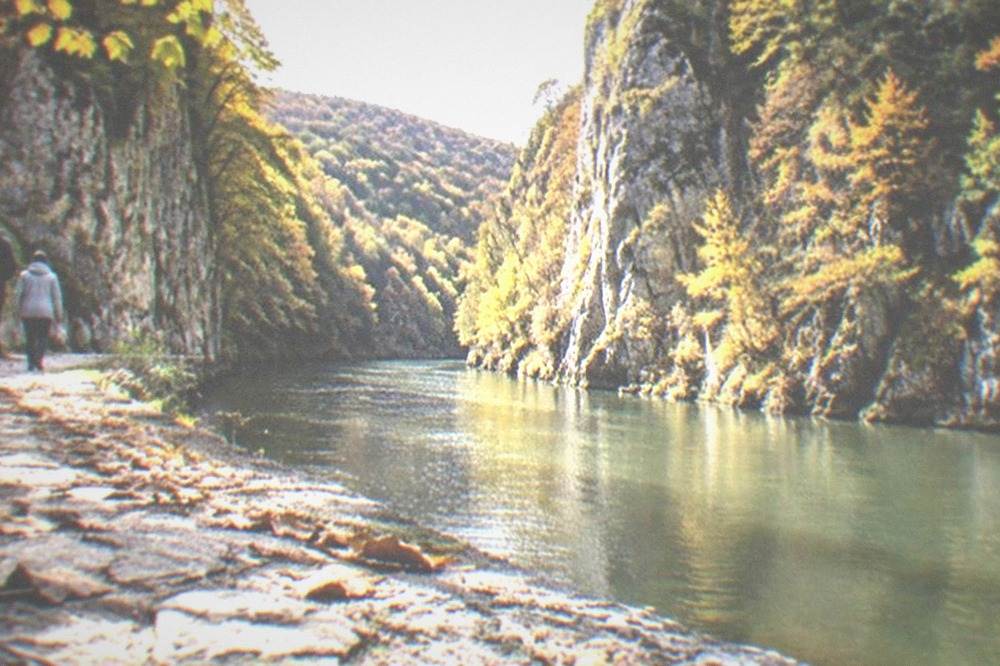
Autumn is the connoisseur's season. October's mean of 11.5 C is still comfortable for walking, the beech forest that clothes the gorge turns gold, and the crowds collapse after the school holidays. Winter is a different proposition: January's mean of 0.0 C in Timisoara translates to frozen trails and icy boardwalks in the mountains, and while the gorge is technically accessible in a mild spell, it is a trip for prepared hikers only. Our page on the best time to visit Timisoara covers the city-side of the same calendar.
How Do You Get To Nera Gorge From Timisoara Without A Tour?
Getting to Cheile Nerei from Timisoara without a tour means driving, most commonly south on the A1 motorway toward Lugoj and then into the Caras-Severin hills to the park's trailheads, because public transport from Timisoara to the park is thin and a round trip by train and rural bus is impractical in a single day. The A1 motorway runs from Timisoara toward Arad and Lugoj, and the Lugoj-Deva section's missing link, including the longest motorway tunnels in Romania near Margina and Holdea, was fully broken through in September 2026, with continuous motorway driving expected in the first half of 2027.
For a Nera Gorge trip the practical route leaves the motorway at Lugoj and follows county roads southeast into the Anina Mountains. The drive is part of the pleasure: it passes through the same Banat hill country described in our guide to Lugoj and toward the villages of the upper Nera valley. Renting a car in Timisoara is straightforward, and our Timisoara car rental guide covers the basics; the park's trailhead parking areas are informal and fill early on summer weekends.
If you would rather not drive at all, the realistic answer is to book the private day tour and let the operator handle it, or to build a different car-free day from the city. Timisoara's own public transport is excellent and cheap, with a 60-minute ticket at 5 lei and a day pass at 18 lei covering trams, trolleybuses, buses and even the seasonal vaporetto on the Bega canal, but that network stops at the metropolitan boundary. The gorge is simply beyond its reach.
| Way To Travel | Works For Cheile Nerei? | Notes |
|---|---|---|
| Rental car from Timisoara | Yes, the standard choice | Full flexibility on trailheads and timing; park early in summer |
| Private day tour from Timisoara | Yes | About nine hours door to door; no navigation stress |
| Timisoara public transport (STPT) | No | 5 lei single, 18 lei day pass, but the network ends well short of the park |
| Train from Timisoara Nord | Not directly | Rail lines serve Caras-Severin towns, not the park's trailheads |
| Combination train plus local taxi | Possible but fragile | Rural taxi availability back to the station is not dependable |
One planning note for drivers: fuel up in Timisoara or Lugoj rather than counting on stations in the mountains, and download an offline map before leaving the city, since mobile coverage in the gorge itself is patchy. The park entrance areas have small seasonal kiosks for food and drink, but a packed lunch from Timisoara is the safer plan, and our Timisoara food guide has ideas for exactly that.
What Should You Pack And Know Before Hiking In Cheile Nerei?
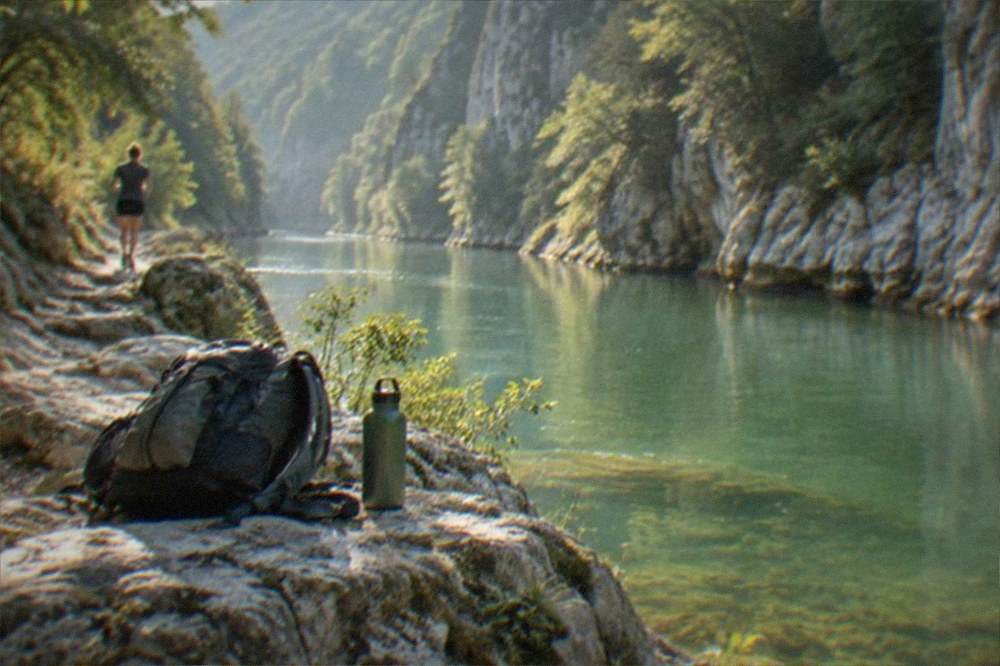
For a Cheile Nerei day trip from Timisoara, pack walking shoes with grip, swimwear and a towel in summer, a packed lunch and at least a liter of water per person, rain protection in June especially, and cash in Romanian lei for the rural kiosks, because the park is a natural area with limited services and the trails mix forest path, rock and river crossings. The Romanian leu (RON) is the local currency everywhere, the euro is not adopted, and the Banat mountains are not the place to rely on a card-only wallet.
Footwear matters more than fitness. The main trails are not alpine, but limestone is slick when wet, and the river-crossing sections of the gorge walk involve stepping on wet rock. Sandals are fine for the lake beach at Ochiul Beiului but not for the trail between sights. In June, the wettest month of the Timisoara climate year at 79.1 mm, a light rain shell is worth carrying even on a morning that starts bright.
| Item | Why | Season |
|---|---|---|
| Grippy walking shoes | Wet limestone and river crossings on the gorge trail | All year |
| Swimwear and towel | Swimming at Ochiul Beiului and river pools | May to September |
| Packed lunch and water | Services inside the park are limited and seasonal | All year |
| Rain shell | June is the wettest month; showers build fast in the hills | April to October |
| Cash in lei | Rural kiosks and small vendors; the euro is not legal tender | All year |
| Offline map | Mobile coverage is patchy inside the gorge | All year |
Two practicalities from the Timisoara side are worth knowing before you book anything. First, Romania is a full Schengen member, with air and sea access since 31 March 2024 and land borders since 1 January 2025, so if your Nera Gorge trip is part of a wider Balkan loop, crossing from or into Hungary is now an internal Schengen crossing with no routine checks; the Serbian border to the southwest remains an external border with passport checks. Second, Timisoara charges a tourist tax on paid accommodation, set by local council decision at a reported 2% of the tariff excluding VAT, collected by the lodging, so it appears on your hotel bill rather than at a gate.
Costs on the ground are modest. Cost-of-living trackers updated in September 2026 put a cappuccino in Timisoara at roughly 13 to 15 lei, a half-liter of domestic draft beer at 11 to 12 lei, and an inexpensive restaurant meal around 45 to 50 lei; expect similar or slightly higher at the park's seasonal kiosks, and check prices on the spot rather than assuming city figures. The official leu-euro reference rate stood at 5.2788 RON per euro on 23 September 2026, useful only as a mental anchor, since you will pay in lei everywhere.
Can You Combine Cheile Nerei With Other Banat Sights In One Day?
Combining Cheile Nerei with other Banat sights in one day from Timisoara is realistic if you pick one nearby addition, most naturally Bigar Waterfall, which lies in the same Caras-Severin karst region, but trying to chain the gorge with the Danube defiles or the Banat villages in a single day spreads the itinerary too thin. The geography rewards focus: the Nera valley, the Beusnita plateau and the nearby karst attractions form one coherent cluster, while the Danube Gorges at Cazanele and the rock sculpture of Decebalus sit further south and deserve their own day.
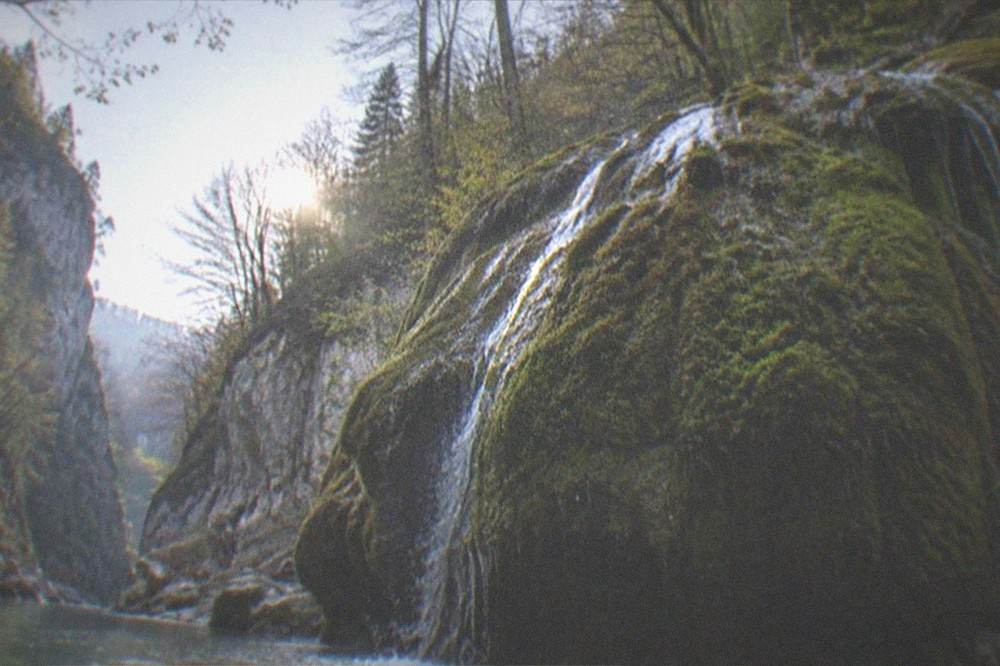
Bigar Waterfall is the classic pairing. It is one of Romania's most famous natural sights, a moss-covered dome of rock over which a thin sheet of water folds, and it sits within the same Semenic-Anina karst landscape as the Nera valley. Travelers with a car often visit the falls either on the drive down from Timisoara or on the way back, turning the day into a two-stop water itinerary. Our Bigar Waterfall guide covers it in detail.
The other natural pairing is a hot-springs stop. Baile Herculane, one of Romania's oldest spa towns, lies in the same southern Banat mountain zone, and some travelers tack a swim or a spa hour onto a southern loop, though a full gorge walk plus Herculane is a big day. The Baile Herculane guide explains what the town offers and how it fits a Timisoara itinerary.
| Combination | Feasibility From Timisoara | Best For |
|---|---|---|
| Cheile Nerei plus Bigar Waterfall | Good fit, same karst region | Photographers; first-time visitors with a car |
| Cheile Nerei plus Baile Herculane | Possible as a long southern loop | Spa lovers; very full day |
| Cheile Nerei plus the Danube Gorges | Too much for one day | Split across two days instead |
| Cheile Nerei plus Banat villages | Tight but doable as a scenic loop | Travelers who want culture with nature |
| Cheile Nerei alone, walked slowly | The simplest and often best plan | Hikers, swimmers, families |
If the mountains hook you, the region supports a whole week. The Banat villages routes, the Recas winery near Timisoara, and the wider western Romania in 7 days itinerary all connect to the same base, and the city itself, covered in our things to do in Timisoara overview, rewards at least a full day before or after. For a deeper mountain day, the Retezat tour below covers a different national park from the same city base; its operator's listing carries current pricing and free cancellation.
Common Questions About Cheile Nerei Day Trips From Timisoara
How far is Cheile Nerei from Timisoara?
Cheile Nerei lies in Caras-Severin County, southeast of Timisoara, and the drive to the park's trailheads is roughly two hours by road each way, leaving the A1 motorway at Lugoj and continuing into the Anina Mountains. A private day tour from Timisoara runs about nine hours in total door to door.
Can you swim at Ochiul Beiului?
Yes. Ochiul Beiului is a karst lake with strikingly blue, clear water, and swimming is popular from late May through September. The lake is small, so it fills quickly on summer weekends; go on a weekday or early in the morning for the calmest experience.
Is Cheile Nerei suitable for children?
The main sightseeing routes, the lake, Beusnita waterfall and the easier gorge sections, work for families with school-age children, though trails mix forest path, rock and river crossings that need grippy shoes. The full gorge traverse is a longer proposition and suits stronger walkers.
Do you need a guide for the Nera Gorge?
No, the park's main trails are established walking routes, and many Timisoara locals visit independently with a car. A guided or private tour adds value by handling the drive, the trailhead logistics and the timing, which matters on a one-day round trip.
What is the best month to visit Cheile Nerei?
July and August are the warmest and best for swimming, with Timisoara-area mean temperatures of 22.8 C and 22.5 C respectively, but they are also the busiest. September, at a 17.2 C mean with 50.4 mm of rain, offers warm days, thinner crowds and early autumn color.
Is there an entrance fee for Cheile Nerei-Beusnita National Park?
The park is a protected natural area, and any current access or parking charges are collected locally at the trailheads; no verified fee schedule is published in our sources, so bring cash in Romanian lei and check on arrival rather than assuming a figure.
Cheile Nerei is the Banat at its most cinematic, and it sits close enough to Timisoara that missing it would be a shame. Pick your month from the climate table, decide between your own car and a booked day tour, and give the gorge a full daylight budget rather than a rushed afternoon; the water, the cliffs and the forest repay the early start.