Timisoara Opera
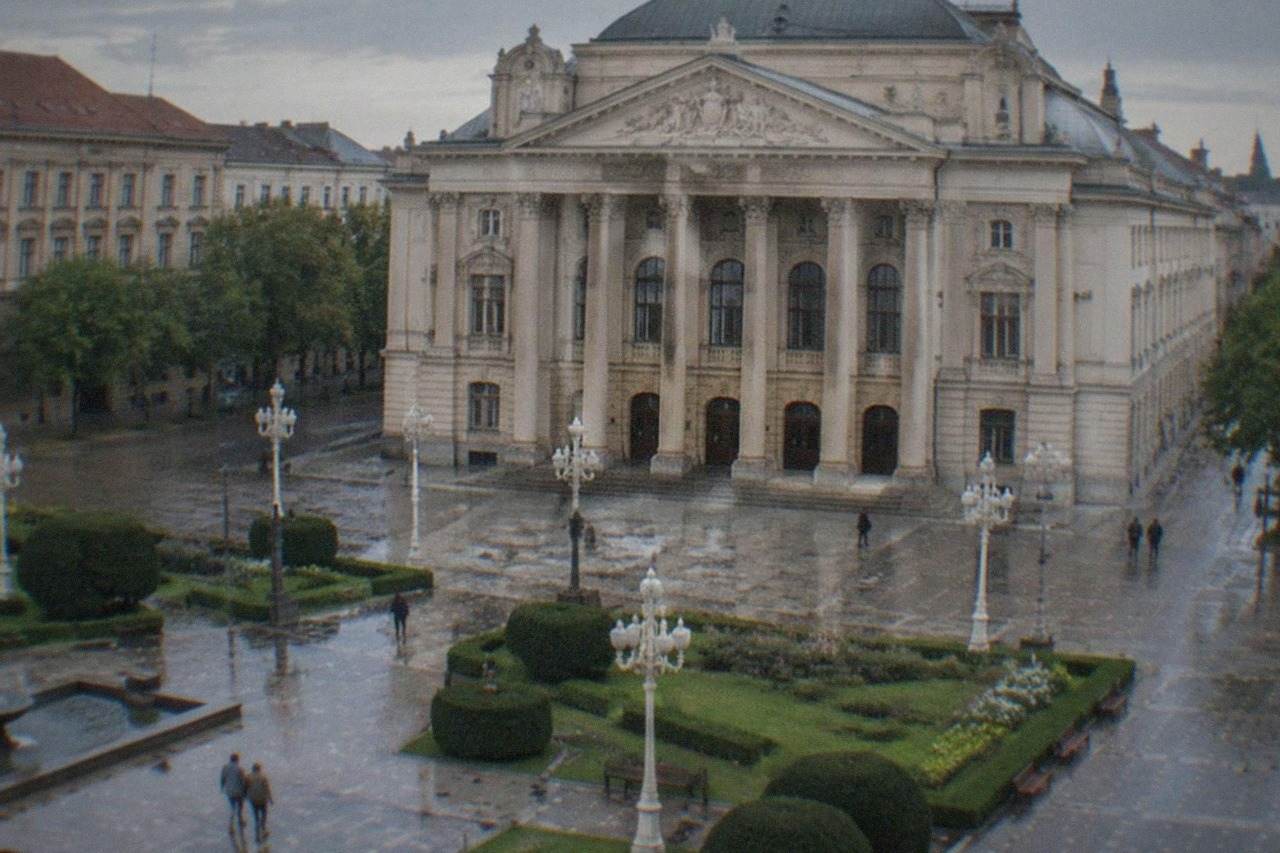
The Romanian National Opera stands at the head of Piata Victoriei in Timisoara, Romania, a building that is both the city's main stage for opera and ballet and the physical backdrop of the 1989 Revolution.
Short answer
The Romanian National Opera in Timisoara is the city's principal opera and ballet house, facing Piata Victoriei in the Cetate district. Timisoara is the only European city with three state theatres in Romanian, Hungarian and German, a fact the city hall itself lists among the city's firsts, and the Opera building was the gathering point of the December 1989 Revolution.
The Romanian National Opera in Timisoara, in Timis County in the Banat region of western Romania, is the city's principal opera and ballet house, and its building presides over Piata Victoriei, the long square where the 1989 Revolution played out in public. Timișoara, as the city is spelled in Romanian, holds a distinction that its own city hall lists among the city's historic firsts: since 1953 it has been the only European city with three state theatres, staging performances in Romanian, Hungarian and German. The Opera is the largest of the city's stages and, together with the Romanian National Theatre, shares the monumental building that closes the eastern end of the square. This guide covers what the building is, why it matters to the story of 1989, how to plan a visit around it, and which guided walks help a first-time visitor read the square and its history.
What Is The Romanian National Opera In Timisoara?
The Romanian National Opera in Timisoara is the city's main stage for opera and ballet, housed in a monumental building at the head of Piata Victoriei in the Cetate district of western Romania. It shares its building with the Romanian National Theatre, and it is one of three state theatres in the city, alongside institutions performing in Hungarian and German, a arrangement the city hall records as unique in Europe since 1953.
The three-theatre arrangement is worth pausing on, because it explains much of what visitors notice about Timisoara's cultural life. The city hall's own list of municipal firsts records that from 1953 onward Timisoara has been the only European city with three state theatres, in Romanian, Hungarian and German. That multilingual stage culture grew out of the Banat region's mixed history, and it means the city's performance calendar is broader than its size suggests.
The building itself anchors the eastern end of Piata Victoriei, the square that locals treat as the city's living room. Around it sit the Cetate district's baroque and Secession-era streets, and a short walk north reaches Piata Unirii, the older of the city's two great squares. The Opera's position is not decorative: it sits on the square that has hosted the city's biggest public moments, from imperial parades under the Habsburgs, when the city was known as Temesvár, to the demonstrations of December 1989.
Why Is The Opera Building Central To Timisoara's 1989 Revolution Story?
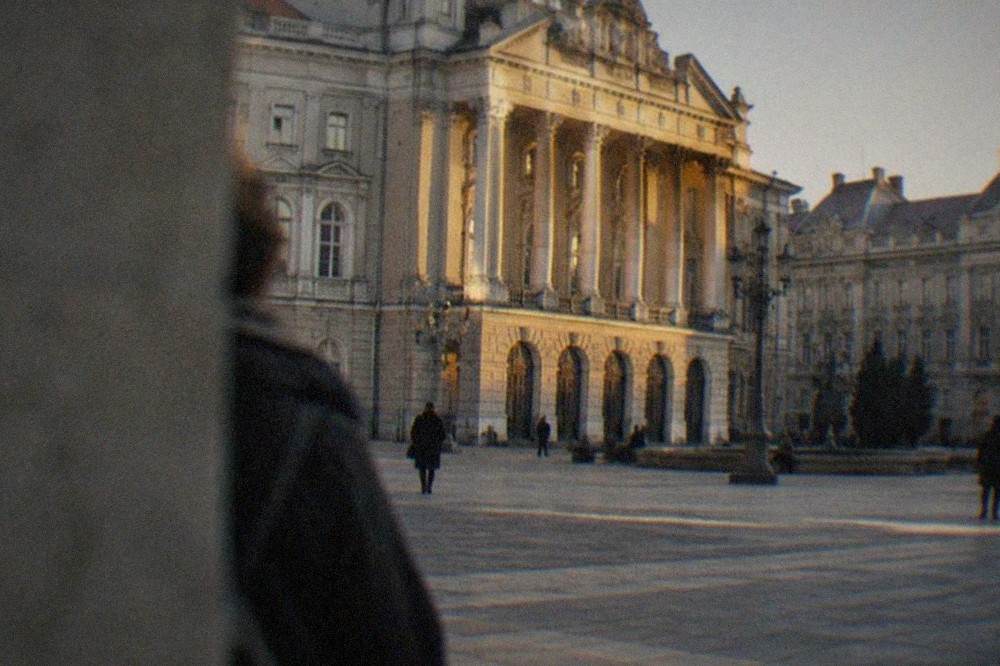
The Opera building in Timisoara became the symbolic center of the 1989 Revolution because Piata Victoriei, the square it faces, was where crowds gathered in December 1989 after protests began at a nearby parish, and the square and the Opera became the stage from which the fall of the regime in Timisoara was announced to the city. The Revolution started in Timisoara, and the square in front of the Opera remains the place where the city commemorates it every December.
The chain of events is well documented at the Memorial Museum of the Revolution, which preserves the history of those weeks and holds a permanent exhibition on the events. The protests that became the Romanian Revolution of 1989 began in Timisoara in mid-December, at the parish of pastor Laszlo Tokes, and spread into the city center. Piata Victoriei, with the Opera at its head, filled with demonstrators, and the city became the first in Romania to declare itself free of the regime.
For a visitor standing in the square today, the geometry of the story is easy to read. The Opera's facade and balcony face down the length of Piata Victoriei, and it was from this square that crowds faced down the state in December 1989. The Memorial's own site documents the timeline, and the annual commemorations each December still take place around the square and the memorial sites. A guided walk is the most efficient way to absorb this, and the Timisoara walking tour covering history and the 1989 Revolution follows exactly this thread through the center.
If you want the revolution story told in the place where it happened, this is the tour built for it. The operator's live listing carries the current schedule and booking terms, and the walk keeps you within the streets of Cetate and Piata Victoriei the whole time.
What Can You See Inside And Around The Opera In Timisoara?
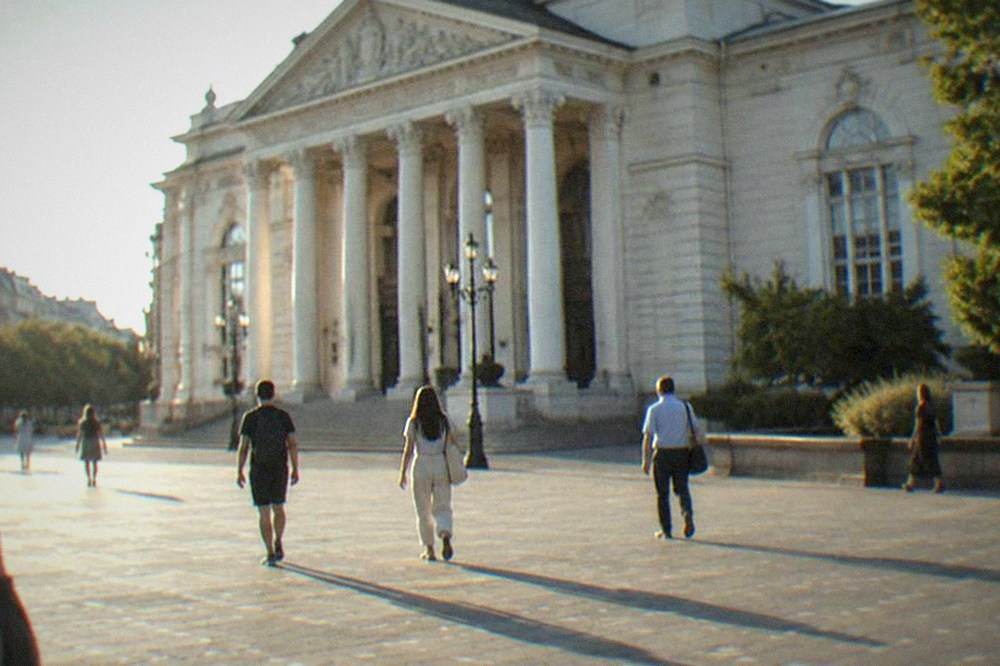
Around the Opera in Timisoara you can see Piata Victoriei itself, the Metropolitan Orthodox Cathedral across the square, the Secession facades along the boulevard, and, within a short walk, Piata Unirii with its baroque palaces, the Roman Catholic and Serbian cathedrals, and Theresia Bastion. The Opera building's own auditorium is open to ticket holders on performance evenings, and the surrounding Cetate district is compact enough to cover the main sights in a single afternoon on foot.
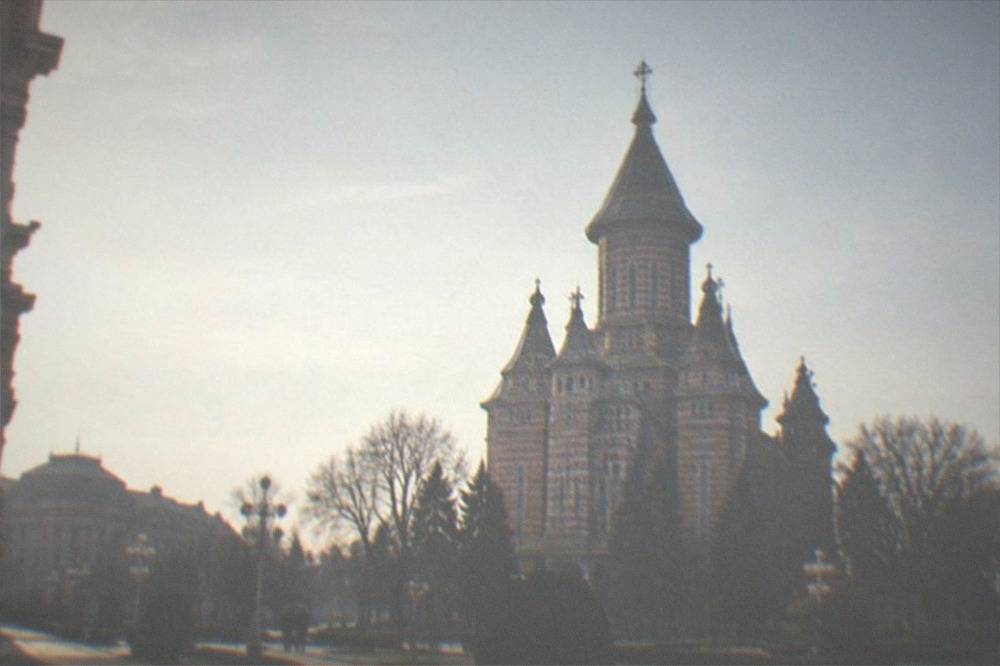
The square in front of the Opera is the natural starting point. Piata Victoriei stretches west from the Opera's steps, lined with Secession-style buildings, and at its far end stands the Orthodox Metropolitan Cathedral, the domed landmark that appears on most postcards of the city. Between the two, the square's terraces and benches make it the busiest public space in the center.
| Sight near the Opera | What it is | Relation to the Opera |
|---|---|---|
| Piata Victoriei | The city's main ceremonial square | Directly in front of the building |
| Orthodox Metropolitan Cathedral | Domed cathedral, a city symbol | Faces the Opera across the square |
| Piata Unirii | Baroque square with museums and cafes | Short walk north in Cetate |
| Theresia Bastion | Restored fortress segment with shops and exhibitions | Short walk northwest |
| Memorial Museum of the Revolution | Museum of the 1989 events | Documents the square's history |
| Bega Canal | Waterway with promenade and seasonal water bus | Walk south from the square |
Inside the Opera, the experience depends on the performance calendar. The institution stages opera and ballet across its season, and the city's broader stage calendar is wider still, thanks to the Hungarian and German theatres. The city hall's firsts list also records the city's long stage tradition, including first film projections in Romania in 1897, a reminder that performance in Timisoara long predates the current building.
If reading the square on your own feels thin, a guided option is worth considering before you arrive. The revolution-themed walk pairs directly with this itinerary, since it covers the Opera, the square and the memorial sites in one loop, and the operator's live listing shows current availability with free cancellation.
When Is The Best Time To Catch A Performance In Timisoara?
The best time to catch a performance at the Romanian National Opera in Timisoara is the cooler half of the year, from autumn through spring, when the performance season is in full swing and the city's festival calendar is busiest, though the Opera stages productions year-round. July, the warmest month at a mean of 22.8 C, and January, the coldest at a mean of 0.0 C, bracket a continental climate with precipitation from 34.1 mm in March to 79.1 mm in June.
The climate table below, from the JMA/WMO CLIMAT normals for station TIMISOARA 15247, shows what to expect across the year. There is no Mediterranean mildness here: this is inland Banat, hot in summer and genuinely cold in winter. The full index of guides sits on Timisoara Travel Guide.
| Month | Mean temperature (C) | Precipitation (mm) |
|---|---|---|
| January | 0.0 | 37.3 |
| February | 2.1 | 35.5 |
| March | 6.5 | 34.1 |
| April | 12.3 | 50.6 |
| May | 17.3 | 57.2 |
| June | 20.9 | 79.1 |
| July | 22.8 | 61.9 |
| August | 22.5 | 54.6 |
| September | 17.2 | 50.4 |
| October | 11.5 | 50.0 |
| November | 6.4 | 45.3 |
| December | 1.5 | 44.7 |
The visitor calendar matters as much as the weather one. Tourism in Timisoara has grown steadily since the city was European Capital of Culture in 2023, an honor it shared with Elefsina in Greece and Veszprem in Hungary, with the opening weekend held in February 2023. The city hall's own figures, citing the national statistics institute, show arrivals rising from 153,794 in 2021 to 283,256 in the Capital of Culture year and 285,190 in 2024.
| Year | Tourist arrivals in Timisoara |
|---|---|
| 2021 | 153,794 |
| 2022 | 212,785 |
| 2023 | 283,256 |
| 2024 | 285,190 |
How Does The Opera Fit Into A Day In Timisoara?
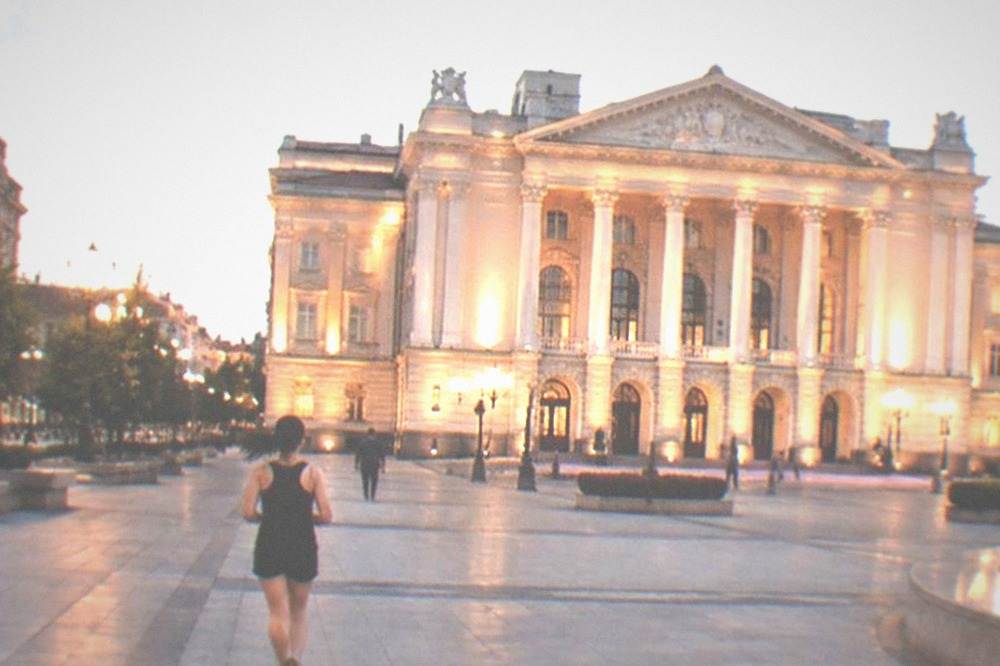
The Opera fits naturally at the end of a day in Timisoara: the morning can be spent in Piata Unirii and the baroque Cetate district, with a walk through Theresia Bastion and the museum quarter in the afternoon, and a finish in Piata Victoriei in the early evening, when the square's facades light up in front of the Opera. The compact center makes this a walking day, and public transport, with a 5 lei single ticket valid 60 minutes on all modes, covers anything beyond foot range.
A realistic order for the day looks like this:
| Time of day | Where | What to do |
|---|---|---|
| Morning | Piata Unirii | Baroque square, cathedrals, cafes |
| Midday | Cetate streets | Lunch and Secession architecture |
| Afternoon | Theresia Bastion | Fortress segment, exhibitions, shops |
| Late afternoon | Bega Canal | Promenade walk or water bus in season |
| Evening | Piata Victoriei | Square at dusk, Opera performance if scheduled |
The water bus on the Bega, where the Bega Canal guide has details, runs seasonally from 1 April to the end of October, and the same 5 lei single ticket covers it. The vaporetto is more of a pleasure ride than a commuter line, but it connects the center with points along the canal and makes a pleasant late-afternoon loop before dinner.
For a deeper historical read of the streets you are walking, a heritage-focused walk is a good afternoon choice. The heritage exploration walking journey covers the city's architectural layers; note that its price is not published by the operator, so check the live listing for current terms.
What Other Tours In Timisoara Pair Well With The Opera?
The tours that pair best with an evening at the Opera in Timisoara are the city's walking tours of the historic center and the 1989 Revolution story, because they cover the square the Opera faces and the streets around it, all within walking distance of the building. Day trips into the Banat hills and gorges make a good contrast for a second or third day, but for the evening of a performance the practical choice is a walking tour that ends near Piata Victoriei.
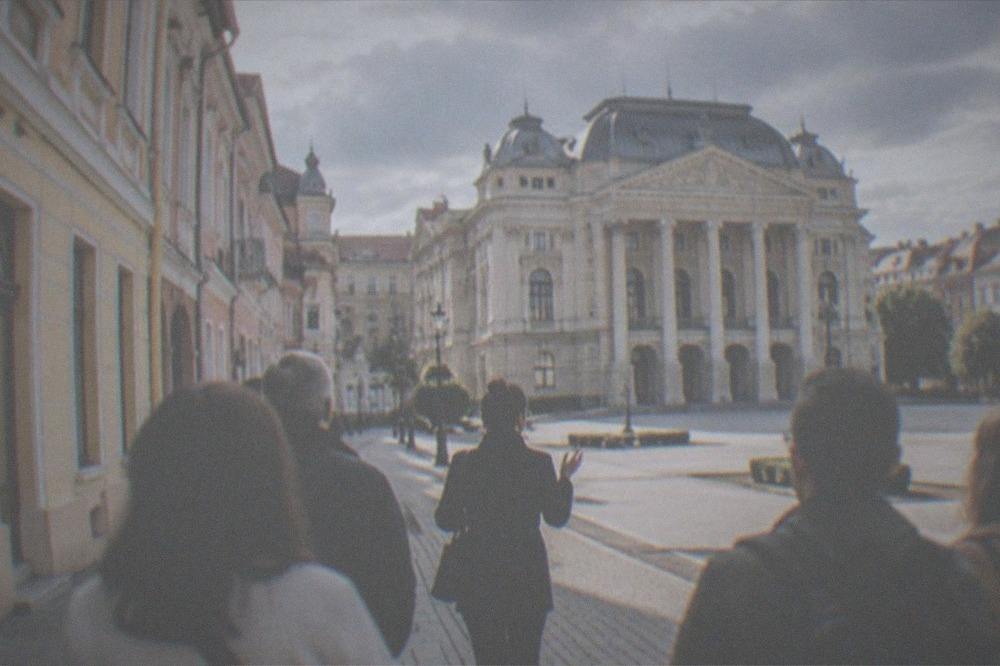
The classic option is a general city walk. The Classic Tour of Timisoara is the most-reviewed walking option in the roster and covers the main squares and landmarks, a sensible pairing with a performance evening because it orients you to everything you will walk past on the way to the Opera.
For travelers with more days, the surrounding Banat region rewards the journey. The Banat Village Museum on the city's edge gives a sense of the region's rural architecture, and further afield the Nera Gorge and the Danube gorges make full-day excursions. Those trips are covered in the site's day-trip guides; the point here is sequencing: keep the opera evening in the city, and save the gorges for a day with no curtain time.
How Do You Get To The Opera In Timisoara?
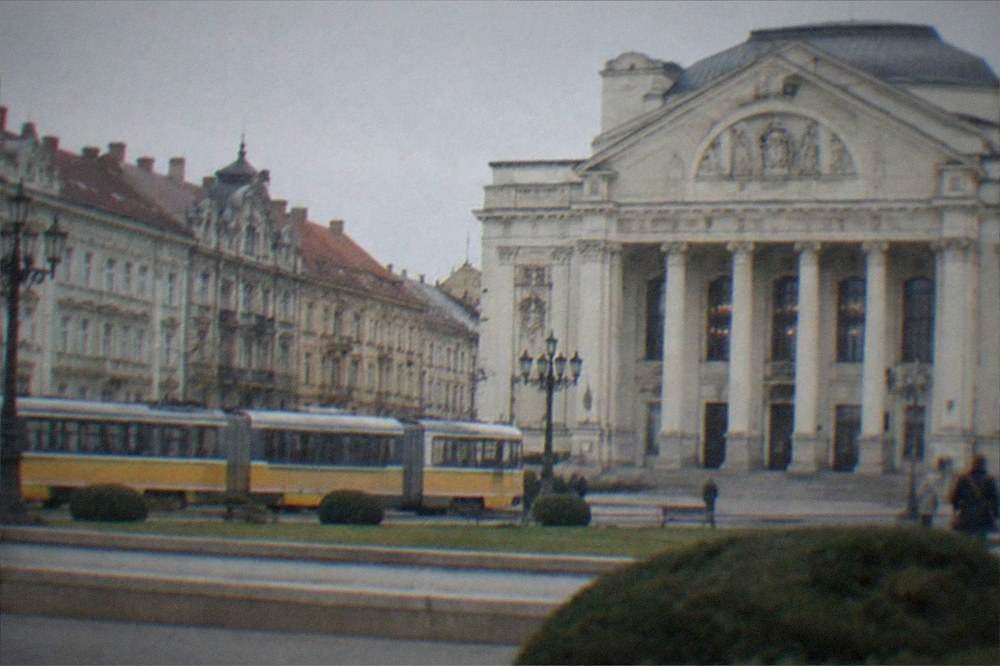
You reach the Romanian National Opera in Timisoara on foot from anywhere in the Cetate district, by tram or trolleybus to the stops around Piata Victoriei, or by the express E4 bus from Timisoara Traian Vuia Airport, which runs between the Bastion and the airport about 12 km northeast of the center. A single 60-minute ticket costs 5 lei and is valid on trams, trolleybuses, buses and the Bega water bus, and a one-day pass costs 18 lei.
The airport connection is the one visitors ask about first. The express line E4 links the city center to the airport, as the transit operator's own line page confirms, and the ticket is the same 5 lei single fare. Contactless bank cards work on board, and the operator's methods page lists e-wallet cards, SMS, mobilPay and eTicket as alternatives.
Within the center, the Opera's position makes walking the default. Piata Victoriei is flat, pedestrian-friendly along its length, and connects south to the Bega and north to Piata Unirii through the Cetate grid. The transit operator's network covers nine tram lines, six trolleybus lines, express buses and the seasonal water bus, so anything outside the center is a short ride away.
What Should You Know Before Booking An Opera Evening In Timisoara?
Before booking an opera evening in Timisoara you should know that Romania uses the Romanian leu, not the euro, that the city applies a tourist promotion tax reported at 2 percent of the accommodation tariff excluding VAT collected by your lodging, and that Romania is a full Schengen member, with air and sea access since 31 March 2024 and land borders since 1 January 2025. Performance schedules are published by the Opera itself, so check the institution's own channels for the season program.
The practical details are simple. The national bank's reference rate stood at 5.2788 lei per euro in late September 2026, and cards are widely used in the center. The tourist tax exists under a 2025 city council decision, but its 2 percent rate is reported rather than printed on a primary schedule, so expect it to appear as a small line on your hotel bill rather than a surprise at check-in.
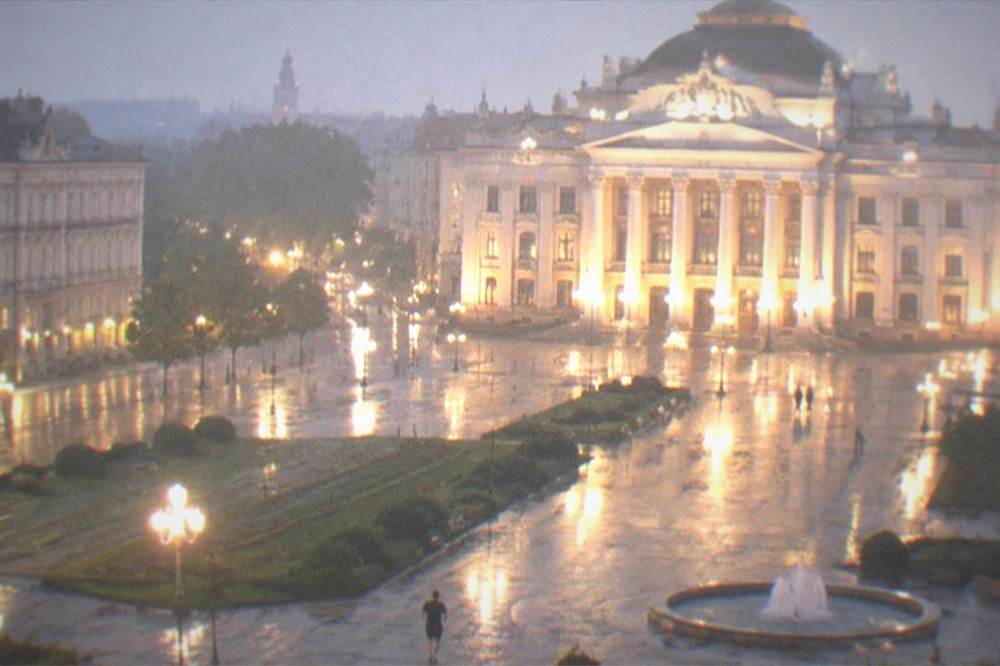
For the evening itself, the square does half the work. Piata Victoriei's terraces fill before curtain time, and the walk from dinner to the Opera steps is a matter of minutes anywhere in Cetate. If your evening is free instead, the square at dusk, with the Opera lit and the cathedral dome opposite, is the single best-known view of the city, and it costs nothing to stand in it. Arrive a little early on a performance night: the square in front of the building fills quickly, and the terraces nearest the steps are the first to go. Locals treat the hour before curtain as part of the evening itself, a slow aperitif under the facades rather than a rushed prelude.
Common Questions About The Timisoara Opera
What is the Timisoara Opera?
The Timisoara Opera, formally the Romanian National Opera in Timisoara, is the city's principal opera and ballet house. It shares its monumental building on Piata Victoriei with the Romanian National Theatre and is one of three state theatres in the city, which since 1953 has been the only European city with state stages in Romanian, Hungarian and German.
Where is the Romanian National Opera located?
The Romanian National Opera is located at the head of Piata Victoriei, the main ceremonial square in the Cetate district of Timisoara, in western Romania. The Orthodox Metropolitan Cathedral faces it across the square, and Piata Unirii is a short walk north.
Why is the Opera important to the 1989 Revolution?
The square the Opera faces, Piata Victoriei, was where crowds gathered in December 1989 after protests began in Timisoara, and the city became the first in Romania to rise against the regime. The Memorial Museum of the Revolution documents the events, and the square still hosts commemorations every December.
Can you visit the Opera building without seeing a performance?
The Opera building is primarily a performance venue, and the auditorium is generally open to ticket holders on performance evenings. Even without a ticket, the building's facade and its position on Piata Victoriei make it one of the city's central landmarks, and the square around it is fully public.
How do you get to the Opera from Timisoara Airport?
The express bus line E4 connects the city center, including a stop by the Bastion, with Timisoara Traian Vuia Airport about 12 km northeast of the center. A single 60-minute ticket costs 5 lei and also covers trams, trolleybuses and the seasonal water bus on the Bega.
What else is near the Opera in Timisoara?
Within a short walk of the Opera you can reach Piata Unirii with its baroque palaces and cathedrals, Theresia Bastion, the Memorial Museum of the Revolution, the Bega Canal promenade, and the National Museum of Art in the Baroque Palace. The whole Cetate district is compact and walkable.
Whether you come for a performance or simply for the square at dusk, the Opera is the fixed point around which Timisoara arranges itself, and no first visit to the city is complete without standing in front of it.