Timisoara Orthodox Cathedral
The Orthodox Metropolitan Cathedral is the most recognizable silhouette in Timisoara, the main city of the Banat region of western Romania, and the square it anchors is where the 1989 Revolution played out in public view.
Short answer
The Timisoara Orthodox Cathedral stands in Victory Square in central Timisoara, Romania. It is the seat of the Orthodox archbishop of Banat, one of the city's defining landmarks, and a stop on most guided walking routes through the old town.
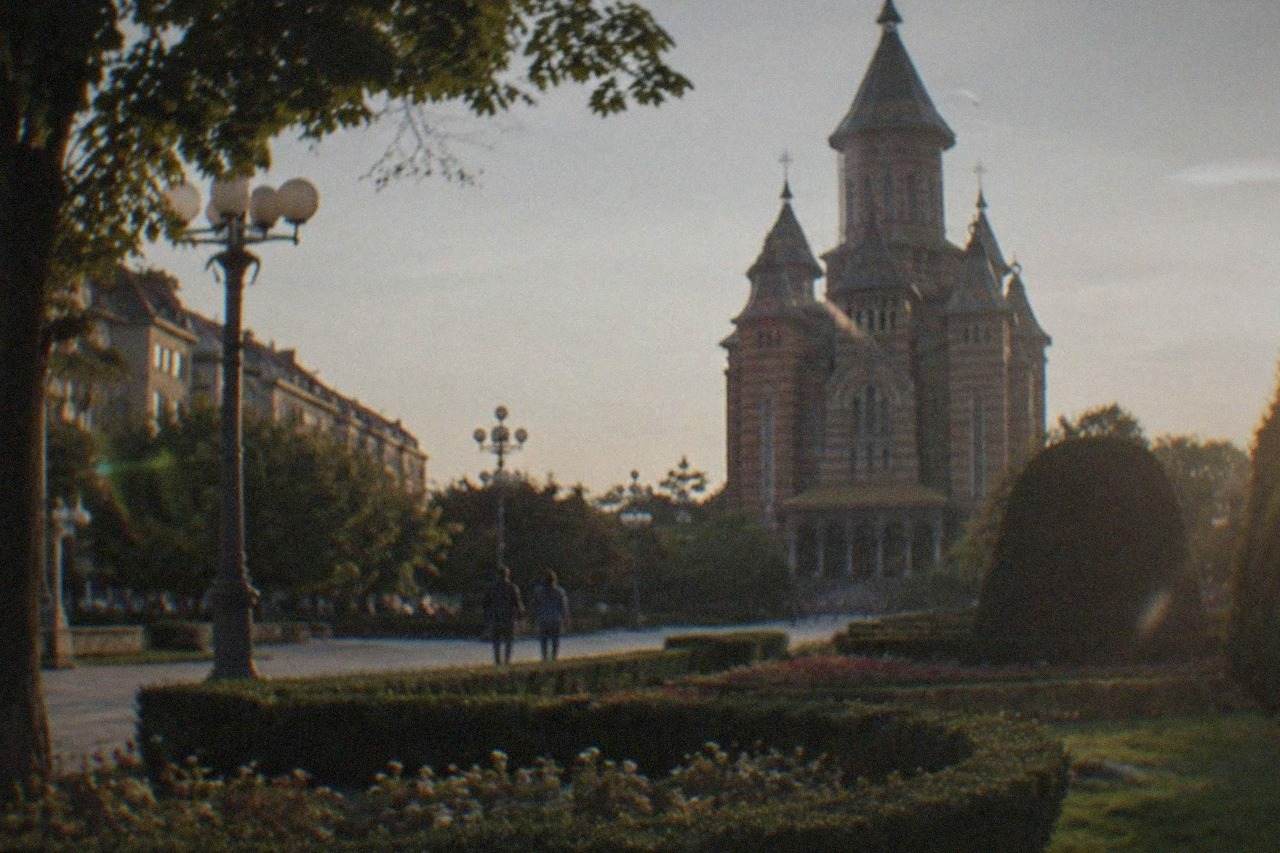
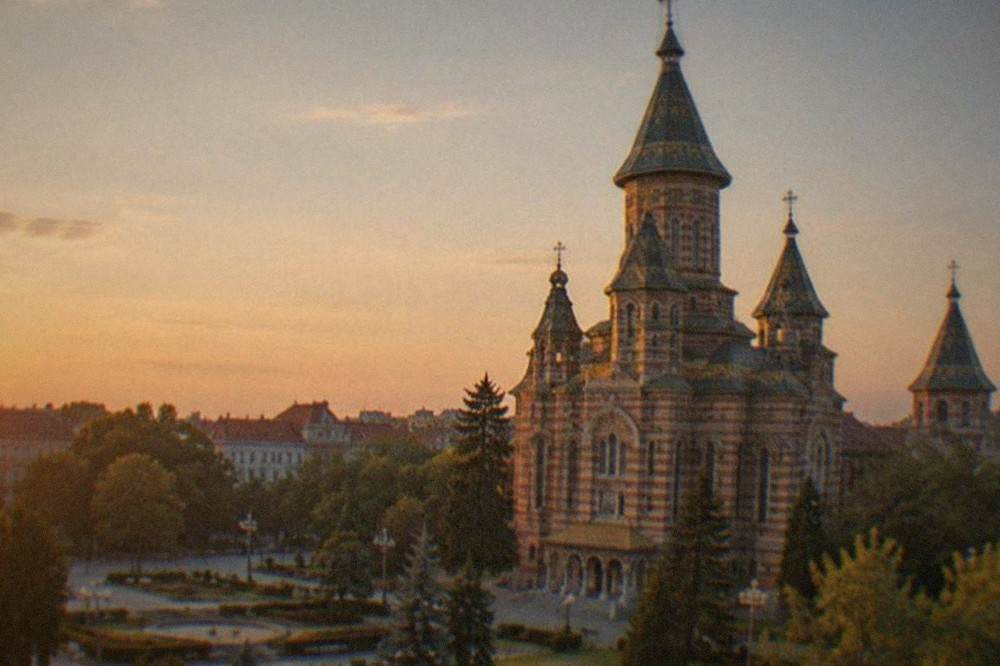
The Orthodox Metropolitan Cathedral dominates the Timisoara skyline with its green domes and tall central tower, and it anchors Victory Square, the broad boulevard where the 1989 Revolution against the communist regime unfolded in full public view. Timisoara, in Timis County in the Banat region of western Romania, is a city of squares, and this is the square that locals treat as their own front room. The cathedral is the seat of the Orthodox archbishop of Banat, and its silhouette appears on postcards, souvenirs and half the city's promotional material. It is the single most photographed building in the city, and for good reason: it sits at the head of a long, symmetrical square lined with Secession-era facades, and almost every walking route through Timisoara passes its steps at some point. This guide from Timisoara Travel Guide covers what the cathedral is, how to reach it, what to see around it, and how it fits into the wider story of the city.
What Is The Timisoara Orthodox Cathedral?
The Timisoara Orthodox Cathedral is the seat of the Orthodox Archbishopric of Banat and one of the tallest and most recognizable religious buildings in western Romania, standing at the head of Victory Square in central Timisoara. It serves the city's Romanian Orthodox community, shares a city with Catholic, Serbian Orthodox, Reformed and Jewish congregations, and functions as both a working place of worship and the city's principal landmark.
Timisoara is famous for its ecumenical mix, and the cathedral is the largest expression of that. The city was for centuries a Habsburg frontier town, known under its Hungarian name Temesvár and its German name Temeswar, and its religious life grew out of that multi-ethnic past. The Orthodox cathedral belongs to the newer layer of the city's story: the Romanian national period, when the Banat's Romanian community built institutions to match its numbers. That is why the building stands in the grandest square of the city rather than tucked into the old fortified core.
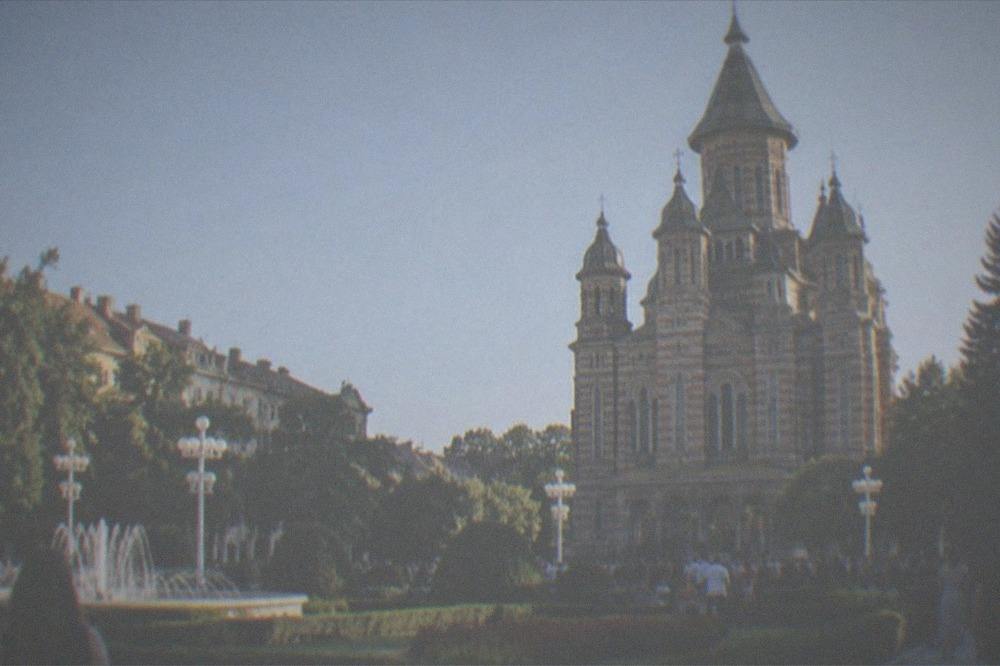
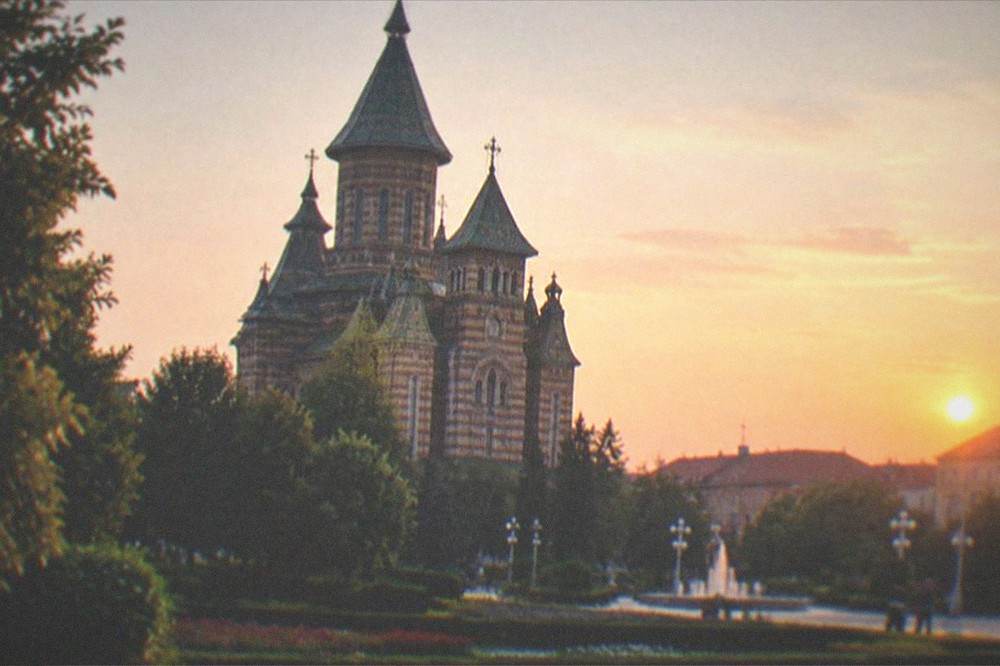
The cathedral's architecture draws on the Byzantine tradition of the Romanian Orthodox church, with a tall central tower, a cluster of green domes and a spacious interior designed for large congregations. It faces down Victory Square, which locals know as the stage of the December 1989 Revolution, when demonstrations against the Ceausescu regime began in Timisoara and spread across the country. The square, the cathedral and the revolution are bound together in the city's memory, and understanding one helps with the others. The Memorial of the 1989 Revolution is a short walk away and tells that story in detail.
Where Is The Cathedral And How Do You Get There?
The cathedral stands at the northern end of Victory Square (Piata Victoriei) in central Timisoara, roughly between the old town core of Cetate and the Bega canal, and it is reachable on foot from almost anywhere in the historic center. Trams and trolleybuses stop within a few minutes' walk, a single 60-minute STPT ticket costs 5 lei and covers all city transport modes including the Bega water bus, and a 1-day pass costs 18 lei.
Because the cathedral sits on the main civic axis, dedicated transport is rarely necessary: if your hotel is in Cetate, Iosefin, Fabric or Elisabetin, you are already within an easy stroll of the square. If you are coming from farther out, the city's tram network converges on the center, and the STPT fare system is flat and simple. You can pay with a contactless bank card on board, an e-wallet card, SMS, mobilPay, an eTicket or at STPT kiosks. Real-time arrivals are published at live.stpt.ro, and the STPT partners with the Transit app for planning.
The table below summarizes the fare options that matter to a visitor, all verified from the operator's own tariff page.
| Ticket type | Price | What it covers |
|---|---|---|
| Single ticket, 60 minutes | 5 lei | All STPT modes, including the Bega vaporetto |
| 1-day pass | 18 lei | Unlimited rides for one day, including the vaporetto |
| 30-day general pass | 160 lei | All modes for a month, aimed at longer stays |
| Annual general pass | 1,320 lei | All modes for a year |
One caveat worth planning around: the tram network runs frequent temporary diversions because of urban regeneration works, including the Piata Traian project that has closed that square to trams until the end of 2026. Check the STPT alerts before assuming a specific line still runs its normal route. The vaporetto on the Bega canal runs seasonally, from the start of April to the end of October, with nine stops per direction, and the same 5 lei ticket covers it, which makes a pleasant way to arrive near the center from the Iosefin side.
If you would rather have a local frame the city for you, guided walks are the most efficient way to see the cathedral in context with the rest of Timisoara.
What Can You See Inside And Around The Cathedral?
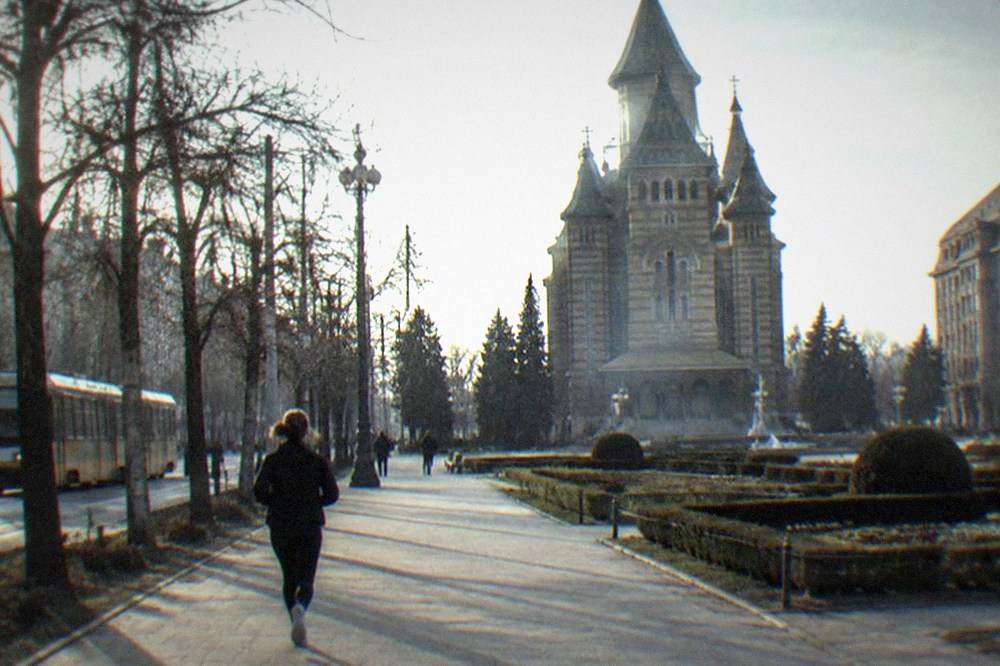
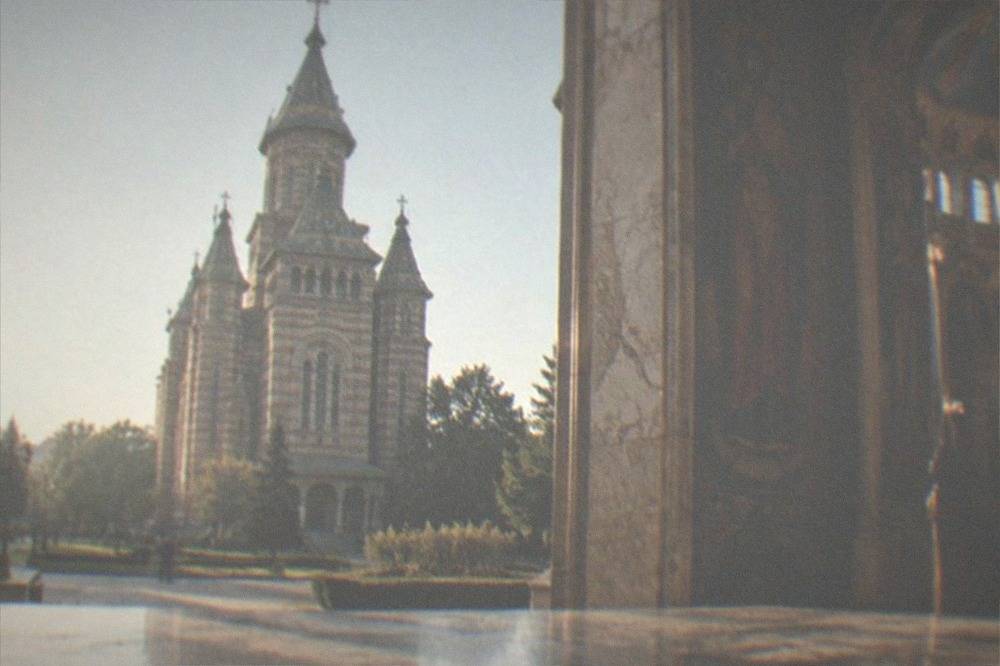
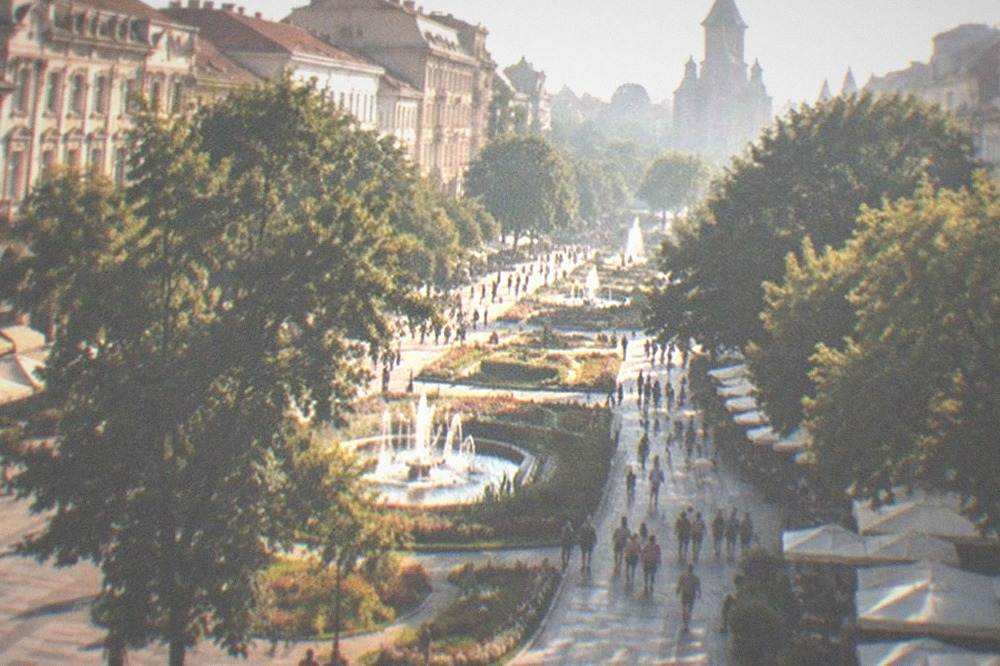
Inside, the cathedral rewards a slow look at its painted interior, icon areas and tall domed space; outside, Victory Square itself is the main attraction, a broad symmetrical boulevard of Secession-era buildings that leads south toward the old town, with the Opera building closing the far end. The cathedral steps are the classic viewpoint for the whole ensemble, and the surrounding blocks hold several of the city's key sights within a short walk.
The interior follows the Orthodox tradition of wall and dome painting, with the visual program concentrated on the central space under the main tower. Photography etiquette is the usual one for working churches: dress modestly, keep your voice low, and treat services as off-limits for sightseeing. The cathedral is an active place of worship first and a monument second, and the most memorable moments for many visitors are the ones they stumble into by accident: candlelight, chant, and a full square outside on a Sunday.
The square around it deserves as much time as the building. Victory Square is the ceremonial heart of the city, and the buildings that line it carry the stories of Timisoara's commercial boom in an era of rapid growth. From the cathedral steps, the whole axis opens up: the square runs south to the Opera, and the streets beyond lead into the Cetate old town and Union Square, the baroque core of the city. The Bega canal runs just east of the square and gives the walk a waterfront stretch.
Here is how the main sights around the cathedral group together for a walking plan:
| Sight | Direction from the cathedral | What it is |
|---|---|---|
| Victory Square | You are standing in it | Ceremonial boulevard, 1989 Revolution site, Opera at the far end |
| Union Square (Piata Unirii) | South, into the old town | Baroque main square with the Art Museum, St George's Cathedral and the Serbian Cathedral |
| Liberty Square (Piata Libertatii) | South, between the two main squares | Smaller historic square on the axis toward the Bega |
| Memorial of the 1989 Revolution | Short walk east | Museum of the December 1989 events |
| Bega canal | East of the square | Waterfront promenade and seasonal vaporetto stops |
| Romanian National Opera | South end of the square | The building facing the cathedral down the axis |
A guided option is worthwhile here because so much of what makes the square significant is invisible without context. The revolution story, the architecture and the religious history layer on top of each other, and a guide who knows the city can connect them in a single walk.
When Is The Best Time To Visit The Cathedral?
The best time to visit the Timisoara Orthodox Cathedral is late spring through early autumn, roughly May to September, when the JMA climate normals for the Timisoara station show means of 17.3 C in May, 22.8 C in July and 17.2 C in September, and when Victory Square is at its liveliest; winter visits are perfectly feasible, with a January mean of 0.0 C, but expect cold, shorter days and a quieter square.
Timisoara has a continental climate: warm summers, cold winters and precipitation spread through the year, 600.7 mm annually. June is the wettest month at 79.1 mm and March the driest at 34.1 mm, which surprises visitors who assume summer is the dry season here. The monthly picture from the verified station normals:
| Month | Mean temperature (C) | Precipitation (mm) |
|---|---|---|
| January | 0.0 | 37.3 |
| February | 2.1 | 35.5 |
| March | 6.5 | 34.1 |
| April | 12.3 | 50.6 |
| May | 17.3 | 57.2 |
| June | 20.9 | 79.1 |
| July | 22.8 | 61.9 |
| August | 22.5 | 54.6 |
| September | 17.2 | 50.4 |
| October | 11.5 | 50.0 |
| November | 6.4 | 45.3 |
| December | 1.5 | 44.7 |
Crowd-wise, the city's own arrival data matters. Timisoara recorded 283,256 tourist arrivals in 2023, its European Capital of Culture year, 285,190 in 2024 and 268,699 in the first eleven months of 2025, with the single peak month on record being May 2025 at 30,664 arrivals. In plain terms: May and early summer are the busiest and most event-rich window, while late autumn and midwinter give you the square almost to yourself. December has its own draw, since the square is the traditional home of the city's Christmas market, though 2026 market dates had not been officially announced.
What Events Happen At Victory Square During The Year?
Victory Square hosts the city's biggest public moments: the Timisoara Days celebration drew over 100,000 attendees across 31 July to 3 August 2026 with more than 200 events, the annual December commemorations of the 1989 Revolution center on the square and the Opera end, and the Christmas market traditionally fills it from late November into early January, with 2026 dates still to be officially confirmed.
The square is not just a backdrop; it is the city's stage. The 2026 Timisoara Days edition carried a diversity theme and featured major concerts from international acts, and the 2027 edition has already been announced for 30 July to 3 August. The city's festival calendar extends well beyond the square itself: the JazzTM festival ran 25 to 27 September 2026, and the Flight Festival took place 19 to 21 June 2026 at the Banat Village Museum grounds.
| Event | 2026 dates | Where it happens |
|---|---|---|
| Timisoara Days (Ziua Timisoarei) | 31 July to 3 August | Victory Square and citywide |
| Flight Festival | 19 to 21 June | Banat Village Museum grounds |
| JazzTM festival | 25 to 27 September | City venues around the center |
| December Revolution commemorations | Mid-December | Victory Square, Opera and memorial sites |
| Christmas market | Expected late November into early January, unconfirmed | Victory Square |
If your visit coincides with any of these, expect the square to be busy and the cathedral steps to be prime viewing territory. The December commemorations are the most solemn date in the city's calendar and the most meaningful time to stand in this particular square, given what happened here in 1989.
Can You See The Cathedral On A Guided Tour?
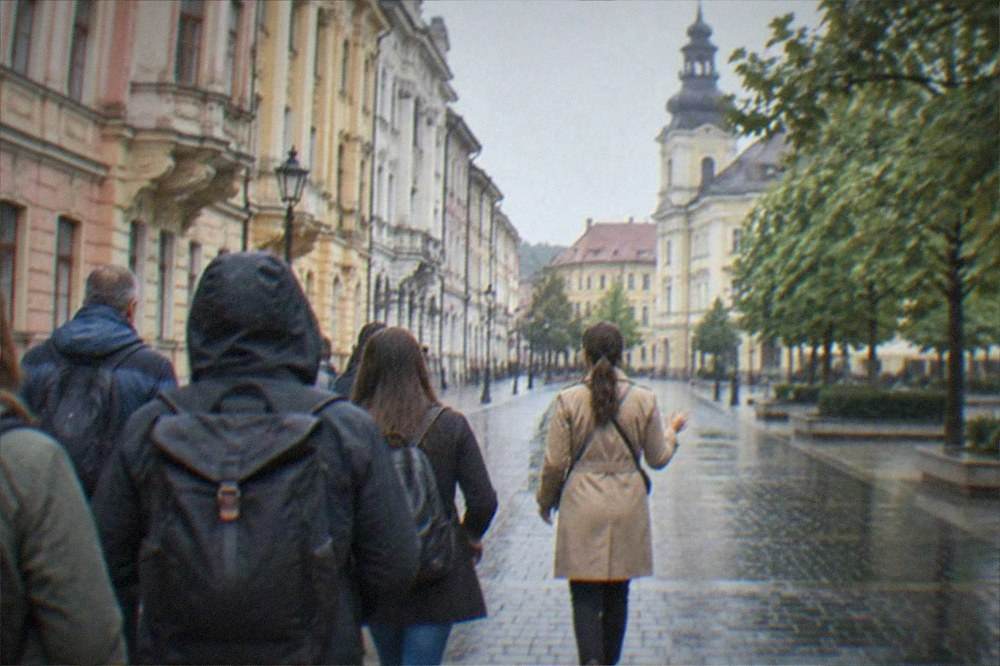
Yes, the cathedral and Victory Square appear on most guided walking routes in Timisoara, including a highlights walking tour rated 5 from 36 reviews that covers the main squares in about two hours, a Communist Ages tour that puts the square's 1989 story at the center, and a free tip-based GuruWalk essentials tour led by a local guide; day trips out of the city are also bookable if you want to pair the cathedral with the wider region.
For a first visit, a general highlights walk is the most direct fit: it covers the cathedral square along with the other main squares in a single circuit. For visitors whose main interest is the revolution, the Communist Ages tour goes deeper into the history that made this square famous. And for travelers on a longer stay, the Transylvania day trip pairs the city with the castles and towns beyond the Banat.
The revolution-focused option pairs naturally with a visit to the cathedral, since the square it stands on is where the protests gathered.
And if you have already seen the city center and want to see more of Romania, a full-day excursion out of Timisoara is the standard next step.
How Does The Cathedral Fit Into Timisoara's History?
The cathedral belongs to the modern, Romanian-national chapter of Timisoara's history, standing in deliberate contrast with the older baroque core around Union Square: the city was a Habsburg fortress town for two centuries, became a hub of Central European innovation, was the first city on mainland Europe with electric street lighting on 12 November 1884, hosted the first horse-drawn tram in the Habsburg Empire on 8 July 1869, and finally became world-famous as the place where the 1989 Revolution began.
Timisoara's claim to a dozen "firsts" is documented by the city hall itself: the first brewery attested in Romania in 1718, the first navigable canal with the canalisation of the Bega from 1728, the first city of the Habsburg monarchy with lamp-lit streets in 1760 and gas street lighting in 1855, the first newspaper printed in Romania in 1771, the first telegraph in 1854 and telephone network in 1881, the first electric tram in 1899, and, from 1953, the only European city with three state theatres performing in Romanian, Hungarian and German. That multi-lingual, multi-confessional inheritance is exactly the context in which the Orthodox cathedral was built as a major public monument: a city of many churches gained its grandest one.
The 1989 chapter is the one that made the square global news. The revolution began in Timisoara in mid-December 1989, with the pastor Laszlo Tokes's parish at the origin of the protests, and the demonstrations that followed in Victory Square spread to the rest of Romania and ended the Ceausescu regime. The Memorial of the 1989 Revolution preserves that story with permanent and temporary exhibitions and a documentary, and it is the natural companion to a cathedral visit. In 2023 the city served as a European Capital of Culture alongside Elefsina in Greece and Veszprem in Hungary, with the opening weekend from 17 to 19 February 2023, and its cultural infrastructure has kept growing since.
What Else Should You Combine With A Cathedral Visit In Timisoara?
The most natural combination is the full squares circuit: start at the cathedral in Victory Square, walk south through Liberty Square into Union Square for the baroque heart of the city, then loop back along the Bega canal, a route that takes in the Art Museum, St George's Cathedral, the Serbian Orthodox Cathedral and the Theresia Bastion while never straying more than a few minutes from the center of Timisoara.
Union Square is the city's baroque showpiece, holding the National Museum of Art in the Baroque Palace, the St George Roman Catholic Cathedral, the Serbian Orthodox Cathedral and a dense ring of pastel facades. The contrast with Victory Square is the point: two centuries and two worlds of Timisoara face each other across a ten-minute walk. The Theresia Bastion sits just beyond, the surviving fragment of the Habsburg fortress that once wrapped the old town.
If you have a full day, the wider options open up. The Romanian National Opera closes the southern end of Victory Square itself and runs a full season. The Banat Village Museum on the city's northern edge holds the region's rural architecture in an open-air park setting. And for the complete picture of what the city offers, the things to do in Timisoara page collects the full range, from squares and museums to day trips into the Banat hills.
Common Questions About The Timisoara Orthodox Cathedral
What is the Timisoara Orthodox Cathedral?
It is the seat of the Orthodox Archbishopric of Banat and the most recognizable landmark in Timisoara, Romania, standing at the head of Victory Square in the city center.
Where is the Orthodox Cathedral in Timisoara?
It stands at the northern end of Victory Square (Piata Victoriei) in central Timisoara, on the main civic axis between the old town and the Bega canal.
How do I get to the Timisoara Orthodox Cathedral?
On foot from anywhere in the historic center, or by tram or trolleybus to the central stops. A single 60-minute STPT ticket costs 5 lei and a day pass 18 lei, payable by contactless card on board.
Can you go inside the Orthodox Cathedral in Timisoara?
Yes. It is a working Orthodox church, open to visitors outside service times. Dress modestly and keep quiet, and avoid sightseeing during services.
Why is Victory Square important in Timisoara?
It was the stage of the December 1989 Revolution, when demonstrations that began in Timisoara against the Ceausescu regime spread across Romania. The square also hosts the city's biggest events, including Timisoara Days and the Christmas market.
Is the cathedral included in guided tours of Timisoara?
Yes. Most walking tours of the city, including the highlights walking tour and the Communist Ages tour, include Victory Square and the cathedral on their route.
The cathedral is the one sight in Timisoara that no itinerary skips, and the square around it carries the weight of the city's modern history, so give it more than a drive-by photo stop.