Lugoj
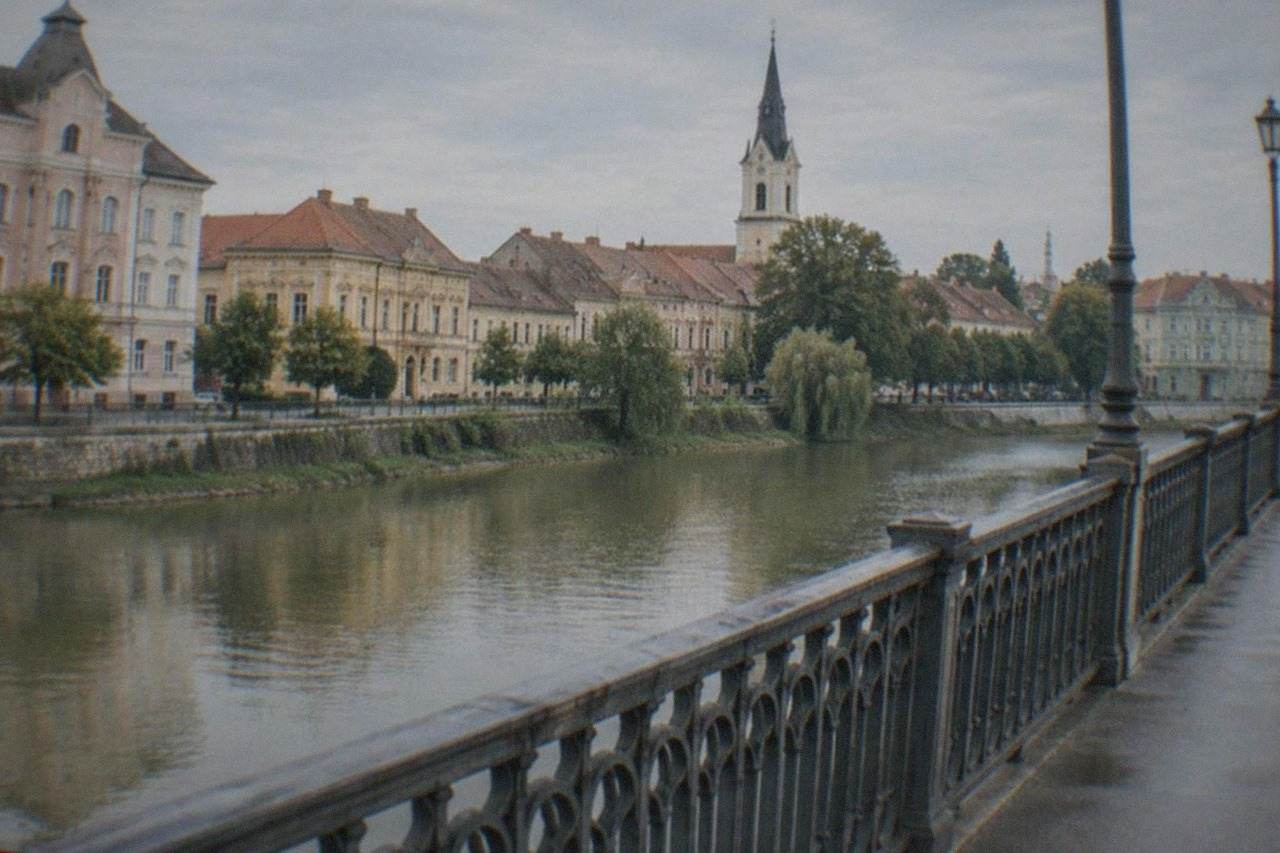
Lugoj sits east of Timisoara on the Timis river, a modest Banat town often passed on the motorway without stopping. This guide makes the case for slowing down: how to reach it, what a day there looks like, and how it pairs with the bigger Banat destinations around it.
Short answer
Lugoj is a small town in Timis County, in the Banat region of western Romania, about an hour-scale hop east of Timisoara by road or rail. It works best as a half-day stop or as a base for exploring the Banat hills, and it is easy to combine with Recas, Buzias or the Nera Gorge on a single day out.
Lugoj is a small town in Timis County, in the Banat region of western Romania, standing on the Timis river roughly east of Timisoara on the corridor that leads toward the Deva-bound hills and, beyond them, Transylvania. For many people it is only a name on a motorway sign. That is a fair first impression and also a missed one, because the town rewards a slow morning: a river running through the middle, a compact center that can be walked end to end in an hour, and a position that makes it a natural first stop on almost any eastward exploration of the Banat. This page, part of the Timisoara Travel Guide day-trip series, covers what a Lugoj day trip actually involves: how to get there, what to do once you arrive, when to go, and how to bolt it onto the region's stronger attractions so the day adds up to more than the sum of its parts.
Timisoara itself needs no defense as the region's hub, and if you have not yet built your city days, start with things to do in Timisoara before branching out. But the Banat is a region best understood by leaving its capital at least once, and Lugoj is the easiest first step: close enough that a half day suffices, ordinary enough that you see western Romania as it is lived rather than staged.
Why Visit Lugoj On A Day Trip From Timisoara?
Lugoj earns a day trip as a low-effort taste of small-town Banat life rather than as a destination of headline monuments. It is a working town on the Timis river with a walkable center and a mixed architectural legacy from its Hungarian and German past, sitting directly on the route toward the region's most dramatic scenery, so you can visit it as a destination or as a first stop on a longer loop. An hour or two of slow wandering is the right dose.
The honest framing matters here. Lugoj is not Sibiu or Brasov, and a guide that pretends otherwise sets you up for disappointment. What it offers instead is texture: the kind of town where the pace drops visibly the moment you leave the main road, where the river gives the center a natural axis to stroll along, and where a coffee stop costs a fraction of what the same break costs in western Europe. For visitors based in Timisoara for several days, that texture is exactly the point. After a dense stretch of squares, museums and churches in the city, a morning in a quiet Banat town resets the rhythm of the trip.
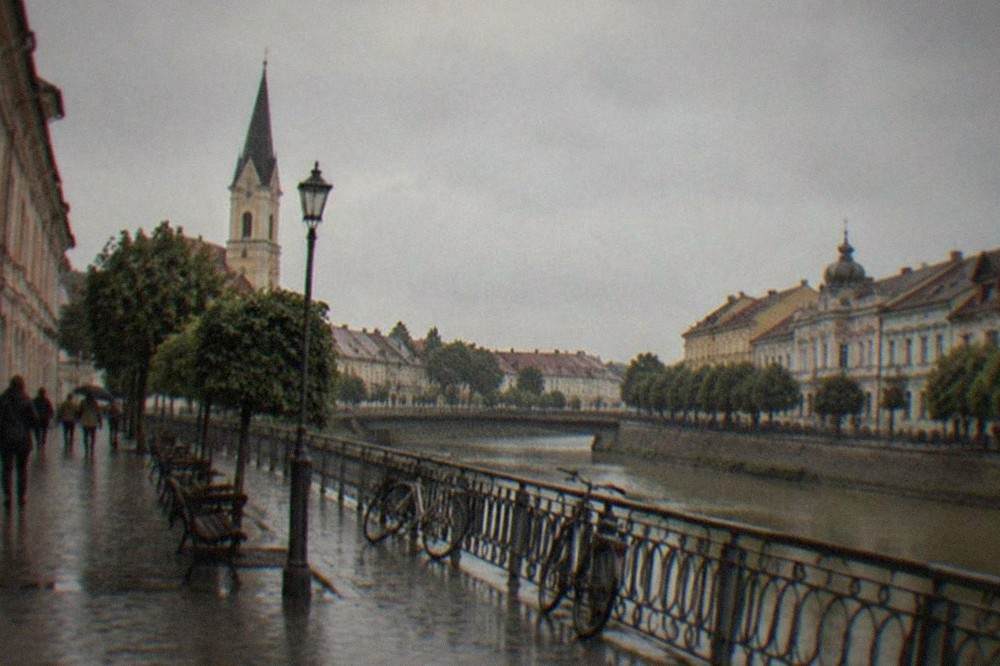
There is also a practical argument. The corridor east of Timisoara is the gateway to some of the Banat's best day trips, and Lugoj sits at its mouth. The A1 motorway passes the town on its way toward Deva, the short open section of the A6 also ends in its vicinity, and the rail line runs the same direction. Whether your real goal is the Nera Gorge, the waterfalls of the Banat mountains or a run deep into Transylvania, Lugoj is the last lowland town on the way, and treating it as a deliberate stop rather than a blur outside the window costs you very little time.
How Do You Get From Timisoara To Lugoj?
Lugoj is reached from Timisoara by road or by rail along the eastward corridor through Timis County. The town sits beside the A1 motorway route toward Deva, with a short section of the A6 also ending in its vicinity, so drivers follow the main eastward artery and take the Lugoj exit. Train services run on the same corridor from Timisoara Nord station, and regional buses fill the gaps. Check current schedules before you travel, as timetables change.
The road picture deserves a moment of explanation, because it changed recently and older guides lag behind. The A1 sections from Timisoara toward Arad and on to the Hungarian border at Nadlac remain fully open, and eastward the motorway runs toward Lugoj and Deva. The critical missing piece on the Lugoj-Deva stretch is the Margina-Holdea lot, which includes the longest motorway tunnels in Romania; full tunnel breakthrough was announced on 18 September 2026, with concrete lining scheduled to finish by the end of 2026 and continuous motorway traffic expected in the first half of 2027. Until then, the classic route east involves motorway sections plus ordinary road through the hills, so build buffer time into any itinerary that pushes past Lugoj toward Deva or Transylvania in one day.
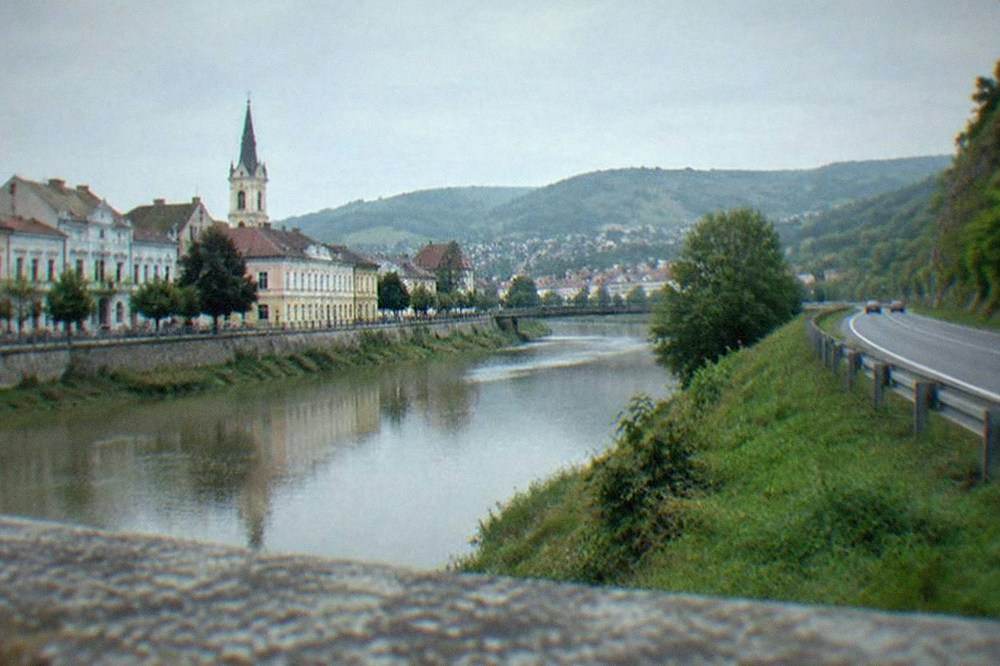
For rail travelers, the corridor is served from Timisoara Nord, the same station that handles the long-distance trains toward Budapest and Bucharest. Regional services on this line exist but frequencies and journey times vary, and the pack behind this guide does not carry a verified timetable figure for the Timisoara to Lugoj leg, so treat any schedule you find online as something to confirm on the day. Drivers should note that parking in small Banat towns is generally easier than in Timisoara's color-coded central zones, but read the local signs rather than assuming.
| Transport option | Corridor | Notes for day trippers |
|---|---|---|
| Car | A1 eastward, Lugoj exit | Simplest for pairing Lugoj with Recas, Buzias or hill destinations |
| Train | Timisoara Nord, eastward regional line | Confirm times before travel; no verified timetable figure in this guide's sources |
| Bus | Eastward regional services | Fills gaps where train times are inconvenient |
| Guided day trip | From Timisoara | Covers the region's headline scenery; see the options below |
If the thought of stitching together a self-drive loop feels like more planning than you want, the guided alternatives are strong. The Banat's signature landscapes, the Danube Gorge and its waterfalls among them, are covered by operators running out of Timisoara.
Each of these is a full-day commitment rather than a Lugoj add-on, so think of them as either an alternative to a Lugoj day or as the anchor of a wider Banat itinerary with Lugoj slotted in on a quieter day.
What Can You See In Lugoj On A Day Trip?
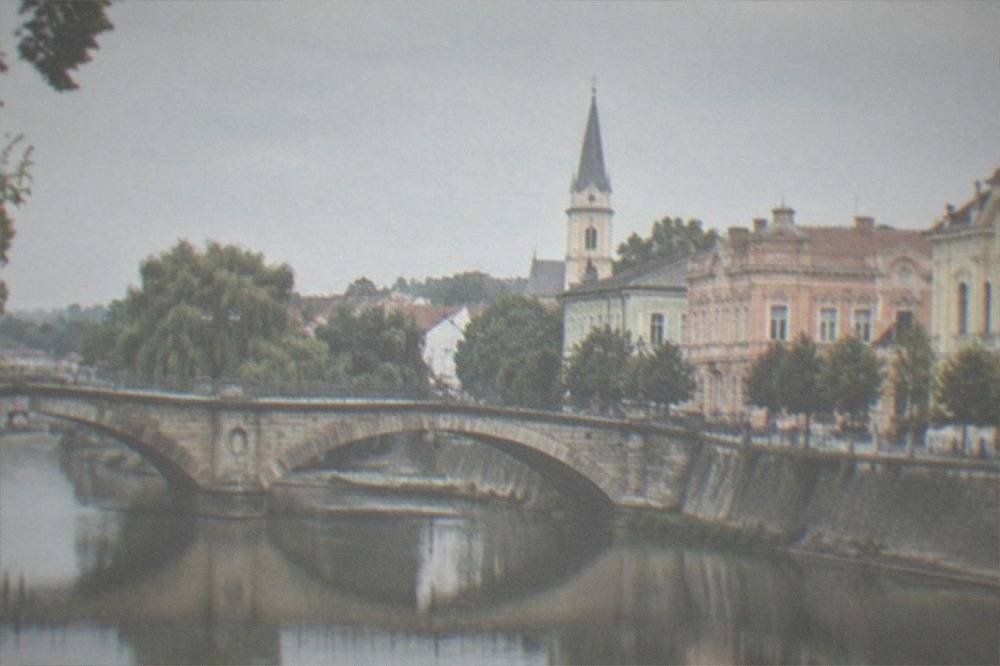
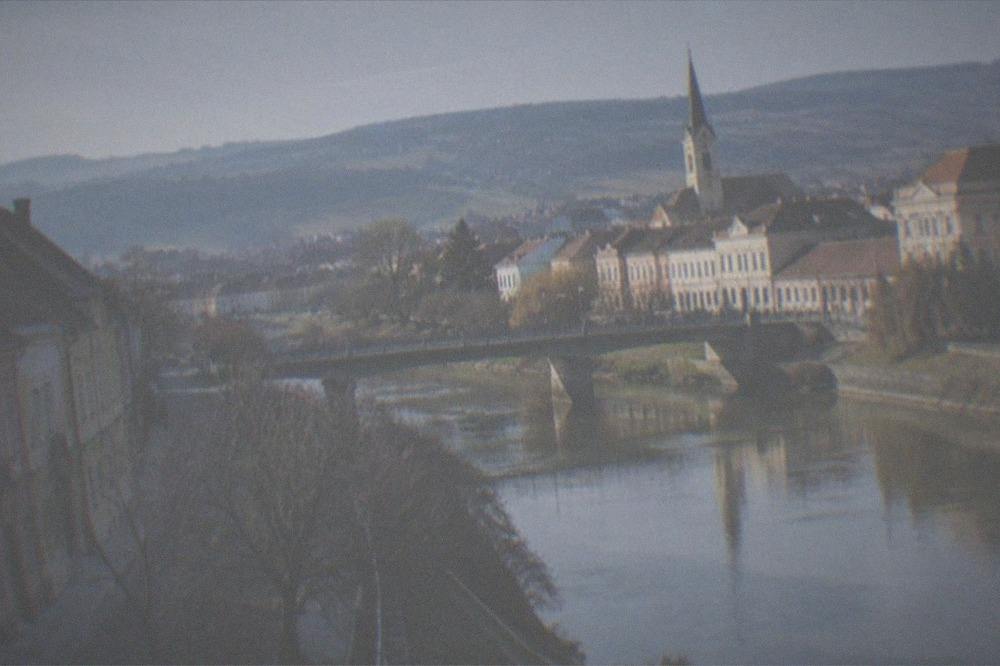
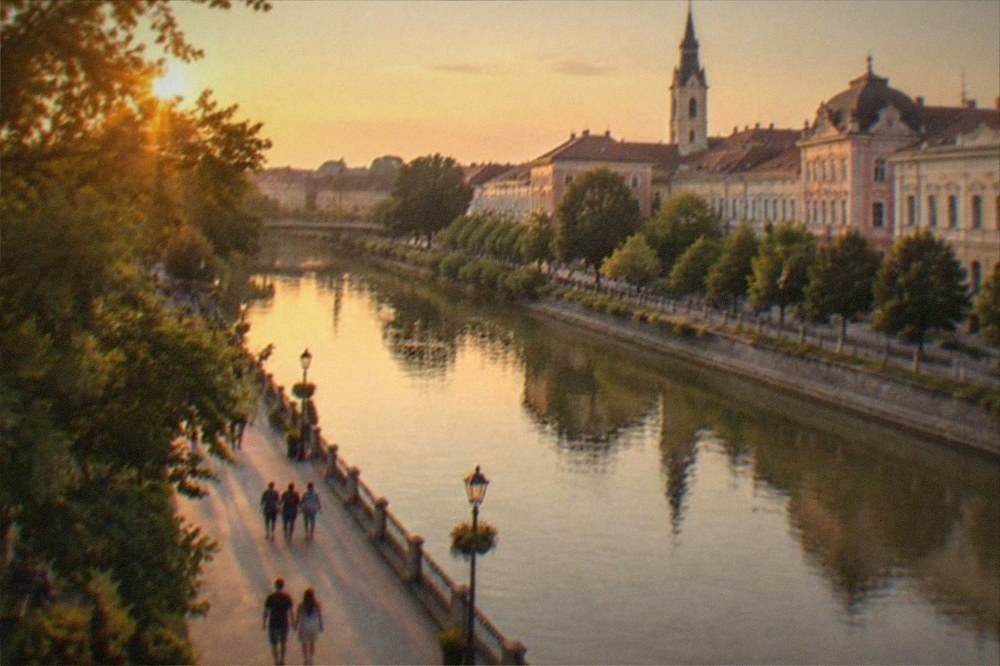
A Lugoj day trip centers on the town's river setting and its compact walkable core: the Timis river and its bridges, the central squares and streets with their mixed Hungarian-era and later architecture, the town's churches reflecting the Banat's layered confessional history, and the riverside stretches where local life happens. Expect a half-day of gentle wandering rather than a ticketed attraction list, because Lugoj's sights are its streets, not its museums.
Start at the river. The Timis gives the town its shape, and walking a bridge loop from one bank to the other is the fastest way to get oriented. From there, let the center unfold on foot: a small Banat town of this size can be crossed in twenty minutes at a brisk pace, but the point is not to cross it, it is to slow down, take the side streets, and notice the architectural seams between the town's Austro-Hungarian decades and the plainer postwar additions. The Banat was one of Europe's great mixed regions, Romanian, Hungarian, German and Serbian communities living in overlapping blocks, and even in a modest town like Lugoj that layering shows in the churches standing within a few streets of each other.
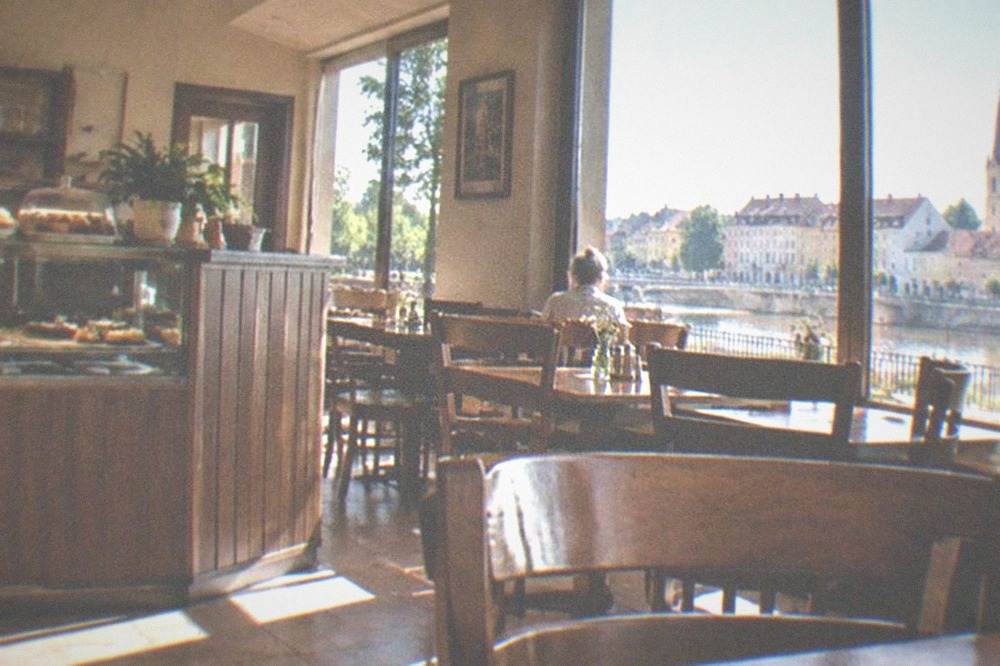
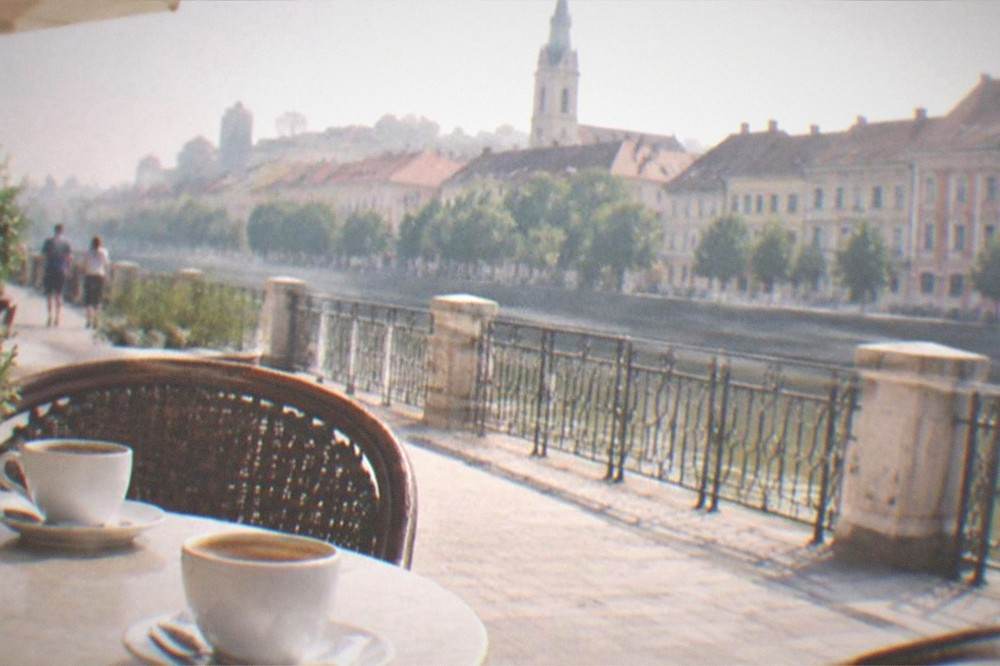
Food and coffee are part of the visit, not a break from it. Romania's small towns run on neighborhood restaurants and pastry counters, and a long lunch in Lugoj costs far less than the equivalent in Timisoara's tourist squares, let alone in western Europe. The cost-of-living data for the wider region gives a useful baseline: an inexpensive restaurant meal runs around 45 to 50 lei, a cappuccino around 13 to 15 lei, and a half liter of domestic draught beer around 11 to 12 lei, per September 2026 updates from the main price aggregators. Treat those as planning ranges and check the menu, not as promises about any specific table in Lugoj.
| Day-trip budget line | Typical range (RON) | Notes |
|---|---|---|
| Inexpensive restaurant meal | 45 to 50 | Regional aggregator figures, September 2026 |
| Cappuccino | 13 to 15 | Regular coffee in expat-frequented spots |
| Draught beer, 0.5 L domestic | 11 to 12 | Neighborhood pub pricing |
| Mid-range hotel night (region) | ~176 to 227 | 3-star averages, varies by date and town |
If a self-guided town stroll plus a hill afternoon sounds appealing but the logistics put you off, the region's flagship guided day trip covers the Banat's waterfall and gorge country in one outing, with the price on the operator's live listing.
One caution before you plan the fine detail: this guide's verified sources do not carry opening hours or admission fees for individual Lugoj sights, so do not build an itinerary around a specific church interior or museum room without checking locally. The walk itself, the riverbank and the everyday commerce of the center ask nothing of you but time.
Where Does Lugoj Fit In A Longer Banat Itinerary?
Lugoj works best as a connector or a half-day stop inside a wider Banat loop, pairing naturally with Recas and its wineries to the west, Buzias to the south, and the Nera Gorge country to the southeast, while the bigger full-day anchors such as the Danube Gorge, Corvin Castle or the Retezat mountains sit beyond it on the map. One efficient shape is a morning in Lugoj followed by an afternoon in the hills, or a Lugoj lunch stop on the way to somewhere grander.
Geography is the whole argument. Lugoj sits at the point where the Timisoara lowlands begin giving way to the Banat hills, so almost every worthwhile direction change in the region happens near it. West and slightly north lies the Recas wine country, one of Romania's better-known wine areas and an easy pairing with a morning in town. South sits Buzias, the old spa town, quiet and dignified. Southeast, deeper into the mountains, the Nera Gorge and its waterfalls make one of the best outdoor days in western Romania, and the Banat villages route adds a cultural counterweight to the scenery. The Banat Semmering railway is another hill-country option on the same side of the map.
| Pairing | Direction from Lugoj | Best fit |
|---|---|---|
| Recas winery area | West | Half-day tasting plus a town stroll |
| Buzias | South | Quiet spa-town afternoon |
| Nera Gorge and waterfalls | Southeast | Full outdoor day, Lugoj as first stop |
| Banat villages | Southeast | Culture and landscape combined |
| Corvin Castle and Sibiu | Far east | Full-day anchor, Lugoj as a lunch halt |
For the full-day anchors, guided options remove the driving and the parking questions entirely. The waterfall and gorge country is covered by the Banat waterfalls trip, and the Transylvanian headline route runs to Corvin Castle and Sibiu.
For travelers who want mountains rather than castles, the Retezat National Park trip covers the highest country in this part of Romania.
And for the classic Transylvania pairing, the Corvin Castle and Sibiu day trip is the strongest single-day option east of the region.
Any of these can absorb a whole day on its own, so the honest planning advice is to choose one anchor per day and let Lugoj be either the warm-up or the wind-down around it.
When Is The Best Time To Visit Lugoj?
The best time for a Lugoj day trip is late spring through early autumn, roughly May to September, when the walking, the riverside and the outdoor pairings all work without weather risk; the regional baseline is a July mean of 22.8 C at the Timisoara station, with the warm, drier stretch from June to August the most reliable window. Winter visits are perfectly possible for a quiet town stroll, but the hill pairings lose much of their appeal in the cold months.
The climate baseline for this corner of Romania is continental, and the verified normals come from the Timisoara station, which is a fair proxy for the wider Timis County lowlands. The pattern is straightforward: cold winters with a January mean of 0.0 C, warm summers peaking at a July mean of 22.8 C, and precipitation spread across the year with a wettest month in June at 79.1 mm and a driest in March at 34.1 mm. June's rainfall peak is worth knowing if your real plan is a gorge hike rather than a town stroll, because wet rock and muddy trails change the character of a hiking day.
| Month | Mean temp (C) | Precipitation (mm) | Day-trip verdict |
|---|---|---|---|
| January | 0.0 | 37.3 | Quiet town stroll only |
| March | 6.5 | 34.1 | Driest month, still cool |
| May | 17.3 | 57.2 | Excellent, shoulder-season value |
| June | 20.9 | 79.1 | Warm but the wettest month |
| July | 22.8 | 61.9 | Peak warmth, best all-round window |
| September | 17.2 | 50.4 | Comfortable and settled |
| October | 11.5 | 50.0 | Mild, autumn color in the hills |
| December | 1.5 | 44.7 | Christmas-market season in Timisoara instead |
Figures are JMA/WMO CLIMAT normals for station TIMISOARA 15247, the nearest verified series for this region, and they describe the lowland climate Lugoj shares. If your December trip is really about festive atmosphere, keep the day trip short and save the evening for Timisoara at Christmas, when the city's own market season, expected around late November into early January based on prior years, is the stronger draw.
What Should A Lugoj Day Trip Cost?
A self-planned Lugoj day trip is one of the cheapest outings in the region: transport eastward, one inexpensive meal at roughly 45 to 50 lei, coffee at 13 to 15 lei, and little else, because the town's sights are free to walk. Romania's currency is the leu (RON), the euro is not adopted, and card payment is common in cities though cash is still sensible in small towns. Budget conservatively and you will underspend.
Money mechanics first. Romania's till currency is the leu, written RON, and the Banat is no exception; do not expect euro prices anywhere. The National Bank of Romania's reference rate stood at 1 EUR = 5.2788 RON on 23 September 2026, a figure worth glancing at before you convert anything mentally. Romania is a full Schengen member, air and sea since 31 March 2024 and land borders since 1 January 2025, so visitors arriving through Hungary cross an internal border with no routine checks, and the EES entry/exit system has been fully operational at external borders since 10 April 2026 for non-EU short-stay travelers.
One line item to know about is the local tourist tax. Timisoara charges a special tourism promotion tax, reported at 2 percent of the accommodation tariff excluding VAT, collected by the lodging, and it is set by local council decision for 2026. That figure is reported rather than primary-verified here, and in any case it applies to overnight stays, so a same-day return to Timisoara sidesteps it entirely. If you do overnight in the region, expect it to appear on your hotel bill rather than at a counter.
| Item | Cost basis | Notes |
|---|---|---|
| Town stroll, bridges, squares | Free | The core of the visit |
| Lunch, inexpensive restaurant | ~45 to 50 lei | Regional aggregator range, September 2026 |
| Coffee stop | ~13 to 15 lei | Cappuccino range |
| Overnight tourist tax (if staying) | Reported 2% of tariff excl. VAT | Collected by the lodging, council-set |
| Guided full-day alternative | Price on the operator's live listing | Renders in the options below |
For anyone who would rather convert the whole day into a guided experience, the region's flagship trips are listed with the operator's live listing showing the current price.
Common Questions About Lugoj Day Trips
Is Lugoj worth visiting from Timisoara?
As a half-day taste of small-town Banat life, yes, especially paired with Recas, Buzias or the hill country. It is not a monument destination, so go for the pace and the river, not for a checklist.
How far is Lugoj from Timisoara?
Lugoj lies east of Timisoara on the A1 corridor in Timis County, and the drive is a short hop on the motorway. This guide's sources do not carry a verified distance or journey-time figure for the exact leg, so confirm with your route planner before setting out.
Can you visit Lugoj and the Nera Gorge in one day?
Yes, and it is one of the better pairings in the region: a morning stroll and lunch in Lugoj, then the gorge and waterfall country to the southeast in the afternoon, ideally with a car or a guided trip.
What is the best month for a Lugoj day trip?
July is the warmest month in the regional baseline at a 22.8 C mean, and May through September is the reliable window overall. June is the wettest month at 79.1 mm, so pack accordingly if you are combining town and trail.
Do you need cash in Lugoj?
Sensible, yes. Card acceptance is common in Romanian cities, but small-town cafes and market stalls can be cash-only, and the currency is the Romanian leu, not the euro.
Is there a direct train from Timisoara to Lugoj?
The eastward rail corridor from Timisoara Nord serves the Lugoj direction, but this guide's verified sources do not carry a current timetable for the specific leg, so check schedules on the day and treat the bus as a fallback.
Lugoj will never be the reason you fly into western Romania, and that is precisely its charm: it is the easy, honest first step out of Timisoara, a place to slow down before the gorges, castles and mountains that make the Banat worth the trip.