Recas Winery
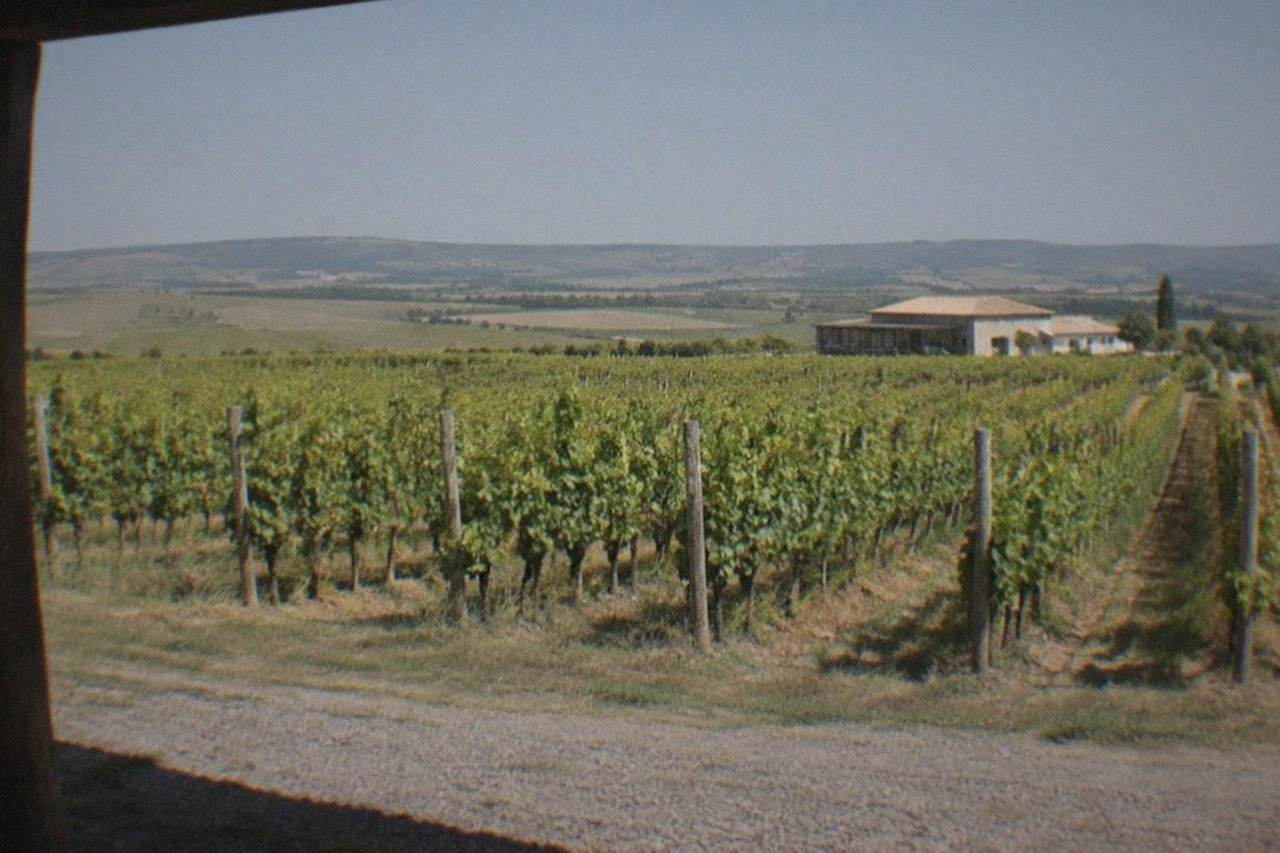
Recas Winery sits in the heart of the Banat wine region, a short trip from Timisoara in western Romania, and it is the area's best-known wine destination.
Short answer
Recas Winery is the best-known producer in the Banat wine region around Timisoara, Romania. No tasting fee or opening hours are independently verified, so check the winery's own channels or book a guided wine tour from the city. The visit works best as a half-day trip paired with the surrounding Timis County countryside.
Recas Winery is the most famous wine address in the Banat region of western Romania, and it sits in Timis County, the same county as Timisoara, the regional capital that was European Capital of Culture in 2023. The town of Recas gives its name to a wine-growing area whose vineyards have supplied the region for generations, and today the name travels far beyond Romania on bottles stocked across Europe. This guide covers how the trip works from Timisoara, what a visit involves, what it costs, and how to fold it into a wider stay in the Banat.
One honest note before anything else: no admission price, tasting fee or opening hours for Recas Winery have been independently verified by this site, and the same is true of every other winery in the area. Where a figure exists, it belongs to a bookable product and is printed by the tour blocks on this page. Everything else here is planning advice built on verified facts about Timisoara, the Banat region and the Romanian money and transport systems you will actually use on the day.
Where Is Recas Winery, And How Do You Get There From Timisoara?
Recas Winery lies in the town of Recas in Timis County, the same county as Timisoara in western Romania, and the trip is a straightforward road journey east of the city. No independently verified driving time or distance is published by this site, so treat any figure you see elsewhere as an estimate and plan a half day for the round trip.
There is no dedicated rail link, so the realistic options are a rental car, a taxi or rideshare, an organized wine tour, or local bus services with a walk at the far end.
Timisoara, known as Timișoara in Romanian orthography and historically as Temesvár in Hungarian and Temeswar in German, is the natural base for this trip. The city's position on the western edge of Romania means the Banat wine country sits practically on its doorstep, and the region's rolling terrain is part of why viticulture took root here at all. The Banat plain transitions into gentle hills around Recas, and that relief, combined with a continental climate, is what shapes the local grapes.
The road network around Timisoara has improved markedly. The A1 motorway runs from Timisoara toward Arad and the Hungarian border at Nadlac, and a new four-lane link road connecting the city directly to the A1 opened to traffic on 22 September 2026, giving drivers a faster way out of the urban area. For a Recas trip you head east rather than northwest, but the general point stands: driving out of Timisoara is easier in 2026 than it has been in years, and the city's ring-road works, while ongoing, mostly affect through traffic rather than the eastern exits.
If you would rather not drive at all, a guided wine tour from Timisoara is the stress-free route. The related tour on this page is a private wine-and-castles excursion, and there are wine experiences closer to the city too, including a winery tour and tasting at Petro Vaselo, another Banat producer. The tour blocks below print live prices and ratings from verified data, which is more than any static article can promise.
For background on the wine culture you are heading into, the Banat wine guide on this site covers the region's producers, grape varieties and serving traditions in detail, and it is worth reading before you book anything.
What Can You Expect From A Recas Winery Visit?
A typical Recas Winery visit centers on a guided walk through the cellars and production areas followed by a seated tasting of several wines, usually paired with local bread, cheese or cold cuts, though the exact format depends on the booking you make. No tasting fee or opening hours for the winery are independently verified, so this site will not print them: confirm the current arrangement directly with the winery or through a tour operator.
A half day is a typical time to set aside, and the experience is family-friendly rather than formal.
The winery is the dominant name in Banat wine. Its bottles appear on supermarket shelves across Romania and in export markets, which is unusual for a producer from this corner of Europe and explains why the name is often the first one foreign visitors encounter. A visit is therefore as much about scale as romance: this is a working, high-volume estate, and the cellar tour shows both the traditional side and the industrial side of modern Romanian wine.
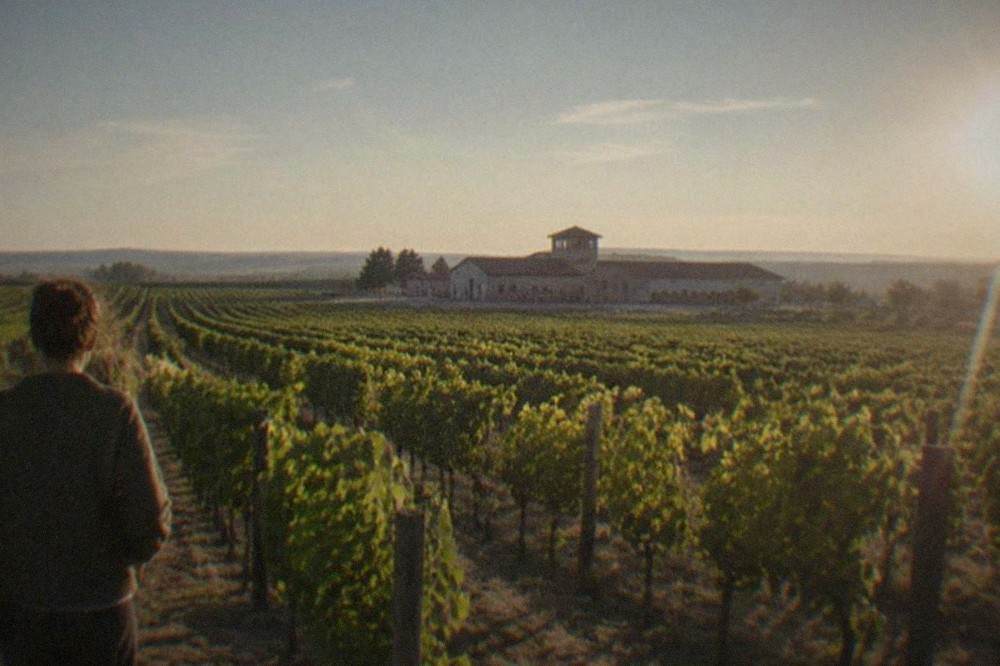
Tastings in the Banat generally follow Romanian wine culture. Expect reds, whites and rosés poured in sequence, with the local varieties explained by the guide. Romania's wine tradition favors indigenous and regional grape names that rarely appear elsewhere, and part of the pleasure of a Recas tasting is hearing those explained by someone who works with them daily. If you are new to Romanian wine, go in with questions rather than expectations.
Practicalities matter more here than at a city attraction. You are visiting a working estate in a rural town, so wear shoes that can handle cellar floors, bring a layer for cool underground temperatures, and plan for cash in leu as a backup even though card acceptance in Romania is generally good. The Romanian leu, not the euro, is the currency you will be charged in, and the National Bank of Romania reference rate stood at 5.2788 RON per euro as of 23 September 2026.
If tasting your way through the Banat with a driver appeals, these are the strongest options currently verified for the region and the city.
The first of those is the wine-focused day trip this page is built around. The other two are Timisoara walking tours, included because many visitors pair a wine day with city days, and a guided introduction to the city's squares and revolution history makes the wine day easier to place in context.
How Much Does A Recas Winery Trip Cost?
The honest answer is that the winery's own tasting fee is not independently verified anywhere on this site, so no number can responsibly be printed here, and the only reliable figures come from bookable tours, whose prices render in the blocks on this page. Around those unknowns, the verified costs are small: a 60-minute public transport ticket in Timisoara costs 5 lei, a one-day pass 18 lei, and an inexpensive restaurant meal in the city runs about 45 to 50 lei.
That makes the budget picture clear. The dominant cost of a Recas day is either the tasting fee, which you confirm locally, or a tour price, which the blocks below display live. Everything else, transport within the city, food, coffee, is inexpensive by Western European standards. A cappuccino in Timisoara costs about 13 to 15 lei and a half-liter of domestic draft beer about 11 to 12 lei, according to cost-of-living trackers updated in September 2026.
| Item | Verified figure | Notes |
|---|---|---|
| STPT single ticket, 60 minutes | 5 lei | Covers all city modes including the Bega water bus in season |
| STPT one-day pass | 18 lei | Same coverage, valid for a full day |
| STPT 30-day general pass | 160 lei | Only relevant for long stays |
| Inexpensive restaurant meal, Timisoara | about 45 to 50 lei | Tracker data, September 2026 |
| Cappuccino, regular area | 13 to 15 lei | Tracker data, September 2026 |
| Domestic draft beer, 0.5 L | 11 to 12 lei | Tracker data, September 2026 |
| Mid-range hotel night | about 176 to 227 lei | Hikersbay averages, September 2026 |
One cost that surprises some visitors is the local tourist tax. Timisoara levies a special tax for the promotion of tourism, set by local council decision HCL 719/2025 for 2026, and it is collected by your accommodation, not by the winery. The commonly reported rate is 2 percent of the accommodation tariff excluding VAT, though that specific percentage is reported rather than primary-verified, so expect a small line on your hotel bill rather than a surprise at the cellar door.
For the wine-focused private option, the live price and rating render below. This is the tour this page recommends for visitors whose main goal is Banat wine with zero driving.
If a private wine-and-castles day is more than you need, the budget alternative is to self-drive or take a taxi to Recas, pay the tasting fee locally, and spend the difference on bottles to take home. The trade is simple: independence against the guarantee that someone else handles the road and the reservation.
When Is The Best Time To Visit The Banat Wine Region Around Timisoara?
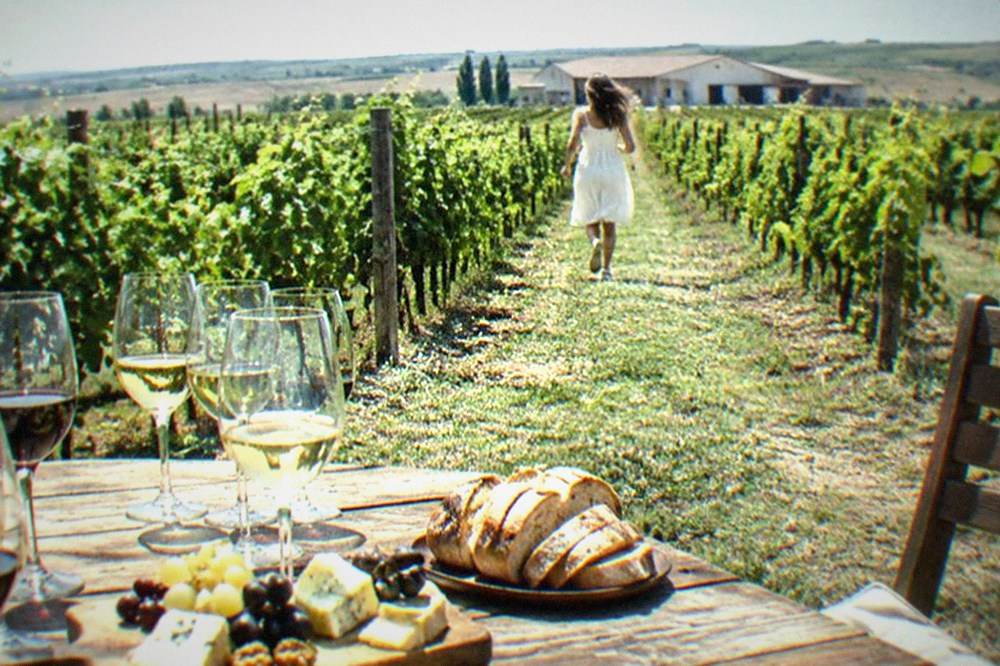
The best window is September and October, when the harvest is underway or just finished, the mean temperature in Timisoara is still 17.2 C in September and 11.5 C in October, and the vineyards are at their most photogenic. The verified climate normals for station TIMISOARA 15247 show July as the warmest month at a 22.8 C mean and January the coldest at 0.0 C, with June the wettest at 79.1 mm of rain and March the driest at 34.1 mm.
Harvest timing is the key. Grape picking in the northern hemisphere happens between roughly August and October, and a visit during those months gives you a chance of seeing the estate at its busiest and most atmospheric, with fruit coming in and cellars working. Outside that window the vineyards are dormant or growing, the cellars are quieter, and the experience shifts toward the tasting room. More of these guides are collected on Timisoara Travel Guide.
| Month | Mean temperature (C) | Precipitation (mm) | What it means for a winery visit |
|---|---|---|---|
| January | 0.0 | 37.3 | Dormant vines, cold cellar door, quiet estate |
| February | 2.1 | 35.5 | Still dormant, short days |
| March | 6.5 | 34.1 | Driest month of the year, bare vines |
| April | 12.3 | 50.6 | Bud break, fresh countryside |
| May | 17.3 | 57.2 | Green vineyards, peak city-tourist month on record |
| June | 20.9 | 79.1 | Wettest month, full canopy |
| July | 22.8 | 61.9 | Warmest month, grapes swelling |
| August | 22.5 | 54.6 | Early harvest begins for some varieties |
| September | 17.2 | 50.4 | Main harvest, the ideal visiting month |
| October | 11.5 | 50.0 | Late harvest, autumn colors, still excellent |
| November | 6.4 | 45.3 | Quiet season begins |
| December | 1.5 | 44.7 | Possible Christmas-market pairing in the city |
The numbers come from the JMA/WMO CLIMAT normals for the Timisoara station, which is the only climate series this site treats as verified. Note what the table does not say: no sunshine-hour or daily high/low figures are published for this station, so any you see elsewhere should be treated with care.
One pairing worth planning around: the Timisoara Christmas Market is expected to run from late November 2026 into early January 2027 in Piata Victoriei, based on prior years, but 2026 dates are not yet officially confirmed. A December wine purchase trip can work alongside the market, since Romanian winter food and local reds go together well, but the vineyard itself will be at its least scenic.
What Should You Taste At Recas Winery?
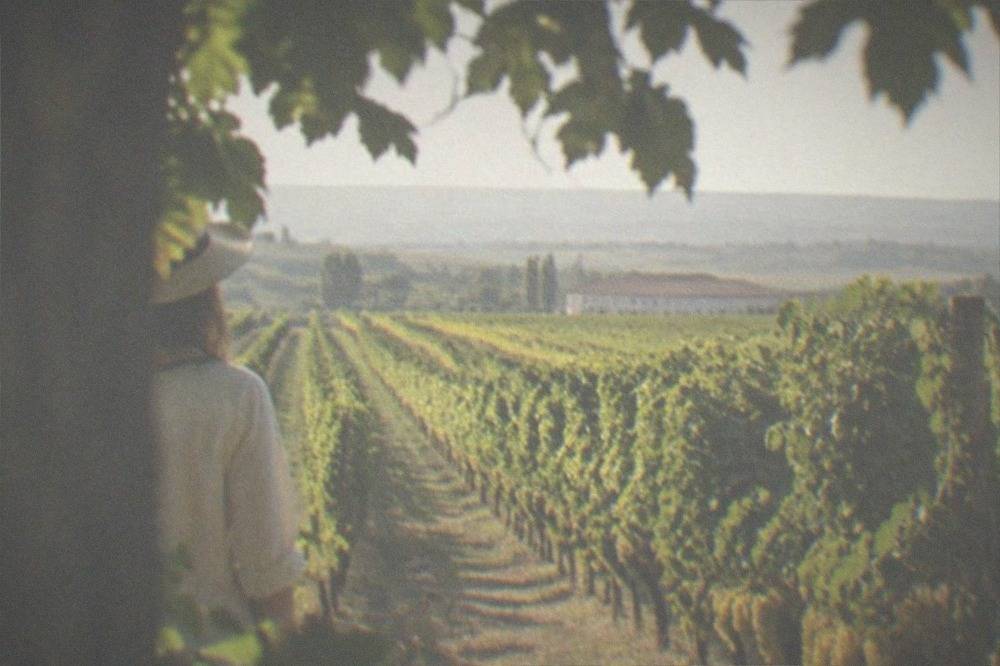
Ask for the local and regional varieties first, both red and white, and let the guide pour a progression from light whites through rosé to the fuller reds, which is the standard Romanian tasting order. No specific vintage, grape or cuvée of the estate is independently verified by this site, so this page names no bottle as a must, but a Banat tasting typically spans several styles and the guide will steer you to what the estate is proudest of that season.
If a wine appeals, buy it at the cellar door, where selection beats any city shelf.
Romania's wine identity is built on varieties that rarely travel. Some are indigenous to the country, others are regional plantings that developed their own character in Banat soil, and the fun of a tasting is comparing them against the international grapes you already know. Ask specifically what is grown on the estate's own land versus bought in, a fair question at any large producer.
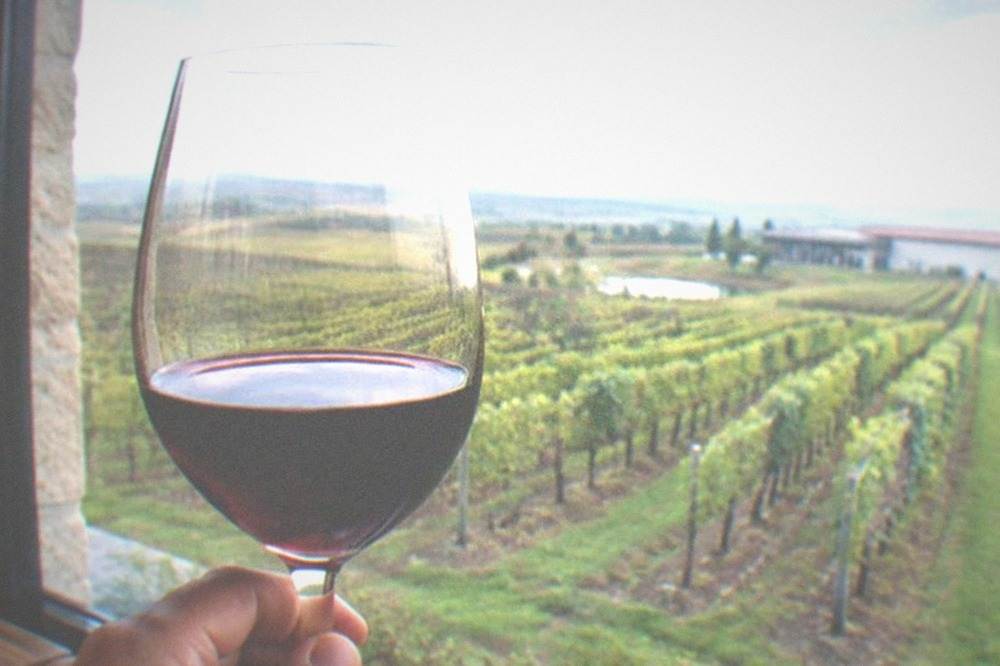
A few practical tasting notes. Eat something beforehand, since a multi-wine tasting on an empty stomach ends the day early. Say clearly if you are spitting or not, no guide will mind. If you are traveling with someone who does not drink, most estates pour a non-alcoholic alternative or let them share the food board, but mention it when booking rather than at the table.
For deeper background on the region's wine culture, including how Banat wine fits into Romanian traditions and what to look for on labels, read the site's Banat wine guide. And if your interest in Romanian wine extends to the city's tables, the food and restaurant guides linked from things to do in Timisoara cover where local bottles appear on menus.
Can You Combine Recas Winery With Other Timisoara Day Trips?
Yes, and the pairing that works best is Recas with the small towns and countryside of Timis County, since the winery sits in rural Banat close to several other worthwhile stops, though this site publishes no verified journey times between them, so each pairing below is a suggestion of character rather than a schedule. Realistic combinations include the historic town of Lugoj, the spa heritage of Buzias, the Banat villages, and the city of Arad to the northwest, all covered by dedicated guides on this site.
The simplest split is a morning at the winery and an afternoon in one nearby town, or the reverse if a tasting lunch appeals more than a morning one. Recas itself is a small town, so the winery is the destination rather than the town, and the surrounding countryside is what makes the drive pleasant.
| Day-trip pairing | Character | Why it pairs with Recas |
|---|---|---|
| Lugoj | Historic market town on the Timis River | Same county, easy rural road links, quiet old center |
| Buzias | Former spa town with parkland | Relaxed pace suits a post-tasting afternoon |
| Banat villages | Rural traditions and scattered settlements | Deepens the countryside impression of the wine region |
| Arad | City with broad avenues and culture | Pairs if you are arriving or leaving via the A1 corridor |
| Timisoara city walking tours | Squares, revolution history, architecture | The natural bookend on either side of the wine day |
The guides to Lugoj, Buzias and the Banat villages each cover their own logistics, so plan the pairing before you commit to a rental car or a tour. If you would rather let a professional handle a full-day combination, the private castles-and-wine tour shown earlier in this article does exactly that, with the live price rendered in its block.
For the city bookend, a guided introduction to Timisoara is worth the money on a first visit, and the two most-reviewed options on this site's roster render below. The first is the classic circuit of the old center, the second a recurring weekly walk in English, so the choice between them comes down to schedule fit rather than substance.
Between the two, the weekly option suits travelers whose dates are flexible, since it runs on fixed days and gathers a mixed group. Both tours start from the city center, so neither adds travel time to your wine day.
Visitors who take one of these walks almost always report a better sense of what the Banat region is about when they head out to the vineyards afterward, because the revolution history and the architecture of the squares explain why this corner of Romania developed differently from the rest of the country.
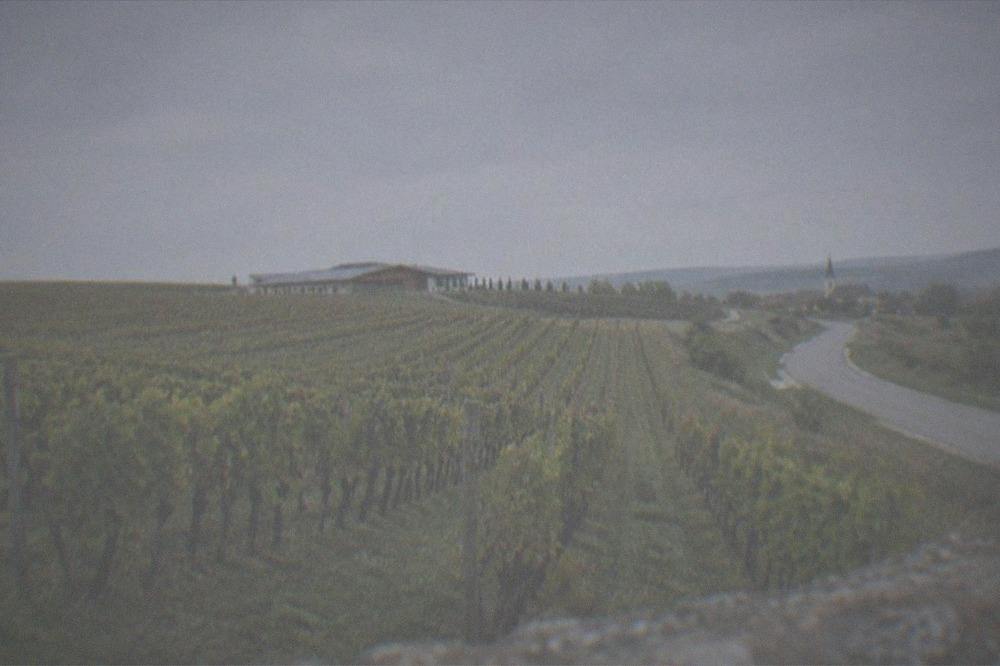
Where Can You Taste Banat Wine Back In Timisoara?
Timisoara's restaurants, wine bars and craft-beer venues carry Banat producers on their lists, and the city's food scene is the place to continue tasting after the winery day, though no venue prices or hours on this site are independently verified beyond the citywide cost figures already given. The verified baseline: an inexpensive meal runs about 45 to 50 lei, a mid-range hotel night about 176 to 227 lei, and the city recorded 296,199 tourist arrivals in 2025, so demand for good wine lists is real and growing.
The city's food culture leans on the same region the winery draws from. A restaurant scene that serves Banat produce will usually pour Banat wine, and asking for a local bottle is the fastest way to find out which producers the city's own sommeliers rate. The site's dedicated guides to Timisoara restaurants and Timisoara food list where to start.
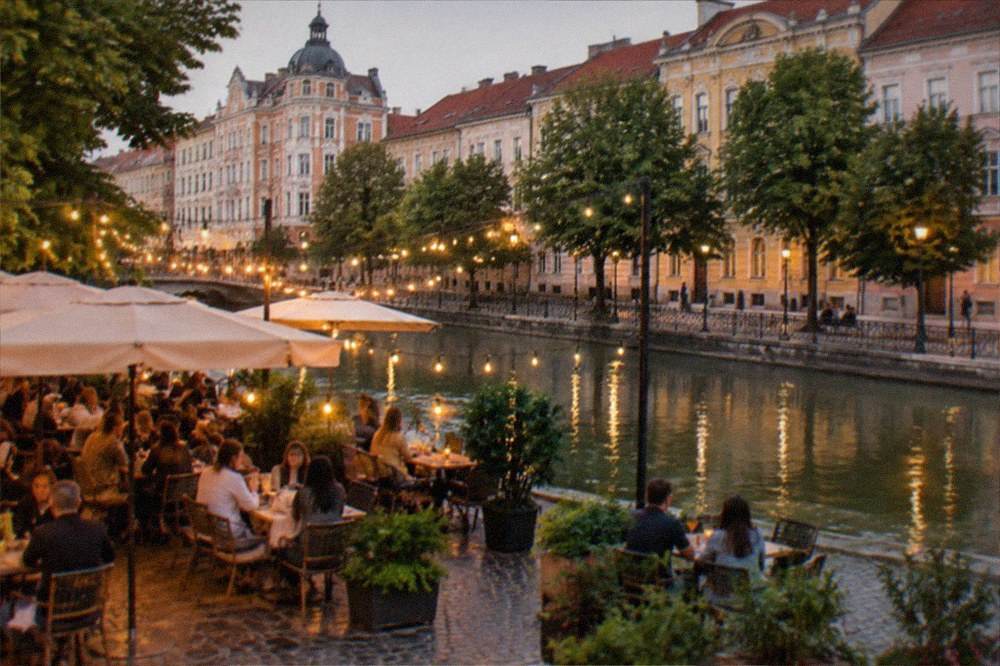
There is also a second named winery within reach of the city: Petro Vaselo, another Banat producer with a bookable tour and tasting from Timisoara, whose price and any rating render only through the tour block. If Recas is the scale story, Petro Vaselo is the boutique comparison, and some visitors do both in one trip.
A final city option for the wine-curious who stayed out late: Timisoara's craft-beer scene is real but, like the wineries, its venue prices are not independently verified, so treat the craft beer guide as a map of names rather than a price list. The same rule applies across this whole page: figures are printed as found, unverified ones are flagged, and nothing in between is invented.
If you are now sketching a full western-Romania itinerary rather than a single day, the site's guides to Arad and the wider things to do in western Romania round out the options, and the strongest tour products across the region and the city render below.
Whichever of those you choose, the wine day is the one that books out first in harvest season, so reserve it before you lock in the city walks.
Common Questions About Recas Winery
Where is Recas Winery?
Recas Winery is in the town of Recas, in Timis County in the Banat region of western Romania, the same county as Timisoara. It is a rural road trip from the city, with no dedicated rail link to the winery itself.
How far is Recas Winery from Timisoara?
This site cannot confirm a distance or driving time between Timisoara and Recas. Plan on a half-day round trip and confirm current travel time with your map app, your rental-car route or your tour operator before setting out.
How much does a Recas Winery tasting cost?
No tasting fee for Recas Winery has been independently verified, so this page does not print one. Confirm the current fee directly with the winery, or book a guided wine tour from Timisoara, in which case the live price renders in the tour blocks on this page.
Do you need to book a Recas Winery visit in advance?
Advance booking is the safe assumption for any working winery, and it is effectively mandatory if you want a cellar tour rather than a shop visit. Book directly with the winery or through a tour operator, and say upfront how many people are in your group and whether anyone needs a non-alcoholic option.
Can you visit Recas Winery without a car?
Yes, but not always conveniently. The realistic car-free options are an organized wine tour from Timisoara, a taxi or rideshare, or local bus services with a walk at the far end. A guided tour is the option this page recommends, since the driver handles both the road and the reservation.
When is the best month to visit Recas Winery?
September is the best single month, with a verified mean temperature of 17.2 C in Timisoara, the harvest underway and rainfall moderate at 50.4 mm. October, at an 11.5 C mean, is the close second, pairing late harvest activity with autumn color in the vineyards.
Recas Winery is the Banat's flagship wine experience, and a well-planned day there pairs the region's rural calm with the food and culture of Timisoara on either side. Confirm the tasting details locally or let a tour handle them, pick a September or October date if you can, and the rest of the day takes care of itself.