Cazanele Dunarii: The Danube Gorges Day Trip From Timisoara, Romania
The Cazanele Dunarii, the Danube Gorges at the southwestern edge of Romania, are the most dramatic river landscape within day-trip range of Timisoara. This guide covers how the gorge fits a Timisoara itinerary, which tours cover it, what the Serbia border crossing involves and what a realistic budget looks like.
Short answer
The Cazanele Dunarii are the narrow gorges of the River Danube where it cuts between the Carpathians at Romania's border with Serbia, reachable as a long day trip from Timisoara. A guided day tour from the city covers the gorge together with the Banat waterfalls; independent travelers drive south and cross at one of the local border points.
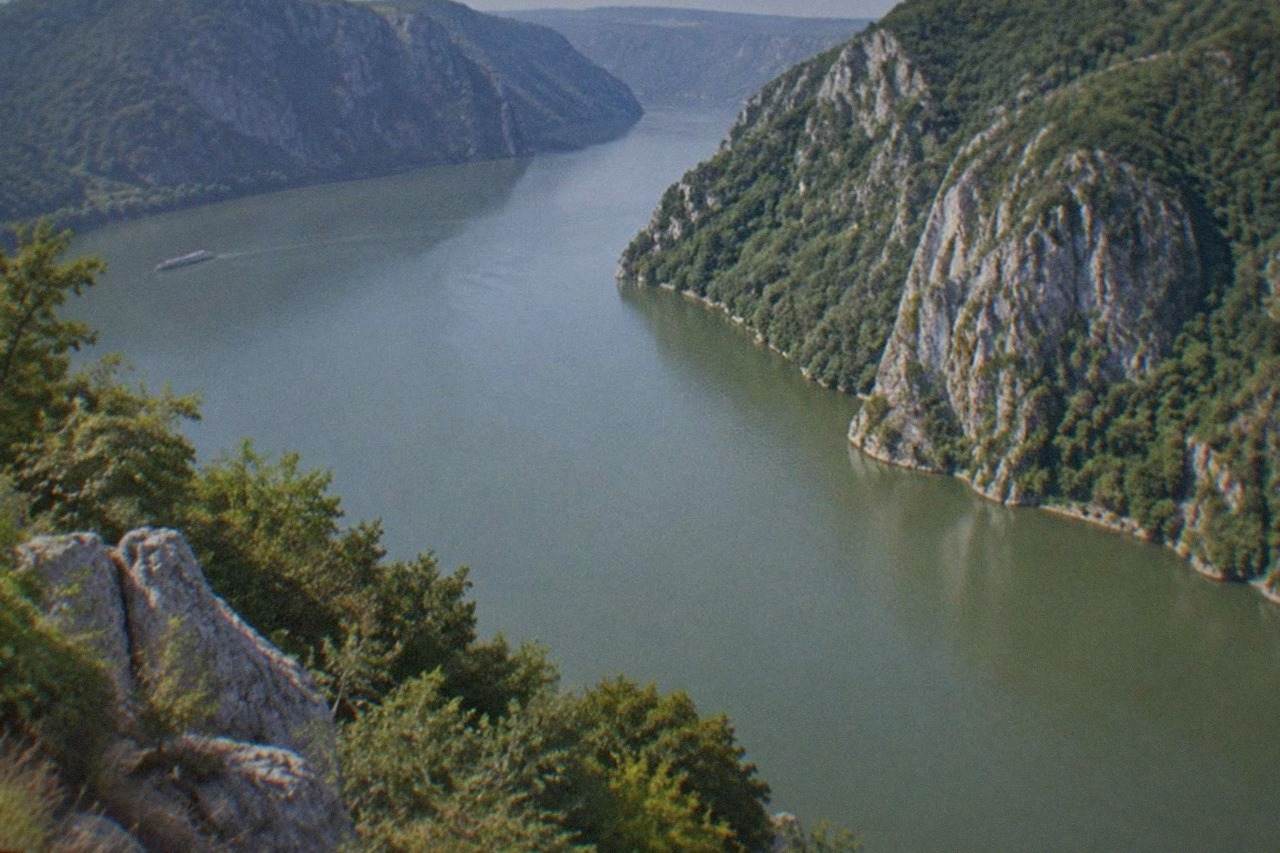
The Cazanele Dunarii, the Danube Gorges, sit where Europe's second-longest river squeezes between rocky walls at the frontier between the Banat region of Romania and Serbia, roughly a day's excursion from Timisoara. For visitors basing themselves in the city, the gorge is the single most spectacular natural sight on the region's southwestern edge, and it pairs naturally with the waterfalls and karst landscapes of the Banat Mountains on the way. This page, part of Timisoara Travel Guide, lays out what the gorge actually is, which guided options exist from Timisoara, what the Serbia border crossing involves in 2026, and how to plan the day.
The name itself is worth a note. "Cazanele" is the Romanian plural for cauldrons, and locals have long called the tightest stretches of the river here the Great Cauldron and the Small Cauldron, Cazanele Mari and Cazanele Mici, where the Danube narrows and the current deepens between near-vertical rock. The Serbian side of the valley carries its own names for the same water, a reminder that this is a border landscape in the most literal sense: one bank Romanian, the other Serbian, the river between them.
Where Are The Cazanele Dunarii And What Are They Exactly?
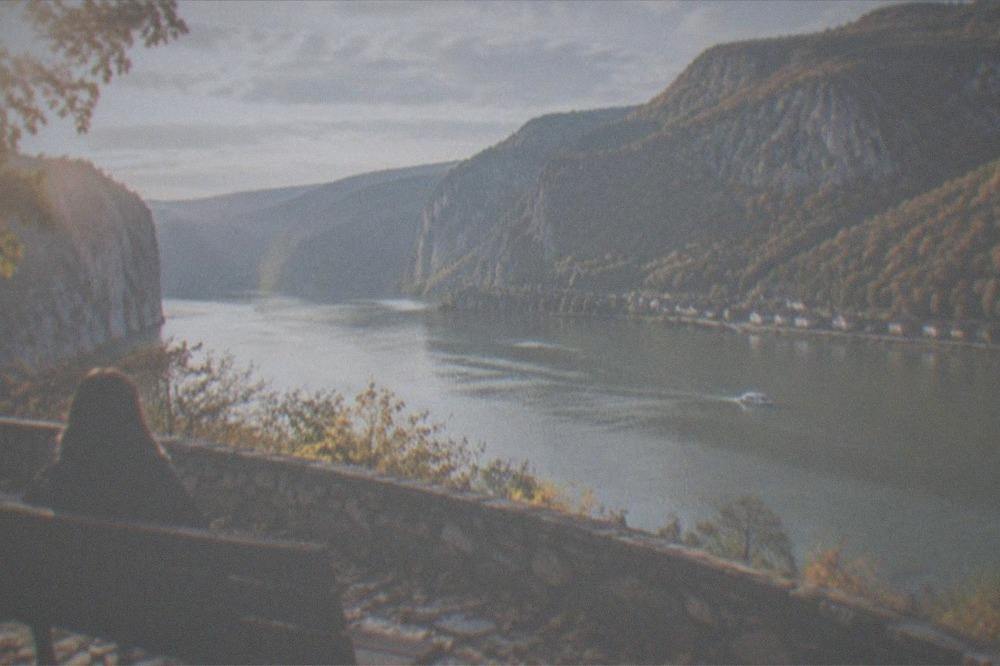
The Cazanele Dunarii are the Danube Gorges, a stretch where the River Danube cuts a narrow, cliff-lined valley between the Banat Mountains in Romania and the Serbian bank opposite, at the southwestern edge of Timis County's wider region. They mark the frontier between Romania and Serbia, so any visit from Timisoara runs toward an external Schengen border. The gorge is best understood as a river landscape rather than a single viewpoint: boat trips, roadside overlooks and hiking paths each show a different face of it.
The gorges belong to the Danube's passage through the Carpathian chain at the so-called Iron Gates area, where the river leaves the wide Pannonian plain and threads between mountains. On the Romanian side the land rises into the Banat Mountains, the same range that hides the Nera Gorge and the Bigar Waterfall, both of which are covered elsewhere on this site as separate day trips from Timisoara. Geologically the gorge is a classic example of a river cutting through a mountain ridge rather than around it, which is why the walls feel so abrupt: the Danube did the carving over millions of years, and the rock on both sides is limestone that erodes into cliffs, caves and scree slopes.
For a trip organized from Timisoara, the practical point is that the gorges sit at the far southwestern corner of the country. The route from the city runs south through the Banat, past Lugoj and toward the border zone, and most itineraries combine the gorge with at least one other stop in the mountains. That is why the guided options from the city, covered below, are full-day affairs rather than half-day outings.
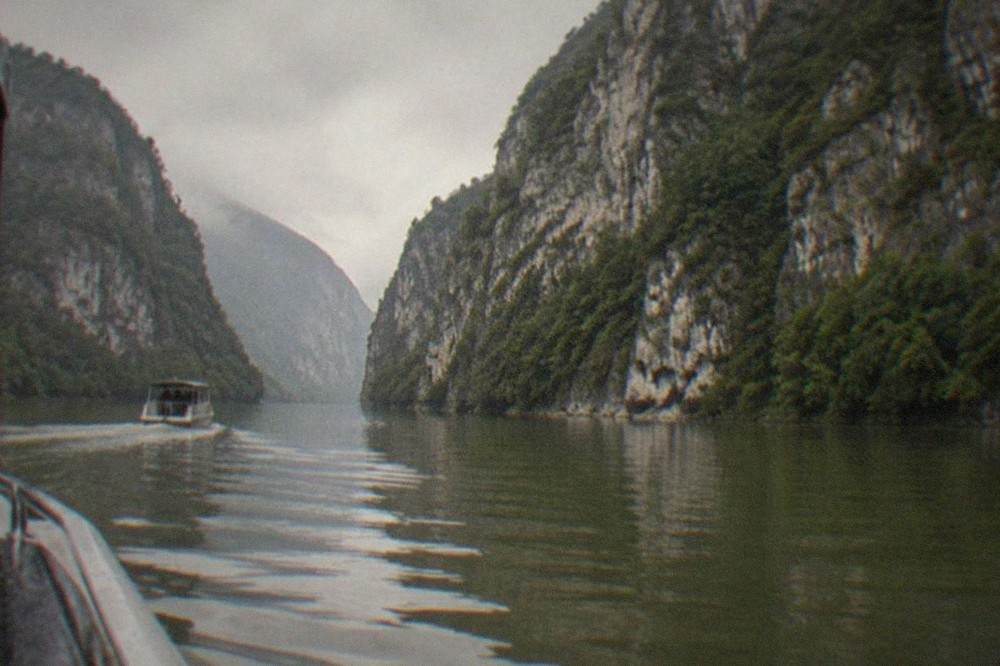
The river itself is the border. Romania joined the Schengen area fully on 1 January 2025, with air and sea borders opening on 31 March 2024 and land borders following, but Serbia is not a Schengen member, so the Danube here is an external Schengen frontier with genuine passport checks. That single fact shapes more of the planning than first-time visitors expect, and there is a full section on it further down.
What Makes The Danube Gorges Worth A Day Trip From Timisoara?
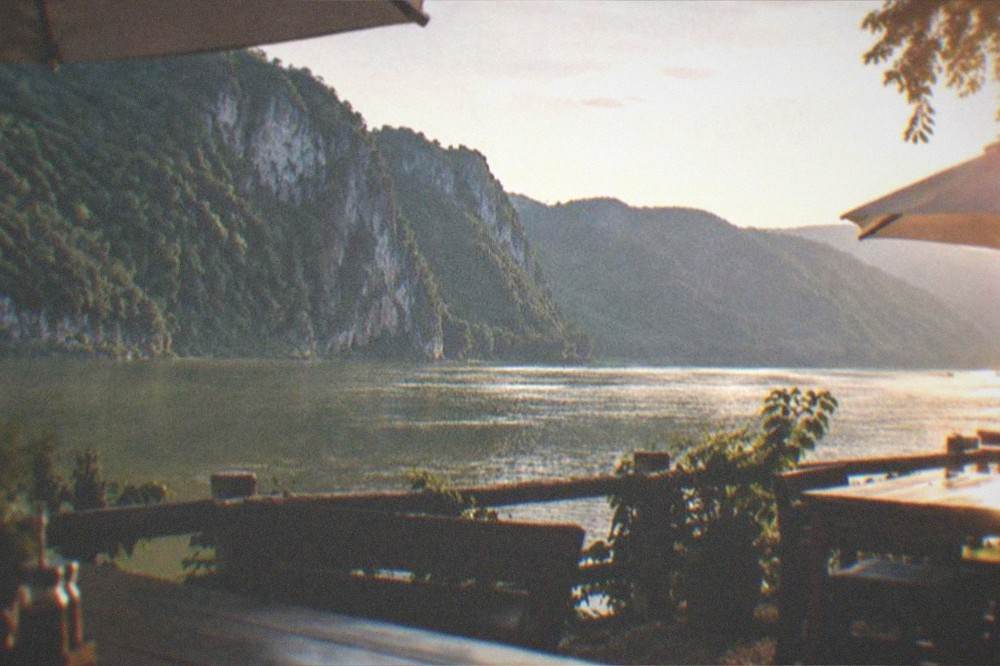
The Cazanele Dunarii are worth the long day because they offer the steepest, most enclosed river scenery in western Romania, with cliff walls rising directly from deep water, boat trips through the narrowest stretches, and a crossing of landscapes from the Timisoara plain into the Banat Mountains. Few sights within day-trip range of the city combine water, rock and border-country atmosphere in one place, and the drive itself passes through some of the region's most rural territory.
Timisoara's own landscape is flat. The city sits on the Timis plain, a product of the Bega canal's slow, engineered course through what was once marshland, and the tallest things in the center are church towers and Secession facades. The gorges are the opposite: a hard-edged mountain valley where the Danube, hundreds of kilometers from its source and still gathering the waters of half a continent, is forced into a channel between rock walls. The contrast is the point. Visitors who spend three days among the city's squares and museums, as in our three days in Timisoara itinerary, will find the gorge a complete change of register.
The gorge also sits inside a broader cluster of Banat attractions that reward a full day on the road. The same corner of the country holds the Nera Gorge, the waterfalls of the Caras valley, and the spa town of Baile Herculane, each covered on its own page: the Nera Gorge day trip, the Bigar Waterfall guide and the Baile Herculane page. A well-built day from Timisoara can string two or three of these together, and the guided tours described in the next section do exactly that.
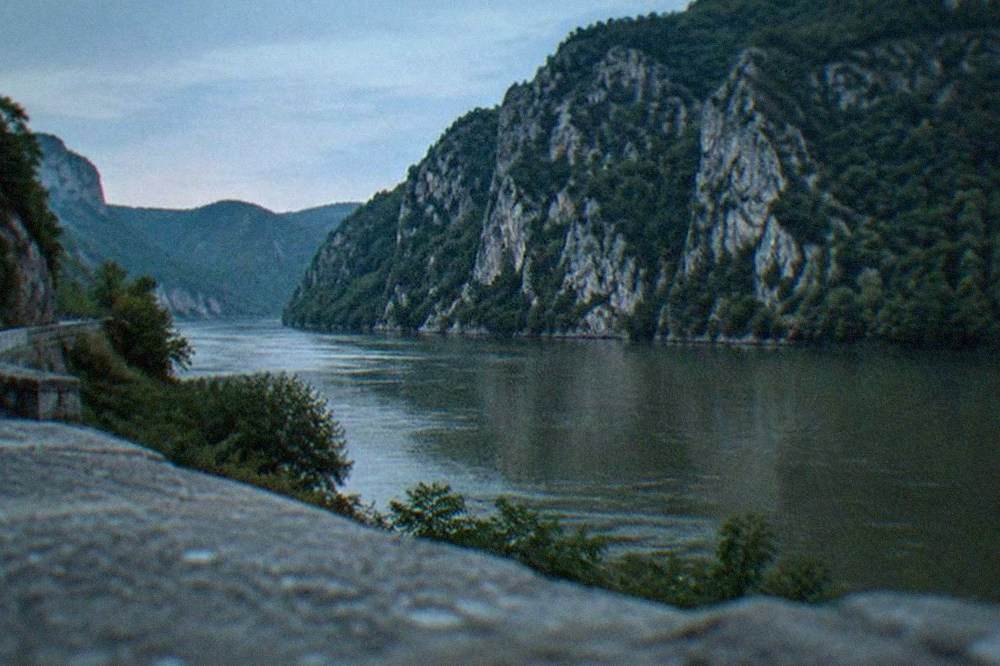
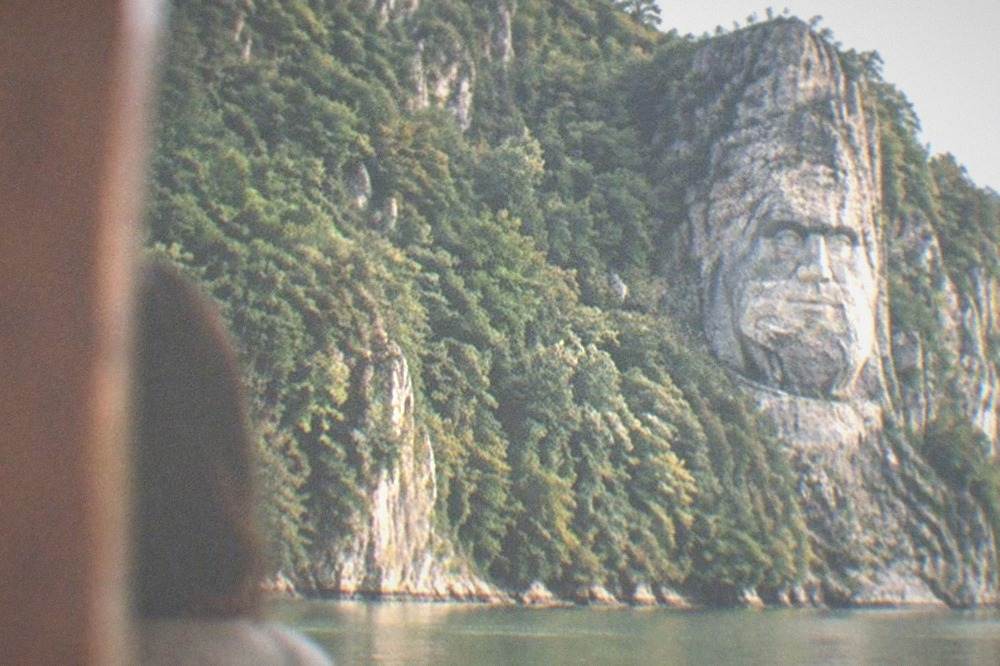
Finally, there is the border itself. Standing on the Romanian bank and looking at Serbia across the water is one of the quieter pleasures of the place: two countries, one river, and a frontier you can see rather than queue at. The Decebalus rock sculpture, the giant carved face of the last Dacian king on a cliff downstream, has its own page in our Decebalus rock sculpture guide, and it is close enough to the gorge area that some itineraries include both.
Which Cazanele Dunarii Tour Should You Book From Timisoara?
The most direct guided option from Timisoara is a Danube Gorge and Banat waterfalls day tour, which covers the gorge together with mountain waterfalls in one long outing, roughly ten to twelve hours door to door. Travelers who want the gorge as part of a broader Banat itinerary can also book multi-stop day trips or private tours from the city. Booking a tour rather than driving yourself removes the two hardest parts of the day: the long mountain roads and the Serbia-side logistics.
The dedicated gorge tour is the one to start with, and the operator's live listing carries the current price, rating and departure details. For anyone comparing options, the trio below shows the gorge tour alongside two of the city's best-reviewed walks, useful if you are building a wider Timisoara program that mixes one big excursion with days in town.
One honest note on how these tours work: the Danube Gorge outing is a long day. The listing's own duration figure is the authority here, and it is a full-day commitment, not a half-day add-on. Plan a lighter schedule for the following morning, and treat the drive as part of the experience, since the road south from Timisoara passes through the rural Banat that most city visitors never otherwise see. The Banat region overview on this site gives the historical background for the area you are driving through, a borderland shaped by Romanian, Hungarian, German and Serbian communities over three centuries.
If a guided gorge day does not fit your dates, the alternative is a self-drive day using the border information below, or one of the other big day trips from the city. The Corvin Castle and Turda Salt Mine combination is the most popular of these, and the Corvin Castle day trip page covers the castle in depth.
What Can You See Along The Danube Gorges Route?
Along the Cazanele Dunarii you can see the two narrow cauldron stretches of the river, cliff-side viewpoints on the Romanian bank, boat trips that run through the gorge on the water, the Decebalus rock sculpture downstream, and, on the approach roads, the karst scenery, caves and waterfalls of the Banat Mountains. The Serbian bank opposite is visible throughout, though crossing it means a full border check.
The two named stretches give the gorge its structure. The Great Cauldron and the Small Cauldron are the narrows, where the river compresses and the walls close in. Boat operators run trips through these sections, and being on the water is the only way to feel the scale of the cliffs, since from the waterline the rock towers overhead in a way no roadside stop quite reproduces. Tour listings that include a boat leg say so on the listing, and that detail is worth checking before you book, because it is the difference between seeing the gorge and being inside it.
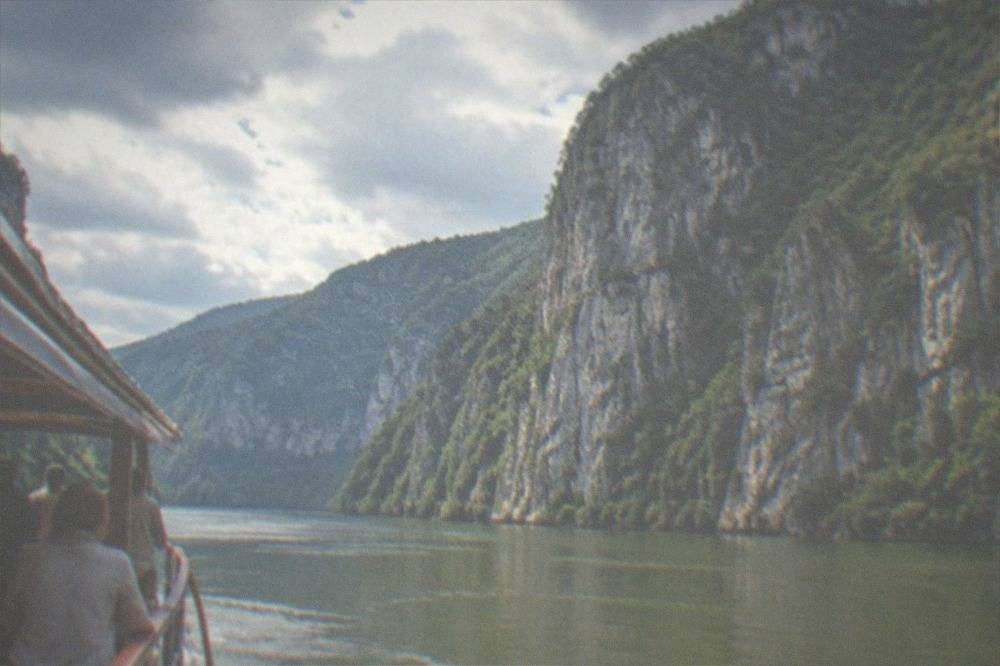
On land, the Romanian side offers overlooks along the river road, plus short walks to caves and springs in the surrounding karst. The mountain approach holds the other sights that make this corner of the Banat worth the drive: waterfalls, gorges and forest roads that appear in the same guided itineraries as the Danube itself. The dedicated gorge-and-waterfalls tour from Timisoara is built around exactly this pairing, and its listing carries the current details.
Downstream, the Decebalus face is the man-made counterpoint to all that geology, a carving on the scale of the cliffs around it. The rock sculpture page on this site explains who commissioned it and why, and if you are driving independently it is a natural second stop. Further along the same river corridor, the spa heritage of Baile Herculane tempts anyone who wants to end a long driving day in hot water rather than a Timisoara hotel bed, though that turns the trip into an overnight for most travelers.
When Is The Best Time Of Year To Visit The Cazanele Dunarii?
The best months for the Cazanele Dunarii are May through September, when cliff roads and boat trips run reliably and the Banat Mountains are at their greenest. July and August are the warmest months, with means of 22.8 and 22.5 degrees at Timisoara's station, while spring is milder and June is the wettest month of the year, so pack for showers. Winter visits are possible but cold, with a January mean of 0.0 degrees, and boat schedules are reduced.
The climate here is continental, and the JMA/WMO climate normals for Timisoara's station, altitude 86 m, give the honest picture. The gorge itself sits in the mountains, so expect the valley to run a few degrees cooler than the city at any time of year, but the seasonal shape is the same. The table below shows the monthly means for the city; use it to pick your window.
| Month | Mean temperature (C) | Precipitation (mm) |
|---|---|---|
| Jan | 0.0 | 37.3 |
| Feb | 2.1 | 35.5 |
| Mar | 6.5 | 34.1 |
| Apr | 12.3 | 50.6 |
| May | 17.3 | 57.2 |
| Jun | 20.9 | 79.1 |
| Jul | 22.8 | 61.9 |
| Aug | 22.5 | 54.6 |
| Sep | 17.2 | 50.4 |
| Oct | 11.5 | 50.0 |
| Nov | 6.4 | 45.3 |
| Dec | 1.5 | 44.7 |
Two details in that table matter more than they first appear. June is the wettest month at 79.1 mm, and mountain rain is heavier than city rain, so a June day trip should carry a real rain layer rather than a token one. March is the driest month at 34.1 mm, but it is also early for the highland scenery, with a mean of just 6.5 degrees. September, at 17.2 degrees and 50.4 mm, is arguably the sweet spot: warm water, green slopes, and thinner crowds than August.
If your trip to the region is fixed by city events rather than weather, check the best time to visit Timisoara page, which covers the city calendar in detail. The gorge day works in any season with the right clothing, but the boat legs are the part that genuinely depends on the calendar, and their seasonality is a question for the operator's listing at booking time.
What Should You Know About The Serbia Border Crossing Near The Gorges?
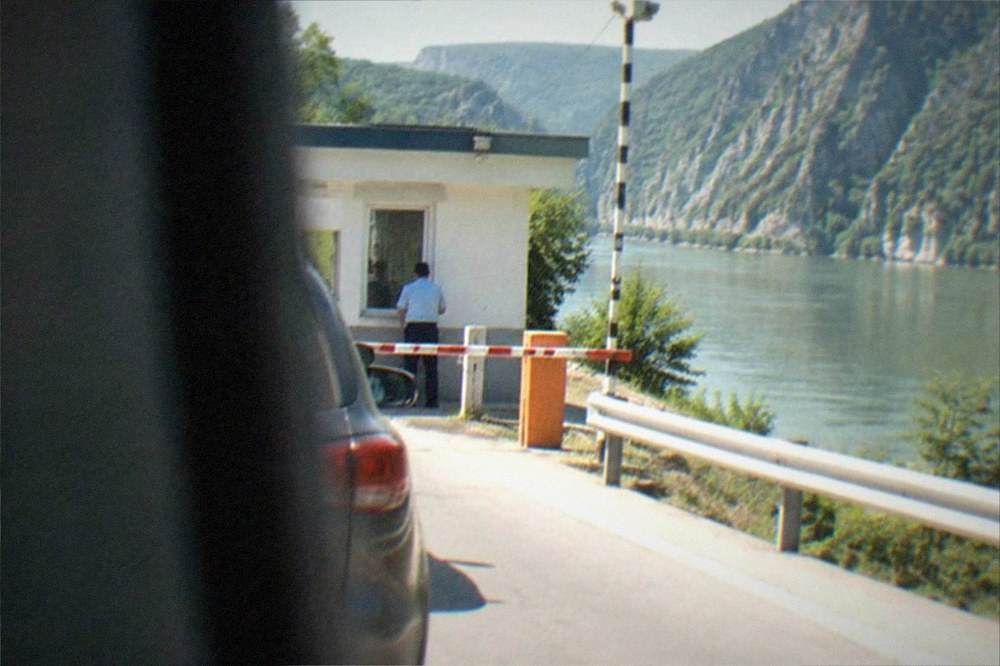
The Romanian bank of the Cazanele Dunarii requires no border formalities at all, but crossing to the Serbian side means an external Schengen border check with passports, at crossings such as Jimbolia, Moravita or Stamora Moravita in this corner of the country. Since 10 April 2026 the EU's Entry/Exit System records biometrics for non-EU short-stay travelers at these borders. Typical car queues in late September 2026 ran about 20 to 30 minutes heading into Serbia, with longer waits reported in the opposite direction at busier points.
That is the single most important logistics fact on this page, so it deserves unpacking. Romania is a full Schengen member: air and sea borders opened on 31 March 2024 and land borders on 1 January 2025. Serbia is not in Schengen. The Danube at the gorge is therefore an external EU frontier, and the land crossings in the Banat, including Jimbolia, Moravita/Vatin and Stamora Moravita, are staffed border posts with passport control in both directions. Non-EU visitors, including Americans and Britons, should carry their passports and expect the Entry/Exit System, fully operational at all Schengen external borders since 10 April 2026, to record fingerprints and a facial image on entry. EU citizens need ID cards or passports but skip the biometric registration.
For most gorge itineraries the border is theoretical: you stay on the Romanian bank and look across. But two common plans make it real. The first is a loop that dips into Serbia, for instance toward the viewpoints on the other bank or onward to Novi Sad or Belgrade, both of which have their own day-trip pages on this site: Novi Sad and Belgrade. The second is a trip that starts or ends across the frontier. Either way, check the live queue monitors before you drive, and build the wait into your timings rather than your patience.
| Border topic | What applies in 2026 |
|---|---|
| Romania's status | Full Schengen member since 1 January 2025 (air and sea since 31 March 2024) |
| Serbia's status | Outside Schengen; the Danube gorge is an external EU border |
| Documents | Passport for all; ID card sufficient for EU citizens staying on the Romanian side is not enough to cross |
| Entry/Exit System | Operational at all external borders since 10 April 2026; fingerprints and facial image for non-EU short-stay travelers |
| Local crossings | Jimbolia, Moravita/Vatin, Stamora Moravita among others in the Banat |
| Typical waits (Sept 2026) | About 20 to 30 minutes into Serbia; up to 1 to 2 hours reported at busier points returning |
What Should You Budget For A Cazanele Dunarii Day Trip?
A guided gorge day from Timisoara is priced per person on the operator's listing, and around that booking your remaining costs are modest: meals and coffee in the Banat run a few euros equivalent, with a draft beer around 11 to 12 lei and a cappuccino around 13 to 15 lei. The local currency is the Romanian leu, not the euro, and the national bank's reference rate stood at 5.2788 lei per euro on 23 September 2026. A reported tourist tax is collected by your lodging.
The currency point catches visitors every year. Romania's till currency is the leu (RON); the euro is not adopted, and prices in the Banat villages are quoted in lei. Card acceptance in the mountains is patchier than in Timisoara's center, so carry some cash for boat tickets, roadside food and small shops. The cost-of-living figures below are city figures from September 2026 sources, and rural prices are usually a little lower.
| Item | Typical price (RON, late 2026) |
|---|---|
| Draft beer, 0.5 L, domestic | 11 to 12 |
| Cappuccino, regular | 13 to 15 |
| Inexpensive restaurant meal | 45 to 50 |
| Fast-food combo meal | about 32 |
| 3-star hotel night, Timisoara | about 176 to 227 |
| Public transport single ticket, Timisoara | 5 |
| Public transport day pass, Timisoara | 18 |
The tourist tax exists under a 2025 local council decision and is collected by your hotel or host as a percentage of the accommodation tariff; the commonly reported rate is 2 percent, though that figure comes from secondary sources rather than a primary tariff page, so treat it as reported rather than official. It is a small line on a hotel bill, not a planning problem.
Two further budget notes. First, the guided day tours from Timisoara are priced in the listing and typically include transport and guiding; boat legs and some entry fees can be separate, and the listing states what is and is not included. Read that section before assuming. Second, if you are combining the gorge with a longer Romania itinerary, sketch a daily budget for the whole trip before you commit to excursions, since the city and the mountains pull money in different ways.
How Do You Fit The Gorge Into A Wider Timisoara Trip?
Visitors typically give the Cazanele Dunarii one full day out of a three-to-five-day Timisoara stay, pairing it with city days spent on Union Square, Victory Square and the museums of the 1989 Revolution. The gorge works best in the middle of a trip, after you have recovered from travel and before your last evening in the city. Travelers with a second free day often add the Nera Gorge, the Bigar Waterfall or a Corvin Castle excursion rather than repeating river scenery.
The sequencing advice is simple but worth following. Arrive in Timisoara, spend a first day in the Cetate old town and on Union Square, then use day two or three for the gorge while your legs still welcome a long drive and your appetite for the city's squares is not yet exhausted. The Memorial Museum of the Revolution and the Orthodox Metropolitan Cathedral are the two city sights most worth protecting time for, and both are covered in depth on their own pages.
If the day-trip bug takes hold, the region supports a remarkable second and third excursion, from Art Nouveau towns to the north to wine country and villages deeper in the Banat, plus a heritage mountain railway for days you would rather not drive. The site's root things to do in Timisoara page ties the whole menu together.
For travelers who prefer a private guide's flexibility over a fixed group itinerary, a private walking option in the city itself makes a good complement to the gorge day, and its listing carries the current price and availability.
| Day-trip option from Timisoara | What it delivers | Best for |
|---|---|---|
| Danube Gorge and Banat waterfalls tour | River gorge scenery plus mountain waterfalls in one outing | First-time visitors wanting the headline landscape |
| Nera Gorge day trip | Forested limestone gorge, swimming spots, quiet trails | Hot months, hikers, repeat visitors |
| Bigar Waterfall | One of Romania's most photographed waterfalls | Photography-focused trips |
| Corvin Castle and Turda Salt Mine | Gothic castle plus underground salt mine galleries | Families, castle lovers, rainy days |
| Baile Herculane | Historic spa town in the Cerna valley | Overnight add-on, relaxation |
| Novi Sad or Belgrade | Serbian cities across the external border | Longer trips with passports in hand |
Common Questions About The Cazanele Dunarii
Do you need a passport to visit the Cazanele Dunarii?
Only if you cross to the Serbian side. The Romanian bank requires no border formalities for anyone already in Romania, but the Danube at the gorge is an external Schengen border, and crossings into Serbia, at posts such as Jimbolia, Moravita or Stamora Moravita, involve passport checks for everyone.
Can you visit the Cazanele Dunarii from Timisoara in one day?
Yes, and it can be done in a day. The dedicated Danube Gorge and Banat waterfalls tour from Timisoara is a full-day outing of roughly ten to twelve hours, and the listing's own duration and price figures are the authority on timing. Independent drivers can also do it in a day with an early start.
Is there a boat trip through the Danube Gorges?
Yes, boat trips run through the narrows of the gorge, and being on the water is the best way to appreciate the cliff scale. Whether a specific tour includes a boat leg is stated on that tour's listing, so check before booking. Boat schedules are seasonal, with the main season in the warmer months.
What is the best month for the Cazanele Dunarii?
May through September is the reliable window. July and August are the warmest months, with means of 22.8 and 22.5 degrees at Timisoara's station, June is the wettest at 79.1 mm, and September offers a mild 17.2-degree mean with thinner crowds. Winter is cold, with a January mean of 0.0 degrees, and boat options are reduced.
Do you pay in euros at the Danube Gorges?
No. Romania's currency is the Romanian leu (RON); the euro is not adopted. Bring lei for boat tickets, food and small shops, since card acceptance in the mountain villages is patchier than in Timisoara. The national bank's reference rate on 23 September 2026 was 5.2788 lei per euro.
Is the Cazanele Dunarii the same as the Iron Gates?
The gorges belong to the wider Iron Gates stretch of the Danube, where the river cuts between the Carpathians and the Serbian bank at the Romania-Serbia frontier. The Cazanele, the Great and Small Cauldrons, are the narrowest and most dramatic sections of that corridor, and they are the part most day trips from Timisoara target.
The Cazanele Dunarii remain the Banat's grandest single sight, and a day spent between those cliffs is the natural counterweight to Timisoara's squares and cafes. Pick your month, decide whether the Serbian bank is in or out of scope, book the tour or the car, and let the river do the rest.