Things To Do In Romania
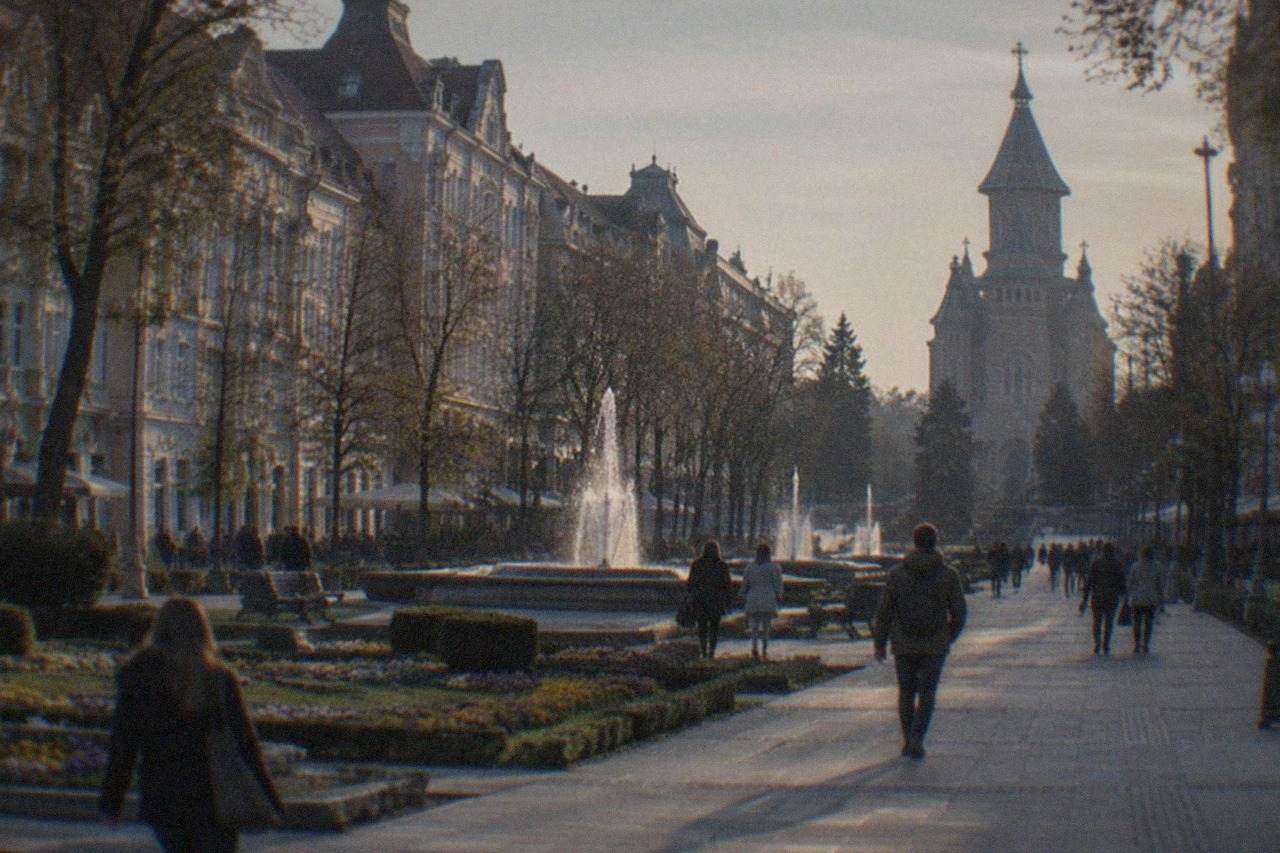
Timisoara, in the Banat region of western Romania, is the most practical base for exploring the country's west: a walkable historic city, motorway and rail links, and half of Romania's big sights within a day trip.
Short answer
Base yourself in Timisoara, the capital of the Banat. Walk the historic squares and 1989 Revolution sites, day-trip to Corvin Castle, the Turda Salt Mine, the Danube Gorge and Retezat National Park, and travel in the May to September window when the climate normals show means above 12 C.
Timisoara, in Timis County in the Banat region of western Romania, is where this guide starts, and it is the right place to start. The city that lit mainland Europe's streets with electricity in 1884, opened the revolution against communism in December 1989, and served as a European Capital of Culture in 2023 now sits at the center of a western network of motorways, direct trains and short flights. Under its Hungarian name, Temesvár, and its German name, Temeswar, the same city anchored this region for centuries; today it is the natural hub for anyone planning things to do in Romania's western half. The local spelling, Timișoara, appears on signage across the city.
The logic is simple. From Timisoara you can cover the city itself in two comfortable days, reach Corvin Castle and the Turda Salt Mine on organized day trips, drive the A1 motorway toward Arad and the Hungarian border, and ride direct trains to Budapest. The mountains of the Banat and the gorges of the Danube sit south of the city. This page lays out what to do in the city, which day trips earn their long drives, when to come, what it costs and how to move around, with the figures that matter for planning.
Why Is Timisoara The Best Base For Western Romania?
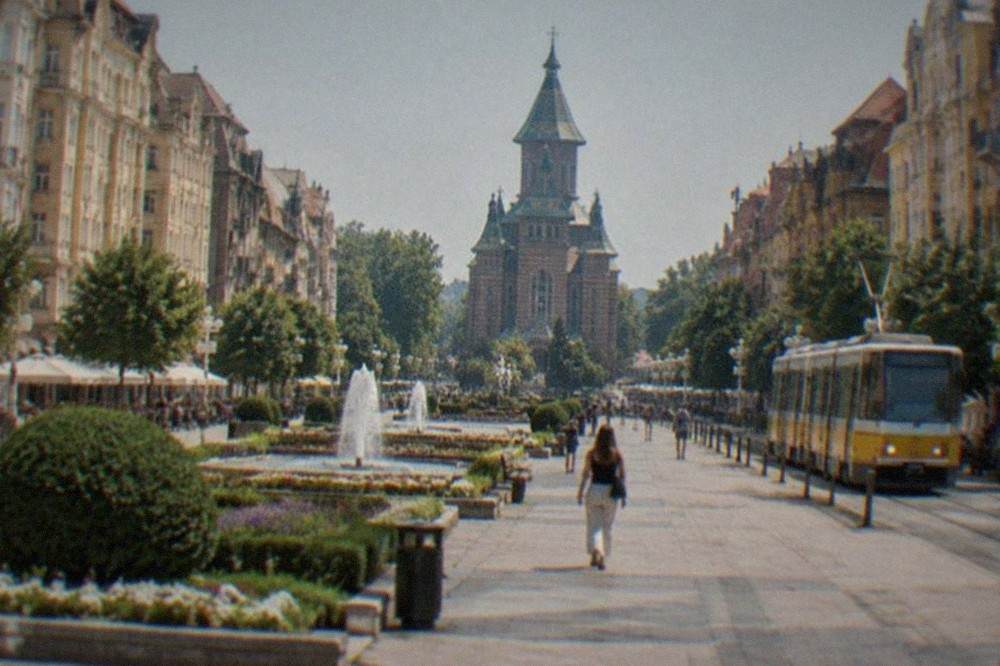
Timisoara works as a base because it combines a genuinely walkable historic core with the region's best transport links: an airport that handled 1,458,098 passengers in 2025, direct trains to Budapest in about 5.5 hours, and the A1 motorway toward Arad, the Hungarian border and Bucharest. The city itself holds three linked historic squares, the Memorial of the 1989 Revolution, and a restaurant and cafe scene that has grown steadily since the 2023 European Capital of Culture year.
The numbers back this up. Official arrivals data reported by the city show 283,256 tourists in 2023, the Capital of Culture year, holding at 285,190 in 2024, with 268,699 counted across January to November 2025. The trend matters for planning: the city is busy but not overwhelmed, and May 2025 set the peak month on record at 30,664 arrivals.
| Year | Tourist arrivals in Timisoara | Note |
|---|---|---|
| 2021 | 153,794 | Pandemic-era low |
| 2022 | 212,785 | Recovery year |
| 2023 | 283,256 | European Capital of Culture |
| 2024 | 285,190 | Slight growth on 2023 |
| 2025 (Jan to Nov) | 268,699 | Full-year figure pending |
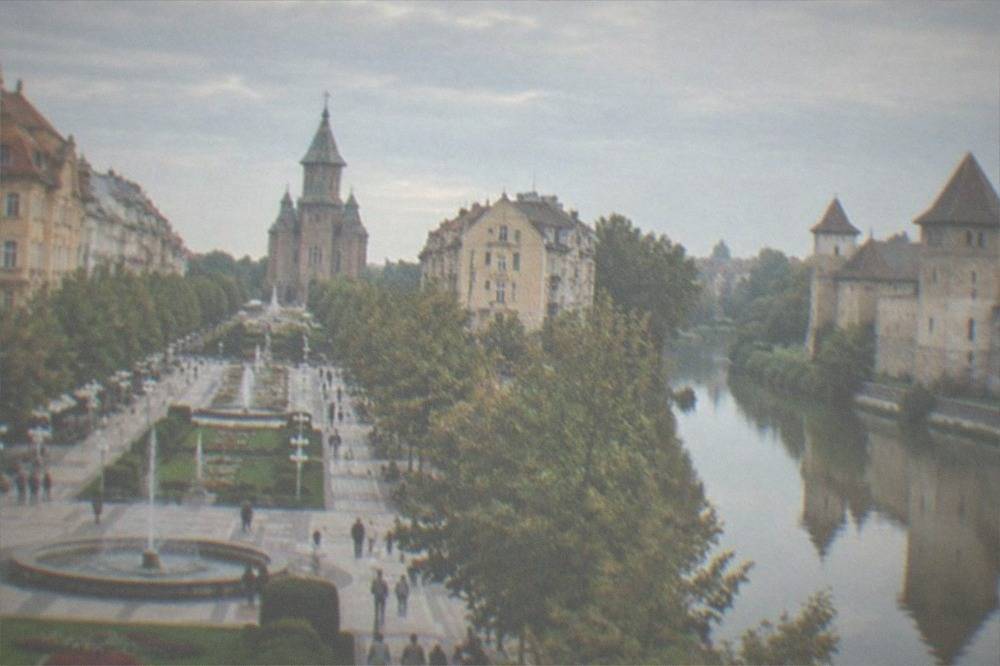
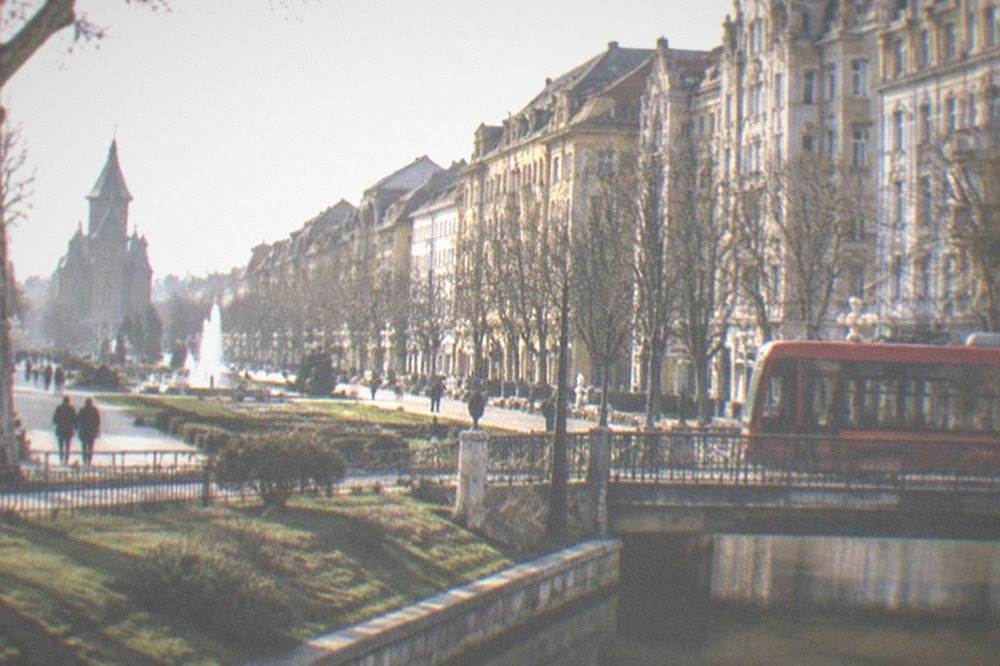
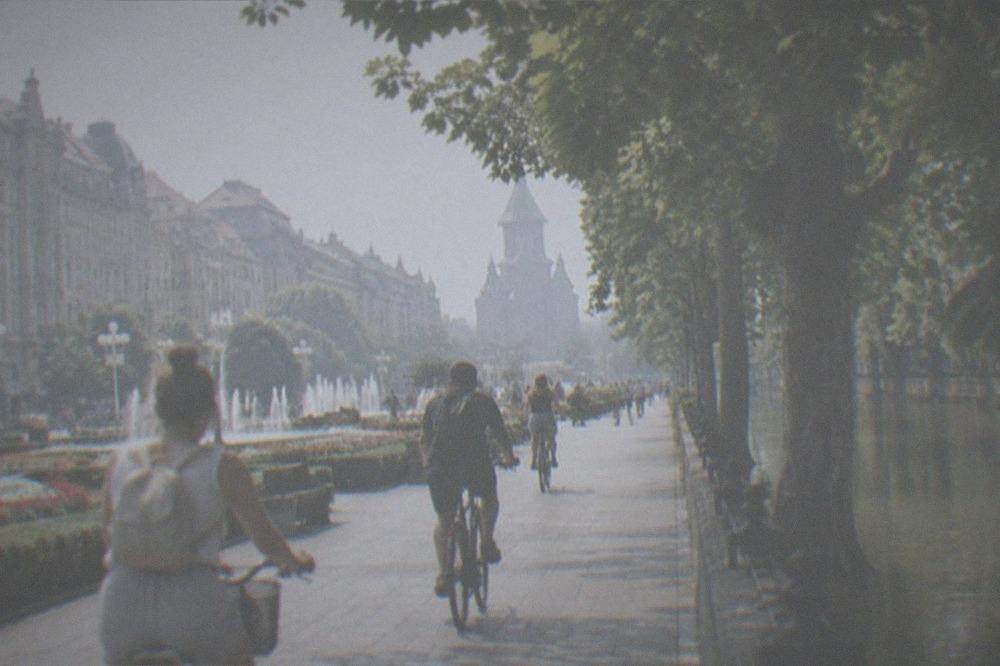
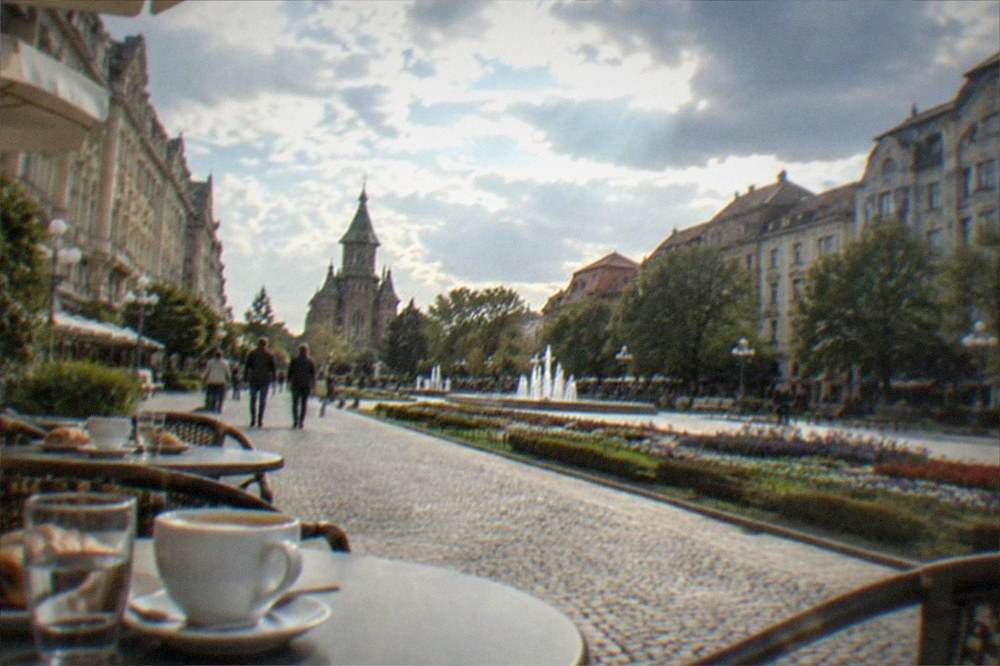
For the city itself, the canonical list of things to do in Timisoara lives on the site's dedicated hub page, and this guide does not duplicate it. What this page adds is the regional layer: where to go once the squares, the cathedrals and the Bega canal promenade are done. The Timisoara Travel Guide covers the city in depth, from Union Square and the old town to the 1989 Revolution itinerary, and the Banat region guide frames the wider countryside.
What Should You See In Timisoara Before Heading Into Western Romania?
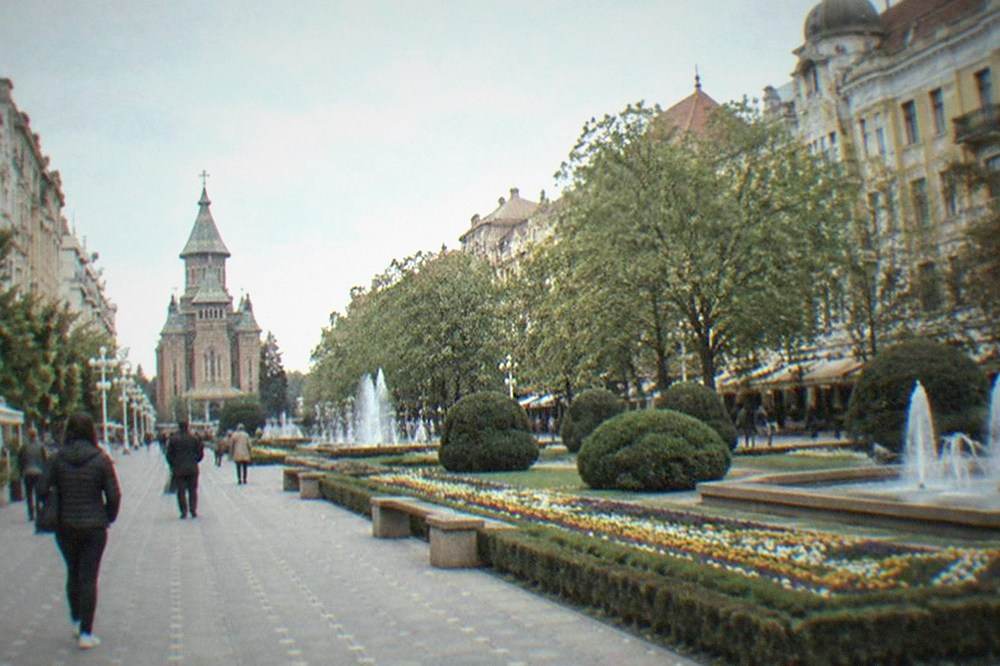
Spend at least two full days in the city: one for the Cetate district around Piata Unirii, Piata Libertatii and Piata Victoriei, and one for the 1989 Revolution sites, the Bega canal and the outlying neighborhoods of Fabric, Iosefin and Elisabetin. The Memorial of the 1989 Revolution charges adults 20 lei and covers eight permanent plus three temporary exhibitions with a documentary screening, and the National Museum of Art in the Baroque Palace keeps summer hours of 13:00 to 21:00, Wednesday to Sunday.
The city rewards a guide more than most, because so much of its story is invisible: the bullet holes of December 1989, the three state theatres performing in Romanian, Hungarian and German since 1953, the firsts list that runs from the country's oldest attested brewery in 1718 to its first electric tram in 1899. A guided introduction compresses all of this into a single morning.
| Year | Timisoara first | Scope |
|---|---|---|
| 1718 | Oldest attested brewery in Romania | City |
| 1760 | First lamp-lit streets in the Habsburg monarchy | Monarchy-wide |
| 1771 | First newspaper printed in Romania | Country |
| 1884 | First electric street lighting on mainland Europe, 731 lamps over 59 km | Continent |
| 1899 | First electric tram in Romania | Country |
| 1953 | Three state theatres in Romanian, Hungarian and German | Only such city in Europe |
The city's own history museum, the National Museum of Banat inside Huniade Castle, has been closed for years, with a restoration contract signed in August 2025 and partial reopening targeted for 2027, so plan around that. The compensation is a wave of newer openings: an immersive art museum that opened in April 2026 at Iulius Town, and a children's interactive museum that opened in May 2026 inside the Maria Theresia Bastion.
For the guided introduction, the strongest option is the tour that pairs the walking route with a tram leg, which covers both the historic center and the wider neighborhoods.
If you prefer to start free and decide later, a tip-based essentials walk runs through GuruWalk and covers the core route; the guru's own listing carries the current details. Either way, book the guided day before you commit to day trips, because the orientation pays off everywhere else.
Which Day Trips From Timisoara Are Worth The Long Drive?
The day trips that justify their travel time from Timisoara are Corvin Castle, the Turda Salt Mine, the Danube Gorge and the waterfalls of the Banat mountains, and Retezat National Park. Corvin Castle and Sibiu combine into one long but productive day, the Turda Salt Mine pairs naturally with Corvin Castle, and the southern trips trade castles for gorges, waterfalls and alpine hiking. All of them are reachable on organized tours from the city, which matters because the southern mountain roads reward a driver who knows them.
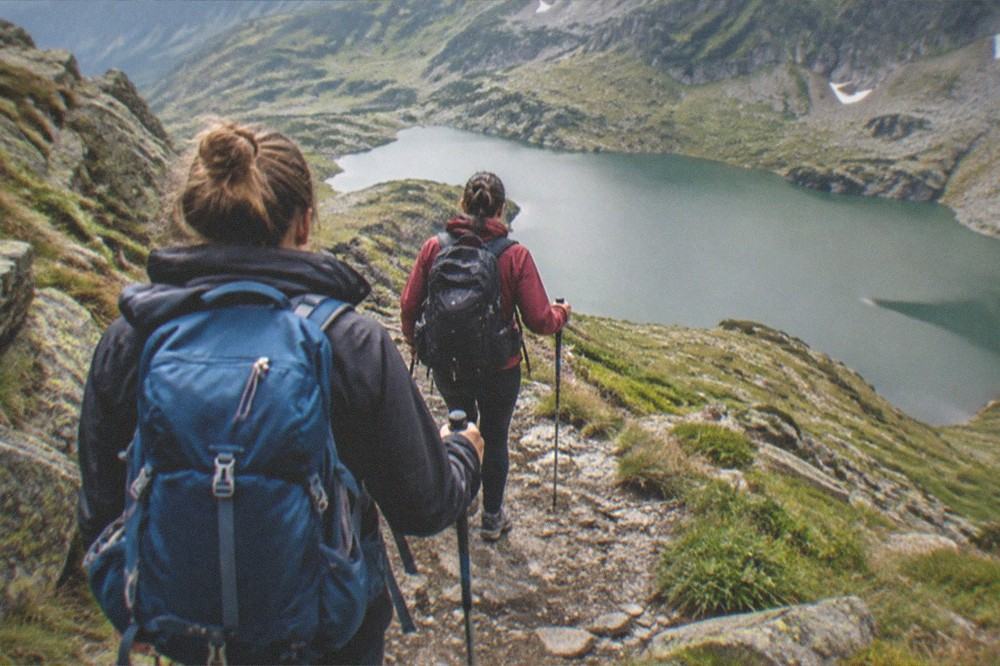
Retezat is the standout for hikers. It is the oldest national park in Romania, holding the country's largest concentration of glacial lakes, and organized day trips from Timisoara are available door to door. The park sits in the Southern Carpathians, south of the Mures valley, and its trails range from lake circuits to full ridge walks. Bring real shoes; the park is not a stroll.
The classic castle pairing works differently: Hunedoara's Corvin Castle is the most photographed Gothic fortress in Romania, and combining it with Sibiu, a former European Capital of Culture itself, gives you two of the country's headline sights in one day. The salt mine alternative swaps Sibiu for Turda, where the mine's underground galleries include a ferris wheel and boats on a subterranean lake.
South of the city the options change character. The Danube Gorge, where the river cuts the Carpathians between Romania and Serbia, pairs with the Banat waterfalls on the same outing. The Nera Gorge National Park offers a quieter, private-tour version of the same landscape. For something slower, a half-day trip into the Banat countryside with lunch, or a full hiking day through remote Banat villages, shows the rural region that the Banat region guide describes in detail.
One planning note: the salt mine and castle day runs eleven to thirteen hours, and the gorge days run similar lengths. Do not stack two of these back to back. Alternate a heavy day trip with a light city day, and the week holds together.
How Do You Get From Timisoara To The Rest Of Romania And Beyond?
Timisoara connects outward by air, rail and motorway: the airport runs direct flights across Europe including a new Turkish Airlines Istanbul route from April 2026, direct trains reach Budapest in about 5.5 hours twice daily, and the A1 motorway runs from the city toward Arad and the Hungarian border at Nadlac, with a new four-lane link road to the A1 opened on 22 September 2026. Bucharest is the long leg, about 11 to 12 hours by direct train, so travelers often fly or split the journey instead.
Belgrade is the one nearby capital without a direct train: currently no service runs between Timisoara and Belgrade, and the journey is usually done by bus, with talks ongoing about restoring a passenger rail link. Budapest is the opposite, comfortable and scenic, and the Timisoara to Budapest guide covers the booking mechanics.
| Route | Mode | Typical journey time | Status |
|---|---|---|---|
| Timisoara to Budapest | Direct train | About 5.5 hours | Twice daily |
| Timisoara to Bucharest | Direct train | About 11 to 12 hours | Daily |
| Timisoara to Belgrade | Bus | About 3.5 to 4 hours | No direct train currently |
| Airport to city center | Express bus E4 | About 12 km northeast of center | Running |
| Timisoara to Hungarian border | A1 motorway | Continuous motorway via Arad and Nadlac | Open |
Inside the city, public transport is cheap and integrated. A single 60-minute ticket costs 5 lei and covers trams, trolleybuses, buses and the seasonal vaporetto on the Bega, and a one-day pass costs 18 lei. The getting around guide has the full detail, and the airport transfer guide covers the E4 express.
If a day trip or two is the point of your visit, a rental car is worth weighing against organized tours only for the northern castle routes, which are motorway-easy. The southern gorge roads are where local knowledge and an organized tour earn their keep. The car rental guide breaks down the decision.
When Is The Best Time To Visit Western Romania?
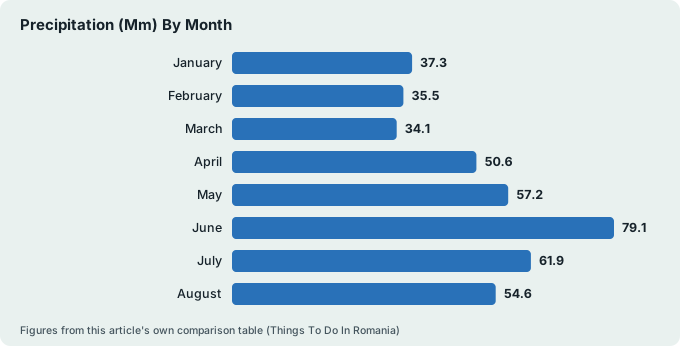
The best time to visit western Romania is May to September, when the JMA climate normals for Timisoara station 15247 show monthly means rising from 17.3 C in May to a peak of 22.8 C in July, with June the wettest month at 79.1 mm. July and August are the warmest and busiest months, September is the quiet sweet spot at 17.2 C, and winter, with a January mean of 0.0 C, belongs to the Christmas market and indoor museums.
The climate is continental, not Mediterranean: cold winters, warm summers, and rain distributed through the year with a June peak, totaling 600.7 mm annually. What surprises first-time visitors is how dry late summer and early autumn feel compared to the statistics, and how quickly March, the driest month at 34.1 mm, gives way to the April green-up.
| Month | Mean temperature (C) | Precipitation (mm) |
|---|---|---|
| January | 0.0 | 37.3 |
| February | 2.1 | 35.5 |
| March | 6.5 | 34.1 |
| April | 12.3 | 50.6 |
| May | 17.3 | 57.2 |
| June | 20.9 | 79.1 |
| July | 22.8 | 61.9 |
| August | 22.5 | 54.6 |
| September | 17.2 | 50.4 |
| October | 11.5 | 50.0 |
| November | 6.4 | 45.3 |
| December | 1.5 | 44.7 |
Two timing notes from the 2026 calendar. The Timisoara Jazz Festival runs 25 to 27 September 2026, and the city celebration, Ziua Timisoarei, drew over 100,000 attendees across 31 July to 3 August 2026, with the 2027 edition already set for 30 July to 3 August. The Christmas market in Piata Victoriei runs in the late-November to early-January window, though 2026 dates were not officially confirmed and the Christmas in Timisoara guide tracks it.
The best time to visit guide and the month-by-month weather breakdown extend this into a full planning calendar.
Is Western Romania Expensive For Travelers?
Western Romania is inexpensive by European Union standards: a draught beer in a neighborhood pub runs 11 to 12 lei, a cappuccino 13 to 15 lei, an inexpensive restaurant meal about 45 to 50 lei, and a single public transport ticket 5 lei. Mid-range hotels averaged around 176 to 227 lei per night in September 2026 price trackers, and the local currency is the Romanian leu, with the euro not adopted and the National Bank's reference rate at 5.2788 lei per euro on 23 September 2026.
One tax detail that shows up on hotel bills: the city levies a tourist promotion tax, set by local council decision for 2026, reported at 2 percent of the accommodation tariff excluding VAT, collected by the lodging. It is small, but it explains a line item many visitors do not recognize.
| Item | Typical price (RON) | Source basis |
|---|---|---|
| Draught beer, 0.5 L, neighborhood pub | 11 to 12 | Cost-of-living trackers, Sep 2026 |
| Cappuccino, regular | 13 to 15 | Cost-of-living trackers, Sep 2026 |
| Inexpensive restaurant meal | 45 to 50 | Cost-of-living trackers, Sep 2026 |
| Public transport, single 60-min ticket | 5 | Operator tariff |
| Public transport, 1-day pass | 18 | Operator tariff |
| Mid-range hotel night | 176 to 227 | Price tracker average, Sep 2026 |
Food deserves more attention than the price column suggests. The Banat has its own kitchen, shaped by Romanian, Hungarian, German and Serbian traditions, and the restaurants guide and food guide map the best of it. A street food tour is also a legitimate way to eat your first evening, and the cost and prices guide plus the currency guide cover budgeting in depth.
For accommodation, the practical split is simple: stay in or near the Cetate district for walkability, in Iosefin or Elisabetin for quieter charm, or near Iulius Town if a shopping-and-business mix suits you. The where to stay guide and the hotels guide do the comparison work.
Which Tours Make The Most Of Western Romania?
The tours that deliver the most value from Timisoara are the city's all-in-one walking and tram tour for orientation, the Retezat National Park day trip for mountains, and the combined Turda Salt Mine and Corvin Castle trip for the headline castles. Together they cover the city, the high Carpathians and the two most famous inland sights of western Transylvania, and all three can be reserved with free cancellation through the operator's live listing, so booking ahead costs nothing if plans change.
Sequencing matters more than selection. Take the city tour on day one, because the guide's historical framing, from the 1884 street lighting to the December 1989 revolution, recontextualizes every square you walk past afterward. Save the long day trips for days two and four, with a lighter city or Bega-canal day between them. Pay-later booking is standard on these listings, and cancellation is free, which removes the risk of committing before you know the weather.
Beyond the big three, the roster splits cleanly by interest. History readers should add a dedicated 1989 revolution walk. Hikers should look at the Banat village and Nera Gorge trips. Food travelers should book the street food tour early in the stay, because it doubles as a restaurant shortlist. And anyone traveling with children will find the city's new interactive children's museum, opened May 2026 in the Maria Theresia Bastion, a genuine half-day activity rather than a rainy-day fallback.
Common Questions About Western Romania
How many days do I need for western Romania?
Plan on four to five days based in Timisoara: two for the city itself and two to three for day trips. A week allows a slower rhythm and one two-day Transylvania extension.
Is Timisoara a good base for day trips in Romania?
Yes. The city combines an international airport, direct trains to Budapest and the A1 motorway, and organized day trips covering Corvin Castle, the Turda Salt Mine, the Danube Gorge and Retezat National Park.
Do I need a car in western Romania?
Not for the city, where a 5 lei ticket covers trams, trolleybuses and the Bega vaporetto. A car helps for the northern castle routes on the A1, but the southern gorge and mountain roads are easier on organized tours.
What is the best month to visit western Romania?
May and September. The climate normals show means of 17.3 C and 17.2 C respectively, crowds are thinner than in July and August, and June, the wettest month at 79.1 mm, is avoided.
Is Romania in the Schengen Area?
Yes, fully. Romania joined Schengen for air and sea borders on 31 March 2024 and for land borders on 1 January 2025, so there are no routine checks on the Hungarian border, though the Serbian border remains an external Schengen frontier with passport checks.
What currency does Romania use?
The Romanian leu (RON). The euro is not adopted, and the National Bank reference rate stood at 5.2788 lei per euro on 23 September 2026. Cards are widely usable, but small vendors and market stalls prefer cash.
Western Romania rewards exactly this shape of trip: a city that carries three nations' histories in its squares, a ring of castles and gorges within a day's reach, and prices that leave room for a second glass of wine. Start in Timisoara, book the city tour first, and let the day trips follow the calendar.