Recas Wine: Banat Wine Country From Timisoara, Romania
Recas wine comes from the Banat region of western Romania, and the vineyards around the town of Recas sit close to Timisoara, the region's capital. This guide covers what the region grows, how to reach it, and what to taste.
Short answer
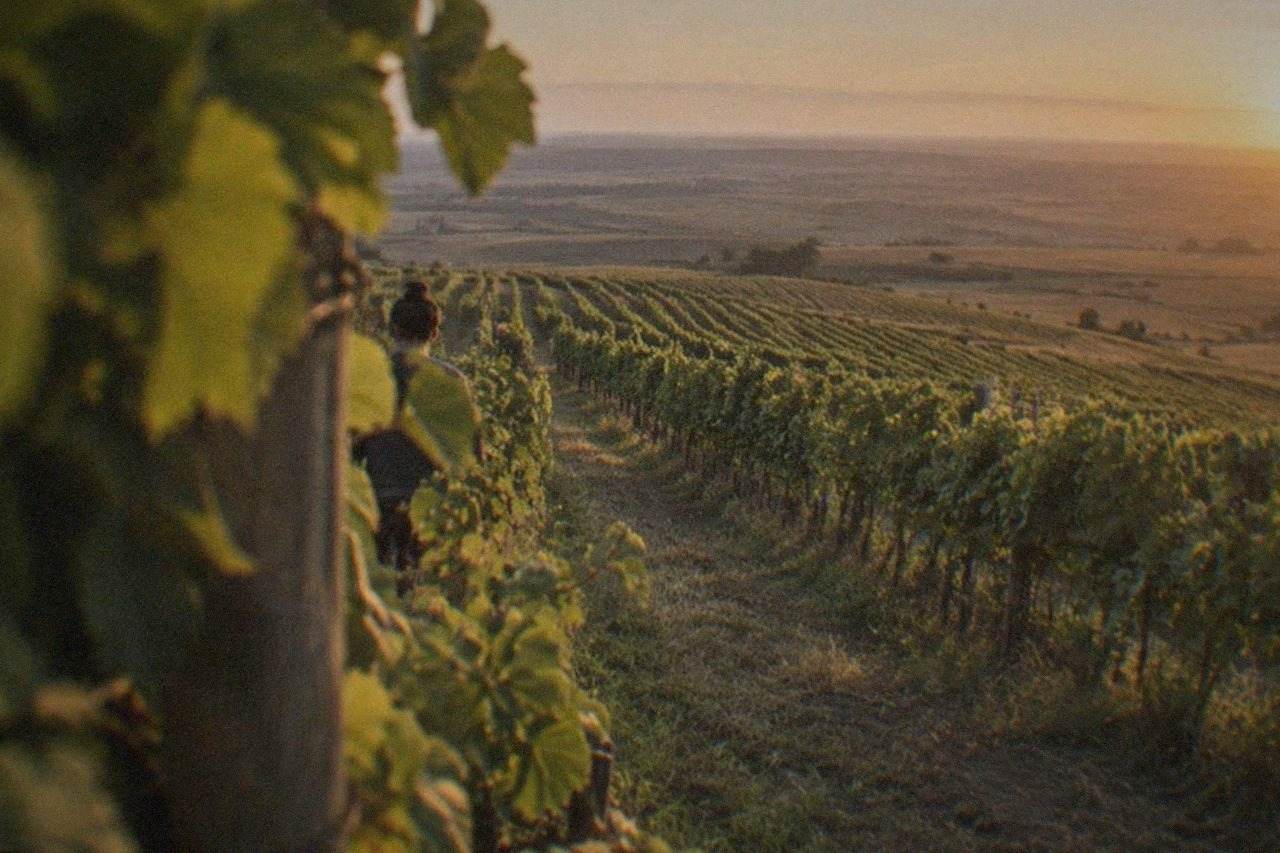
Recas is the wine town at the heart of the Banat region near Timisoara, Romania, one of the country's oldest wine-growing areas. The vineyards lie a short drive from the city, tasting visits are arranged directly with the wineries or through guided tours, and the region's reds, whites and roses can also be tasted in Timisoara's restaurants and wine bars.
Recas wine comes from the Banat region of western Romania, and the vineyards around the small town of Recas sit within easy reach of Timisoara, the region's capital and a common gateway for travelers arriving by air. The Banat is one of the oldest wine-growing corners of Romania, a plain and hill country where German, Hungarian, Romanian and Serbian settlers all planted vines over the centuries, and Timisoara, historically known as Temesvár and Temeswar, grew up as its market and cultural center. Today the wine route out of the city is one of the most rewarding half-day and full-day trips in western Romania, and the same bottles can be tasted back in town in the evening.
This page gathers what a wine-focused visit needs: the background of the region, the practical question of getting from Timisoara to the wineries, what to taste, when to go, and which guided options leave from the city. Where a price, a rating or a duration belongs to a bookable product, it renders from the live listing rather than being typed here, because winery tariffs and tour prices change and the operator's own listing is the only reliable source.
What Is Recas Wine And Where Does It Come From?
Recas wine is the output of the vineyards around Recas, a wine town in Timis County, roughly a short drive northeast of Timisoara in the Banat region of western Romania. The Banat is one of Romania's historic wine regions, and the Recas area is its best-known modern center, producing reds, whites and roses in large volumes for both the domestic market and export. The town's name has become shorthand for the whole wine route that runs out of the city.
The Banat's wine story is a genuinely mixed one, which is part of what makes tasting here interesting. The region sat for centuries at the meeting point of the Habsburg, Hungarian and Ottoman worlds, and each wave of settlement left grape varieties and cellar traditions behind. Swabian German settlers in particular shaped the vineyard landscape of the Recas hills over the centuries, and their cellars, several of which are still standing and in use, give the area a look closer to central Europe than to the Balkans.
Timisoara itself, Timișoara in Romanian orthography, is the natural base for all of this. The city was a European Capital of Culture in 2023, and its food and drink scene has grown steadily since, with restaurants and wine bars that carry Banat bottles on their lists. The city's own documented history runs deep in fermented drinks: the city hall's economic report records an attested brewery operating from 1718, described as the oldest in Romania, so the local appetite for a well-made drink is not a recent invention.
A few anchor dates help frame how old the regional drinking culture is. None of these are wine statistics, but they set the scene for a city that has been trading, brewing and fermenting for three centuries:
| Year | Documented first for Timisoara |
|---|---|
| 1718 | Oldest attested brewery in Romania |
| 1728 | Start of canalising the Bega, the first navigable canal in Romania |
| 1771 | First newspaper printed in Romania |
| 1884 | First city on mainland Europe with electric street lighting |
| 1899 | First electric tram in Romania |
The wine route itself is covered in detail on the Recas winery day-trip page, which handles the specific winery, its story and its current offer. This guide stays on the wider question: what the Banat grows, and how a visitor based in Timisoara tastes it.
How Do You Get From Timisoara To The Recas Wineries?
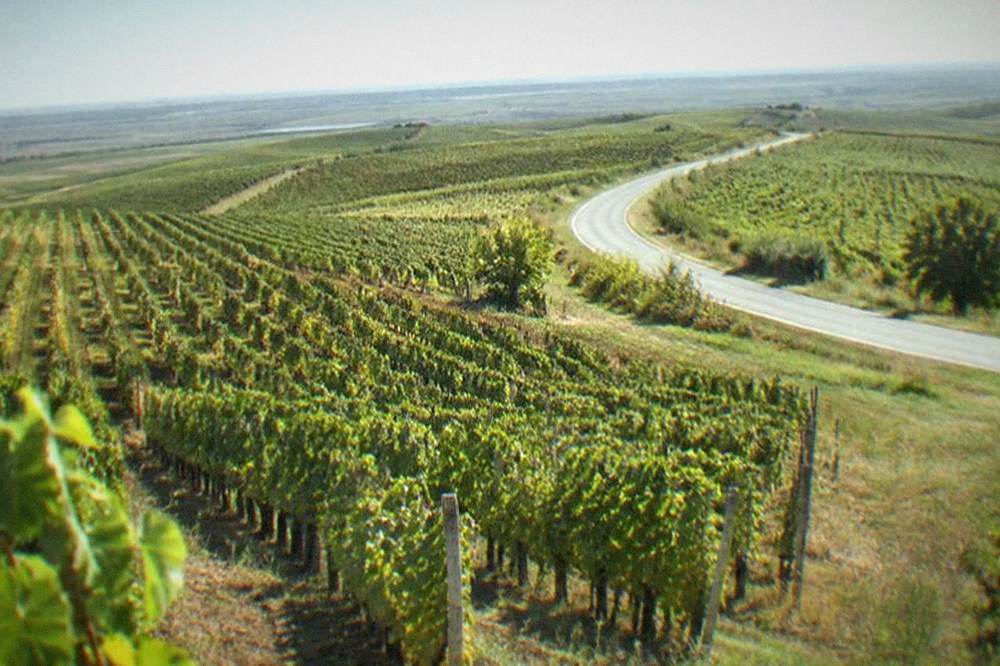
The Recas vineyards are reached from Timisoara by road, and the practical options are a rental car, a taxi or ride-hailing service, or a guided tour that includes transport. There is no dedicated wine train or wine bus, so independent visitors drive or ride, while guided products pick up in the city and handle the route. Timisoara's airport, Traian Vuia, sits northeast of the city on the same side as the wine country, which makes the combination convenient for arriving travelers.
Driving is the flexible option, and the Timisoara car rental guide covers what renting involves. The A1 motorway corridor and the surrounding national roads make movement in Timis County straightforward, and a new four-lane link road between Timisoara and the A1 opened to traffic on 22 September 2026, improving access toward Arad and the Hungarian border. For wine specifically, the advantage of a car is that a visitor can stop at more than one cellar and set a relaxed pace.
For travelers who prefer not to drive, guided products solve the transport problem completely. A wine-focused day trip from the city collects guests, drives the route, arranges the tastings and returns everyone to their accommodation, which matters because tasting flights add up and Romanian traffic law does not forgive them. Two wine-relevant options leave from Timisoara: a dedicated winery tasting visit, and a longer private tour that pairs castles with wine country.
The Petro Vaselo winery is one of the named producers in the Banat's modern wine story, and the tasting visit above is the bookable way to experience it from Timisoara. The listing carries the current price and availability, and the operator's live listing is the only place those figures should be read. For visitors who want wine plus a bigger day out, the castle-and-wine private tour below covers both, and it is the related tour for this page.
Planning the wider trip around the wine day matters too. The getting around Timisoara guide explains the city's trams, trolleybuses and the seasonal vaporetto on the Bega canal, and the airport to city center guide covers the transfer if you fly in and head straight for the region. The verified local transit fares, for context once you are back in town:
| STPT ticket | Price |
|---|---|
| Single 60-minute ticket, all modes including the vaporetto | 5 lei |
| 1-day pass, all modes including the vaporetto | 18 lei |
| 30-day general pass | 160 lei |
| Annual general pass | 1,320 lei |
Which Banat Wines Should You Taste First?
Start with the region's dry whites and roses, which are the freshest introduction to Banat wine, then move to the reds, which the region also produces in serious volume. Recas-area producers work both international varieties and local favorites, so a typical tasting moves from light, aromatic whites through rose to fuller reds. The honest advice is to taste what the cellar pours that day and ask which bottles travel well, rather than chasing a single must-drink label.
The practical reality of the Banat today is that it is a large-production region as well as a boutique one. Recas wine ships internationally in volume, which means a visitor may well have tasted a bottle from these vineyards at home without knowing it. The point of visiting is the other side of that: the cellar door pours, the older lots, and the small-run bottles that never leave the region. Tasting on site is how you find those. The wider set of guides lives on Timisoara Travel Guide.
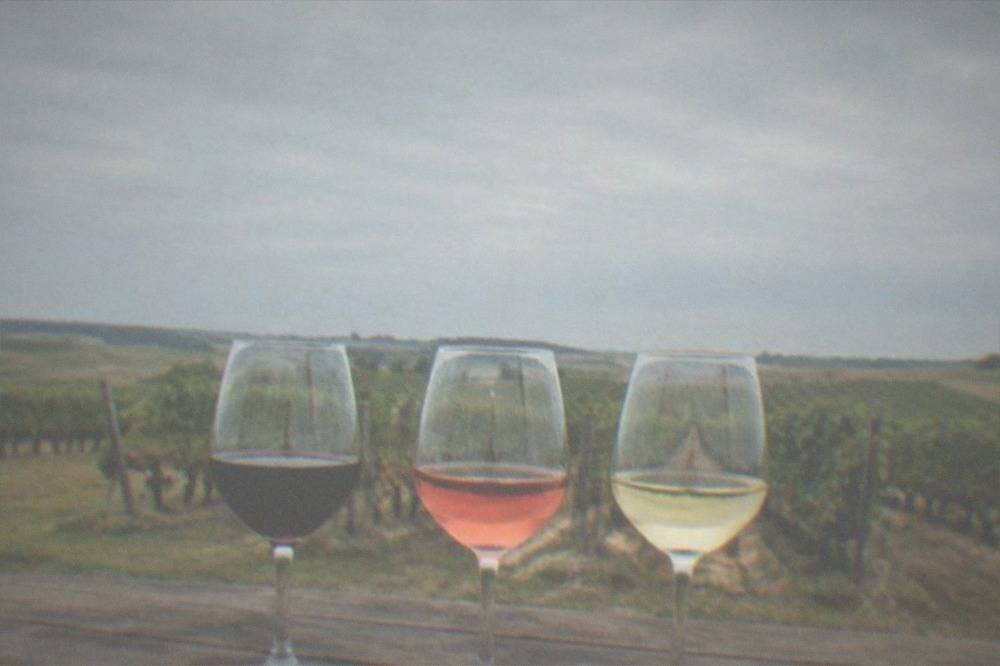
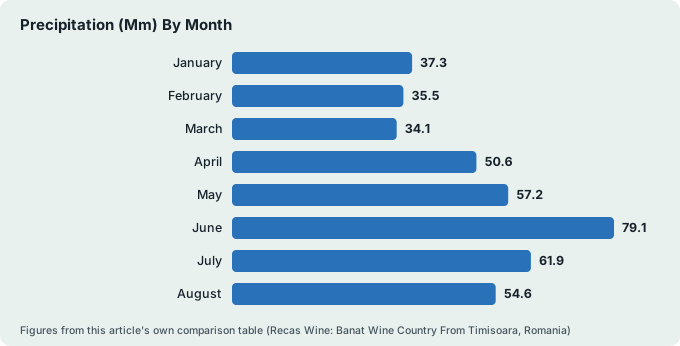
No admission price, tasting fee or opening hour for any Banat winery has been independently verified for this site, so none is printed here. The honest answer for every cellar is the same one: check the winery's own channels or book through a product that states its inclusions, such as the tasting visit or the private wine tour on this page. What can be stated is the seasonal logic of the region's climate, because the JMA/WMO CLIMAT normals for the Timisoara station, at 86 m altitude, describe exactly the continental pattern that ripens these vines:
| Month | Mean temperature (C) | Precipitation (mm) |
|---|---|---|
| January | 0.0 | 37.3 |
| February | 2.1 | 35.5 |
| March | 6.5 | 34.1 |
| April | 12.3 | 50.6 |
| May | 17.3 | 57.2 |
| June | 20.9 | 79.1 |
| July | 22.8 | 61.9 |
| August | 22.5 | 54.6 |
| September | 17.2 | 50.4 |
| October | 11.5 | 50.0 |
| November | 6.4 | 45.3 |
| December | 1.5 | 44.7 |
Read that table the way a winemaker would. June is the wettest month at 79.1 mm and March the driest at 34.1 mm, with 600.7 mm across the year. July is the warmest month at a 22.8 C mean, January the coldest at 0.0 C. That is a fully continental wine climate: hot, dry-ish summers that push ripeness, and cold winters that let vines rest. It explains both the region's generous fruit-forward style and why late September, when the mean has eased back to 17.2 C, is such a pleasant time to stand in a vineyard.
What Can You Pair With Banat Wine In Timisoara?
Banat wine pairs naturally with the region's own table, which in Timisoara means pork dishes, river fish from the Bega tradition, paprika-spiced stews and the rich central-European baking that Swabian settlement left behind. The city's restaurants increasingly list local bottles, so the pairing can happen back in town the same evening as a tasting. The practical move is to ask for the Banat section of the wine list, which most serious kitchens now carry.
The Timisoara restaurants guide and the Timisoara food guide cover the city's dining scene in depth, and both are worth reading before a wine trip because the region's table and its cellar belong together. Banat cooking is a hybrid: Romanian sarmale and grilled meats, Hungarian goulash traditions, Serbian grill influence and German pastry all share the same menus, and that breadth is exactly why a flexible regional wine, red or white, works across a whole meal.
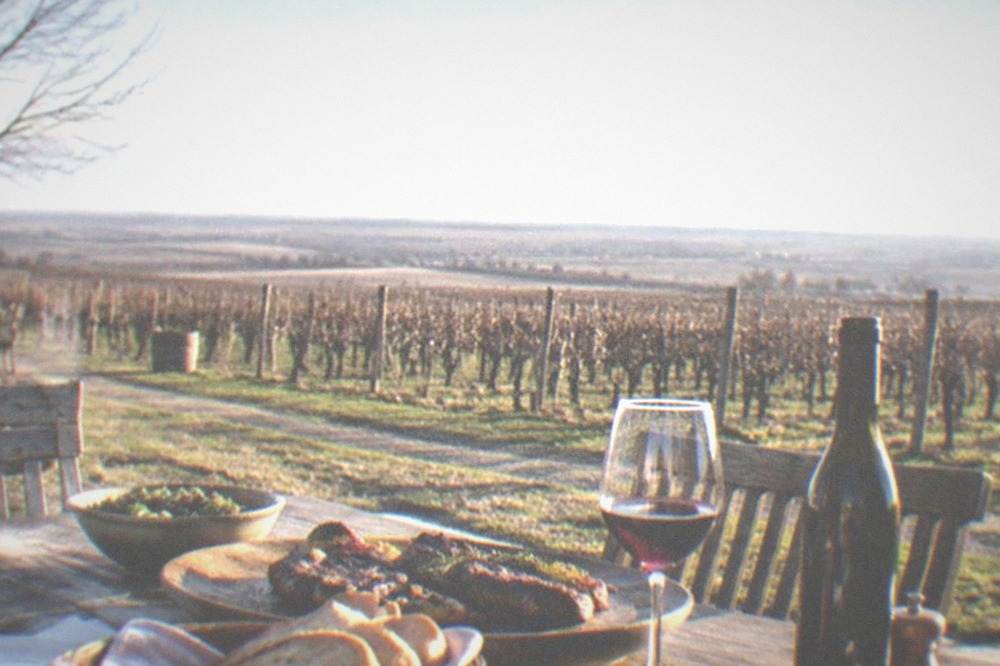
For travelers building a whole weekend around food and drink, the Timisoara nightlife guide covers where the evening goes after dinner, and a walking orientation of the old town, Cetate, pairs well with a food-focused stay. The classic city walking tour below is a good way to learn where the squares, cellars and restaurant quarters sit before striking out on your own, and it is one of the trio of tours this site recommends alongside the wine options.
A wine trip also deserves a word on money. Romania's currency is the Romanian leu, and the euro is not adopted, so cellar shops and restaurant bills are settled in lei. The Romanian currency guide explains notes, coins and card use in full. One local levy worth knowing: Timisoara collects a tourist promotion tax on accommodation, set by local council decision HCL 719/2025 for 2026, and reported at 2 percent of the accommodation tariff excluding VAT, collected by the lodging, though that rate figure is reported rather than independently verified here.
When Is The Best Time Of Year For Wine Tasting Near Timisoara?
Late September through October is the best window for wine tasting near Timisoara, because the harvest is on, the mean temperature has eased from July's 22.8 C to a comfortable 17.2 C in September and 11.5 C in October, and the vineyards are at their most active. May and June are the pleasant green-season alternative, while midwinter visits are about cellars rather than vines. Book harvest-season tastings early.
The climate table above is the backbone of this answer, and the best time to visit Timisoara guide and the Timisoara weather by month guide expand it into a full seasonal planner. For a wine trip specifically, three windows stand out. First, the September harvest weeks, when cellars are busiest and most atmospheric. Second, late spring, when the vines are green and the city's festival calendar is filling up. Third, December, when the tasting moves indoors and the Timisoara Christmas market gives the trip a second reason to exist.
The city's event calendar can anchor the choice of dates. These 2026 dates are verified from the event sources this site tracks:
| Event | 2026 dates |
|---|---|
| Flight Festival at the Banat Village Museum | 19 to 21 June |
| Ziua Timisoarei city celebration | 31 July to 3 August |
| Timisoara Jazz Festival | 25 to 27 September |
| Christmas Market (estimated, not yet officially announced) | Late November to early January |
A September trip that lands on the jazz festival weekend, with a harvest tasting between performances, is about as good as a Banat city break gets. The Christmas Market dates for 2026 remain estimates until the city confirms them, so treat that row as provisional and check closer to the season.
Can You Buy Recas Wine In Timisoara Itself?
Yes, Recas wine is widely available in Timisoara, in supermarkets, wine shops, restaurant cellars and by the glass in bars, so a visitor can taste the region without leaving the city at all. Buying at the winery is still the better route for older vintages and small-run bottles, but everyday Recas labels are among the easiest Romanian wines to find in town. Prices in shops are quoted in lei and vary by label and vintage.
This is the honest counterweight to the day-trip advice: the region's production is large enough that its everyday bottles travel into every retail channel. A visitor with a free evening can walk into a wine shop in Cetate or Iosefin, ask for a Banat red, and get one. The difference the vineyard visit makes is access to what does not ship, plus the context of standing in the place, which is the same reason people visit breweries and distilleries anywhere.
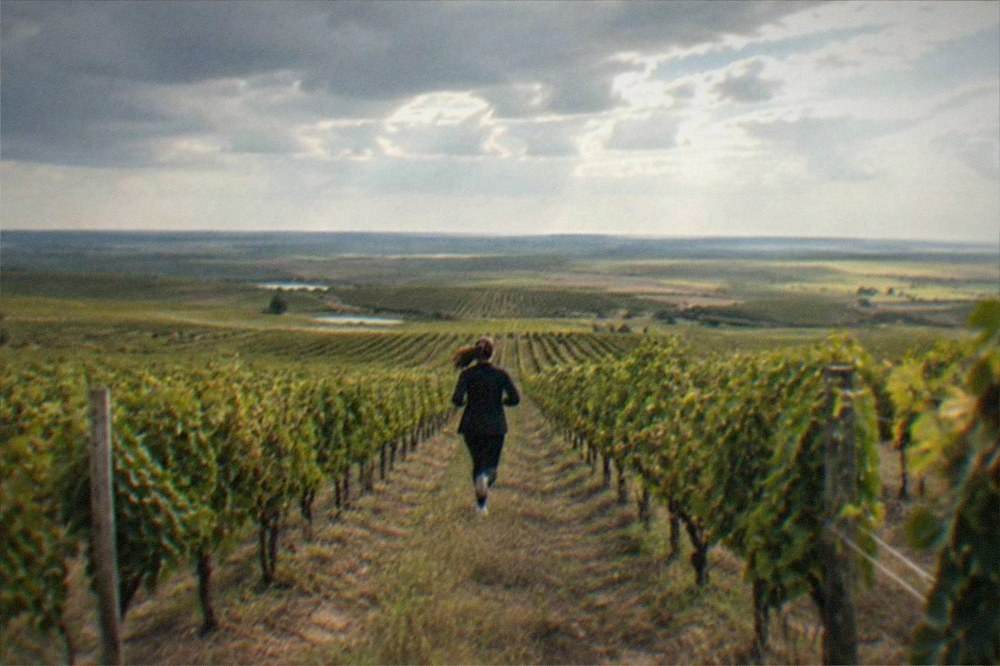
For budgeting the whole stay, not just the bottles, the Timisoara cost and prices guide tracks what meals, coffee, beer and transport actually cost in the city, with figures from cost-of-living sources updated in September 2026. As a rough orientation from those same sources, a cappuccino runs about 13 to 15 lei, a draught beer in a neighborhood pub about 11 to 12 lei, and an inexpensive restaurant meal about 45 to 50 lei, figures that leave room in most budgets for a good bottle. The city's museum scene and the Banat region guide round out the picture for anyone turning a wine day into a longer stay.
Which Wine Tours Leave From Timisoara?
The bookable wine options from Timisoara are a winery tasting visit to Petro Vaselo and a private castles-and-wine tour into Transylvania, both covered on this page, alongside walking tours of the city that pair well with a wine evening. Product prices, ratings and durations render from the live listings, so this site never prints them in prose. Choose by how much of the day you want to give to wine versus how much to the road.
The two wine products serve different travelers. The tasting visit is the focused choice: one winery, one afternoon, back in the city for dinner. The private castle-and-wine tour is the full-day statement, combining Transylvania's architecture with cellar stops, and it is the related tour of this page because it best matches a visitor whose main interest is wine but whose appetite extends further.
For comparison, here is the band of tours this site recommends for Timisoara visitors overall, the wine-focused private tour alongside the two strongest city walking options. Every figure below renders live from the operator's listing:
One more name belongs in any honest list of Timisoara walking options: the free, tip-based essentials tour listed on GuruWalk with the guru Alex. It costs nothing up front and covers the city's core in about two hours, which makes it a natural first evening activity before a wine day. Beyond the city, the things to do in Timisoara overview collects every segment of a visit, from attractions to day trips, and the Romania travel essentials guide covers border and entry questions. Romania is a full Schengen member, by air and sea since 31 March 2024 and with land borders since 1 January 2025, so travelers arriving overland from Hungary face no routine checks; the Serbian border, relevant to anyone combining the Banat with Belgrade, remains an external Schengen border with passport controls.
Common Questions About Recas Wine
Is Recas wine the same as Banat wine?
Not exactly. Recas is the best-known wine town of the Banat region and gives its name to the largest production area, but Banat wine is the wider category and includes other producers, such as Petro Vaselo, in the same historic region of western Romania around Timisoara.
How far is the Recas wine region from Timisoara?
The vineyards around Recas sit a short drive from Timisoara, close enough for a half-day trip by car, taxi or guided tour. This site does not print a specific distance or journey time for that route; the winery day-trip page and the tour listings carry the practical details.
Do Recas wineries charge a tasting fee?
No tasting fee for any Banat winery has been independently verified for this site, so none is printed. Fees, where they exist, are quoted by the wineries themselves or included in the price of a bookable tasting product, whose current figures appear on the operator's live listing.
Can you visit Recas wineries without a tour?
Yes, with planning. Independent visitors reach the area by rental car or ride-hailing from Timisoara, but visits to cellars generally need to be arranged ahead with the winery, since opening hours and tasting availability are set by each producer rather than published centrally.
What grape varieties grow in the Banat region?
The Banat grows a mix of international and regional varieties across both white and red plantings. The precise variety breakdown of any single producer is best asked at the cellar door or checked on the winery's own materials, since this site has no verified acreage or planting figures.
Where can you drink Recas wine in Timisoara?
In wine bars, restaurants and shops across the city, especially in the central districts of Cetate, Iosefin and Fabric. Everyday Recas labels are widely retailed in lei, and asking for the local or Banat section of a wine list is the quickest way to find them.
Banat wine country is one of the quietest good-value wine regions in Europe, and Timisoara is the door to it: fly in, taste in town, drive out to the cellars, and finish with a bottle that carries the whole history of the region in the glass.