Iosefin Water Tower
The Iosefin Water Tower is one of Timisoara's quietest landmarks, a brick tower in the city's western Iosefin district that tells the story of how a Habsburg frontier town learned to supply itself with clean water, and it sits within easy walking distance of the Bega canal, the Millennium Church and some of the best Secession facades in the Banat.
Short answer
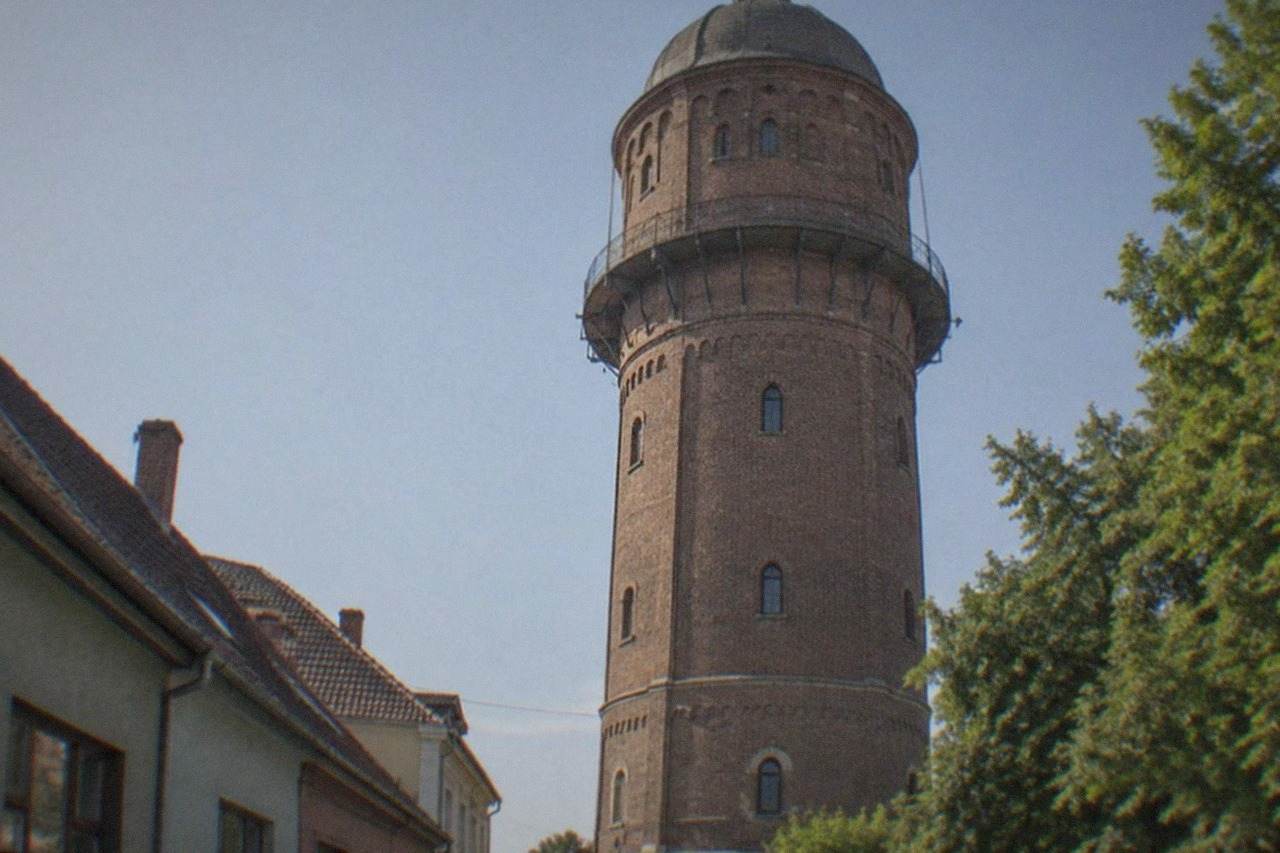
The Iosefin Water Tower stands in the Iosefin district of Timisoara, Romania, a short walk west of the city center. It is a heritage industrial landmark from the city's early waterworks era, best combined with a stroll through Iosefin's streets, the Bega canal promenade and the Millennium Church.
The Iosefin Water Tower in Timisoara, in Timis County in the Banat region of western Romania, is the kind of landmark that rewards visitors who slow down. Timișoara is famous for its squares and its 1989 Revolution history, but the tower belongs to a quieter story: the engineering effort that gave a Habsburg-era city drinking water, gas light and electric trams decades ahead of most of Europe. This guide covers what the tower is, how to reach it using the city's cheap public transport, what to see in the surrounding Iosefin district, and how to fit it into a wider Timisoara itinerary.
What Is The Iosefin Water Tower In Timisoara?
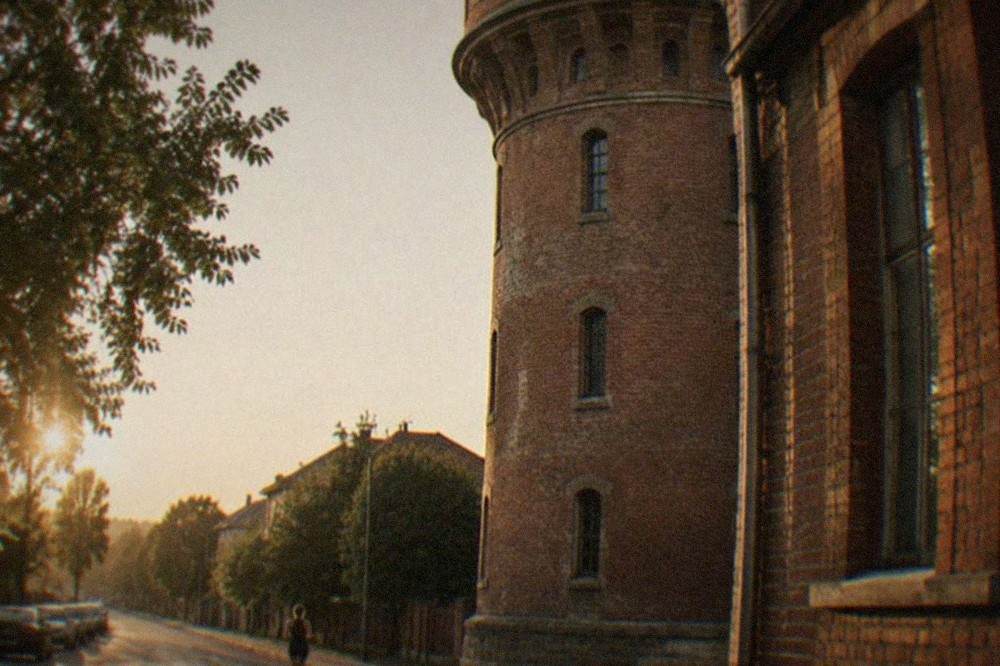
The Iosefin Water Tower is a heritage industrial tower in the Iosefin district of Timisoara, western Romania, built as part of the city's early public water supply system, in which a raised tank used gravity to push water through the neighborhood's pipes. It is not a medieval fortification and not a church, it is civic infrastructure that has outlived its original job and now stands as one of the most distinctive silhouettes on Timisoara's west side, a short walk from the Bega canal.
Towers like this one solved a simple problem. Before pressurized pumping networks, water had to be lifted into a tank high enough that gravity would carry it down through mains and into homes. Timisoara was unusually early with this kind of civic engineering. The city hall's own list of the city's "firsts" records that Timisoara started canalising the Bega in 1728, creating the first navigable canal in Romania, and that by 12 November 1884 it had become the first city on mainland Europe with electric street lighting, 731 incandescent lamps over 59 km of streets. A waterworks district in Iosefin fits that same pattern of a city that invested in modern networks early.
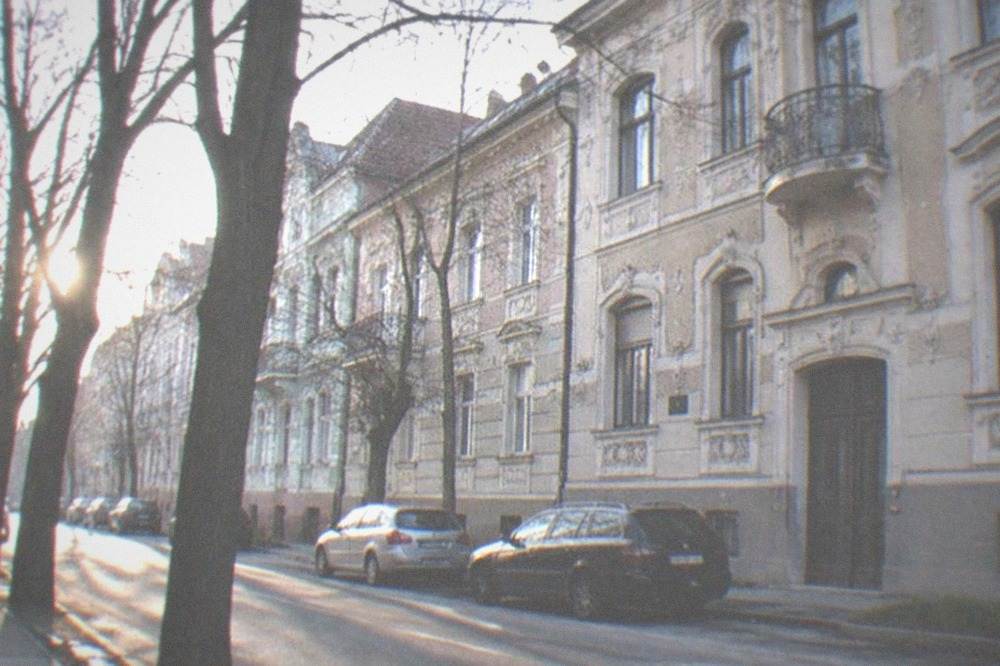
The Iosefin district itself is one of Timisoara's historic outer quarters, laid out beyond the old fortress walls alongside the Bega. Where Cetate holds the baroque showpieces and Elisabetin is known for its Secession houses, Iosefin keeps a calmer, residential character, with the Millennium Church as its spiritual anchor and the water tower as its engineering one. The tower's brick bulk and industrial detailing contrast sharply with the stucco facades around it, which is exactly why photographers and architecture fans seek it out.
How Do You Get To The Iosefin Water Tower In Timisoara?
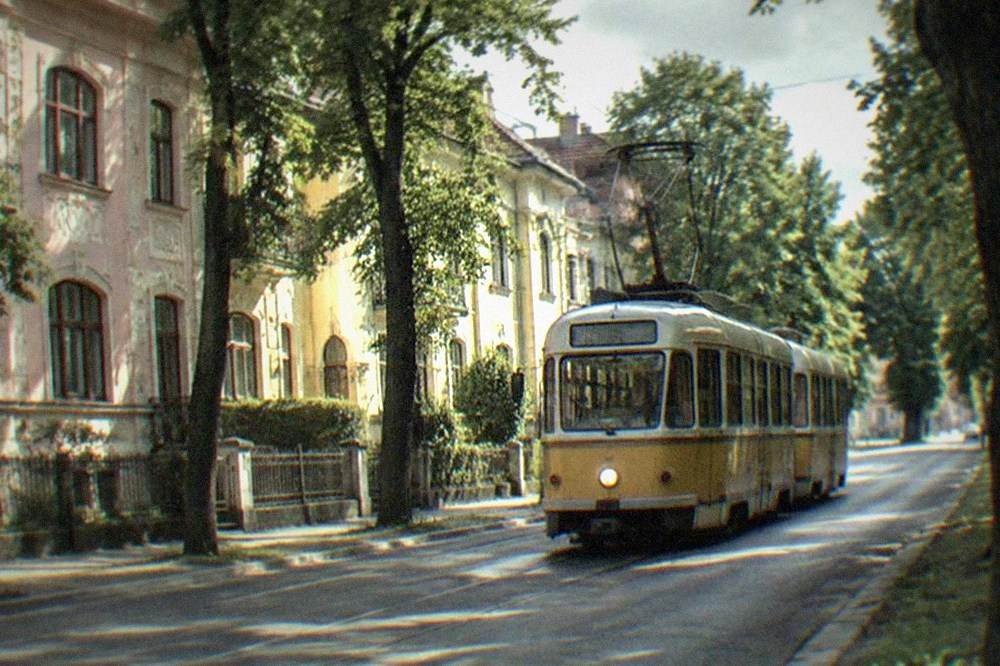
The Iosefin Water Tower is reached in minutes from central Timisoara using the STPT network: a single 60-minute ticket costs 5 lei and covers trams, trolleybuses, buses and even the Bega vaporetto, while a one-day pass costs 18 lei and contactless bank cards are accepted on board. Iosefin lies just west of the Cetate old town across the Bega canal, so many visitors simply walk it in under fifteen minutes from the city center, and the district is also served by several tram and trolleybus lines.
Timisoara's public transport is one of the cheapest and easiest in Europe for visitors. The STPT network runs nine tram lines (1, 2, 4, 5, 6a, 6b, 7, 8, 9), six trolleybus lines (11, 14, 15, 16, 17, 18), express buses E1 to E8 and the seasonal vaporetto V1 on the Bega. The single 60-minute ticket at 5 lei is valid across all of them, including the water bus, and you can pay with a contactless bank card directly on board, by SMS, via mobilPay, through the eTicket system or at STPT kiosks. Real-time arrivals are shown at live.stpt.ro.
| Transport option in Timisoara | What it costs | Notes for visitors |
|---|---|---|
| Single 60-minute ticket | 5 lei | Valid on trams, trolleybuses, buses and the Bega vaporetto |
| One-day pass | 18 lei | Covers the whole network including the vaporetto |
| 30-day general pass | 160 lei | Only worth it for long stays |
| Annual general pass | 1,320 lei | Resident option, listed for completeness |
| Bega vaporetto single trip | 5 lei | Seasonal, 1 April to end of October, 9 stops per direction |
| Contactless payment on board | No surcharge | Bank card POS terminals in vehicles |
One thing to check before you ride: the STPT alerts feed has shown tram diversions around Piata Traian, with lines diverted there from 3 August 2026 to the end of 2026 while square works continue. Iosefin itself has not been the center of these works, but diversions can shift which lines pass closest to the water tower on a given day, so glance at the live alerts before setting out. The vaporetto is a pleasant way to arrive, gliding along the Bega with stops on both banks, though it is more of a scenic ride than a fast one.
For a structured introduction to the city that includes Iosefin and its neighbors, a guided walk is hard to beat, and the options below are run by local operators whose listings carry current prices and availability.
What Can You See Inside And Around The Iosefin Water Tower?
Around the Iosefin Water Tower you can see the Millennium Church, the Bega canal promenade, the Iosefin rows of Secession and historicist facades, and the quiet green spaces that line this part of Timisoara, all within a compact walk of roughly one square kilometer. The tower's immediate surroundings are residential and low-rise, which is precisely the point: this is the Timisoara that package itineraries skip, where the city's everyday architecture is the attraction.
Start at the tower itself and study the brickwork. Industrial heritage buildings in Timisoara are increasingly valued, and the city has been investing in regenerating its historic quarters: in December 2025 a contract was signed for about 14.5 million euro of EU and local funding to remake Iosefin's public spaces, including Piata Mocioni. That work means parts of the district may look like a building site on some visits, but it also means the neighborhood's squares and streetscapes are being upgraded for the years ahead.
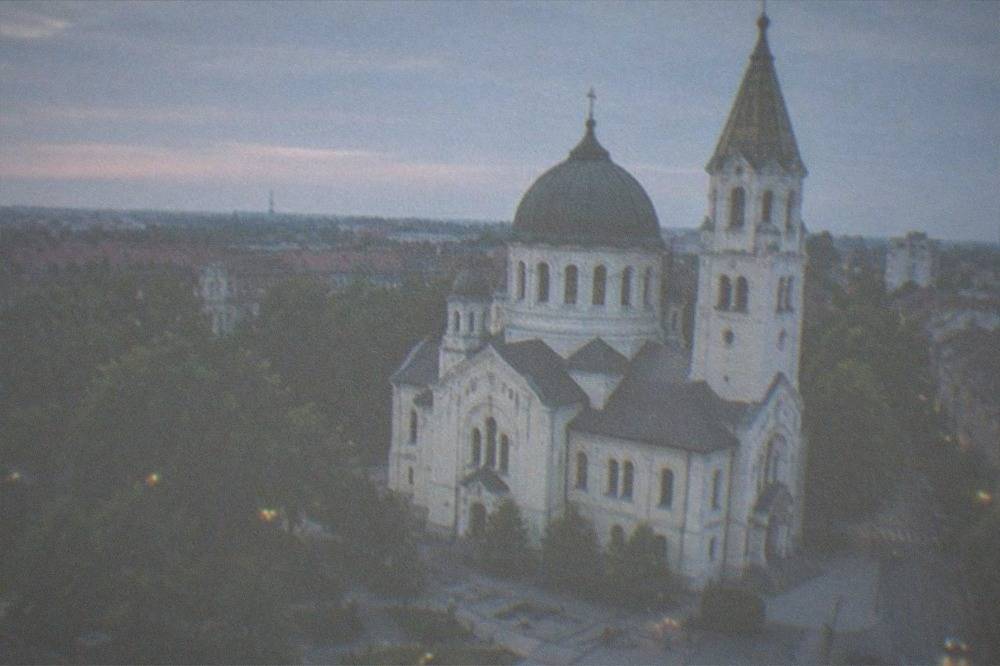
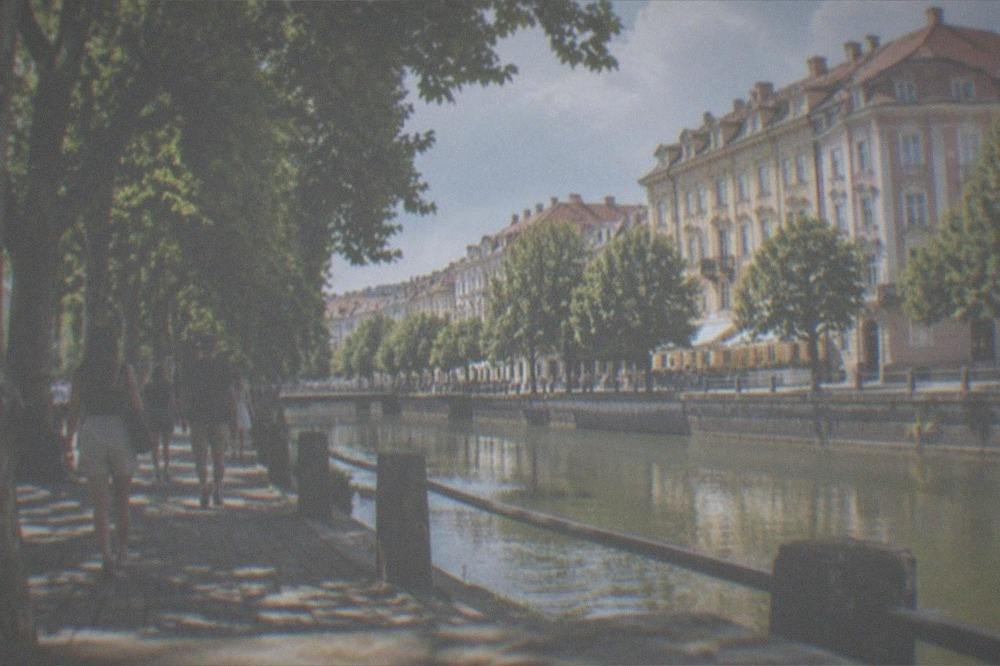
From the tower, walk toward the Millennium Church, the domed centerpiece of Iosefin and one of Timisoara's most photographed religious buildings. Then drift north to the Bega canal, where the water bus runs in season and the banks are being extended as parkland. The city announced works in May 2026 to free more than 2,000 square meters on Bulevardul Vasile Pârvan for sports and relaxation zones, part of a broader clearing of more than 12,000 square meters along the Bega. The canal is the thread that ties Iosefin back to the rest of the city, and you can follow it east toward the Bega canal attractions and the center.
For a deeper look at the city's places of worship, the Ecumenical Tour of Timisoara is the natural companion to an Iosefin walk, since Timisoara is unusual in Europe for its density of churches, synagogues and cathedrals from different traditions standing within walking distance of one another. Check availability on the operator's live listing before your trip.
The ecumenical angle is worth a moment of explanation, because it is not obvious from a first page of search results. Timisoara's multi-confessional layout is not a museum piece: the city still runs three state theatres in Romanian, Hungarian and German, and its congregations, Orthodox, Roman Catholic, Serbian Orthodox, Reformed, Lutheran and Jewish, remain active in the same squares where they were founded centuries ago. A guide who can name each tradition's role in the Banat turns a pretty street into a legible history lesson, which is why this tour pairs so naturally with the Iosefin walk.
What Is The History Behind The Iosefin Water Tower And Its District?
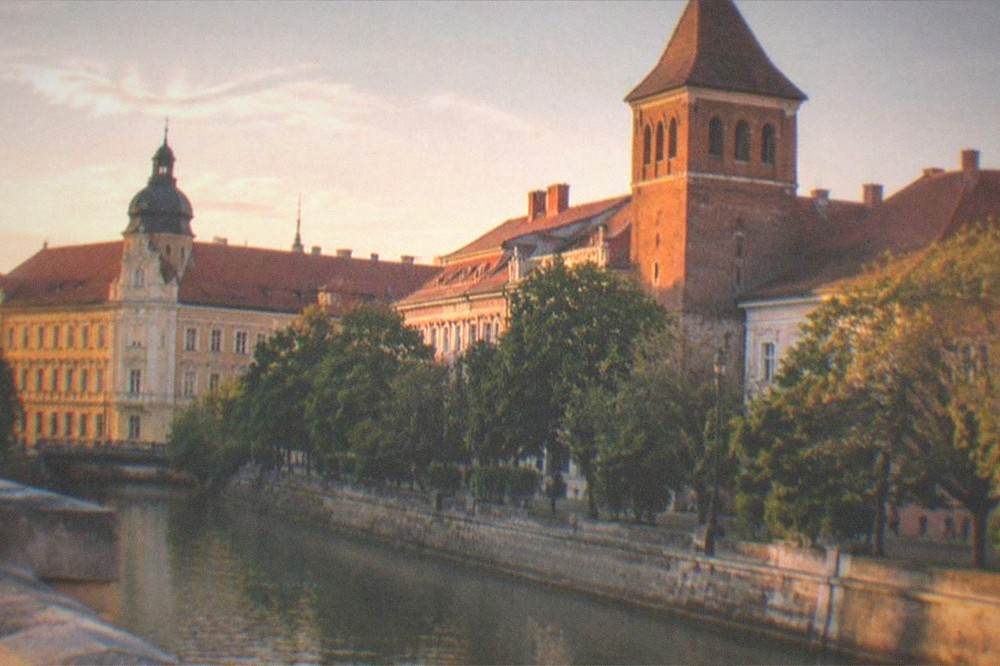
The Iosefin Water Tower belongs to an early phase of Timisoara's development, when the city, then part of Austria-Hungary and known in Hungarian as Temesvár, was building the water, gas and electric networks that made it one of the most modern cities in the monarchy. Iosefin itself grew as a planned suburb outside the fortress walls, and the tower was the visible symbol of the new public water supply that let the district grow beyond wells and carts.
Timisoara's record of civic firsts is genuinely startling. The city hall's economic report lists the oldest attested brewery in Romania (1718), the first navigable canal (Bega works begun 1728), the first city of the Habsburg monarchy with lamp-lit streets (1760) and the first with gas street lighting (1855), the first newspaper printed in Romania (1771), the first telegraph (1854), the first telephone network (1881), the first asphalted street (1895), the first film projections (1897) and the first electric tram (1899). The horse-drawn tram, which started running on 8 July 1869 from Cetate to Fabric, was itself the first in the Habsburg Empire.
| Year | Timisoara civic first |
|---|---|
| 1718 | Oldest attested brewery in Romania |
| 1728 | Canalising of the Bega begins, first navigable canal in Romania |
| 1760 | First city in the Habsburg monarchy with lamp-lit streets |
| 1771 | First newspaper printed in Romania, Temeswarer Nachrichten |
| 1854 | First telegraph service in Romania |
| 1884 | First city on mainland Europe with electric street lighting, 12 November |
| 1899 | First electric tram in Romania |
| 1953 | Only European city with three state theatres, in Romanian, Hungarian and German |
A water tower fits into this sequence as the plumbing behind the progress. Districts like Iosefin could only fill with apartment blocks and civic buildings once pressurized water existed, and the tower's tank made that pressure possible before electric pumping matured. Walking Iosefin today, you are seeing the urban form that network made: regular streets, generous squares, churches of several denominations close together, and the kind of solid bourgeois architecture that followed infrastructure rather than preceding it.
The district's multi-confessional character is part of the Banat's wider story. This region was settled deliberately over the centuries that followed, and its cities grew up with Romanian, Hungarian, German, Serbian and Jewish communities side by side. Timisoara remains the only European city with three state theatres in three languages, Romanian, Hungarian and German, a fact recorded since 1953. For visitors, that means the area around the water tower holds more than one kind of heritage: for the Jewish side of the story, the Jewish Heritage Tour of Timisoara covers the city's synagogues and heritage sites.
When Is The Best Time To Visit The Iosefin Water Tower In Timisoara?
The best time to visit the Iosefin Water Tower is late spring through early autumn, May to September, when Timisoara's mean temperatures run from 17.3 C in May to 22.8 C in July and the Bega vaporetto is running, though June is the wettest month at 79.1 mm of rain so pack for showers. The tower is an outdoor landmark best appreciated on foot, and Iosefin's streets and canal banks are at their best in the long evenings of the Banat summer.
Timisoara has a continental climate, not a Mediterranean one, and the numbers from the JMA/WMO CLIMAT normals for station TIMISOARA 15247 show real seasons. January averages 0.0 C and July 22.8 C, with annual precipitation of 600.7 mm spread fairly evenly, from a low of 34.1 mm in March to a peak of 79.1 mm in June. There is no bad month for looking at a brick tower, but there are months when the walk around it is a pleasure and months when it is a dash between cafe doors.
| Month | Mean temperature (C) | Precipitation (mm) |
|---|---|---|
| January | 0.0 | 37.3 |
| February | 2.1 | 35.5 |
| March | 6.5 | 34.1 |
| April | 12.3 | 50.6 |
| May | 17.3 | 57.2 |
| June | 20.9 | 79.1 |
| July | 22.8 | 61.9 |
| August | 22.5 | 54.6 |
| September | 17.2 | 50.4 |
| October | 11.5 | 50.0 |
| November | 6.4 | 45.3 |
| December | 1.5 | 44.7 |
Crowd levels matter less here than in Cetate, because Iosefin is not yet on every itinerary. City-wide, tourism has been growing: official figures cited by the city hall show 283,256 tourist arrivals in the 2023 European Capital of Culture year, 285,190 in 2024 and 268,699 in the first eleven months of 2025, with May 2025 the peak month on record at 30,664 arrivals. Timisoara was also named Romania's Destination of the Year 2026 at a national gala in May 2026, so the quiet corners, including Iosefin, are likely to get busier, not quieter. Going early in the morning gives you the streets almost to yourself.
| Year | Tourist arrivals in Timisoara |
|---|---|
| 2021 | 153,794 |
| 2022 | 212,785 |
| 2023 | 283,256 |
| 2024 | 285,190 |
| 2025 (January to November) | 268,699 |
What Else Is There To Do Near The Iosefin Water Tower In Timisoara?
Near the Iosefin Water Tower you can visit the Millennium Church, walk the Bega canal and its park extensions, explore the rest of the Iosefin district, and reach central Timisoara's headline sights, including Piata Unirii, Piata Victoriei and the Metropolitan Orthodox Cathedral, in a short tram ride or an easy walk. The district works best as the opening or closing chapter of a day spent crossing Timisoara on foot.
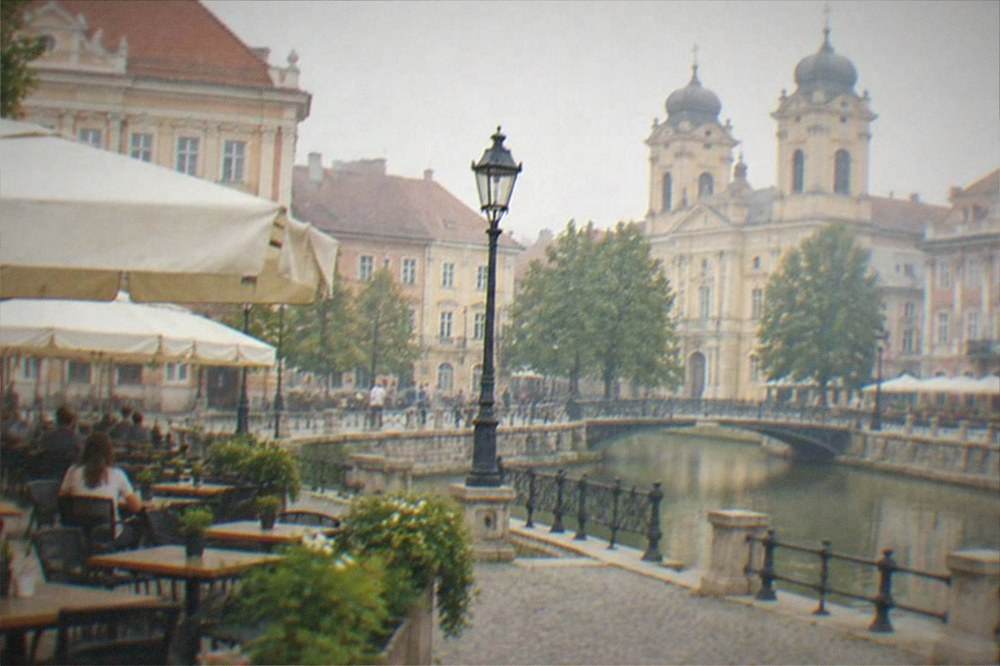
The obvious loop is to start in Iosefin, cross the Bega, and finish in the old town. In the center, the Union Square attractions hold the baroque heart of the city, while Victory Square is where the 1989 Revolution played out in front of the Opera, and the Metropolitan Orthodox Cathedral stands at its head. For the full story of December 1989, the Memorial Museum of the Revolution is the city's key site, and the Romanian National Opera shares the square. A fuller plan for the whole city is on our things to do in Timisoara overview, and the Iosefin district guide goes deeper into this neighborhood than any single attraction page can.
If museums are your thing, note which ones have verified opening data before you go. The National Museum of Art in the Baroque Palace on Piata Unirii runs summer hours from 1 June to 30 September, Wednesday to Sunday 13:00 to 21:00 with last entry at 20:15, and winter hours 1 October to 31 May, Wednesday to Sunday 10:00 to 18:00, closed Mondays and Tuesdays. The Memorial of the 1989 Revolution charges adults 20 lei and opens Monday to Friday 08:00 to 17:00 and Saturday to Sunday 10:00 to 18:00. The Banat Village Museum is closed Monday and Tuesday, opens Wednesday to Saturday 10:00 to 18:00 and Sunday 12:00 to 20:00.
| Museum near central Timisoara | Open days | Hours | Adult entry |
|---|---|---|---|
| National Museum of Art (summer, 1 Jun to 30 Sep) | Wednesday to Sunday | 13:00 to 21:00, last entry 20:15 | On site, check the museum |
| National Museum of Art (winter, 1 Oct to 31 May) | Wednesday to Sunday | 10:00 to 18:00 | On site, check the museum |
| Memorial of the 1989 Revolution | Monday to Sunday | Mon-Fri 08:00 to 17:00, Sat-Sun 10:00 to 18:00 | 20 lei |
| Banat Village Museum | Wednesday to Sunday | Wed-Sat 10:00 to 18:00, Sun 12:00 to 20:00 | 20 lei |
For a classic guided introduction to the center before or after your Iosefin wander, the Timisoara Highlights walking tour is a popular option among visitors who want the main squares explained in a single outing.
If you have more than a weekend, the same transport network that brings you to Iosefin can take you across the Banat and beyond, and the day trips below are among the most rewarding longer excursions from the city.
Is The Iosefin Water Tower Worth Visiting On A Timisoara Trip?
The Iosefin Water Tower is worth visiting if you have two or more days in Timisoara and enjoy industrial heritage, quiet historic districts and photogenic streetscapes away from the crowds, but it should not be your first stop if you only have a single day, when Piata Unirii, Piata Victoriei and the Revolution sites deserve priority. As the anchor of an Iosefin walking loop, paired with the Millennium Church and the Bega canal, it earns its place on any thoughtful itinerary.
Think of the tower as a reason to see a district, not as a destination in itself. There is no ticket line, no crowd, no rush. What there is, instead, is a slice of the city where the pace drops, where the facades have not all been polished for visitors, and where the regeneration money now flowing into Iosefin's squares suggests the neighborhood is on an upward curve. Visitors who catch it in the next few years are seeing it mid-transformation, which is its own kind of interest.
Practical planning is easy. Romania is a full Schengen member, with air and sea accession on 31 March 2024 and land borders since 1 January 2025, so travelers arriving from Hungary cross an internal border with no routine checks. The currency is the Romanian leu, not the euro, with a National Bank of Romania reference rate of 5.2788 lei per euro on 23 September 2026, and the city levies a tourist promotion tax on accommodation, reported locally at 2 percent of the tariff excluding VAT, collected by the lodging. Contactless payment works on all public transport, and a day pass at 18 lei covers trams, trolleybuses, buses and the vaporetto, so a day built around Iosefin, the Bega and the center costs very little to move around.
For everything from airport transfers to where to sleep, this Timisoara Travel Guide covers the practical layer, and the neighborhood pages for Iosefin, Fabric and Elisabetin complete the picture of the city's historic outer quarters. The water tower will not be the loudest memory of your trip, but it may well be the one that best explains what kind of city Timisoara has always been: early adopters of networks, quietly proud of it, and best understood one district at a time.
Common Questions About The Iosefin Water Tower
What is the Iosefin Water Tower?
It is a heritage industrial tower in the Iosefin district of Timisoara, Romania, built as part of the city's early public water supply system, using an elevated tank to create water pressure for the neighborhood. Today it stands as a landmark of Timisoara's civic engineering history.
Where is the Iosefin Water Tower located?
The tower stands in the Iosefin district, just west of Timisoara's Cetate old town, across the Bega canal. It is a short walk from the Millennium Church and the Bega promenade, and reachable by tram, trolleybus or on foot from the center.
How do I get to the Iosefin Water Tower from central Timisoara?
Walk west across the Bega from the city center, or ride the STPT network. A single 60-minute ticket costs 5 lei, a day pass 18 lei, and contactless bank cards are accepted on board. Check live.stpt.ro for diversions, since tram routes around Piata Traian have been affected by works through the end of 2026.
Can you go inside the Iosefin Water Tower?
The tower is primarily an exterior landmark, and this site's verified sources do not publish opening hours or admission details for its interior, so treat any visit as a self-guided exterior stop and plan the surrounding Iosefin walk as the main event.
What else should I see near the Iosefin Water Tower?
Pair it with the Millennium Church, the Bega canal banks and vaporetto stops, Piata Mocioni, and the Secession and historicist facades of Iosefin. From there it is a short tram ride to Piata Unirii, Piata Victoriei and the Metropolitan Orthodox Cathedral in the center.
When is the best time to visit the Iosefin Water Tower?
May to September, when mean temperatures run from 17.3 C to 22.8 C and the Bega vaporetto is operating from 1 April to the end of October. June is the wettest month at 79.1 mm of rain, so carry a light rain layer in early summer.