2 Days In Timisoara
Two days is enough to cover Timisoara's historic center on foot, ride the Bega canal boat, and still have an evening left for the city's cafes and theaters.
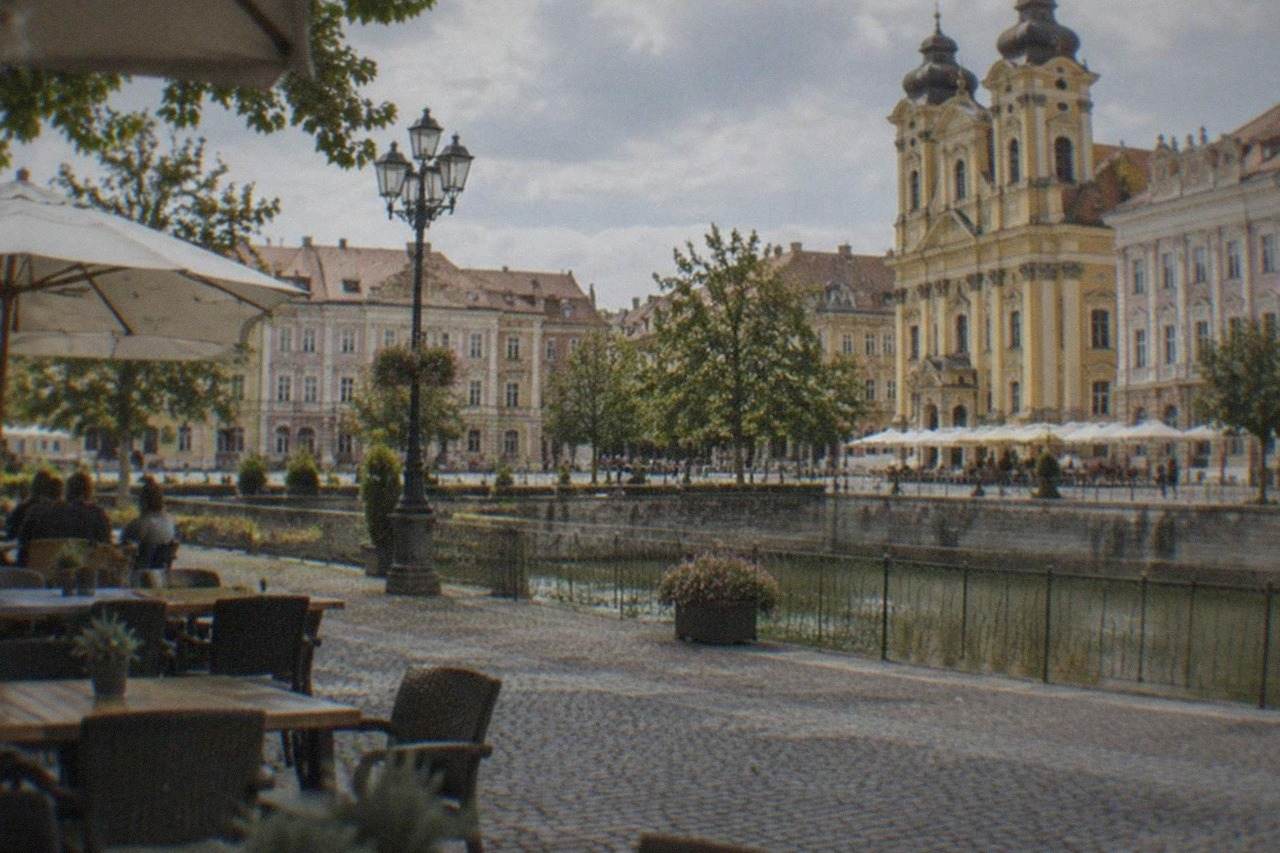
Short answer
Two days in Timisoara covers the Cetate old town, Piata Unirii, Piata Victoriei, the Metropolitan Cathedral, the Bega canal and one museum, with time each evening for dinner and a show or a riverside walk.
Timisoara, in Timis County in the Banat region of western Romania, is compact enough that two days genuinely covers it. The historic core, Cetate, fits inside a ring of former fortress walls, the squares sit within short walks of one another, and the Bega canal cuts through the middle of everything. This itinerary spreads the city across two full days: the old town and squares on day one, the wider neighborhoods, museums and the canal on day two, with realistic meal stops and evening options rather than a sprint between landmarks.
Is 2 Days In Timisoara Enough Time?
Two days is enough for Timisoara's core: the Cetate old town, Piata Unirii, Piata Victoriei, Piata Libertatii, the Metropolitan Cathedral, the Bega canal and at least one museum, plus relaxed evenings. What two days does not cover is the Banat countryside, which needs a third day or a dedicated day trip. Most first-time visitors stay 48 hours, and the city's own figures back that up: the average stay recorded in 2025 was about 1.83 days, so a two-day plan matches how people actually use the city.
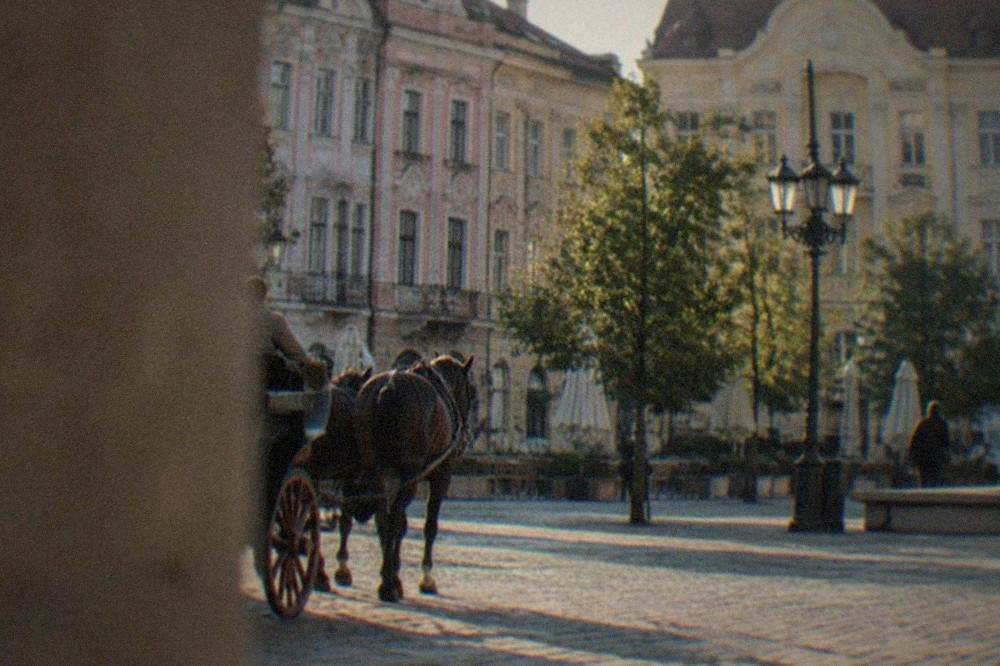
Timisoara rewards walking. The city was the first in the Habsburg Empire with a horse-drawn tram, opened on 8 July 1869 from Cetate to Fabric, and its later street layout still assumes people move on foot between the squares. Everything in the itinerary below is walkable except the Banat Village Museum, which sits at the northern edge of the city and is worth the tram ride.
The rhythm that works is simple. Mornings for squares and churches, midday for a long lunch, afternoons for one museum or the canal, evenings for dinner and, if the timing is right, the Opera. Trying to stack three museums into one afternoon is the classic mistake; the Art Museum alone can absorb two hours, and the Revolution Memorial deserves more than a hurried half hour if the 1989 story is new to you.
There is also a practical reason not to overpack the days. Timisoara's cafe culture is a genuine attraction in its own right, part of the Mitteleuropean inheritance that earned the city its informal "Little Vienna" reputation in common usage, and a schedule with no idle hour in a square-side cafe misses a layer of what the city is. Two days with breathing room beats two days at a march.
If you are weighing two days against alternatives, the one day in Timisoara plan cuts day two entirely, while the real three-day plan adds a day trip into the Banat hills. Two days is the sweet spot for the city itself.
| Itinerary | Time needed | Best for |
|---|---|---|
| One day | 24 hours | A stop between Budapest and Belgrade |
| Two days | 48 hours | The full historic core at walking pace |
| Three days | 72 hours | City plus one Banat day trip |
| A weekend | Fri to Sun | Two sightseeing days plus nightlife |
What To Do On Day One In Timisoara?
Day one belongs to Cetate: start at Piata Unirii with its two cathedrals and the Art Museum, walk to Piata Libertatii and the Serbian Orthodox Cathedral, then continue to Piata Victoriei and the Metropolitan Cathedral, ending with dinner in the old town and, on many evenings, a performance at the Romanian National Opera. This is the classic loop, roughly two to three hours of actual walking spread across a full day.
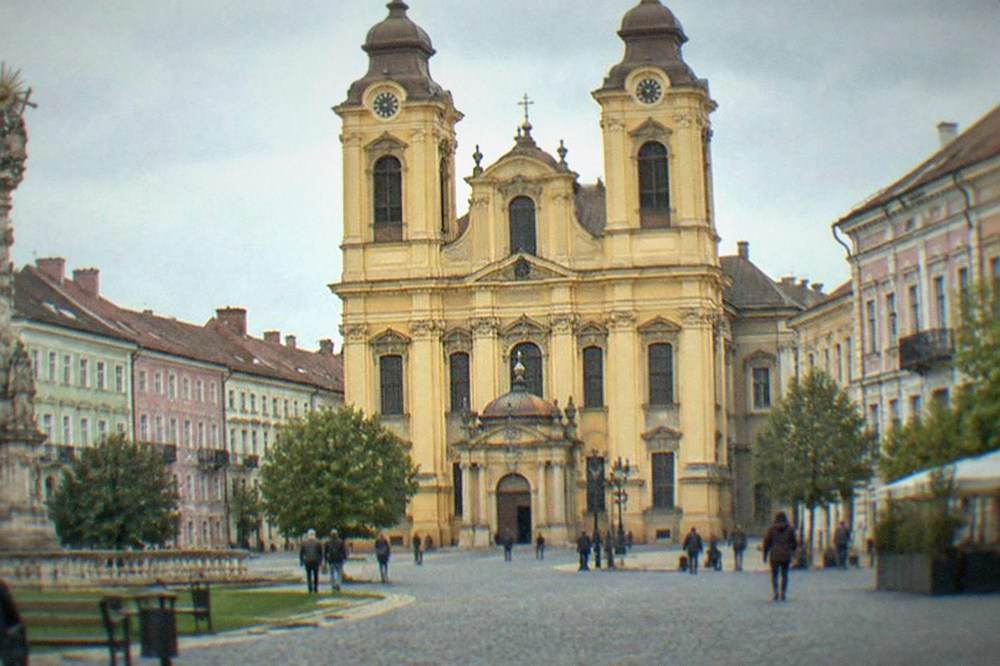
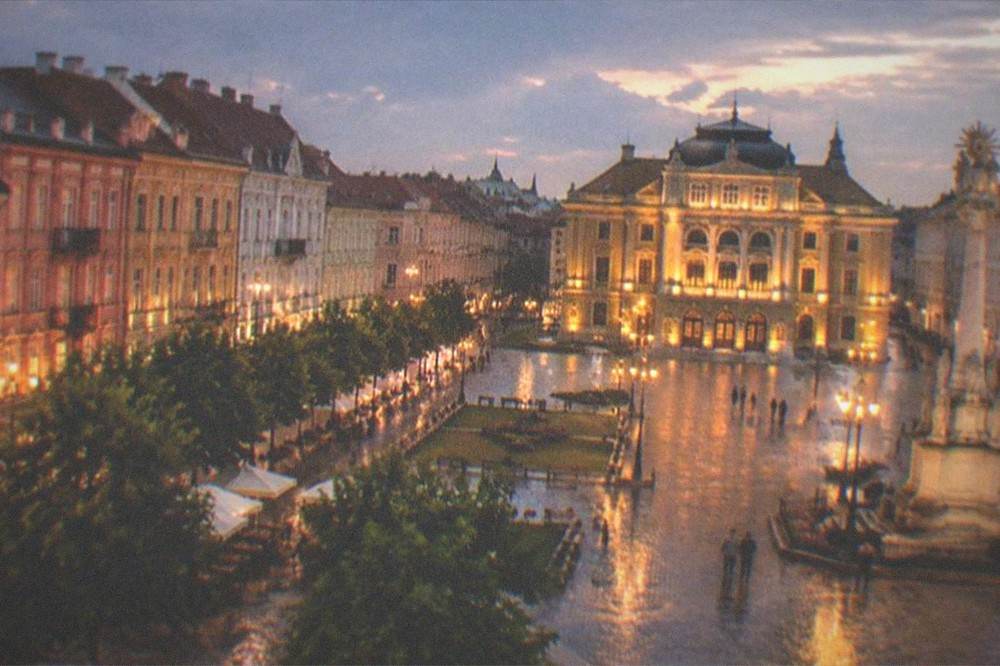
Begin at Union Square, the city's baroque showpiece. The square holds the Roman Catholic St George Cathedral, the Serbian Orthodox Cathedral, the Baroque Palace housing the National Museum of Art, and rows of pastel facades with cafe tables underneath. The Art Museum's own information page lists summer hours of 13:00 to 21:00, Wednesday to Sunday, from June through September, and winter hours of 10:00 to 18:00 the rest of the year; it closes Mondays and Tuesdays. Time your visit accordingly, since an afternoon arrival works better in summer.
From Piata Unirii, head north through the old streets to Liberty Square, a smaller, quieter square where the old town's commercial life still feels local rather than staged. The Serbian Orthodox Cathedral sits just off Piata Unirii itself, and its presence next to the Roman Catholic one is the clearest single illustration of the multi-confessional history the Habsburg administration built here. Continue to Victory Square, the wide boulevard square where the 1989 Revolution played out in front of the Opera. The square's Opera and Metropolitan Cathedral terminus is one of the most photographed views in the city.
The Metropolitan Orthodox Cathedral closes the loop at the far end of Piata Victoriei. Its green and gold spires are the visual anchor of central Timisoara, and the park beside it, with the fountain and the beginning of the Bega, makes a natural rest stop before lunch.
| Stop | Area | What to expect | Time to allow |
|---|---|---|---|
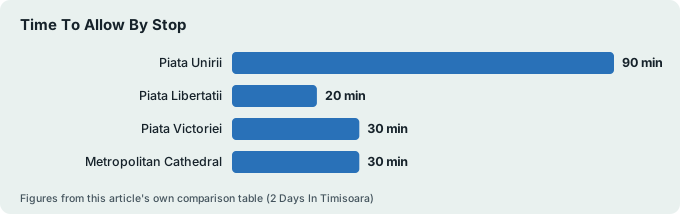
| Piata Unirii | Cetate | Two cathedrals, Baroque Palace, cafes | 90 min |
| Art Museum | Cetate | National art collections in the Baroque Palace | 60 to 120 min |
| Piata Libertatii | Cetate | Small historic square, St George nearby | 20 min |
| Piata Victoriei | Cetate | Opera, revolution history, wide boulevard | 30 min |
| Metropolitan Cathedral | Cetate | Orthodox cathedral and adjacent park | 30 min |
In the evening, dinner in Cetate, then check the Romanian National Opera program. Timisoara is the only European city with three state theatres, in Romanian, Hungarian and German, a distinction dating to 1953, so the evening options run deeper than in most cities this size. Check what is playing before you arrive; the German and Hungarian theatres stage works in their own languages, and the Opera itself programs both opera and ballet across the season.
For travelers who prefer a guide over a map, a themed walk adds context the plaques do not give. The Elisabetin neighborhood walk covers a district that many travelers overlook, and the two-day Banat program below wraps the city together with the countryside.
Where Should Day Two In Timisoara Take You?
Day two goes beyond Cetate: the Theresia Bastion and the 1989 Revolution Memorial in the morning, a tram ride to the Banat Village Museum before lunch, the Bega canal boat or a riverside walk in the afternoon, and the Elisabetin or Fabric district for dinner. This day is deliberately slower, mixing one heavy museum with outdoor time along the water.
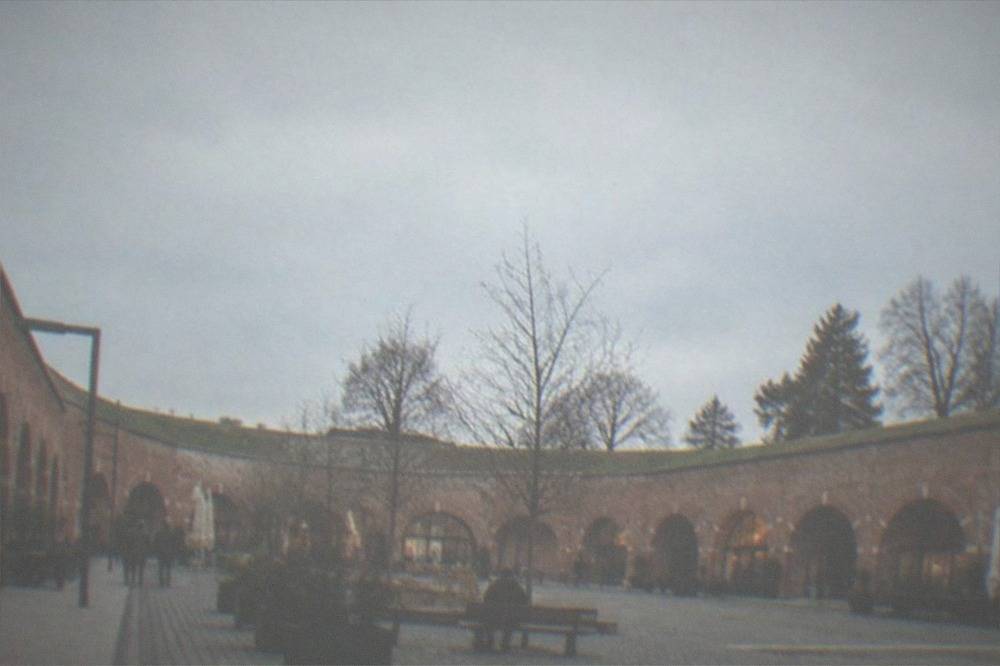
Start at the Theresia Bastion, the surviving fragment of the Habsburg fortress, now holding shops, cafes and cultural spaces inside its red-brick arcades. The bastion's shape still traces the old fortress outline, and walking its perimeter gives the clearest sense of how small the walled city once was. From there it is a short walk to the Memorial Museum of the Revolution, which documents December 1989, when the uprising against the Ceausescu regime began in this city. The Memorial's own contact page lists admission at 20 lei for adults, covering eight permanent and three temporary exhibitions plus a documentary screening, with hours of 08:00 to 17:00 on weekdays and 10:00 to 18:00 on weekends.
After the Memorial, take the tram north to the Banat Village Museum, an open-air collection of farmhouses, churches and windmills from across the region. The museum's site lists Wednesday to Saturday hours of 10:00 to 18:00 and Sunday hours of 12:00 to 20:00, with Monday and Tuesday closed, so day two should not fall on a Monday. The village museum is also the traditional site of the city's summer festivals, which is why the grounds feel built for wandering rather than for a fixed route.
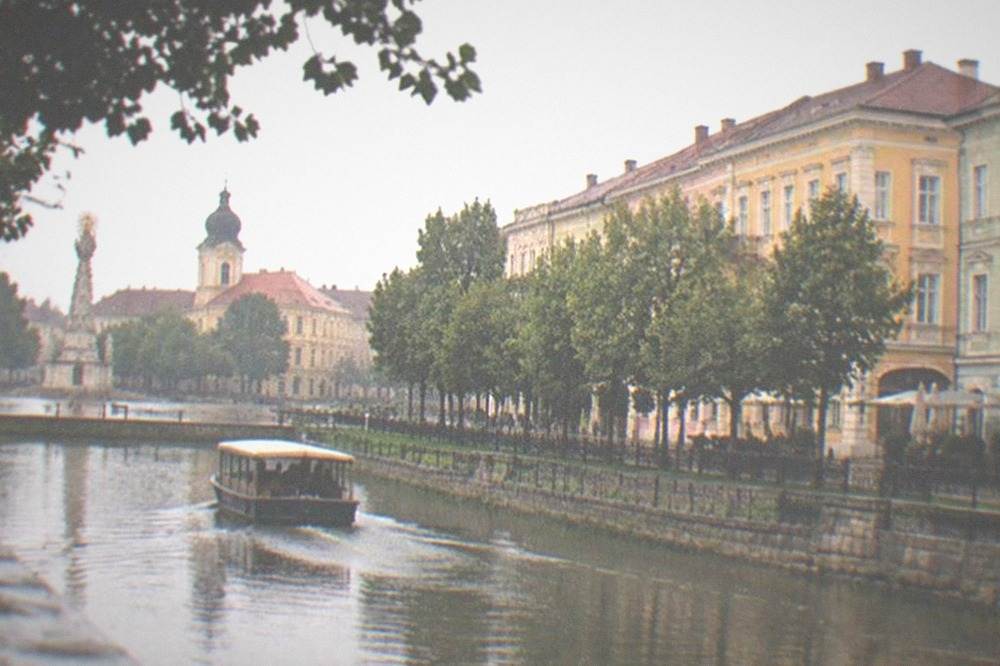
The afternoon belongs to the Bega canal. The seasonal water bus, the vaporetto, runs from 1 April to the end of October with nine stops in each direction, and a single ticket costs 5 lei, the same as any other STPT ride. If the boat is not running, the Bega banks work just as well on foot: the city has been converting its waterfront into parkland, and a riverside walk from the city center toward Iulius Town takes in the greening project areas.
| Day two stop | Type | Key detail |
|---|---|---|
| Theresia Bastion | Historic site | Fortress walls, shops and cafes inside the arcades |
| Revolution Memorial | Museum | 20 lei adult entry, documentary included |
| Banat Village Museum | Open-air museum | Closed Monday and Tuesday |
| Bega canal boat | Boat ride | Seasonal, 1 April to end of October, 5 lei |
| Elisabetin or Fabric | Neighborhoods | Dinner, bars, architecture |
End the day in Elisabetin or Fabric, the two districts surrounding Cetate where most of the good dinner tables and neighborhood bars sit. Elisabetin is the leafier of the two, known for its Secession houses; Fabric has the Millennium Church and a rougher, more local energy. Both are within a 15-minute walk of the center, so the evening commute is trivial.
If the second day falls on a Monday, flip the plan: both major museums close early in the week, so do the Village Museum and bastion on the open days and shift the canal walk to Monday. The canal boat itself runs seven days a week in season, which makes it the reliable Monday activity.
What Should You Eat During 2 Days In Timisoara?
Plan around three staples: a ciorba (sour soup) at lunch, a Banat main course such as pork with prunes or goulash in the evening, and the cafe culture in between, with a cappuccino running 13 to 15 lei and a main meal at an inexpensive restaurant about 45 to 50 lei. Timisoara's food identity is Banat cuisine, a mix of Romanian, Hungarian, German and Serbian traditions, and two days is enough to taste all four currents.
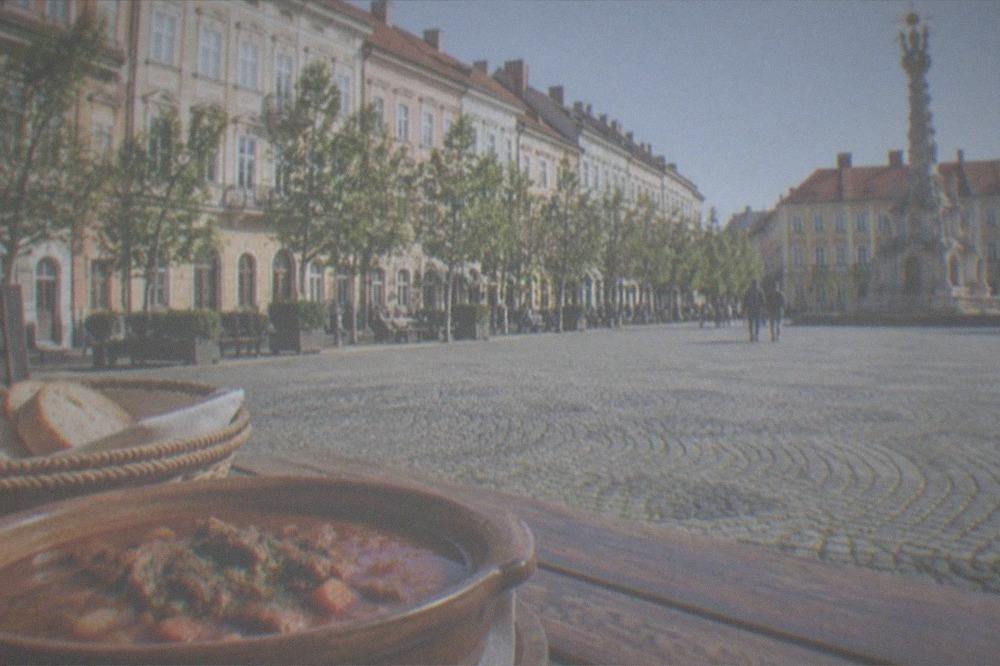
Day one lunch should be in Cetate, where the square-side restaurants serve the classics. In the evening, move a district out: the food in Elisabetin and Fabric tends to cost less and taste more local. For a deeper dive into the street-food end of things, a guided food walk saves the guesswork of picking a stall, and the operator's live listing carries the current price and availability. The rest of the planning pages sit on Timisoara Travel Guide.
| Item | Typical price (RON) | Notes |
|---|---|---|
| Cappuccino | 13 to 15 | Cost-of-living trackers, September 2026 |
| Draught beer, 0.5 L | 11 to 12 | Neighborhood pub price |
| Inexpensive restaurant meal | 45 to 50 | Main course range |
| Mid-range hotel night | 176 to 227 | Three-star averages, late 2026 |
| Single transport ticket | 5 | 60 minutes, all modes including the canal boat |
One historical note worth adding to any meal: the city's brewery, Timisoreana, traces its roots to 1718, making it the oldest attested brewery in Romania. The beer found throughout the old town descends from that tradition, and the brewery's own site is a short tram ride from the center if two days stretch into three. The 1718 date is one of the city's own "premieres," the list of firsts the municipality promotes, alongside the first horse-drawn tram and the first electric street lighting on mainland Europe in 1884.
If the two days feel under-planned once you are on the ground, a guided program can take the logistics over entirely.
How Much Does A 2-Day Timisoara Trip Cost?
A two-day Timisoara trip costs roughly 90 to 100 lei per person per day at the budget end, covering an inexpensive restaurant meal, a coffee, a beer and transport, with museums and the canal boat adding about 25 to 30 lei per day, and mid-range hotels averaging 176 to 227 lei a night. The city is one of the more affordable in the European Union, and two days rarely strains a moderate budget.
Transport is trivially cheap. The STPT tariff page lists the 60-minute single ticket at 5 lei and the one-day pass at 18 lei, both valid on trams, trolleybuses, buses and the canal boat. Contactless bank cards work on board. Two days of unlimited riding costs less than a single coffee in many Western capitals, and the day pass is the obvious buy for a day that includes the tram to the Village Museum and a boat ride back.
Museums are similarly gentle. The Revolution Memorial charges 20 lei for adults; the Art Museum's standard adult ticket is not published on the page this site verified, so check at the desk. The Village Museum's adult ticket is reported at 20 lei, a figure this site carries as reported rather than primary. Add the canal boat at 5 lei and the full two-day sightseeing bill stays under 100 lei per person.
One line item travelers miss: the tourist tax. The city council decision HCL 719/2025 sets a tourism promotion tax that hotels collect, reported at 2% of the accommodation tariff excluding VAT. It appears on the hotel bill rather than being paid separately, and it is small enough that it should not change any lodging decision.
| Expense | Budget (RON) | Notes |
|---|---|---|
| Day pass, transport | 18 | Covers canal boat too |
| Revolution Memorial | 20 | Adult, includes documentary |
| Village Museum | 20 | Reported figure, recheck at entry |
| Canal boat ticket | 5 | Or included in the day pass |
| Two restaurant meals | 90 to 100 | Inexpensive venues |
| Coffee and a beer | 24 to 27 | One of each |
Where Should You Stay For 2 Days In Timisoara?
Stay in or immediately around Cetate for a two-day trip: the old town puts Piata Unirii, Piata Victoriei and the Opera within a ten-minute walk, while Elisabetin and Iosefin offer quieter, often cheaper rooms still within walking distance of everything on this itinerary. With an average recorded stay of under two days, it makes sense to choose proximity over space.
The hotel stock is growing. The Radisson-affiliated Hotel Galaxy opened in the baroque old town in June 2026, the first of its brand in western Romania, and a Courtyard by Marriott began construction in March 2026 with opening planned for 2029. For now, the practical choice is a guesthouse in Elisabetin or a hotel near Piata Victoriei; both put day one's loop on foot. Iosefin, a little further out along the canal, trades a longer walk for lower rates and some of the city's prettiest quiet streets.
For a two-day stay, do not overthink it: anything inside the old fortress ring works, and the tram network makes the outer districts painless if a good room pulls you a stop or two out. The one thing to avoid is lodging far from a tram line, since the itinerary's only non-walkable leg is the ride to the Village Museum.
What If You Have More Than 2 Days In Timisoara?
A third day opens the Banat: the Nera Gorge national park, the Danube Gorges at Cazanele, or the villages of the Banat mountains, all reachable as day trips from Timisoara, with guided two-day regional programs covering the rivers and villages in one booking. This is the point where the itinerary stops being a city guide and becomes a regional one.
The strongest single add-on is the Nera Gorge, whose karst scenery and waterfalls sit within a day's reach of the city. History travelers lean toward Corvin Castle at Hunedoara, one of the largest Gothic castles in Europe. And if the extra day falls in late September, the Timisoara Jazz Festival's 2026 edition ran 25 to 27 September, a reminder that the city's calendar can compete with its countryside.
For travelers who want the region handled end to end, the guided options below cover the city and the Banat together.
Longer plans already exist on this site: a weekend in Timisoara adds Friday and Sunday structure, and seven days in western Romania stretches the same region into a full week. This Timisoara Travel Guide page is the core that those longer plans build on.
Common Questions About 2 Days In Timisoara
Is 2 days in Timisoara enough?
Yes. Two days covers the Cetate old town, all three central squares, the Metropolitan Cathedral, the Revolution Memorial, one art museum and a ride on the Bega canal boat, with relaxed evenings. Only the Banat countryside needs a third day.
What is the best time of year for 2 days in Timisoara?
May through September. The JMA climate normals for the Timisoara station give July a mean of 22.8 C and January 0.0 C, and the canal boat only runs from 1 April to the end of October. June is the wettest month at 79.1 mm, so pack a light rain layer in early summer.
Do I need a car for 2 days in Timisoara?
No. Everything in this itinerary is walkable or reachable by tram, with a 5 lei single ticket or an 18 lei day pass covering all public transport including the canal boat. A car only earns its cost if you add a Banat day trip on a third day.
What should I not miss in Timisoara in 2 days?
Piata Unirii at golden hour, the view down Piata Victoriei toward the Metropolitan Cathedral, the Revolution Memorial for the 1989 story, and one meal in Elisabetin or Fabric rather than the tourist squares.
Is Timisoara expensive for a 2-day trip?
No. A cappuccino runs 13 to 15 lei, an inexpensive restaurant meal 45 to 50 lei, and a mid-range hotel night averages 176 to 227 lei, so two days with museums and transport sits comfortably in a moderate European budget.