Timisoara Transport Museum
Timisoara, in the Banat region of western Romania, ran the first horse-drawn tram in the Habsburg Empire in 1869 and the first electric tram in Romania in 1899, and the Timisoara Transport Museum, known locally as the Corneliu Miklosi public transport museum, is where that story is kept.
Short answer
The Timisoara Transport Museum, the public transport museum of Timisoara, Romania, preserves the city's tram, trolleybus and bus heritage in a historic depot setting. Timisoara ran the first horse-drawn tram in the Habsburg Empire in 1869 and the first electric tram in Romania in 1899, so the collection documents some of the earliest urban transit anywhere on the continent.
Timisoara, in Timis County in the Banat region of western Romania, treats public transport as heritage rather than mere infrastructure, and the Timisoara Transport Museum is the clearest proof. Known locally as the Corneliu Miklosi public transport museum, it occupies a historic depot setting and holds the rolling stock, tickets, photographs and workshop tools that tell how a mid-sized Habsburg fortress town became one of Europe's earliest adopters of the tram. The city's own records, published by the municipality, list the first horse-drawn tram in the Habsburg Empire here on 8 July 1869 and the first electric tram in Romania in 1899, and this museum exists to keep that machinery out of the scrapyard. This guide from Timisoara Travel Guide covers what the museum holds, how to reach it using the same network it celebrates, what a visit costs in today's fares, and what else to see in the surrounding streets of Iosefin.
What Is The Timisoara Transport Museum?
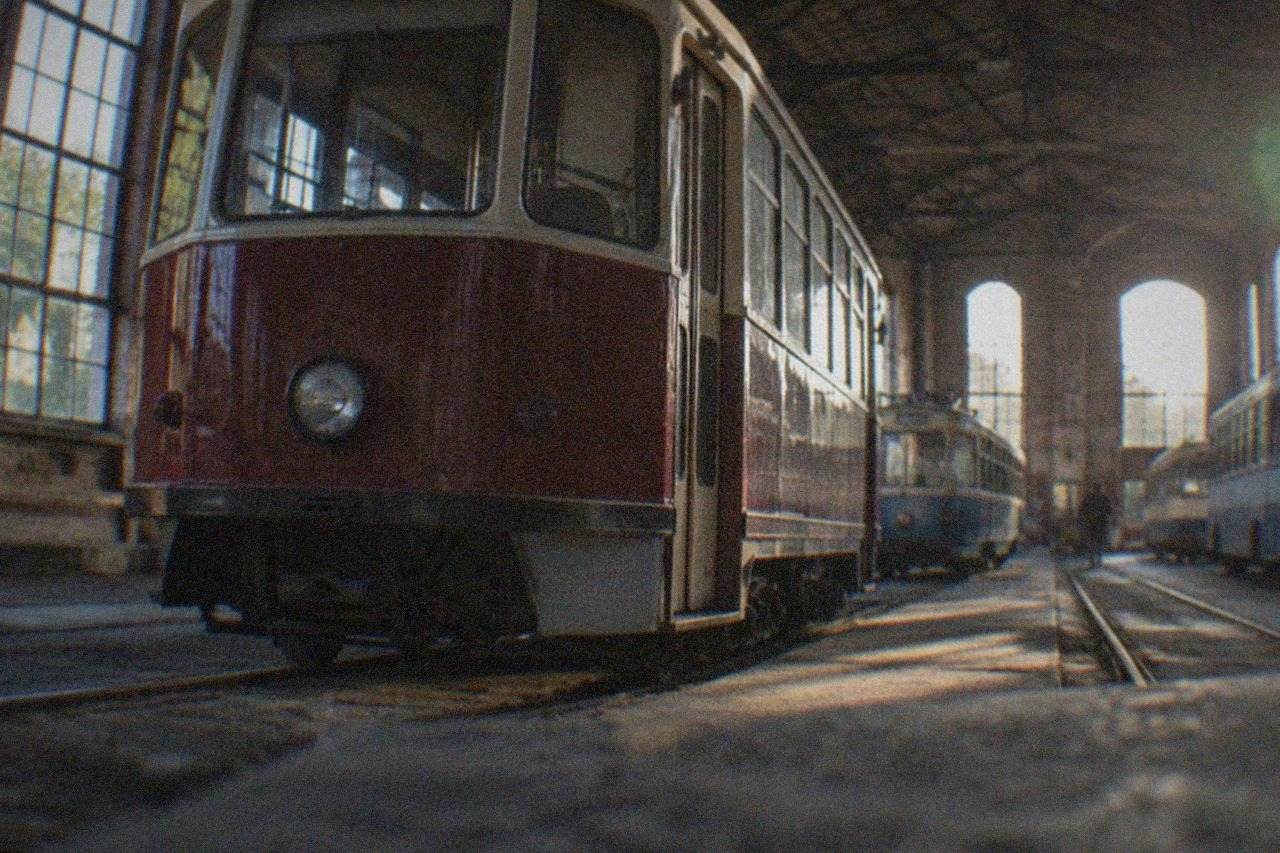
The Timisoara Transport Museum, formally the Corneliu Miklosi public transport museum of Timisoara, Romania, is the city's dedicated museum of trams, trolleybuses, buses and the infrastructure that ran them, housed in a historic depot in the Iosefin district. It preserves vehicles and equipment from a network whose history includes the first horse-drawn tram line in the Habsburg Empire, opened on 8 July 1869, and the first electric tram in Romania, which entered service in 1899.
Timișoara's transit history is unusually deep for a city of roughly a quarter million people at the 2021 census, a figure reported by the national statistics office. The municipality's own "firsts of Timisoara" list, drawn from the city hall's economic report, traces an unbroken chain: gas street lighting from 1855, the first telephone network in Romania from 1881, the first asphalted street in 1895, and the electric tram four years later. The museum gathers the physical remains of that chain under one roof.
The venue also lives a second cultural life. The SIMULTAN Festival, an annual event for experimental art, music and installations, has used the museum as one of its venues, which means the depot's trams share space some weeks of the year with contemporary sound art. That double use is typical of how Timisoara treats its industrial heritage, the same instinct that turned the former tram depots on Take Ionescu Boulevard into the MultipleXity cultural hub project.
For visitors arriving from outside Romania, the museum's appeal is straightforward: it is one of the few places in the country where you can study the evolution of a complete urban transport system, from horse-drawn carriages through electrification to the modern era, in a city small enough that you can then ride the descendants of those very vehicles across town for the price of a coffee.
Where Is The Museum And How Do You Get There?
The Timisoara Transport Museum sits in the Iosefin district, the historic southwestern quarter of Timisoara, Romania, and the natural way to reach it is the city's own public transport network: a single STPT ticket costs 5 lei, is valid for 60 minutes on all modes including the vaporetto water bus, and covers trams, trolleybuses and buses alike. Contactless bank card payment works directly on board.
Riding the network to the museum is part of the experience, since the collection inside documents the very vehicles you arrive on. Timisoara's tram system has run since 1869, when the first horse-drawn line connected Piata Sf. Gheorghe in Cetate to Fabric, extended that same year to the Iosefin railway station, so the district the museum sits in has been on rails from the very beginning.
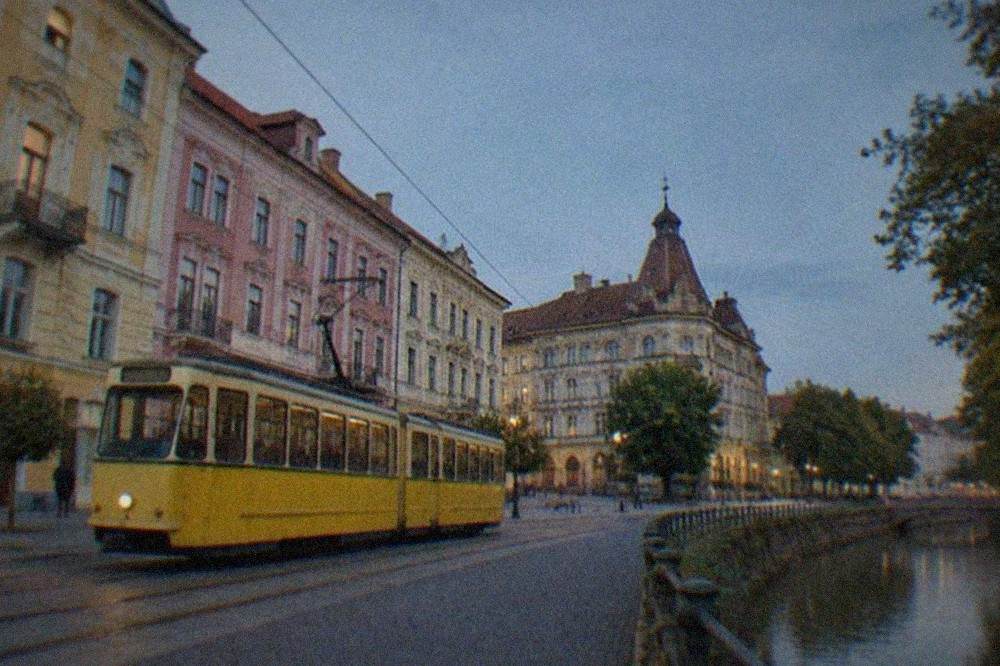
Timisoara's network, per the operator STPT's own site, runs trams on lines 1, 2, 4, 5, 6a, 6b, 7, 8 and 9, trolleybuses on lines 11, 14, 15, 16, 17 and 18, express buses E1 to E8, and the vaporetto water bus V1 along the Bega canal. Real-time arrivals are published at the operator's live site, and the STPT network also partners with the Transit app for planning.
| STPT ticket type | Price | Notes |
|---|---|---|
| Single ticket, 60 minutes | 5 lei | Valid on all modes, including the vaporetto |
| 1-day pass | 18 lei | Raised from 15 lei in August 2025 |
| 30-day general pass | 160 lei | All lines, all modes |
| Annual general pass | 1,320 lei | All lines, all modes |
Payment methods, all listed on the operator's site, are contactless bank card on board, e-wallet card, SMS, mobilPay, the eTicket online system and STPT kiosks. One change worth knowing: the 24pay app method was suspended in April 2026, according to local reporting, so do not plan around it. If you want the full picture of fares, lines and apps, the getting around Timisoara guide breaks down every option.
One dated closure to plan around: Piata Traian is closed to trams from 3 August 2026 to the end of 2026 for works, with lines diverted, per the operator's live alerts feed. If your route touches that square in late 2026, check the current diversions before you set out.
What Will You See Inside The Timisoara Transport Museum?
Inside the Timisoara Transport Museum you will find restored tram cars and work vehicles spanning the system's electric era from 1899 onward, trolleybuses and buses from later times, ticket machines, uniform and sign collections, and the depot workshop equipment used to keep a fleet alive, all documenting a city that pioneered public transit in the Habsburg Empire and then in Romania.
The collection's strength is completeness. Where many transport museums show one or two pretty cars, this one shows the working system: the maintenance jacks, the overhead-line hardware, the paper artifacts of daily commuting across a century. The horse-drawn era of 1869 to 1899 is represented through photographs and documents, while the electric era, beginning in 1899 as the first electric tram in Romania, supplies the full-size vehicles.
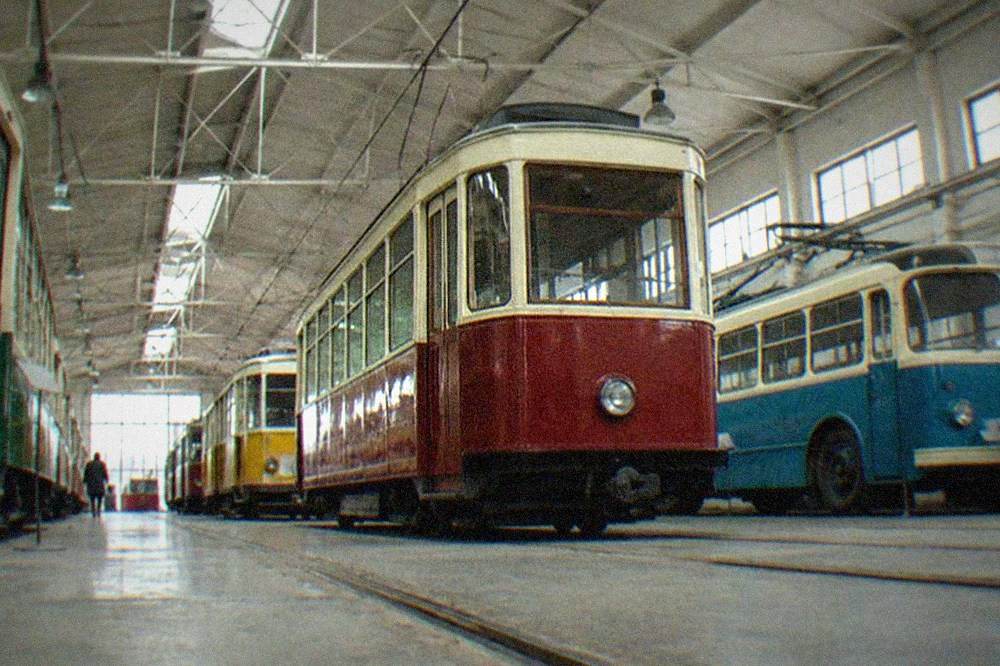
The depot setting matters as much as the stock. Timisoara built its transport infrastructure in brick and iron, and the surviving halls show the industrial architecture of the period. It is the same heritage instinct visible elsewhere in the city: the former tram depots on Take Ionescu Boulevard are being converted into MultipleXity, a cultural and technology hub, under an EU-funded contract signed in 2026 with completion targeted around February 2029.
Because the museum's opening hours and ticket prices are not published in the sources this site relies on, treat any figure you see on a third-party listing as unconfirmed and check with the operator before visiting. What is certain is the collection's scope and the setting, and both reward an hour or two of your time.
How Does The Museum Connect To Timisoara's Transport Firsts?
The Timisoara Transport Museum exists because Timisoara, Romania holds a transport record almost no city can match: the first horse-drawn tram in the Habsburg Empire opened here on 8 July 1869, and the first electric tram in Romania followed in 1899, part of a chain of firsts that also includes the first telephone network in Romania in 1881 and the first asphalted street in the country in 1895.
The city hall's own list of the "firsts of Timisoara", published in its economic report, is the authority for these claims, and it reads like an engineering chronicle. The Bega canal, canalised from 1728, became the first navigable canal in Romania and carried passenger trips from 1869. Streets were lamp-lit from 1760, the first city in the Habsburg monarchy to manage it, and gas-lit from 1855, the first in the monarchy again. On 12 November 1884 the city became the first on mainland Europe with electric street lighting, 731 incandescent lamps over 59 kilometers of streets.
| Year | Timisoara first | Status |
|---|---|---|
| 1728 | Canalising of the Bega, first navigable canal in Romania | City hall list |
| 1760 | First lamp-lit streets in the Habsburg monarchy | City hall list |
| 1855 | First gas street lighting in the monarchy | City hall list |
| 1854 | First telegraph service in Romania | City hall list |
| 1881 | First telephone network in Romania | City hall list |
| 8 July 1869 | First horse-drawn tram in the Habsburg Empire, Cetate to Fabric | City hall archive |
| 12 Nov 1884 | First city on mainland Europe with electric street lighting | City hall list, European Commission |
| 1895 | First asphalted street in Romania | City hall list |
| 1899 | First electric tram in Romania | City hall list |
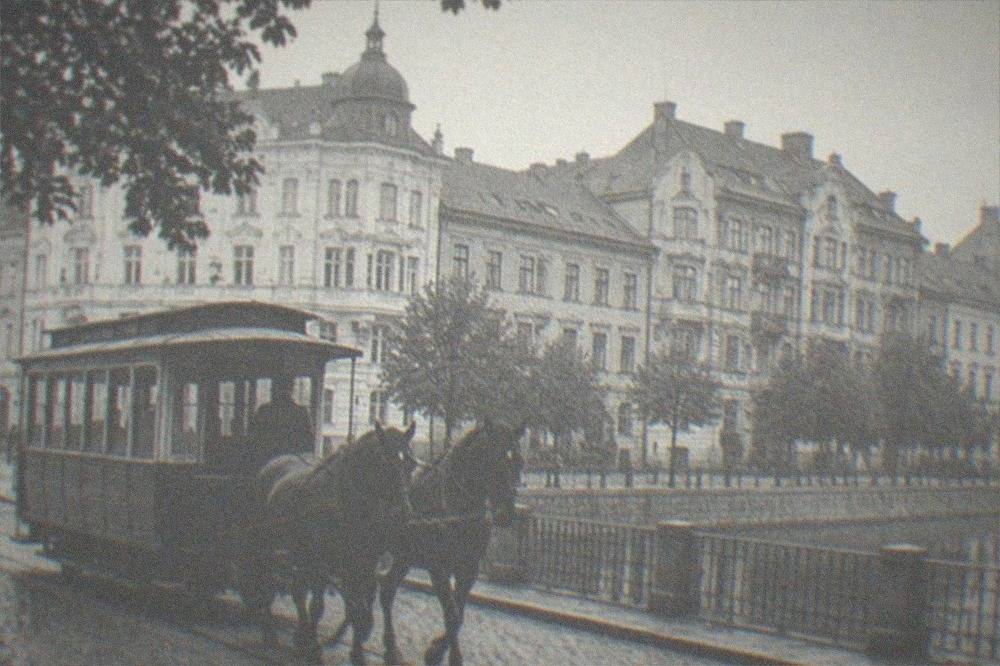
The horse tram of 1869 deserves its own sentence. The service ran from Piata Sf. Gheorghe in the Cetate old town to the Fabric district, and was extended on 25 October of the same year to the Iosefin railway station, a route shape that still defines the city's east-west spine today. When the walls of the Habsburg fortress came down, demolition beginning after an 1892 decision, the tram network grew into the space, which is why so many lines still thread the historic squares.
A guided walk is the best complement to the museum for this history, since the vehicles inside only make sense against the streets outside. The memorial museum of the 1989 Revolution and the communist consumer museum cover the later chapters of that same urban story, from the system's communist-era operation to the revolution that started in this city in December 1989.
What Are Timisoara's Public Transport Fares And Lines Today?
Timisoara's public transport today, per the operator STPT's own site, charges 5 lei for a 60-minute single ticket valid on every mode including the vaporetto, 18 lei for a 1-day pass, 160 lei for a 30-day general pass and 1,320 lei for an annual pass, and runs nine tram lines, six trolleybus lines, eight express bus lines and the seasonal vaporetto water bus on the Bega canal.
The fare structure was last adjusted in 2025. The single ticket went from 4 lei to 5 lei in August 2025, and the day pass from 15 lei to 18 lei at the same time, so any older guide quoting 15 lei for a day pass is out of date. Integrated ticketing since April 2025 means one ticket covers trams, trolleybuses, buses and the water bus alike.
| Mode | Lines | Notes |
|---|---|---|
| Trams | 1, 2, 4, 5, 6a, 6b, 7, 8, 9 | Piata Traian closed to trams 3 Aug to end of 2026, diversions in force |
| Trolleybuses | 11, 14, 15, 16, 17, 18 | Includes newer 12-meter battery-equipped units delivered by late 2025 |
| Express buses | E1 to E8 | E4 connects the city to the airport |
| Vaporetto V1 | Water bus on the Bega | Runs 1 April to end of October, 9 stops per direction, 5 lei, reported by local sources |
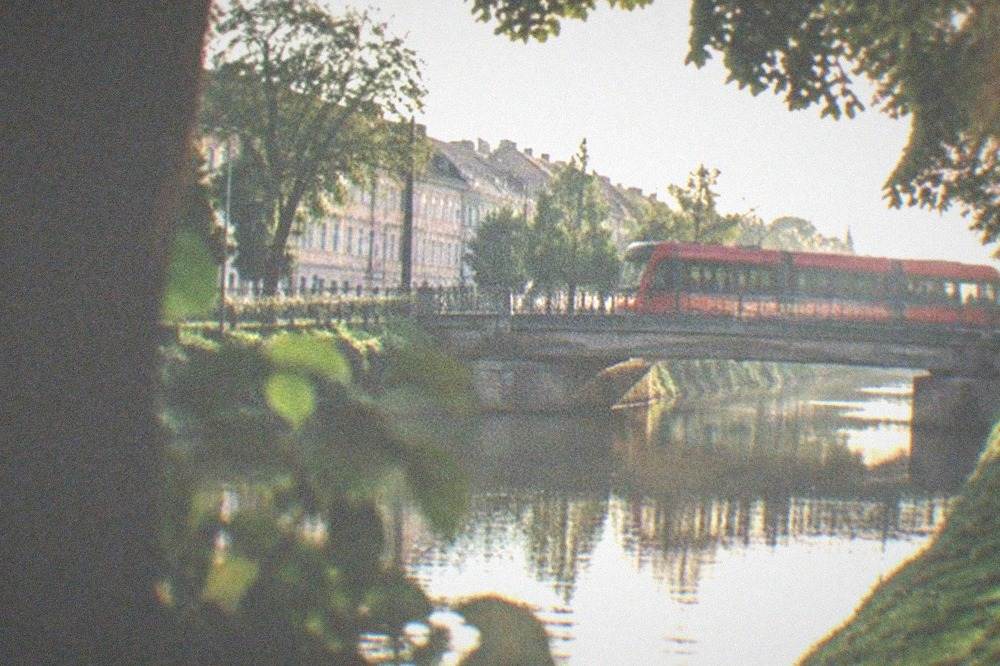
The vaporetto deserves a note because it is both transport and attraction. The water bus runs along the Bega canal from 1 April to the end of October, with nine stops per direction, and the 5 lei fare is the same as a tram ticket, per local reporting on the operator's seasonal announcements. The Bega canal guide covers the waterside route in detail.
For a museum visitor, the practical takeaway is simple: buy one day pass at 18 lei, ride a tram out to the museum, and use the same ticket afterwards for the trolleybus or a vaporetto trip along the canal. You will have ridden three generations of the network the museum documents, all in one afternoon.
What Else Can You Visit Near The Timisoara Transport Museum?
Within easy reach of the Timisoara Transport Museum in Iosefin you can visit the Iosefin water tower, walk the Bega canal promenade, cross into the Cetate old town to Piata Unirii and its museums, and reach the Banat Village Museum by transport or a longer walk, all in a city whose historic districts, Cetate, Iosefin, Fabric and Elisabetin, sit within a compact radius.
Iosefin itself is one of Timisoara's historic outer districts, laid out when the fortress city expanded beyond its walls. The Iosefin water tower is the quarter's landmark, and the district's streets hold some of the city's calmer Secession-era facades, away from the crowds of the center.
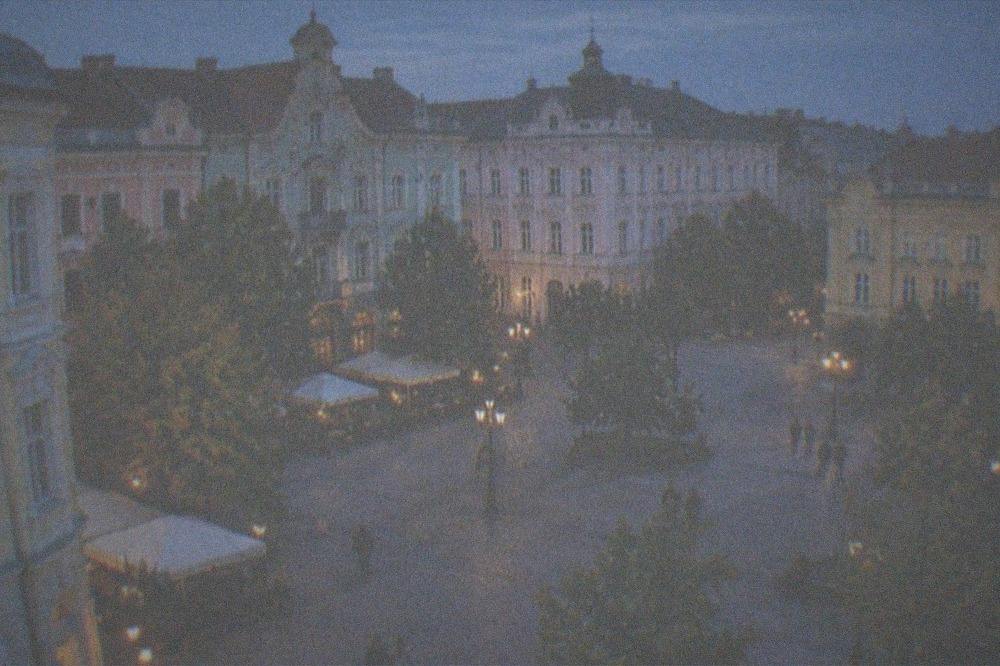
Crossing the Bega brings you to Cetate, the old town, where Piata Unirii gathers the Baroque Palace housing the national museum of art, the Serbian Orthodox cathedral and the Roman Catholic cathedral in one square. The art museum's own site gives summer hours of 13:00 to 21:00, Wednesday to Sunday, from 1 June to 30 September, and winter hours of 10:00 to 18:00 the rest of the year, closed Monday and Tuesday.
| Nearby museum | Hours per its own site | Ticket note |
|---|---|---|
| National Museum of Art, Baroque Palace | Summer Wed to Sun 13:00 to 21:00; winter Wed to Sun 10:00 to 18:00 | Guided tour 175 lei per group; standard adult price not published in sources |
| Memorial of the 1989 Revolution | Mon to Fri 08:00 to 17:00, Sat to Sun 10:00 to 18:00, per local reporting | Adults 20 lei, photo fee 20 lei |
| Banat Village Museum | Wed to Sat 10:00 to 18:00, Sun 12:00 to 20:00, closed Mon and Tue | Adult ticket reported at 20 lei |
| Huniade Castle, National Museum of Banat | Closed, restoration underway | Partial reopening targeted 2027, full 2028, per local reporting |
For families, the Banat Village Museum pairs well with the transport museum, since both are open-air, machinery-rich and unhurried, and the MIC children's interactive museum, which opened in May 2026 inside Bastion Maria Theresia, adds a hands-on option in the city center. If you are building a full itinerary, the things to do in Timisoara page collects the city's highlights in one place.
When Is The Best Time To Visit The Timisoara Transport Museum?
The best time to visit the Timisoara Transport Museum is spring through early autumn, April to October, when the vaporetto water bus runs on the Bega canal from 1 April to the end of October and Timisoara's climate is at its warmest, with a July mean of 22.8 C per the JMA climate normals for the city's weather station, though June is the wettest month at 79.1 mm of rain.
The climate record for Timisoara, from the JMA/WMO normals for station 15247 at 86 meters altitude, shows a continental pattern: means climb from 0.0 C in January through 17.3 C in May to 22.8 C in July, then fall back to 1.5 C in December. March is the driest month at 34.1 mm, June the wettest at 79.1 mm, and the year totals 600.7 mm.
| Month | Mean temp C | Precip mm |
|---|---|---|
| Jan | 0.0 | 37.3 |
| Feb | 2.1 | 35.5 |
| Mar | 6.5 | 34.1 |
| Apr | 12.3 | 50.6 |
| May | 17.3 | 57.2 |
| Jun | 20.9 | 79.1 |
| Jul | 22.8 | 61.9 |
| Aug | 22.5 | 54.6 |
| Sep | 17.2 | 50.4 |
| Oct | 11.5 | 50.0 |
| Nov | 6.4 | 45.3 |
| Dec | 1.5 | 44.7 |
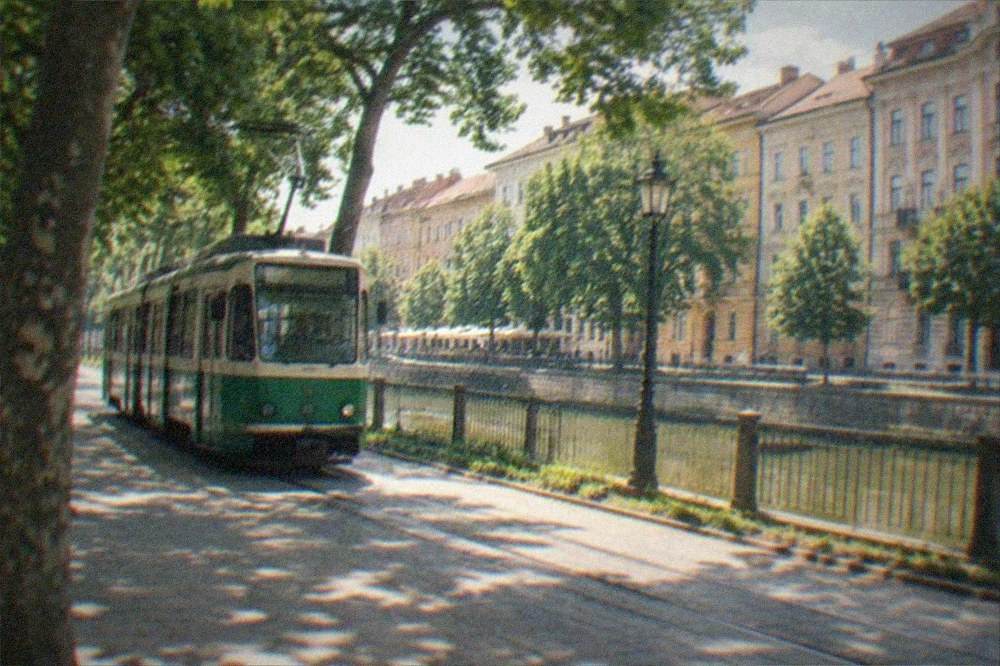
A museum is of course a rainy-day asset, and Timisoara has enough of those in June and the shoulder months to make indoor stops valuable. The city's cultural calendar also shifts the calculus: the Timisoara Jazz Festival held its 14th edition on 25 to 27 September 2026, and the SIMULTAN Festival, which has used the transport museum itself as a venue, ran from 24 to 27 September 2026, so a late-September visit can combine trams and contemporary art under one depot roof.
December brings its own reason: the Christmas Market traditionally fills Piata Victoriei, estimated in recent years from late November into early January, and the city's revolution commemorations cluster around 15 to 20 December. Winter light is low and the January mean sits at freezing, but the museum is exactly the kind of warm, enclosed stop that makes a cold-weather city break work.
How Long Should You Spend At The Timisoara Transport Museum?
Plan on one to two hours for the Timisoara Transport Museum itself, half a day if you add the tram or trolleybus ride there and back plus a walk along the Bega canal, and a full day if you pair it with the Banat Village Museum or the Cetate old town museums, since Timisoara's compact size means the city's major sights sit within a short ride of each other on the same 5 lei ticket.
The museum rewards slow looking. A restored tram car takes ten minutes to walk around and an hour to actually study, because the details, the fare boxes, the route boards, the wear on the handrails, are where the history lives. Visitors with a technical bent routinely stretch their stay, and families with children tend to move faster through the exhibits but slower around the full-size vehicles.
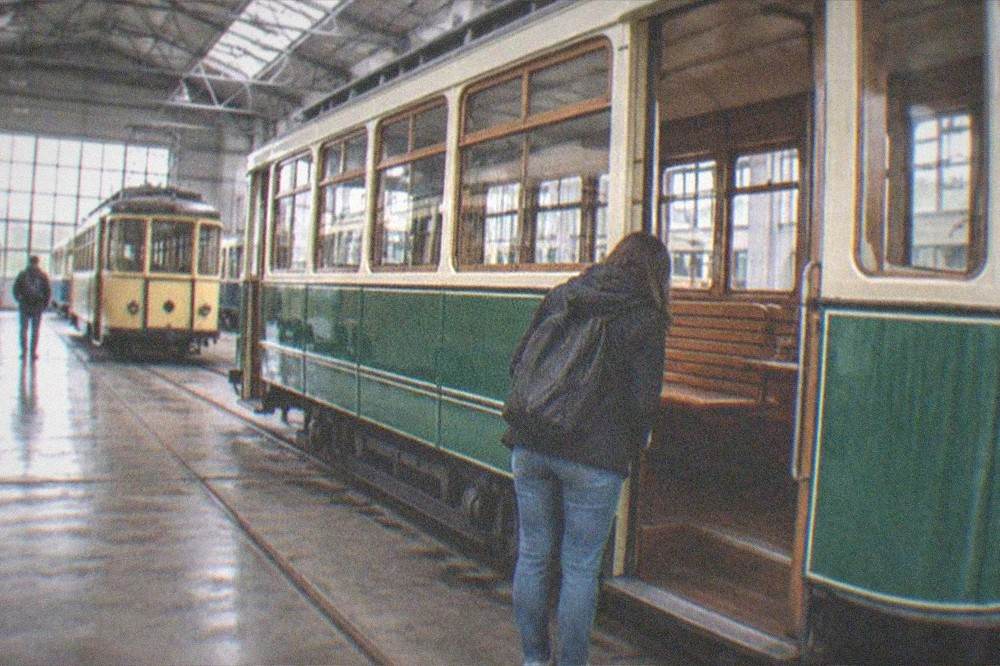
If you are short on time, a realistic half-day plan is: ride a tram into Iosefin, spend an hour at the museum, walk back along the Bega canal into the old town, and finish in Piata Unirii. That loop covers the city's transport past and its baroque present in one walkable circuit. With a full day, add the village museum or a vaporetto leg while the season allows.
Common Questions About The Timisoara Transport Museum
What is the Timisoara Transport Museum?
It is the public transport museum of Timisoara, Romania, known locally as the Corneliu Miklosi museum, holding restored trams, trolleybuses, buses and transit equipment from a network whose history includes the first horse-drawn tram in the Habsburg Empire in 1869 and the first electric tram in Romania in 1899.
Where is the Timisoara Transport Museum located?
It is housed in a historic depot in the Iosefin district, southwest of the Cetate old town, the same district the original horse-tram line reached when it was extended to the Iosefin railway station in October 1869.
How do I get to the Timisoara Transport Museum by public transport?
Take any STPT tram or trolleybus serving the Iosefin area. A single 60-minute ticket costs 5 lei and is valid on all modes, and you can pay with a contactless bank card directly on board. Real-time arrivals are available on the operator's live site.
How much does it cost to visit the Timisoara Transport Museum?
The museum's own hours and ticket prices are not published in the sources this site relies on, so check the operator's current information before visiting rather than trusting third-party figures.
When was the first tram in Timisoara?
The first horse-drawn tram in the Habsburg Empire opened in Timisoara on 8 July 1869, running from Piata Sf. Gheorghe in Cetate to Fabric, and the first electric tram in Romania followed in 1899, per the city hall's own list of the city's firsts.
Can I combine the transport museum with other sights in Timisoara?
Yes. The Iosefin water tower and the Bega canal promenade are close by, the Cetate old town and Piata Unirii are a short ride away, and the Banat Village Museum makes a natural second stop for visitors who enjoy open-air heritage sites.
A city that put the first electric tram in Romania on its streets in 1899, and the first horse-drawn tram in the Habsburg Empire a generation before that, has earned the right to keep its old vehicles indoors, and the Timisoara Transport Museum is where that right is exercised, one restored tram car at a time.