Living In Timisoara
Timisoara, in Timis County in the Banat region of western Romania, has become one of the country's most livable cities: walkable, affordable by Western standards and increasingly international.
Short answer
Living in Timisoara means a compact, walkable city of about 250,000 residents (2021 census) where a meal runs around 45-50 RON, a monthly transit pass is 160 lei and the climate is continental, with January means of 0.0 C and July means of 22.8 C.
Timisoara, in Timis County in the Banat region of western Romania, is the country's fifth-largest city and, by several recent Romanian rankings, one of its most pleasant to live in. A November 2025 quality-of-life analysis of 17 municipalities placed it first overall, weighing infrastructure, salaries, culture and cost of living together. The city that Romanians call Timișoara in their own orthography was historically known as Temesvár in Hungarian and Temeswar in German, and all three names still echo in its streets, churches and cafes. This guide, from Timisoara Travel Guide, covers the practical side of settling here: what it costs, where to live, how to move around, and what weekends look like.
What Is It Really Like Living In Timisoara, Romania?
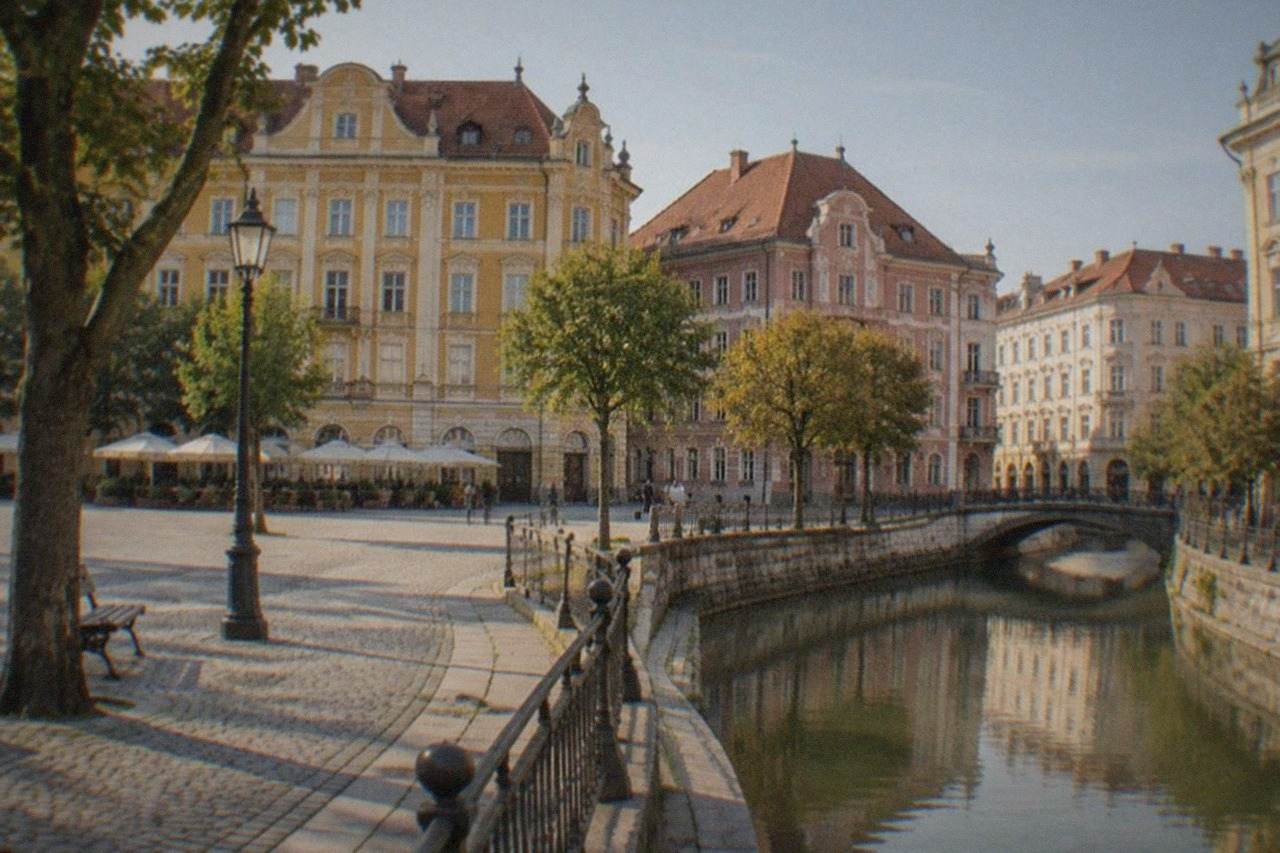
Living in Timisoara means a mid-sized, walkable city of about 250,000 residents at the 2021 census, with three historic squares at its core, a tram network dating to 1899 and a cultural calendar that grew out of its 2023 European Capital of Culture year. Daily life centers on the Cetate, Fabric, Iosefin and Elisabetin districts, all within walking or cycling distance of each other along the Bega canal. The city is famously multiethnic, with three state theatres performing in Romanian, Hungarian and German since 1953.
That last fact is not trivia. It shapes the feel of the place. Menus, signage and public life routinely mix three languages, and the city's identity is built on the mix rather than on any single tradition. The 2023 European Capital of Culture program, which Timisoara shared with Elefsina in Greece and Veszprem in Hungary, left behind venues, festivals and a habit of programming that has not stopped: the city was named Romania's Destination of the Year 2026 at a national gala in May 2026.
For residents, the practical payoff is that a city of a quarter million people behaves like a much smaller one. The historic center is compact. The Bega canal cuts a green corridor through the middle, with the seasonal vaporetto water bus running nine stops in each direction from April to the end of October. And the tourist numbers that fill Piata Unirii on weekends, 296,199 arrivals in 2025 according to city data citing the national statistics institute, spill over into a restaurant and cafe scene that locals enjoy year-round.
If you are new in town and want the layout explained properly rather than pieced together from maps, a private guide is a sound first-week investment.
You can also read our overview of the best things to do across the city for the full sightseeing picture.
How Much Does It Cost To Live In Timisoara?
A resident's core monthly costs in Timisoara run roughly as follows, in the local currency, the Romanian leu (RON): a cheap restaurant meal around 45-50 lei, a cappuccino 13-15 lei, a domestic draft beer 11-12 lei, a single public transport ticket 5 lei and a 30-day all-network pass 160 lei. Mid-range hotel nights average around 176-227 lei, and a 2% tourist tax on accommodation, reported under local council decision HCL 719/2025, applies to visitors rather than residents.
Those figures come from cost-of-living aggregators updated in September 2026, so treat them as planning ranges rather than fixed prices, and check any individual venue or contract before committing. The euro is not adopted in Romania; the leu is the till currency, and the National Bank of Romania's reference rate stood at 5.2788 lei per euro on 23 September 2026.
| Everyday item | Typical price (RON) | Notes |
|---|---|---|
| Domestic draft beer, 0.5 L | 11-12 | Neighborhood pub pricing |
| Cappuccino | 13-15 | Regular coffee shop |
| Inexpensive restaurant meal | 45-50 | Cheap restaurant or lunch menu |
| Fast-food combo | ~32 | Aggregator estimate |
| Single transit ticket, 60 min | 5 | All modes, including the vaporetto |
| 1-day transit pass | 18 | All modes |
| 30-day general transit pass | 160 | Trams, trolleybuses, buses, express lines |
Two structural points matter more than any single line item. First, salaries in Timisoara are lower than in Western Europe, so the city is affordable on a local wage but genuinely cheap on a remote or Western income. Second, the tourist tax is collected by lodging providers from guests, not from residents, so it affects your first weeks in short-term accommodation and then stops mattering. For a deeper breakdown of the visitor side of these numbers, see our companion piece on the cost of living question and the everyday prices guide.
Rent is the biggest variable and the least standardized, since this site's verified facts do not include a sourced rental price series. Work from listings directly, and expect the historic districts to command a premium over the outer neighborhoods.
Whether you are furnishing an apartment or just settling in, weekend exploration helps you learn the region fast.
Which Neighborhood Should You Live In In Timisoara?
Cetate, the baroque old town around Piata Unirii, suits residents who want walkable charm, cafe life and the highest rents; Fabric and Iosefin offer grand historic architecture at lower prices on either side of the Bega; Elisabetin is the quiet, student-flavored district south of the center; and the newer districts around Iulius Town trade historic fabric for modern apartments, malls and offices. Each has a distinct character, and all connect to the center by tram.
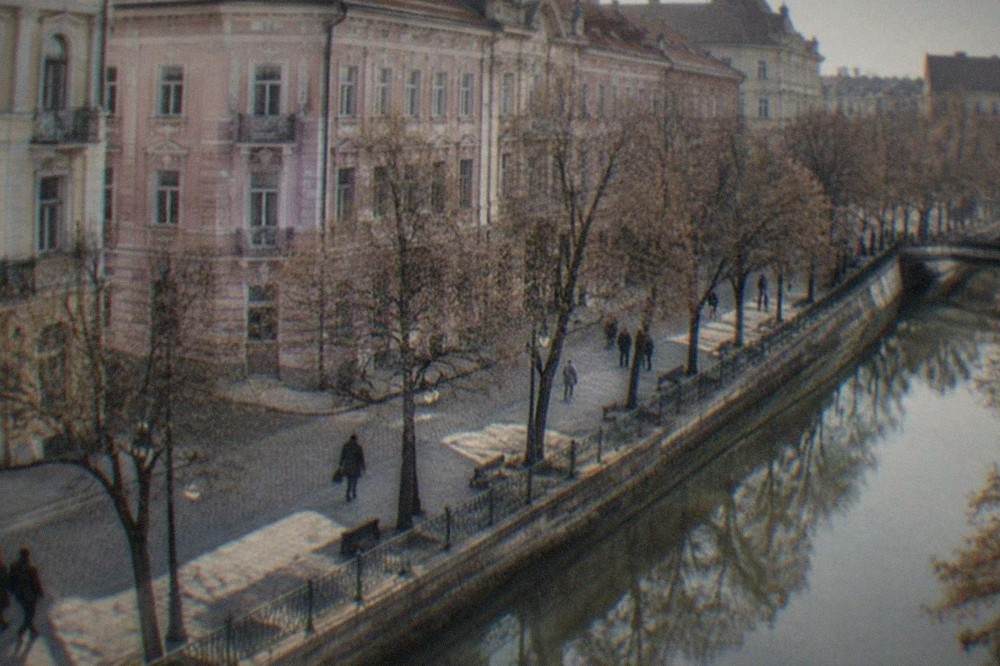
The choice usually comes down to noise versus convenience. Cetate puts you inside the postcard, which means terraces, festivals and tourists in summer, and delivery and parking realities that come with a protected historic core. Fabric, east across the Bega, has some of the city's most spectacular Secession architecture and is the focus of a major regeneration plan: a zoning plan approved in October 2025 includes completing the Bega promenade between two bridges and new green corridors on former riverbeds.
Iosefin, southwest of the center, is calmer and slightly cheaper, with its own landmark water tower and a public-space regeneration contract of roughly 14.5 million euros signed in December 2025 for its historic squares. Elisabetin, south of Cetate, mixes villas, student housing and some of the city's best small bars. For visitors comparing areas before a longer stay, our where to stay in Timisoara guide covers the same districts from a hotel perspective.
| District | Character | Best for | Trade-offs |
|---|---|---|---|
| Cetate | Baroque old town, main squares | Car-free living, cafe life | Tourist crowds, higher rents |
| Fabric | Secession architecture, regeneration | Space and character | Still gentrifying, patchy streets |
| Iosefin | Quiet, historic, waterside | Families, value | Longer walk to center |
| Elisabetin | Villas, students, small bars | Nightlife on a budget | Mixed housing stock |
| Iulius Town area | New build, mall, offices | Modern apartments, jobs | No historic fabric |
Before signing anything, walk your shortlisted district at night and on a Saturday. A guided walk with a local is the most efficient way to get an honest read on several of them at once, and the operator's live listing shows current availability.
How Do You Get Around Timisoara Without A Car?
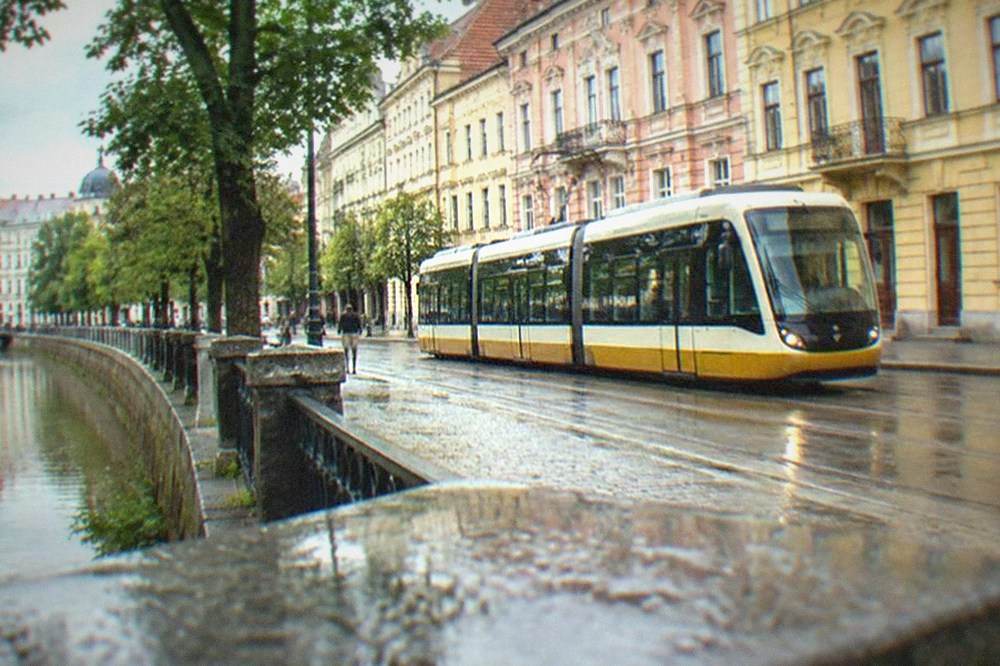
Timisoara runs an integrated public network of nine tram lines, six trolleybus lines, express buses and a seasonal Bega water bus, all on one 5 lei ticket valid for 60 minutes, with an 18 lei day pass and a 160 lei 30-day pass. Payment works by contactless bank card on board, e-wallet card, SMS, mobilPay, eTicket online or STPT kiosks, and live arrivals are published at live.stpt.ro. The network is dense enough that many residents never own a car.
The fare system was reformed in 2025: integrated ticketing arrived in April that year at 4 lei, then prices rose in August 2025 to the current 5 lei single, 18 lei day pass and 160 lei monthly. The same ticket covers the vaporetto water bus during its April-to-late-October season, which turns a commute along the Bega into something residents of few other Romanian cities can do.
| STPT ticket type | Price (lei) | Validity |
|---|---|---|
| Single ticket | 5 | 60 minutes, all modes |
| Day pass | 18 | One day, all modes |
| 30-day, one line | 120 | One tram or trolleybus line |
| 30-day general | 160 | Entire network |
| Annual general | 1,320 | Entire network |
Cycling is the second car-free option. The city's bike share system, VeloTm, is run by the transit operator, though this site's verified facts do not include its fleet size or tariff, so check the operator directly. Note also that tram works can disrupt lines temporarily: Piata Traian has been closed to trams since 3 August 2026 with lines diverted, a reminder that a tram-dependent address occasionally needs a plan B. Our full getting around Timisoara guide covers tickets, apps and the water bus in detail.
For trips beyond the city, the A1 motorway connects Timisoara to Arad and the Hungarian border at Nadlac, and a new four-lane link road between the city and the A1 opened to traffic on 22 September 2026, giving a third access point after Giarmata and Remetea. Direct trains reach Budapest in about five and a half hours twice daily; Bucharest is roughly 11 to 12 hours by direct train. There is no direct train to Belgrade currently, though talks on restoring the Stamora Moravita to Vrsac section were reported in August 2026.
What Is The Weather Like In Timisoara Year-Round?
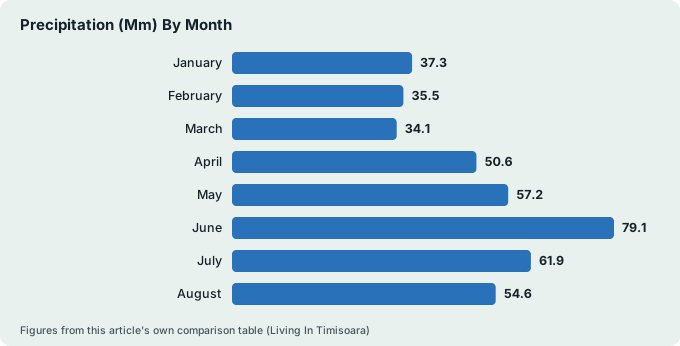
Timisoara has a continental climate: the JMA/WMO normals for station Timisoara 15247 give a January mean of 0.0 C and a July mean of 22.8 C, with annual precipitation of 600.7 mm spread from a driest March at 34.1 mm to a wettest June at 79.1 mm. Summers are warm, winters are cold but rarely extreme, and spring and autumn are the most comfortable seasons.
The monthly detail matters for daily life more than the averages suggest. June's 79.1 mm is the peak of the year, so summer storms are a real thing, while March, at 34.1 mm, is the driest month on record for the station. The transition months, April through May and September through October, combine mild means, 12.3 to 17.3 C, with the least clothing drama.
| Month | Mean temp (C) | Precipitation (mm) |
|---|---|---|
| January | 0.0 | 37.3 |
| February | 2.1 | 35.5 |
| March | 6.5 | 34.1 |
| April | 12.3 | 50.6 |
| May | 17.3 | 57.2 |
| June | 20.9 | 79.1 |
| July | 22.8 | 61.9 |
| August | 22.5 | 54.6 |
| September | 17.2 | 50.4 |
| October | 11.5 | 50.0 |
| November | 6.4 | 45.3 |
| December | 1.5 | 44.7 |
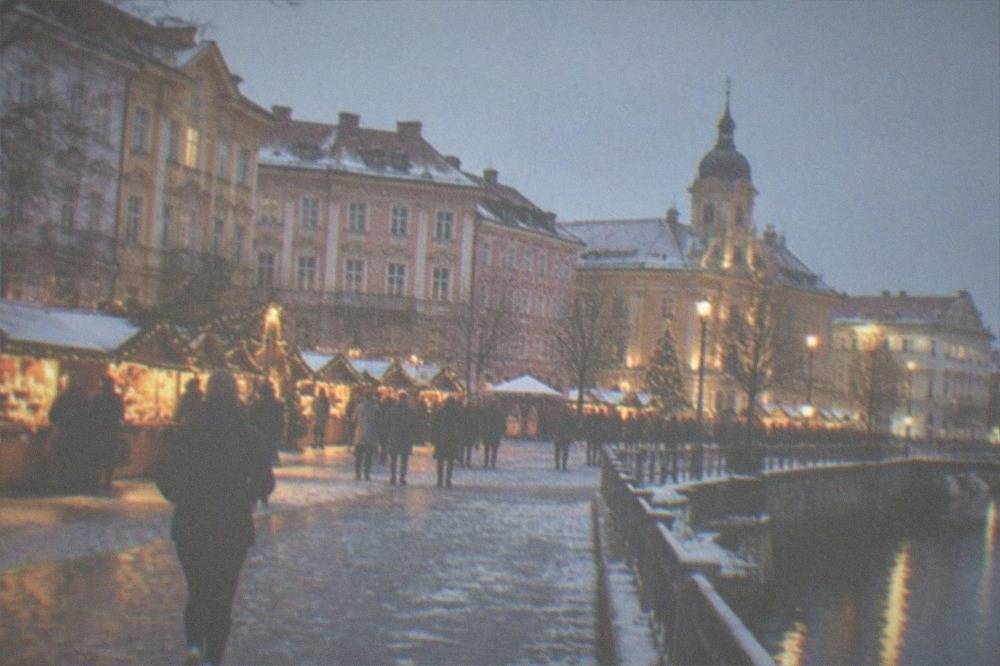
Heating is a fact of winter life, and it is usually central and building-wide, which affects when you can control your own radiators. The Christmas Market, estimated in past years from late November into early January in Piata Victoriei, makes the cold months social rather than dormant, though 2026 dates had not been officially announced when this guide was written. Our month-by-month weather guide and best time to visit page carry the seasonal planning detail.
Is Timisoara Safe To Live In?
Timisoara is widely regarded as one of Romania's safer and more livable cities, and it placed first among 17 Romanian municipalities in a November 2025 quality-of-life ranking that weighed infrastructure, culture and cost of living. Romania's emergency number is 112. This site's verified facts include no official safety index or crime statistics for the city, so treat general safety advice here as orientation rather than a sourced statistic.
In practice, residents describe the usual central-European city precautions: mind pickpocketing in crowds at festivals and markets, avoid leaving bikes poorly locked, and treat the area around the train station at night with normal urban caution. The city's tourist information center recorded 4,928 visitors in 2025, about 70 percent of them international, and the city hosts large events such as Timisoara Days, which drew over 100,000 attendees across 31 July to 3 August 2026, without recurring incident patterns in the sources this site verified.
One legal point worth knowing: Romania is a full Schengen member, with air and sea borders included since 31 March 2024 and land borders since 1 January 2025. The EU's Entry/Exit System became fully operational at all Schengen external borders on 10 April 2026, recording biometric entry and exit for non-EU short-stay travelers. If you are moving from outside the EU, your residency questions are separate from tourism rules, and our Romania travel essentials and is Timisoara safe pages cover both angles.
What Jobs, Universities And Expat Life Does Timisoara Offer?
Timisoara's economy rests on IT and engineering, manufacturing and automotive, a large university sector and a growing service industry, and the city ranked fourth in Romania's Urban Attractiveness Index in June 2026, ahead of the previous year's position. Its flagship institutions include the Politehnica University and the West University, and the city's Iulius Town mixed-use district concentrates offices, retail and a 55,000 sqm park in one place. Foreign residents come above all from Serbia, Germany, Italy and Spain.
That visitor-origin list comes from city tourism data, but it tracks the expat community too: Timisoara's proximity to the Serbian border, about 30 minutes of typical border wait at crossings like Jimbolia and Moravita in late September 2026 monitoring, makes weekend cross-border life normal here. The city's German and Hungarian heritage means Western arrivals often find institutional echoes, from German-language schools historically to the three state theatres performing in Romanian, Hungarian and German since 1953.
The office market has kept pace. The Iulius Town district alone reports more than 15 million annual visitors across its retail and leisure spaces, and a coworking space opened there in May 2026. Hotel investment is another signal of confidence: a Radisson Individuals property opened in the baroque old town in June 2026, and a Courtyard by Marriott began construction in March 2026 with a planned 2029 opening. New cultural infrastructure includes the MINA immersive art museum, opened 3 April 2026 in Iulius Town, and the MIC children's interactive museum, opened 16 May 2026 in the Maria Theresia Bastion.
For social life, the food and drink scene is the connective tissue. Our restaurants, food and nightlife guides map it out, and a street food tour is a fast way to learn the local table.
What Is There To Do On Weekends Around Timisoara?
Weekend life from Timisoara splits three ways: in the city, squares, museums, the Bega banks and a dense festival calendar; in the Banat countryside, wineries at Recas, the Nera Gorge and the Danube Gorge within day-trip range; and farther afield, Transylvania's castles and Sibiu on long day trips. The city's own calendar in 2026 included the Jazz Festival on 25-27 September, Flight Festival on 19-21 June and Timisoara Days on 31 July to 3 August.
The in-city baseline is strong. The Bega canal's banks gained over 2,000 sqm of cleared parkland starting in May 2026, and two mini urban forests were planted along the water in April 2026 under the Miyawaki method. Museums range from the Memorial of the 1989 Revolution, where the permanent and temporary exhibitions plus a documentary cost 20 lei for adults, to the Art Museum in the Baroque Palace on Piata Unirii, open Wednesday to Sunday with summer hours 13:00 to 21:00.
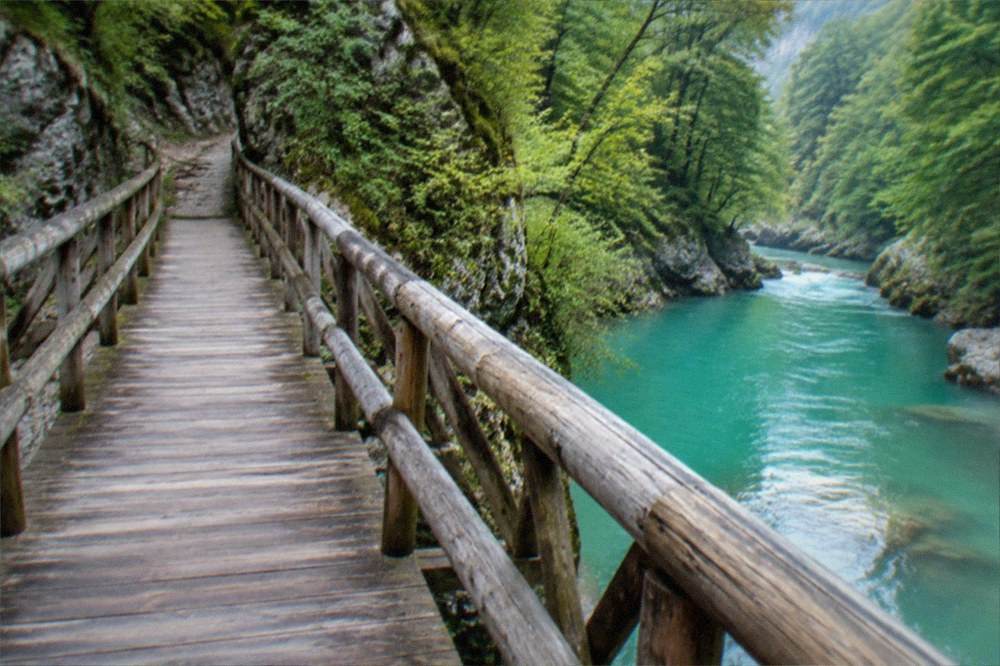
Beyond the city, the Banat region is the weekend playground. The Danube Gorge and the Banat waterfalls make a full but rewarding day, and the Nera Gorge National Park is another forested favorite. Our day trips from the city overview collects them.
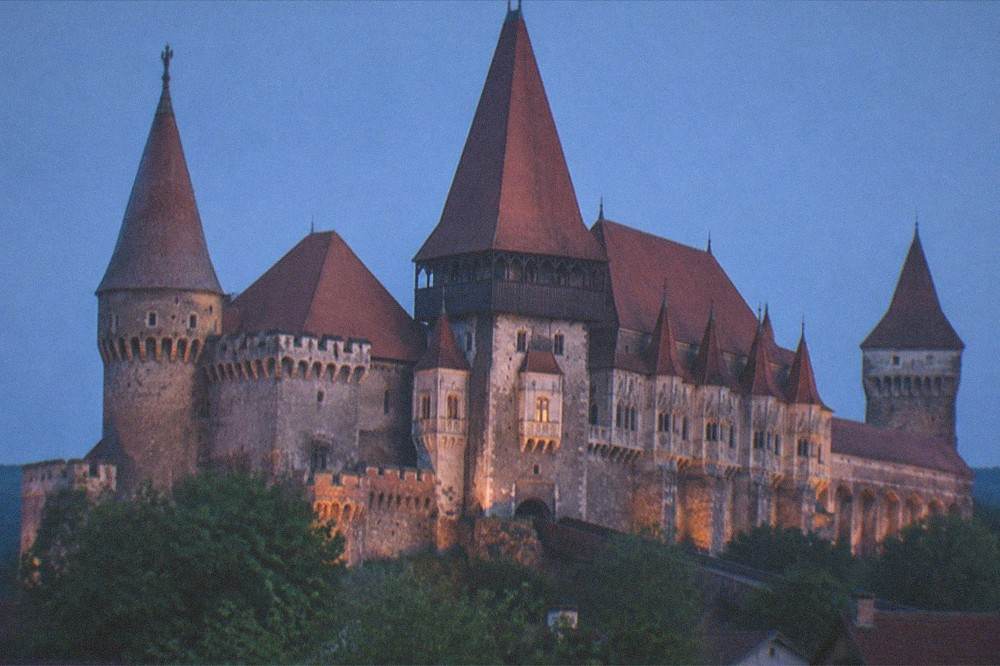
For hosting visiting friends and family, the same trips work in reverse: pick a two-day Banat itinerary or a Corvin Castle and Sibiu run, and hand the logistics to an operator.
Common Questions About Living In Timisoara
Is Timisoara a good place to live?
By Romanian measures, yes. It placed first among 17 municipalities in a November 2025 quality-of-life ranking and fourth in the June 2026 Urban Attractiveness Index, and it was named Romania's Destination of the Year 2026. It is walkable, culturally active and cheaper than Western European cities.
How much money do you need to live comfortably in Timisoara?
Core costs are low by Western standards: a cheap restaurant meal runs 45-50 lei, a cappuccino 13-15 lei and a monthly transit pass 160 lei. Rent is the biggest variable and is not covered by a verified price series on this site, so budget from live listings in your chosen district.
Do you need a car in Timisoara?
No. Nine tram lines, six trolleybus lines, express buses and a seasonal water bus share one 5 lei integrated ticket, and the historic core is compact. A car helps for Banat weekend trips, and the A1 motorway plus a new link road opened 22 September 2026 make leaving the city easy.
Is Timisoara expensive for expats?
Compared with Western Europe, no. Everyday prices such as an 11-12 lei draft beer and a 45-50 lei inexpensive meal are a fraction of Western city costs. Local salaries are correspondingly lower, so the equation depends on where your income comes from.
What is the best neighborhood in Timisoara to live in?
It depends on priorities. Cetate offers car-free old-town charm at the highest rents, Fabric and Iosefin deliver historic architecture for less, Elisabetin is quiet and student-flavored, and the Iulius Town area has modern apartments next to offices and a large park.
How cold does Timisoara get in winter?
The January mean is 0.0 C and the December mean 1.5 C, per the JMA normals for station Timisoara 15247. Winters are cold rather than brutal, and the city's estimated late-November-to-early-January Christmas Market keeps the center busy through the darkest months.
Living in Timisoara trades big-city scale for a rare combination: continental seasons, a genuinely multiethnic culture, a tram-and-waterbus commute and the Banat mountains and Danube Gorge within a Saturday's reach. Come for a week, walk the four historic districts, ride the vaporetto once, and you will know whether the city fits.