Timisoara To Budapest
The Timisoara to Budapest route links western Romania's largest city with Hungary's capital, and since Romania joined the Schengen area fully in January 2025 the crossing is easier than it has ever been.
Short answer
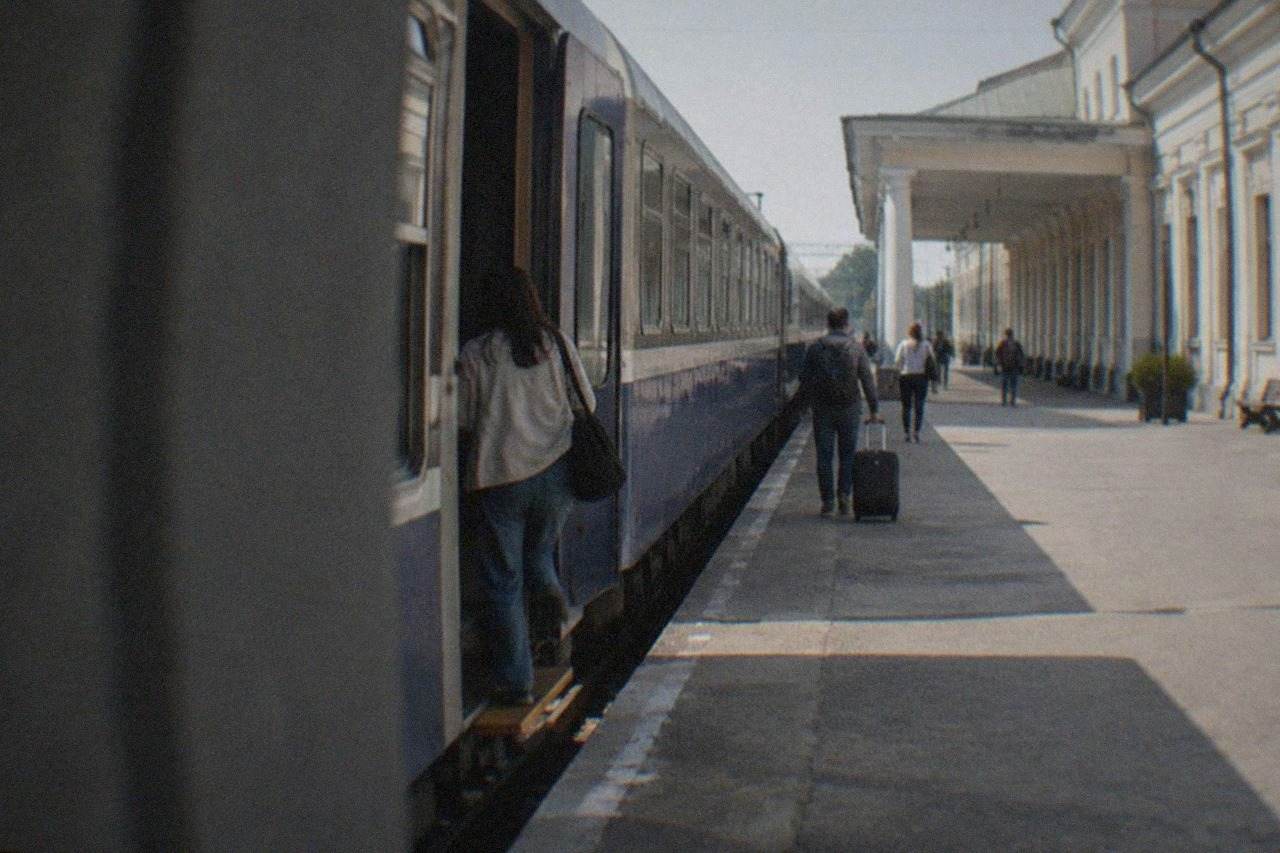
Yes, you can travel from Timisoara, Romania to Budapest, Hungary by direct train, car or bus. Aggregator data suggests a direct rail service of roughly 5.5 hours running twice daily, and the Hungary-Romania border is now an internal Schengen border with no routine checks.
The route from Timisoara to Budapest runs roughly north through the Banat plain of western Romania, crosses the Mures river country near the Hungarian border, and ends in a capital city larger than Timisoara. Timisoara, in Timis County in the Banat region of Romania, was itself a Habsburg city, known historically as Temesvár in Hungarian and Temeswar in German, and the two cities share centuries of the same imperial past. That shared history is part of why the corridor between them is so well used: Hungary is one of the largest sources of foreign visitors to Timisoara, behind only Serbia among international origins according to city tourism data. Since 1 January 2025, when Romania's land borders joined the Schengen area, the crossing between the two countries has stopped being a checkpoint and become a line on a map.
This guide, from Timisoara Travel Guide, covers every practical way of making the trip: the reported direct trains, the motorway route by car, what the Schengen rules mean for your passport, and what is worth seeing in Timisoara in the hours before you leave. It also flags which figures are firmly sourced and which are reported rather than officially published, because on a route like this the difference matters.
How Do You Get From Timisoara To Budapest?
You have three realistic options for traveling from Timisoara, Romania to Budapest, Hungary: a direct international train from Timisoara Nord station, driving your own car or a rental over the A1 and Hungarian M5 motorways, or a long-distance bus. Rail aggregator data suggests a direct service of roughly five and a half hours running twice daily, while the road route uses fully open motorway on both sides of the border. There is no flight on the corridor.
The train is the option many travelers compare first. Aggregator sites checked in September 2026, including Rome2Rio and rail timetable services, show a direct connection between Timisoara Nord and Budapest-Keleti taking around five hours and thirty minutes, twice a day, operated through cooperation between the Romanian and Hungarian state railways. Treat this as reported timetable data rather than a confirmed published schedule: the site facts for this destination flag the Budapest duration as aggregator-sourced, not verified against an official operator page. Before committing to a specific departure, check the current timetable at the station or through the operators' own booking channels, and buy your ticket in advance for an international journey like this one.
Driving is the flexible alternative. Romania's A1 motorway runs continuously from Timisoara toward Arad and on to the Nadlac border crossing with Hungary, and it has been fully open on those sections currently. A new four-lane link road between Timisoara and the A1 opened to traffic on 22 September 2026, giving the city a third direct motorway access point. On the Hungarian side the M5 carries traffic from the border toward Budapest. Because both countries are in the Schengen area, the border itself is now an internal one, with no routine identity or vehicle checks, only occasional spot controls. The pack for this page gives no sourced door-to-door driving time, so plan from the motorway distances and current traffic rather than from a figure quoted here.
Buses run the corridor as well, with private coach operators connecting Romanian cities to Budapest. The site facts do not carry a sourced bus duration for this exact route, so check the operator listings directly. What the facts do confirm is the pattern on the parallel Serbia corridor, where buses are the standard choice precisely because no direct train runs there, a contrast worth knowing when you plan the Hungarian direction instead.
For orientation once you are moving around the city before departure, the practical pages on getting around Timisoara and Timisoara's train station cover tickets, trams and the station district in detail.
Is There A Direct Train From Timisoara To Budapest?
Yes, a direct train from Timisoara Nord to Budapest-Keleti is reported to run twice daily with a journey of about five and a half hours, according to rail aggregator data checked in September 2026. The service is described as a direct intercity connection requiring no change at the border. This figure is aggregator-sourced, not confirmed against an official published timetable, so verify your specific date before booking.
The contrast with the southern neighbor is stark and worth understanding. Currently there is no direct train from Timisoara to Belgrade at all: passenger service on the Stamora Moravita to Vrsac corridor was suspended years ago, and although Romanian and Serbian transport officials discussed restoring it in August 2026, nothing runs yet. Travelers heading to Serbia go by bus, with a change of mode at the border. The Hungarian corridor is the one international rail link from Timisoara that works, and it works because both ends are in the European Union and now both are in Schengen.
A second long-distance rail option from Timisoara runs east rather than north: the direct CFR service from Timisoara Nord to Bucuresti Nord on the operator's own interregional trains. If Budapest is your hub for reaching Timisoara in the first place, the Bucharest to Timisoara route is covered in its own guide, and the rail option there is the slow one, an overnight-length journey across the whole of Romania.
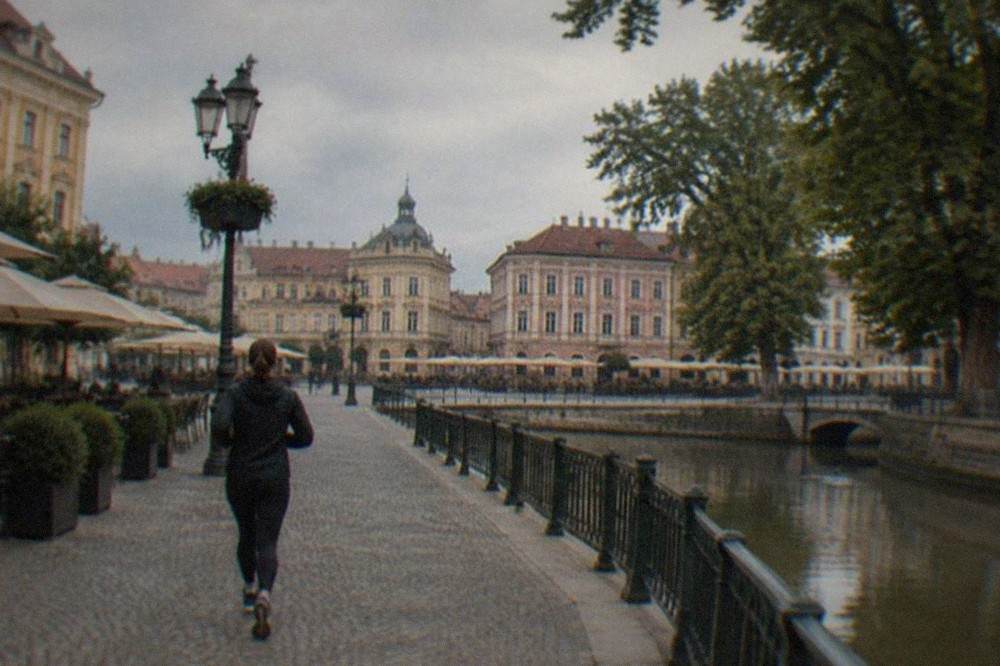
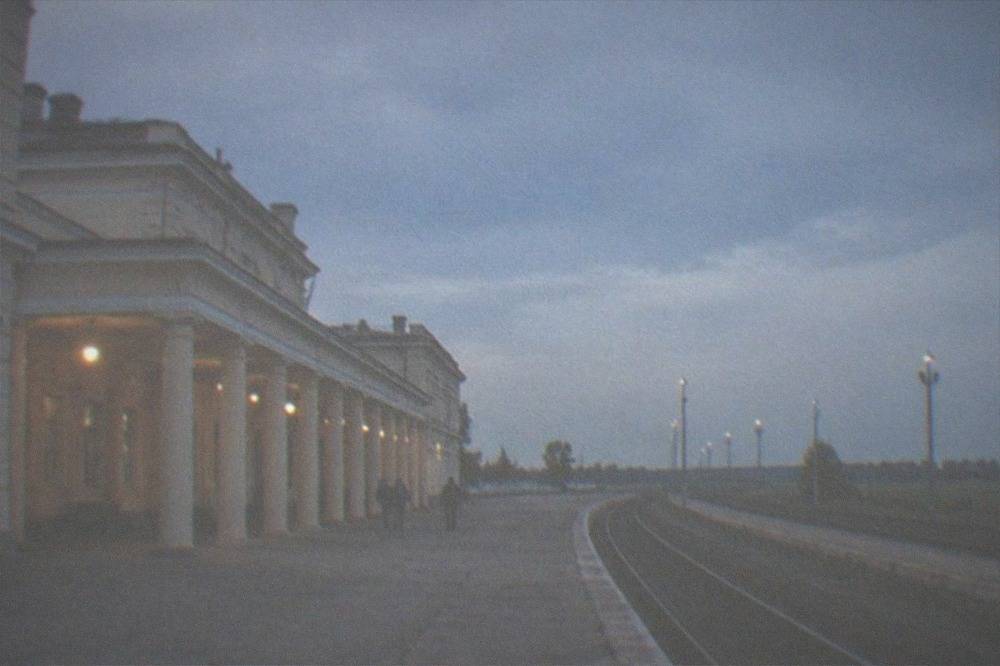
Before you board a northbound train, give yourself a morning in the city itself. Timisoara's old town of Cetate, around Piata Unirii, is a compact district of baroque and Art Nouveau buildings you can walk end to end in under an hour, and the squares carry more history per square meter than almost anywhere in Romania. The city was the first in mainland Europe with electric street lighting, on 12 November 1884, when 731 incandescent lamps lit 59 km of streets, a fact confirmed in the city hall's own economic report. The first horse-drawn tram in the Habsburg Empire ran here from 8 July 1869, between Cetate and Fabric. A walking tour is the efficient way to absorb this, and the things to do in Timisoara page maps the full range.
Should You Drive From Timisoara To Budapest?
Driving from Timisoara to Budapest is straightforward in 2026, because the A1 motorway is fully open from Timisoara through Arad to the Nadlac border with Hungary, and a new four-lane link road connecting Timisoara directly to the A1 opened on 22 September 2026. On the Hungarian side the M5 continues toward Budapest. The Romania-Hungary border is an internal Schengen border with no routine checks, so the crossing is now traffic-related only.
The road network around Timisoara has improved faster in the last two years than in the previous two decades. The sections that matter for a Budapest trip are these:
| Road section | Current status | What it means for a Budapest trip |
|---|---|---|
| Timisoara to A1 link road (via Sanandrei) | Opened 22 September 2026, about 10 km, four lanes, 100 km/h limit | Third direct city access to the motorway, reduces urban congestion |
| A1 Timisoara to Arad | Fully open | Continuous motorway toward the border |
| A1 Arad to Nadlac (Hungarian border) | Fully open | Direct motorway crossing into Hungary |
| Hungarian M5 from the border toward Budapest | Open, standard Hungarian motorway | Main northbound carriageway to the capital |
| A1 Lugoj to Deva section (Margina-Holdea) | Tunnels fully broken through 18 September 2026, opening expected first half of 2027 | Not on the Budapest route, relevant only for continuing south and east |
One planning note if your trip is in November 2026: Timisoara Traian Vuia Airport has announced a full runway closure for repairs from 2 to 22 November 2026, reported on the airport's own site in July 2026. That does not affect the land border at all, but if your itinerary mixes flying and driving, that three-week window is one to plan around, and the Timisoara airport page covers the details.
If you are renting rather than driving your own car, check the cross-border policy before you commit: not every rental agreement permits taking a Romanian-registered vehicle into Hungary, and those that do usually require notifying the operator in advance. The Timisoara car rental guide covers what to ask for.
Do You Need A Passport To Cross From Romania To Hungary?
No, you do not face a routine passport check crossing from Romania to Hungary by land, because since 1 January 2025 the border has been an internal Schengen border with no systematic identity or vehicle controls. Romania joined Schengen for air and sea travel on 31 March 2024 and for land borders on 1 January 2025. You must still carry a valid identity document, because occasional spot checks can occur anywhere in the Schengen area.
This is the single biggest change on the route in a generation, and it applies to the whole Hungarian frontier, whether you cross at Nadlac, Bors or Petea. Travelers on the corridor in September 2026 report waits that are traffic-related rather than control-related, generally short at most crossings. The situation on the Serbian side is entirely different: Serbia is outside the Schengen area, so its border with Romania is an external one, with passport checks at crossings such as Jimbolia, Moravita-Vatin and Stamora Moravita, and typical reported waits of 20 to 30 minutes in each direction.
Non-EU visitors should also know about the EU's Entry/Exit System, or EES, which records fingerprints and a facial image for short-stay travelers at external Schengen borders. The system became fully operational across all external borders, including Romania's, on 10 April 2026, confirmed by eu-LISA and the Romanian border police. It replaces routine passport stamping. This does not apply at the Hungary crossing, which is internal, but it does apply if your trip continues into or arrives from Serbia.
| Border | Type | What happens at the crossing |
|---|---|---|
| Romania to Hungary (Nadlac, Bors, Petea) | Internal Schengen since 1 January 2025 | No routine checks, occasional spot controls only |
| Romania to Serbia (Jimbolia, Moravita-Vatin, Stamora Moravita) | External Schengen border | Passport checks, reported waits typically 20 to 30 minutes |
| EES at external borders | Fully operational since 10 April 2026 | Biometric entry/exit recording for non-EU short-stay travelers |
Currency is the other border practicality. Romania uses the Romanian leu (RON), not the euro, and Hungary uses the forint, so you change money twice on this route unless you pay by card throughout. The Romanian currency guide covers the leu, exchange and card use in detail.
How Long Does The Timisoara To Budapest Journey Take?
The direct train from Timisoara to Budapest is reported at about five and a half hours, twice daily, based on September 2026 aggregator data rather than an official published timetable. No sourced door-to-door driving time exists for this exact route in the verified facts for this site, so drive-time estimates should be built from the open motorway sections and live traffic. There is no flight between the two cities, and no sourced bus duration for the corridor is carried in the site facts.
The honest framing matters here. Plenty of pages will quote you a driving time to the minute; this site only prints figures attached to a source, and the pack attaches none for this drive. What the pack does carry, firmly, is the state of the road: continuous motorway from the city to the border, and a new link road opened 22 September 2026 that cuts the awkward urban approach. Build your own estimate from that.
For comparison, here is how the corridors from Timisoara stand currently, with only sourced figures included:
| Route | Mode | Sourced status |
|---|---|---|
| Timisoara to Budapest | Direct train | Reported about 5.5 hours, twice daily, aggregator-sourced |
| Timisoara to Budapest | Car | A1 fully open to Nadlac, new city link road opened 22 September 2026, no sourced drive time |
| Timisoara to Bucharest | Direct train | About 11 to 12 hours, CFR interregional service |
| Timisoara to Belgrade | Train | No direct service currently, resumption talks reported August 2026 |
| Timisoara to Belgrade | Bus | The standard option on that corridor, no sourced duration carried |
Timing your departure around Timisoara itself is worth a thought. The city's tourist arrivals have climbed steadily: 153,794 in 2021, then 212,785 in 2022, 283,256 in the 2023 European Capital of Culture year, 285,190 in 2024, and 268,699 in the first eleven months of 2025, all from city hall data citing the national statistics office. May 2025 was the peak month on record at 30,664 arrivals. The city is busier than it was, and the best hotel rates go earliest.
| Year | Tourist arrivals in Timisoara |
|---|---|
| 2021 | 153,794 |
| 2022 | 212,785 |
| 2023 | 283,256 |
| 2024 | 285,190 |
| 2025 (January to November) | 268,699 |
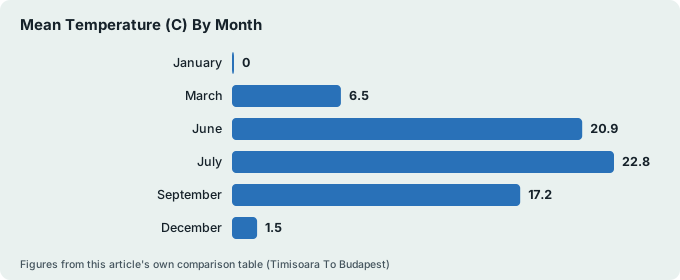
The seasonal shape of the city also affects when you travel. Timisoara has a continental climate: JMA climate normals for station TIMISOARA 15247 give a January mean of 0.0 C and a July mean of 22.8 C, with precipitation running from 34.1 mm in March, the driest month, to 79.1 mm in June, the wettest, and 600.7 mm across the year. If you are leaving on a winter morning for Budapest, expect frost; in June, expect the possibility of a downpour. The best time to visit Timisoara page unpacks the seasons month by month.
| Month | Mean temperature (C) | Precipitation (mm) |
|---|---|---|
| January | 0.0 | 37.3 |
| March | 6.5 | 34.1 |
| June | 20.9 | 79.1 |
| July | 22.8 | 61.9 |
| September | 17.2 | 50.4 |
| December | 1.5 | 44.7 |
What Should You See In Timisoara Before You Leave For Budapest?
Before leaving Timisoara for Budapest, prioritize the Cetate old town around Piata Unirii, the 1989 Revolution Memorial, and the city's synagogue heritage, because these three carry what makes Timisoara different from every other stop on your route. The Memorial charges 20 lei for adults and covers eight permanent and three temporary exhibitions plus a documentary. The old town squares are free to wander. A guided walking tour compresses the city's history into a single manageable visit.
The Revolution story is the one that gives the city its global significance. The Romanian Revolution of December 1989 began in Timisoara, and the Memorial of the 1989 Revolution documents it with verified hours and fees: adults pay 20 lei, the photo permit is 20 lei, and it opens Monday to Friday from 08:00 to 17:00 and Saturday to Sunday from 10:00 to 18:00. The Timisoara 1989 Revolution guide covers the sites and the timeline in depth.
The Jewish heritage angle connects directly to Budapest, which has one of the great Jewish quarters of Central Europe. Timisoara's own story is smaller but remarkable: the city has two historic synagogues, the Cetate Synagogue, whose restoration was described as nearly complete in December 2025, and the Fabric Synagogue, one of the most beautiful Moorish-revival buildings in Romania. The Jewish Heritage Tour of Timisoara walks the community's sites and stories, and its operator's live listing carries the current duration, price and availability: Check availability. The Fabric Synagogue and Cetate Synagogue pages cover both buildings.
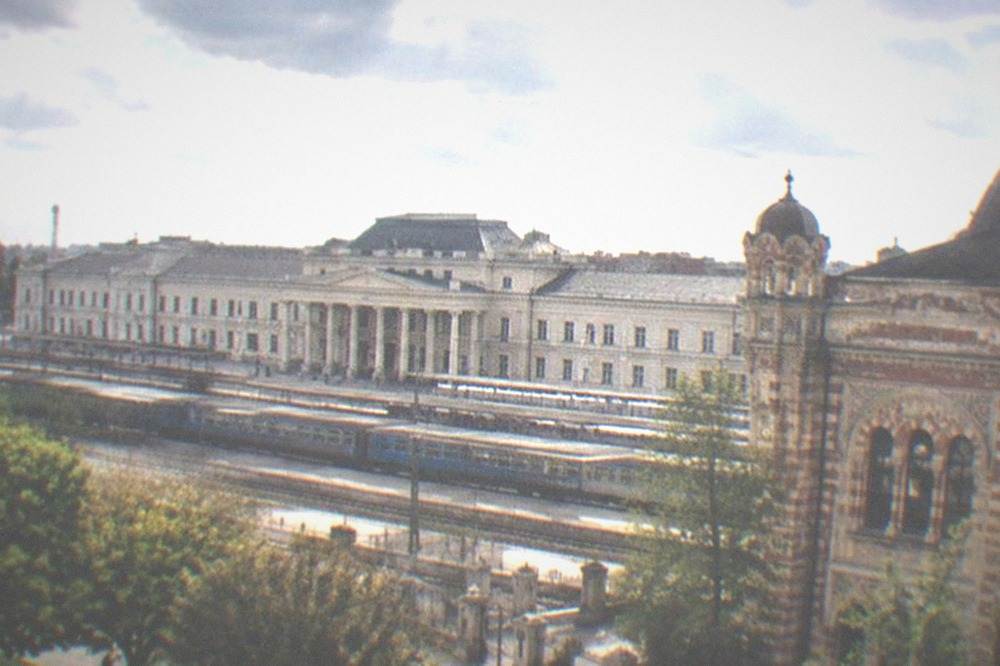
If you have a full day rather than a morning, the Banat countryside around the city is the other thing worth your time before you cross the border, because once you are in Hungary it is gone. The region's villages, gorges and wineries are covered in the Banat region guide, and two of the strongest options are below.
For travelers with a full day and hiking legs, the remote villages of the Banat mountains are a different world from both Timisoara and Budapest, and the tour below reaches them from the city.
Where Should You Stay In Timisoara The Night Before An Early Departure?
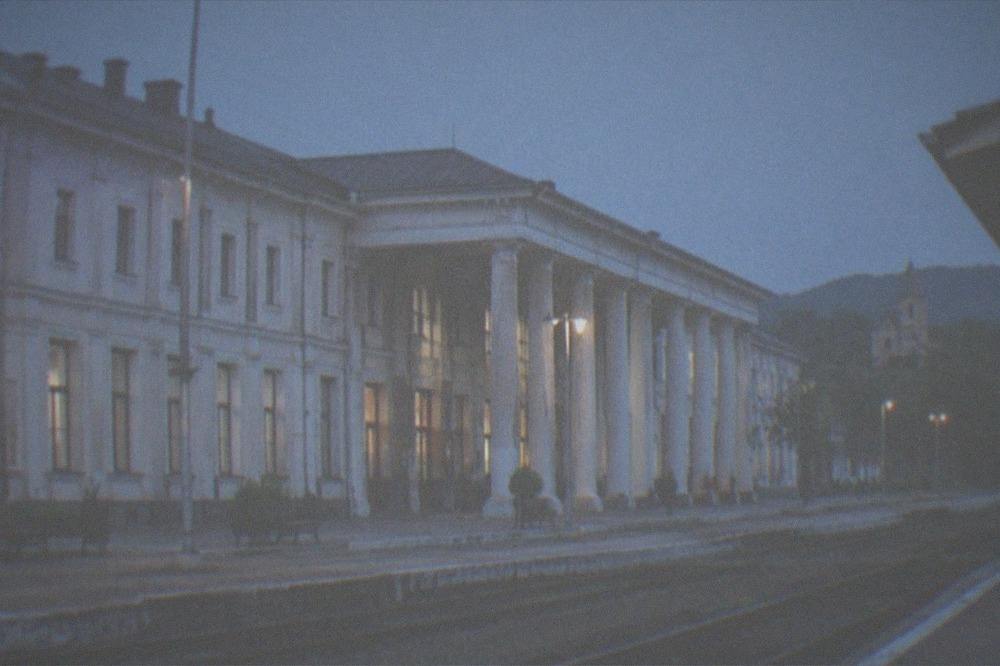
Stay in or beside the Cetate district, Timisoara's old town, the night before an early Budapest departure, because Timisoara Nord station is a short tram or taxi ride from there and the district itself holds the city's best evening options. Hotel capacity in the city has grown through 2025 and 2026, including a Radisson Individuals property that opened in the Baroque old town in early June 2026. Book early for May and September, the busiest months on record.
The practical logic is simple: the old town puts you within walking distance of dinner and a short ride from the station. The where to stay in Timisoara and best hotels in Timisoara pages break the districts and properties down. For the evening itself, Timisoara's restaurants and Timisoara's food guides cover what to eat, from Banat pork dishes to the city's Austro-Hungarian pastry tradition, and Timisoara's nightlife covers the after-dinner hours.
One cost worth knowing about: Timisoara levies a tourist promotion tax on accommodation, set by local council decision HCL 719/2025, and reported at 2% of the accommodation tariff excluding VAT, collected by the lodging. The rate figure is reported rather than primary-sourced, and your hotel adds it to the bill, so you do not need to handle it yourself. The Timisoara cost and prices page puts it in context with everything else you will spend.
Is A Timisoara To Budapest Trip Worth It As A Two-City Break?
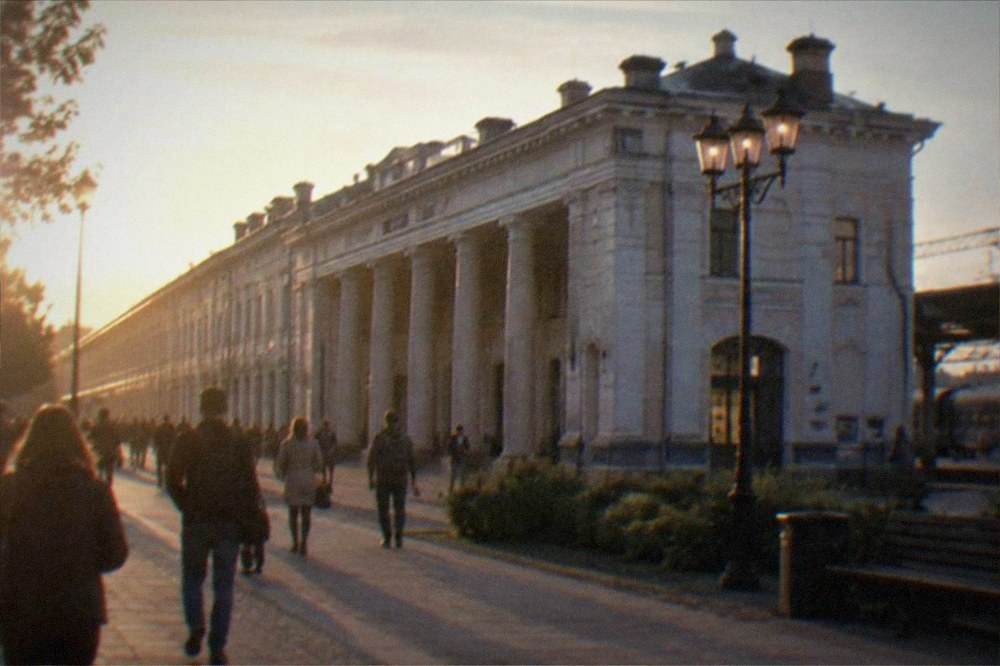
Yes, a Timisoara and Budapest two-city break works well, because the cities complement each other: Timisoara gives you the Habsburg provincial capital at walkable scale, the 1989 Revolution sites and the Banat's mixed heritage, while Budapest gives you the imperial metropolis. The reported direct train of about five and a half hours makes the transfer a half-day event rather than a lost day. Hungary is among the top origin countries for Timisoara's visitors, so the pairing is well trodden in both directions.
Timisoara earned the European Capital of Culture title for 2023, sharing the year with Elefsina in Greece and Veszprem in Hungary, and its opening weekend ran 17 to 19 February 2023, confirmed on the European Commission's own culture page. That year lifted arrivals by a third and left a legacy: the city was named Romania's Destination of the Year 2026 at a national gala in May 2026, and its cultural calendar has kept pace, with the Jazz Festival's 14th edition in September 2026 and a Picasso exhibition of 69 works from the Musee Picasso Antibes running into autumn 2026, the first time those works have been shown in Romania.
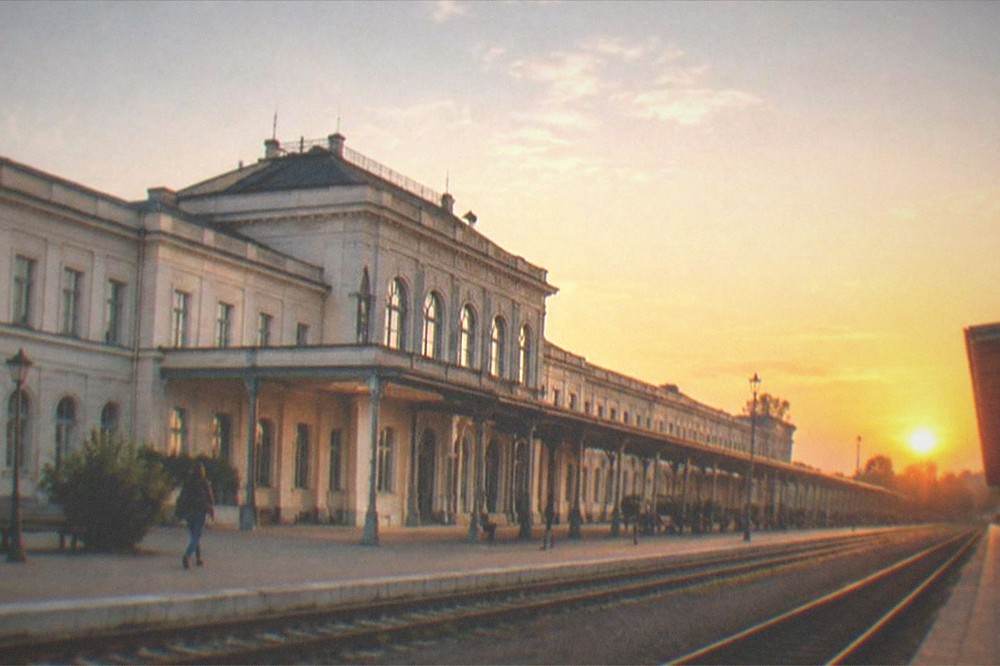
In the other direction, Budapest needs no introduction, but the pairing logic is worth stating: fly into one and out of the other, and take the train between. If your trip starts from Romania's capital instead, the Bucharest to Timisoara guide covers that longer leg. And if safety is on your checklist, Timisoara ranks among Romania's calmer cities; the is Timisoara safe page goes through it honestly.
Common Questions About Traveling From Timisoara To Budapest
Is there a direct train from Timisoara to Budapest?
Yes. Aggregator data checked in September 2026 reports a direct service between Timisoara Nord and Budapest-Keleti taking about five and a half hours, twice daily. The figure is aggregator-sourced rather than an official published timetable, so verify your specific travel date with the operators before booking.
Do you need a passport to travel from Timisoara to Budapest?
You need a valid identity document, but since 1 January 2025 the Romania-Hungary border has been an internal Schengen border with no routine checks. EU citizens can travel on an ID card. Non-EU citizens should carry a passport, and if arriving from or continuing to Serbia, the external Schengen border there does involve checks and the EU Entry/Exit System.
How far is Timisoara from Budapest?
The site facts for this route carry no sourced door-to-door distance or driving time. What is firmly sourced is the road quality: the A1 motorway is fully open from Timisoara through Arad to the Nadlac border, and a new four-lane link road between Timisoara and the A1 opened on 22 September 2026, with the Hungarian M5 continuing toward Budapest.
Can you fly from Timisoara to Budapest?
There is no flight on this corridor. Timisoara Traian Vuia Airport serves other destinations, and the sensible transfer options are the reported direct train or driving. If your trip involves flying into Timisoara, note the reported full runway closure for repairs from 2 to 22 November 2026.
Is there a direct train from Timisoara to Belgrade?
No, currently there is no direct train service to Belgrade. Romanian and Serbian officials discussed restoring passenger trains on the Stamora Moravita to Vrsac route in August 2026, but nothing runs yet, and buses are the standard way to make that journey.
What currency do you need for a Timisoara to Budapest trip?
Two: the Romanian leu (RON) while in Romania, since the euro is not adopted there, and the Hungarian forint in Hungary. Cards are widely usable in both cities, and the BNR reference rate stood at 5.2788 RON per euro on 23 September 2026.
The corridor between Timisoara and Budapest has never been easier to travel: motorway on both sides, an open internal border, and a reported direct train that turns the transfer into a half-day. Give the Romanian end of the route the time it deserves, because the city that started a revolution, lit mainland Europe's streets first and holds two historic synagogues is worth more than a platform sprint.