Dumbravita
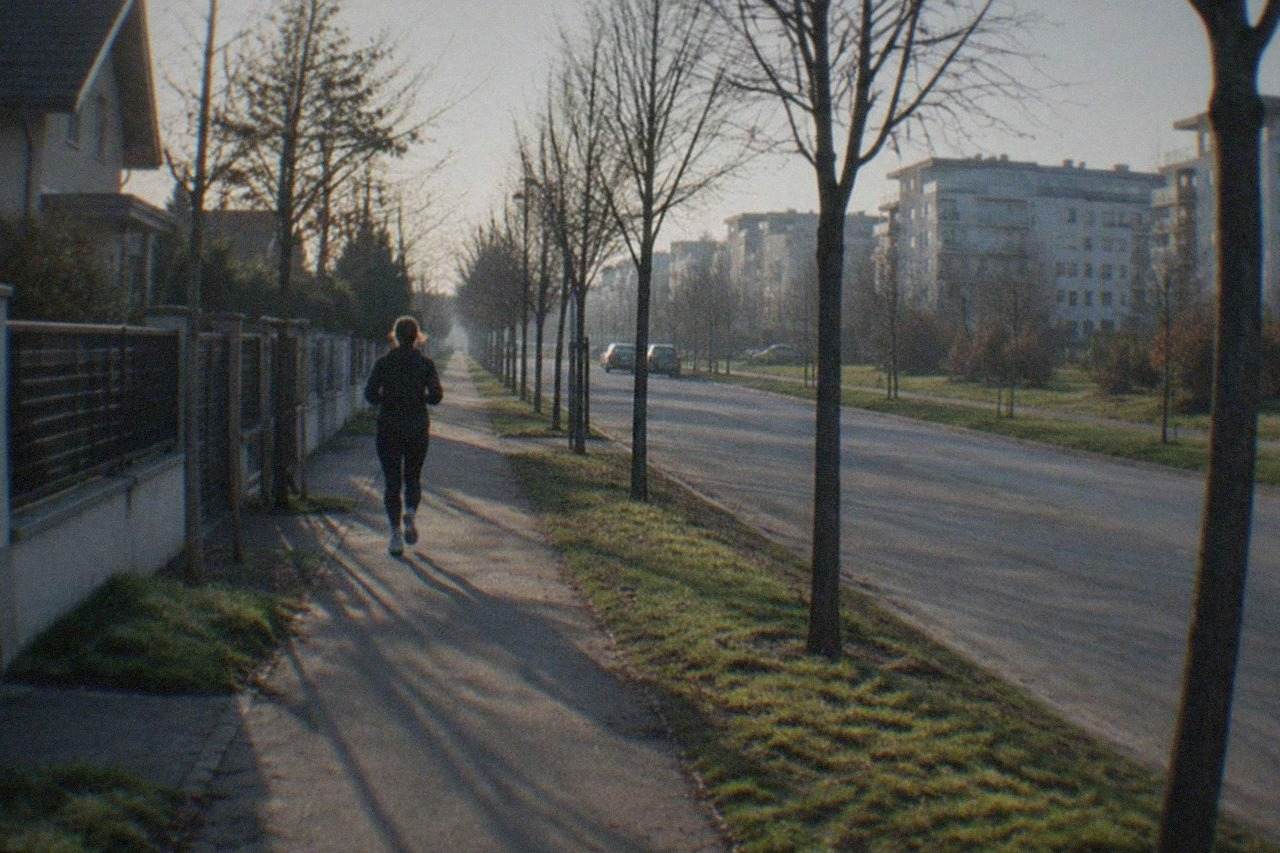
Dumbravita is the green eastern edge of Timisoara, in Timis County in the Banat region of western Romania, a residential district of student housing, parks and quiet streets that most visitors never see.
Short answer
Dumbravita is a quiet residential and student district in eastern Timisoara, Romania, best known for its green spaces and its proximity to the Complex Studentesc. It is worth a visit for travelers who want to see the everyday side of the city.
Dumbravita is a residential district on the eastern side of Timisoara, in Timis County, in the Banat region of western Romania. It is not one of the postcard squares of the old town; it is the part of the city where students, families and long-term residents actually live, arranged around green spaces and the large student accommodation complex that locals call the Complex Studentesc. For most travelers it works as a half-day excursion, a morning walk, or a base if accommodation there is cheaper than in the center. This guide from Timisoara Travel Guide covers what the district is, what you can actually see and do there, and how it fits into a wider trip to the city.
What Is Dumbravita In Timisoara?
Dumbravita is a quiet, green residential district in eastern Timisoara, Romania, best known for the student housing of the Complex Studentesc, its parks and tree-lined streets, and its position between the city center and the open Banat plain beyond. It has none of the baroque squares of the Cetate old town and none of the monuments of Piata Unirii, and that is precisely its appeal: it shows the everyday, lived-in side of a city that was a European Capital of Culture in 2023.
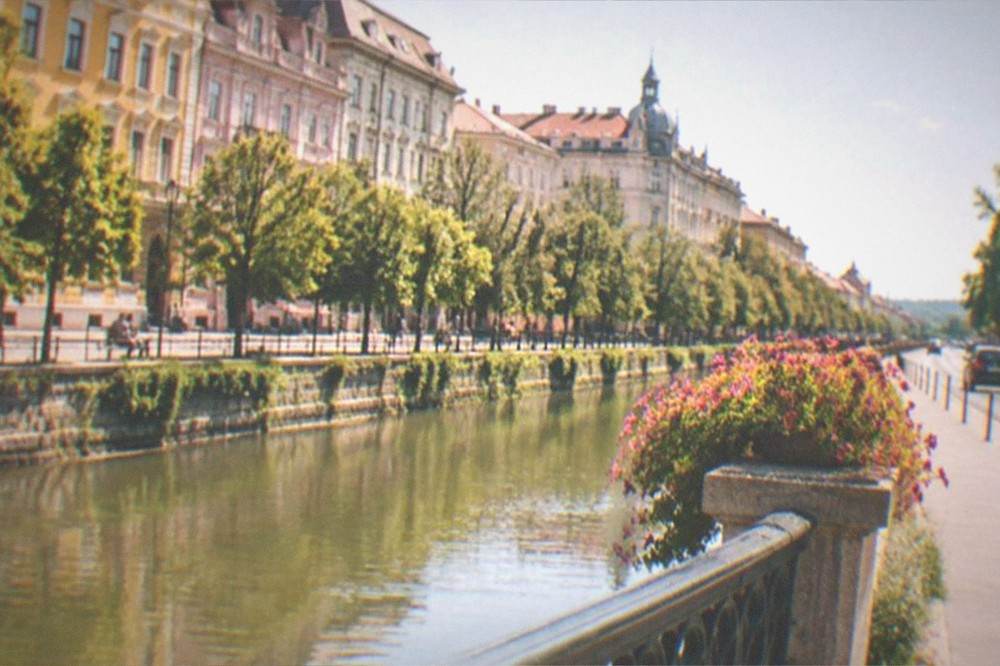
The name itself points to the landscape. "Dumbravita" comes from a Romanian word for a small oak grove, and the district's identity has always been tied to greenery rather than to grand architecture. Timisoara as a whole is a famously leafy city, with parks threaded along the Bega canal and through every historic neighborhood, and Dumbravita continues that pattern at the point where the city thins out toward the plain.
The district sits closest to the student quarter, a vast complex of dormitories and university facilities that gives the whole eastern edge of the city a young, informal atmosphere during term time. In summer the pace drops noticeably. Students leave, the cafeterias and sports grounds quieten, and the parks become the domain of local families and dog walkers.
Visitors who stay in Dumbravita typically do so for the lower accommodation prices and the easy tram connection into the center. Visitors who come just to look usually pair it with a walk in the nearby green spaces and a stop at one of the student-area eateries. Neither plan needs more than a few hours.
What To See And Do Around Dumbravita, Timisoara
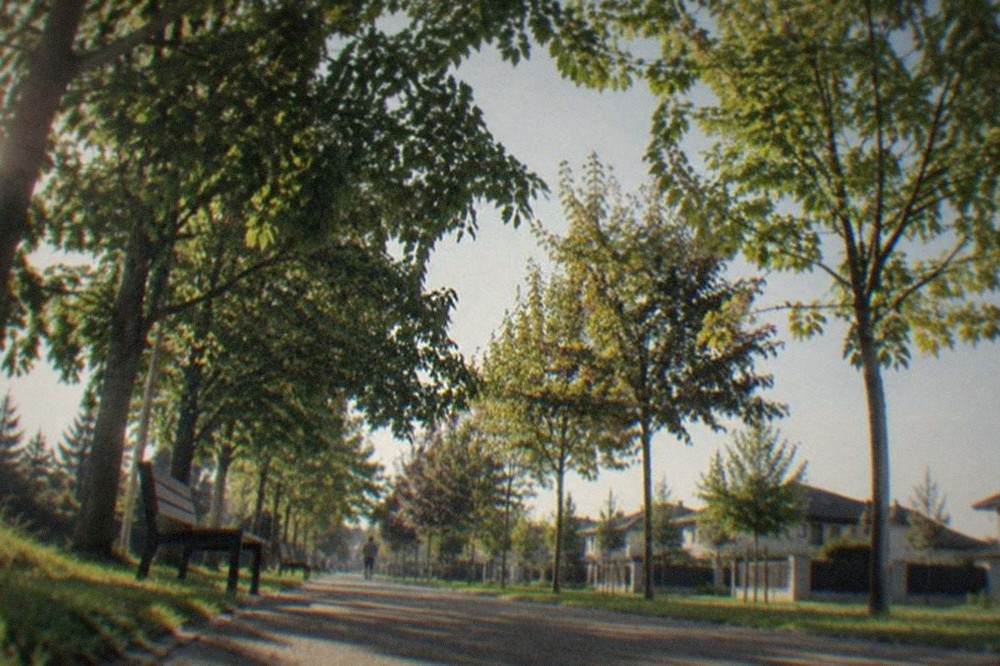
The main things to do in Dumbravita are walking its parks and tree-lined streets, exploring the adjacent Complex Studentesc with its sports grounds and cheap eateries, and using the district as a calm base for day trips out of Timisoara into the Banat countryside. There is no single landmark to photograph here, and the district rewards slow exploration over box-ticking.
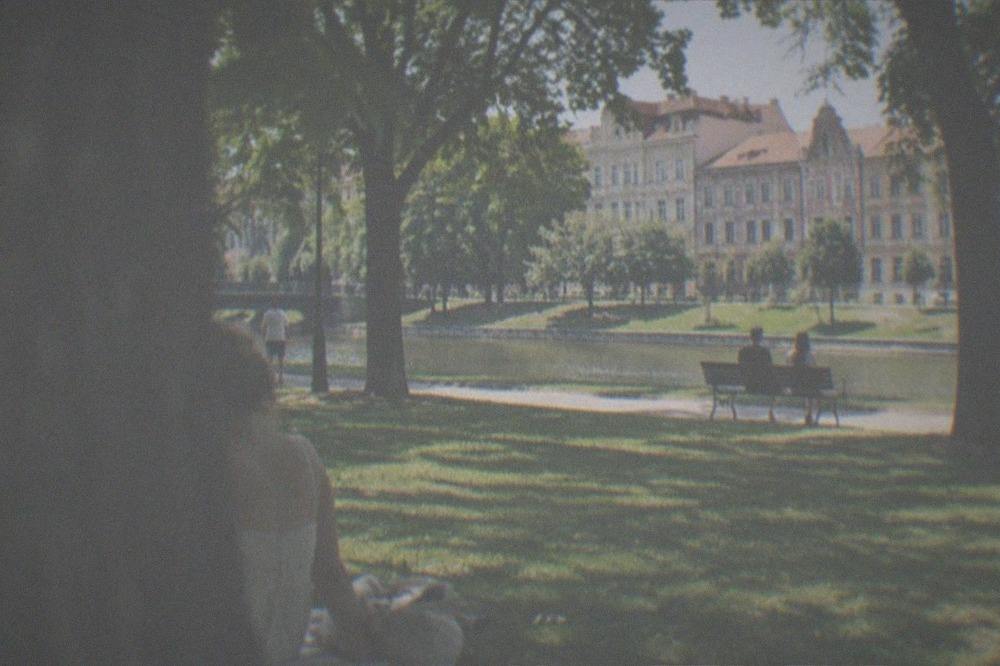
Start with the green spaces. The district's parks are modest by the standards of the city's central parks, but they are genuinely local: playgrounds, running paths, shaded benches, and in warm months plenty of shade. The JMA climate normals for the city's weather station give a July mean of 22.8 C and a January mean of 0.0 C, so summer walks here are pleasant in the morning and evening, while winter ones are cold but usually manageable.
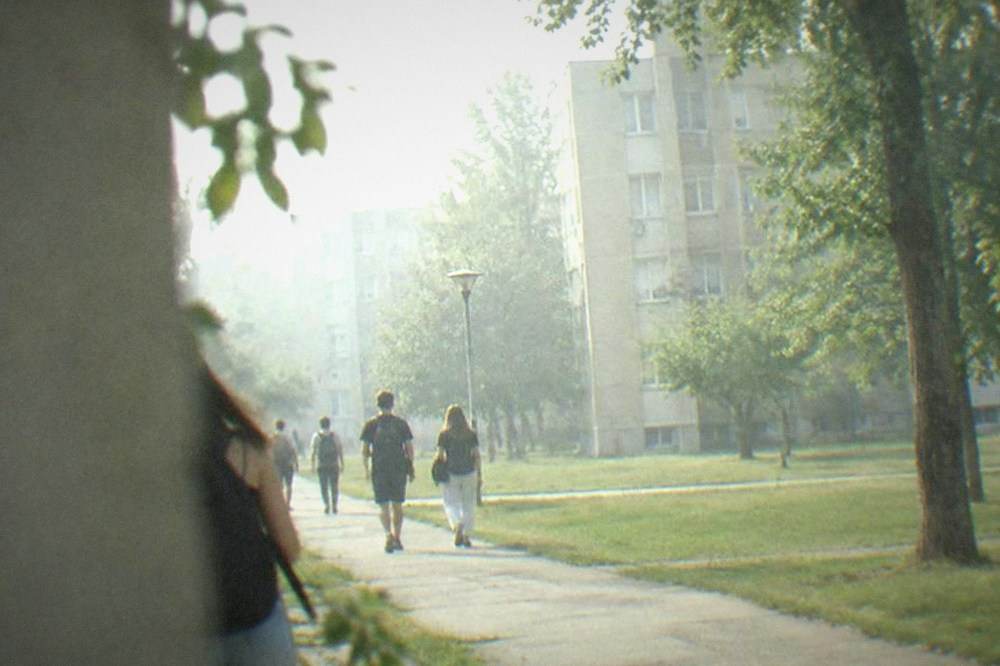
Next, walk through the student quarter itself. The dormitory blocks are plain, but the surrounding area has a lived-in energy: sports courts, bicycle traffic, informal food spots, and students spilling out of lecture buildings. It is one of the few parts of Timisoara where the city's large student population, drawn from the west of Romania and beyond, is visible at street level.
Finally, treat Dumbravita as a launchpad. The district's eastern position means you are already pointed toward the Banat plain, toward the villages of the wider Banat region and toward day-trip destinations further afield. Travelers with a car will find the outward roads simpler from here than from the old town.
If you want the city's monuments rather than its everyday life, the honest advice is to spend your time in Cetate, the old town, and come to Dumbravita only if you are staying there or curious about how locals live. Guided walks are the efficient way to cover the center; the options below are a good starting point.
Where Is Dumbravita And How Do You Get There From Central Timisoara?
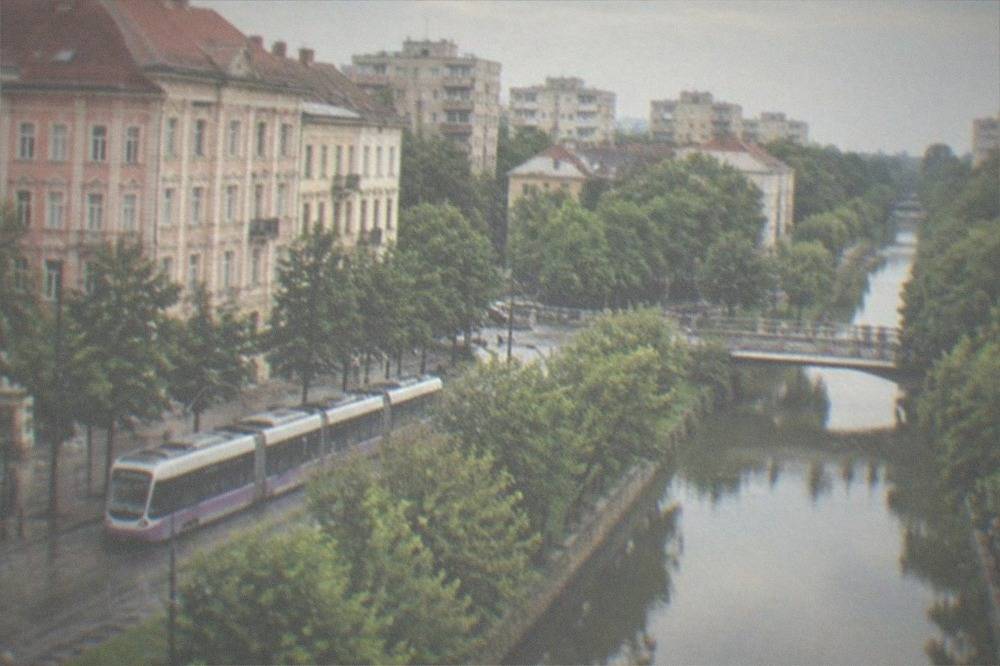
Dumbravita lies in eastern Timisoara, Romania, and the practical way to reach it from the center is the city's tram network, whose single 60-minute ticket costs 5 lei and whose one-day pass costs 18 lei, both valid on trams, trolleybuses, buses and the Bega water bus. The district is a straightforward public-transport ride from the historic core, and no visitor needs a taxi to get there.
The city's transit operator runs a dense network: trams on lines 1, 2, 4, 5, 6a, 6b, 7, 8 and 9, trolleybuses on lines 11 through 18, express buses E1 to E8, and the seasonal vaporetto water bus on the Bega canal. You can pay with a contactless bank card directly on board, through an e-wallet card, by SMS, or via tickets bought at STPT kiosks. Real-time arrival information is available on the operator's live map, which is worth checking before any journey.
| Ticket type | Price | Validity |
|---|---|---|
| Single ticket, 60 minutes | 5 lei | All modes including the vaporetto |
| One-day pass | 18 lei | All modes including the vaporetto |
| 30-day general pass | 160 lei | All modes, all lines |
| Annual general pass | 1,320 lei | All modes, all lines |
Two practical notes for planning. First, Timisoara's tram network has seen temporary diversions in recent years because of urban regeneration works, including long-running works around Trajan Square, so confirm your line's current route on the operator's alerts before you travel. Second, the city's bike-share system, VeloTm, is run by the same transit operator and is an alternative for reaching the eastern districts, though you should check current availability and tariffs locally rather than relying on published figures.
If you are flying in, the district is on the opposite side of the city from Traian Vuia International Airport, so allow a full crossing of town when planning an arrival. The airport's own express bus line connects to the public transport network, making the transfer to any district a single-fare matter.
Is Dumbravita A Good Place To Stay When Visiting Timisoara?
Dumbravita suits three kinds of visitors: budget travelers who want cheaper beds within tram reach of the center, students and academics visiting the university quarter, and drivers who want an easy exit toward the Banat plain and day-trip roads beyond. For a first-time visitor whose goal is Piata Unirii and the revolution landmarks, the old town and its surrounding historic districts are the better choice.
The case for staying here is price and calm. Rooms in the residential east are generally cheaper than equivalents in Cetate or along the Bega, and the district sleeps quietly at night. The case against is distance: every sightseeing day starts with a tram ride, and winter evenings in a residential district offer little to do after dark.
The city's tourism numbers hint at why districts like this matter for accommodation. Official city hall figures citing the national statistics institute record steady growth in arrivals: 283,256 in the 2023 Capital of Culture year, 285,190 in 2024, and 268,699 in the first eleven months of 2025. More visitors means more pressure on central beds, and the residential districts absorb the overflow.
| Year | Tourist arrivals in Timisoara |
|---|---|
| 2021 | 153,794 |
| 2022 | 212,785 |
| 2023 | 283,256 |
| 2024 | 285,190 |
| 2025 (January to November) | 268,699 |
One budgeting note that applies wherever you sleep in the city: Timisoara charges a tourist promotion tax on accommodation, set by local council decision for 2026, with the rate reported as 2% of the accommodation tariff excluding VAT. It is collected by the lodging, not by you at a separate desk, so it will appear as a small line on your hotel bill rather than as a hurdle at check-in.
For a fuller comparison of the city's neighborhoods, from baroque Cetate to the leafier Iosefin and its historic neighbors, see the guide to where to stay in Timisoara.
What Is The Weather Like In Dumbravita And Timisoara?
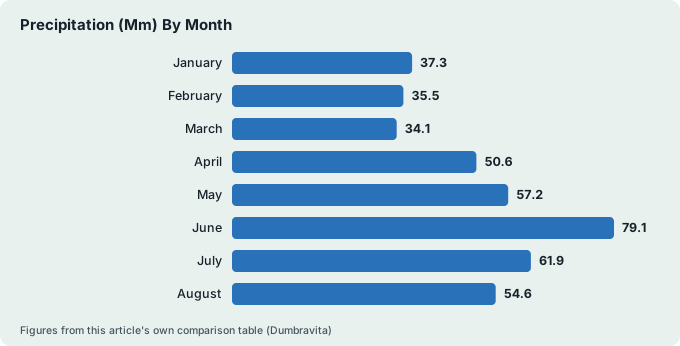
Dumbravita shares Timisoara's continental climate: the JMA/WMO climate normals for the city's station give a January mean of 0.0 C and a July mean of 22.8 C, with yearly precipitation of 600.7 mm, the wettest month being June at 79.1 mm and the driest March at 34.1 mm. The district has no microclimate of its own; what applies to the city applies here.
In practice this means warm, occasionally thundery summers, cold but not severe winters, and pleasant shoulder seasons. The green spaces that are the district's main attraction are at their best from late April through June and again in September, when the walking is comfortable and the trees are doing the work. Midsummer afternoons can be hot enough that you will want shade, which the district's mature trees supply in quantity.
| Month | Mean temperature (C) | Precipitation (mm) |
|---|---|---|
| January | 0.0 | 37.3 |
| February | 2.1 | 35.5 |
| March | 6.5 | 34.1 |
| April | 12.3 | 50.6 |
| May | 17.3 | 57.2 |
| June | 20.9 | 79.1 |
| July | 22.8 | 61.9 |
| August | 22.5 | 54.6 |
| September | 17.2 | 50.4 |
| October | 11.5 | 50.0 |
| November | 6.4 | 45.3 |
| December | 1.5 | 44.7 |
For planning purposes, the monthly detail matters more than the averages. June's rainfall is the year's peak, so pack a rain layer if you visit then. March is the driest month but also still cool. December and January are cold enough that the district's parks lose much of their charm, though the city's Christmas market season makes up for it in the center. The guide to the best time to visit Timisoara works through the trade-offs month by month.
What Can You Do Near Dumbravita When The Weather Turns?
When rain or cold keeps you indoors, the sensible move from Dumbravita is back toward central Timisoara, whose covered attractions include the Memorial of the 1989 Revolution at 20 lei adult entry, the National Museum of Art in the Baroque Palace on Piata Unirii, and the Banat Village Museum, all reachable by public transport. The district itself has few indoor sights, so bad-weather days are center-bound by design.
The Memorial of the Revolution is the one museum every visitor to this city should see, and it sits within easy reach of the transit network. It documents the December 1989 uprising that began in Timisoara, through permanent and temporary exhibitions plus a documentary screening, and its fees are published: adults pay 20 lei, with a photography permit at 20 lei. The Memorial Museum of the Revolution guide covers what to expect.
| Museum | Opening pattern | Adult entry |
|---|---|---|
| Memorial of the 1989 Revolution | Mon-Fri 08:00-17:00, Sat-Sun 10:00-18:00 | 20 lei |
| Banat Village Museum | Wed-Sat 10:00-18:00, Sun 12:00-20:00, closed Mon-Tue | 20 lei (as reported) |
| National Museum of Art | Summer: Wed-Sun 13:00-21:00; winter: Wed-Sun 10:00-18:00 | Not published in our sources |
The National Museum of Art, in the Baroque Palace on Piata Unirii, keeps summer and winter hours and remained open even while the county council prepared a full building rehabilitation reported in 2026. The Banat Village Museum, an open-air collection of traditional houses from across the Banat, is technically outdoors, but its indoor exhibits and covered spaces make it a reasonable compromise on a grey day. The city's rainy-day options extend further, from the Theresia Bastion to newer additions like the immersive art venue and the children's museum that opened in the city in 2026.
How Does Dumbravita Fit Into A Longer Timisoara Trip?
Dumbravita fits into a Timisoara itinerary as either a half-day add-on to the city's core sights on a two or three day plan, or as a base for travelers who want to combine the city with day trips into the Banat, since the district sits on the city's eastern exit roads. It is a supporting act, not a headline, and it earns its place in a plan built around the city's squares and museums.
A one-day visitor should skip it entirely: the one day in Timisoara itinerary is built around Cetate, Piata Unirii and Piata Victoriei, and there is no time for residential districts. On a two day plan, a morning walk through the eastern green spaces works as a contrast to the second day's old town. On longer stays, especially with a car, the district becomes a practical base for trips to Arad, the Danube gorges, or the Nera gorge.
The city's cultural calendar also shapes the timing. Timisoara's festival scene, from the jazz festival each September to the city celebration in late July and early August, pulls visitors into the center in waves, and quiet districts like this one are at their most attractive precisely when the center is at its busiest.
For travelers coming from or heading onward to Serbia or Hungary, the district's position has one more advantage: it is on the side of the city away from the border queues. Romania has been a full Schengen member since 1 January 2025, so the Hungarian border is now an internal one with no routine checks, while the Serbian border remains an external Schengen frontier with passport control. Neither border is near Dumbravita, but the city's position in the far west of Romania means day trips to Novi Sad and Belgrade are realistic with a car or an organized tour.
If you are weighing a guided day out of the city, the options below cover both the in-town walking tours and the longer excursions that depart from Timisoara.
Is Dumbravita In Timisoara Worth Visiting?
Dumbravita is worth visiting for travelers with extra time in Timisoara, an interest in everyday city life, or a need for budget accommodation near the student quarter; it is not worth a detour for visitors whose time is limited to the old town's squares, museums and revolution landmarks. It is a place to walk, sleep, eat cheaply and depart from, not a destination in itself.
That verdict is consistent with what the district is. Timisoara's fame rests on its baroque core, its squares, and its role in 1989, and those belong to the old town and the surrounding historic quarters. The city was a European Capital of Culture in 2023, sharing the title with Elefsina in Greece and Veszprem in Hungary, and the legacy of that year plays out in the center's venues, not in the residential east.
But cities are more than their monuments. Dumbravita is where you see the Timisoara that won national recognition for quality of life, the leafy, low-key city that students choose and families stay in. An hour's walk here costs nothing but a tram ticket, and it rounds out a picture that the postcard squares alone cannot give.
For a deeper look at the city's religious and architectural heritage, which spans Orthodox, Catholic, Serbian Orthodox and Jewish communities across a compact center, the Ecumenical Tour of Timisoara is the natural pairing; it covers ground the residential east cannot. You can also Check availability on the operator's live listing before you go.
Travelers who prefer a private guide to themselves can read about the private walking tour with a local guide, which covers the center's essentials at your own pace. It is one of the most flexible ways to see the city when your time is short.
And if the district's position on the eastern exit roads has you thinking about a longer journey, the trip to Hunedoara Castle and Sibiu is one of the popular full-day options from Timisoara, pairing a Gothic castle with one of Transylvania's best-preserved towns.
Common Questions About Dumbravita In Timisoara
What is Dumbravita in Timisoara?
Dumbravita is a green residential district in eastern Timisoara, Romania, best known for the student housing of the Complex Studentesc, its parks, and its position on the city's eastern edge toward the Banat plain. It is an everyday neighborhood rather than a monument district.
How do you get to Dumbravita from central Timisoara?
Take the city's tram network. A single 60-minute ticket costs 5 lei and a one-day pass costs 18 lei, both valid on trams, trolleybuses, buses and the seasonal Bega water bus. You can pay contactless on board. Check the transit operator's live map for current routes, as works have caused temporary diversions.
Is Dumbravita a good area to stay in?
It suits budget travelers, visitors to the university quarter, and drivers planning day trips out of the city. Accommodation is generally cheaper than in the old town, but every sightseeing day starts with a tram ride into the center.
What is the weather like in Dumbravita?
The district shares Timisoara's continental climate. The JMA/WMO climate normals give a January mean of 0.0 C, a July mean of 22.8 C, and 600.7 mm of precipitation a year, with June the wettest month at 79.1 mm and March the driest at 34.1 mm.
Is Dumbravita worth visiting?
Yes, if you have extra time in Timisoara or want to see everyday life in the city's student and residential east. No, if your time is limited to the old town's squares and museums; in that case, spend it in Cetate and the historic center.
What can you do near Dumbravita on a rainy day?
Head back toward the center. The Memorial of the 1989 Revolution charges 20 lei for adults, the National Museum of Art sits on Piata Unirii, and the Banat Village Museum offers a mix of open-air and covered exhibits, all reachable with the same public transport ticket.