Timisoara Old Town
The Old Town of Timisoara, the Cetate district of Timis County in western Romania, packs three historic squares, five museums and two cathedrals into a walkable grid of baroque streets, and this guide covers what to see, what it costs and how to move around it.
Short answer
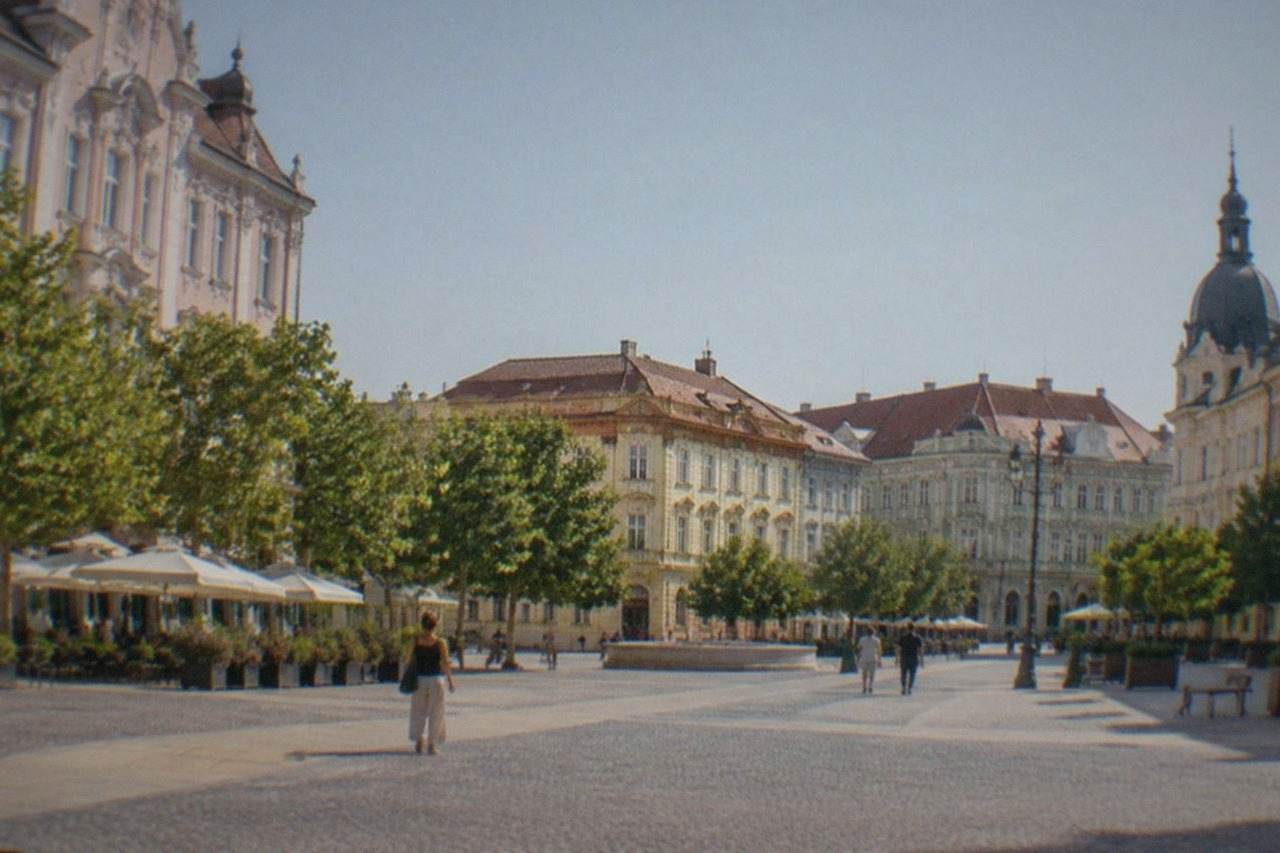
The Timisoara Old Town is the Cetate district, the Habsburg-era core of Timisoara, Romania, built inside the demolished fortress walls. Its main squares are Piata Unirii, Piata Libertatii and Piata Victoriei, all within a 15-minute walk of each other, and the district holds the city's top museums, cathedrals and cafes.
The Timisoara Old Town is the Cetate district, the historic core of Timisoara, the county seat of Timis County in the Banat region of western Romania. Timișoara, as the city writes its own name in Romanian, grew inside a Habsburg star fortress until its walls came down in a later era, and what remains is a compact grid of baroque squares, Secession facades and pedestrian lanes that can be crossed end to end in under twenty minutes. This guide from the Timisoara Travel Guide editorial desk covers the sights, the verified hours and prices, the food streets, the transport and the history that makes this district the reason most people come to the city at all.
What Is The Timisoara Old Town (Cetate)?
The Timisoara Old Town is the Cetate district, the former walled fortress core of Timisoara in western Romania, roughly bounded by the Bega canal to the south and the ring boulevards that replaced the demolished fortress walls. It holds three linked squares, Piata Unirii, Piata Libertatii and Piata Victoriei, plus the Orthodox Metropolitan Cathedral just across the river, and almost everything of historic interest sits within a fifteen-minute walk.
Cetate means "fortress" in Romanian, and the name is literal. Until the walls came down, the whole district sat inside star-shaped bastion fortifications, and the decision to demolish them, taken in 1892, is what created the open, airy city center visitors see today. The street plan still follows the fortress grid, which is why the district is so easy to navigate: straight lanes, predictable blocks, and the Bega canal as a southern boundary. The same era gave the city its first electric tram in Romania, in 1899, running on streets that had been lit by gas since 1855 and by lamp oil since 1760.
The district is small enough that you never need a vehicle inside it. Piata Unirii, the grandest of the squares, anchors the west end. Piata Libertatii sits in the middle, smaller and quieter. Piata Victoriei, where the 1989 Revolution played out in front of the Opera, closes the sequence to the east, and the Orthodox Metropolitan Cathedral faces it from across the Bega. North and east of the center, the neighborhoods of Iosefin, Fabric and Elisabetin fan out as separate historic districts, each with its own character and each covered in its own guide on this site.
What Are The Must-See Sights In The Timisoara Old Town?
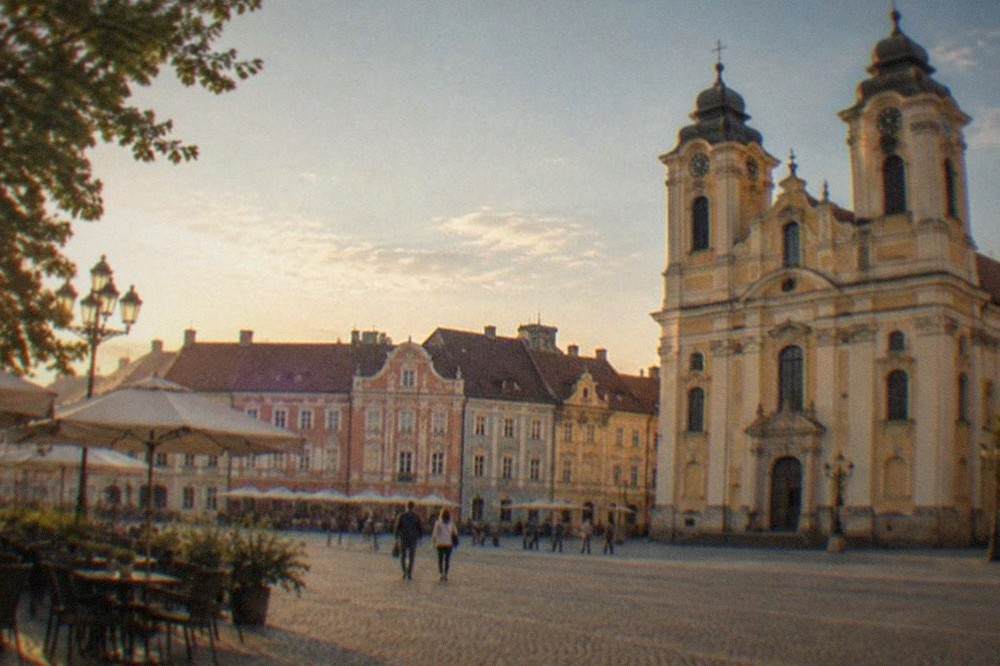
The must-see sights of the Timisoara Old Town are Piata Unirii with its four historic religious buildings and the Art Museum, Piata Victoriei with the Romanian National Opera and the 1989 Revolution sites, Piata Libertatii with the Dicasterial Palace, the Memorial Museum of the Revolution, and the Orthodox Metropolitan Cathedral facing the district across the Bega canal. Together they cover the city's baroque core, its 1989 history and its museum scene in one walkable circuit.
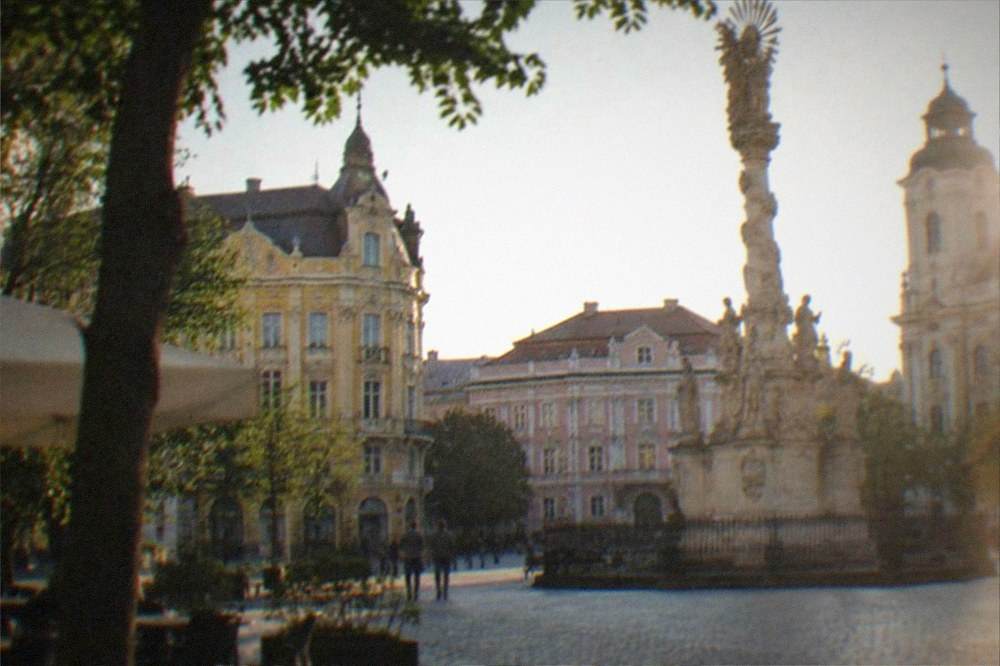
Start at Piata Unirii, the square that gives the Old Town its postcard look. The Baroque Palace on its north side houses the National Museum of Art, whose own information page lists summer hours of 13:00 to 21:00 Wednesday to Sunday from 1 June to 30 September, and winter hours of 10:00 to 18:00 for the rest of the year, closed Monday and Tuesday, with a guided tour at 175 lei per group. The square's other landmarks, the Roman Catholic dome of St George, the Serbian Orthodox Cathedral and the Millennium Church, stand within a hundred meters of each other, three denominations sharing one square, a legacy of the multi-ethnic Habsburg city.
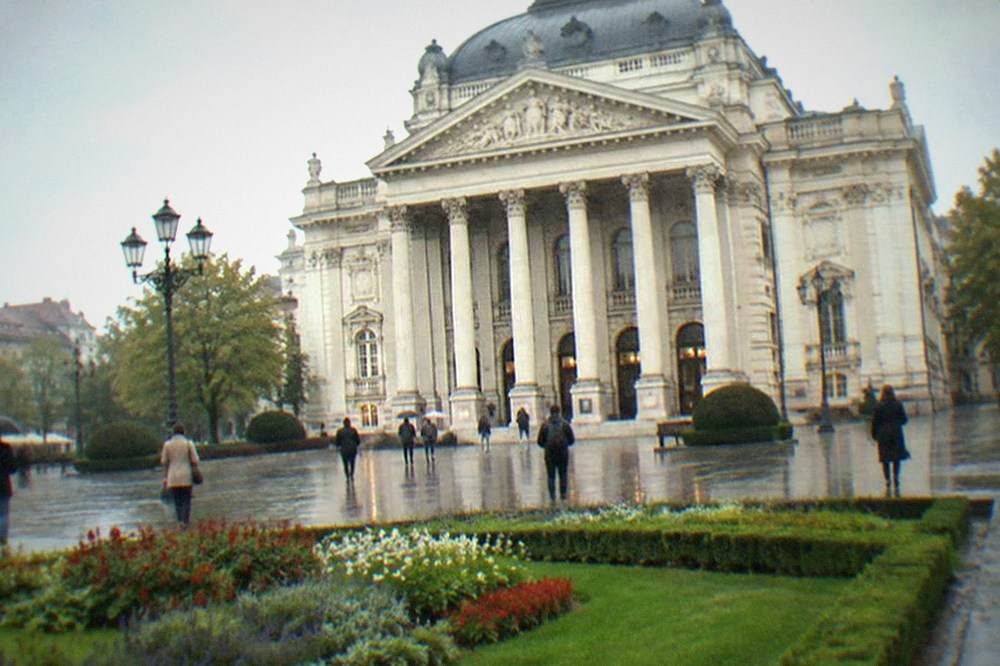
From there, walk east to Piata Libertatii and on to Piata Victoriei, the square where the 1989 Revolution began in public. The Memorial Museum of the Revolution sits a few blocks north and charges 20 lei for adults, covering eight permanent exhibitions, three temporary ones and a documentary screening, with a 20 lei photography fee, open Monday to Friday 08:00 to 17:00 and weekends 10:00 to 18:00 per its contact page. The Romanian National Opera fronts Victory Square itself, and the Theresia Bastion, the one surviving fragment of the fortress, closes the loop at the district's northwest corner.
For most visitors the fastest way to absorb all of this is a guided walk, and the district has several strong options.
The weekly English-language walk is the recurring group option that covers the Old Town's core circuit, and it runs on a fixed three-day schedule, which suits travelers who plan around it. If your dates don't line up, the Classic Tour covers the same ground daily, and the listing shows its full rating and review history.
For the 1989 story specifically, a dedicated Revolution-themed walk adds depth that a general highlights tour skips, and the Memorial Museum afterward lets you see the artifacts yourself. Families and travelers who want the city's context in one long sweep can also consider the combined walking and tram option, which stretches beyond the Old Town into the outer districts.
How Do You Spend One Perfect Day In The Old Town?
A perfect day in the Timisoara Old Town runs west to east: Piata Unirii and the Art Museum in the morning, the Memorial Museum of the Revolution before lunch, cafes and the Cetate lanes early afternoon, Piata Libertatii and Piata Victoriei mid-afternoon, and the Opera square and the Bega riverbank at dusk, with the vaporetto water bus as an optional ride between riverside stops during its April-to-October season. Every stop sits within walking distance of the others.
Morning belongs to Piata Unirii, before the cafe tables fill. The Art Museum opens at 13:00 in summer, so on a summer visit either start with the square itself and save the museum for the afternoon, or check the winter schedule if you travel between October and May, when it opens at 10:00. Lunch in the Cetate lanes is the easiest decision of the day; the streets around the square hold the densest concentration of restaurants in the city, and the broader food scene is covered in the site's dedicated restaurant guide. The Bega canal runs along the district's south side, and the riverside promenade connects back toward the cathedral without retracing your steps.
Afternoon is the time for the Revolution story. The Memorial Museum's weekend hours run to 18:00, and its documentary gives the 1989 events a human voice that the plaques in Victory Square only hint at. Finish in Piata Victoriei as the light drops, the moment the square looks its best, then cross the river to the cathedral or ride the vaporetto if the season allows. The one-day version of this circuit is also laid out step by step in the site's one day in Timisoara itinerary, and a two-day version adds the outer districts.
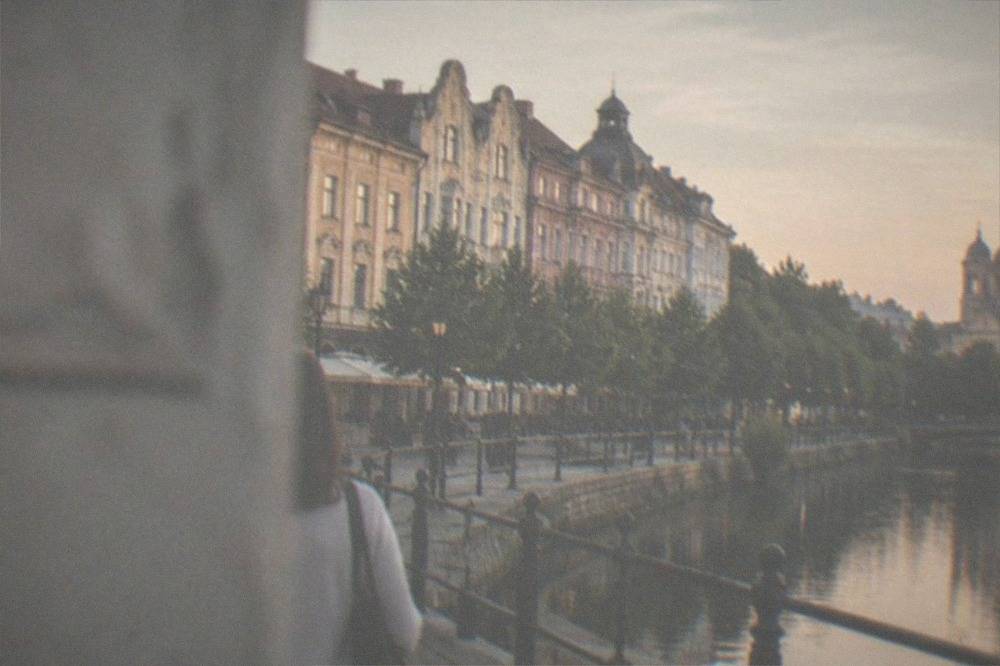
If one day in the Old Town leaves you wanting a guide's voice for the rest of the region, the question below is the one most readers ask next.
Should You Book A Guided Walk For Your Old Town Day?
A guided walk is the single highest-value add-on to an Old Town day, because the district's stories are invisible from the street. The facades don't announce that this was the first city on mainland Europe with electric street lighting, on 12 November 1884, or that the Opera square was the stage of the revolution that ended the Ceausescu regime. A guide connects those dots.
Where Do You Eat And Drink In The Old Town?
The best eating in the Timisoara Old Town clusters in three zones: the cafe and restaurant terraces lining Piata Unirii and the lanes just off it, the quieter courtyard spots in the streets between Piata Libertatii and the Bega, and the evening scene around Piata Victoriei and the Opera. Typical prices in the city run around 45 to 50 lei for an inexpensive restaurant meal and 11 to 12 lei for a draught beer, with a cappuccino at 13 to 15 lei, per September 2026 cost-of-living data.
The Unirii terraces are the obvious choice and mostly earn their rents; the square's setting is the best in the city. Step one street back, though, and the price per plate drops while the cooking often improves, which is the pattern in most baroque old towns. For the full picture of where to eat, from traditional Banat kitchens to the craft beer bars, see the site's dedicated guides to Timisoara restaurants and the city's cafes. The district's compactness works in your favor here: a bad table is never more than a two-minute walk from a better one.
Two local drinks deserve attention. Timisoreana, brewed in the city since 1718 at what is now the Timisoreana brewery, is the historic local lager, and the brewery's own museum sits just across the Bega in Fabric. The Banat wine region, reachable as a day trip, supplies the region's reds and whites; the site's Banat wine guide covers what to order by the glass in the Old Town's cellars.
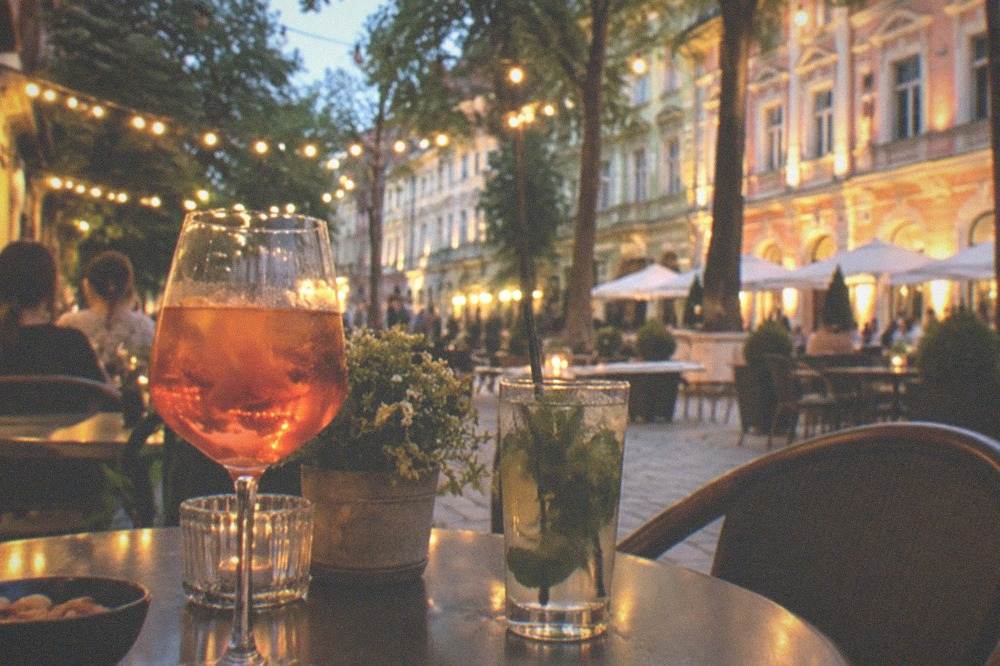
For travelers who want the food story told with the history, a street food walk pairs the two.
What Are The Old Town's Opening Hours And Prices?
The key verified prices in the Timisoara Old Town are 20 lei adult entry at the Memorial Museum of the Revolution, 175 lei per group for a guided tour at the National Museum of Art, and 20 lei adult entry at the Banat Village Museum, while the Art Museum opens at 13:00 in summer and 10:00 in winter, Wednesday to Sunday only.
The Memorial opens Monday to Friday 08:00 to 17:00 and weekends 10:00 to 18:00, and the squares and streets are public and always free.
The table below gathers the figures. Where a figure is marked as reported rather than primary-verified, treat it as indicative and confirm at the door.
| Site | Adult entry | Hours (verified) | Notes |
|---|---|---|---|
| Memorial Museum of the Revolution | 20 lei | Mon-Fri 08:00-17:00, Sat-Sun 10:00-18:00 | Includes 8 permanent and 3 temporary exhibitions plus documentary; photo fee 20 lei |
| National Museum of Art (Baroque Palace) | On site | Summer (1 Jun-30 Sep) Wed-Sun 13:00-21:00; winter Wed-Sun 10:00-18:00 | Closed Mon and Tue; guided tour 175 lei per group |
| Banat Village Museum | 20 lei (reported) | Wed-Sat 10:00-18:00, Sun 12:00-20:00 | Closed Mon and Tue; open-air museum, reachable by tram |
| Theresia Bastion (courtyard) | Free public space | Always open | Hours for interior venues vary by operator |
| Orthodox Metropolitan Cathedral | Free entry | Hours not published in our sources | Check on site |
| Cetate squares and lanes | Free | Always open | Pedestrianized core |
Two closures matter to planners. Huniade Castle, the city's oldest surviving building, has been closed to the public since around 2006, and a restoration contract signed in August 2025 targets partial reopening in 2027 and full reopening in 2028, so do not build a visit around it. On the other side of the ledger, two new venues opened in 2026: the MIC children's interactive museum in the Maria Theresia Bastion from May 2026, and the MINA immersive art museum in Iulius Town from April 2026, both reported in local sources.
How Do You Get To And Around The Old Town?
You get around the Timisoara Old Town on foot, full stop, and you reach it by tram, trolleybus or the E4 airport express, with a single 60-minute ticket at 5 lei and a one-day pass at 18 lei covering all city transport including the Bega vaporetto in season, per the STPT tariff page. Contactless bank cards work on board, and the airport express line E4 runs between the Bastion and Traian Vuia airport.
The district's pedestrian core means the transport question is only about arrival and departure. The STPT network runs nine tram lines, six trolleybus lines and express buses, and the stops ringing the Old Town, at Piata Unirii, Piata Victoriei and along the Bega, put you within a two-minute walk of anywhere in Cetate. A day pass at 18 lei covers unlimited rides plus the vaporetto water bus, which runs from 1 April to the end of October with nine stops per direction at the same 5 lei fare, per STPT's published information. The full transport picture, including the airport transfer and ticketing methods, is in the site's getting around Timisoara guide.
| Ticket (STPT, verified) | Price | What it covers |
|---|---|---|
| Single ticket, 60 minutes | 5 lei | All modes, one journey, including vaporetto in season |
| One-day pass | 18 lei | Unlimited rides all day, including vaporetto |
| 30-day general pass | 160 lei | All modes, all lines |
| Annual general pass | 1,320 lei | All modes, all lines |
| Vaporetto single (in season) | 5 lei | Bega water bus, 1 April to end October, 9 stops per direction |
Payment is contactless on board with a bank card, or by SMS, mobilPay, eTicket or STPT kiosks. The tram network is historic in its own right: the first horse-drawn tram in the Habsburg Empire ran here on 8 July 1869, from Piata Sf. Gheorghe in Cetate to Fabric, and the city had the first electric tram in Romania in 1899. Riding Line 1 or 8 through the center is therefore a heritage experience that costs 5 lei.
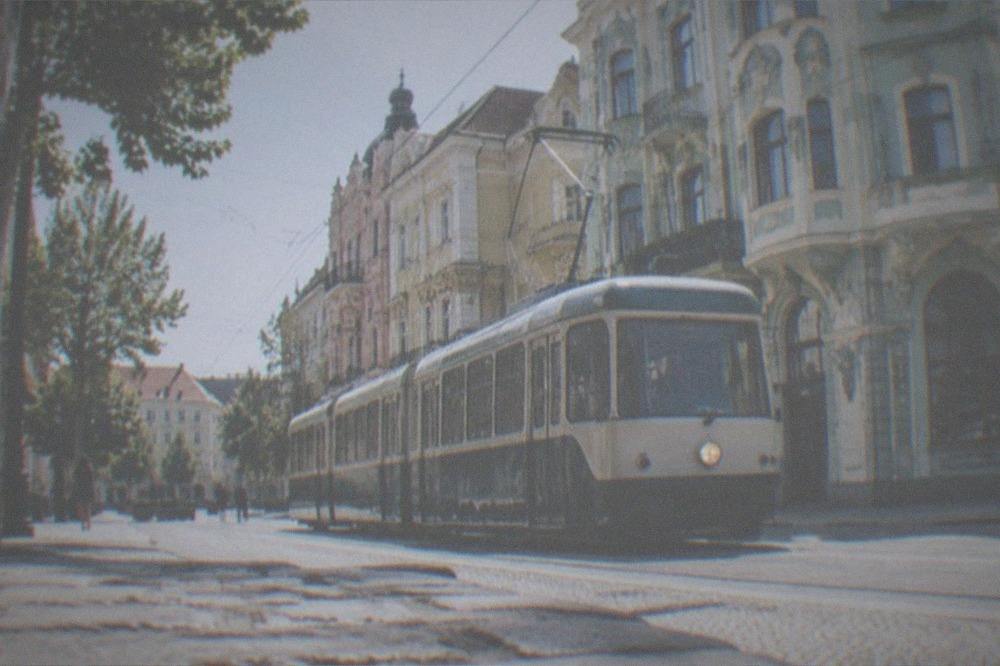
For a tour that uses the tram network as part of the experience, the combined walking and tram option covers both the Old Town and the outer districts in one outing.
When Is The Best Time To Visit The Old Town?
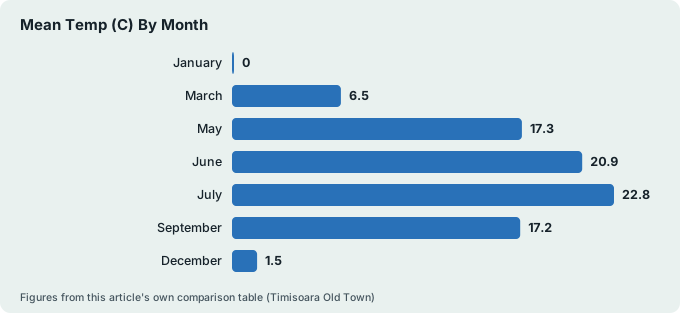
The best time to visit the Timisoara Old Town is May to September, when the JMA climate normals for the city's station give mean temperatures of 17.3 C in May, 20.9 C in June, 22.8 C in July and 22.5 C in August, and the vaporetto runs on the Bega from April through October. December is the alternative season, cold at a 1.5 C mean, but brightened by the Christmas market in Piata Victoriei, whose 2026 dates are not yet officially confirmed.
The climate here is continental, not Mediterranean, and the normals show it: January averages 0.0 C, July 22.8 C, and rain falls year-round, from a driest 34.1 mm in March to a wettest 79.1 mm in June, totaling 600.7 mm annually. What that means practically is that summer evenings on the Unirii terraces are warm but a June downpour is possible, so pack for both. September, at a 17.2 C mean with the crowds thinner, is arguably the sweet spot, and it coincides with the city's jazz festival, confirmed for 25 to 27 September in 2026.
| Month | Mean temp (C) | Precipitation (mm) | Old Town notes |
|---|---|---|---|
| January | 0.0 | 37.3 | Coldest month; indoor museums |
| March | 6.5 | 34.1 | Driest month of the year |
| May | 17.3 | 57.2 | Terraces open; peak arrivals month on record |
| June | 20.9 | 79.1 | Wettest month; Flight Festival |
| July | 22.8 | 61.9 | Warmest month; Ziua Timisoarei late July to early August |
| September | 17.2 | 50.4 | Jazz festival; comfortable walking weather |
| December | 1.5 | 44.7 | Christmas market season in Piata Victoriei |
Source for all figures: JMA/WMO CLIMAT normals, station TIMISOARA 15247. The month-by-month detail, including what the festivals add to each season, is in the site's best time to visit Timisoara and weather-by-month guides.
What Is The History Behind Timisoara's Old Town Streets?
The Timisoara Old Town's streets preserve a chain of European firsts: the first city of the Habsburg monarchy with lamp-lit streets in 1760, the first newspaper printed in Romania in 1771, the first city on mainland Europe with electric street lighting on 12 November 1884, and the first electric tram in Romania in 1899. The fortress walls came down after the 1892 demolition decision, and in December 1989 the district's squares started the revolution that ended communist rule in Romania.
Under its Hungarian name, Temesvár, and its German name, Temeswar, the city was a Habsburg military and administrative center, and the Cetate district was its fortress. The demolition of the walls after the 1892 decision turned a star fortress into a modern city center almost overnight, which is why the Old Town feels spacious rather than cramped: the boulevards follow the former glacis, the open ground that once kept cannons at a distance. The city's own economic report lists the firsts above, and the European Commission's page confirms Timisoara's 2023 European Capital of Culture year, shared with Elefsina in Greece and Veszprem in Hungary, with the opening weekend of 17 to 19 February 2023.
| Year | First | What it meant for the Old Town |
|---|---|---|
| 1728 | Start of canalising the Bega | First navigable canal in Romania; the riverfront took shape |
| 1760 | First lamp-lit streets in the Habsburg monarchy | Evening life in the fortress becomes possible |
| 1771 | First newspaper printed in Romania | "Temeswarer Nachrichten" printed in the city |
| 12 Nov 1884 | First city on mainland Europe with electric street lighting | 731 lamps over 59 km of streets |
| 8 Jul 1869 | First horse-drawn tram in the Habsburg Empire | Ran from Piata Sf. Gheorghe in Cetate to Fabric |
| 1899 | First electric tram in Romania | Same decade the fortress walls came down |
| 1953 | Three state theatres in three languages | Romanian, Hungarian and German stages, unique in Europe |
| 2023 | European Capital of Culture | Opening weekend 17 to 19 February 2023 |
The most consequential date, though, is December 1989. The revolution that ended the Ceausescu regime began in Timisoara, and Piata Victoriei in front of the Opera was where crowds faced the regime's last stand. The Memorial Museum preserves that story, and the site's dedicated 1989 Revolution guide walks the sites in order. For the architectural layer, the site's architecture guide explains the Secession facades that give the Old Town its look.
How Does The Old Town Compare To The City's Other Districts?
The Timisoara Old Town is the monumental, museum-dense core, while the neighboring historic districts each trade grandeur for a different character: Iosefin for riverside elegance and its water tower, Fabric for the Millennium Church, the synagogue and the village museum, and Elisabetin for Secession streets and a local, lived-in pace. All three surround Cetate and each is a short tram or walk away, so the Old Town works best as a base with the others as half-day extensions.
This is the planning insight most first-time visitors miss: they spend three days inside Cetate and never cross the Bega. But the Banat Village Museum, an open-air collection of regional houses, sits in the green belt beyond Fabric, and the Fabric synagogue is one of the city's most striking buildings. The site's guides to Fabric and Iosefin cover each district in the same depth as this page, and the two days in Timisoara itinerary splits a visit sensibly between the core and the outskirts.
Beyond the city, the Old Town is also the natural departure point for the region, and the strongest day trips leave from stops within a few minutes' walk of Piata Victoriei.
The Danube Gorge and Banat waterfalls trip and the Corvin Castle and Sibiu run are the two most requested full-day options, and both return in time for dinner on the Unirii terraces. The site's day-trip guides to Arad and the Danube Gorges cover the self-guided versions of the same country.
Common Questions About The Timisoara Old Town
What Is The Timisoara Old Town?
The Timisoara Old Town is the Cetate district, the former Habsburg fortress core of Timisoara in western Romania, bounded roughly by the Bega canal and the ring boulevards that replaced the demolished fortress walls. It holds Piata Unirii, Piata Libertatii and Piata Victoriei plus the city's main museums and cathedrals.
Is The Timisoara Old Town Walkable?
Yes, entirely. The district's fortress-era grid puts every major sight within a fifteen-minute walk of every other, and the core squares and lanes are pedestrianized. No vehicle is needed inside Cetate; trams and the vaporetto serve the edges.
How Much Do The Old Town Museums Cost?
The Memorial Museum of the Revolution charges 20 lei for adults including its documentary, the Art Museum's guided tour costs 175 lei per group with standard entry priced on site, and the Banat Village Museum's adult ticket is reported at 20 lei. The squares and streets themselves are free.
What Is The Best Square In The Timisoara Old Town?
Piata Unirii is the grandest and most photographed, with the Art Museum, St George's Cathedral, the Serbian Orthodox Cathedral and the Millennium Church around one space. Piata Victoriei matters most historically as the stage of the 1989 Revolution, and Piata Libertatii is the quietest of the three.
When Is The Best Time To Visit The Timisoara Old Town?
May to September offers the warmest weather, with July means of 22.8 C, terrace season and the vaporetto on the Bega from April through October. December is the alternative, cold at a 1.5 C mean but centered on the Christmas market in Piata Victoriei.
Can You Reach The Old Town By Public Transport From The Airport?
Yes. The STPT express line E4 runs between the Bastion, at the Old Town's edge, and Traian Vuia airport, and a single 60-minute ticket costs 5 lei with a one-day pass at 18 lei covering all city transport.
The Old Town rewards slow walking more than any other part of Timisoara, and its squares, museums and riverside together hold enough for two full days without ever crossing into the next district, which is exactly why the surrounding neighborhoods deserve the spare afternoon you will be glad you saved.