Iosefin Timisoara
Iosefin is the southern gateway to Timisoara, Romania's old Habsburg quarter of secession facades, the Millennium Church, the water tower and the Bega canal promenade.
Short answer
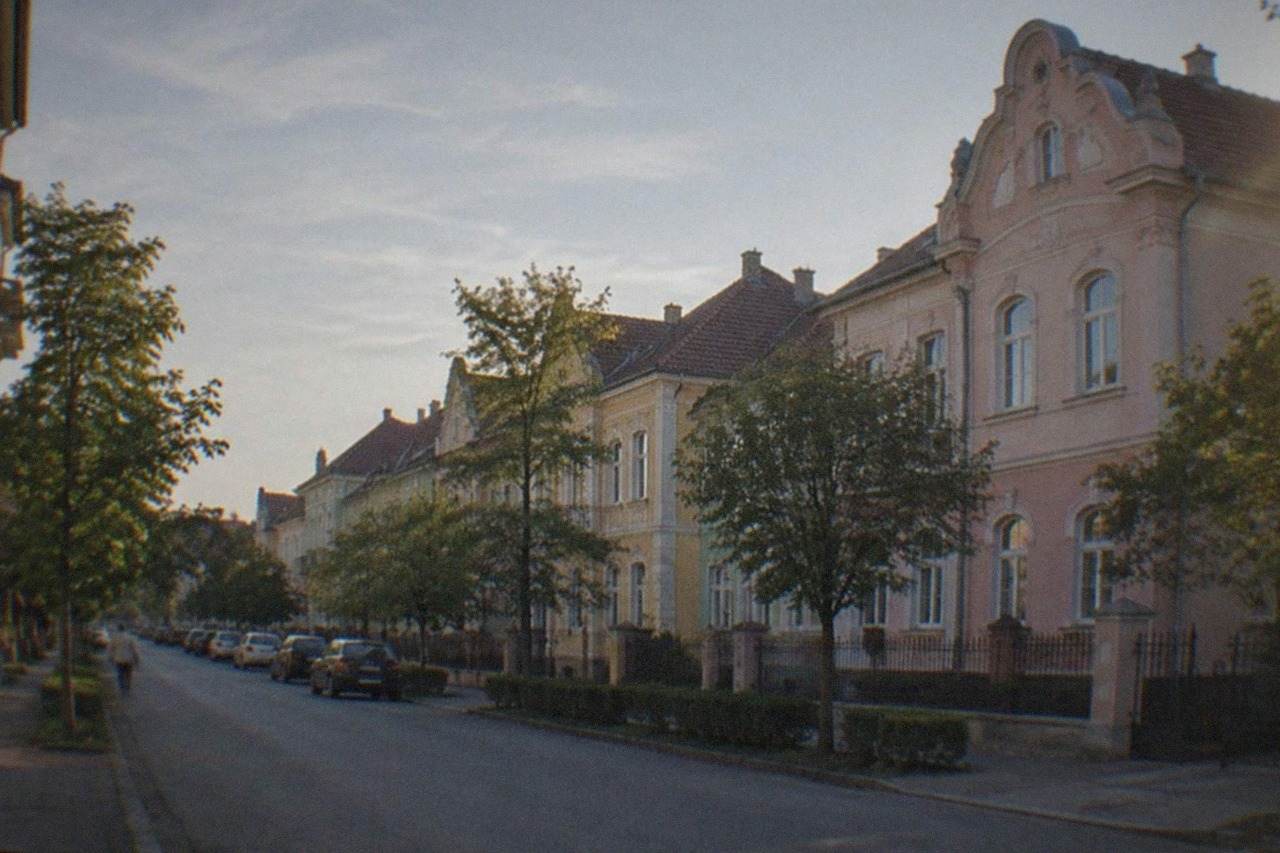
Iosefin is the historic district immediately south of Timisoara's Cetate old town, bounded by the Bega canal, known for its Millennium Church, its old water tower, Piața Mocioni and some of the city's calmest Secession architecture.
Iosefin is the historic district immediately south of Timisoara's Cetate old town in Timis County, in the Banat region of western Romania, and it is the part of the city where the Habsburg grid, the Bega canal and the city's industrial memory meet with the least tourist traffic. Timișoara, under its Hungarian name Temesvár, grew outward from the fortress in planned stages, and Iosefin was one of those stages: a working district of wide straight streets, churches for three confessions, and a railway station at its southern edge. Today it is where locals walk the canal, where the Millennium Church anchors a leafy square, and where the city's current regeneration money is being spent. This page is part of the wider Timisoara Travel Guide coverage of the city's historic districts.
What Is Iosefin In Timisoara?
Iosefin is the southernmost of Timisoara's historic inner districts, laid out as a planned suburb south of the Cetate fortress and bounded on its eastern side by the Bega canal, and it is named after Emperor Joseph II. It sits between the old town and the Josefin railway station, and its street plan, wide and straight with generous gardens, still reflects the Habsburg military engineering that produced it. Unlike Cetate or Fabric, it has no single headline monument, its appeal is the ensemble.
That ensemble is what makes the district worth a half day. The core is a compact grid south of the Bega, crossed by Calea Șagului and anchored by two landmarks: the Millennium Church on its own green square and the Iosefin Water Tower a short walk north. Around them, Secession and neoclassical facades line streets that are noticeably quieter than anything in the center. The district also holds the city's oldest parish communities, which is why an ecumenical walking tour of Timisoara naturally routes through it.
For orientation, think of the district in three bands. The northern band, along the Bega, is the promenade: the canal, the water tower and the bridges toward the Cetate old town. The middle band is the residential grid around the Millennium Church and Piața Mocioni. The southern band reaches the railway tracks and the boulevards heading out toward the west of the city. Everything worth seeing is within an easy walk of everything else.
What To See In Iosefin, Timisoara?
The four sights that define Iosefin are the Millennium Church, the Iosefin Water Tower, Piața Mocioni and the Bega canal promenade, all within a fifteen-minute walk of one another, and the district's secondary attractions, its Secession facades and parish churches, are found simply by walking the grid between them. None of these carries an entry fee in the way a museum does, the church and the square are public space.
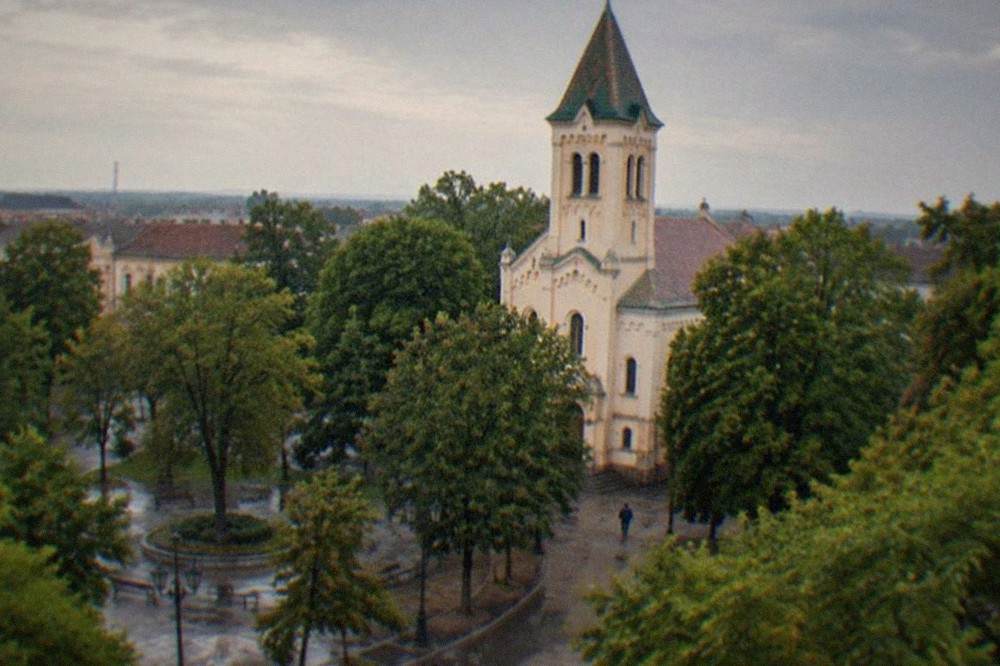
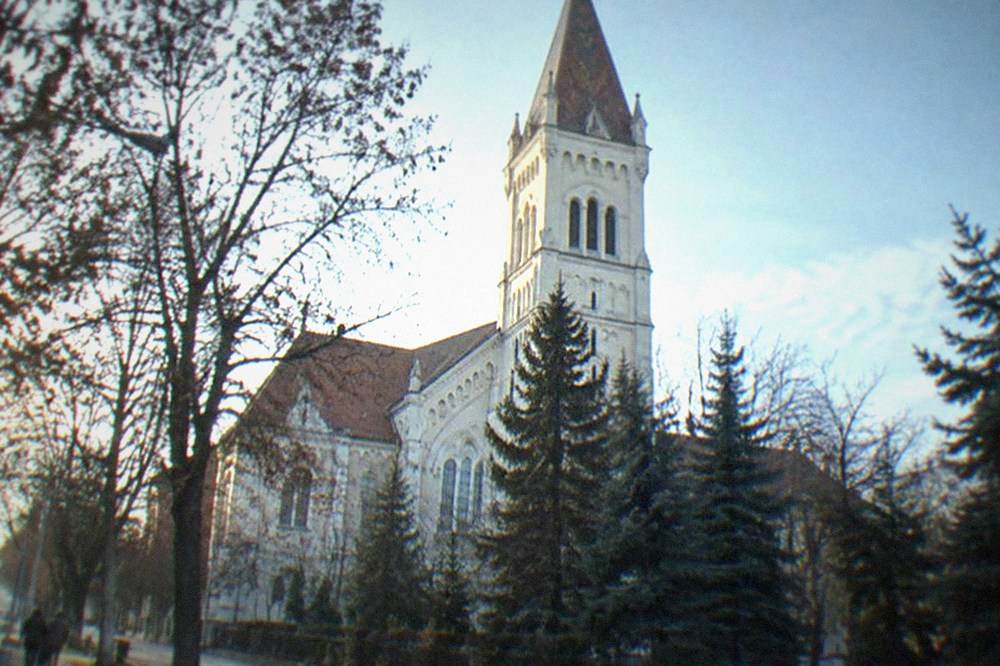
The Millennium Church is the district's landmark. It is one of the tallest church buildings in Romania and the center of Iosefin's Catholic community, standing on a green square ringed by plane trees. Architecturally it is a neo-Romanesque building with a soaring tower, and it reads as the counterweight to the Orthodox Metropolitan Cathedral across the river in the center. The square around it is one of the calmest green spaces in the inner city.
The Iosefin Water Tower, built in the early 1900s, is the district's second landmark and now functions as an exhibition and viewing space rather than a piece of infrastructure. The Iosefin Water Tower guide covers its architecture and current use in detail. From its base, the Bega canal promenade runs north toward the city center, and walking it is the single best way to understand how the districts of Timisoara string together along the water.
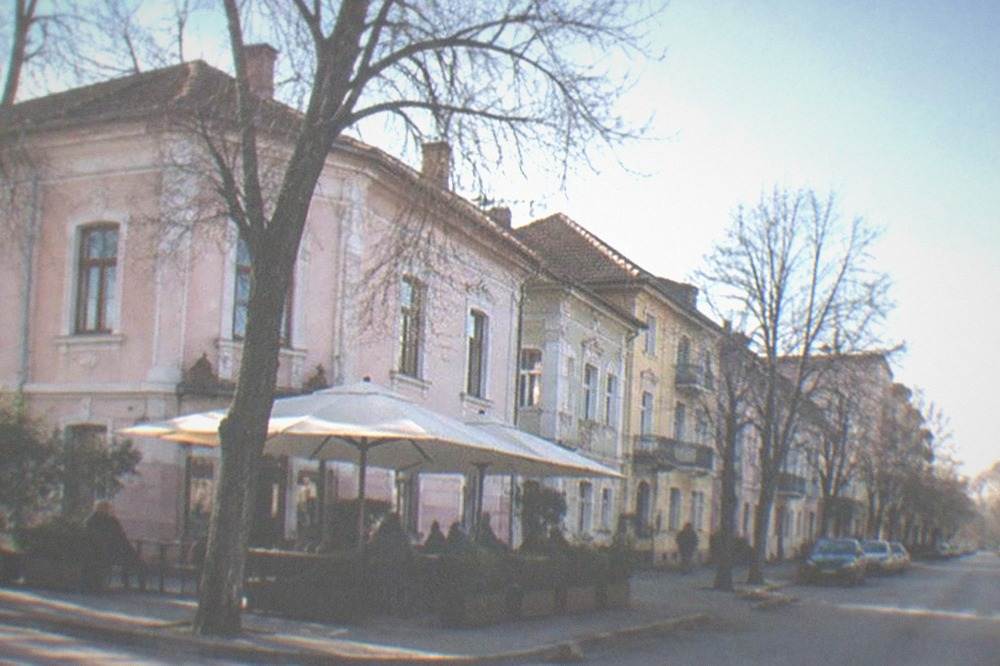
Piața Mocioni, the district's small central square, is currently the subject of a major public-space regeneration: in December 2025 the city signed a contract worth roughly 14.5 million euro in EU and local funds for reworking Iosefin's historic public spaces, with Piața Mocioni among the named sites. Expect scaffolding and fresh pavement in equal measure through the works period. Beyond the square, the residential streets south and east hold some of the best-preserved Secession facades in the city, painted in the pastel palette that gives the district its character.
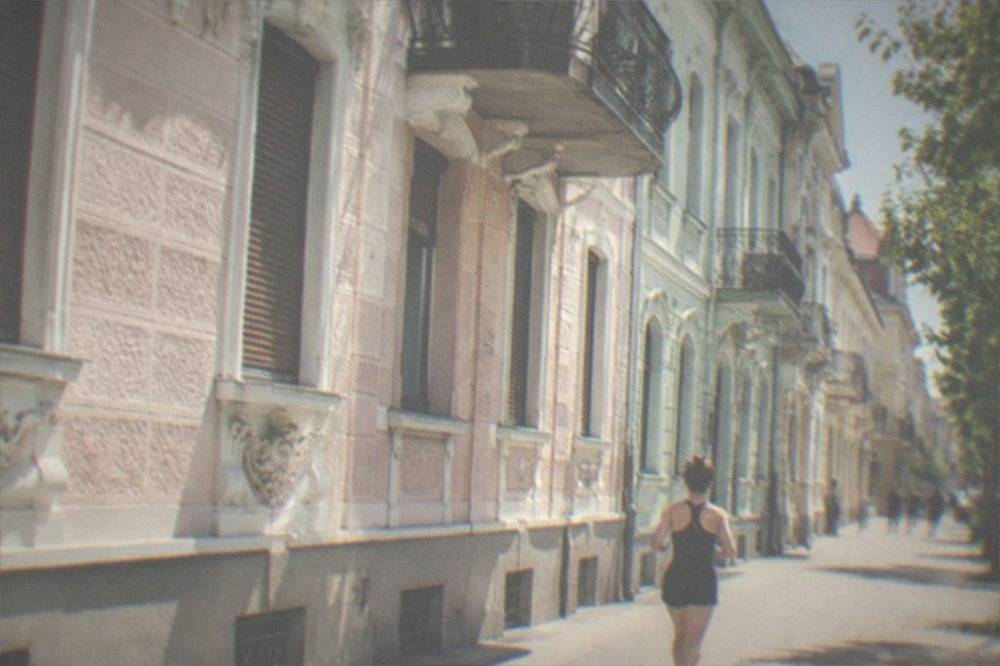
For visitors building a full city itinerary, Iosefin pairs naturally with the Cetate old town across the river and with Fabric to the east, the other two historic districts that complete the set. The one-day city itinerary slots Iosefin into the afternoon, after the squares and before dinner.
| Sight | Type | Why It Matters |
|---|---|---|
| Millennium Church | Neo-Romanesque church | District landmark, one of Romania's tallest church buildings |
| Iosefin Water Tower | Tower | Exhibition and viewing space on the Bega |
| Piața Mocioni | Historic public square | Core of the 14.5 million euro regeneration of Iosefin's public spaces |
| Bega canal promenade | Waterfront walk | Links Iosefin to the Cetate old town on foot |
| Secession residential grid | Architecture | Best-preserved painted facades outside the center |
A guided walk is the efficient way to see the district in context, because Iosefin's story is really the city's story told quietly. The Classic Tour of Timisoara covers the historic districts with a guide and consistently strong reviews:
For travelers who want the deeper architectural and political history rather than just the photo stops, the same route can be taken with a communist-history focus:
How To Get To Iosefin And Around Timisoara?
Iosefin is reached from central Timisoara on foot along the Bega canal in about fifteen minutes, or by tram and trolleybus on the city's integrated network, where a single 60-minute ticket costs 5 lei and a one-day pass costs 18 lei, both valid on trams, trolleybuses, buses and the seasonal vaporetto on the canal. Tickets can be bought with a contactless bank card directly on board, which removes the need to find a kiosk first.
The fare structure is flat and simple, which matters for a district visit because you will likely ride a tram one way and walk back along the water. The operator's own tariff page gives the current prices, and the day pass pays for itself in three rides. The vaporetto, the small passenger boats on the Bega, runs seasonally from the start of April to the end of October and stops along the canal, including stops that serve the district's riverfront.
| Ticket | Price | Validity |
|---|---|---|
| Single 60-minute ticket | 5 lei | All modes, including the vaporetto |
| One-day pass | 18 lei | All modes, including the vaporetto |
| 30-day general pass | 160 lei | All modes |
| Annual general pass | 1,320 lei | All modes |
Payment is contactless on board, by e-wallet card, SMS, mobilPay, eTicket or at STPT sales points. Two third-party ticketing apps were discontinued in 2026, so the on-board card reader is the simplest option for a visitor. Real-time arrivals are available through the operator's live map, and the tram network, nine lines, plus trolleybuses and express buses, covers the whole inner city.
One caveat for planning: Timisoara's tram network is under sustained rehabilitation, and temporary diversions are common, with works around Trajan Square running through late 2026. Check the operator's alerts before relying on a specific line number. If you are arriving from further afield, the wider transport guides cover airport transfers and arrivals, since the Josefin station sits at the district's southern edge.
If you would rather have a guide handle the logistics of the trams and the walking routes, the All in One tour is the natural fit for this district, because it does exactly what this section describes, combining the walkable historic core with tram rides between districts:
The same operator listing also lets you check dates and availability before you commit, with free cancellation if plans change:
Where To Eat And Drink In Iosefin, Timisoara?
Iosefin's food scene is a local one rather than a tourist one, built around neighborhood restaurants, cafes and bakeries serving Banat and Romanian cooking at prices well below the old town, with a typical inexpensive restaurant meal around 45 to 50 lei, a cappuccino around 13 to 15 lei and a half-liter of domestic draft beer around 11 to 12 lei, according to September 2026 cost-of-living data for the city. These are planning ranges, individual venues vary, check the menu.
The district's advantage is that it is where Timisoara eats when nobody is performing for visitors. The streets around the Millennium Church and along Calea Șagului hold long-standing neighborhood kitchens, pizzerias and cake shops, and the area's proximity to the Bega canal means a coffee can be carried to the water. For the full picture of the city's food culture, from Banat paprikash to the street-food scene, see the city's dedicated food and restaurant guides.
| Item | Typical Price (RON) | Notes |
|---|---|---|
| Inexpensive restaurant meal | 45 to 50 | Main course, cheap restaurant or lunch menu |
| Cappuccino | 13 to 15 | Regular coffee-shop price |
| Domestic draft beer, 0.5 L | 11 to 12 | Neighborhood pub price |
| Fast-food combo meal | around 32 | Business-district lunchtime benchmark |
Worth knowing before you budget: Timisoara levies a tourist promotion tax on accommodation, set by local council decision for 2026 and reported at 2 percent of the nightly tariff excluding VAT, collected by the lodging at checkout rather than by any municipal office. It is small, but it appears on your hotel bill. The Romanian leu is the till currency everywhere, the euro is not adopted, and card payment is routine in the city's restaurants and shops.
What Is The History Of Iosefin, Timisoara?
Iosefin was laid out as a planned suburb south of the Habsburg fortress at Timisoara, named after Emperor Joseph II, and its history is inseparable from the city's record of firsts: the horse-drawn tram line that opened in July 1869 from Cetate to Fabric was extended to the Josefin railway station on 25 October the same year, making the district one of the first tram-served suburbs in the Habsburg Empire. The district grew around that station and the Bega canal's freight traffic.
The city's own "premieres" list, published by the municipal administration, records the sequence of firsts that shaped districts like this one: the Bega was canalised from 1728 as the first navigable canal in Romania, street lighting arrived in stages, first oil lamps in 1760 making Timisoara the first lamp-lit city of the Habsburg monarchy, then gas in 1855, and on 12 November 1884 the city became the first on the European mainland with electric street lighting, 731 lamps over 59 kilometers of streets. Iosefin, as a canal-side freight and railway district, lived downstream of all of it.
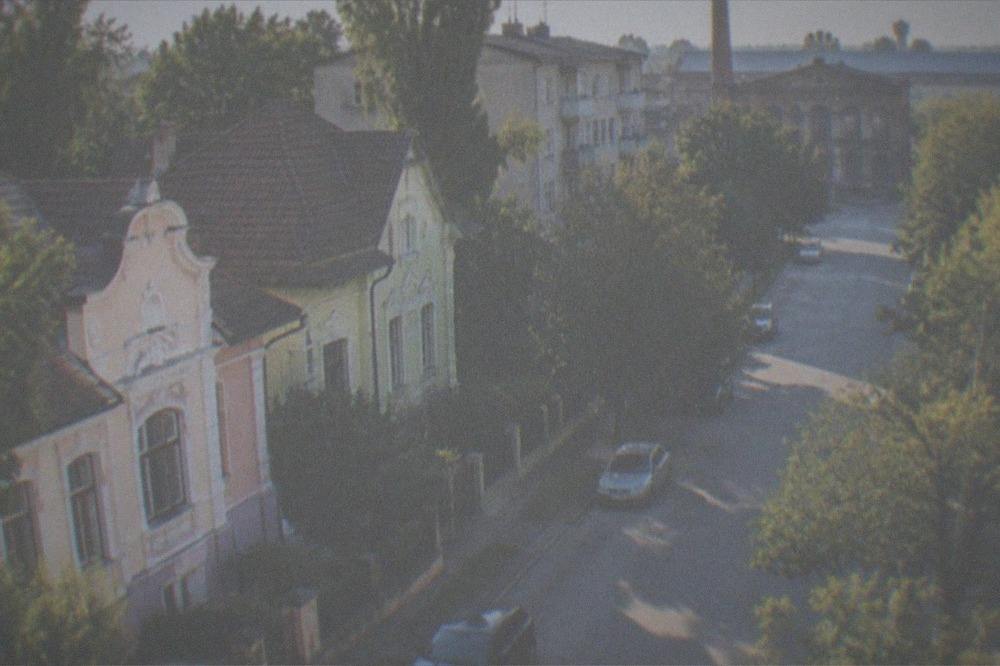
The district's confessional mix dates from the same planned-colonization era. Banat was settled deliberately, with Catholic, Orthodox and Protestant communities established side by side, and Iosefin still carries that pattern in its churches: the Catholic Millennium Church, an Orthodox parish and a Reformed church all sit within the grid. The city's dedicated history pages cover the later chapters, including the December 1989 events that began in Timisoara and are commemorated at the Memorial Museum of the Revolution.
| Year | Event Relevant to Iosefin |
|---|---|
| 1728 | Canalising of the Bega begins, the first navigable canal in Romania |
| 1760 | Timisoara becomes the first lamp-lit city of the Habsburg monarchy |
| 8 July 1869 | First horse-drawn tram in the Habsburg Empire opens, Cetate to Fabric |
| 25 October 1869 | Horse tram extended to the Josefin railway station |
| 12 November 1884 | First electric street lighting on the European mainland, 731 lamps |
| December 2025 | EU and local contract signed for Iosefin public-space regeneration |
The regeneration contract signed in December 2025, worth roughly 14.5 million euro, is the district's biggest intervention since the tram arrived, and it is part of the same wave of post-European Capital of Culture investment that is funding the MultipleXity cultural hub in the former tram depots on Take Ionescu Boulevard, on Iosefin's northern flank. Visitors in 2026 and 2027 will see a district mid-renewal, which is either a drawback or a front-row seat, depending on temperament.
When Is The Best Time To Visit Iosefin, Timisoara?
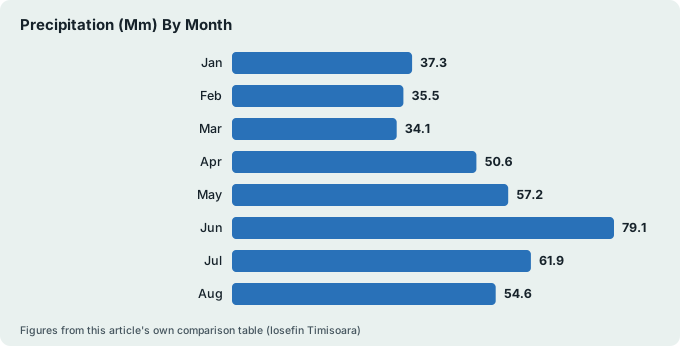
The best time to visit Iosefin is May through September, when Timisoara's climate normals show mean temperatures of 17.3 C in May rising to a July peak of 22.8 C, and the Bega canal promenade, the district's main attraction, is in full use, while the vaporetto boats on the canal run from the start of April to the end of October. Spring and early autumn give the same walkability with fewer people, and winter visits trade the promenade for the Christmas market in the center.
The climate here is continental, not Mediterranean, and the numbers deserve reading rather than skimming. July is the warmest month at a mean of 22.8 C and January the coldest at 0.0 C. June is the wettest month at 79.1 mm of precipitation and March the driest at 34.1 mm, with 600.7 mm across the year. What that means practically for Iosefin: summer evenings on the canal are the district at its best, June showers are real but rarely all-day, and a winter visit is perfectly workable because the district's core sights, the church square and the streets, are free and open regardless.
| Month | Mean Temp (C) | Precipitation (mm) |
|---|---|---|
| Jan | 0.0 | 37.3 |
| Feb | 2.1 | 35.5 |
| Mar | 6.5 | 34.1 |
| Apr | 12.3 | 50.6 |
| May | 17.3 | 57.2 |
| Jun | 20.9 | 79.1 |
| Jul | 22.8 | 61.9 |
| Aug | 22.5 | 54.6 |
| Sep | 17.2 | 50.4 |
| Oct | 11.5 | 50.0 |
| Nov | 6.4 | 45.3 |
| Dec | 1.5 | 44.7 |
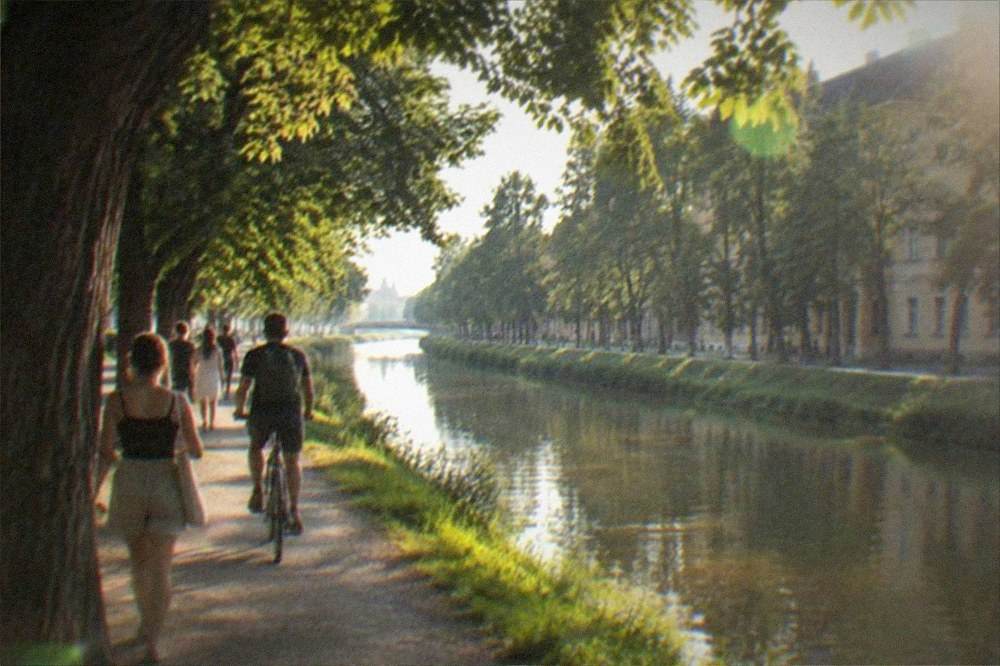
The city's event calendar shifts the calculus slightly. The Timisoara Jazz Festival runs in late September, the city celebration fills the first days of August with over 200 events, and the Christmas Market, expected around late November into early January on the basis of prior editions, makes a December walk through Iosefin a prelude to the lights in Victory Square. The month-by-month climate guide breaks the whole year down for the city.
Where To Stay In Iosefin, Timisoara?
Iosefin is a strong base for travelers who want a quieter, cheaper stay within walking distance of the old town, offering guesthouses, apartments and small hotels in historic buildings, typically at lower rates than equivalent properties in Cetate, though the district has fewer full-service hotels than the center, so visitors wanting hotel amenities often split the difference by staying near the boundary with the old town. The 2 percent tourist tax applies to all of it, collected by the lodging.
The trade-off is simple. In the center you pay for proximity to the squares and restaurants; in Iosefin you pay less for more space and a genuinely local street rhythm, and the walk along the Bega to Union Square is itself one of the better things you will do each day. The district's regeneration works mean some street noise and scaffolding in the Piața Mocioni area through the works period. The district-comparison guide weighs Iosefin against Elisabetin, the other quiet residential favorite, and against the center.
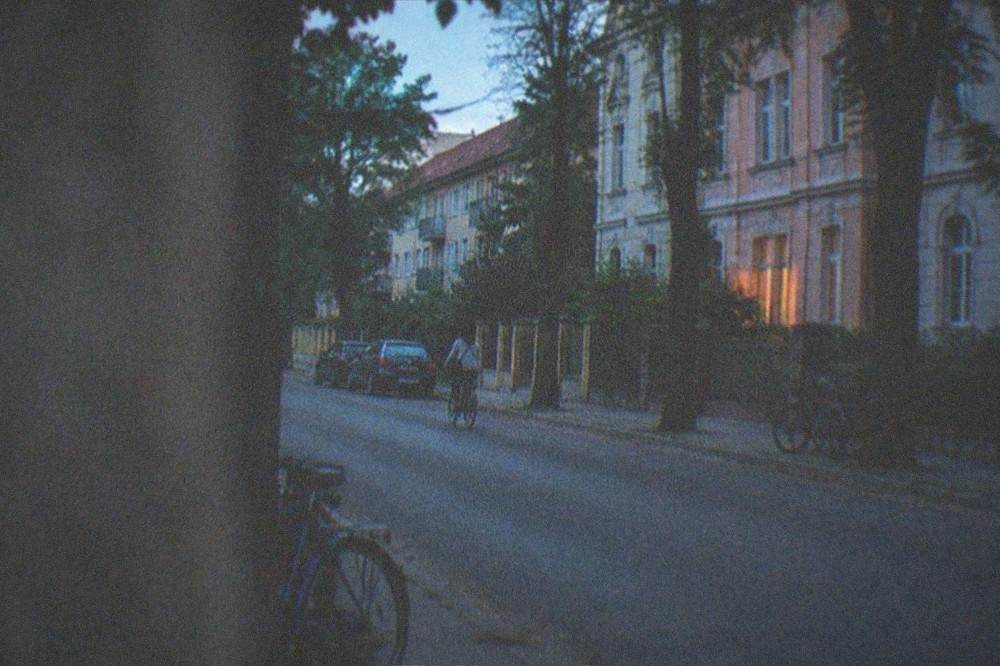
If you are staying in Iosefin and want to see beyond the city, the district's southern station and the road links make day trips straightforward, and the guided options below cover the two most requested routes from Timisoara, one into the mountains and one through the city's modern history:
Independent day-trippers have good options too: Arad is the easy half-day city to the north, and the two-day city itinerary shows how to combine a district day with a trip out.
Common Questions About Iosefin Timisoara
Is Iosefin worth visiting in Timisoara?
Yes, for travelers with more than a day in the city. Iosefin holds the Millennium Church, the Iosefin Water Tower and some of the best-preserved Secession facades in Timisoara, all within a fifteen-minute walk of the old town along the Bega canal, and it sees a fraction of the visitor traffic of the center.
How far is Iosefin from Timisoara city center?
Iosefin begins immediately south of the Cetate old town across the Bega canal. The walk from the old town to the Millennium Church along the canal takes roughly fifteen minutes, and the district is also served by tram and trolleybus on the city's integrated network, where a single 60-minute ticket costs 5 lei.
What is Iosefin known for?
The district is known for the Millennium Church, one of the tallest church buildings in Romania, the old water tower on the Bega, its Secession residential architecture, and its history as a planned Habsburg suburb whose horse tram extension in October 1869 made it one of the first tram-served districts in the region.
Are there restaurants in Iosefin?
Yes, the district has a local scene of neighborhood restaurants, cafes and bakeries. Cost-of-living data for Timisoara from September 2026 puts an inexpensive restaurant meal around 45 to 50 lei and a cappuccino around 13 to 15 lei, below equivalent old-town prices, though individual venues vary.
Is Iosefin a good place to stay in Timisoara?
It suits travelers who want a quieter, lower-cost base within walking distance of the center. Accommodation is mostly guesthouses and apartments rather than full-service hotels, and a tourist promotion tax reported at 2 percent of the nightly tariff is collected by the lodging.
When is the best time to walk the Bega canal in Iosefin?
May through September, when the climate normals for Timisoara show means from 17.3 C to 22.8 C, and the seasonal vaporetto boats are running on the canal from the start of April to the end of October. June is the wettest month at 79.1 mm, so carry a light rain layer.
Iosefin rewards the traveler who has already seen the squares and wants the city at its own pace: one landmark church, one tower, one canal and a grid of pastel facades, fifteen quiet minutes from the center of Timisoara, Romania.