Elisabetin Timisoara
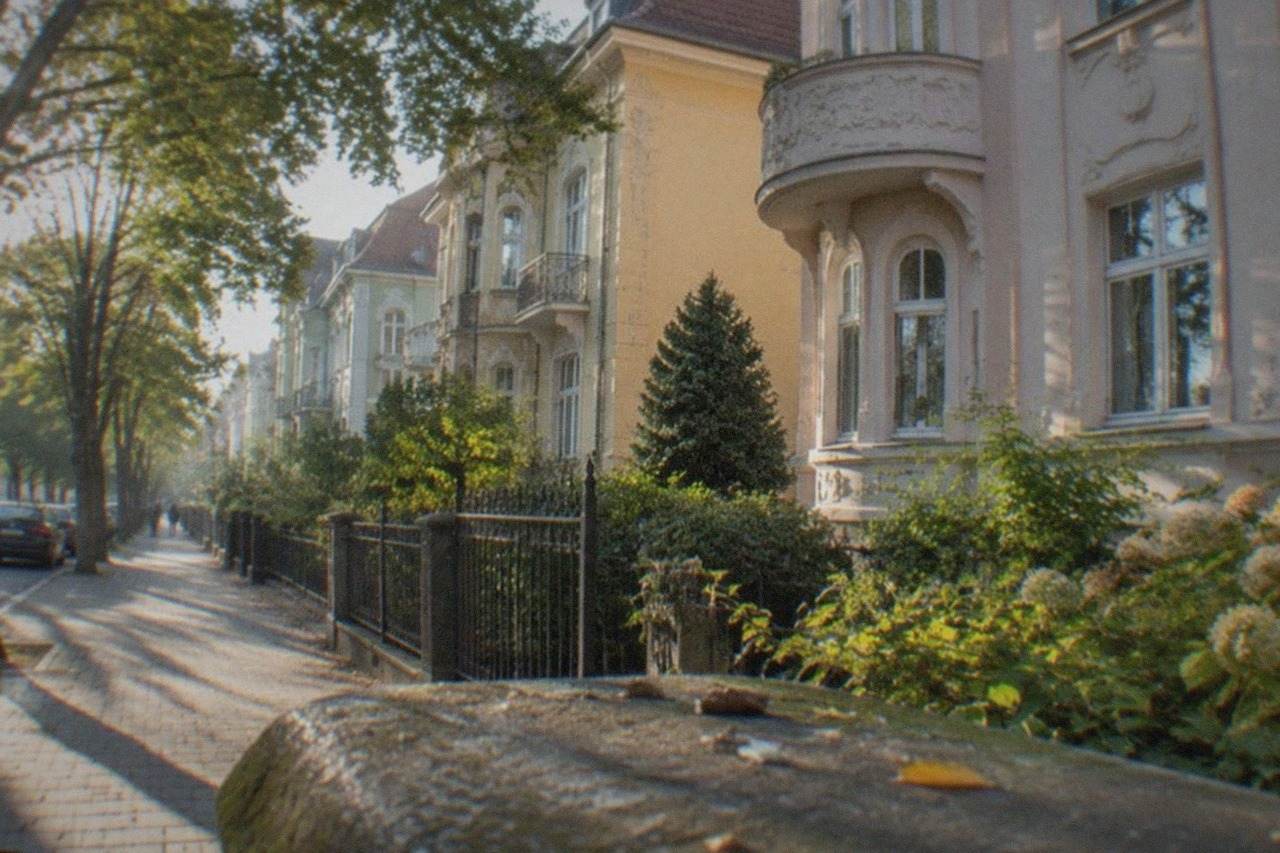
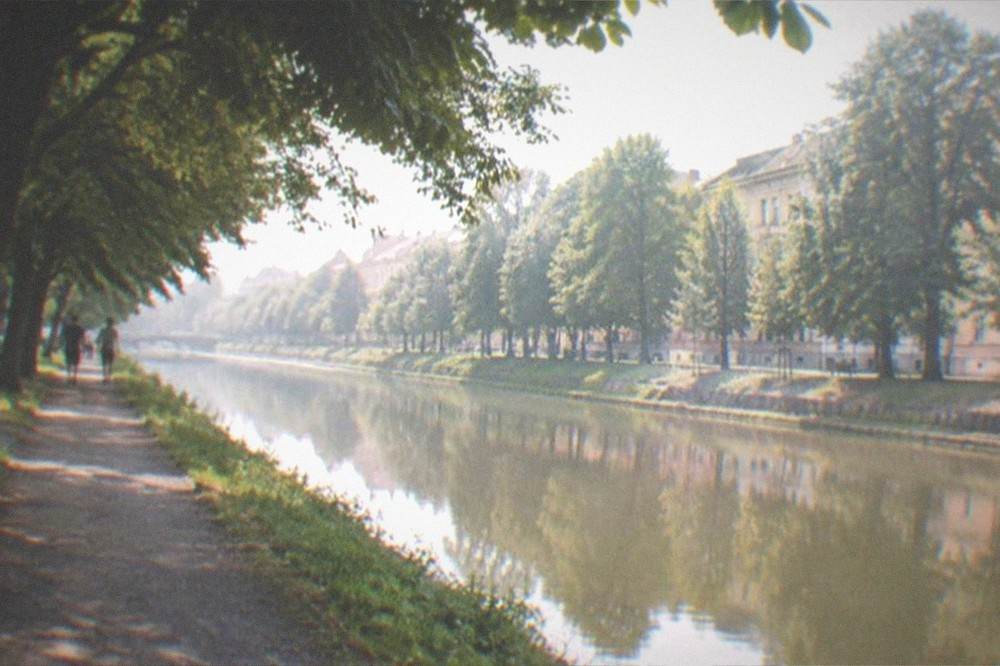
Elisabetin is Timisoara's most residential historic quarter, a grid of Secession facades and plane-tree streets south of the Bega canal, named after Empress Elisabeth of Austria-Hungary and built once the fortress walls came down.
Short answer
Elisabetin is the historic neighborhood immediately south of Timisoara's Cetate old town, across the Bega canal, developed after the fortress walls were demolished. It is known for Secession and Art Nouveau architecture, quiet streets, the Millennium Church, Roses Park and Central Park, and a local, lived-in atmosphere a short walk from Piata Unirii.
Elisabetin is the historic neighborhood immediately south of Timisoara's old town in Timis County, in the Banat region of western Romania, and it is the quarter where the city stops performing for visitors and simply lives. Timișoara, under its Hungarian name Temesvár, grew outward in rings, and Elisabetin was one of the first suburbs to rise after the 1892 decision to demolish the fortress walls freed land beyond the moat. What you get today is a grid of streets laid out in later times, plane trees, pastel Secession facades, and a mix of students, families and pensioners that gives the area a calmer rhythm than the squares of the Cetate. This page on Timisoara Travel Guide covers everything worth seeing, eating and knowing in Elisabetin, from its churches and parks to how it compares with the city's other historic quarters.
What Is Elisabetin In Timisoara?
Elisabetin is the historic quarter directly south of Timisoara's Cetate old town, across the Bega canal, named after Empress Elisabeth of Austria-Hungary and developed after the 1892 decision to demolish the fortress walls freed the land beyond them. It is residential rather than monumental, built around a regular grid of streets lined with Secession, Art Nouveau and eclectic apartment buildings, and it holds the Millennium Church, Roses Park and Central Park close to Piata Unirii.
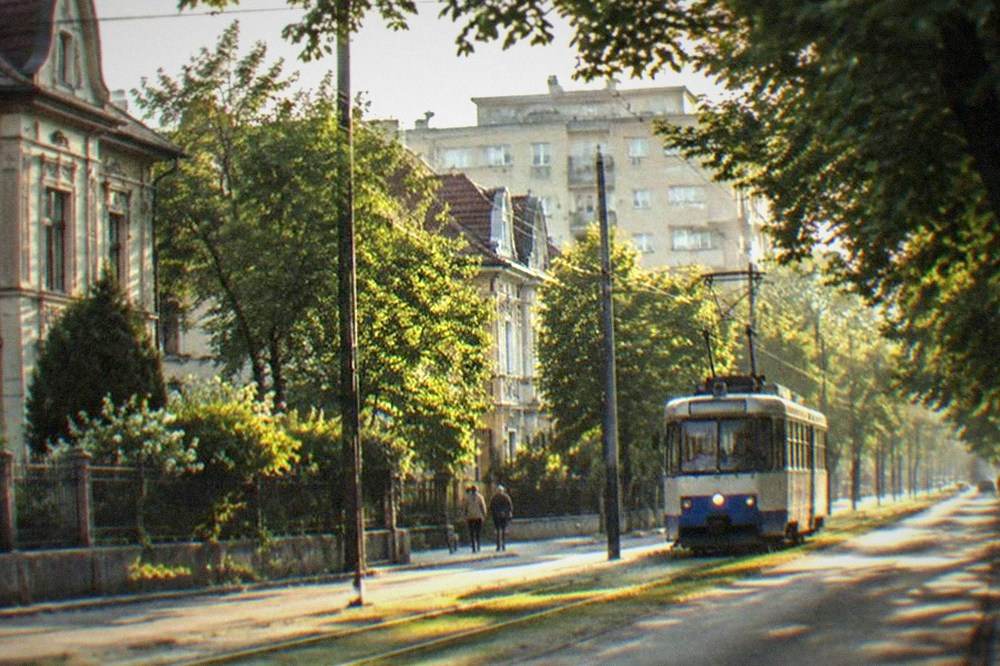
The neighborhood belongs to the city's great expansion era. Once the decision to demolish the fortress walls was taken in 1892, the defensive ring that had hemmed Timisoara for two centuries turned into building land, and the suburbs beyond it, Elisabetin among them, filled with apartment houses for the city's growing middle class. The electric tram arrived in the city in 1899, the first in Romania, and lines like the one along today's corridor toward the south connected these new quarters to the center within minutes. That pattern still defines Elisabetin: it was built for people who worked in the center and lived a tram ride away.
The character of the quarter comes from that origin. Unlike Cetate, where every second ground floor is a cafe aimed at visitors, Elisabetin's ground floors mix bakeries, corner shops, small restaurants and the occasional design studio, with laundry strung between balconies one street over from a beautifully restored facade. The student population of the nearby university complexes keeps prices honest and evenings lively. It is the part of Timisoara where you understand that the city is home to roughly a quarter of a million people rather than a stage set, and that is precisely its appeal.
For orientation, think of Elisabetin as the block of the city bounded roughly by the Bega canal to the north and east, Roses Park and the complex around it to the west, and the boulevards that continue the old town's axis to the south. Everything in it walks easily: the farthest corner is no more than twenty minutes on foot from Piata Unirii, the baroque heart described in the Union Square Piata Unirii guide.
What Are The Top Sights In Elisabetin?
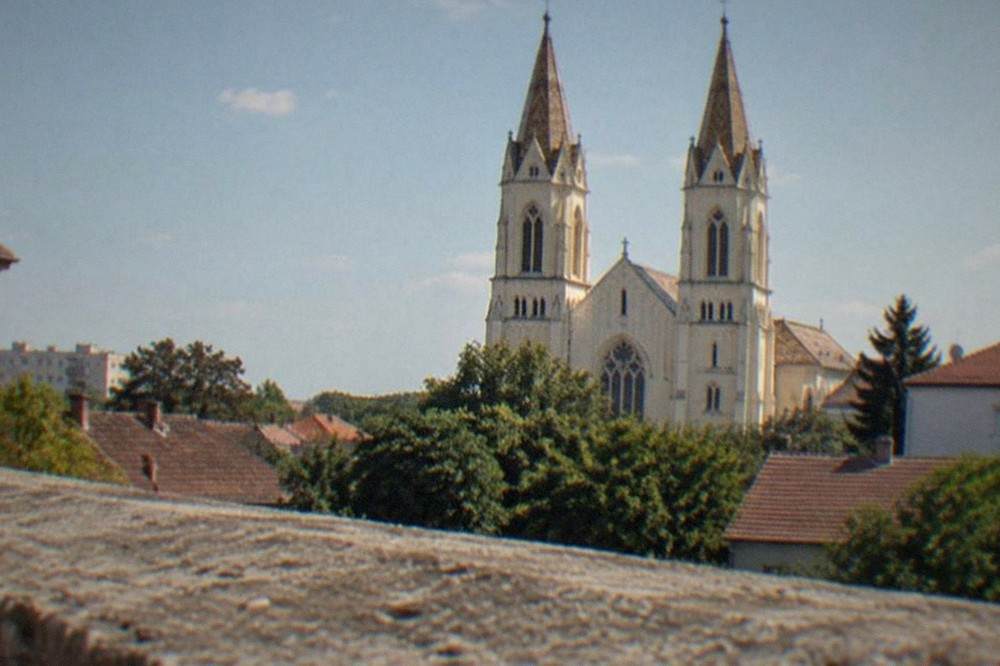
The top sights in Elisabetin are the Millennium Church with its tall neo-Gothic towers, the two adjacent green spaces of Central Park and Roses Park, the Secession apartment blocks along streets such as Boulevard 16 December 1989 and the surrounding grid, and the Bega canal bank that marks the quarter's northern edge. All of them are free to see from the street, and none requires more than an afternoon to cover on foot.
The Millennium Church, the Catholic parish church at the heart of the quarter, is the neighborhood's landmark. Its slender twin towers rise over a low-rise streetscape, and its neo-Gothic silhouette gives Elisabetin a focal point that the flat residential grid otherwise lacks. The church anchors the small square around it, where the quarter's daily life is easiest to watch: pensioners on benches, children on their way home from school, and the small commerce of a real neighborhood.
Roses Park and Central Park sit side by side on the quarter's western side and together form Elisabetin's green lung. Roses Park is the showier of the two, laid out around its rose beds and shaded alleys, while Central Park is the looser, more informal space where locals walk dogs and students read in warm weather. Both are at their best from May onward, when the canopy closes and the rose display peaks, and both are free to enter.
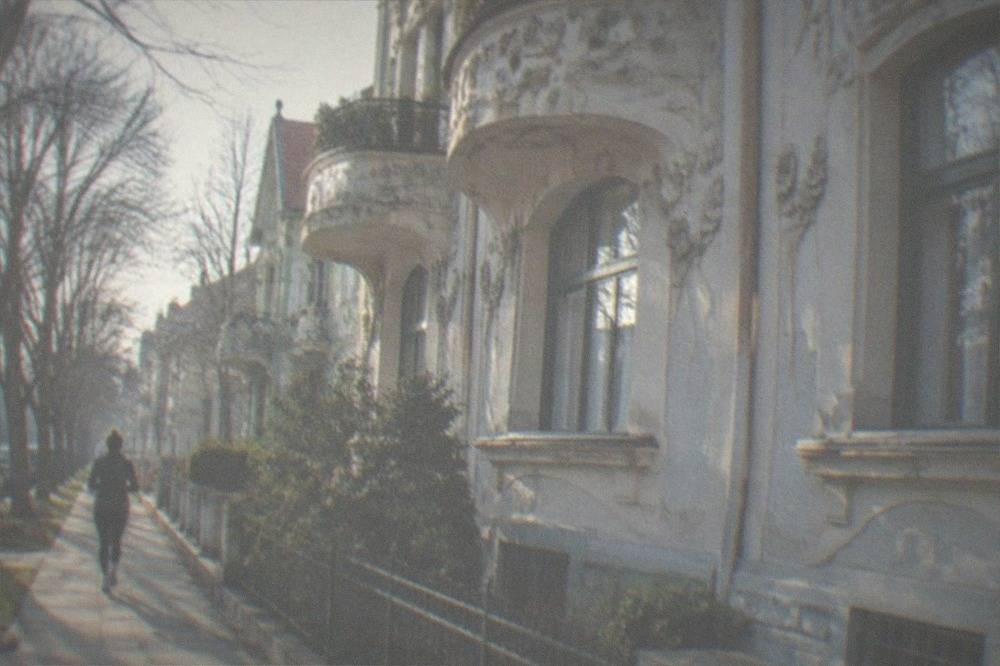
The third sight is the streets themselves. Elisabetin carries some of the finest Secession and Art Nouveau facades in a city already famous for them, and unlike the showpieces of the center, many of these sit on quiet residential streets with no crowd in front of them. Walk the grid between the Millennium Church and the canal and you will pass facades with curved balconies, female masks, floral stucco and painted shopfront lettering, some restored to museum condition and others still waiting their turn. A guided walk helps you read them.
The dedicated Elisabetin walking tour is the natural fit here, since the quarter's sights are scattered across a residential grid rather than gathered on one square, and a local guide knows which courtyard and which facade repay a detour. You can also Check availability for the same tour if the format below suits you better.
Here is how the quarter's main sights stack up for a visitor planning a walk:
| Sight | What it is | Time needed | Notes |
|---|---|---|---|
| Millennium Church | Catholic parish church with twin neo-Gothic towers | 15-20 min | The quarter's visual landmark |
| Roses Park | Formal park centered on rose beds and shaded alleys | 30-45 min | Best from May onward |
| Central Park | Informal park next to Roses Park | 20-30 min | Free, popular with locals |
| Secession facades grid | Residential streets with Art Nouveau detailing | 45-60 min | Free to wander, best light late afternoon |
| Bega canal bank | Waterfront promenade at the quarter's northern edge | 30 min | Connects toward Cetate and the Opera |
Where Is Elisabetin And How Do You Get There?
Elisabetin lies immediately south of Timisoara's Cetate district, separated from the old town by the Bega canal and reachable on foot from Piata Unirii in roughly ten minutes across one of the central bridges. Public transport covers it with several tram and trolleybus lines, a single 60-minute ticket costs 5 lei and a one-day pass costs 18 lei, and contactless bank cards are accepted on board.
The walk from the center is the best way in. Leaving Piata Unirii or the Opera, you cross the Bega and the character changes within two blocks: the baroque and historicist showpieces give way to residential facades, the streets straighten into the grid, and the pace slows. The whole quarter is flat, compact and walkable, and it can easily be treated as an extension of a day in the Cetate old town rather than a separate expedition.
If you are coming from farther out, the tram network is the practical answer. Timisoara runs nine tram lines plus trolleybuses and express buses under the STPT network, and several of them pass along Elisabetin's edges or through it. Tickets are integrated across all modes, including the seasonal vaporetto on the Bega, so a single validated ticket covers a tram ride followed by a water crossing if you fancy arriving by boat in the warmer half of the year. Real-time arrivals are published on the operator's live map, which removes most of the guesswork.
| Ticket or pass | Price | What it covers |
|---|---|---|
| Single ticket, 60 minutes | 5 lei | All STPT modes, including the Bega vaporetto |
| One-day pass | 18 lei | Unlimited rides for one day, all modes |
| 30-day general pass | 160 lei | All modes for a month |
| Contactless bank card | Pay per ride | Tap on board, no ticket needed |
Cycling is another option, since the Bega canal towpath runs along the quarter's northern edge and is the flattest, pleasantest approach from the west of the city. The municipal bike-share system exists, but its fleet details and tariffs are not reliably published, so check the operator's own pages before counting on it.
What Architecture Defines Elisabetin Timisoara?
Elisabetin's architecture is defined by Secession and Art Nouveau residential facades from the building boom that followed the 1892 demolition decision, mixed with eclectic historicist apartment houses from the same era, all laid out on a regular street grid created once the fortress walls came down. It is the most concentrated residential display of the style in Timisoara outside the grand boulevards of Cetate.
Timisoara's building boom in a later era was the architectural event that shaped the whole city, and Elisabetin is where its middle-class output landed. The Secession style, the local branch of Art Nouveau, arrived with curved balconies, asymmetrical window frames, botanical stucco and the famous faces that stare out from around doorways. In the center these facades front cafes and museums; in Elisabetin they front ordinary life, which many visitors find more atmospheric, not less.
The condition of the buildings varies, and that variety is part of the story. One street can hold a facade restored to its original paint colors beside another still wearing the drab render of the communist decades. Restoration has moved street by street since the 2023 European Capital of Culture year refocused attention on the city's heritage, so the quarter is slowly brightening, but nobody should arrive expecting a uniformly polished open-air museum. Bring a camera and some tolerance for scaffolding.
Two practical tips for facade hunting. First, the light is best in the late afternoon, when the low sun catches the stucco relief on the west-facing fronts. Second, look up and look down: the most interesting details on Elisabetin's buildings are often the ground-floor shopfront lettering and the courtyard entrances, which survive from the decades when every block had its baker, cobbler and dairy on the street.
Where To Eat And Drink In Elisabetin?
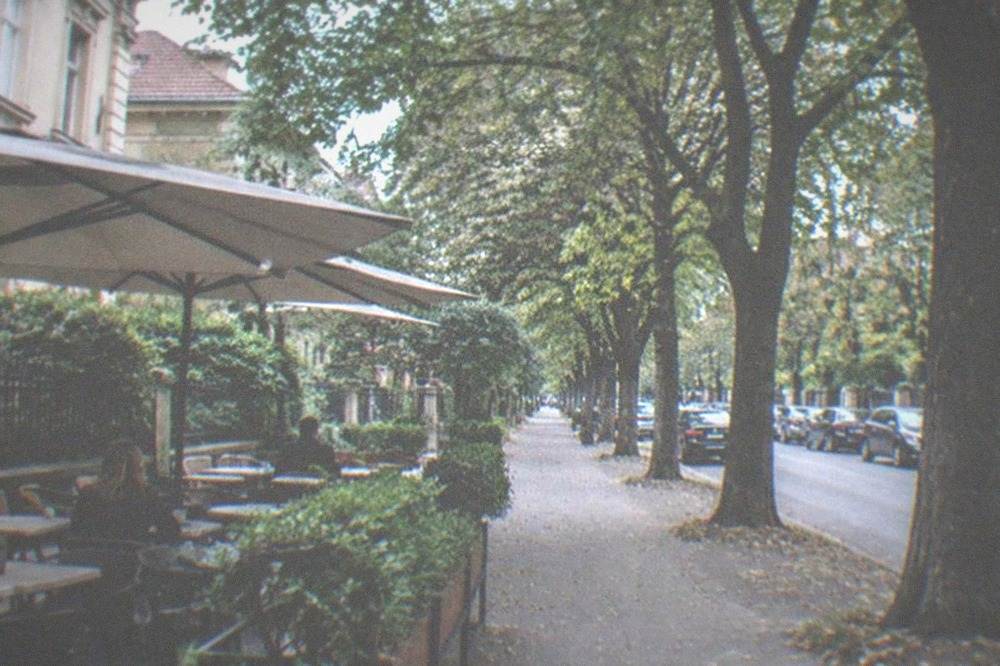
Elisabetin's food scene runs to neighborhood restaurants, student-priced cafes, bakeries and an increasing number of specialty coffee spots, generally cheaper and less tourist-oriented than the equivalent in Cetate. A cappuccino in Timisoara runs around 13 to 15 lei, a draught beer around 11 to 12 lei, and an inexpensive restaurant meal around 45 to 50 lei, according to September 2026 cost-of-living trackers.
The quarter's position next to the student complexes means its eating culture is built for locals, and the pricing follows. Around the Millennium Church and along the streets leading to the university buildings you will find the full ladder of Romanian everyday eating: the bakery that sells covrigi in the morning, the lunch spot doing the day's menu, and the neighborhood restaurant where the menu is long and the portions longer. Banat cuisine, the region's own tradition, is worth seeking out by name, since the local kitchen runs to pork, paprika and river fish dishes that differ from the generic Romanian restaurant repertoire.
Coffee culture has spread into the quarter along with the students. The specialty scene in Timisoara is strongest in the center and in Iosefin, but Elisabetin has its share of small roaster-led cafes, and the residential streets make them pleasant places to sit. For the full picture of the city's food, from the restaurants of the old town to the markets, the Timisoara food guide and the guide to Timisoara restaurants cover it in depth.
The best way to taste the quarter rather than just eat in it is with a guide who knows which kitchen does what. The street food tour below is the natural pairing, since it covers the city's everyday eating rather than the old town's tourist tables.
For budgeting, here is what everyday items cost in the city, based on the September 2026 updates of the main cost-of-living trackers:
| Item | Typical price (RON) | Notes |
|---|---|---|
| Cappuccino, regular | 13-15 | Expat-area pricing |
| Draught beer, 0.5 L domestic | 11-12 | Neighborhood pub |
| Inexpensive restaurant meal | 45-50 | Main meal, cheap restaurant |
| Fast-food combo | about 32 | Business-district lunchtime menu runs 46 |
| Public transport single | 5 | 60 minutes, all modes |
What Is It Like To Stay In Elisabetin?
Staying in Elisabetin puts you within a ten to fifteen minute walk of Piata Unirii while sleeping in a quieter, more residential streetscape, usually at lower rates than the old town's hotels. The trade-off is fewer restaurants and no major hotel flag inside the quarter itself, so it suits travelers who want space, calm and local life over doorstep sightseeing.
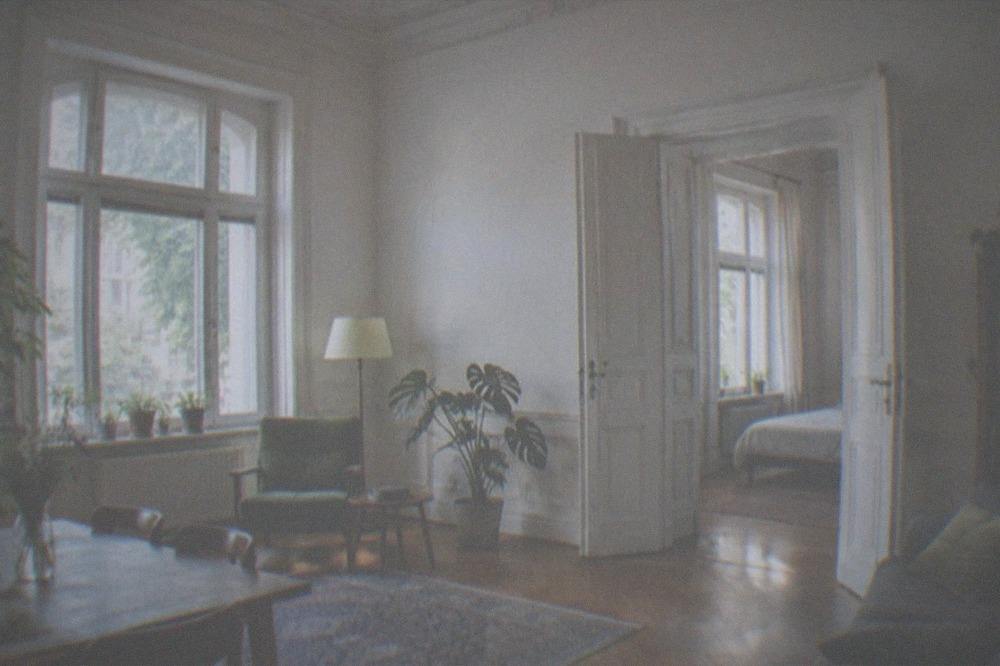
The quarter's accommodation is dominated by apartments and guesthouses rather than full-service hotels, a pattern that mirrors the city as a whole: the accommodation mix in Timisoara leans heavily toward apartment-style stays, and visitors consistently rate the atmosphere of the city highly while wishing for more hotel options. For Elisabetin specifically, that means you are most likely booking a restored apartment in a century-old building, high ceilings included, sometimes with a balcony overlooking a plane-tree street.
Location matters within the quarter. The blocks closest to the Bega and the bridges put the old town a five-minute walk away; the streets near the parks put the green lung at your door and the center at ten. Both work. The far southern edge is quieter still but starts to trade walkability for space, so check the walking distance to Piata Unirii before booking rather than the straight-line distance.
For travelers weighing the options across the whole city, the where to stay in Timisoara guide compares every district, and the one day in Timisoara itinerary shows how a stay here slots into a short visit. Elisabetin is a particularly good base for the two-day visitor who wants one day in Cetate and one day mixing parks, facades and the Bega without moving hotels.
When Is The Best Time To Explore Elisabetin?
The best time to explore Elisabetin is May through September, when Timisoara's mean temperature runs from 17.3 C in May to a peak of 22.8 C in July, the plane trees are in full leaf and the parks are at their best. Late September and October are quieter and still mild at 17.2 C and 11.5 C respectively, while winter visits mean bare facades and short days, with a January mean of 0.0 C.
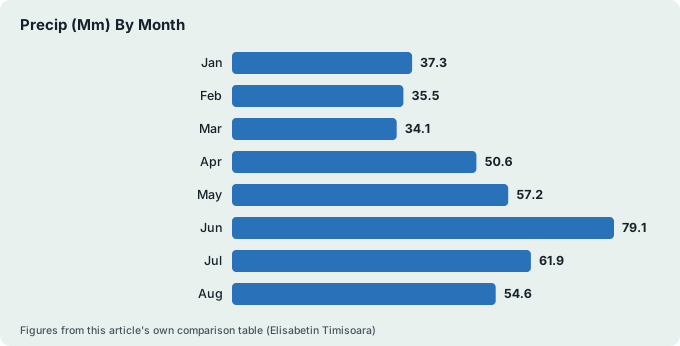
The climate here is continental, not Mediterranean, and the numbers from the long-term station record for Timisoara make the pattern plain. Summer is warm and the parks earn their keep; spring is mild and the roses begin; autumn is long and golden on the facades; winter is cold enough that the quarter's tree-lined streets lose their canopy and the walk between sights needs a purpose. June is the wettest month of the year at 79.1 mm of rain, so pack accordingly if you come then, while March is the driest at 34.1 mm.
| Month | Mean temp (C) | Precip (mm) | What it means for Elisabetin |
|---|---|---|---|
| Jan | 0.0 | 37.3 | Bare trees, cold walks, indoor cafes |
| Feb | 2.1 | 35.5 | Still winter, quiet streets |
| Mar | 6.5 | 34.1 | Driest month, first blossom |
| Apr | 12.3 | 50.6 | Facades in spring light |
| May | 17.3 | 57.2 | Roses begin, parks open up |
| Jun | 20.9 | 79.1 | Warm but the wettest month |
| Jul | 22.8 | 61.9 | Warmest month, full canopy |
| Aug | 22.5 | 54.6 | Peak terrace season |
| Sep | 17.2 | 50.4 | Golden light on stucco |
| Oct | 11.5 | 50.0 | Quiet, mild, falling leaves |
| Nov | 6.4 | 45.3 | Short days, low crowds |
| Dec | 1.5 | 44.7 | Cold, festive center nearby |
Two seasonal notes from the city's calendar. The vaporetto on the Bega, which runs along the quarter's northern edge, operates seasonally from the start of April to the end of October, so a warm-month visit can include a boat leg. And in winter, the Christmas Market in Piata Victoriei, a short walk or one tram stop north, gives an Elisabetin stay a festive anchor without the quarter itself needing one.
How Does Elisabetin Compare To Cetate, Iosefin And Fabric?
Elisabetin is quieter and more residential than Cetate, more central and greener than Iosefin, and less industrial-hip than Fabric, making it the middle option of Timisoara's four historic quarters: closest to the center of the three suburbs, anchored by two parks and a landmark church, and the one most shaped by its student population. Each quarter has a distinct personality, and the choice between them is really a choice of atmosphere.
Cetate, the old town, is where the monuments are: Piata Unirii, the cathedrals, the Opera and the majority of the city's restaurants and bars. Staying there puts everything at your door at the price of noise and tourist-facing prices. Elisabetin gives you the same walkable distance with a calmer night and lower costs, at the price of a ten-minute walk to the squares.
Iosefin, to the west, is the other great Secession quarter, grander in its boulevards and known for its own landmark, the water tower, plus a strong cafe scene. It sits one ring farther out, so the walk into the center is longer. Fabric, to the east across the canal, is the most changed of the three: a former workers' and industrial quarter with imposing squares and a growing cultural scene, still rougher-edged and more spread out. The Iosefin guide and the Fabric guide cover both in detail.
| Quarter | Character | Best for | Trade-off |
|---|---|---|---|
| Cetate | Monumental old town | Sights, dining, first visit | Busiest, priciest |
| Elisabetin | Residential Secession grid | Facades, parks, local life | Fewer big restaurants |
| Iosefin | Grand boulevards, cafes | Architecture walks, coffee | Farther from center |
| Fabric | Industrial heritage, culture | Alternative scene, space | More spread out |
For most first-time visitors the honest advice is simple: sleep in Elisabetin or Iosefin if you want calm, sleep in Cetate if you want everything outside the door, and visit Fabric for an afternoon either way. A day split between the old town in the morning and Elisabetin's parks and facades in the afternoon is the classic combination, and the two days in Timisoara itinerary builds exactly that.
What Day Trips Work From Elisabetin?
Day trips from Elisabetin work exactly as they do from anywhere in Timisoara, since the quarter sits close to the city's main southbound and westbound road corridors: the Banat countryside, the Nera Gorge and Danube gorges, and the Hungarian border at Nadlac are all reachable by car or organized tour, while the A1 motorway links the city toward Arad and Budapest.
The quarter's position south of the center actually helps for car-based trips, since you leave the paid central parking zones immediately. The A1 motorway runs continuous from the city's ring toward Arad and the Hungarian border, and a new four-lane link road connecting Timisoara directly to the A1 opened to traffic on 22 September 2026, giving a third and faster access point toward the motorway. For rail trips, the main station is a short tram ride north.
The classic day trips from the city are covered in depth elsewhere on this site: the Nera Gorge, the Danube gorges at Cazanele, Corvin Castle and the spa town of Baile Herculane. Closer to home, Arad makes an easy half-day by car or train, and the Serbian border is close enough that Novi Sad is a realistic long day trip, with the caveat that Serbia is outside Schengen, so passports are checked at the crossing.
If you would rather leave the driving to someone else, the organized day tours from the city all depart from central meeting points within a short walk of the quarter, which is one of the quiet advantages of an Elisabetin base.
Common Questions About Elisabetin Timisoara
Is Elisabetin walkable from Timisoara city center?
Yes. Elisabetin starts immediately across the Bega canal from the old town, and the walk from Piata Unirii to the Millennium Church takes roughly ten minutes on flat streets. The entire quarter is compact and pedestrian-friendly.
What is Elisabetin known for?
Elisabetin is known for its Secession and Art Nouveau residential architecture, the Millennium Church, the adjacent Roses Park and Central Park, and a calm, local, student-influenced atmosphere close to the old town.
Is Elisabetin a good place to stay in Timisoara?
For many travelers, yes. It puts you within walking distance of all the main sights while offering quieter nights and generally lower accommodation prices than Cetate. The trade-off is fewer full-service restaurants and hotels inside the quarter itself.
How do I get to Elisabetin by public transport?
Several tram and trolleybus lines serve the quarter's edges under the STPT network. A single 60-minute ticket costs 5 lei, a one-day pass 18 lei, and you can pay by contactless bank card on board.
When was Elisabetin built?
The quarter developed after the 1892 decision to demolish Timisoara's fortress walls freed the land beyond them for building. Most of its characteristic facades date from the building boom that followed in the years after that.
Are there good restaurants in Elisabetin?
Yes, mostly neighborhood restaurants, bakeries, student-priced cafes and specialty coffee spots. They are generally cheaper and less tourist-oriented than the equivalent in the old town, and the full city picture is in the Timisoara restaurants guide.
Elisabetin rewards the visitor who gives it half a day and a little curiosity: two parks, one landmark church, a grid of facades that often go unphotographed, and the everyday Timisoara that the old town only gestures at. Pair it with a morning in Cetate, cross the Bega on foot, and the city's two faces, monumental and residential, both stay with you.