Millennium Church Timisoara
The Millennium Church stands in Timisoara's Fabric district, one of the historic inner quarters of the city in western Romania, and this guide covers how to reach it, what to see around it, and how it fits into a wider visit.
Short answer
The Millennium Church is a Roman Catholic landmark in the Fabric district of Timisoara, Romania, a short tram ride east of the Cetate old town. A 60-minute STPT ticket costs 5 lei, a day pass 18 lei, and the church pairs naturally with Trajan Square, the Fabric Synagogue, and the Cetate squares.
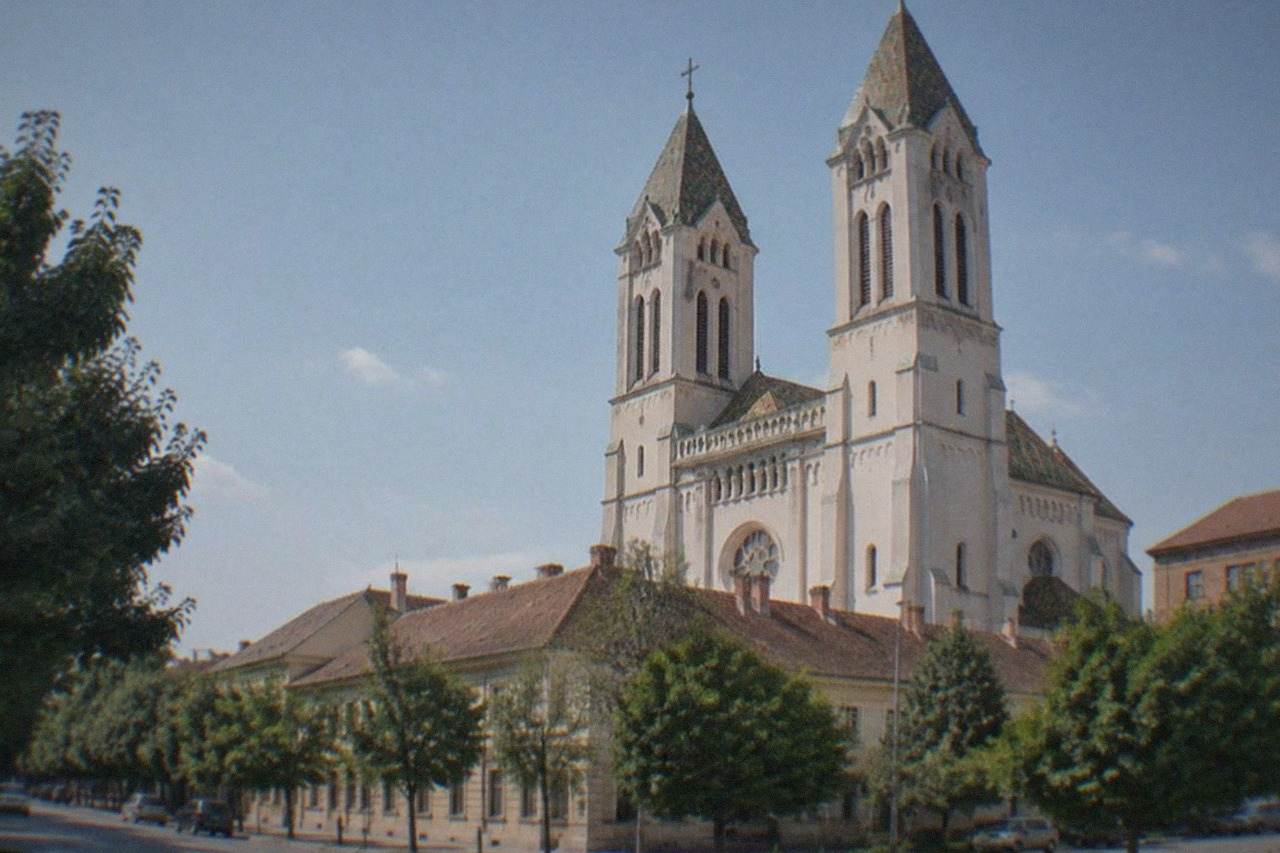
The Millennium Church is one of the defining landmarks of Timisoara (Timișoara), the city in Timis County, in the Banat region of western Romania, that served as a European Capital of Culture in 2023. It stands in the Fabric district, the historic quarter east of the old town, where the city's working-class, multi-confessional past is written into the streets more visibly than anywhere else. This guide from the Timisoara Travel Guide editorial desk covers where the church is, how to reach it using the city's public transport, what to see within walking range of it, and how to fold it into a day or a weekend in the city. Historically, under its Hungarian name Temesvár and its German name Temeswar, the city belonged to the Habsburg Kingdom of Hungary, and the church's own name carries a piece of that inheritance.
Where Is The Millennium Church In Timisoara?
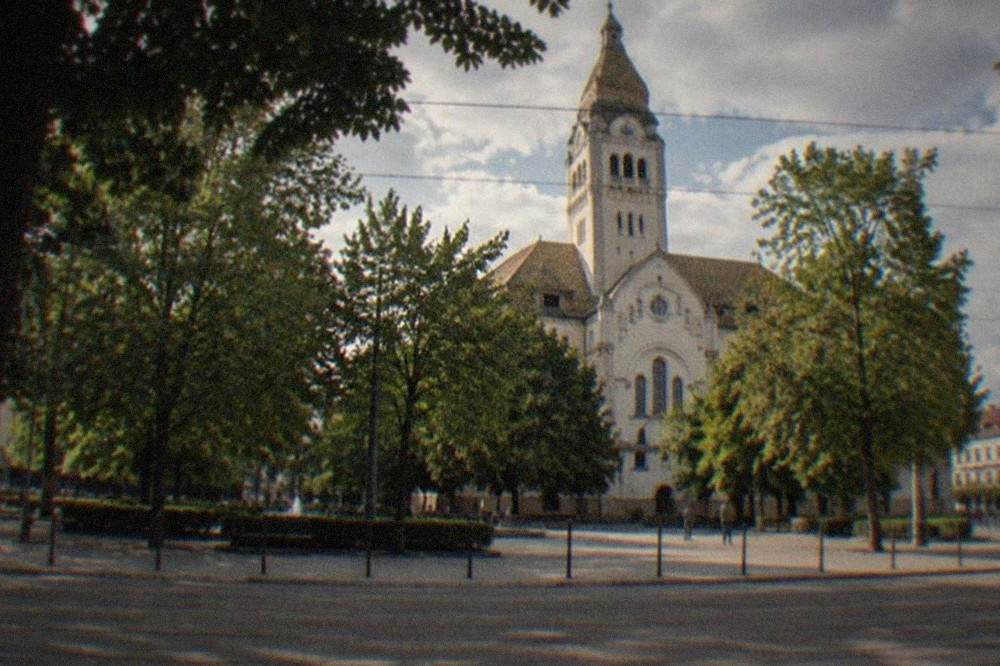
The Millennium Church stands in the Fabric district of Timisoara, Romania, immediately east of the Cetate old town and its famous squares. Fabric is one of the city's historic inner quarters, alongside Cetate, Iosefin and Elisabetin, and it grew up as the artisan and industrial quarter of the Habsburg-era city. The church is the district's most recognizable religious building, and the whole area sits on the same flat plain as the rest of the city, at an altitude of about 86 meters.
Fabric's identity is inseparable from the city's transport firsts. The first horse-drawn tram in the Habsburg Empire began running on 8 July 1869, and its route ran from Cetate, at Piata Sf. Gheorghe, to Fabric, extending later that year toward the Iosefin railway station. Three decades later, in 1899, the first electric tram in Romania entered service in the same city, and the demolition of the fortress walls had already begun, opening Cetate toward its surrounding districts. That history explains why Fabric today feels like a natural continuation of the old town rather than a separate suburb: the walls came down, the trams came in, and the districts merged into one walkable core.
The city itself is compact and flat, which matters for planning. The Bega canal runs through the middle of Timisoara, and the districts line up along it, with Cetate at the center, Fabric to the east, and Iosefin and Elisabetin spreading west and south. A visitor who has explored Piata Unirii in Cetate can continue east and reach Fabric's squares and churches without ever needing a car.
The districts each have a distinct character, and knowing which is which makes the whole city easier to navigate:
| District | Character | What defines it |
|---|---|---|
| Cetate | The old town core | Baroque squares, Piata Unirii and Piata Libertatii, the main museums and churches |
| Fabric | Historic artisan quarter east of Cetate | The Millennium Church, Trajan Square, the Fabric Synagogue, working-class heritage architecture |
| Iosefin | Western historic district | The Iosefin Water Tower, quiet Secession-era streets near the Bega |
| Elisabetin | Southern historic district | Residential streets, villas, and a village-like calm close to the center |
What Makes The Millennium Church In Timisoara Worth Seeing?
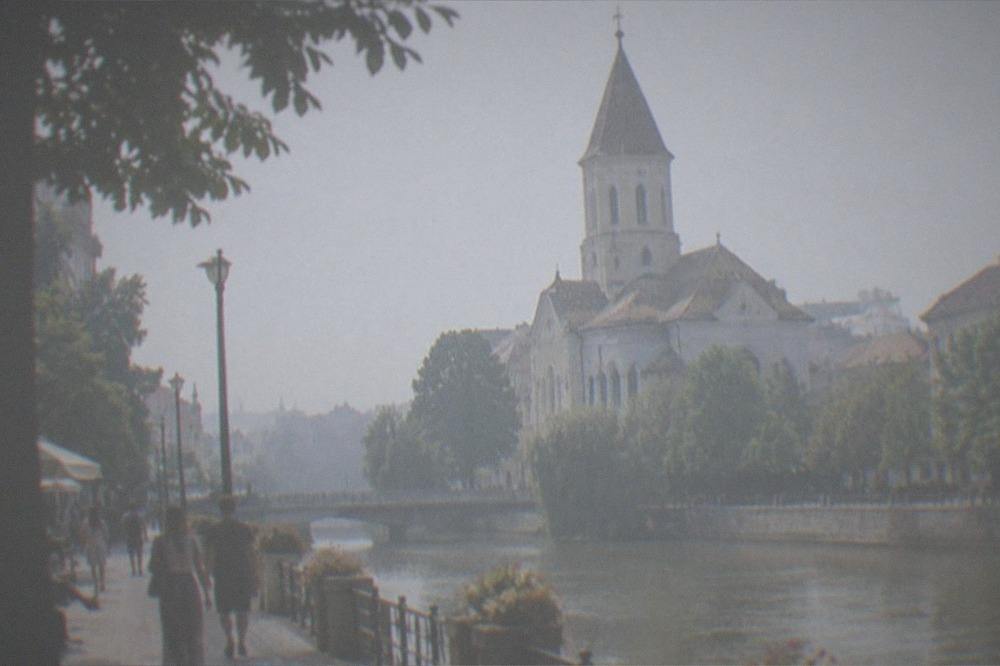
The Millennium Church is worth seeing because it is the architectural anchor of the Fabric district and one of the largest churches in Timisoara, Romania. Its name points to the millennium commemorations of the Kingdom of Hungary, and the building rose as Fabric's Catholic community asserted its place in a rapidly industrializing quarter. Its twin towers are visible across the district's rooftops, and its scale tells the story of a neighborhood built by craftsmen, railway workers and factory hands.
The church belongs to a city with an unusual religious mosaic. Timisoara has long had parallel communities worshipping within a few streets of one another: the Serbian Orthodox Cathedral, the St. George Roman Catholic Cathedral and the Orthodox Metropolitan Cathedral in Cetate, the Fabric Synagogue and the Cetate Synagogue, plus the Millennium Church in Fabric. The city even holds a record in this spirit: since 1953 it has been the only European city with three state theatres, performing in Romanian, Hungarian and German. A visit to the Millennium Church is therefore not an isolated monument stop, it is one chapter in a story about a multi-ethnic city.
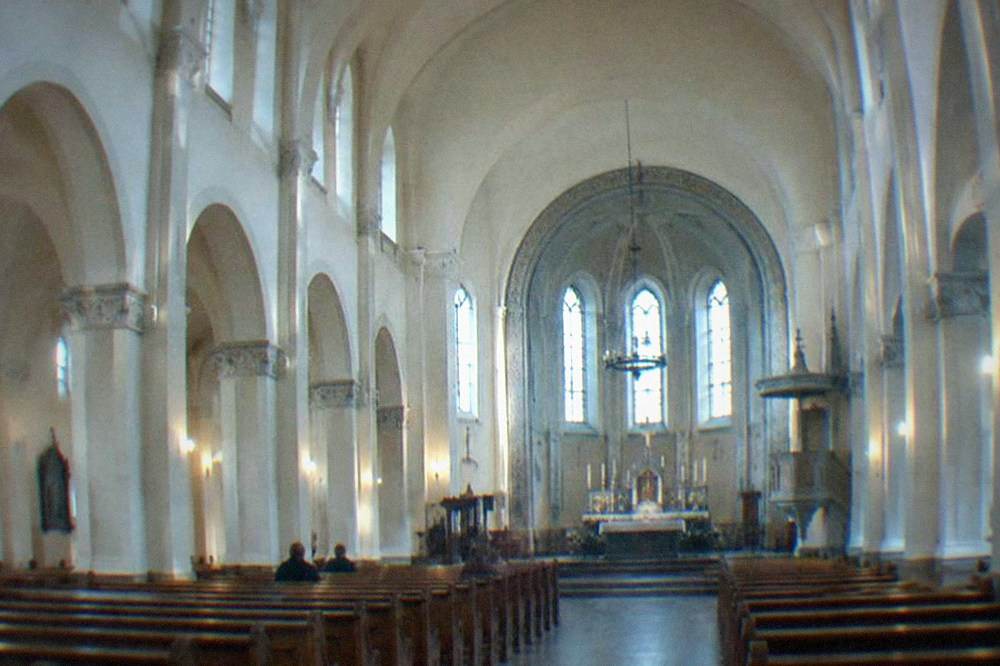
Fabric rewards the kind of slow looking that a guided walk encourages. The district's facades, its squares and its surviving industrial traces read differently when someone explains what the Banat region was: a frontier zone where German, Hungarian, Serbian, Romanian and Jewish communities lived side by side under first Habsburg and then Romanian administration. The church, with its monumental towers and its position on one of Fabric's main axes, is the clearest single expression of that era's confidence.
For visitors who want that context rather than a self-guided wander, these are the walks and trips that pair best with a Fabric visit:
How Do You Get To The Millennium Church In Timisoara?
The simplest way to reach the Millennium Church is on Timisoara's public transport network, run by STPT. A single 60-minute ticket costs 5 lei and is valid on trams, trolleybuses, buses and the Bega water bus alike, while a one-day pass costs 18 lei. You can pay with a contactless bank card on board, and the network's nine tram lines, six trolleybus lines and express buses connect the Cetate old town with the Fabric district within a few stops.
The ticketing is genuinely simple by regional standards. STPT's integrated tariff means one ticket covers every mode, including the seasonal vaporetto on the Bega canal, and payment options include contactless cards, an e-wallet card, SMS, mobilPay, the eTicket platform and kiosks at sales points. Real-time arrivals are published at live.stpt.ro, so checking the next tram before leaving a cafe takes seconds. Note that some ticketing apps have been suspended over the past year, so the on-board contactless option is the most reliable for a visitor.
Here is the full fare structure as published by STPT:
| Ticket type | Price | Validity |
|---|---|---|
| Single ticket, 60 minutes | 5 lei | All modes, including the Bega water bus |
| One-day pass | 18 lei | All modes for one day |
| 30-day general pass | 160 lei | All modes for 30 days |
| Annual general pass | 1,320 lei | All modes for a year |
Two practical notes for 2026. First, tram diversions are in force while Piata Traian, Fabric's central square, is closed to trams from 3 August 2026 until the end of the year, with several lines diverted or replaced, so check live.stpt.ro on the day you travel. Second, the water bus season on the Bega runs from 1 April to the end of October, with nine stops per direction, and a single 5 lei ticket covers it, which makes a combined tram-and-boat loop a pleasant way to approach the eastern districts.
If you would rather have a local guide handle the route and the commentary, a walking tour is an easy decision to make before you arrive:
Which Timisoara Tours Pass Through The Fabric District?
Several walking tours of Timisoara include the Fabric district or can be adapted to include it, and the Downtown Dream Tour is the one most directly tied to this part of the city. It is a guided walk with a strong rating record on the operator's live listing. For visitors who want a private guide focused on their own interests, a private walking tour with a local guide covers the same ground at your own pace, with the price published on its listing.
The reason to take a guide in Fabric is the same reason the district is worth an hour of anyone's time: the buildings do not explain themselves. A guide can connect the Millennium Church to the 1869 horse tram line, to the demolition of the fortress walls, and to the mixed communities that built the quarter. The Downtown Dream Tour is the natural pick for this page because its itinerary is built around the city's dream-like sequence of squares and churches, and Fabric's landmarks belong in that sequence.
A private tour, by contrast, suits visitors traveling in a small group or with specific interests, whether that is architecture, the 1989 Revolution, or the city's Jewish heritage. The private walking tour with a local guide is priced per person on its live listing, and private formats usually allow you to ask for extra time in Fabric specifically.
What Should You See Near The Millennium Church In Timisoara?
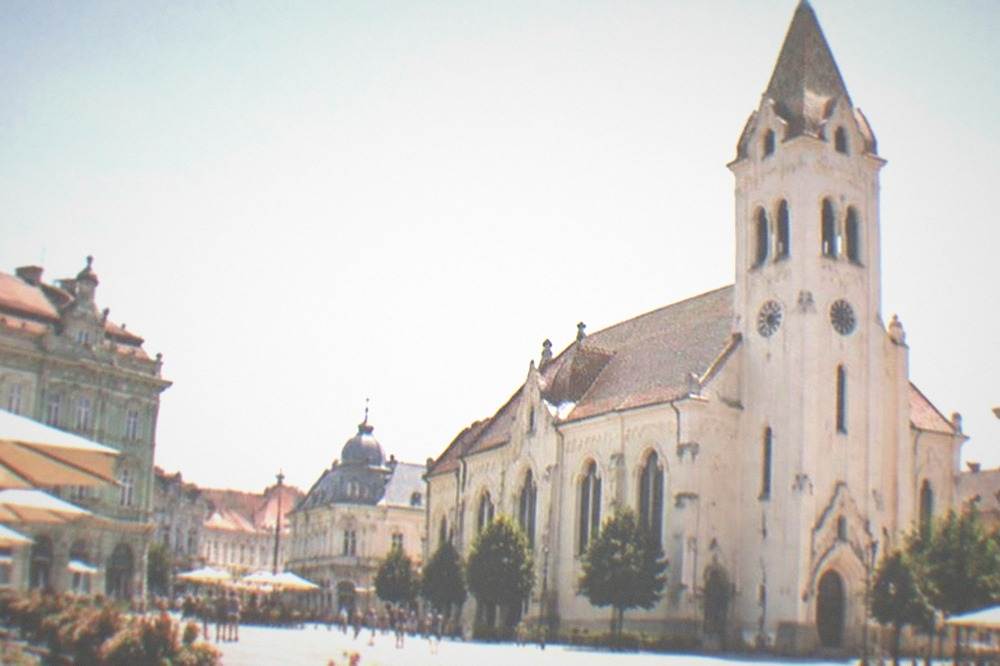
The sights closest to the Millennium Church are Trajan Square and the Fabric Synagogue in the same district, followed by the entire Cetate old town, which lies just to the west. Within the wider city, the Memorial Museum of the Revolution, Piata Unirii, Piata Victoriei and the Theresia Bastion form the standard circuit, and the Bega canal promenade connects the districts along the water. All of these sit within the same flat, walkable core of Timisoara, Romania.
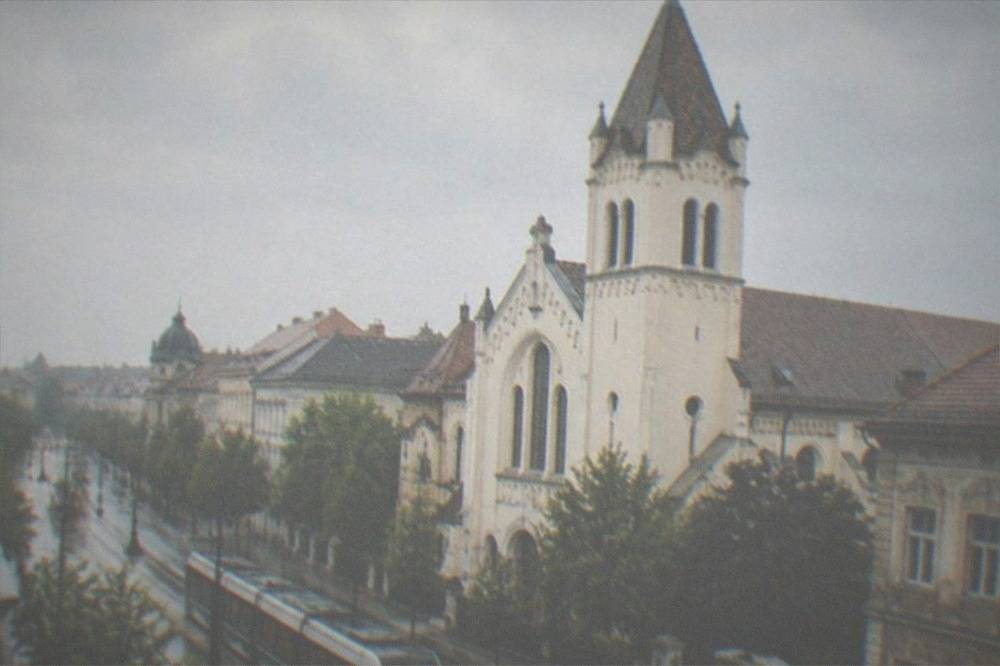
Trajan Square is Fabric's heart, a lively market square ringed with cafes and heritage facades, and it is currently also the site of the urban works that have diverted the trams. The Fabric Synagogue, a few streets away, is one of the city's two historic synagogues and a reminder of the Jewish community that was part of Fabric's fabric, alongside the Cetate Synagogue across the old town. Heading west from Fabric, the visitor crosses into Cetate and reaches Piata Unirii, the baroque square that anchors most itineraries, then Piata Libertatii and Piata Victoriei, the square where the 1989 Revolution unfolded.
| Sight | District | Why it pairs with the Millennium Church |
|---|---|---|
| Trajan Square | Fabric | The district's market square, a natural first stop on the way to the church |
| Fabric Synagogue | Fabric | Heritage of the quarter's Jewish community, a few streets from the church |
| Piata Unirii | Cetate | The baroque heart of the old town, with the National Museum of Art and the Serbian Orthodox Cathedral |
| Memorial Museum of the Revolution | Cetate | The documented story of December 1989, which began in this city |
| Theresia Bastion | Cetate | The restored fortress fragment, now a cultural and commercial space |
| Bega canal | Across the city | The waterfront promenade linking the districts, served by the seasonal water bus |
For orientation before you go, the things to do in Timisoara overview puts all of these in one place, and the individual pages on Union Square, Victory Square and the Memorial Museum of the Revolution cover each sight in depth. The Fabric Synagogue page completes the district picture.
A guided walk ties these together efficiently, and the private format works well for families and small groups:
When Is The Best Time To Visit The Millennium Church In Timisoara?
The best time to visit the Millennium Church and the Fabric district is between May and September, when Timisoara's climate is at its warmest and its open-air life is in full swing. The JMA climate normals for the city's weather station give a July mean of 22.8 C and an August mean of 22.5 C, against 0.0 C in January. June is the wettest month at 79.1 mm of rain, and March the driest at 34.1 mm.
The city's continental climate means real seasons: cold winters with means around freezing, a rapid spring warm-up, warm summers, and a mild, damp autumn, with 600.7 mm of precipitation across the year. For a district like Fabric, where much of the pleasure comes from walking between squares and stopping at terraces, the warm months are clearly the better bet. That said, December has its own draw, because the Christmas Market traditionally fills Piata Victoriei, and the 2026 edition is expected in late November into early January, though official dates had not been confirmed currently.
| Month | Mean temperature (C) | Precipitation (mm) |
|---|---|---|
| January | 0.0 | 37.3 |
| February | 2.1 | 35.5 |
| March | 6.5 | 34.1 |
| April | 12.3 | 50.6 |
| May | 17.3 | 57.2 |
| June | 20.9 | 79.1 |
| July | 22.8 | 61.9 |
| August | 22.5 | 54.6 |
| September | 17.2 | 50.4 |
| October | 11.5 | 50.0 |
| November | 6.4 | 45.3 |
| December | 1.5 | 44.7 |
The festival calendar gives the warm months extra weight. The Flight Festival ran 19 to 21 June 2026 at the Banat Village Museum, the city celebration Ziua Timisoarei drew over 100,000 people over 31 July to 3 August 2026, and the Timisoara Jazz Festival's 14th edition is set for 25 to 27 September 2026. The 2027 city celebration has already been announced for 30 July to 3 August.
| Event | 2026 dates | Setting |
|---|---|---|
| Flight Festival | 19 to 21 June | Banat Village Museum grounds |
| Ziua Timisoarei | 31 July to 3 August | City-wide, over 200 events reported |
| Timisoara Jazz Festival | 25 to 27 September | Ion Vidu Arts School and related venues |
| Christmas Market | Estimated late November to early January (not yet officially confirmed) | Piata Victoriei |
How Much Does A Day Around The Millennium Church In Timisoara Cost?
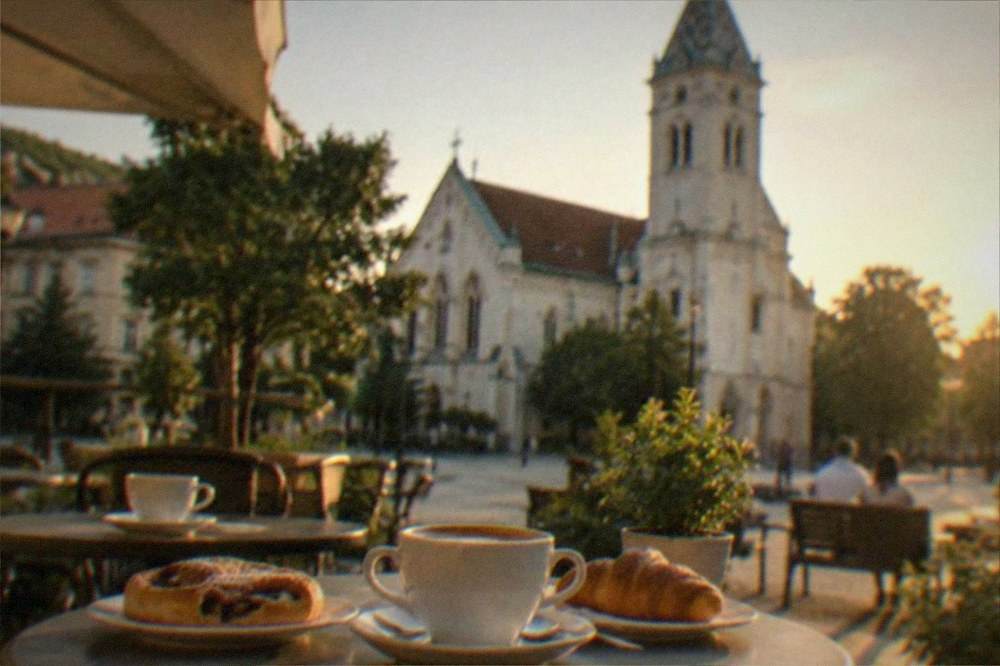
A day around the Millennium Church in Timisoara, Romania is inexpensive by Western European standards. Public transport costs 5 lei for a single 60-minute ticket or 18 lei for a day pass, a cappuccino runs about 13 to 15 lei, a draught beer 11 to 12 lei, and a meal in an inexpensive restaurant about 45 to 50 lei. Mid-range hotel nights have been cited around 176 to 227 lei, and a reported 2 percent tourist tax on the accommodation tariff is collected by the lodging.
Those price ranges come from cost-of-living trackers updated in September 2026, and they describe the city as a whole rather than Fabric specifically, but the district is on the affordable side even by local standards. A realistic day budget for a visitor who takes the tram, has a coffee in Trajan Square, eats one proper meal and pays one modest museum admission is small in euro terms, especially with the leu trading around 5.28 to the euro in late September 2026.
| Item | Typical price (lei) |
|---|---|
| Cappuccino | 13 to 15 |
| Draught beer, 0.5 L | 11 to 12 |
| Meal, inexpensive restaurant | 45 to 50 |
| Single transport ticket, 60 min | 5 |
| Day transport pass | 18 |
| Mid-range hotel night | 176 to 227 |
If a day in the city turns into a longer stay, the region beyond the city is where the bigger-ticket experiences sit, including castle trips into Transylvania:
How Does The Millennium Church Fit Into A Longer Timisoara Stay?
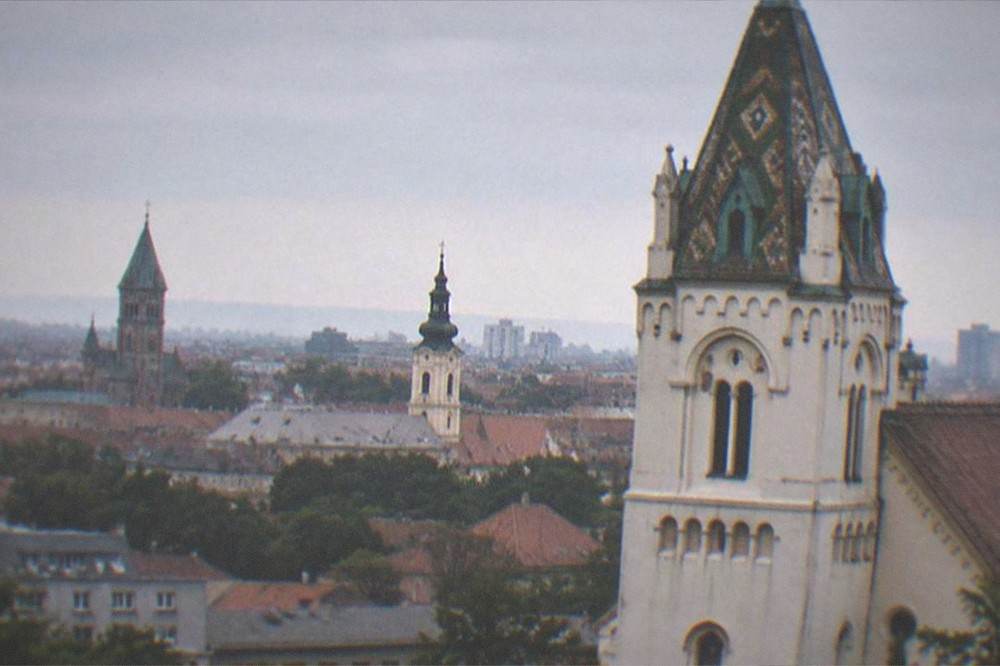
The Millennium Church fits into a longer Timisoara stay as the Fabric anchor of a two- or three-day itinerary: day one for the Cetate old town and its squares, day two for Fabric, the Millennium Church, Trajan Square and the Bega waterfront, and day three for a day trip into the Banat or toward Transylvania. Because a 60-minute ticket costs just 5 lei and the districts are flat and compact, the church costs almost nothing to reach.
Visitors currently tend to stay under two nights, which makes efficient planning matter. The church, the synagogue, Trajan Square and the Cetate circuit can comfortably fill one full day, and a day pass at 18 lei covers a full circuit including the water bus in season. The second day can go to the Banat Village Museum, the Orthodox Metropolitan Cathedral and the parks along the Bega canal. Visitors with a third day typically head out of the city, and the guided day trips in the trio below are the most-reviewed options for exactly that.
Whatever the length of the stay, the pattern holds: use the trams, walk the districts, and let a guide add the history that the facades keep to themselves. These are the tours that best round out a visit built around the Millennium Church and the Fabric district:
Common Questions About The Millennium Church In Timisoara
Where is the Millennium Church in Timisoara?
The Millennium Church stands in the Fabric district, the historic quarter immediately east of the Cetate old town in Timisoara, Romania. Fabric is one of the city's four inner districts, alongside Cetate, Iosefin and Elisabetin, and it is reached from the center by tram, trolleybus or a flat, easy walk.
How do I get to the Millennium Church by public transport?
Buy a 60-minute STPT ticket for 5 lei or a day pass for 18 lei, both valid on trams, trolleybuses, buses and the seasonal Bega water bus. You can pay contactless with a bank card on board. Check live.stpt.ro for diversions, because Piata Traian is closed to trams from 3 August 2026 until the end of the year.
What else should I see near the Millennium Church?
Trajan Square and the Fabric Synagogue are in the same district, and the Cetate old town, including Piata Unirii, Piata Victoriei, the Memorial Museum of the Revolution and the Theresia Bastion, lies just to the west. The Bega canal promenade ties the districts together.
When is the best time to visit the Millennium Church?
May to September offers the warmest weather, with July means of 22.8 C, though June is the wettest month at 79.1 mm of rain. December draws visitors for the Christmas Market in Piata Victoriei, with 2026 dates estimated from late November into early January but not yet officially confirmed.
Is the Millennium Church area expensive to visit?
No. A cappuccino runs about 13 to 15 lei, a draught beer 11 to 12 lei, and a meal in an inexpensive restaurant 45 to 50 lei, according to September 2026 cost-of-living data. A tourist tax of 2 percent of the accommodation tariff, as reported under the city's 2026 council decision, is collected by your lodging.
Can a tour guide show me the Millennium Church and Fabric?
Yes. The Downtown Dream Tour and a private walking tour with a local guide both cover the city's historic districts, and their current prices and ratings are published on the operator's live listings. A private format lets you spend more time in Fabric specifically.