Fabric Synagogue Timisoara
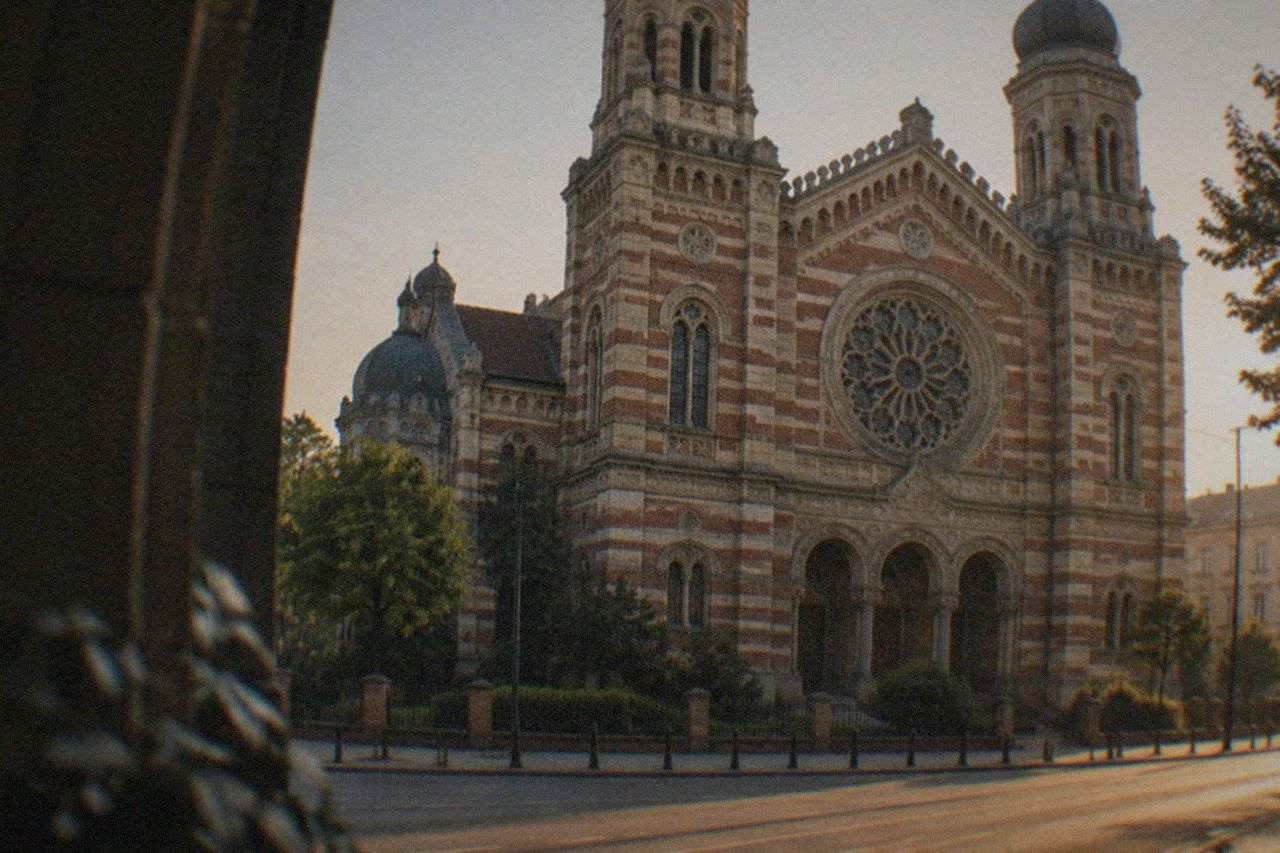
The Fabric Synagogue is one of Timisoara's most striking buildings, standing in the historic Fabric district east of the city center, and this guide covers how to reach it, what surrounds it, and how to plan the visit.
Short answer
The Fabric Synagogue stands in the Fabric district of Timisoara, western Romania, a short tram ride east of Piata Unirii. The district is walkable and served by several tram lines; a single 60-minute STPT ticket costs 5 lei and covers trams, trolleybuses, buses and the Bega vaporetto.
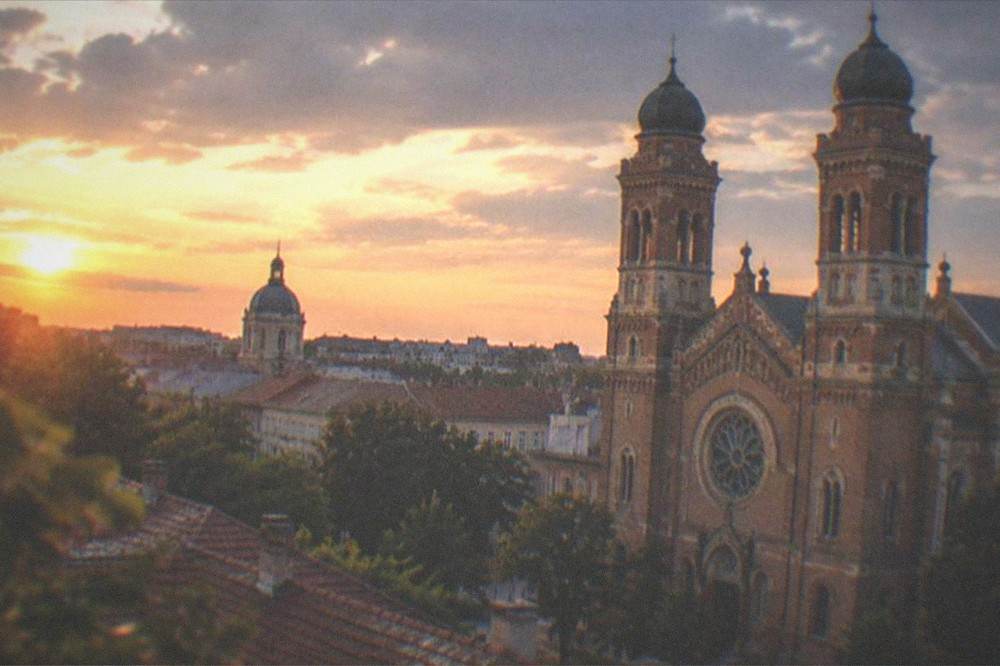
The Fabric Synagogue in Timisoara, in the Banat region of western Romania, is one of the most photographed buildings in a city already famous for its squares and Secession facades. It stands in the Fabric district, the historic eastern neighborhood that grew outside the old fortress walls, and its boldly striped, dome-capped silhouette makes it the district's visual anchor. Timișoara's Jewish community built several houses of worship across its historic districts, and the one in Fabric is the most architecturally dramatic of them. This guide covers how to reach it, what to see around it, what a visit costs in time and money, and how it fits into a wider trip to the city, drawing on the same verified planning data used across Timisoara Travel Guide.
What Is The Fabric Synagogue In Timisoara?
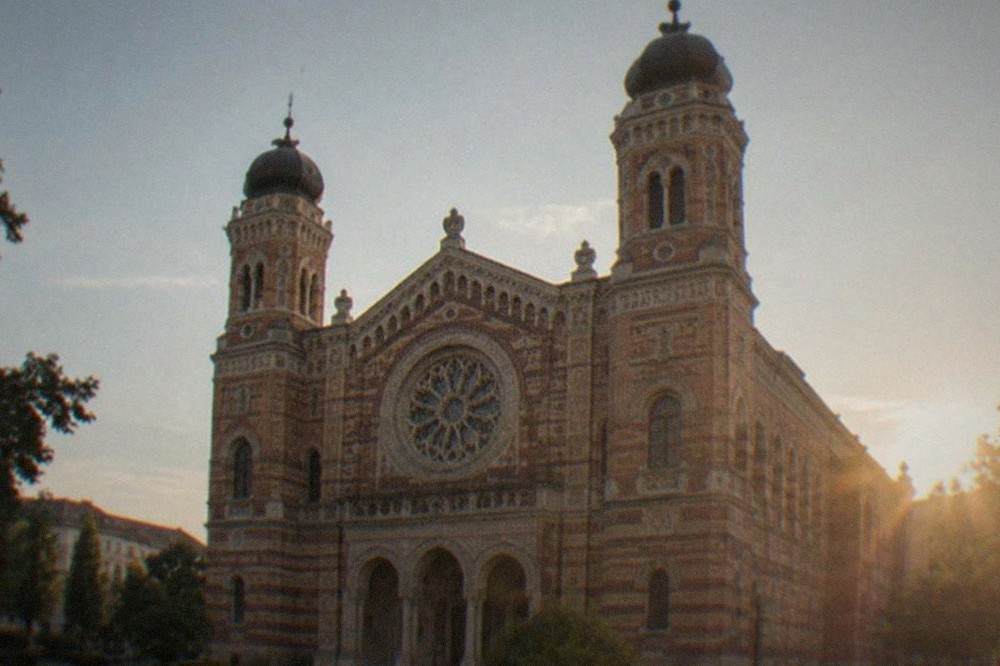
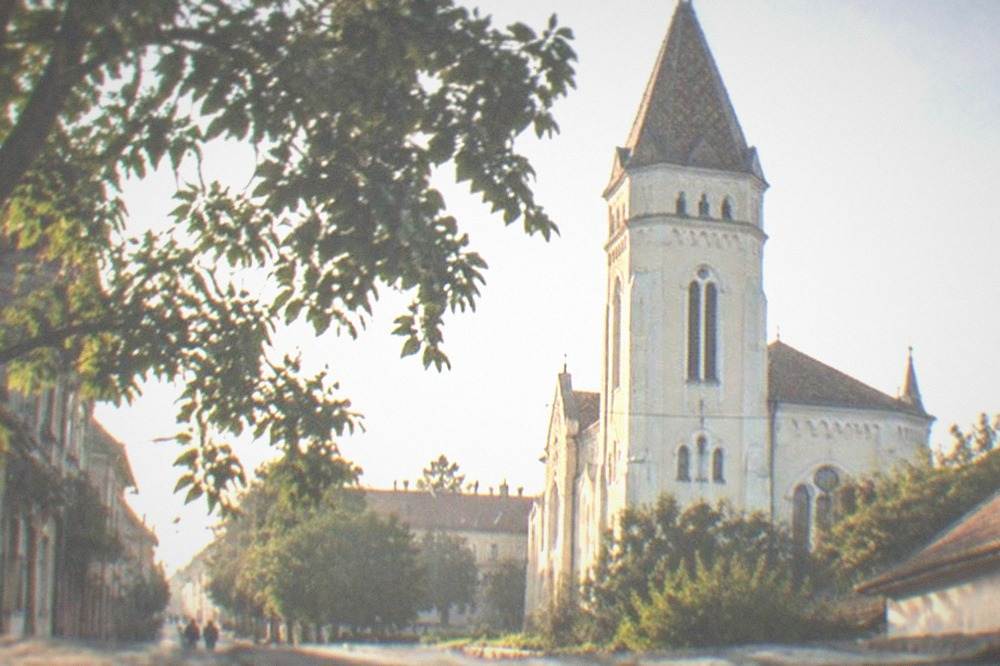
The Fabric Synagogue is a historic synagogue in the Fabric district of Timisoara, western Romania, and it is widely described as one of the city's most spectacular pieces of religious architecture. It was built to serve the Jewish community of Fabric, the neighborhood that developed outside the demolished fortress walls east of the old town, and it stands today as a landmark of that district's multiethnic past alongside the Millennium Church and the district's grand Secession buildings.
Fabric is one of Timisoara's historic core districts, alongside Cetate, Iosefin and Elisabetin. Under its Hungarian name, Temesvár, the city was a Habsburg provincial capital, and each district carries the imprint of that era: wide boulevards, electric tramlines, and a mix of Romanian, Hungarian, German, Serbian and Jewish institutions packed into a few walkable blocks. The synagogue belongs to that layered story. Timisoara was the first city on mainland Europe with electric street lighting, on 12 November 1884, and the first city in Romania with an electric tram, in 1899, and the Fabric district grew up in exactly that period of confident civic construction.
The building's striped, towered design draws photographers year round, and its position on the edge of the district means it pairs naturally with a walk along the Bega canal. For the fullest picture of the city's Jewish heritage, the nearby Cetate Synagogue in the old town is the other essential stop, and the two are usually visited together. The synagogue also sits within a district that has seen steady regeneration investment, including a December 2025 contract for public spaces in the neighboring historic Iosefin quarter, which signals the broader direction of the city's historic districts.
How Do You Get To The Fabric Synagogue?
The Fabric Synagogue is a short tram ride east of central Timisoara, in the Fabric district, and the city's integrated STPT network covers it with a single 60-minute ticket at 5 lei, a 1-day pass at 18 lei, or a 30-day general pass at 160 lei. Tickets are valid across trams, trolleybuses, buses and the Bega vaporetto, and you can pay with a contactless bank card on board, an e-wallet card, SMS, mobilPay, eTicket or STPT kiosks.
Timisoara's public transport runs nine tram lines (1, 2, 4, 5, 6a, 6b, 7, 8 and 9), trolleybuses, express buses and the seasonal vaporetto on the Bega. Real-time arrivals are published at live.stpt.ro, so checking the next tram before leaving your hotel saves standing at a stop. Note that works around Piata Traian have closed that square to trams from 3 August 2026 until the end of 2026, with lines diverted, and Piata Traian sits in the Fabric district itself, so check current diversions on the STPT site before you travel.
| STPT ticket | Price | What it covers |
|---|---|---|
| Single 60-minute ticket | 5 lei | All modes, including the vaporetto |
| 1-day pass | 18 lei | Unlimited travel for one day, vaporetto included |
| 30-day general pass | 160 lei | All modes for a month |
| Annual general pass | 1,320 lei | All modes for a year |
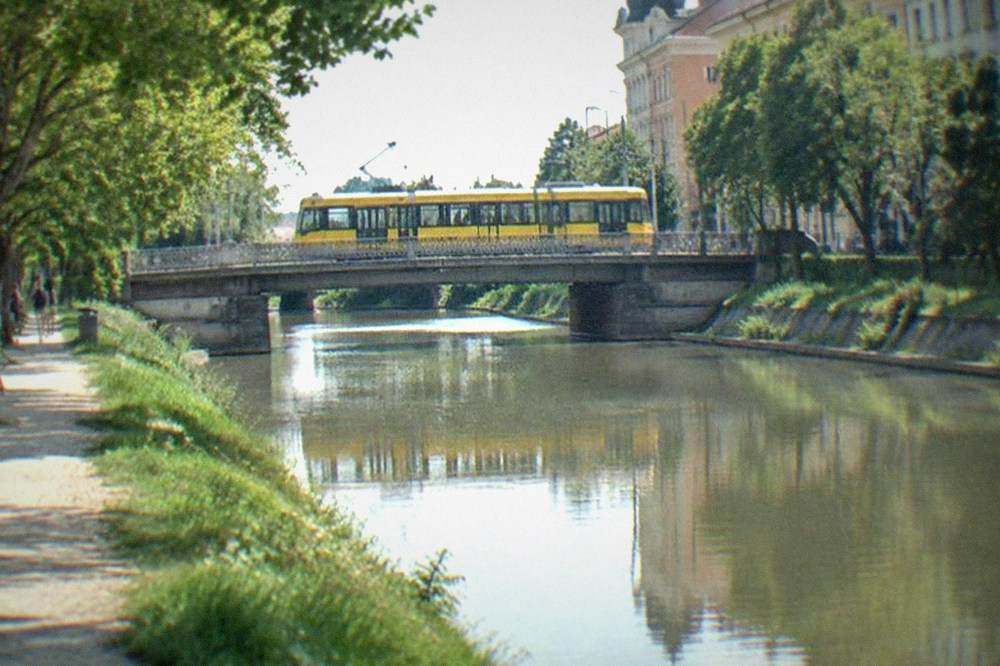
Walking is the other realistic option. The Fabric district begins just across the Bega from the old town, and a stroll from Piata Unirii along the canal toward Fabric takes in some of the city's best waterfront. The Bega canal itself is a destination in its own right, with the vaporetto running seasonally from 1 April to the end of October, nine stops in each direction, at the standard 5 lei fare. The 2026 vaporetto season resumed on 1 April after testing in late March, and the service carried more than 140,000 passengers during the 2025 season, which tells you how central the water has become to a visit here.
If you prefer to arrive with context rather than navigate alone, a guided walk is a strong alternative to the tram.
What Can You See Inside And Around The Fabric Synagogue?
Around the Fabric Synagogue you can see the Millennium Church, the grand Secession facades of the Fabric district, the Bega canal waterfront, Piata Traian and its market hall area, and the district's network of tram-lined boulevards, all within a compact walkable area east of Timisoara's old town. The synagogue's own interior access depends on current restoration and community arrangements, so treat the exterior and the district as the reliable core of the visit.
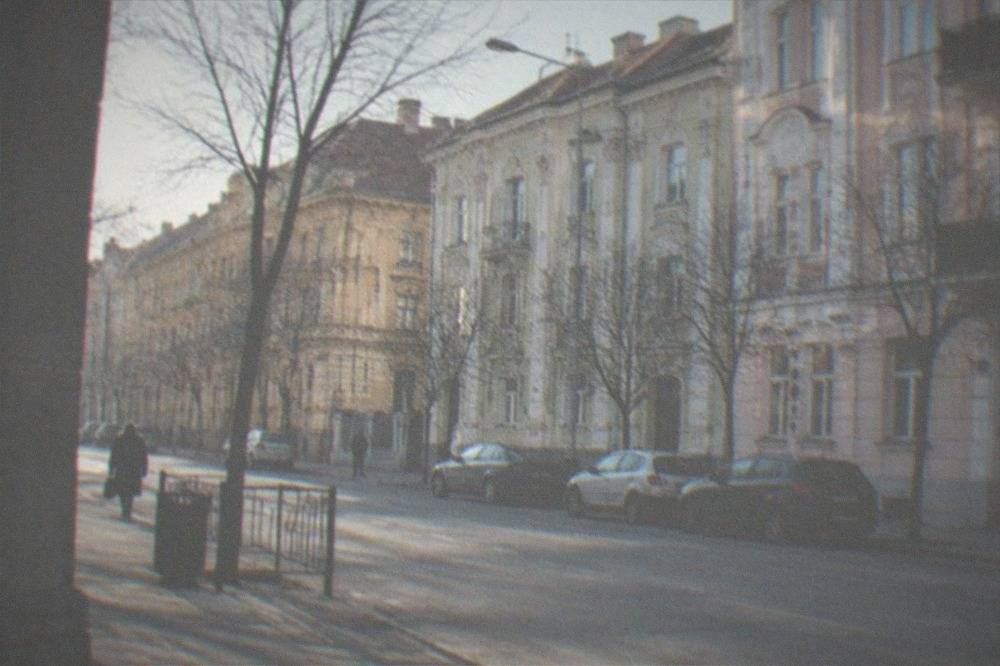
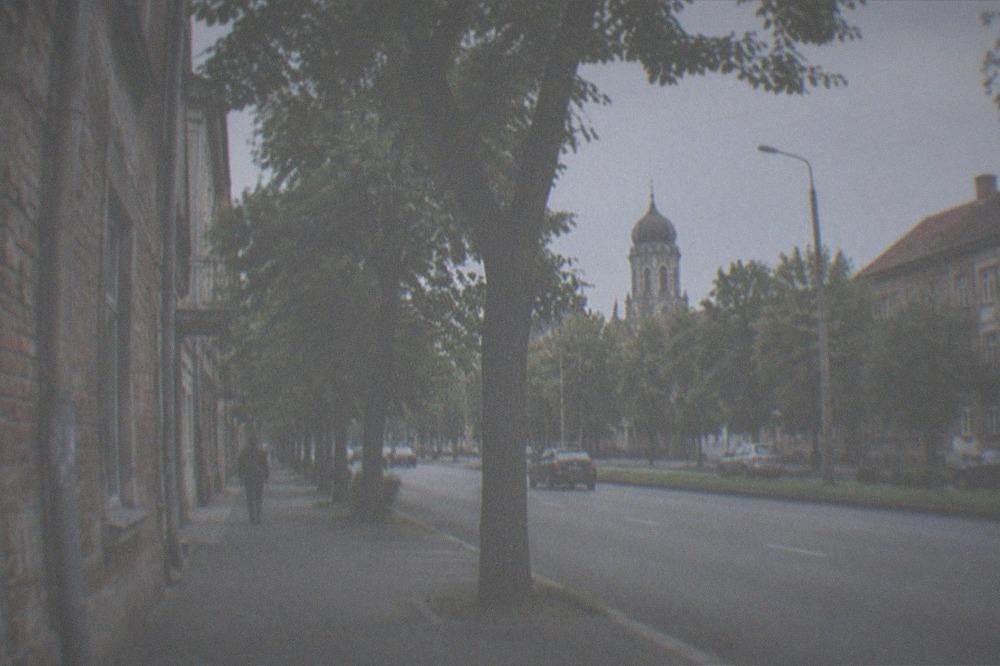
The synagogue is the district's most dramatic exterior, but Fabric rewards slow walking. The Millennium Church, the district's Catholic landmark, sits a few minutes away and anchors its own square. The boulevards that cross the district carry some of the tramlines that have run here since the horse-drawn tram era: Timisoara's first horse-drawn tram in the Habsburg Empire opened on 8 July 1869, running from Cetate to Fabric, which makes a tram ride into this district a ride along one of the region's oldest public transport corridors.
The Bega canal frames the district's northern edge. The vaporetto stops along it give you a water-level view of the city, and the banks have been the focus of ongoing regeneration, with new park space and cleared waterfront added in recent years. Crossing the bridges westward brings you back toward Piata Victoriei and the Opera, the city's grandest boulevard square.
A guided visit adds the stories the facades do not tell. The Jewish Heritage Tour of Timisoara covers the city's synagogues and Jewish history in depth.
If you would rather start with the city's overall sweep before narrowing to Fabric, the highlights walk below covers the central squares first.
| Sight near the Fabric Synagogue | District | Why go |
|---|---|---|
| Millennium Church | Fabric | Catholic landmark with its own square, minutes from the synagogue |
| Bega canal waterfront | Fabric / Cetate border | Waterfront promenade, vaporetto stops, bridge views |
| Piata Traian | Fabric | Historic market square, note the 2026 tram closure for works |
| Piata Victoriei | Cetate | Grand boulevard square, Opera, 1989 Revolution sites |
| Cetate Synagogue | Cetate | The old town's synagogue, restoration reported near completion in December 2025 |
If the synagogue's history has you curious about the rest of Timisoara's heritage sites, a guided walk ties them together more efficiently than exploring alone.
What Is The Best Time Of Year To Visit The Fabric District In Timisoara?
The best months to visit the Fabric district in Timisoara are May, June and September, when the JMA climate normals for station Timisoara 15247 show means of 17.3 C, 20.9 C and 17.2 C respectively, with the city's warmest month at 22.8 C in July and its coldest at 0.0 C in January. March is the driest month at 34.1 mm and June the wettest at 79.1 mm, out of 600.7 mm across the year.
Timisoara's climate is continental, not Mediterranean, and the difference matters for planning. Summer visits are warm and lively, with the city's festival calendar at its peak, but June brings the year's heaviest rainfall, so pack for downpours rather than drought. Spring and early autumn give comfortable walking temperatures across the whole district, which matters here because Fabric is best explored on foot, tram hopping between the synagogue, the Millennium Church and the canal.
| Month | Mean temp (C) | Precipitation (mm) |
|---|---|---|
| January | 0.0 | 37.3 |
| February | 2.1 | 35.5 |
| March | 6.5 | 34.1 |
| April | 12.3 | 50.6 |
| May | 17.3 | 57.2 |
| June | 20.9 | 79.1 |
| July | 22.8 | 61.9 |
| August | 22.5 | 54.6 |
| September | 17.2 | 50.4 |
| October | 11.5 | 50.0 |
| November | 6.4 | 45.3 |
| December | 1.5 | 44.7 |
Winter has its own case. December brings the Christmas Market period to Piata Victoriei, and while the 2026 market dates are not yet officially announced, prior editions have run from late November into early January. Cold means fewer crowds at the photogenic facades, and the district's cafes make natural warm-up stops. Whatever the season, check the month-by-month detail in the Timisoara weather guide and the broader best time to visit Timisoara before booking. The city's cultural calendar also shifts the feel of a visit: the Timisoara Jazz Festival ran 25 to 27 September 2026, and Ziua Timisoarei drew over 100,000 attendees across 31 July to 3 August 2026, so a festival weekend can turn a quiet district walk into a citywide event.
How Much Does A Trip To Timisoara Cost Around The Fabric Synagogue?
A trip to Timisoara around the Fabric Synagogue is inexpensive by Western European standards: cost-of-living trackers updated in September 2026 put a cappuccino at 13 to 15 RON, a half-liter draught beer in a neighborhood pub at 11 to 12 RON, an inexpensive restaurant meal at about 45 to 50 RON, and a single public transport ticket at 5 lei, with the local currency the Romanian leu and the euro not adopted.
These are planning ranges from cost-of-living aggregators, not operator promises, and prices vary by venue. The leu (RON) is the currency you will actually pay in; the BNR reference rate stood at 5.2788 RON per euro on 23 September 2026. One local levy to know about: the city charges a tourist tax on accommodation, set by local council decision HCL 719/2025, with the 2% rate reported in local tax commentary rather than on a primary tariff page, so expect it to appear as a small line on your hotel bill rather than a surprise at the front desk.
| Everyday item in Timisoara | Typical price range (RON) |
|---|---|
| Cappuccino | 13 to 15 |
| Draught beer, 0.5 L, neighborhood pub | 11 to 12 |
| Inexpensive restaurant meal | 45 to 50 |
| Public transport, single 60-min ticket | 5 |
| Public transport, 1-day pass | 18 |
For the full picture, including accommodation and neighborhood comparisons, see the Timisoara cost and prices guide. A mid-range hotel night in the city averages around 176 to 227 RON per the September 2026 cost trackers, which keeps a two-night city break with transport and meals well below the cost of equivalent stops in Western Europe, and the money you save is better spent on the district's cafes and a vaporetto ride anyway.
Is The Fabric Synagogue Part Of Timisoara's Jewish Heritage Story?
Yes, the Fabric Synagogue is a central piece of Timisoara's Jewish heritage story, standing alongside the Cetate Synagogue in the old town as evidence of a community that was spread across several historic districts of the city rather than confined to a single ghetto-style quarter. The Jewish Heritage Tour of Timisoara covers these sites directly, and the city's heritage listings treat the synagogues as paired landmarks of the Cetate and Fabric districts.
Timisoara's Jewish community was part of the Banat's multiethnic fabric for centuries, and its institutions were built at district scale. The Cetate Synagogue, in the old town near Piata Unirii, was reported in December 2025 to be near the end of an admirable restoration, with the last interior works underway, and it has hosted public events such as Hanukkah lightings. The Fabric Synagogue tells the complementary district-level story, and the two buildings together give a visitor the geography of the community better than any single site can.
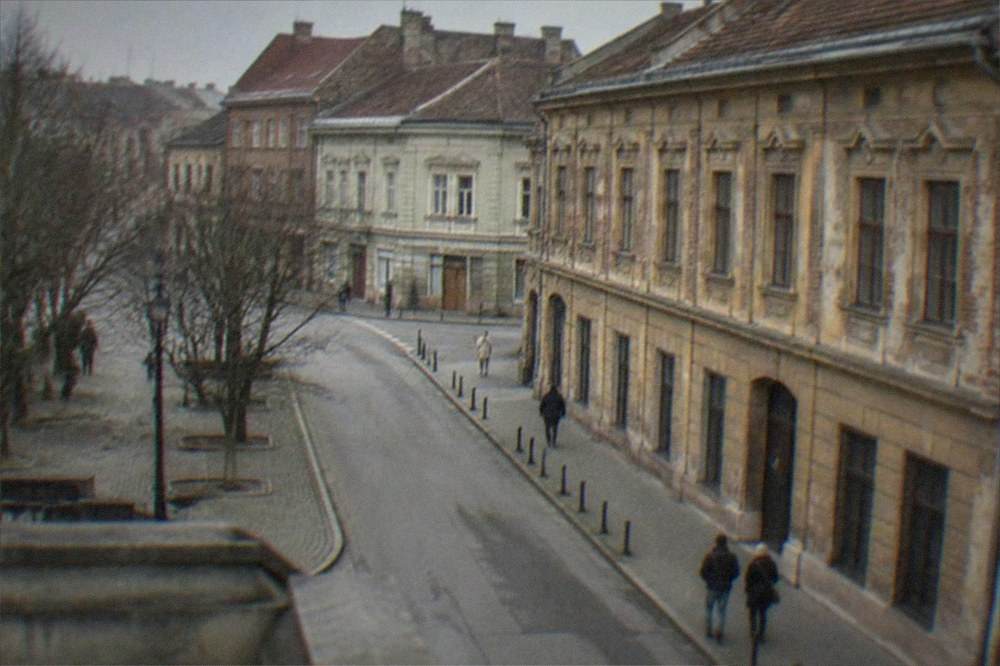
When planning heritage stops, be careful with opening expectations. The Memorial Museum of the Revolution publishes its fees clearly (adults 20 lei, covering eight permanent and three temporary exhibitions plus the documentary "Noi nu murim"), but synagogue interior access depends on community schedules and restoration works, so check locally before promising yourself an interior visit. The exterior, the streets around it, and the walk between the two synagogues are always available, and the walk itself passes through some of the most atmospheric streets in the city.
How Does The Fabric Synagogue Fit Into A Day In Timisoara?
The Fabric Synagogue fits naturally into the second half of a day in Timisoara: start in Cetate at Piata Unirii and the Baroque square's museums, cross the Bega to Fabric for the synagogue, the Millennium Church and the canal waterfront, then return westward for Piata Victoriei and the Opera at golden hour. The whole loop is walkable, tram-assisted where you prefer, and a 1-day STPT pass at 18 lei covers any hops including the vaporetto.
A practical sequence looks like this. Morning in the old town: Piata Unirii with its cathedrals and the National Museum of Art in the Baroque Palace, which keeps summer hours of Wednesday to Sunday 13:00 to 21:00 (1 June to 30 September) and winter hours of Wednesday to Sunday 10:00 to 18:00, closed Monday and Tuesday. Midday: cross into Fabric, see the synagogue exterior, the Millennium Church square and Piata Traian, then walk the canal. Late afternoon: head back to Piata Victoriei and, if your dates align, an evening at the Romanian National Opera.
| Stop | District | Suggested pairing |
|---|---|---|
| Piata Unirii and the Baroque Palace | Cetate | Museums, cafes, cathedral interiors |
| Cetate Synagogue | Cetate | Pair with the Fabric Synagogue for the full heritage story |
| Fabric Synagogue | Fabric | The district's photographic centerpiece |
| Millennium Church | Fabric | Short walk from the synagogue |
| Bega canal waterfront | Fabric | Vaporetto in season, 1 April to end of October |
| Piata Victoriei and the Opera | Cetate | Evening boulevard, dinner, performance |
If one day is not enough, the site's longer plans help: one day in Timisoara, two days in Timisoara and three days in Timisoara each fold the Fabric district into a fuller route, and the weekend plan is built around exactly this kind of cross-district loop. Whichever route you choose, the Fabric Synagogue works best as the moment the walk turns away from the grand squares and into the neighborhoods where the city actually lives.
For travelers who want the region's wider heritage beyond the city, a multi-day guided itinerary reaches the Banat's rivers and villages, and it pairs well with a city base.
The Elisabetin neighborhood walk below is another good companion, since Elisabetin, like Fabric, is one of the historic districts that ring the old town, and the guide who runs it covers the same layers of local history from a different starting square. You can also go deeper on the revolution story, which began in this city in December 1989 and shaped its modern identity.
Common Questions About The Fabric Synagogue In Timisoara
Where is the Fabric Synagogue in Timisoara?
It stands in the Fabric district, the historic neighborhood east of the old town, across the Bega canal from Cetate. The district is reached by several tram lines or a walk of roughly twenty minutes from Piata Unirii along the canal.
Can you go inside the Fabric Synagogue?
Interior access depends on current community arrangements and any restoration works in progress, so plan around the exterior and check locally for interior visiting possibilities. The building's facade and tower are the district's photographic highlight and are visible at any hour.
How do you get to the Fabric district by public transport?
Timisoara's STPT network covers Fabric with trams and buses. A single 60-minute ticket costs 5 lei and covers all modes including the Bega vaporetto; a 1-day pass is 18 lei. Pay by contactless bank card on board, e-wallet, SMS, mobilPay, eTicket or at STPT kiosks. Note the Piata Traian tram closure for works from 3 August 2026 to the end of 2026, with diversions in place.
What else should you see near the Fabric Synagogue?
The Millennium Church, the district's Secession facades, the Bega canal waterfront and Piata Traian are all within a short walk. Crossing back west brings you to Piata Victoriei, the Opera and the old town squares.
When is the best time to photograph the Fabric Synagogue?
The JMA climate normals put July at a mean of 22.8 C and January at 0.0 C, so late spring and early autumn give the most comfortable light for walking the district. June is the wettest month at 79.1 mm, so carry rain cover if you visit then.
Is the Fabric Synagogue connected to the Cetate Synagogue?
Yes, in heritage terms. The two synagogues serve different historic districts of the same city, and the Cetate Synagogue's restoration was reported near completion in December 2025. Visiting both gives the fullest picture of Timisoara's Jewish heritage.
The Fabric Synagogue rewards the traveler who crosses the canal: a striking facade, a district full of grand boulevards and layered history, and a tram network that has been running these streets for well over a century. Plan the walk, check the live STPT alerts, and give Fabric the slow half-day it deserves.