Timisoara Itinerary 7 Days
Seven days is the sweet spot for Timisoara, in the Banat region of western Romania: three days for the city's squares, museums and riverside neighborhoods, then four for the gorges, castles and spa towns that surround it.
Short answer
Spend days 1 to 3 in Timisoara itself, covering Piata Unirii, Piata Victoriei, the Memorial of the Revolution and the Bega canal, then use days 4 to 7 for the Banat: the Nera Gorge, the Danube Gorges, Corvin Castle and Baile Herculane, with a final day in Arad or the Banat Village Museum.
Seven days is the right length for Timisoara, the main city of the Banat region in western Romania, and for the countryside around it. The city rewards three unhurried days of squares, museums and riverside walks, and the remaining four open up some of the most underrated landscapes in the country: the Nera Gorge, the Danube Gorges, a Gothic castle at Hunedoara and a historic spa town on the Cerna valley. This itinerary, written by the Timisoara Travel Guide editorial desk, spreads the week so that no two heavy days sit back to back.
The city, known historically as Temesvár in Hungarian and Temeswar in German, was the first city on mainland Europe with electric street lighting, on 12 November 1884, and the place where the 1989 Romanian Revolution began. Timișoara, to give the city its Romanian spelling once, is compact enough that a week does not feel rushed even with four day trips layered on top. It was also the first city of the Habsburg monarchy with lamp-lit streets, back in 1760, the first with a horse-drawn tram in 1869, and the first with an electric tram in 1899, so the week you are planning walks through a place that has spent three centuries collecting firsts.
What Does A 7-Day Timisoara Itinerary Look Like?
The best 7-day structure is three city days followed by four day-trip days: days 1 to 3 cover Cetate, Fabric and Elisabetin on foot, while days 4 to 7 reach the Nera Gorge, the Danube Gorges, Corvin Castle and Baile Herculane, returning to the same Timisoara base each night. Every day trip starts and ends in the city, so you unpack once. The order below alternates walking-heavy and driving-heavy days so legs recover between the gorges, and it front-loads the revolution story so the rest of the week has context.
| Day | Base | Focus | Key stops |
|---|---|---|---|
| 1 | Timisoara | Old town on foot | Piata Unirii, St George Cathedral, Cetate |
| 2 | Timisoara | Revolution and squares | Piata Victoriei, Memorial of the Revolution, Piata Libertatii |
| 3 | Timisoara | Neighborhoods and river | Fabric, Elisabetin, Bega canal, Banat Village Museum |
| 4 | Day trip | Nera Gorge | Nera Gorge National Park, waterfalls |
| 5 | Day trip | Danube Gorges | Cazanele Dunarii, Decebalus rock sculpture |
| 6 | Day trip | Castles and spa | Corvin Castle, Baile Herculane |
| 7 | Timisoara | Slow finish | Theresia Bastion, museums, Arad option |
If you only have a shorter stay, the one day in Timisoara plan compress the city portion into a single sweep, and it works as a taster before committing to the full week.
For the city days, a guided walk is the fastest way to get oriented, and the three options below are the strongest fits for this itinerary: a revolution-themed walk, a heritage deep-dive and a classic highlights tour.
How Should You Spend Day 1 In Timisoara?
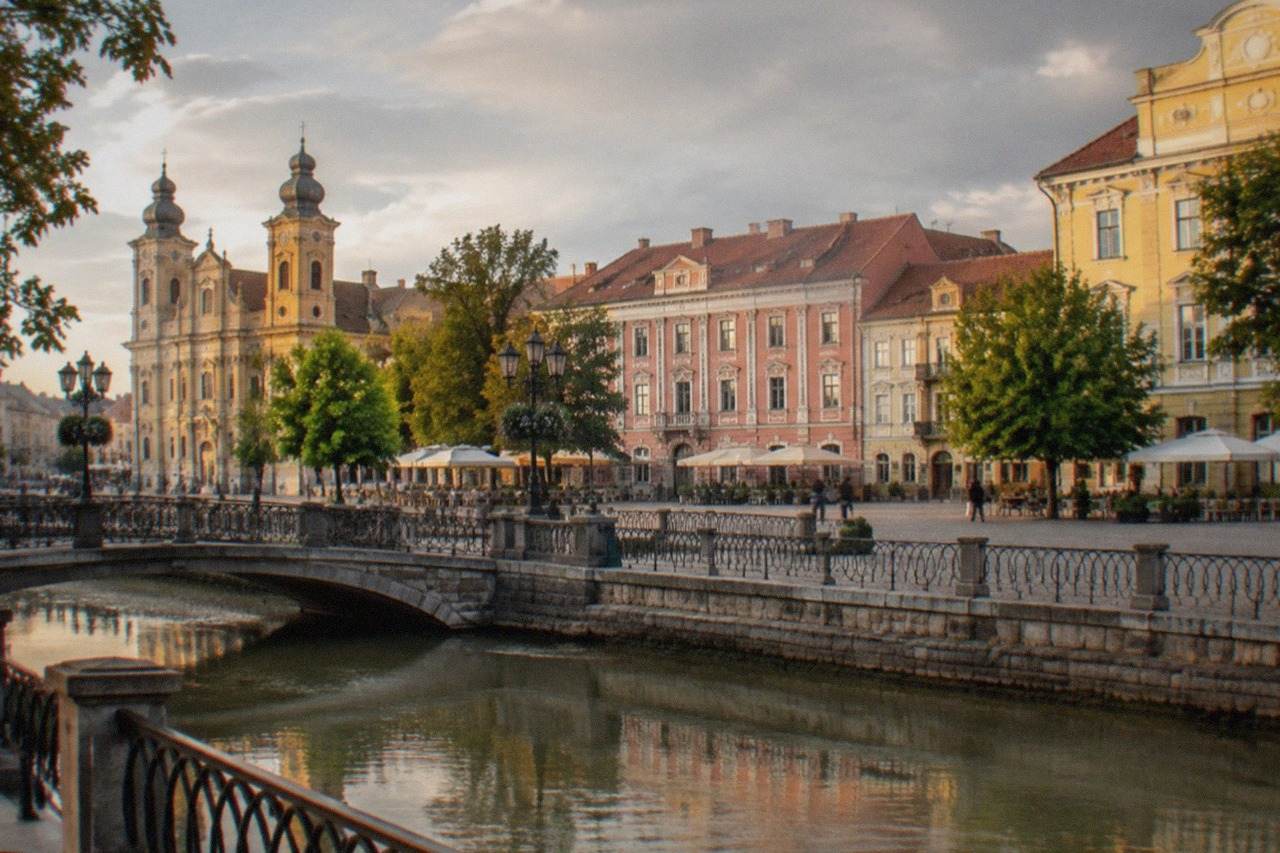
Day 1 belongs to Cetate, the baroque old town: start at Piata Unirii, the city's most photogenic square, work through the St George and Serbian Orthodox cathedrals that face each other across it, then walk north to Piata Libertatii and the Dicasterial Palace, finishing on the Bega canal at dusk. Everything in Cetate is within a 15-minute walk, so no transport is needed. The square's pastel facades, the baroque palace housing the National Museum of Art, and the Roman Catholic and Serbian Orthodox domes make this the densest concentration of sights in the Banat.
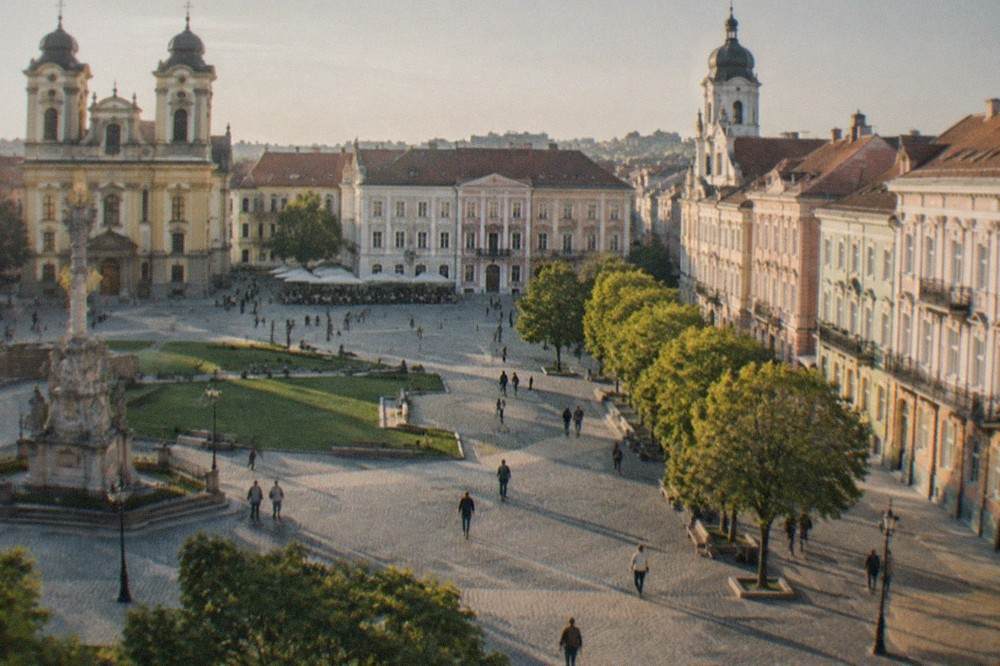
Piata Unirii is the anchor. The Union Square guide covers the square building by building, including the Art Museum in the Baroque Palace, which opens Wednesday to Sunday, 13:00 to 21:00 in summer (1 June to 30 September) and 10:00 to 18:00 in winter (1 October to 31 May), with last entry 45 minutes before closing. From the square, the Cetate old town spreads in a grid of quiet streets, and the Bega canal runs along its southern edge.
Lunch belongs in the square itself, where the terrace restaurants serve Banat classics alongside the standard Romanian menu, and coffee afterward is a ritual here rather than an afterthought: the city's cafe scene is one of its quiet strengths. Keep the afternoon loose, because Cetate rewards unplanned turns, and the evening light on the pastel facades is the reason so many photographers plan their whole day around it.
End the day with the revolution story, because it gives every later stop its meaning. The guided walk below is the strongest single tour for this itinerary's first day.
The walk covers the December 1989 events that started here and spread across Romania, ending at the sites around Piata Victoriei that you will explore properly on day 2.
How Should You Spend Day 2 In Timisoara?
Day 2 is the revolution and squares day: Piata Victoriei in the morning, the Memorial of the Revolution museum at midday, then the Orthodox Metropolitan Cathedral and Piata Libertatii in the afternoon, with the Romanian National Opera or a concert as the evening option. Piata Victoriei is where the 1989 protests gathered, and the square is flanked by the Opera, the Metropolitan Cathedral and rows of Secession-era facades.
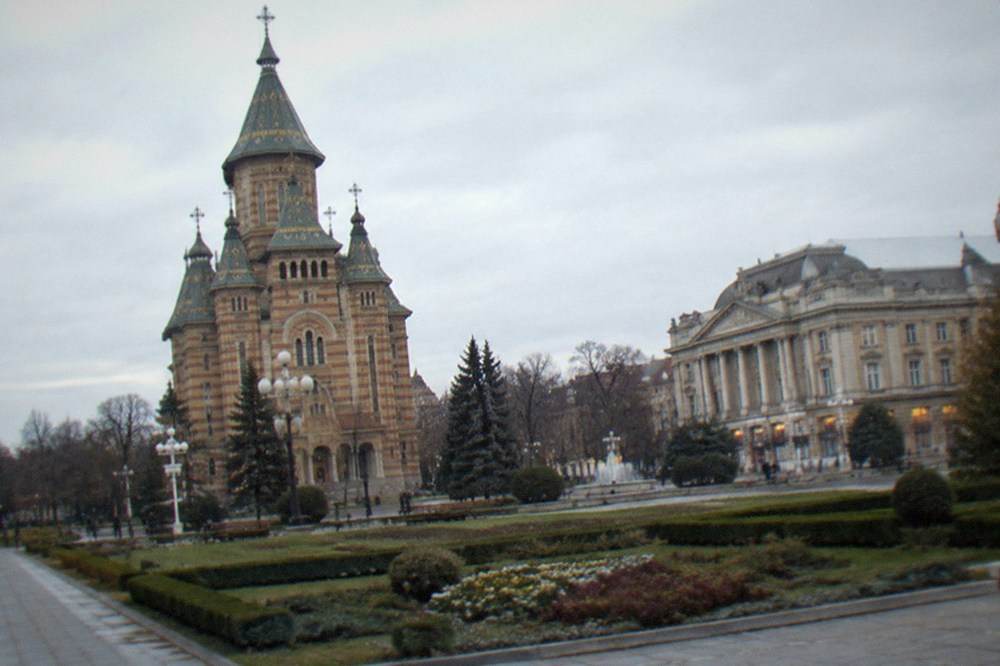
The Memorial of the Revolution charges 20 lei for adults, covering eight permanent and three temporary exhibitions plus the documentary "Noi nu murim", and opens Monday to Friday 08:00 to 17:00 and weekends 10:00 to 18:00. A photo permit costs another 20 lei. The Victory Square guide maps the surrounding buildings, and the Orthodox Metropolitan Cathedral sits at the square's north end with its distinctive green-and-brown striped roof tiles.
The evening belongs to the Romanian National Opera, one of three state theatres in the city, a distinction Timisoara has held since 1953 as the only European city with state theatres in Romanian, Hungarian and German. Booking ahead is wise in season, and the building's own facade is worth arriving early for.
If you would rather trade the driving days for more city depth, the classic walking tour below covers the core sights with a guide who handles the history.
How Should You Spend Day 3 In Timisoara?
Day 3 spreads outward to the historic neighborhoods: Fabric and its Trajan Square and Millennium Church in the morning, Elisabetin and its Secession houses after lunch, then the Banat Village Museum and the Bega canal waterfront to finish, with the whole day reachable on foot or by a single tram ride. These three districts, Cetate, Fabric and Elisabetin, were the city's historical quarters, and each has its own architectural personality: baroque in Cetate, industrial-era grandeur in Fabric, and leafy Secession in Elisabetin.
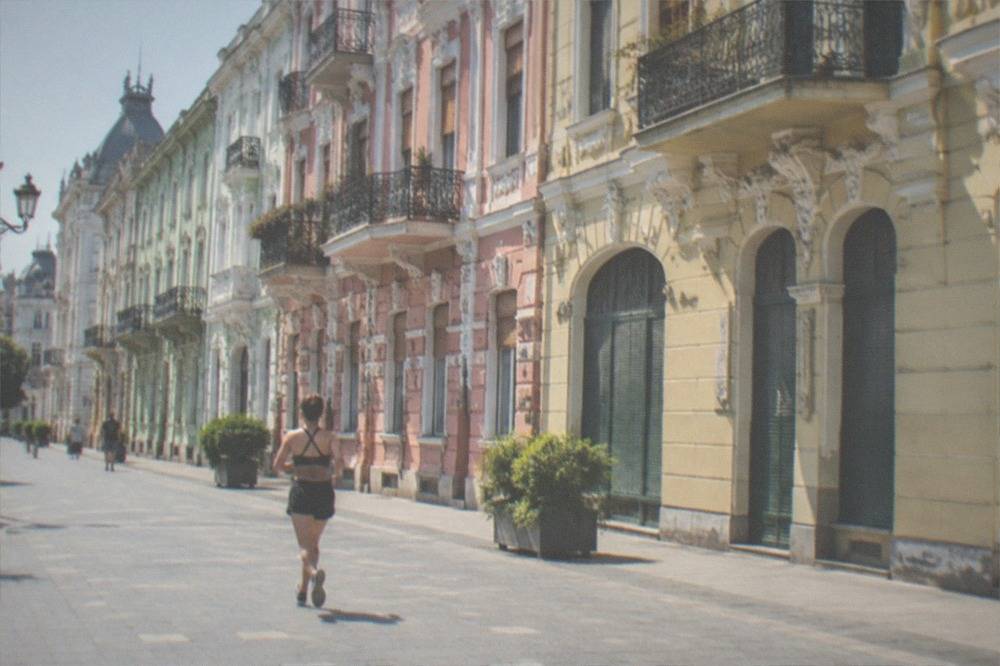
The Banat Village Museum is the afternoon's anchor: an open-air collection of traditional houses, churches and windmills. It opens Wednesday to Saturday 10:00 to 18:00 and Sunday 12:00 to 20:00, closed Monday and Tuesday, with an adult ticket reported at 20 lei. The museum grounds also host the city's summer festivals. Getting there and back is easy on the city's integrated network: a single 60-minute ticket costs 5 lei and covers trams, trolleybuses, buses and the Bega water bus, while a day pass is 18 lei.
| STPT ticket | Price | Coverage |
|---|---|---|
| Single 60-minute ticket | 5 lei | All modes, including the vaporetto |
| 1-day pass | 18 lei | All modes, all day |
| 30-day general pass | 160 lei | All modes |
| Annual general pass | 1,320 lei | All modes |
Payment works by contactless bank card on board, e-wallet card, SMS, mobilPay, eTicket or STPT kiosks, and real-time arrivals are available on the operator's live map. The water bus runs on the Bega seasonally, from 1 April to the end of October, with nine stops per direction, which makes a canal cruise a pleasant way to close day 3.
Before the gorge days begin, this is the moment to lock in the rest of the week's guiding. The revolution walk below is the one tour this itinerary treats as near-essential, and its operator's live listing shows current availability for the days ahead.
What Are Days 4 And 5: The Two Gorges?
Day 4 goes to the Nera Gorge National Park, the longest gorge system in Romania, with its river path, waterfalls and the Bigar waterfall within reach, and day 5 goes to the Danube Gorges, the Cazanele Dunarii, where Europe's most powerful river cuts a narrow defile below the Decebalus rock sculpture. Both are day trips from Timisoara into the Banat's mountainous south, and both reward early starts. The Nera day is the more active of the two, with riverside walking trails; the Danube day is more about viewpoints and boat-level perspectives.
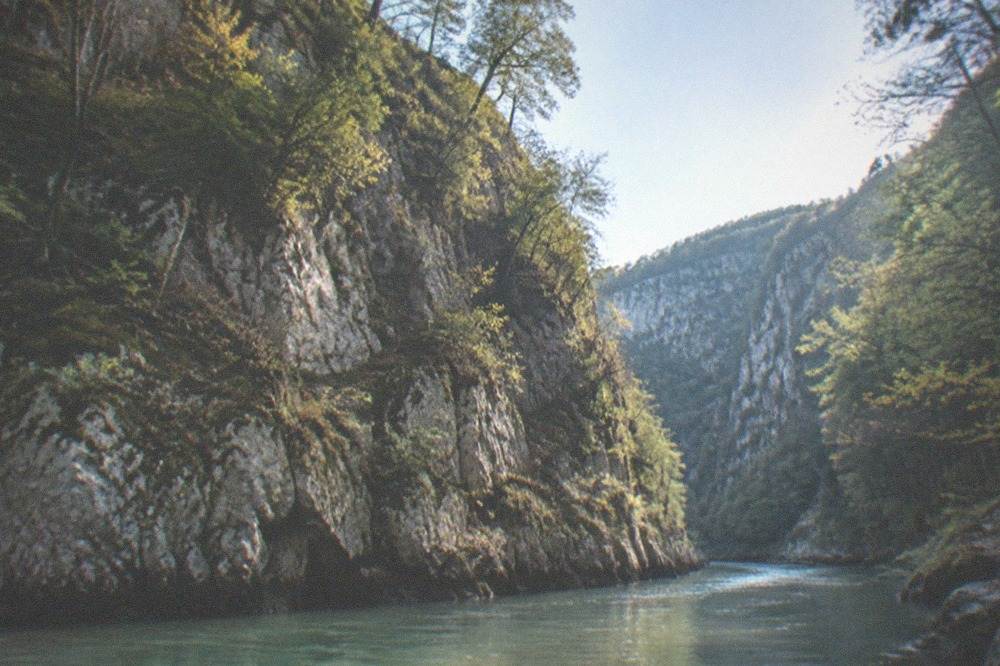
The Nera Gorge guide covers the trail options and the ocher-colored lakes along the river. A guided day tour handles the driving, which on these mountain roads is worth paying for, and the Danube Gorges trip pairs the Cazanele defile with the rock-carved face of Decebalus, the largest rock sculpture in Europe. If you would rather combine the waterfalls and the gorge in one long day, a dedicated tour does exactly that.
For independent travelers, both areas are reachable by car via the region's road network, though travel times are not published in this site's verified sources, so check a mapping service before committing. The two days are deliberately split: doing both gorges in a single day is the most common mistake first-time visitors make in the Banat.
Pack for these two days differently from the city days. The gorge trails want proper walking shoes, a water bottle and a layer for the forest shade, and the Danube day wants sun protection because the boat sections offer little cover. Both areas sit in the same mountainous corner of Caras-Severin county, so the scenery changes from lowland farmland to limestone cliffs within the first hour of driving, and the change is part of what makes these two days the week's highlight for many visitors.
What Are Days 6 And 7: Castles, Spa And The Slow Finish?
Day 6 pairs Corvin Castle, the Gothic fortress at Hunedoara and one of Romania's most dramatic castles, with Baile Herculane, the historic spa town on the Cerna valley, and day 7 is a slow finish back in Timisoara: Theresia Bastion, the remaining museums, and either a lazy afternoon or a short trip to Arad. The castle-and-spa day is the week's longest drive, so day 7 is kept deliberately light.
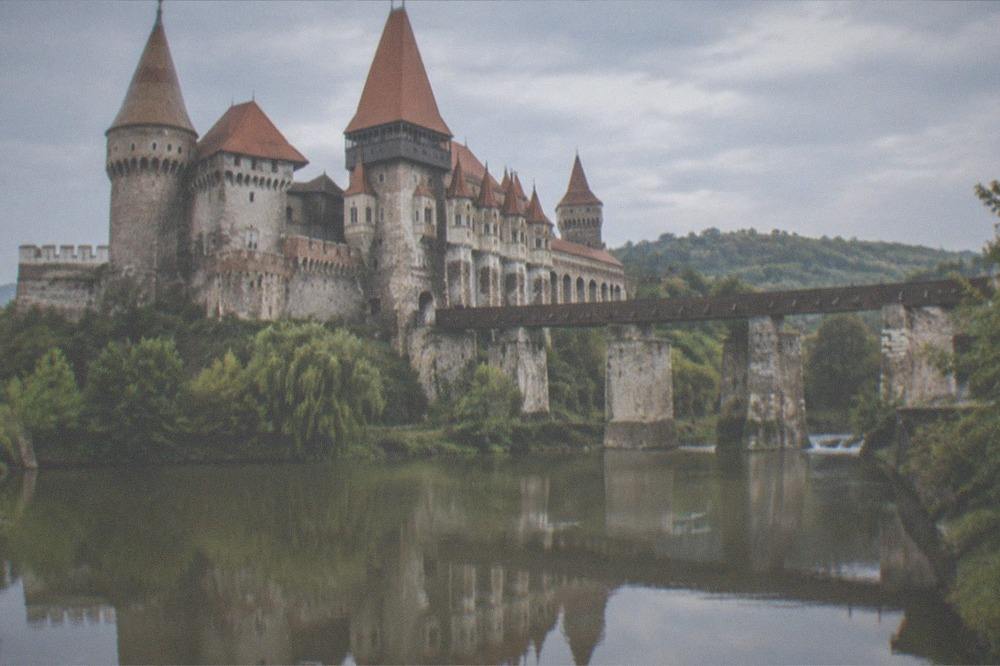
The Corvin Castle guide covers the fortress, whose towers and drawbridge make it the most photographed castle in Transylvania's west, and Baile Herculane covers the spa town founded by the Romans and rebuilt in Habsburg times. Combining both in one day is tight but doable with an early start; splitting them across two days, with Arad dropped, is the relaxed alternative.
Day 7 belongs to the city. Theresia Bastion, the restored 18th-century fortification, now holds cafes, shops and exhibition spaces, and the rainy day in Timisoara plan lists the indoor backups if the weather turns. If the week has left you wanting one more short ride, Arad is the nearest city break option to the north, with its own boulevards and concert hall.
When Is The Best Time For A 7-Day Western Romania Trip?
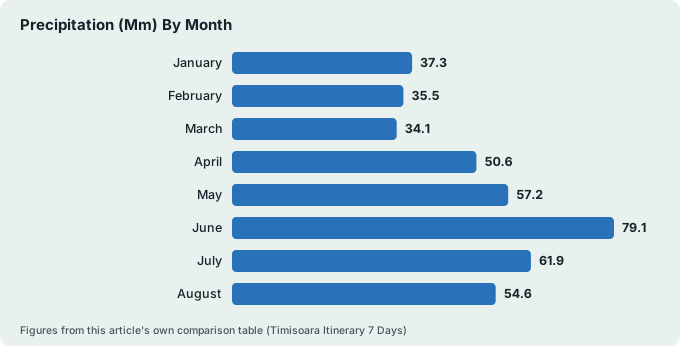
The best months for this itinerary are May, June and September: the JMA climate normals for Timisoara station show means of 17.3 C in May, 20.9 C in June and 17.2 C in September, with moderate rainfall, while July and August are warmest at 22.8 C and 22.5 C and January sits at 0.0 C. June is the wettest month at 79.1 mm and March the driest at 34.1 mm, out of 600.7 mm across the year. The gorge days are best in the warmer half of the year; the city days work year-round.
| Month | Mean temp (C) | Precipitation (mm) |
|---|---|---|
| January | 0.0 | 37.3 |
| February | 2.1 | 35.5 |
| March | 6.5 | 34.1 |
| April | 12.3 | 50.6 |
| May | 17.3 | 57.2 |
| June | 20.9 | 79.1 |
| July | 22.8 | 61.9 |
| August | 22.5 | 54.6 |
| September | 17.2 | 50.4 |
| October | 11.5 | 50.0 |
| November | 6.4 | 45.3 |
| December | 1.5 | 44.7 |
The city's tourism numbers back the shoulder-season case. Official arrivals rose from 153,794 in 2021 to 283,256 in the 2023 European Capital of Culture year, then 285,190 in 2024, with the peak month on record being May 2025 at 30,664 visitors. May is busy but it is busy for a reason.
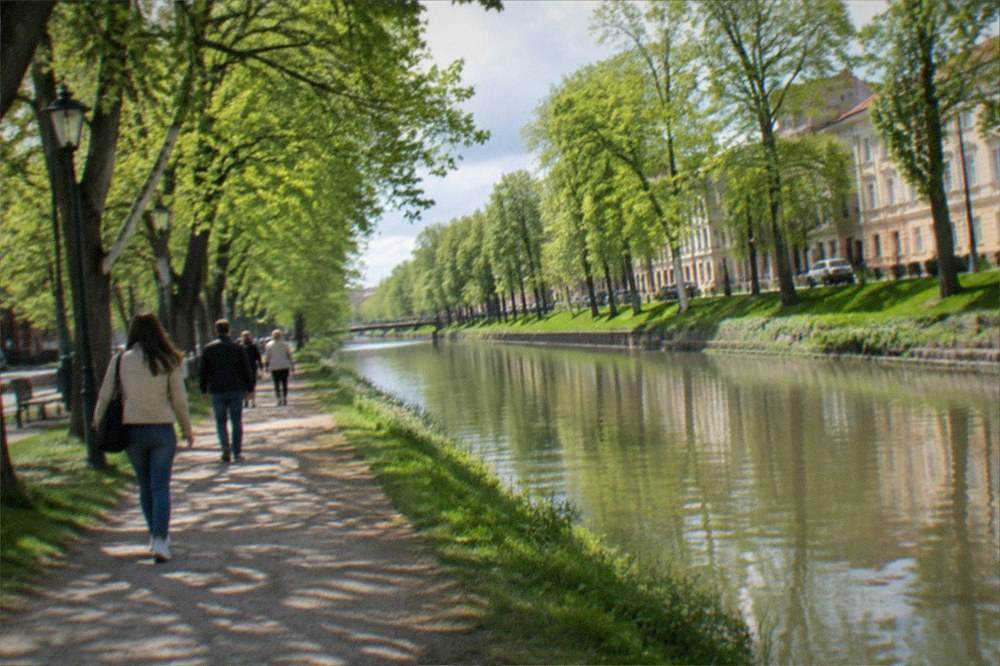
For a winter version of this week, the Christmas in Timisoara plan swaps the gorge days for the Christmas market in Piata Victoriei and indoor museums.
Where Should You Stay For A 7-Day Timisoara Itinerary?
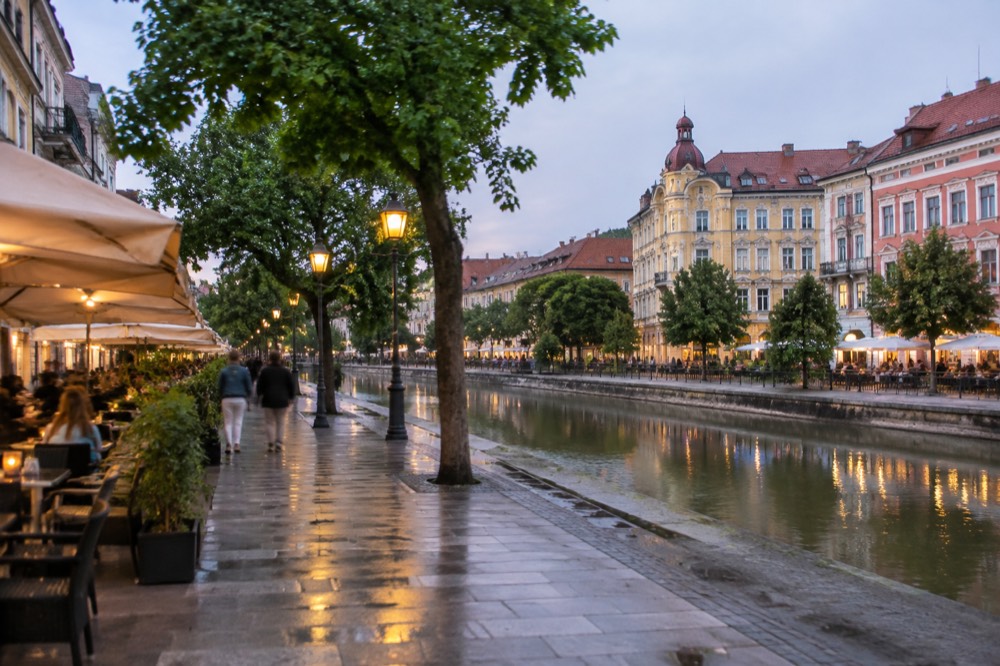
Stay in Cetate or the edge of Elisabetin for all seven nights: both put Piata Unirii and Piata Victoriei within a short walk, and because every day trip departs from and returns to the city center, a single well-placed base beats moving hotels. Cetate is the walk-everywhere option; Elisabetin is quieter and slightly cheaper; Iosefin, the third historic district, suits travelers who want the water tower and brewery sights on the doorstep.
One cost to factor in is the local tourist tax, a "taxa speciala pentru promovarea turistica" set by the city council for 2026 and collected by your accommodation; its widely reported rate is 2% of the nightly tariff excluding VAT, though that figure comes from secondary sources rather than the primary council annex, so treat it as reported rather than official. Families planning this week with children should read the Timisoara with kids plan, which adjusts the museum pacing and adds the playground stops.
A practical note on money: Romania's currency is the leu (RON), not the euro, so change a small amount on arrival or withdraw from an ATM, and expect card payment to be routine in the city while the smaller gorge-area kiosks prefer cash. Romania has been a full Schengen member since 1 January 2025, so travelers crossing from Hungary by land face no routine border checks, which matters if you are driving in from Budapest or combining this week with a Serbian detour, though the Serbia border remains an external Schengen frontier with passport checks.
Common Questions About A 7-Day Timisoara Itinerary
Is 7 days in Timisoara too long?
No. Three days cover the city itself comfortably, and the remaining four are enough for the Banat's headline day trips: the Nera Gorge, the Danube Gorges, Corvin Castle and Baile Herculane. Travelers who skip the day trips will find the city portion stretched, so either commit to the full week or use the shorter one-day plan as a taster.
Do you need a car for the day trips from Timisoara?
Not necessarily. Guided day tours cover the Nera Gorge, the Danube Gorges and Corvin Castle from the city, and a car simply adds flexibility on the mountain roads. Within Timisoara itself a car is a liability: the tram and trolleybus network, with a 5 lei single ticket or 18 lei day pass, reaches everything in this itinerary.
What is the best month for this 7-day itinerary?
May, June and September, based on the verified climate normals: means of 17.3 C, 20.9 C and 17.2 C respectively, against 22.8 C in July and 0.0 C in January. June is the wettest month at 79.1 mm, so pack a light rain layer even in the good season.
Can you do this itinerary without guided tours?
Yes, the city days are entirely walkable on your own, and this site's attraction guides cover each stop. The value of the guided walks is concentrated on days 1 and 2, where the 1989 Revolution story and the layered Hungarian-German-Romanian history are hard to piece together from plaques alone.
Is Timisoara a good base for western Romania?
It is the best one. It is the region's largest city, its airport is the busiest in western Romania, and every major Banat sight on this itinerary is reachable as a day trip. The city was named Romania's Destination of the Year 2026 at the national tourism gala in May 2026.
How much walking is involved in this itinerary?
Days 1 to 3 and day 7 are walking days, mostly flat and compact within the historic districts. Days 4 to 6 are driving days with short walks at the sights, though the Nera Gorge day includes riverside trails if you take the full route. Comfortable shoes cover everything except the gorge trail.
A week in Timisoara and its Banat hinterland is enough to see the city properly and still reach the gorges, the castle and the spa town, and it leaves many a visitor planning a return trip to the parts they drove past.