Baile Herculane
Baile Herculane is a historic thermal spa town in the Cerna valley, deep in the mountains south of Timisoara, and one of the oldest bathing resorts in Europe.
Short answer
Baile Herculane is a thermal spa town in Caras-Severin county, roughly a half-day drive south of Timisoara through the Banat mountains, famous for its hot mineral springs, Roman-era bathing history, and grand Habsburg-era bath architecture.
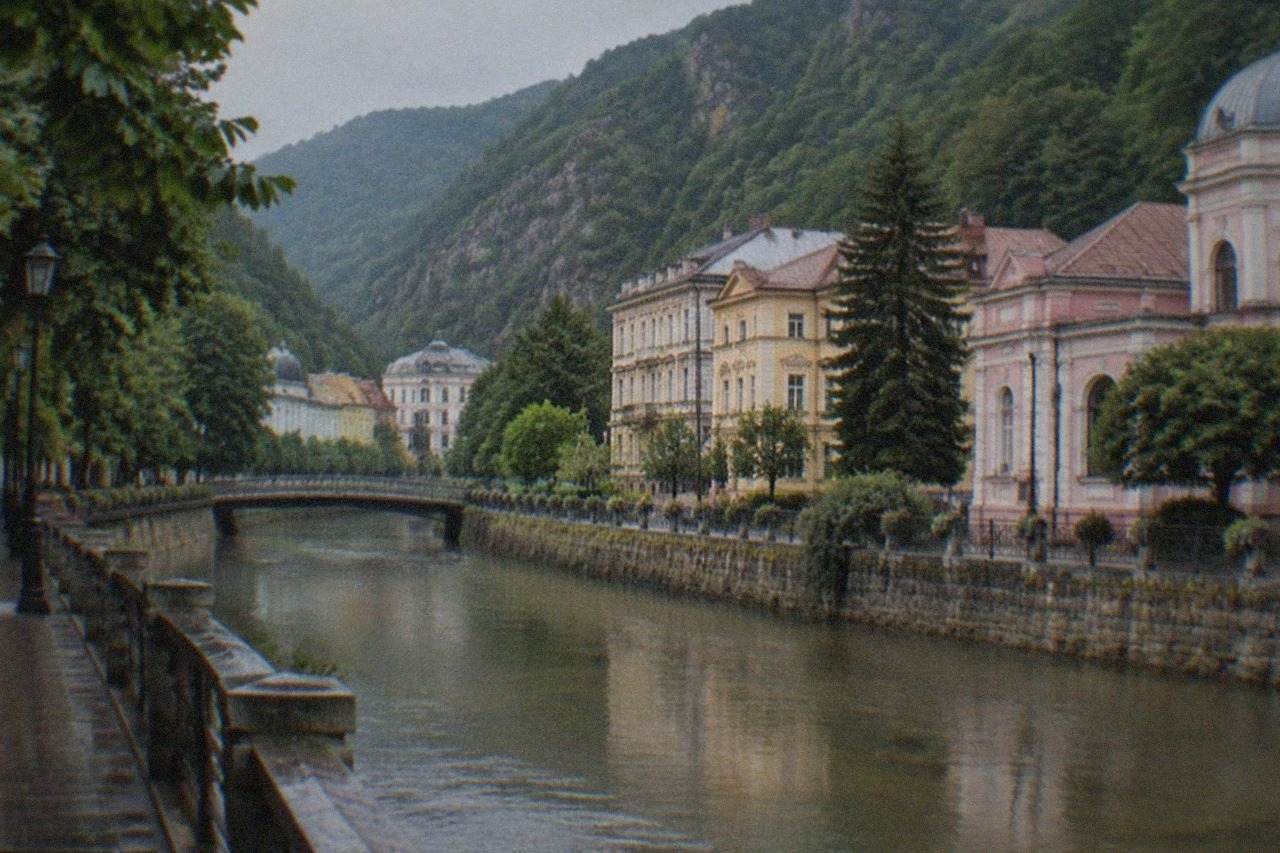
Baile Herculane is a thermal spa town in the Banat region of western Romania, in Caras-Severin county, set in the narrow valley of the Cerna river where the mountains close in on both sides. From Timisoara it is the region's most famous spa destination, a resort whose hot mineral springs were already drawing bathers in Roman times and whose name still carries the legend of Hercules, who was said to have rested and bathed here. The town is a strange, compelling mix: grand Habsburg-era bathhouses, some beautifully restored and others crumbling, a working thermal economy of hotels and treatment centers, and some of the wildest mountain scenery in western Romania pressing in from every side. This guide covers what the town actually is, what you can see and do there, how the baths work, and how to plan the trip from Timisoara.
What Is Baile Herculane?
Baile Herculane is a small spa town in Caras-Severin county, in the Banat region of western Romania, about a half-day drive south of Timisoara, built around hot mineral springs used for bathing since Roman times. It sits in the valley of the Cerna river, hemmed in by the Anina and Cernei mountains, and it functions today as both a medical spa resort and a destination for travelers exploring the wider Banat mountain region.
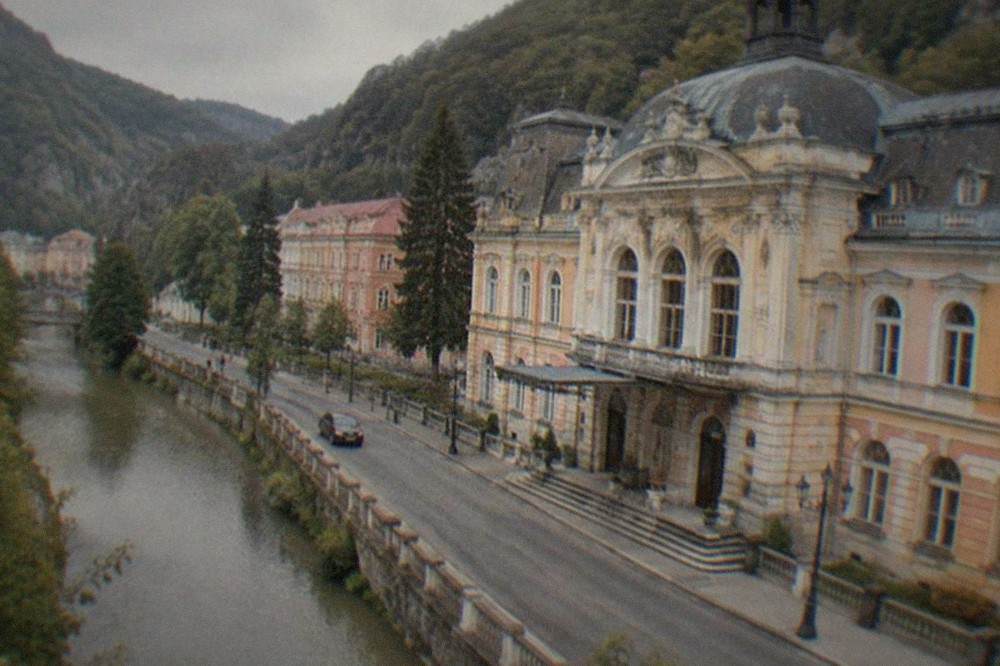
The Roman connection is not marketing gloss. The settlement was a known bathing place in antiquity, and the springs were developed by the Romans under the name Hercule. The Hercules legend attached to the place early, and it stuck: the town's name, its iconography, and several of its monuments still reference the demigod who was said to have washed in the warm waters. What you see today is mostly much younger, though. The great era of Baile Herculane was the Habsburg period and its aftermath, when the resort became one of the most fashionable bathing towns in southeastern Europe, visited by emperors and European aristocracy. The grand bathhouses and hotels along the Cerna date from that boom.
The century that followed was less kind. The resort passed into the Romanian state spa system, and decades of underinvestment left many of the historic bath buildings in poor condition. Some have been restored, some still operate, and others stand as evocative ruins, which gives the town a layered, slightly melancholy character that many visitors find more interesting than a polished resort. The thermal water itself never stopped: it still emerges hot and mineral-rich, and the town's hotels and treatment centers still fill their pools and bathtubs with it.
How Do You Get From Timisoara To Baile Herculane?
The practical way to reach Baile Herculane from Timisoara is by car, following the route south through Lugoj and Caransebes and then down the Cerna valley, a drive that fills most of a morning and rewards you with one of the most scenic stretches of road in western Romania. There is no airport at Herculane and no rail line into the town, so a private vehicle, a rented car, or a guided day tour are the realistic options.
The drive is the point. South of Caransebes the road enters the valley and the mountains rise steeply on both sides, with the Cerna river alongside for much of the way. Travelers who enjoy this kind of mountain-road scenery often pair Herculane with other Banat destinations, because the region holds several of them within reach of a single trip. The Nera Gorge and Beusnita area lies to the west, the Danube gorges at Cazanele lie further south toward the Serbia border, and the Bigar waterfall sits in the same forested karst landscape. A multi-stop loop through several of these is a classic way to see the Banat mountains in one or two days.
For a day trip, guided options remove the driving question entirely. A private tour into the Banat mountains handles the route, the timing, and the stops.
If you would rather build the day yourself, the Banat villages and the Banat Semmering railway are two other stops that combine naturally with the mountain drive, and Lugoj sits roughly on the route south. Check current road conditions before setting out, especially in winter, when snow can affect the valley road.
What Can You See And Do In Baile Herculane?
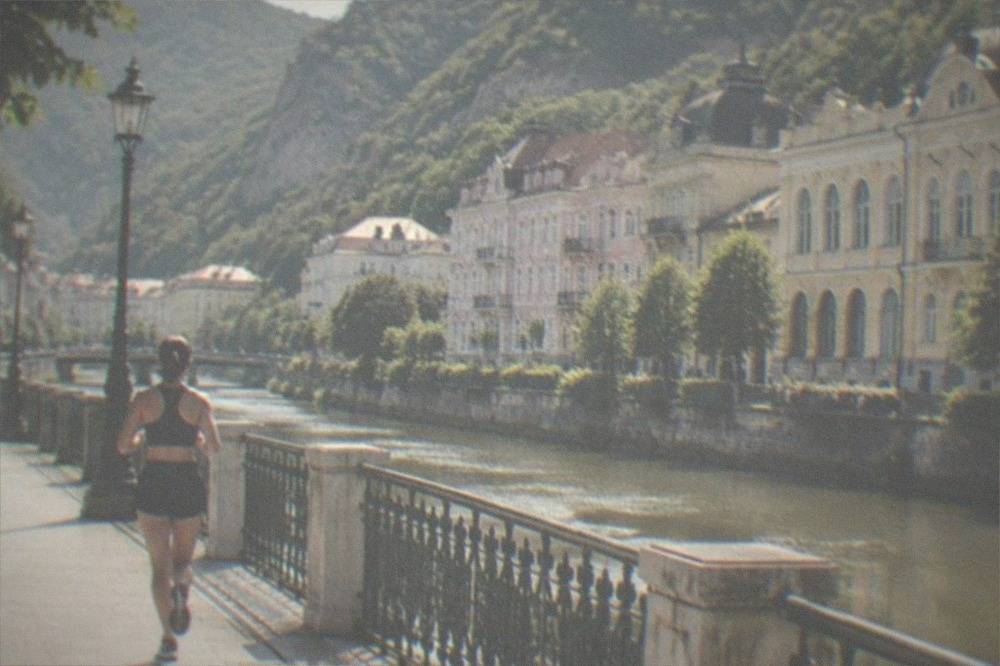
The core of a visit to Baile Herculane is the thermal water itself: bathing in one of the town's spa hotels or public pools, walking the historic center to see the Habsburg-era bath architecture, and using the town as a base for short hikes into the mountains that rise directly behind it. The town is compact and linear, stretched along the valley floor, so almost everything is reachable on foot once you have parked.
Start with the water. The springs emerge hot, and the town's bathing offer splits into two broad types: hotel spa complexes, where pools and treatment facilities are open to guests and often to day visitors, and the historic public bathing spots, some of which are free or near-free open-air features. Ask locally which pools are currently open to non-guests, because access arrangements change with the season and with renovation works. The Roman-era bathing heritage is celebrated in the town's small museum and in inscriptions and monuments around the center, several of which reference Hercules.
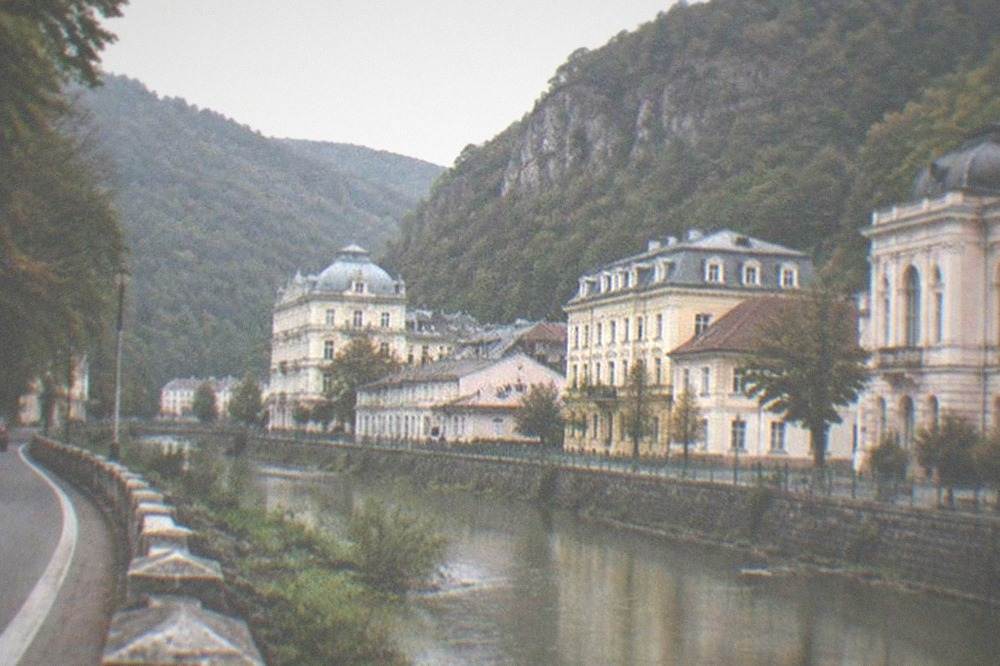
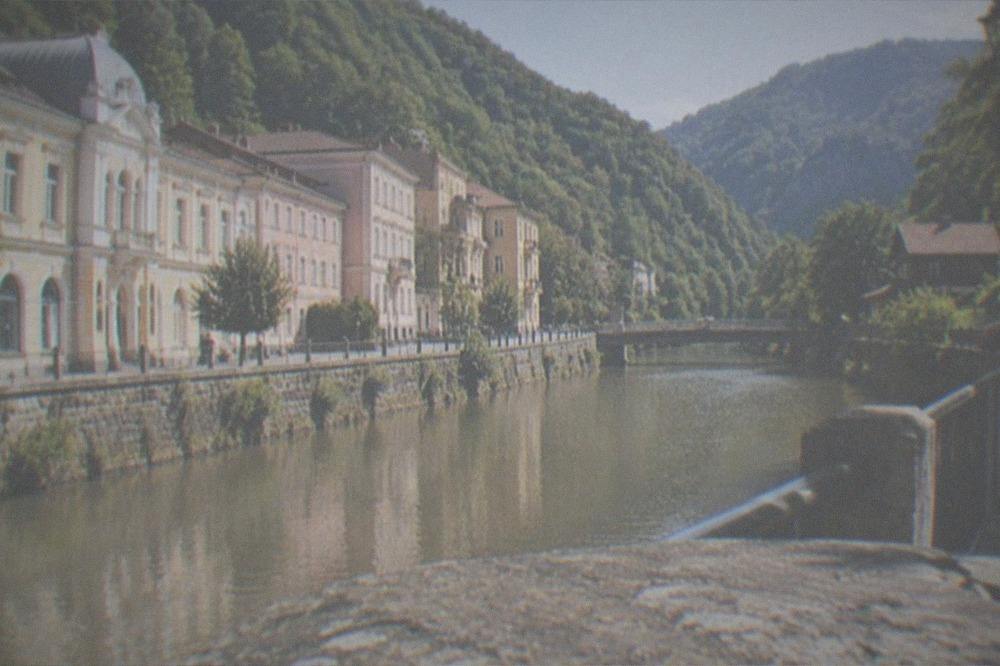
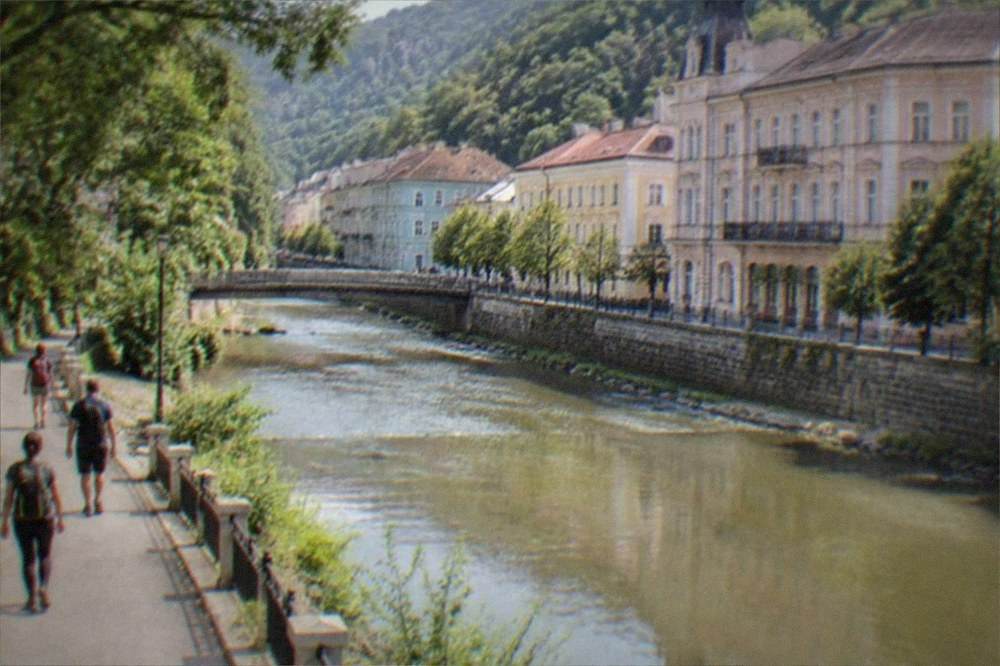
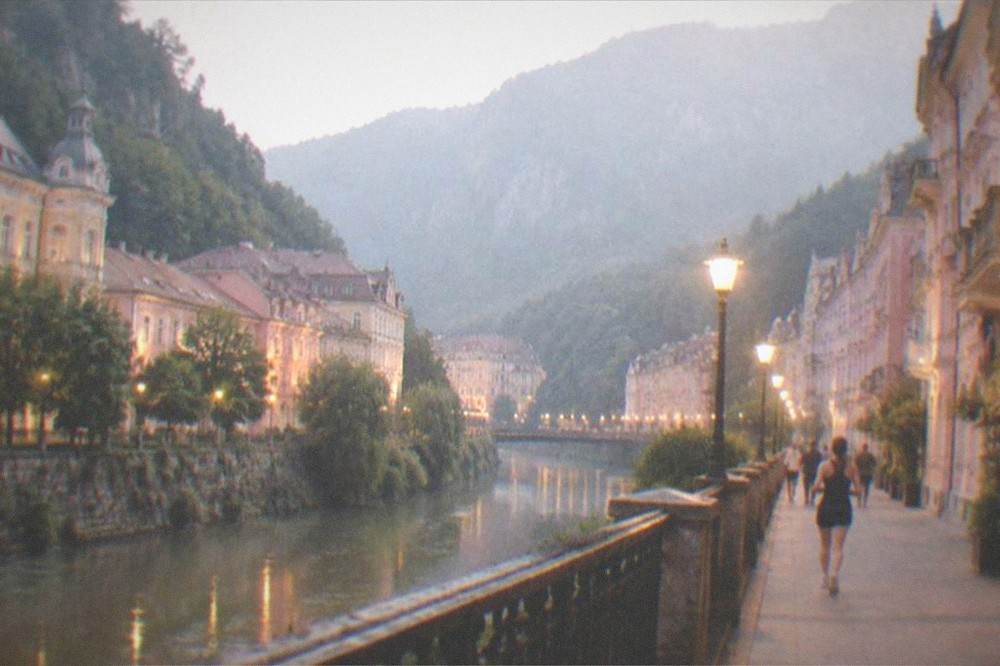
The architecture is the second draw. Along the main road and the river you will find grand old bathhouses and hotels, some restored to their original ornament, others in visible decay. The contrast is part of the town's character and a favorite subject for photographers. Give yourself an unhurried hour to walk the length of the historic core, looking up at facades, terraces, and the promenade spaces that were built for a bathing aristocracy.
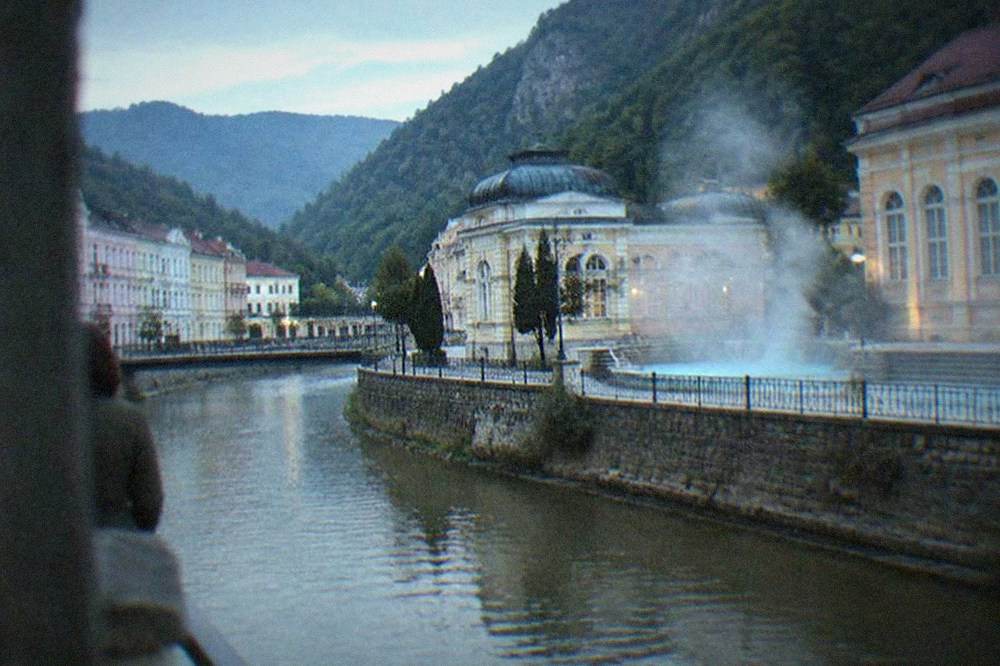
Then use the mountains. Trails leave directly from the edge of town into the forested slopes, including short walks to viewpoints over the valley, and the Cerna river runs alongside the center. In warm months the valley is green and cool; in winter the steam from the hot water rising into cold air is one of the town's most atmospheric sights.
A day trip focused on the Banat mountains works well with a guide who knows the roads and the stops.
How Do The Baths And Spa Treatments Work?
Baile Herculane's thermal water is the town's whole reason for existing: hotels and treatment centers pipe the hot mineral water into pools, bathtubs, and treatment rooms, and much of the town's visitor traffic consists of Romanian guests on multi-day treatment courses. As a day visitor you can typically buy access to a hotel pool or spa complex for a few hours, and the historic open-air thermal features are a separate, simpler experience.
The water is classified as thermal and mineral, and the resort's tradition treats different springs and different applications as suited to different ailments, from rheumatic conditions to recovery courses. You do not need a medical reason to bathe. Most complexes sell simple pool access, and the experience of sitting in naturally hot water while the mountains steam around you is worth the trip on its own.
Prices and access rules vary by venue and season, so check directly with the hotel or complex you have in mind before assuming anything. For planning purposes, think of a visit in three layers. First, the quick dip: a few hours at a hotel pool, easy to arrange on a day trip. Second, the treatment stay: what most of the town's domestic guests do, and not what a Timisoara day-tripper needs. Third, the heritage layer: the old public baths and the Roman-legacy monuments, which are about seeing rather than soaking. A day trip covers layers one and three comfortably.
| Bathing option | What it is | Best for | Planning note |
|---|---|---|---|
| Hotel spa complex | Thermal pools, bathtubs, saunas in a resort hotel | A few hours of soaking on a day trip | Ask about non-guest access and current opening hours |
| Treatment center | Medical spa facilities with prescribed courses | Multi-day domestic stays | Not relevant for a day visitor |
| Historic public baths | Old open-air thermal features and heritage monuments | Seeing the resort's past | Some features are seasonal or under restoration |
| River and trail bathing spots | Informal spots along the Cerna | Atmosphere and photography | Follow local guidance on where bathing is allowed |
What Does A Day Trip From Timisoara Look Like?
A realistic day trip from Timisoara to Baile Herculane means leaving in the morning, driving south through the Banat plain and into the mountains, arriving around midday, spending the afternoon on the baths and the historic center, and returning in the evening, with the mountain drive itself treated as part of the day rather than dead time. Adding a second major stop turns it into a long, rushed day.
Trying to squeeze in the Nera gorge or the Danube gorges on top of Herculane in a single day leaves almost no time in town, so a common approach is either to keep Herculane as the single destination or to turn the trip into an overnight. Everything else covered here is indexed on Timisoara Travel Guide.
The shape of the day matters because the drive is substantial in both directions. Leave early enough that you arrive with the full afternoon ahead of you. Once in town, park near the center, walk the historic core, take a thermal soak, and, if time and energy allow, take one short trail up the valley side for the view. Eat in town: the resort economy supports a decent range of restaurants serving Banat and Romanian dishes, and prices in a small mountain spa town are generally gentler than in the capital.
If one day feels tight, the overnight version is popular: arrive in the afternoon, bathe in the evening, hike in the morning, and return to Timisoara the next day. This also opens the option of looping through other Banat sights on the way back, such as Recas winery country or the Decebalus rock sculpture further down the Danube valley.
| Trip shape | Time needed | What you get | Trade-off |
|---|---|---|---|
| Single-day round trip | One long day | Baths plus historic center plus one walk | Most of the day spent driving |
| Overnight in Herculane | Two days | Relaxed bathing, an evening and a morning in town | Needs a hotel night |
| Herculane plus Nera gorge loop | One very long day or two days | Two major Banat landscapes | Rushed if forced into one day |
| Multi-day Banat tour | Three or more days | Gorges, spa town, villages, Danube | Needs planning and stamina |
When Is The Best Time To Visit Baile Herculane?
Baile Herculane works in every season, but the two best windows are late spring through early autumn, when the valley is green and you can combine bathing with hiking, and winter, when the contrast between hot water and cold air is at its most dramatic. Midsummer is the busiest and warmest period, while the shoulder months give you the same water, thinner crowds, and comfortable walking weather.
The one thing to check before any winter trip is the state of the mountain road, since snow can affect the valley route.
The climate of the wider region is continental, and the mountains modify it further: Timisoara's own normals, from the JMA station data for station TIMISOARA 15247, give a January mean of 0.0 C and a July mean of 22.8 C, with annual precipitation of 600.7 mm, and the mountain valley at Herculane runs cooler in summer and snow-prone in winter. What makes the spa town unusual is that its core attraction is season-proof: hot water in a cold valley is a winter pleasure, and the same water in a green valley is a summer one.
For travelers building a wider Banat itinerary around Timisoara, the season also decides which combinations work. The gorge and waterfall destinations, like the Nera gorge and Bigar waterfall, are at their best from late spring to early autumn, while the spa and the Danube valley sights are more weather-tolerant. If your trip falls in the warm months, pair Herculane with the gorges; if it falls between November and March, keep Herculane as the anchor and treat the mountain roads with respect.
| Season | Valley conditions | Bathing experience | Good pairings |
|---|---|---|---|
| Spring | Green, cool, occasional rain | Pleasant, quiet | Nera gorge, waterfalls |
| Summer | Warm, busiest period | Warm water, lively town | Gorges, Danube, villages |
| Autumn | Cool, colorful forest | Quiet, atmospheric | Semmering railway, winery country |
| Winter | Cold, possible snow on roads | Steam and hot water at their best | Keep driving plans flexible |
Where Does Baile Herculane Fit In A Wider Banat Trip?
Baile Herculane sits at the southern edge of the Banat mountain region, which makes it a natural anchor or final stop for a multi-day loop from Timisoara that takes in the Nera gorge, the Danube gorges at Cazanele, the Bigar waterfall, and the remote villages of the Banat uplands. Weekend travelers usually choose between the spa town and the gorges, while travelers with three or more days can link them into one of the most rewarding road trips in western Romania.
The logic is geographic. Everything worth seeing in the southern Banat lies along or near the same southward corridor: the plain around Timisoara, the hills around Lugoj and Caransebes, then the mountain belt holding the gorges, the karst waterfalls, and the Cerna valley spa town. A loop can run down one side of the belt and back up the other, with Herculane as the overnight base. The Arad direction, by contrast, belongs to the northern plain and is a separate trip entirely.
Guided touring makes the loop far easier, because the mountain roads, the trailheads, and the timing are exactly what a local operator handles for you.
For travelers who prefer to move at their own pace, the things to do in the Timisoara area page collects the city-side options, and this site's wider day-trip guides cover each mountain destination individually. The deep-forest village landscapes of the Banat uplands are a different flavor again from the spa town, and some visitors find them the most memorable part of the whole region.
What Should You Pack And Know Before You Go?
Pack for two environments in one day: swimwear, a towel, and flip-flops for the thermal baths, plus walking shoes and a layer for the mountain trails and the drive, because the valley can be cool even when Timisoara is warm. Bring cash in Romanian lei, since the leu is the local currency and smaller venues in a mountain spa town are not guaranteed to take cards.
Romania's tourist tax, reported at 2% of the accommodation tariff, applies to overnight stays and is collected by the lodging, though it does not affect a day trip.
A few practical points make the day smoother. Book your bathing slot in advance if you are visiting in peak season or on a weekend, because hotel pools fill with domestic guests. Do not plan the trip around a rigid timetable: the valley invites stopping. If you are staying overnight rather than day-tripping, the town's hotel stock is broad, from grand historic properties to modern treatment complexes, and the choice is best made by what kind of bathing experience you want rather than by star ratings alone.
It is also worth being honest about the town's condition. Baile Herculane is not a polished Alpine resort. Some of its grandest buildings are in poor repair, and part of its appeal is precisely that layered, unfinished quality. Visitors who arrive expecting a curated spa town are sometimes disappointed; visitors who arrive expecting a living, slightly shabby, historically rich bathing resort in a spectacular valley tend to love it.
Common Questions About Baile Herculane
Is Baile Herculane worth visiting from Timisoara?
Yes, if you want thermal water and mountain scenery rather than a polished resort. The town combines Roman-era bathing history, grand Habsburg bath architecture, and a dramatic valley setting, and it is the most distinctive spa destination within day-trip range of Timisoara.
Can you visit Baile Herculane as a day trip?
Yes, but it is a full day. The drive each way takes most of a morning or an afternoon, so leave early, plan a long afternoon in town, and treat the mountain drive as part of the experience rather than lost time.
Can non-guests use the thermal pools at Baile Herculane?
Often yes. Several hotel spa complexes sell pool access to day visitors, but arrangements change with the season and with renovation works, so check directly with the specific hotel or complex before you travel.
What is Baile Herculane famous for?
Hot mineral springs used for bathing since Roman times, the Hercules legend that gives the town its name, and the grand bathhouses from its era as one of southeastern Europe's most fashionable spa resorts.
Is Baile Herculane nice in winter?
Many visitors think it is at its best then. Steam rising from hot water into cold mountain air is the town's most atmospheric sight, and the domestic spa season is in full swing. The one caution is snow on the mountain roads, so check conditions before driving.
What else can you combine with Baile Herculane?
The Nera gorge, the Danube gorges at Cazanele, Bigar waterfall, and the remote villages of the Banat uplands all lie in the same southern mountain belt, which is why a two- or three-day loop through the region is a popular alternative to a single-day spa trip.
Whichever way you build the trip, a guided option through the Banat mountains remains the simplest route from idea to itinerary, and the same small set of operators covers the spa town, the gorges, and the villages.
Baile Herculane rewards the traveler who accepts it on its own terms: a working spa town with an extraordinary past, set in one of the most beautiful valleys in western Romania, and close enough to Timisoara to be the single best escape from the city into the mountains. Plan the drive, book the bath, and give the valley more time than you think it needs.