Timisoara Accessibility
Timisoara, in western Romania's Banat region, is one of the country's most walkable cities, and its flat central squares, modernized trams, and compact old town make it a realistic destination for visitors with limited mobility, provided you know which barriers remain.
Short answer
Timisoara's historic center is largely flat and pedestrianized, its new electric buses are low-floor, and a single 5 lei ticket covers trams, trolleybuses, buses and the Bega vaporetto, but cobbled lanes, ongoing tram works and older buildings mean some sights still require planning ahead.
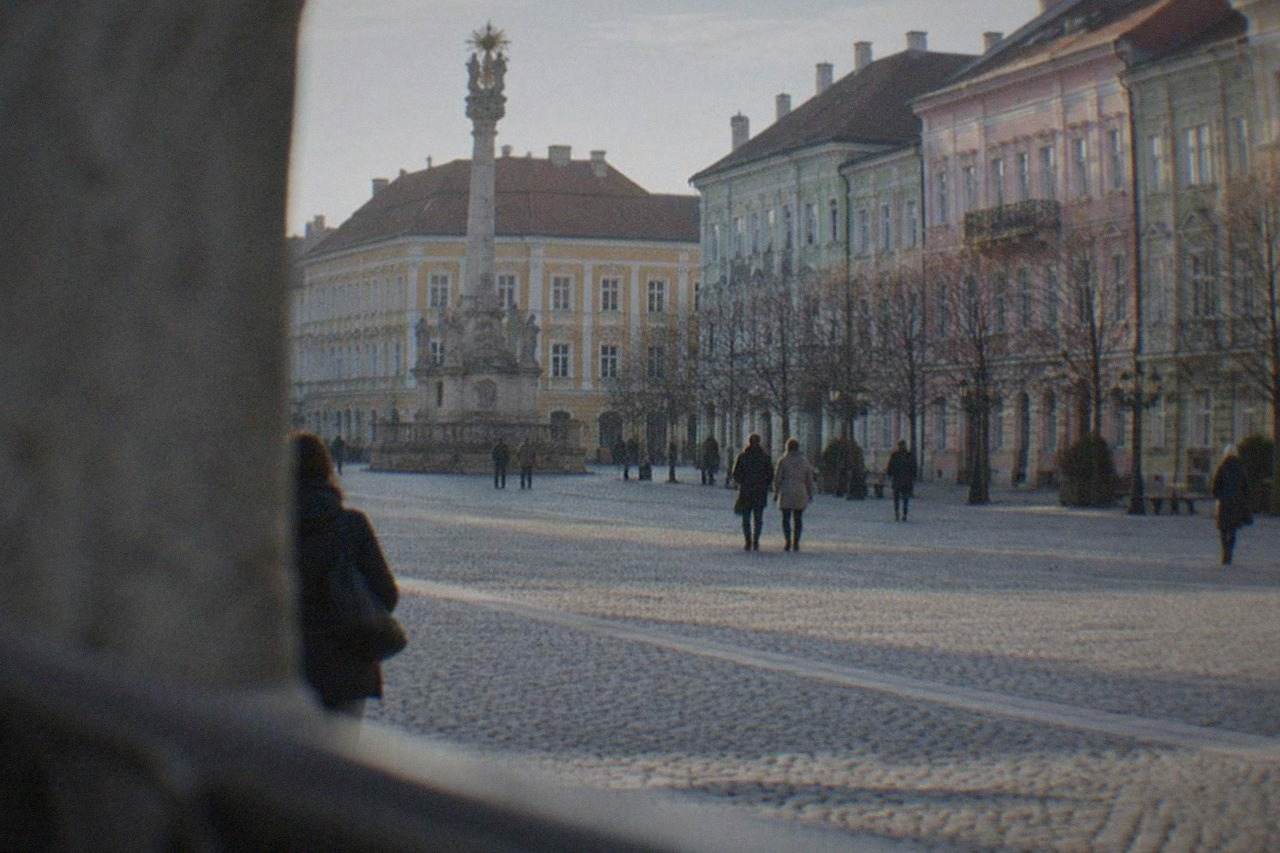
Timisoara, the capital of Timis County in the Banat region of western Romania, was built on flat ground along the Bega canal, and that geography shapes everything about how accessible the city feels. Timișoara's historic core, the Cetate district, was laid out as a Habsburg fortress town with wide squares and straight streets, and today three of those squares, Piata Unirii, Piata Libertatii and Piata Victoriei, form a pedestrian spine that can be walked end to end without ever meeting a steep gradient. That is the good news, and it is genuinely unusual for a Central European city. The harder news is that accessibility here is a patchwork: new low-floor electric buses run on one hand, while 19th-century buildings with steps at the door and cobbled side lanes sit on the other. This guide, from the editorial desk at Timisoara Travel Guide, sets out what is reliably known, what needs checking before you travel, and how to build an itinerary that works for a wheelchair user, a slow walker, a deaf visitor or a blind traveler.
How Accessible Is Timisoara For Visitors With Limited Mobility?
Timisoara is a largely flat, compact city whose pedestrianized historic core makes it one of the more workable destinations in Romania for limited-mobility visitors, but it is not yet a barrier-free city. The three central squares are step-free and short distances apart, the public transport fleet is being renewed with low-floor vehicles, and the riverside Bega promenade is level, while the main obstacles are cobblestones on side streets, stepped entrances in older buildings, and tram-track reconstruction works that reroute services through 2026.
The honest starting point is terrain. There is almost none. The climate station for the city sits at 86 m altitude on plainland, and the walk from Piata Unirii to Piata Victoriei, the two anchors of any first visit, crosses no slope that would trouble a manual wheelchair or someone using a rollator. Distances are short too: the Cetate district, covered in our Cetate old town guide, is compact enough that many visitors never use transport within the center at all.
The obstacles are architectural and temporary. Architectural: much of the building stock is 19th and early 20th century, and while newer venues and the big public institutions have ramps or level entries, smaller shops, cafes and some museums still have a step or two at the threshold. Temporary: Piata Traian in the Fabric district is closed to trams from 3 August 2026 to the end of 2026 for reconstruction, with lines diverted, so a route that worked in spring may not work in autumn. The live alerts at the transport operator's real-time service are the practical way to check diversions on the day.
Which Timisoara Sights Are Step-Free And Which Have Barriers?
The three central squares, the Bega canal promenade and the outdoor spaces at Theresia Bastion are step-free and reachable without assistance, while the barriers cluster in older buildings: some museums and churches keep historic entrances with steps, and the city's official listings do not publish standardized access information, so the reliable method is to email each venue before your trip rather than trust a third-party accessibility badge.
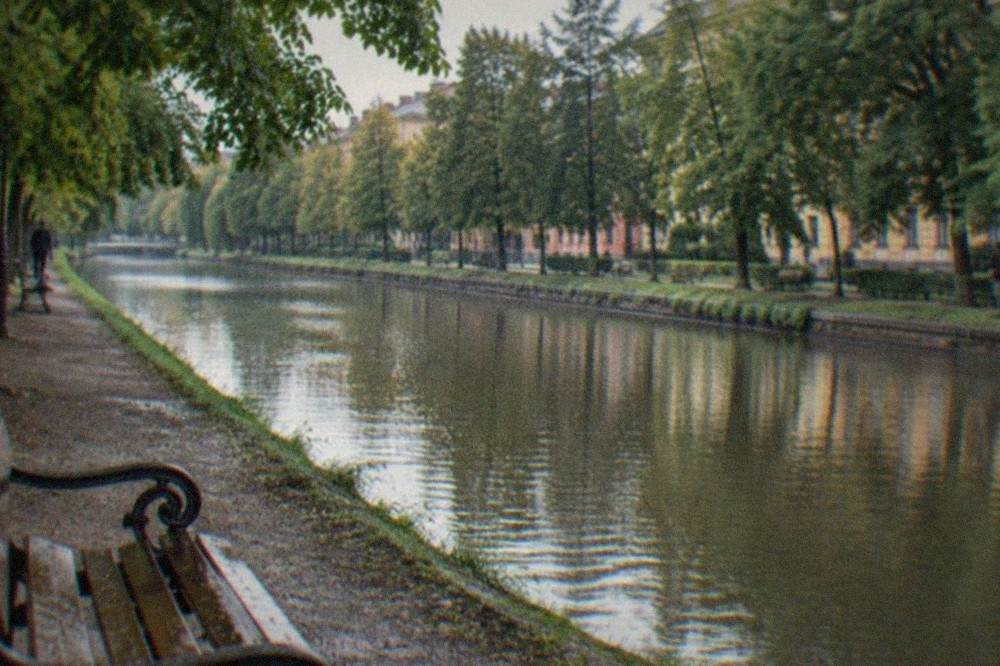
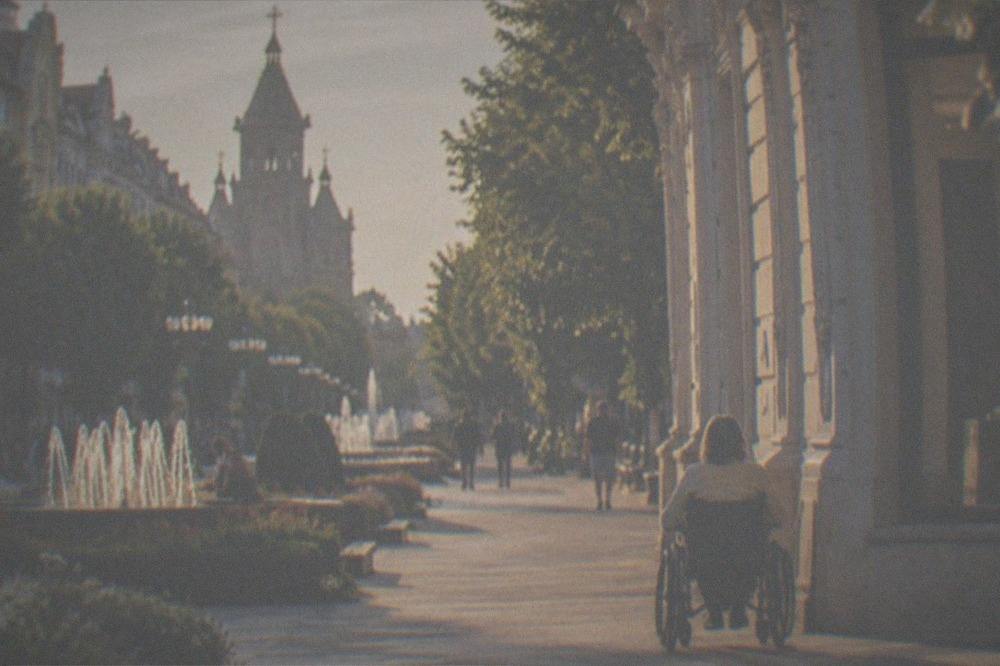
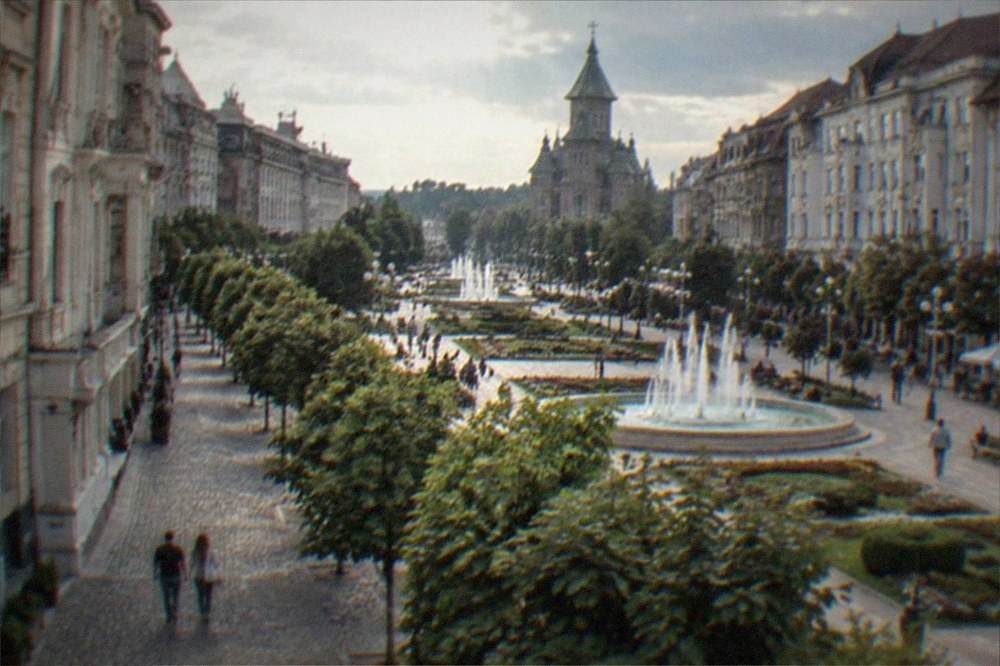
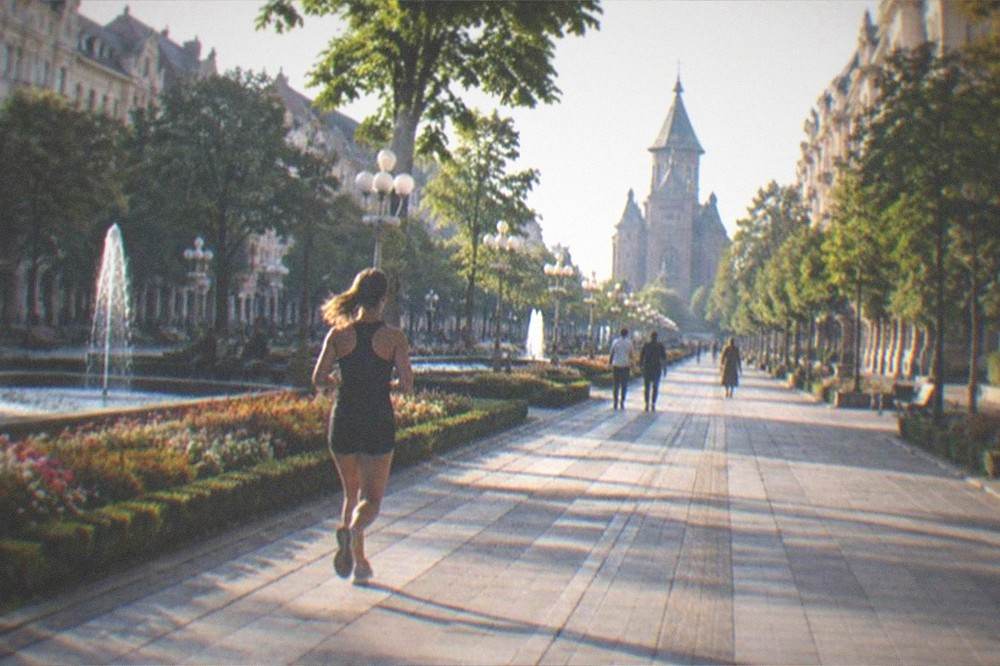
Start with what works. Piata Unirii, the baroque heart of the city, is an open pedestrian square, and our Union Square guide covers the museums and cathedrals around it. Piata Victoriei, where the 1989 Revolution played out and where the Christmas Market is held, is a wide, level, tree-lined esplanade. The Bega canal promenade is level waterside walking, and the city has been actively expanding it: in 2026 the municipality cleared more than 2,000 square meters of bank on Bulevardul Vasile Parvan to add recreation space, part of a wider program that has freed over 12,000 square meters along the canal.
The barrier list needs honesty. Hours and fees are published for the major museums, but step-free status is not part of what they publish, so treat the table below as a planning sheet of what is confirmed and what to verify.
| Sight | What is confirmed | What to verify before visiting |
|---|---|---|
| Piata Unirii | Open pedestrian square, level ground | Nothing, it is public space |
| Piata Victoriei | Level esplanade, Opera on the square | Nothing, it is public space |
| Bega promenade | Level riverside path, expanding | Surface condition after works |
| National Museum of Art (Baroque Palace) | Open Wed to Sun, summer 13:00 to 21:00, winter 10:00 to 18:00 | Ramp or lift access to galleries |
| Memorial of the 1989 Revolution | Open Mon to Fri 08:00 to 17:00, Sat to Sun 10:00 to 18:00 | Step-free entry to the building |
| Banat Village Museum | Open Wed to Sat 10:00 to 18:00, Sun 12:00 to 20:00 | Gravel and grass paths between houses |
| Theresia Bastion | Courtyard and commercial spaces in use | Interior access to each unit |
| Huniade Castle | Closed for restoration, partial reopening targeted 2027 | Nothing, do not plan around it |
The Banat Village Museum deserves a specific note. It is an open-air museum of relocated village houses, which means gravel lanes, grass and thresholds by design; the museum's own page confirms its hours but publishes no mobility information, so a call ahead is essential if full access matters to your visit. Our Banat Village Museum guide covers what the museum holds.
If you would rather have a guide who sets the pace and the route, a private walk can be planned around your needs. These are the tours our readers most often pair with a slower-paced visit.
Is Public Transport In Timisoara Wheelchair Friendly?
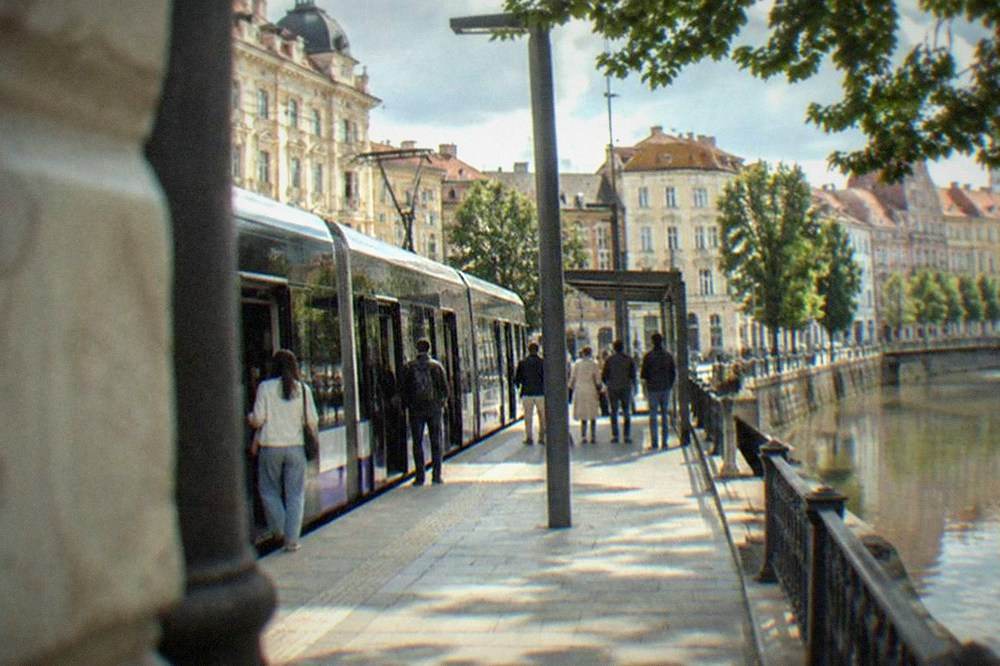
Timisoara's transport system is mid-transition to wheelchair-friendly: the 30 new Karsan electric buses delivered from April 2026 are low-floor with roughly 600 km of autonomy, contactless bank cards work on board, and a single 5 lei ticket covers 60 minutes on every mode including the Bega vaporetto, but the tram fleet is a mix of new and old vehicles, and works around Piata Traian are diverting several tram lines until the end of 2026.
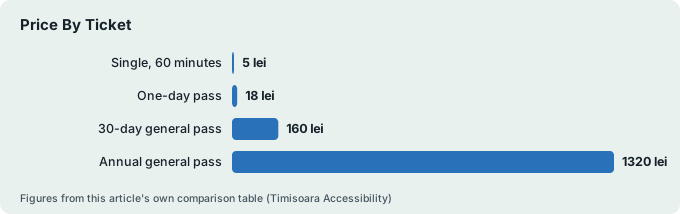
The fares are simple and confirmed by the operator's tariff page. A 60-minute ticket is 5 lei, a one-day pass is 18 lei, a 30-day general pass is 160 lei, and payment works by contactless bank card on board, e-wallet card, SMS, mobilPay, eTicket or kiosk. That single-ticket-covers-everything design is genuinely useful: you are not penalized for switching from tram to bus to the water bus when a tram line turns out to be diverted.
| Ticket | Price | Coverage |
|---|---|---|
| Single, 60 minutes | 5 lei | All modes, including the vaporetto |
| One-day pass | 18 lei | All modes, including the vaporetto |
| 30-day general pass | 160 lei | All modes |
| Annual general pass | 1,320 lei | All modes |
The fleet is where the transition shows. The 30 new 10-meter electric buses, funded through Romania's national recovery plan and delivered in phases from April 2026, are low-floor vehicles with capacity for 65-plus passengers, joining 44 larger articulated electric buses already in service. Trolleybuses were renewed too, with 33 new Bozankaya units, some battery-equipped, entering service by late 2025. Trams are more uneven: the network runs nine lines, and while new trams have appeared on lines 7 and 9, older vehicles remain, so level boarding cannot be assumed on every run.
Two practical cautions. First, the Piata Traian works: trams are diverted until the end of 2026, and the operator's live alert feed is the only reliable same-day source. Second, ticketing apps churn: the 24Pay app was suspended around April 2026 and Tranzy was discontinued earlier, so a contactless bank card is now the simplest method for a visitor. Our getting around Timisoara guide goes deeper on lines and planning.
The vaporetto, the seasonal water bus on the Bega, runs from 1 April to the end of October with nine stops per direction, and it accepts the same 5 lei ticket. Boarding is at pontoon stops, so if you use a wheelchair, treat the vaporetto as a maybe and check boarding assistance directly with the operator before counting on it.
How Accessible Is Timisoara Airport And Getting To The City Center?
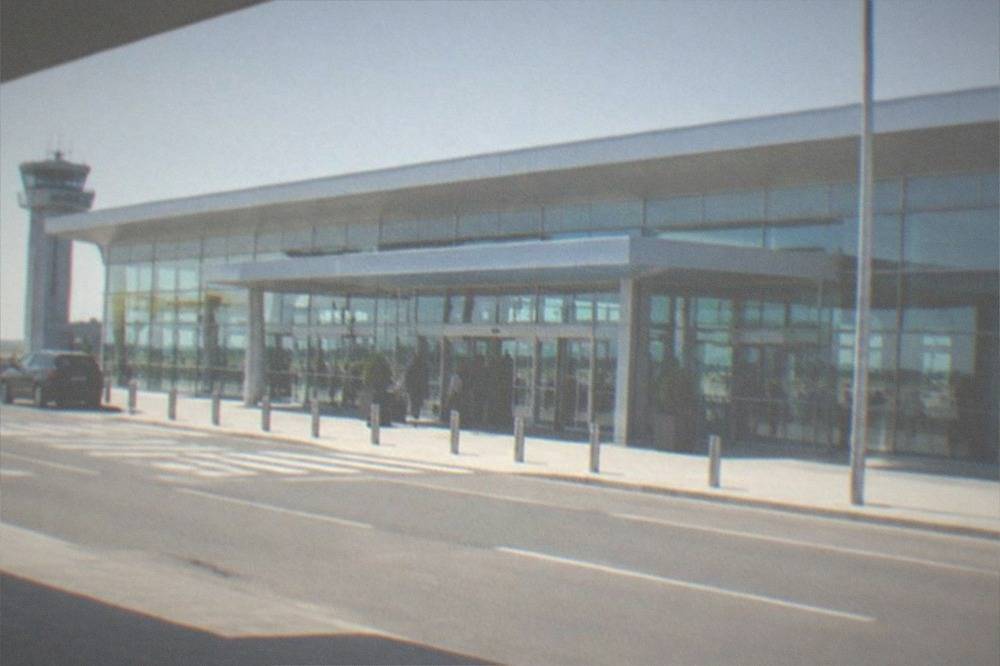
Traian Vuia International Airport (TSR) sits about 12 km northeast of the center, and the express bus line E4 links the Bastion to the airport using the same 5 lei ticket as the rest of the network, while a rail link to the airport is under a contract signed in August 2025 with roughly 30 months of design and construction ahead. If you need step-free assistance, request it from your airline in advance as you would at any EU airport.
The airport is small by European standards, which cuts both ways: walking distances inside are short, but assistance staffing is proportionate to a terminal that handled 1,458,098 passengers in 2025, per Romanian Airports Association figures reported in press summaries. That passenger count, up 10.2 percent on 2024, is a press-reported figure rather than one this desk has re-read at source, so treat it as reported. What is confirmed at source is the bus: the operator's E4 page lists the express line from the Bastion to the airport, and the tariff page confirms the standard ticket applies.
One dated caution belongs in every autumn 2026 plan: the runway is fully closed for repairs from 2 to 22 November 2026, an announcement made on the airport's own site in July 2026. If your trip falls in that window, your flight will not exist as booked; check with your airline before arranging anything else.
For the transfer itself, the options are the E4 bus, a taxi or a rideshare, or a pre-booked transfer. Our airport to city center guide compares them, and the airport guide covers the terminal, airlines and routes, including the 2026 additions such as Turkish Airlines from Istanbul and Wizz Air's Berlin, Birmingham and Prague services. Romania's full Schengen membership since 1 January 2025 means no routine border checks arriving from Hungary or most of the EU, though the EES entry-exit system, fully operational at external borders since 10 April 2026, now records biometrics for non-EU short-stay arrivals.
Where To Stay In Timisoara For Accessibility?
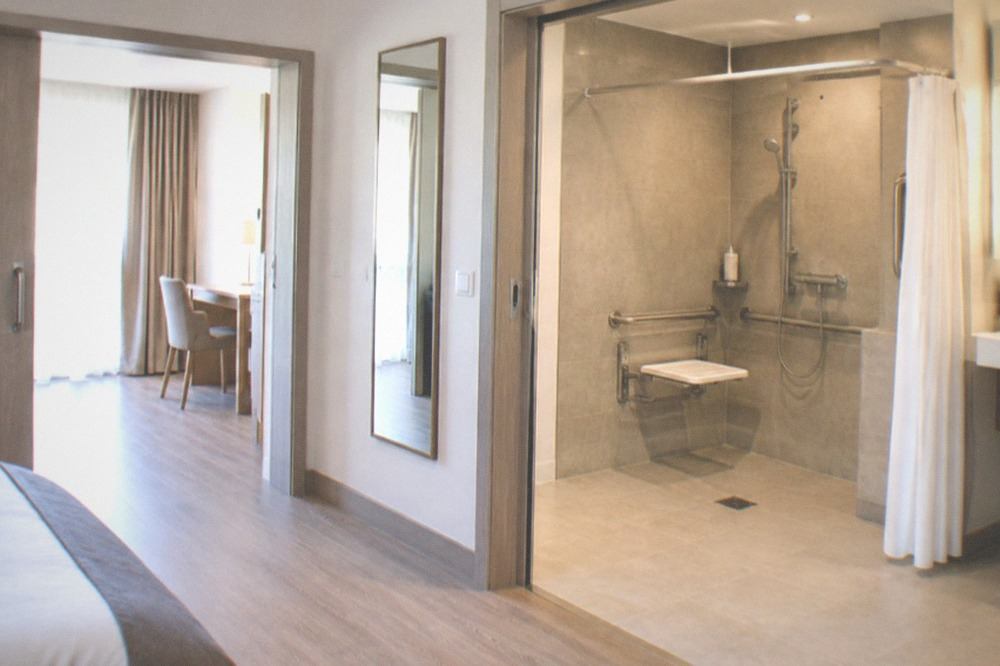
No hotel in Timisoara publishes access data this desk has verified, so the working method is to book a hotel in or beside the flat Cetate core, confirm step-free entry, lift access and an adapted bathroom in writing before paying, and prefer newer properties, several of which opened in 2025 and 2026, since Romanian building rules applied to recent construction require accessibility provisions that 19th-century conversions often lack.
Location matters more than star rating for a limited-mobility visitor. Staying inside or on the edge of Cetate, or in the regenerated Iulius Town area, keeps you on level ground and within a short roll or walk of the squares. The 2025 and 2026 hotel wave is worth watching precisely because new-build compliance is more reliable than retrofit: the Radisson Individuals Hotel Galaxy opened in the Baroque old town in early June 2026, a 48-room property with its own restaurant and a rooftop jacuzzi, and a Courtyard by Marriott began construction in March 2026 near Iulius Town with a planned 2029 opening. Our best hotels guide and where to stay guide break the districts down.
| Area | Terrain | Best suited to |
|---|---|---|
| Cetate (old town core) | Flat, pedestrianized squares | Visitors who want everything walkable |
| Piata Victoriei edge | Flat esplanade | Evening access to Opera and events |
| Iulius Town | New-build, modern streets | Lift-equipped hotels, mall amenities |
| Fabric | Flat but with active works | Longer-stay and repeat visitors |
| Iosefin | Flat, quieter residential | Calmer base, tram links in |
The questions to email any property, in order: is there a step-free route from the street to reception; does the lift serve every floor the guest rooms are on; is the bathroom roll-in or shower-stall with a fold-down seat; and is there an accessible parking space on site. A hotel that answers all four in writing is a hotel that has actually thought about it. Also note the local tourist tax, a "taxa speciala pentru promovarea turistica" set by council decision HCL 719/2025 and collected by the lodging: its widely reported rate is 2 percent of the accommodation tariff excluding VAT, though that rate figure is press-sourced rather than primary, so expect it as a small line on your bill rather than a surprise percentage.
What Accessibility Support Exists At Timisoara Museums And Cultural Venues?
Timisoara's cultural venues are in the middle of a genuine investment cycle, with a new immersive art museum opened in April 2026, a children's interactive museum opened in May 2026 inside the Maria Theresia Bastion, and the MultipleXity cultural hub under a roughly 150 million lei EU-backed contract signed in March 2026, but none of these venues publishes standardized accessibility information, so support must be arranged venue by venue, and the Memorial of the 1989 Revolution is the one institution with confirmed hours on every day of the week.
The museum landscape is described in full in our Timisoara museums guide, but the access-relevant facts are these. The Memorial of the 1989 Revolution, the museum of the uprising that began here in December 1989 and toppled the Ceausescu regime, is open Monday to Friday 08:00 to 17:00 and Saturday to Sunday 10:00 to 18:00, with an adult ticket of 20 lei covering the permanent and temporary exhibitions plus the documentary screening. The National Museum of Art in the Baroque Palace on Piata Unirii runs summer hours of 13:00 to 21:00 (June to September) and winter hours of 10:00 to 18:00 (October to May), closed Mondays and Tuesdays. The Banat Village Museum keeps the hours in the table above.
The newer venues are the interesting accessibility story. MINA, the Museum of Immersive New Art, opened on 3 April 2026 in the UBC0 parking building at Iulius Town: large-scale projection spaces in a purpose-fitted modern building are, structurally, a better bet for level floors than a baroque palace, but confirm lift service to the projection hall when you book. MIC, the interactive children's museum, opened 16 May 2026 in the Maria Theresia Bastion with around 400 square meters of hands-on exhibits for ages from roughly 10 months to 14 years; a bastion is a historic structure, so ask about the entry route specifically. And the city's cultural flagship project, MultipleXity, is converting the former tram depots on Take Ionescu Boulevard into a cultural and technology hub under an EU funding contract signed in March 2026, with completion targeted around February 2029; when it opens, it will be the city's first major cultural venue designed under current accessibility rules from the ground up.
For a guided experience at your own pace, a private heritage walk is the format most easily adapted, and the Jewish Heritage Tour of Timisoara is the one our readers book most for a slower, seated-rest-friendly route through the old town's religious landmarks.
When Is The Best Time To Visit Timisoara For Comfortable, Low-Effort Travel?
The most comfortable months for a low-effort Timisoara visit are May, September and early October, when the JMA climate normals for the city's station give means of 17.3 C, 17.2 C and 11.5 C respectively and rainfall stays near or below the annual pattern, while July and August are the warmest at 22.8 C and 22.5 C, June is the wettest month at 79.1 mm, and winter visits trade cold, near-freezing means for the Christmas Market and thinner crowds.
The numbers come from the JMA/WMO CLIMAT normals for station TIMISOARA 15247, which publishes mean temperature and precipitation only. For an accessibility-first trip, temperature and rain are not comfort details, they are effort multipliers: pushing a wheelchair over cobblestones, or standing at a diverted tram stop, costs more in heat and in rain.
| Month | Mean temperature | Precipitation | Low-effort travel verdict |
|---|---|---|---|
| March | 6.5 C | 34.1 mm | Cool but the driest month of the year |
| May | 17.3 C | 57.2 mm | Warm, long days, peak crowds begin |
| June | 20.9 C | 79.1 mm | Wettest month, plan indoor backups |
| July | 22.8 C | 61.9 mm | Warmest month, start early |
| August | 22.5 C | 54.6 mm | Warm, festival season |
| September | 17.2 C | 50.4 mm | Best overall balance |
| December | 1.5 C | 44.7 mm | Christmas Market, cold-weather gear |
September stands out, and the city's own visitor numbers back the logic: 2025 brought 296,199 tourist arrivals, up 3.86 percent on 2024, per the city hall report citing INS data, and the peak month on record is May 2025 with 30,664 arrivals, so late September buys you the same walkable weather with fewer bodies on the squares. December is a different calculation: the mean of 1.5 C is manageable with layering, and the Christmas Market fills Piata Victoriei, but its 2026 dates were only estimated when this desk last checked, so confirm before booking around them. Our best time to visit guide and weather by month guide expand the table above.
Can You Take Accessible Day Trips From Timisoara?
Day trips from Timisoara into the Banat region are possible for visitors who can transfer into a car or minivan, since private tours with door-to-door pickup avoid the inaccessible variable of rural transport, but the destinations themselves are nature-heavy, and gorges, waterfalls and salt mines involve terrain that no operator can make step-free, so the right question to ask any operator is not whether the tour is accessible but whether the specific stops can be shortened, skipped or viewed from a vehicle.
The geography is the constraint and the attraction at once. The Banat region, covered in our Banat region guide, is where the Pannonian plain meets the Carpathians, so its headline sights, the Nera Gorge, the Danube's Cazanele gorges, the Bigar waterfall, are carved into terrain. A private day tour with a driver-guide is the practical format: pickup at your hotel removes station stairs and rural bus schedules from the equation, and the pace is yours to set.
Two formats illustrate the range. The hiking-focused village tours of rural Banat are, honestly, the hardest fit: they are built around walking remote paths between villages, and the listing makes clear that walking is the substance of the day, so they suit a companion who walks while another member of the party rides along, but not a full wheelchair itinerary. By contrast, the two-day private Transylvania tours are structured around castles and towns reached by vehicle, with the walking concentrated at each stop, which is exactly the pattern that can be negotiated stop by stop with a private guide.
For a longer, vehicle-based itinerary with castle stops that can be adapted stop by stop, this is the multi-day format readers pair with a first Timisoara visit.
The questions worth asking any operator before booking, in writing: does the vehicle have space for a folded wheelchair; which stops involve mandatory walking and how far; can any stop be replaced with a viewpoint or a drive-through; and what is the cancellation policy if the answer changes on the day. Operators running private tours are generally flexible on route, but flexibility has to be confirmed, not assumed. Our things to do in Timisoara overview links the full day-trip set.
Common Questions About Timisoara Accessibility
Is Timisoara wheelchair friendly?
Partly. The central squares, the Bega promenade and the new low-floor electric buses are strong points, and the city is flat throughout. The weak points are cobblestoned side lanes, stepped entrances in historic buildings and tram diversions during the 2026 reconstruction works. Confirm access with each venue before you go.
Does Timisoara public transport accept contactless payment?
Yes. Contactless bank cards work on board via POS terminals, alongside e-wallet cards, SMS, mobilPay, eTicket and kiosks. The 24Pay app was suspended around April 2026 and Tranzy was discontinued earlier, so a contactless card is now the simplest option for visitors.
How much is public transport in Timisoara?
A 60-minute single ticket is 5 lei and covers all modes including the Bega vaporetto. A one-day pass is 18 lei, a 30-day general pass is 160 lei and an annual general pass is 1,320 lei, per the operator's tariff page.
Is the Timisoara Airport far from the city center?
The airport is about 12 km northeast of the center, per the local tourism authority's own planning page. Express bus line E4 connects the Bastion to the airport on the standard 5 lei ticket. Note the runway is fully closed for repairs from 2 to 22 November 2026, so check your flight before booking anything in that window.
Are Timisoara museums accessible?
Hours and fees are published, but standardized accessibility information is not. The Memorial of the 1989 Revolution, the National Museum of Art and the Banat Village Museum all confirm hours at source; email each one about step-free entry before visiting. Newer venues like MINA, opened April 2026 in a modern building, are structurally better bets but still need lift confirmation.
Is Romania in Schengen, and does that affect accessibility at borders?
Romania is a full Schengen member, air and sea since 31 March 2024 and land borders since 1 January 2025, so there are no routine checks arriving from Hungary or most of the EU. The EES entry-exit system, fully operational at external borders since 10 April 2026, records fingerprints and facial images for non-EU short-stay travelers, which adds a biometric step at external borders such as Serbia's.
Planning an accessible trip to Timisoara rewards exactly the kind of preparation this page walks through: book inside the flat core, confirm each venue in writing, carry a contactless card for the 5 lei all-mode ticket, and keep the operator's live alerts open during the 2026 tram works. Do that, and one of Central Europe's most pleasantly level cities will meet you more than halfway.