Timisoara Shopping
Shopping in Timisoara runs from Habsburg-era streets lined with small shops to one of the largest mixed-use retail hubs in western Romania. Here is where to go, what to buy and what it costs.
Short answer
The best shopping in Timisoara splits between the historic center (Union Square and the Cetate streets for souvenirs, crafts and small boutiques), Iulius Town for mainstream retail with 450 stores, and Timisoara Shopping City on the city's east side. Prices are in Romanian lei, and the city's compact center puts most of it within walking distance.
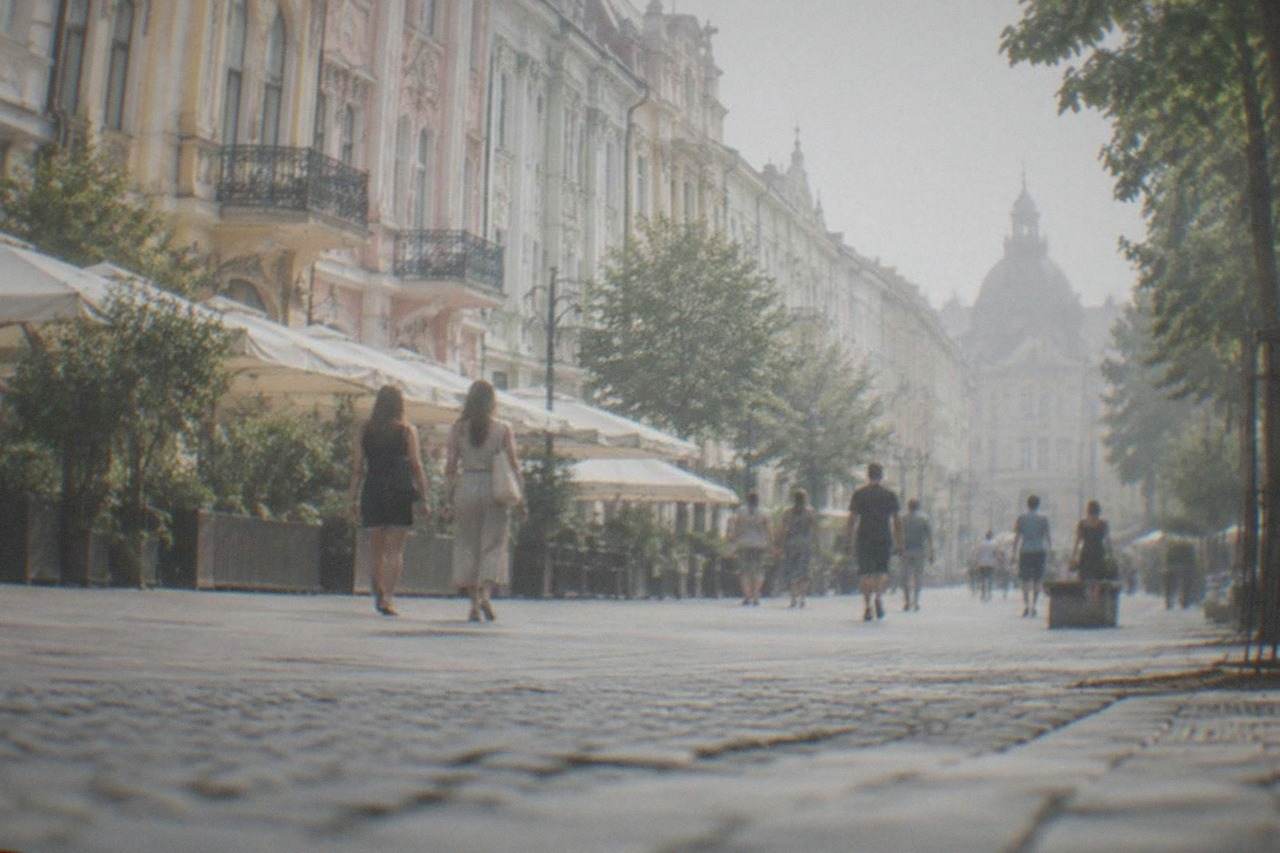
Timisoara, in Timis County in the Banat region of western Romania, is not a shopping destination in the mall-of-America sense. What it offers is more interesting: a walkable Habsburg grid of squares and pedestrian streets where small shops survive between the cafes, plus a modern retail sector that has grown fast enough that the city now hosts one of the country's biggest mixed-use developments. Timișoara was Romania's share of the 2023 European Capital of Culture, and the shopping scene still carries that imprint, with design stores, craft workshops and market-style events sitting alongside the usual international chains.
This guide covers the areas, the malls, what is actually worth buying, what things cost, and how the sales seasons work. If you are still sketching the wider trip, start with things to do in Timisoara and come back here with a suitcase to fill. One planning note before the details: the city's tourist numbers have kept climbing, with 296,199 arrivals recorded in 2025, up 3.86% on the year before, so the central shopping streets are busier than they were even two years ago, especially on weekends and during festival season.
Where Are The Best Shopping Areas In Timisoara?
The best shopping areas in Timisoara are the Cetate old town around Union Square (Piata Unirii) and Victory Square (Piata Victoriei) for souvenirs, books, design and small boutiques, Iulius Town for large-scale mainstream retail with 450 stores, and Timisoara Shopping City for a conventional mall day. The historic areas are compact and pedestrian-friendly, while the two big retail hubs sit a short tram ride from the center.
The Cetate district is where visitors do their actual buying. The streets radiating from Union Square hold bookshops, craft stores, small galleries and gift shops selling Banat-specific items, and the square itself hosts seasonal fairs, including the Christmas market that takes over Victory Square each winter (the Christmas in Timisoara guide covers that in detail). The advantage of Cetate is density: you can walk the whole shopping core in an afternoon, stopping for coffee between purchases.
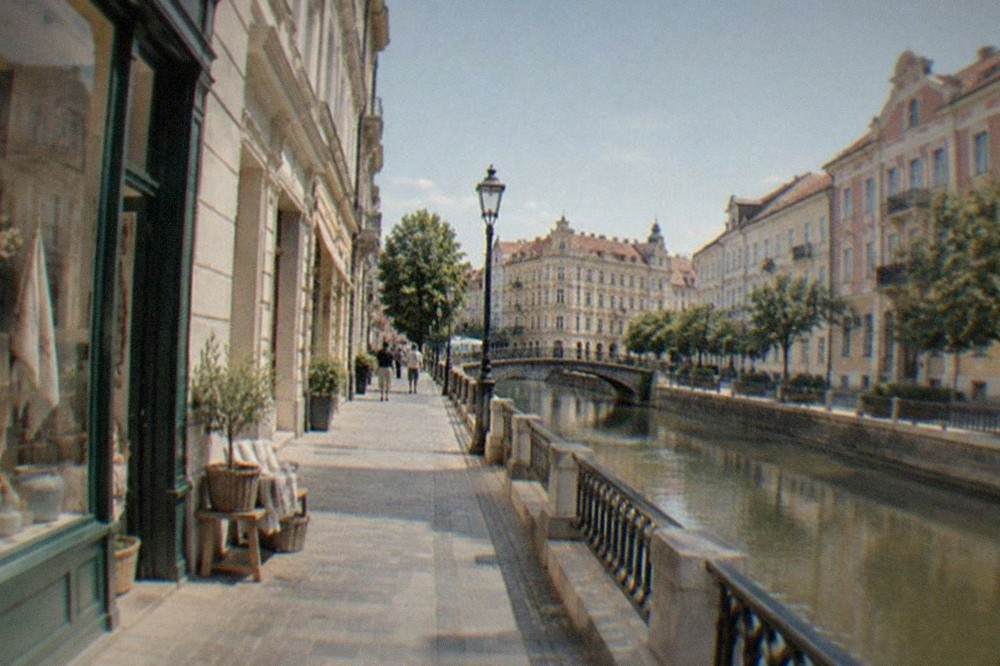
Iulius Town, west of the Bega canal around the old textile mill site, is the other pole. The developer's own project materials describe more than 108,500 square meters of retail GLA, 450 stores and a 55,000 square meter park, and cite around 15.4 million annual visitors. It functions as a small city district rather than a mall: shops, restaurants, offices, a cinema and a fitness center around green space, connected to the center by tram. For a sense of the neighborhoods that frame these areas, see the Cetate old town guide.
A third layer is worth knowing about even though it is not a shopping street: the Fabric district, across the Bega, has been filling with studios, small venues and independent businesses as the city's regeneration spreads outward. Local planning approved a detailed urban plan for Fabric in October 2025 that includes new parking, a completed Bega promenade stretch and greener streets, which points to more foot traffic and more small retail there in the coming years. For now it is a place for the patient browser rather than the efficient shopper, but that is often where the interesting finds are.
| Area | Character | Best For | Distance From Union Square |
|---|---|---|---|
| Cetate / Union Square | Historic, small independent shops | Souvenirs, crafts, books, design | At the center |
| Victory Square corridor | Historic, chains plus local shops | Mixed shopping, seasonal fairs | 5-minute walk |
| Iulius Town | Modern mixed-use, 450 stores | Fashion, electronics, dining, cinema | Short tram ride |
| Timisoara Shopping City | Conventional mall | One-stop retail, food court | East side, by tram or car |
| Fabric | Historic district, emerging scene | Vintage, small studios, local makers | Across the Bega, walkable |
What Should You Buy In Timisoara That You Cannot Get Elsewhere?
The things worth buying in Timisoara are Banat-specific: locally made craft items and ceramics from the old town studios, Banat and Recas region wines, Romanian books and prints from the Cetate bookshops, and design objects connected to the city's European Capital of Culture legacy. Skip the generic imported souvenirs, because the same magnets and mugs appear in every city between Vienna and Bucharest.
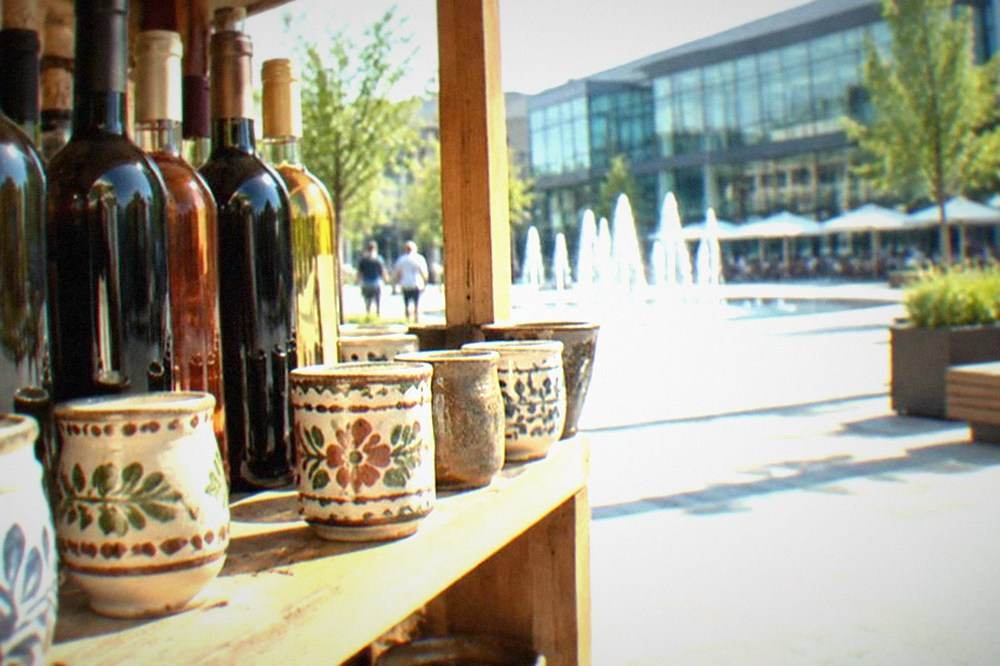
The wine is the strongest category. The Banat hills around Timisoara hold some of Romania's oldest vineyards, and bottles from the Recas area travel well. The Banat wine guide explains the grape varieties and what the labels mean, and the Recas winery day trip covers visiting the source. Craft and design is the second: the Capital of Culture year left the city with a layer of studios, print shops and small producers selling work that is genuinely made here rather than imported.
For food to take home, look for local honey, plum products and the region's pastry traditions rather than vacuum-packed supermarket stock. The Timisoara food guide names the local specialties worth hunting down, and a guided tasting walk is a good way to find the producers before you commit to buying. The city's cultural calendar also feeds the retail scene in ways that are easy to miss: in autumn 2026 the city is hosting a Picasso exhibition of 69 works from the Musee Picasso Antibes, the first time the collection has shown in Romania, alongside the BETA architecture biennial running to late October and a design exhibition at the FABER venue from 24 September. Exhibitions like these reliably pull in pop-up design stalls and print sellers around the central squares, so a museum ticket and a shopping afternoon pair well.
A classic walking tour of the historic center is also the most efficient first shopping trip: the guide route passes through the squares where most of the small shops cluster, so you learn the geography on day one and spend on day two.
| Category | What To Look For | Where In Timisoara | Notes |
|---|---|---|---|
| Wine | Banat and Recas region bottles | Old town shops, winery tours | Travels well, check airline rules |
| Craft and ceramics | Studio-made pieces, prints | Cetate streets around Union Square | Genuinely local, varies by studio |
| Books and prints | Romanian and English titles, city photography | Cetate bookshops | Good Capital of Culture legacy stock |
| Food gifts | Local honey, plum products, pastries | Markets and specialty shops | Perishable, pack carefully |
| Textiles and folk items | Banat folk tradition pieces | Craft fairs, museum shops | Seasonal fairs add selection |
Which Malls And Shopping Centers Are In Timisoara?
The main shopping centers in Timisoara are Iulius Town, the mixed-use hub with 450 stores west of the center, and Timisoara Shopping City on the east side of the city. Iulius Town is the larger and more pleasant of the two for a visitor, because it combines retail with park space and restaurants rather than functioning as a pure mall.
Iulius Town keeps adding reasons to visit. The developer reported 7% sales growth for 2025, with new arrivals around 2025 and 2026 including brands such as RITUALS, ePantofi, L'Occitane and Funky Buddha, and the food court area runs to more than 11,000 square meters across 50-plus venues. Treevi, a Roman-style pizza-by-the-slice chain, opened its first Timisoara location there in June 2025. There is also a coworking space now, IULIUS Workhub, which opened in May 2026, though that is for working off a laptop rather than shopping. The full index of guides sits on Timisoara Travel Guide.
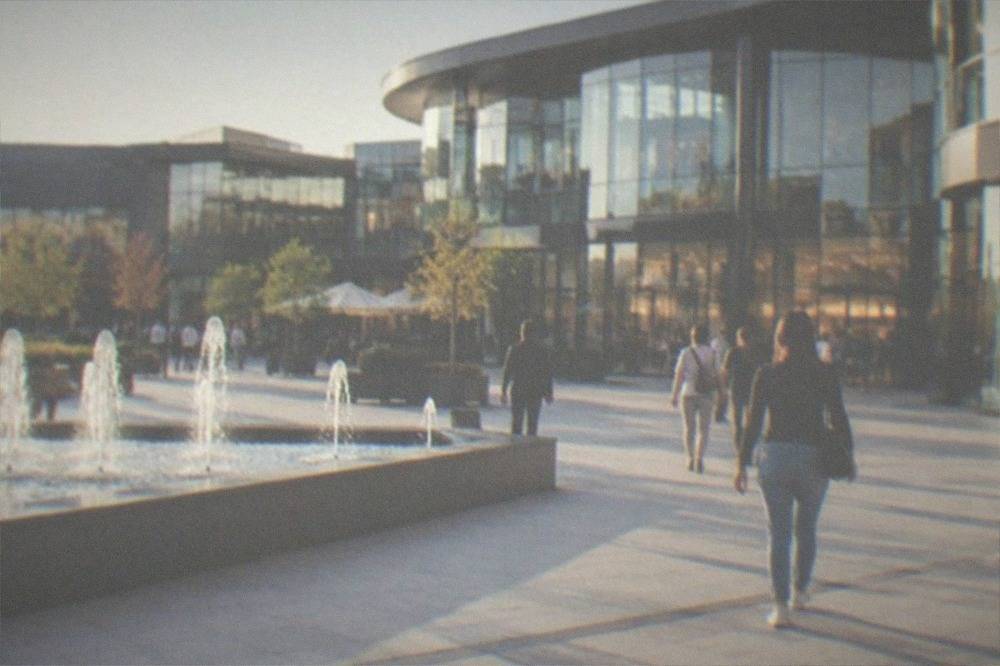
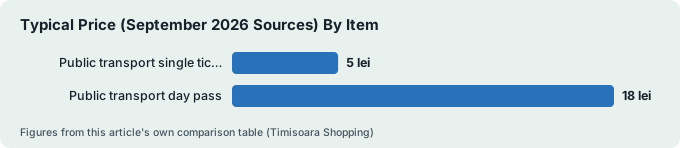
Timisoara Shopping City, out toward the east of the city, is the conventional option: a standard mall with a food court, which gained a new McDonald's in July 2025. It is the more car-oriented of the two and the less interesting one if your time is short. For getting to either hub, the tram network covers it, and the getting around Timisoara guide has the ticket details, including the 5 lei single ticket and the 18 lei day pass.
| Shopping Center | Location | Scale | Best For |
|---|---|---|---|
| Iulius Town | West of center, on the Bega | 450 stores, 108,500+ sqm retail GLA | Full-day mix of retail, dining, park |
| Timisoara Shopping City | East side of the city | Conventional mall | Quick mall run, food court |
| Old town shops (Cetate) | City center | Small independents | Souvenirs, crafts, books |
| Seasonal fairs | Union and Victory Squares | Varies by season | Christmas market, craft fairs |
When Are The Sales And Shopping Events In Timisoara?
The main shopping events in Timisoara are the winter Christmas market in Victory Square, expected from late November into early January based on prior years, the city's festival season from June through September, and the standard retail sales windows in January and July. The Christmas market dates for 2026 had not been officially confirmed currently, so treat the timing as an estimate until the city announces it.
The Christmas market is the biggest retail event of the year. It fills Victory Square with wooden stalls selling crafts, decorations, mulled wine and food, and it is the one moment when the shopping and the sightseeing fully overlap. The Timisoara Christmas market guide tracks what is confirmed. Beyond that, the festival calendar brings market-style activity: the Timisoara Jazz Festival ran 25 to 27 September 2026, and Timisoara Days, held 31 July to 3 August 2026 with more than 200 events, turns the central squares into a temporary bazaar of street vendors and stages.
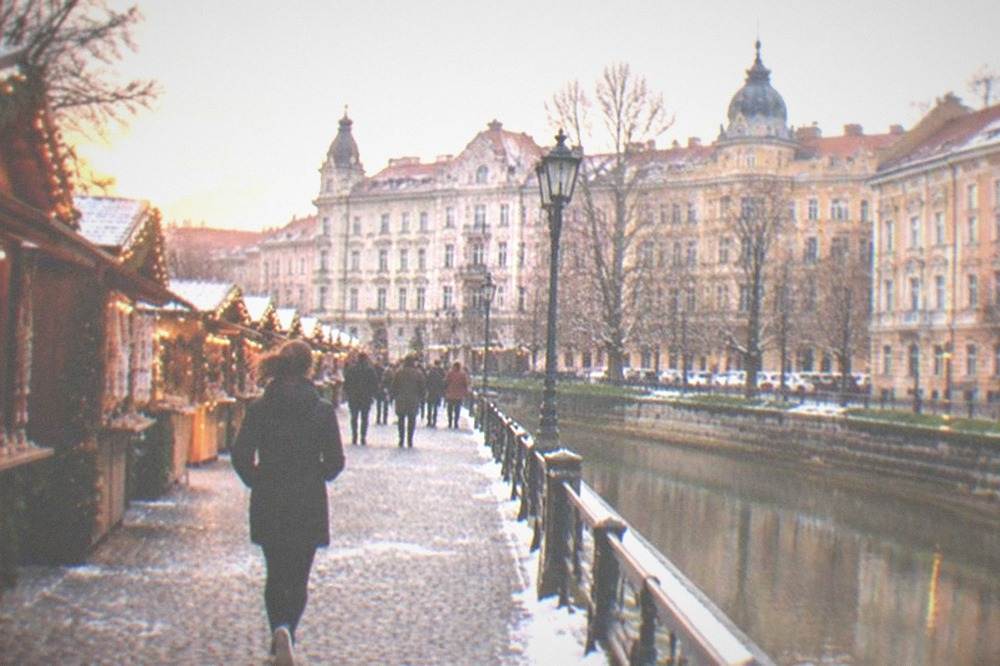
For conventional discount shopping, Romanian retail follows the European rhythm: deep clearance in January, a second window in July and August, and Black Friday promotions in late November. If you are timing a whole trip around seasons rather than sales, the best time to visit Timisoara guide weighs weather against crowds. One seasonal note worth flagging: the Bega vaporetto, the small water bus that runs along the canal from 1 April to the end of October, is itself a pleasant way to reach shopping areas near the water in the warmer months, and the same 5 lei ticket that carries a tram covers it.
| Period | Event Or Sales Window | What To Expect |
|---|---|---|
| Late November to early January | Christmas market (estimated dates) | Craft stalls, food, decorations in Victory Square |
| January | Winter clearance | Deepest clothing and electronics discounts |
| 31 July to 3 August (2026 edition) | Timisoara Days | Street vendors, crafts, festival atmosphere |
| July to August | Summer sales | Mid-season retail discounts |
| Late September | Timisoara Jazz Festival (25 to 27 Sep 2026) | Small vendor and cultural activity around venues |
| Late November | Black Friday promotions | Mall-wide discounts at Iulius Town and Shopping City |
Is Shopping In Timisoara Cheap?
Shopping in Timisoara is inexpensive by Western European standards. Cost-of-living trackers updated in September 2026 put a cappuccino at 13 to 15 lei, a draught beer at 11 to 12 lei and a meal in an inexpensive restaurant at around 45 to 50 lei, while the local currency is the Romanian leu, not the euro. Retail prices for clothing and electronics are close to European Union norms, so the savings are in food, drink and services rather than in branded goods.
The currency point matters more than visitors expect. Romania's till currency is the Romanian leu (RON), and the euro is not adopted, so card transactions convert from lei. The official National Bank of Romania reference rate stood at 1 EUR to 5.2788 RON on 23 September 2026. The Romanian currency guide covers payment habits, and the cost and prices guide has the full budget picture.
One line item to know about: the city levies a tourist promotion tax on accommodation, set by local council decision HCL 719/2025 for 2026 and reported at 2% of the nightly tariff excluding VAT, collected by the lodging rather than by you at a desk. It is small, but it appears on your hotel bill and it is a tax on the room, not on anything you buy in a shop.
| Item | Typical Price (September 2026 Sources) | Notes |
|---|---|---|
| Cappuccino | 13 to 15 lei | Regular coffee shops |
| Draught beer, 0.5 L | 11 to 12 lei | Domestic, neighborhood pub |
| Inexpensive restaurant meal | 45 to 50 lei | Lunch-level venue |
| Public transport single ticket | 5 lei | 60 minutes, all modes |
| Public transport day pass | 18 lei | Includes the Bega vaporetto in season |
What Are The Opening Hours For Shops In Timisoara?
Most independent shops in central Timisoara open around 10:00 and close between 18:00 and 20:00 on weekdays, with shorter Saturday hours and Sunday closures common for small stores. The malls run longer, typically from morning until 22:00 or later, including weekends, and supermarket chains inside them keep the widest hours of all.
The practical rule: shop the old town during business hours, and leave the malls for evenings and Sundays. A small studio in Cetate that sells the ceramics you wanted may well be shut at 19:00 on a Saturday, while Iulius Town's 450 stores will still be open. Museum shops follow museum hours rather than shop hours, so if you are buying at the museums, go during visiting times. As a worked example of how museum schedules run, the National Museum of Art in the Baroque Palace keeps summer hours of 13:00 to 21:00 from Wednesday to Sunday between June and September, shifting to 10:00 to 18:00 in winter, and its gift counter is only reachable inside those hours.
| Type Of Shop | Typical Weekday Hours | Weekend Pattern |
|---|---|---|
| Old town independents | Roughly 10:00 to 18:00 or 20:00 | Shorter Saturdays, many closed Sundays |
| Malls (Iulius Town, Shopping City) | Morning to around 22:00 | Open both weekend days |
| Supermarkets in malls | Longest hours, earliest opening | Open daily |
| Museum shops | Museum visiting hours | Follow museum schedule |
| Market and fair stalls | Daytime, event-dependent | Vary by event |
How Do You Fit Shopping Around Sightseeing In Timisoara?
The efficient way to combine shopping and sightseeing in Timisoara is to shop the Cetate streets on the same loop as Union Square, Victory Square and the Metropolitan Cathedral, all within a short walk of each other, then give Iulius Town a separate half-day reached by tram. The city center is compact enough that a shopping trip and a sightseeing walk can genuinely be the same trip.
The geography does the work. Union Square, the commercial heart of the old town, sits a few minutes on foot from Victory Square, and the main sights cluster around those two squares, so a slow loop covers the Orthodox Metropolitan Cathedral, the squares and a dozen shops without retracing steps. A guided walk is the fastest way to learn that loop, and the classic tour covers exactly this central territory.
For the retail half-day, Iulius Town doubles as a park-and-cafe destination, so it works as an afternoon rather than a chore. If you would rather buy experiences than objects, the region's wine and food tours are the alternative, and the operator's live listing has current availability. A winery visit is the one purchase that improves with planning, because the tasting rooms outside the city keep their own schedules.
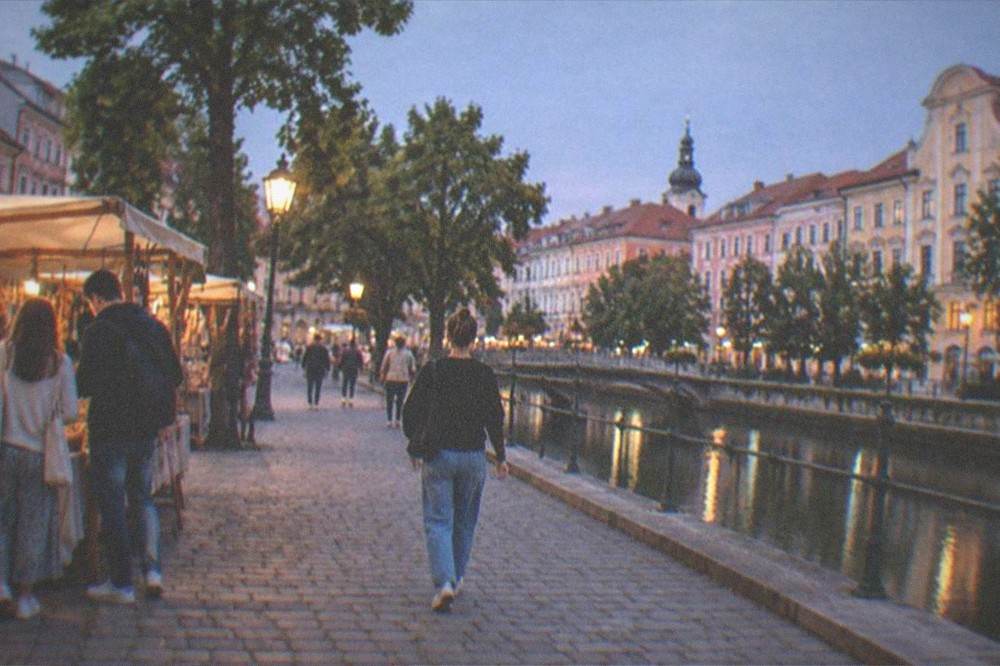
Food is the other category worth spending on instead of carrying home. A street food walk through the city center doubles as lunch and a geography lesson, and it lands you back in the shopping streets with a much better idea of which local products deserve space in your luggage.
Between the old town stalls, the seasonal fairs and a 450-store hub on the Bega, shopping in Timisoara scales from an afternoon souvenir run to a full retail day, and the tram network stitches all of it together for the price of a 5 lei ticket. If a longer stay is on the cards, the two days in Timisoara itinerary slots a shopping afternoon into a fuller plan.
Common Questions About Shopping In Timisoara
Is shopping in Timisoara cheap?
By Western European standards, yes. Food, drink and services are inexpensive, with September 2026 cost-of-living trackers putting a cappuccino at 13 to 15 lei and an inexpensive restaurant meal at 45 to 50 lei. Branded clothing and electronics are priced close to European Union norms.
What are the main shopping centers in Timisoara?
Iulius Town, a mixed-use hub west of the center with 450 stores and a 55,000 square meter park, and Timisoara Shopping City on the east side of the city. Iulius Town is the more pleasant option for visitors.
What souvenirs should I buy in Timisoara?
Local Banat and Recas region wines, studio-made ceramics and prints from the Cetate old town, Romanian books, and local food products such as honey and plum specialties. These are the items genuinely tied to the region rather than generic imports.
Do shops in Timisoara open on Sunday?
Many small independent shops in the old town close on Sundays, while the malls, including Iulius Town and Timisoara Shopping City, stay open on weekends, typically until around 22:00.
Can I pay by card in Timisoara shops?
Card payment is widely available in malls and larger stores, and contactless payment works on public transport too. Carry some lei cash for small old town shops, market stalls and seasonal fairs, since Romania's till currency is the leu, not the euro.
When is the Christmas market in Timisoara?
The Christmas market traditionally fills Victory Square from late November into early January. The 2026 dates had not been officially confirmed currently, so treat late November as an estimate until the city announces the season.