Timisoara Synagogue
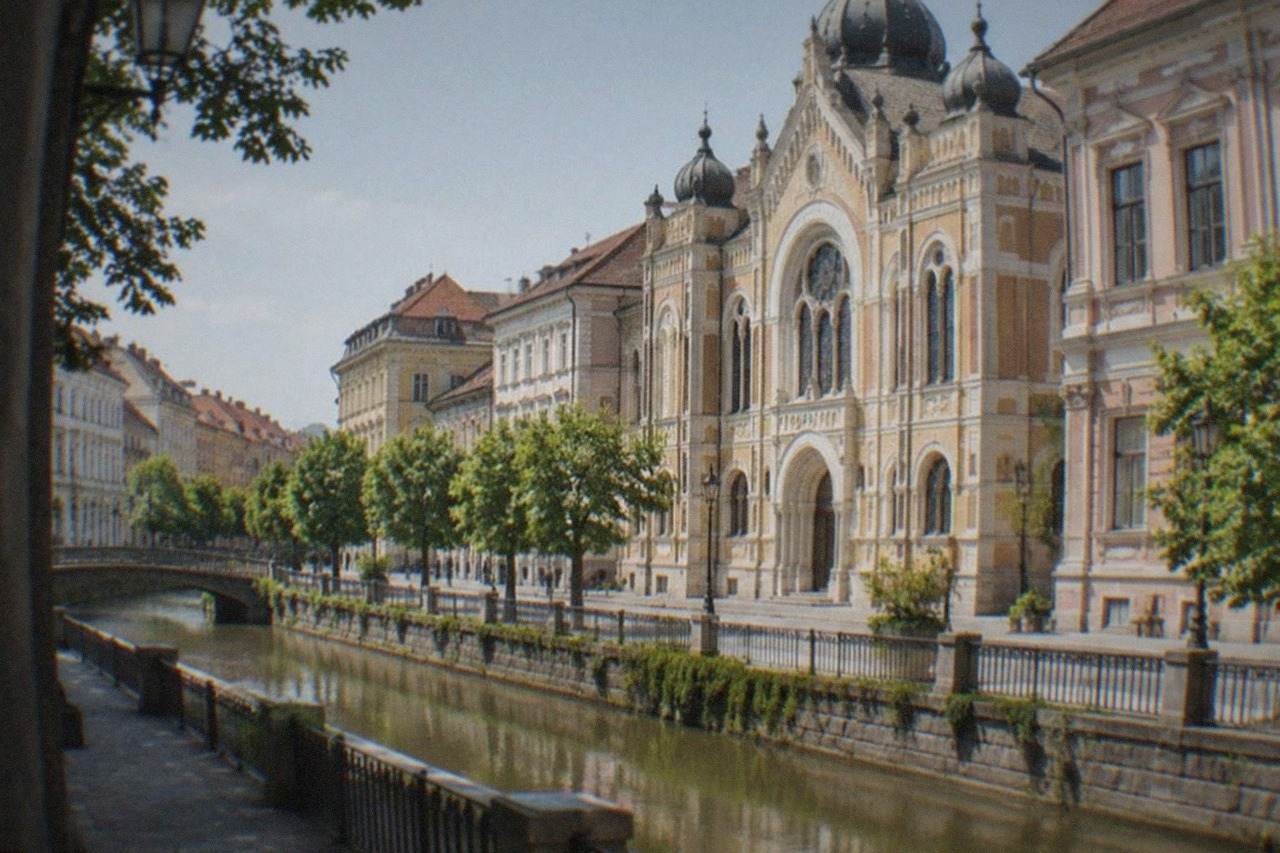
The Cetate Synagogue is one of Timisoara's most quietly remarkable buildings: a restored house of worship in the heart of the old town, and a doorway into the city's centuries of Jewish, Hungarian, German and Romanian coexistence.
Short answer
The Cetate Synagogue stands in Timisoara's Cetate old town in western Romania. Its long-running restoration was reported near completion in December 2025, and the building has reopened for public events such as the annual Hanukkah lighting, though regular visiting access depends on the community's program.
The Cetate Synagogue, in the old Cetate district of Timisoara, Timis County, western Romania, is one of the city's most quietly remarkable buildings. Timișoara spent centuries as a crossroads of empires, and its Jewish community was part of that story long before the city became famous as the place where the 1989 Revolution began. The synagogue itself spent years behind scaffolding and fences, and its restoration, reported close to completion in December 2025, has returned one of the old town's most distinctive facades to the streetscape. This page covers what the building is, how to reach it, what its restoration involved, and how to fold it into a walk through the squares and landmarks around it.
What Is The Cetate Synagogue In Timisoara?
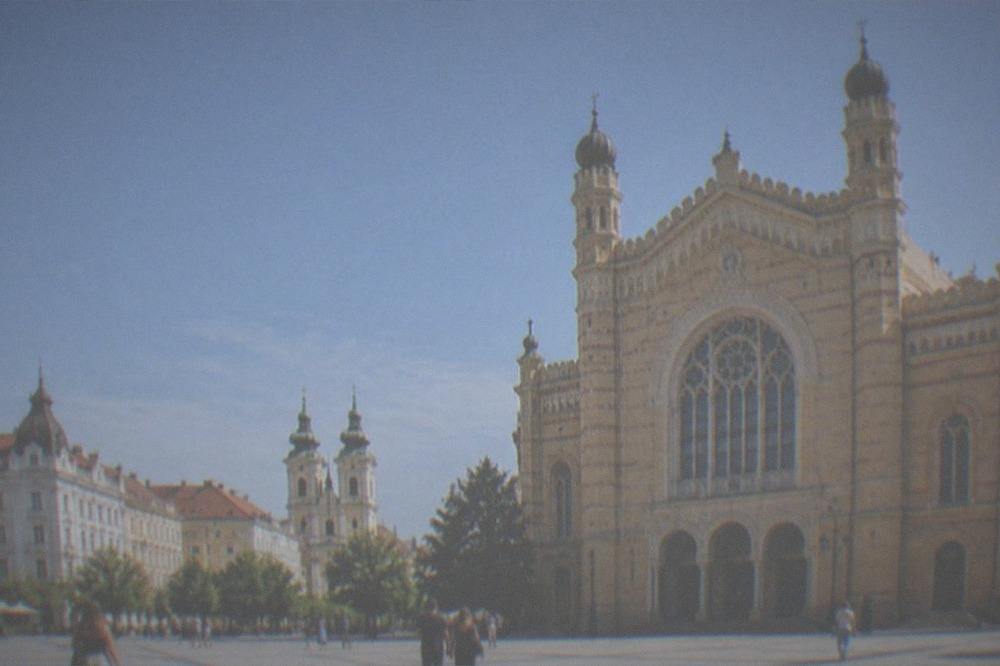
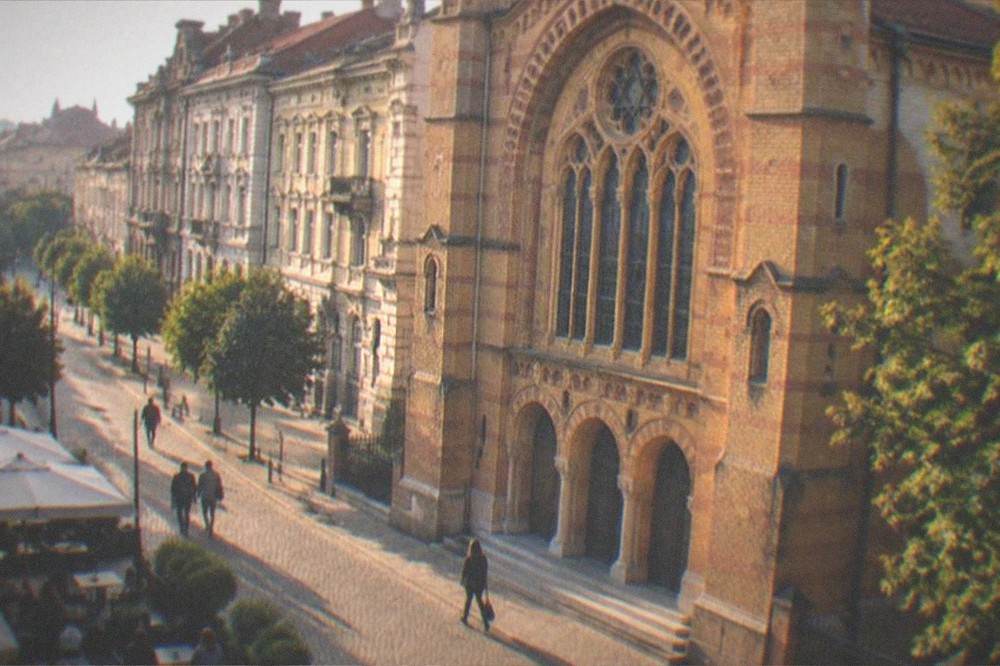
The Cetate Synagogue is the historic house of worship of Timisoara's Jewish community in the Cetate district, the baroque core of the city in western Romania. Unlike the larger Fabric Synagogue a short distance east, it is a compact neighborhood building that served the community living inside the former fortress town, and after a long restoration, reported near completion in December 2025, it has begun hosting public events again, including the community's Hanukkah candle lighting.
The building's story mirrors the city's. Timisoara, historically known as Temesvár in Hungarian and Temeswar in German, was a Habsburg fortress town where Romanian, Hungarian, German, Serbian and Jewish communities lived side by side for centuries. The Jewish community of the Cetate district worshipped here while the more industrial Fabric district, across the Bega canal, built its own grander synagogue in a later period. Both buildings survive, which is itself remarkable given the destruction of Jewish heritage across much of Central and Eastern Europe over the decades that followed.
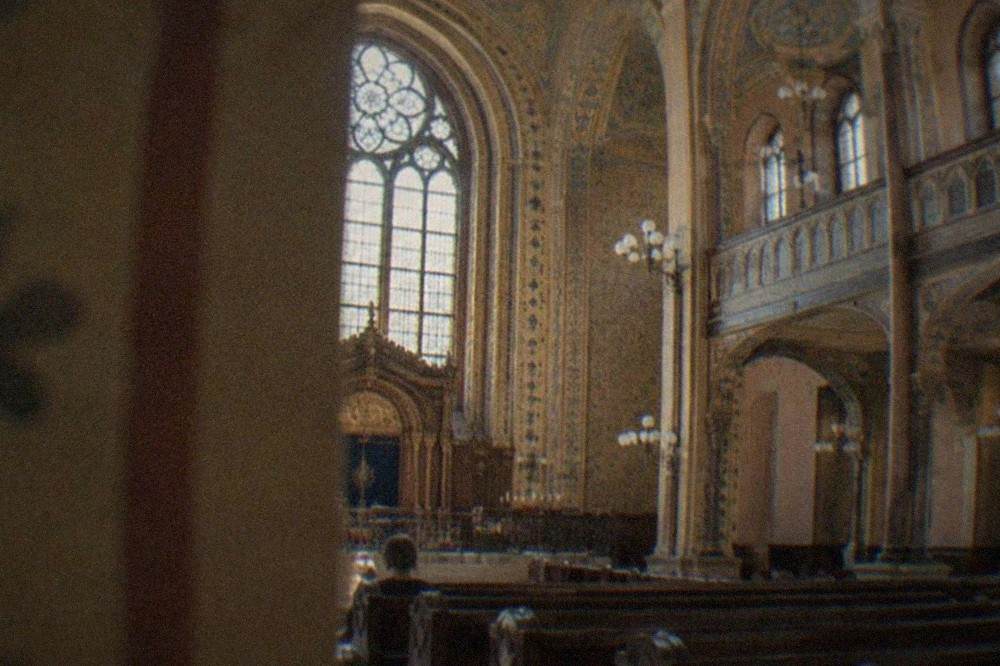
What makes the recent restoration notable is the interior. Reports from August 2024 described work on the building's stenciled interior decoration, with completion targeted for the end of that September, though heating and organ works remained pending at the time. By December 2025 the project was described as almost at the end of an admirable restoration, with the last interior works underway. The building had already reopened temporarily in 2022, and it hosted the second Hanukkah candle lighting after that reopening, a sign that the community intends the synagogue to be a living space rather than a museum piece.
Visitors should calibrate expectations accordingly. This is a functioning religious building whose access depends on the community's calendar, not a ticketed attraction with posted daily hours. Nothing in the available sources gives fixed opening times or an entry fee, so treat any visit as event-driven or by arrangement, and pair it with the landmarks around it that you can see freely at any hour.
Where Is The Timisoara Synagogue And How Do You Get There?
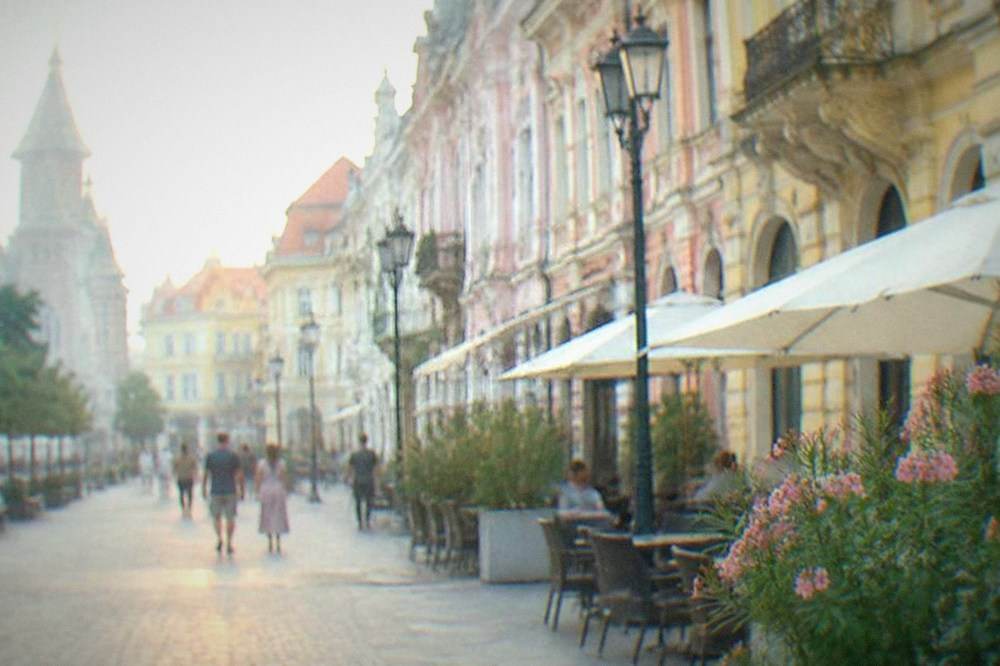
The Cetate Synagogue sits in the Cetate district, the old fortress core of Timisoara, a short walk from Piata Unirii and the other central squares, in a city whose entire historic center is compact enough to cover on foot. Public transport fares are simple: a single 60-minute ticket costs 5 lei and covers trams, trolleybuses, buses and the Bega water bus, and a one-day pass costs 18 lei, payable by contactless bank card on board.
The practical answer for almost every visitor is: walk. Timisoara's Cetate district is a grid of pedestrian-friendly streets between the Bega canal and the great squares, and the synagogue sits within that web. If you are staying outside the center, the city's tram and trolleybus network drops you within a few minutes' stroll. Express line E4 also connects the Bastion area with the airport, which lies about 12 km northeast of the center.
| Transport option | Fare | What it covers | Where to buy |
|---|---|---|---|
| Single ticket, 60 minutes | 5 lei | All modes, including the Bega vaporetto | Contactless card on board, SMS, mobilPay, eTicket, STPT kiosks |
| One-day pass | 18 lei | All modes for 24 hours, vaporetto included | Same channels as the single ticket |
| 30-day general pass | 160 lei | Entire network, all modes | STPT sales points, online |
| Vaporetto (Bega water bus) | 5 lei per ride | 9 stops per direction along the canal | Contactless card, POS, cash on board, or day pass |
Two practical notes from the current timetable are worth knowing. The vaporetto runs seasonally, from 1 April to the end of October, so a canal ride is a fair-weather bonus rather than a year-round certainty. And tram diversions around Piata Traian were in effect from August 2026 to the end of the year, so check the live service before relying on a specific tram line; the old town itself is unaffected because you walk it.
A guided walk is another way to arrive with context rather than a bare map pin. The 1989 Revolution began in Timisoara in December 1989, and the city's guides tell that story through the very squares that surround the synagogue.
If you prefer to go deep on the revolution specifically, the dedicated walking route is a strong fit: Check availability on the operator's live listing. You can also read more about the period itself on the Memorial Museum of the 1989 Revolution page.
What Can You See Inside And Around The Synagogue Building?
The interior's highlight is its stenciled decorative scheme, the painted ornamentation that was the focus of the restoration works reported through 2024 and 2025, alongside the restored sanctuary space that now hosts community events such as the public Hanukkah lighting. The building is not a ticketed museum: access follows the community's program, so what you see depends on whether a service, an event or an arranged visit coincides with your trip.
The stenciled decoration is the detail restoration reports kept returning to, and it is what distinguishes the interior from the plainer worship spaces you find elsewhere in the region. Because the works were described as nearly complete at the end of 2025, with only the last interior items still underway, the painted scheme should now be viewable during any open event, though the community has not published a standing visitor schedule in the sources available to this site.
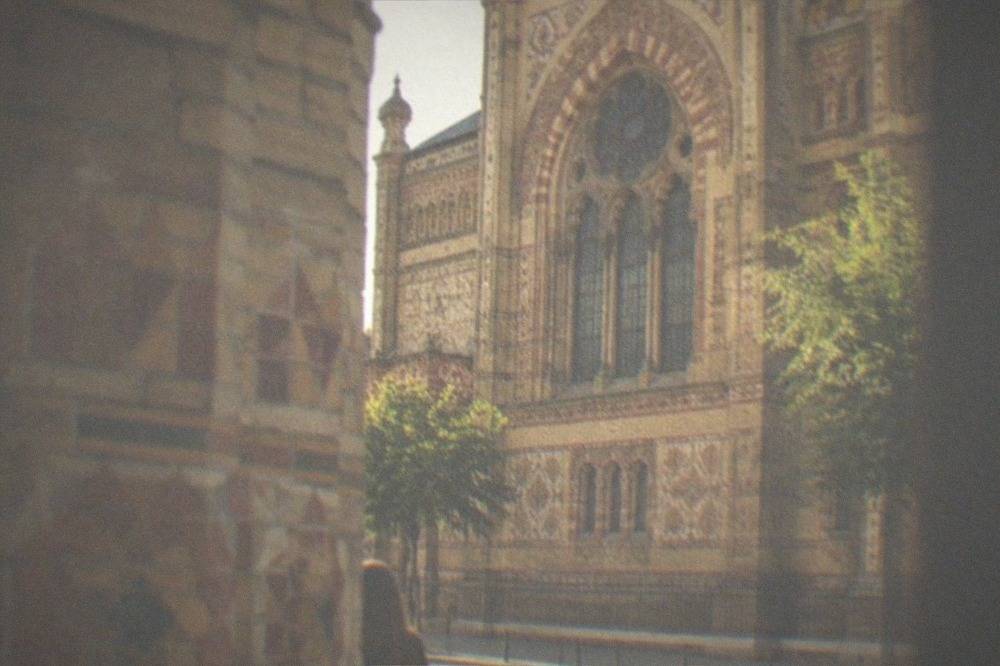
That uncertainty is not a reason to skip it. It is a reason to plan around it. The synagogue sits in a district where a full morning fills itself: Piata Unirii with its baroque palaces and two cathedrals, Piata Libertatii, and the stretch of the Bega canal that defines the old town's eastern edge. If the synagogue is closed on the day you pass, everything else on that circuit is open-air and free.
For travelers who want the Jewish heritage story told properly rather than pieced together from plaques, a dedicated guided tour exists, and it is the single most efficient way to see the community's sites with their context intact.
The tour's listing carries its current price, rating and duration, so check the live listing rather than any secondhand figure. Beyond the tour, the Fabric Synagogue page covers the larger of the city's two historic synagogues, and the Union Square guide covers the square that anchors the whole district.
Why Was The Timisoara Synagogue Closed For Years?
The Cetate Synagogue spent years closed to the public while a staged restoration progressed, with interior stenciling works reported in August 2024, a temporary reopening already achieved in 2022, and the project described in December 2025 as almost finished, with only the last interior works and items such as heating and organ works still outstanding at earlier stages of the project.
Restoring a historic synagogue is slow, expensive work anywhere, and Timisoara's version followed the familiar pattern: structural stabilization first, then the decorative interior, then the building systems. The August 2024 reports are the clearest window into the sequence, noting the stenciled interior decoration as the active workstream with an end-of-September target that year, while flagging that heating and the organ were still pending. The December 2025 reports describe a project nearly at its end, with the building already in use for community occasions.
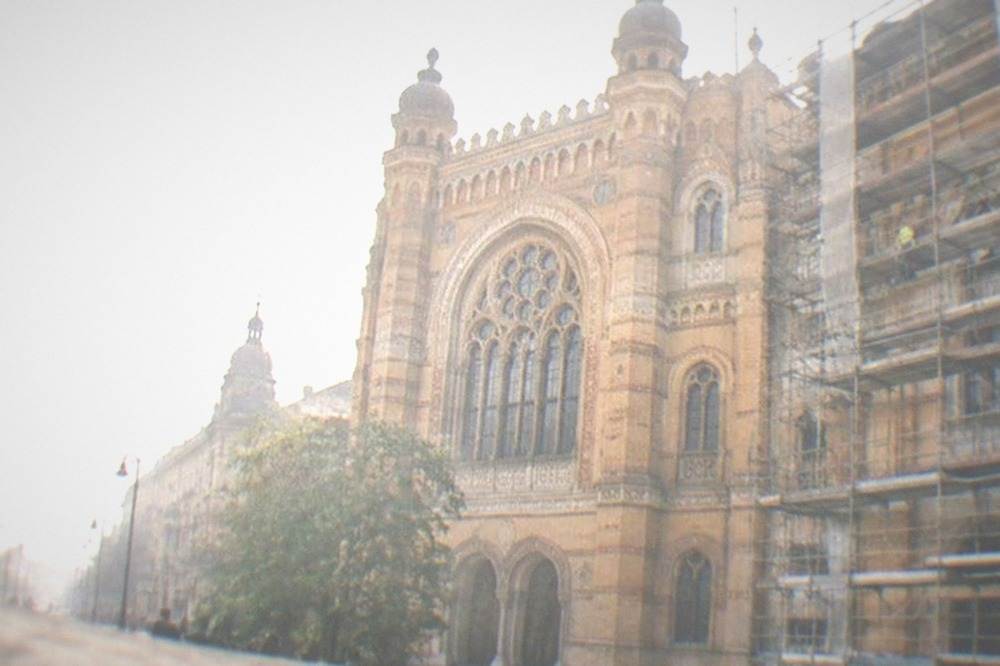
One caveat deserves honesty. A Wikipedia entry updated in August 2026 still notes a precarious conservation status for the building overall, even as other reporting describes the restoration as nearly complete. The two statements can both be true: a building can be beautifully restored in its principal spaces while long-term conservation challenges remain. For a visitor, the practical takeaway is that the synagogue is best treated as an open-on-occasions building, and the community's Hanukkah lighting each December has become the most reliable public moment to see it.
The pattern is not unique to one site. Across Timisoara, major heritage projects have run for years: Huniade Castle has been closed to the public for roughly two decades, with a restoration contract signed in August 2025 targeting partial reopening in 2027 and full reopening in 2028. Patience is simply part of how this city looks after its past.
How Does Jewish Heritage Fit Into Timisoara's Wider Story?
Timisoara's Jewish heritage spans two historic synagogues, the Cetate and Fabric buildings, plus the community's cemeteries and institutional buildings, woven into a city that was for centuries one of the Habsburg monarchy's most multilingual towns, with Romanian, Hungarian, German, Serbian and Jewish communities living inside and around the same fortress walls, and where the 1989 Revolution against communism began in December 1989.
The city's record of firsts, documented by its own city hall, gives the background color. Timisoara had the oldest attested brewery in Romania (1718), the first newspaper printed in Romania (1771), the first telephone network in the country (1881), and on 12 November 1884 it became the first city on mainland Europe with electric street lighting, 731 lamps over 59 km of streets. A community that builds firsts like that is a community of merchants, engineers and printers, and the Jewish community was part of exactly that fabric.
| Year | Timisoara first | Why it matters to the old town |
|---|---|---|
| 1718 | Oldest attested brewery in Romania | Marks the city's early commercial Habsburg era |
| 1771 | First newspaper printed in Romania | The multilingual press culture of the fortress town |
| 1881 | First telephone network in Romania | The city's engineering and trade class at work |
| 12 Nov 1884 | First mainland European city with electric street lighting | 731 lamps over 59 km of streets, a city hall record |
| 1899 | First electric tram in Romania | The transit network that still serves the center |
The two synagogues reflect the city's geography. Cetate, inside the former fortress, held the older community; Fabric, the industrial district across the Bega, grew with the factories of a later era and built the grander building. Walking between them, along the canal, is one of the better heritage walks in the city, and it passes through Liberty Square on the way. The Theresia Bastion and the Serbian Orthodox Cathedral and St George Roman Catholic Cathedral around Piata Unirii complete a picture of the same coexistence from other angles.
For the revolution side of the story, the Victory Square page covers the square where the demonstrations unfolded, and this site's broader coverage at Timisoara Travel Guide pulls the threads together.
What Else Should You See Near The Synagogue In Timisoara?
A walk around the Cetate Synagogue can take in Piata Unirii, Piata Libertatii, Piata Victoriei, the baroque palaces, four historic churches and cathedrals of different denominations, and the Bega canal promenade, all within the compact Cetate district, with the National Museum of Art in the Baroque Palace on Union Square open Wednesday to Sunday and the Memorial of the 1989 Revolution documenting the city's modern history nearby.
The district rewards aimlessness, but a rough order helps. Start at the synagogue, drift to Piata Libertatii, then Piata Unirii for the National Museum of Art and the cathedral facades, then north to Piata Victoriei and the Opera, and finish along the Bega canal. Every step of that loop is public space; nothing needs a ticket except the museums you choose to enter.
| Nearby landmark | What it is | Access notes from verified sources |
|---|---|---|
| Piata Unirii | Baroque main square, museums, two cathedrals | Open public space; museum hours vary by season |
| National Museum of Art | Baroque Palace collections | Wed to Sun; summer 13:00 to 21:00, winter 10:00 to 18:00; closed Mon, Tue |
| Memorial of the 1989 Revolution | Revolution museum and documentation center | Adult ticket 20 lei, reported; photo fee 20 lei |
| Piata Victoriei | Opera square, focal point of December 1989 | Open public space |
| Theresia Bastion | Restored fortress segment, cultural spaces | Hours not sourced; courtyard freely walkable |
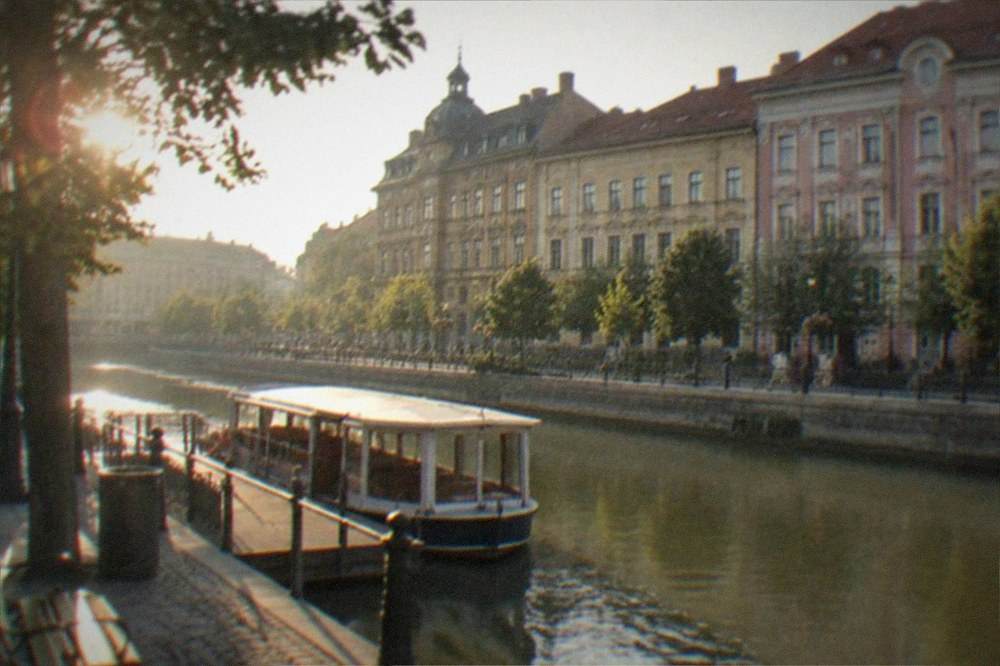
| Bega canal | Waterfront promenade and vaporetto stops | Promenade free; vaporetto seasonal, 5 lei per ride |
If museums are your thing, budget the hours honestly. The National Museum of Art's summer schedule, 13:00 to 21:00 from 1 June to 30 September, means afternoon arrival works well; in winter it opens at 10:00 and closes at 18:00, and a standard adult ticket price is not published in the sources this site verified, so check the museum's own information page before you go. The Memorial of the 1989 Revolution charges adults 20 lei, a figure that covers eight permanent and three temporary exhibitions plus the documentary "Noi nu murim", with hours reported as Monday to Friday 08:00 to 17:00 and weekend 10:00 to 18:00.
Families and casual visitors have options too. The Banat Village Museum across town is an open-air collection of regional architecture, closed Monday and Tuesday, open Wednesday to Saturday 10:00 to 18:00 and Sunday 12:00 to 20:00, with an adult ticket of 20 lei reported. The Romanian National Opera anchors the cultural calendar, and the city's park network, from Central Park to Roses Park, fills the gaps.
When Is The Best Time To Visit Timisoara?
The best months to visit Timisoara are May through September, when the JMA climate normals for station Timisoara 15247 show mean temperatures rising from 17.3 C in May to a July peak of 22.8 C, though June is the wettest month at 79.1 mm of rain, while winter is genuinely cold, with a January mean of 0.0 C, making the December Hanukkah lighting at the synagogue a cold-weather occasion best paired with the city's indoor museums and cafes.
The city's climate is continental, full stop: hot summers, cold winters, and rain distributed across the year to a total of 600.7 mm. March is the driest month at 34.1 mm, which surprises visitors who assume the peak summer months are the safest bet. June, at 79.1 mm, is the wettest.
| Month | Mean temperature (C) | Precipitation (mm) | Visitor takeaway |
|---|---|---|---|
| January | 0.0 | 37.3 | Cold; Christmas market season tail end, indoor sights |
| March | 6.5 | 34.1 | Driest month; early spring light on the squares |
| May | 17.3 | 57.2 | Comfortable; peak tourist month on record locally |
| June | 20.9 | 79.1 | Warmest welcome but the wettest month, pack a layer |
| July | 22.8 | 61.9 | Warmest month; festival and outdoor season |
| September | 17.2 | 50.4 | Mild, quieter, ideal walking weather |
| December | 1.5 | 44.7 | Cold; Hanukkah lighting and revolution commemorations |
Timing a visit around the synagogue's public moments changes the calculus. The Hanukkah lighting falls in December, when the mean temperature sits at 1.5 C, and the revolution commemorations cluster around 15 to 20 December, marking the events that began in this city in December 1989. A winter visit trades park weather for the most emotionally resonant weeks of the local calendar, plus the Christmas market that typically fills Piata Victoriei from late November into early January, though its exact dates are only estimated until officially announced.
What Does A Timisoara Trip Cost Around The Synagogue Visit?
Daily costs in Timisoara are modest by Western European standards: a cappuccino runs about 13 to 15 lei, an inexpensive restaurant meal about 45 to 50 lei, a mid-range hotel night averages roughly 176 to 227 lei, and public transport is 5 lei per ride or 18 lei per day, while a local tourist tax is reported at 2 percent of the accommodation tariff excluding VAT, collected by your lodging, so a comfortable day of sightseeing costs far less than in most Schengen capitals.
Those consumer figures come from cost-of-living aggregators updated in September 2026, so treat them as planning ranges and check the actual venue. The tourist tax is set by local council decision for 2026, and while the 2 percent rate is widely reported, this site treats it as a reported figure rather than a primary-sourced one; your hotel or host collects it either way, so it appears on your bill rather than in your planning math.
| Item | Typical price (RON) | Notes |
|---|---|---|
| Cappuccino | 13 to 15 | Regular area, aggregator range Sep 2026 |
| Draught beer, 0.5 L | 11 to 12 | Neighborhood pub range |
| Inexpensive restaurant meal | 45 to 50 | Lunch menu, cheap restaurant |
| Public transport single | 5 | 60 minutes, all modes incl. vaporetto |
| Day pass | 18 | Best value for a full sightseeing day |
| Mid-range hotel night | 176 to 227 | 3-star average, aggregator range |
Romania's currency is the Romanian leu (RON); the euro is not adopted, and the Banat region is not a euro-zone pocket, so expect lei at the till. The National Bank of Romania's reference rate stood at 5.2788 lei per euro on 23 September 2026, useful for mental conversion. Romania is a full Schengen member, with air and sea accession on 31 March 2024 and land borders since 1 January 2025, so travelers arriving from Hungary cross without routine checks, while the Serbian border south of the city remains an external Schengen frontier with passport control.
Guided products are priced in USD on this site's listings and render with their live figures, so use the operator's listing for the current number rather than any figure quoted secondhand. For a full-day escape after your old-town walking is done, the wine country of the Banat is the natural complement.
The winery option works well as a second-day plan: the old town fills day one, and the vineyards outside the city reward a slower pace on day two. Whichever way you split the trip, the revolution walking routes below remain the most popular guided products in the city, and their live listings carry the current prices and ratings.
Common Questions About The Timisoara Synagogue
Is the Cetate Synagogue in Timisoara open to visitors?
Access is event-driven rather than daily. The restoration was reported near completion in December 2025, and the building hosts public community events such as the Hanukkah candle lighting, but no standing visitor hours or entry fee are published in the sources available to this site. Check with the local Jewish community or time your visit around a public event.
What is the difference between the Cetate Synagogue and the Fabric Synagogue?
The Cetate Synagogue served the community inside the old fortress core of Timisoara, while the Fabric Synagogue, in the former industrial district across the Bega canal, is the larger and grander of the two buildings. Both survive, and walking between them along the canal is one of the city's better heritage routes.
How long did the Timisoara Synagogue restoration take?
The works progressed in stages: a temporary reopening occurred in 2022, interior stenciled decoration works were reported in August 2024 with heating and organ works still pending, and by December 2025 the project was described as almost at the end of the restoration, with the last interior works underway.
Is there a guided tour of Timisoara's Jewish heritage?
Yes. A dedicated Jewish heritage walking tour of Timisoara operates in the city, and its live listing carries the current price, rating and duration. It is the most efficient way to see the community's sites with their historical context explained.
How far is the synagogue from Piata Unirii?
The Cetate Synagogue sits in the same compact old-town district as Piata Unirii, so it is a short walk through the Cetate streets. The entire historic center of Timisoara, from the Bega canal to Piata Victoriei, is comfortably walkable, which is why a single 18 lei day pass or simply walking covers most visits.
When is the Hanukkah lighting at the Timisoara Synagogue?
The Hanukkah lighting follows the Jewish calendar, so the Gregorian date shifts each year, falling in December in recent years. The building hosted the second candle lighting after its 2022 reopening, and the event has become the most reliable public occasion to see the restored interior.
The Cetate Synagogue will never be the loudest stop in Timisoara, and that is precisely its appeal. In a city whose squares tell the story of a revolution, this small restored building tells the longer one, of the communities that built the place over centuries, and one December evening a year its candles make that story visible to anyone standing outside.