Timisoara Vs Oradea
Here is what the record says about Timisoara, what Oradea offers in character rather than numbers, and how to see both.
Short answer
Pick Timisoara for revolution history, squares, the Bega canal and a bigger cultural calendar; pick Oradea for its Art Nouveau core and thermal-bath surroundings. The two pair well on a single trip, and a combined city-and-caves excursion from Timisoara exists on the tour roster.
Timisoara, in Timis County in the Banat region of western Romania, gets compared with Oradea more often than with any other Romanian city, and the pairing makes sense on a map: both sit in the country's west, both carry Austro-Hungarian architectural legacies, and both have spent the last few years restoring their historic centers at speed. This comparison is built on a rule that matters: every figure quoted below is a verified Timisoara figure. Oradea is described only by its character, with no statistics appearing on this page. Oradea is described by its character, which any visitor can check for themselves, while Timisoara is described by the record.
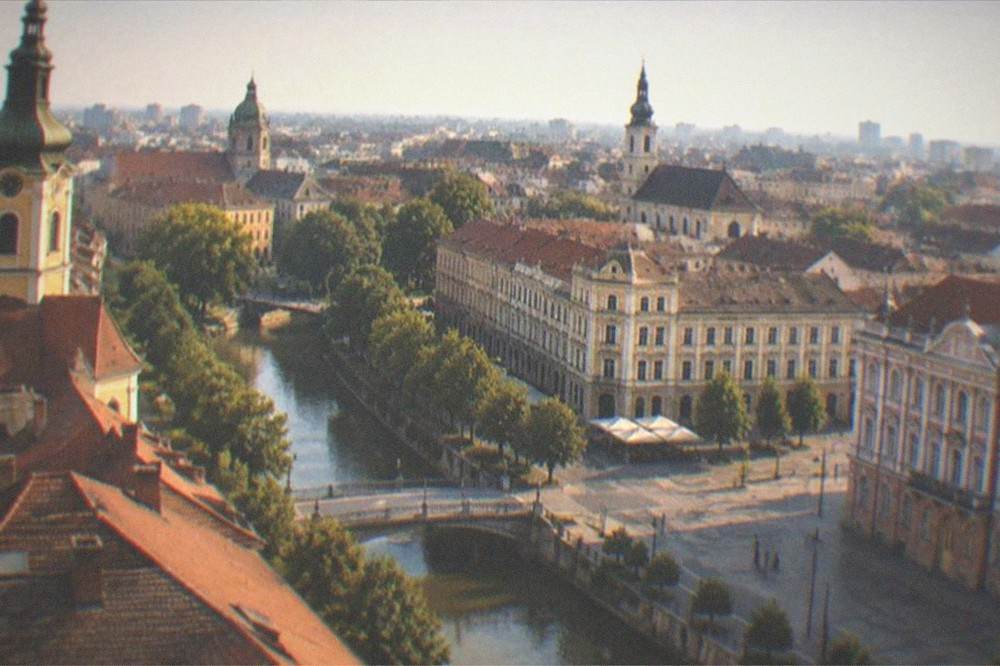
The honest version of "Timisoara vs Oradea" is not a fight with a winner. It is a question of what kind of western Romania you want. Timisoara is the city where the 1989 Revolution against the Ceausescu regime began, a fact the whole country marks each December, and it wraps that history around three linked squares, a canal with a seasonal water bus, and a cultural calendar that carried a European Capital of Culture year in 2023. Oradea, further north near the Hungarian border, is known for one of the densest Art Nouveau city centers in the region and for its proximity to thermal bath resorts, which makes it a spa-and-architecture destination more than a history one. If your trip can stretch beyond a weekend, the two cities combine naturally, and the Oradea day-trip guide covers the northern city in depth.
Which City Should You Choose: Timisoara Or Oradea?
Choose Timisoara if the 1989 Revolution, a walkable string of historic squares, riverside promenades and a busy festival calendar are your priority; choose Oradea if restored Art Nouveau facades and easy access to thermal baths matter more. Both cities reward a slow pace, but Timisoara's verified record, from its museums to its transport network, is the deeper one, and this page's figures all describe Timisoara.
The decision usually comes down to the reason for the trip. A visitor tracing the fall of communism in Europe has one obvious answer: the uprising that ended the Ceausescu regime started here in December 1989, and the 1989 Revolution guide maps the sites, from Piata Victoriei to the Memorial Museum. A visitor chasing architecture and a soak has the other answer: Oradea's center is a compact showcase of Secession-style facades, and the city functions as a base for thermal bathing in a way Timisoara does not.
There is also a practical middle path. Timisoara has the larger airport of the two western cities by passenger volume, with 1,458,098 passengers reported for 2025 by the Romanian Airports Association, up 10.2 percent from 1,323,690 in 2024, so most international itineraries route through it anyway. Arriving in Timisoara, spending two or three days there, then adding Oradea as an excursion or a second base is the pattern most itineraries settle into. The one day in Timisoara itinerary shows how little time the core sights need, and a weekend plan stretches the same core without changing the verdict.
What Makes Timisoara Different From Oradea?
Timisoara's differentiators are its revolution history, its record of European firsts, and its three-square old town core: it was the first city on mainland Europe with electric street lighting on 12 November 1884, the first Habsburg city with lamp-lit streets in 1760, and home to Romania's first horse-drawn tram in 1869. Oradea's differentiator is architectural: a dense Art Nouveau center that neither city's rival claim touches.
The city hall's own "Premierele Timisoarei" list, published in its economic report, is the source for those firsts, and it runs far deeper than the obvious entries suggest. The same record credits the city with the first newspaper printed in Romania in 1771, the first telegraph service in 1854, the first telephone network in 1881, the first electric tram in 1899, and the first asphalted street in 1895. Under its Hungarian name, Temesvár, the city was a Habsburg provincial capital, and that administrative wealth is what built the baroque core around Piata Unirii. Oradea's story is different in kind: its fame rests on the Secession-era rebuilding of its center, and on the thermal springs of the surrounding Bihor county, which gave it a spa tradition Timisoara never had.
For a traveler, the practical difference is what fills a day. In Timisoara the days fill with history: the squares, the cathedrals, the Memorial of the Revolution, and the city's museums, from the National Museum of Art to the Banat Village Museum. In Oradea the days fill with looking at buildings and bathing. Neither approach is better, but they are not interchangeable, and anyone choosing between the cities should decide which of those two verbs, tracing or soaking, describes their holiday.
| Year | Timisoara first (per the city hall's own list) |
|---|---|
| 1760 | First city of the Habsburg monarchy with lamp-lit streets |
| 1771 | First newspaper printed in Romania, "Temeswarer Nachrichten" |
| 1854 | First telegraph service in Romania |
| 1869 | First horse-drawn tram in the Habsburg Empire, 8 July |
| 1881 | First telephone network in Romania |
| 1884 | First city on mainland Europe with electric street lighting, 12 November |
| 1899 | First electric tram in Romania |
| 1953 | Only European city with three state theatres, in Romanian, Hungarian and German |
A guided walk is the fastest way to absorb that record, and two options on the roster take different angles on it. One traces the Revolution story street by street:
The other pairs the city's history with the wider region's castles, for travelers using Timisoara as a base for both cities and the Transylvanian sights beyond:
How Do You Get From Timisoara To Oradea?
The simplest answer for most travelers is a booked excursion or a rental car, because no independent distance, driving time or public-transport option is confirmed for the Timisoara to Oradea run, and the tour roster's own combined product lists a full-day duration. Timisoara itself is well connected: its airport reported 1,458,098 passengers in 2025, and its STPT network sells a 60-minute ticket for 5 lei covering trams, trolleybuses, buses and the Bega water bus.
That honesty about the gap matters. Plenty of comparison pages print a driving time between the two cities; no such figure appears here. What is verified is everything on the Timisoara side of the journey. The Timisoara airport guide and the airport to city center guide cover arrival, including the E4 express bus the transport operator lists from the Bastion to the airport. Within the city, the getting around Timisoara guide details the tram and trolleybus network, and the car rental guide covers the self-driving option for a two-city trip.
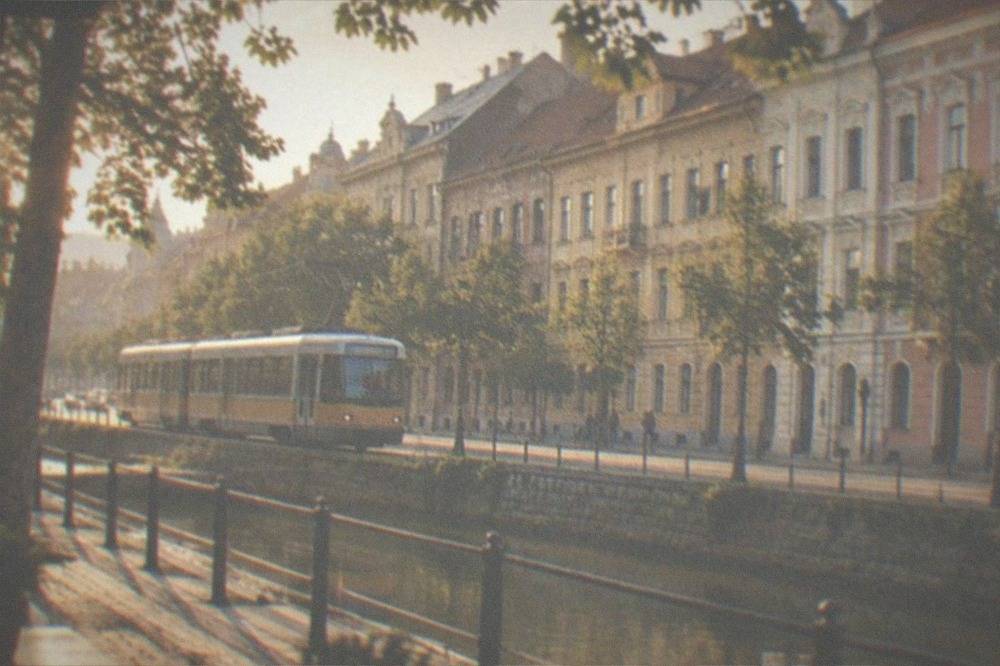
The combined excursion is the option that removes the logistics question entirely. The operator's listing pairs an Oradea city tour with a trip to the Apuseni Caves in a single full-day product from Timisoara, which suits travelers who want the northern city's highlights and a spectacular natural site without planning the run themselves.
Check availability on the operator's live listing if the combined format appeals, and note that the product's own duration, stated on the listing, is the only trip-length figure this page can carry.
What Does A First Visit To Each City Look Like?
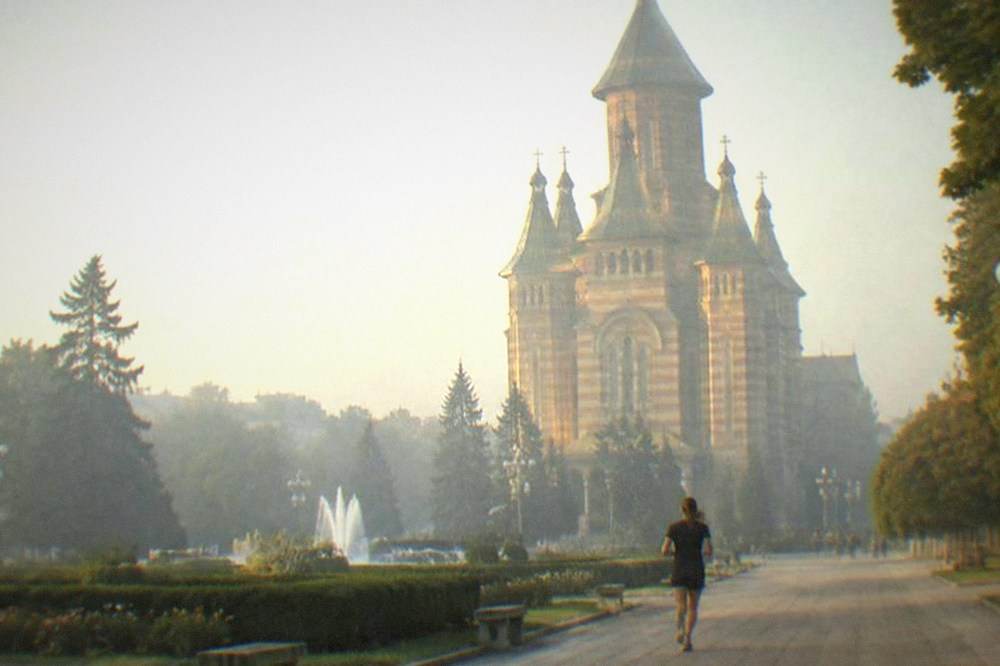
A first Timisoara visit centers on three linked squares, Piata Unirii, Piata Libertatii and Piata Victoriei, plus the Metropolitan Orthodox Cathedral, the Bega canal promenade and the Memorial of the Revolution; a first Oradea visit centers on its Art Nouveau main square and its thermal-bath surroundings. Timisoara's version is verified in detail on this site, square by square, and Oradea's is covered as a day trip.
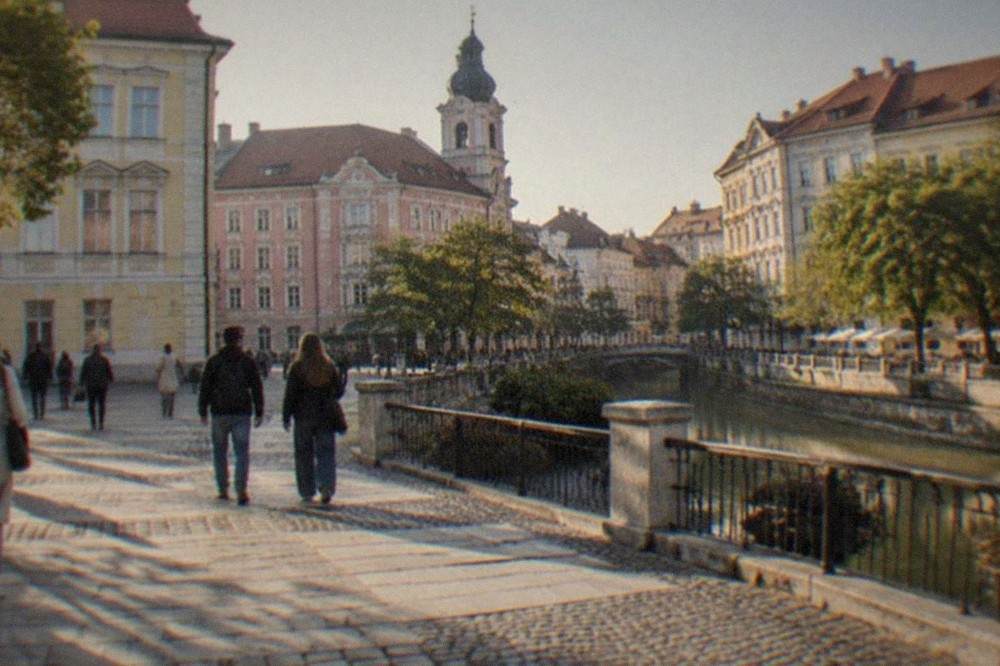
In Timisoara the walk between the squares takes in the baroque and Secession architecture that earned the city its common "Little Vienna" usage, a nickname locals use informally rather than an official designation. The Union Square guide, the Liberty Square guide and the Victory Square guide each break down one square, and the Cetate old town guide ties them together. The full menu of options lives on the things to do in Timisoara page, which is the site's master list.
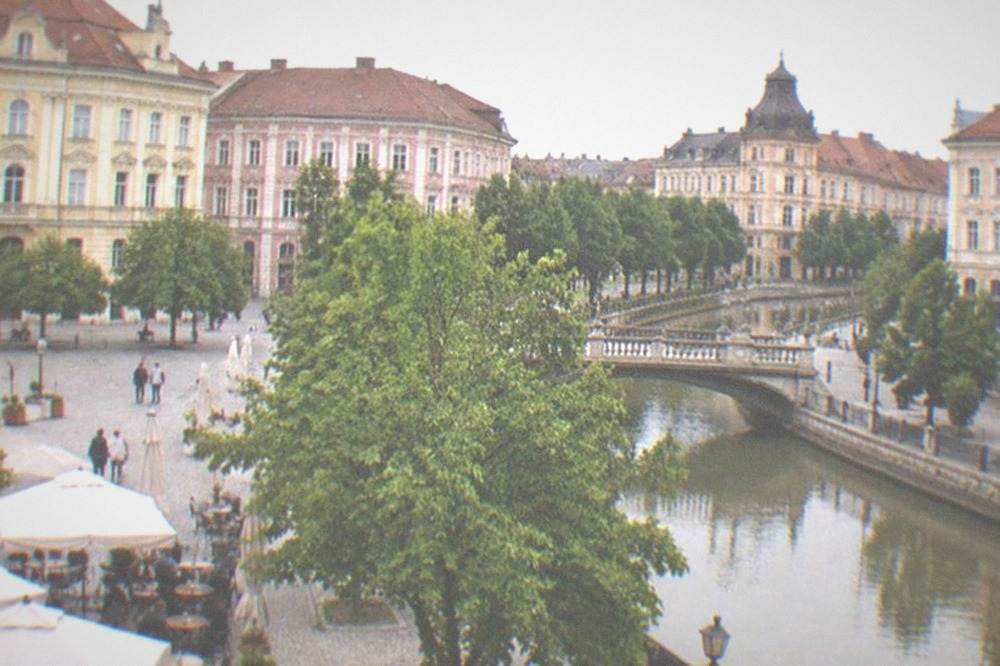
Oradea's first visit is a different shape: a compact center you can cross on foot in an afternoon, followed by time in the water. The is Oradea worth visiting answer page covers the honest case for and against, and it avoids the trap of ranking one city over the other without evidence. For travelers who want a guide's structure in Timisoara itself before heading north, a classic walking option with a strong review record is on the roster:
When Is The Best Time To Visit Timisoara Or Oradea?
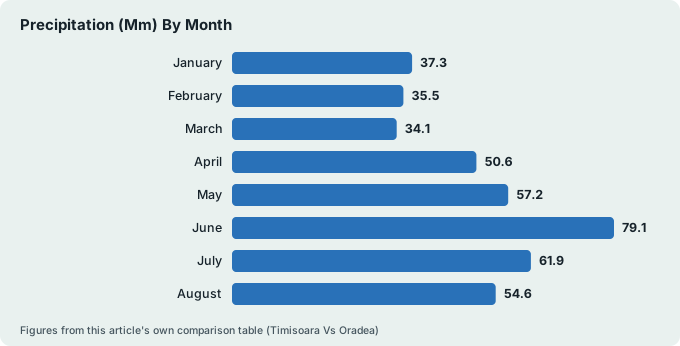
The verified climate record belongs to Timisoara: JMA/WMO normals for station Timisoara 15247 give a July mean of 22.8 C, a January mean of 0.0 C, and yearly precipitation of 600.7 mm, with June the wettest month at 79.1 mm and March the driest at 34.1 mm. May through September is the comfortable window, and the same continental pattern shapes Oradea's season, though no Oradea figure is published here.
The climate is continental, never Mediterranean or coastal, and the monthly spread matters for planning. Spring and early autumn give the best mix of warmth and walkability for a two-city trip, since both cities reward time outdoors. The best time to visit Timisoara guide expands on the table below, and the city's own Christmas season makes the case for the cold end of the year, when the Christmas market traditionally fills Piata Victoriei, though its 2026 dates remain unannounced.
| Month | Mean temperature (C) | Precipitation (mm) |
|---|---|---|
| January | 0.0 | 37.3 |
| February | 2.1 | 35.5 |
| March | 6.5 | 34.1 |
| April | 12.3 | 50.6 |
| May | 17.3 | 57.2 |
| June | 20.9 | 79.1 |
| July | 22.8 | 61.9 |
| August | 22.5 | 54.6 |
| September | 17.2 | 50.4 |
| October | 11.5 | 50.0 |
| November | 6.4 | 45.3 |
| December | 1.5 | 44.7 |
Festival timing can outweigh weather. The JazzTM festival held its 14th edition on 25 to 27 September 2026, the city's celebration days ran 31 July to 3 August 2026 with more than 100,000 attendees reported, and the Flight Festival ran 19 to 21 June 2026 at the Banat Village Museum. Those dates shift each year, so it pays to check the current calendar against a planned week before booking anything non-refundable.
What Does A Timisoara Trip Cost?
Timisoara's verified costs are low by western European standards: a 60-minute public transport ticket is 5 lei, a day pass is 18 lei, the Memorial of the Revolution charges adults 20 lei, and the Banat Village Museum charges adults 20 lei. The city's tourist tax exists under local council decision HCL 719/2025, with its 2 percent rate reported rather than primary-sourced, and no comparable Oradea figure is published here.
The currency is the Romanian leu, not the euro, and practical money questions, from card acceptance to tipping, are covered in the site's dedicated cost and currency pages. Romania is a full Schengen member, air and sea since 31 March 2024 and land borders since 1 January 2025, which simplifies the border question for anyone combining Timisoara with Budapest or Belgrade.
| Timisoara transport ticket | Verified price |
|---|---|
| Single ticket, 60 minutes, all modes including the water bus | 5 lei |
| 1-day pass, all modes including the water bus | 18 lei |
| 30-day general pass | 160 lei |
| Annual general pass | 1,320 lei |
| Timisoara sight | Verified detail |
|---|---|
| Memorial of the Revolution, adult ticket | 20 lei, covering 8 permanent and 3 temporary exhibitions plus a documentary |
| Memorial of the Revolution, hours | Monday to Friday 08:00 to 17:00, Saturday and Sunday 10:00 to 18:00 |
| Banat Village Museum, hours | Monday and Tuesday closed; Wednesday to Saturday 10:00 to 18:00; Sunday 12:00 to 20:00 |
| National Museum of Art, summer hours | 1 June to 30 September, Wednesday to Sunday 13:00 to 21:00, last entry 20:15 |
| National Museum of Art, winter hours | 1 October to 31 May, Wednesday to Sunday 10:00 to 18:00 |
Budget travelers should know the roster includes a free, tip-based walk: the Timisoara Essentials Tour with Alex runs on the GuruWalk platform, tip based, with its rating and review count carried on the operator's listing rather than priced here.
Is Timisoara Worth More Than A Stopover?
Yes, and the visitor record supports it: tourist arrivals rose from 153,794 in 2021 to 283,256 in the 2023 European Capital of Culture year and 285,190 in 2024, with 268,699 counted from January to November 2025, and the city was named Romania's Destination of the Year 2026 at a public-vote gala. Timisoara rewards two or three full days, not a connection between flights.
The Capital of Culture year in 2023, which Timisoara shared with Elefsina in Greece and Veszprem in Hungary, reset the city's cultural infrastructure, and the legacy projects have kept arriving. The former tram depots on Take Ionescu Boulevard are being converted into MultipleXity, a cultural and technology hub whose EU funding contract, signed in March 2026, carries a project value reported at roughly 150 million lei. Two new museums opened in 2026: MINA, an immersive art venue in Iulius Town, and the MIC children's interactive museum inside the Maria Theresia Bastion. Huniade Castle, closed for nearly two decades, is under a restoration contract signed in August 2025, with partial reopening targeted for 2027.
| Year | Tourist arrivals in Timisoara (INS figures via the city hall report) |
|---|---|
| 2021 | 153,794 |
| 2022 | 212,785 |
| 2023 | 283,256 |
| 2024 | 285,190 |
| 2025 (January to November) | 268,699 |
For anyone using the city as a base rather than a destination, the day-trip roster reaches into the Apuseni Mountains, the Transylvanian castles and the Banat gorges, and the strongest options pair the city with the region:
A three-day itinerary shows how the city fills a longer stay on its own, and the site's neighborhood guides sort the areas, from Cetate to Iosefin and Fabric, for anyone booking nights. The safety question companions most often ask before a first visit has its own dedicated answer page, and this Timisoara Travel Guide holds the full library, from restaurant and food coverage to nightlife and the European Capital of Culture legacy.
Common Questions About Timisoara Vs Oradea
Which city is better, Timisoara or Oradea?
Neither is objectively better, and no verified head-to-head statistic exists. Timisoara suits travelers focused on the 1989 Revolution, linked historic squares and a bigger cultural calendar; Oradea suits travelers focused on Art Nouveau architecture and thermal baths. Every figure on this page describes Timisoara only.
Can you visit Oradea from Timisoara?
Yes. A combined excursion pairing an Oradea city tour with a trip to the Apuseni Caves runs from Timisoara as a full-day product, and a rental car works for independent travelers. No independently verified driving time or distance for the run appears on this site.
Is Timisoara or Oradea cheaper?
Only Timisoara's costs are verified here: a 60-minute transport ticket is 5 lei, a day pass is 18 lei, the Memorial of the Revolution charges 20 lei for adults, and the Banat Village Museum charges 20 lei. No Oradea price figure is published on this page.
Which city has more things to see?
Timisoara's verified sight list is the deeper one on this site, spanning three linked squares, the Metropolitan Orthodox Cathedral, the Memorial of the Revolution, the National Museum of Art and the Banat Village Museum. Oradea's sightseeing concentrates on its restored Art Nouveau center and nearby thermal baths.
Do Timisoara and Oradea have the same climate?
Both sit in western Romania with a continental climate, but only Timisoara's normals are verified here: a July mean of 22.8 C, a January mean of 0.0 C and 600.7 mm of precipitation a year. No Oradea temperature or rainfall figure appears on this page.
Should you stay in Timisoara and day-trip to Oradea, or split the stay?
Most itineraries base in Timisoara, which has the larger reported airport traffic and the wider verified transport network, and add Oradea as an excursion. Splitting the stay suits travelers who want unhurried time in Oradea's center and its thermal surroundings; the combined city-and-caves tour makes the single-day version easy.
The comparison resolves cleanly once the trip's purpose is named. Timisoara carries the revolution history, the European firsts and the verified depth; Oradea carries the facades and the baths; and the two western Romanian cities sit close enough that a well-planned week does not force a choice.