Fabric Timisoara
Fabric is the historic district east of Timisoara's old town, built outside the fortress walls and stitched to the center by tram lines older than almost any in Europe. This guide covers its squares, churches, food scene and the 2026 works around Piata Traian.
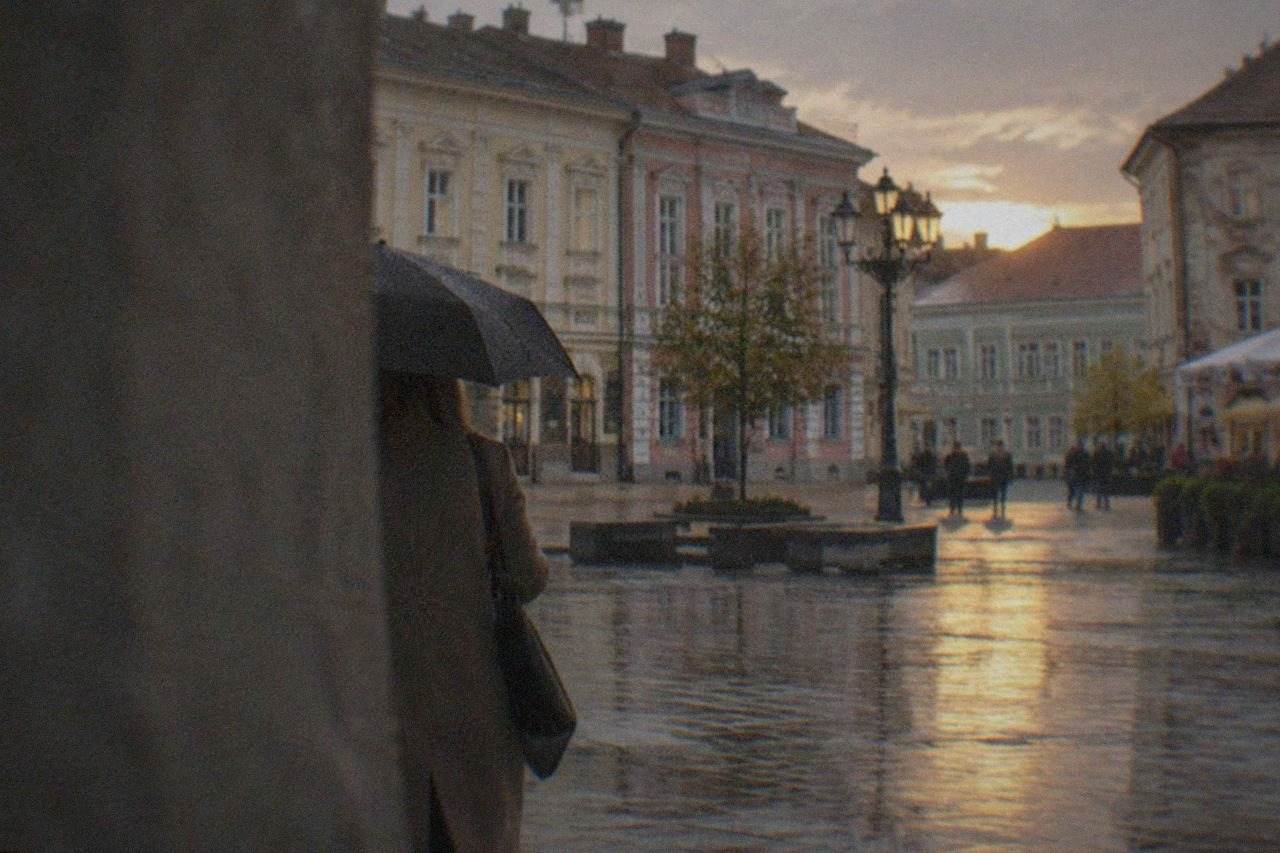
Short answer
Fabric is the district immediately east of central Timisoara, Romania, reached across from Theresia Bastion, anchored by Piata Traian, the Millennium Church and the Fabric Synagogue, and best explored on foot with a tram ride in and out.
Fabric is the historic district immediately east of Timisoara's walled center in Timis County, Banat region, western Romania, and it is where the city stops being a fortress and starts being a working neighborhood. Timișoara's old core, Cetate, sits inside the line of the former bastions; Fabric begins on the far side, around Piata Traian, and spreads east toward the Bega's green corridor. It was built as an extension of the Habsburg city, which is why its squares and church facades look like a calmer, wider version of the center, and why the tram that connects the two districts follows a route laid down in 1869, when the first horse-drawn tram in the Habsburg Empire ran from Cetate to Fabric.
This guide, from the Timisoara Travel Guide editorial desk, walks through what Fabric actually contains, how to reach it, what is happening around Piata Traian in 2026, and how the district fits into a wider trip. Nobody on this desk has been to Timisoara; every figure below comes from a primary or verified source, and where a source is thin, that is stated rather than papered over.
What Is Fabric Timisoara And Where Does The District Begin?
Fabric is the eastern historic district of Timisoara, Romania, lying outside the former fortress walls and beginning practically at the foot of Theresia Bastion, with Piata Traian as its main square and the Millennium Church as its most recognizable building. It borders Cetate to the west, Iosefin and Elisabetin across the Bega to the south and west, and it was laid out as a planned Habsburg suburb rather than growing organically, which is why its streets run in long, straight blocks.
The district's name says what it was: the "fabric" or factory quarter, where craftsmen, merchants and garrison suppliers lived outside the walls. Under the city's Hungarian name, Temesvár, and its German name, Temeswar, Fabric served the same role for the same fortress. When the walls came down, the decision to demolish them starting in 1892 was taken in part because suburbs like Fabric had outgrown the enclosed town, and the removal of the fortifications physically joined the districts into one city.
That joining is still visible. Walk east from Theresia Bastion and the scale changes: the streets widen, the facades get more Secession ornament, and the squares open up in a way the tighter Cetate grid does not. The district's three historic squares, Piata Traian, Piata Aurel Vlaicu and Piata Badea Cârțan, each carry a different layer of its history, from the grand market square to the church square to the quieter residential corners.
For orientation, the practical anchor points are simple. Theresia Bastion marks the western edge; Piata Traian is the heart; the Bega canal defines much of the southern boundary; and the main east-west boulevards, Calea Lipovei and Calea Șagului, carry traffic through the district toward the west of the city. Once you hold those four points, Fabric is very hard to get lost in.
| Orientation Point | Role In The District | What You Will Find There |
|---|---|---|
| Theresia Bastion | Western gateway from Cetate | Restored bastion arcades, the crossing point from the old town |
| Piata Traian | Main square and market heart | Historic market hall, cafes, the 2026 tram works zone |
| Piata Aurel Vlaicu | Church square | The Millennium Church and its domes |
| Bega canal | Southern and eastern edge | Waterside promenade, green corridor, vaporetto stops in season |
| Calea Lipovei | Main traffic artery | Tram lines, shops, apartment blocks |
What To See In Fabric: Squares, Churches And The Synagogue
The essential sights of Fabric are Piata Traian with its historic market building, the Millennium Church on Piata Aurel Vlaicu, the Fabric Synagogue on Splaiul Coloniei, the Serbian Orthodox church of Piata Traian, and the streets of Secession apartment blocks between them, all walkable in a loop of roughly two hours at a relaxed pace. The district rewards slow looking more than ticketed attractions: most of its interest is architectural and atmospheric rather than museum-based.
Piata Traian is the district's living room. It has been the market square of Fabric since the district was laid out, and the historic market building still anchors it. The square is also, in 2026, a construction zone for the tram network, which changes its texture but not its role; the works and what they mean for visitors are covered in detail further down this guide. Around the square sit cafes, bakeries and some of the most photographed facades in the district.
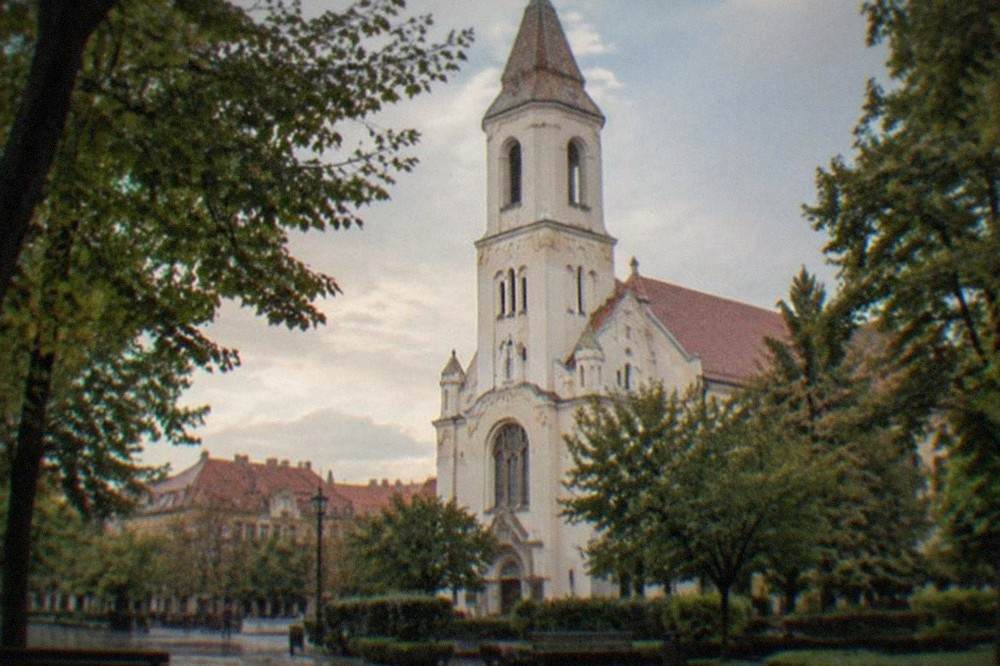
The Millennium Church, properly Biserica Millennium, is the skyline landmark. It was built for the district's Roman Catholic community, and its towers and domes are visible from several blocks away. Its style is a heavy, decorative historicism that photographs best in morning light from the square in front of it. Hours and any entry fee for the church are not published in a source this site has verified, so check locally rather than relying on aggregator listings.
The Fabric Synagogue is the district's most poignant building. Its restoration has been progressing since 2024, with interior stenciled decoration work reported as near completion by December 2025, and it has hosted public events including Hanukkah lightings during the works. The building's condition is still described as precarious in conservation terms, so treat a visit as a chance to see a rescue in progress rather than a polished venue. This site keeps a dedicated page on the Fabric Synagogue with fuller detail.
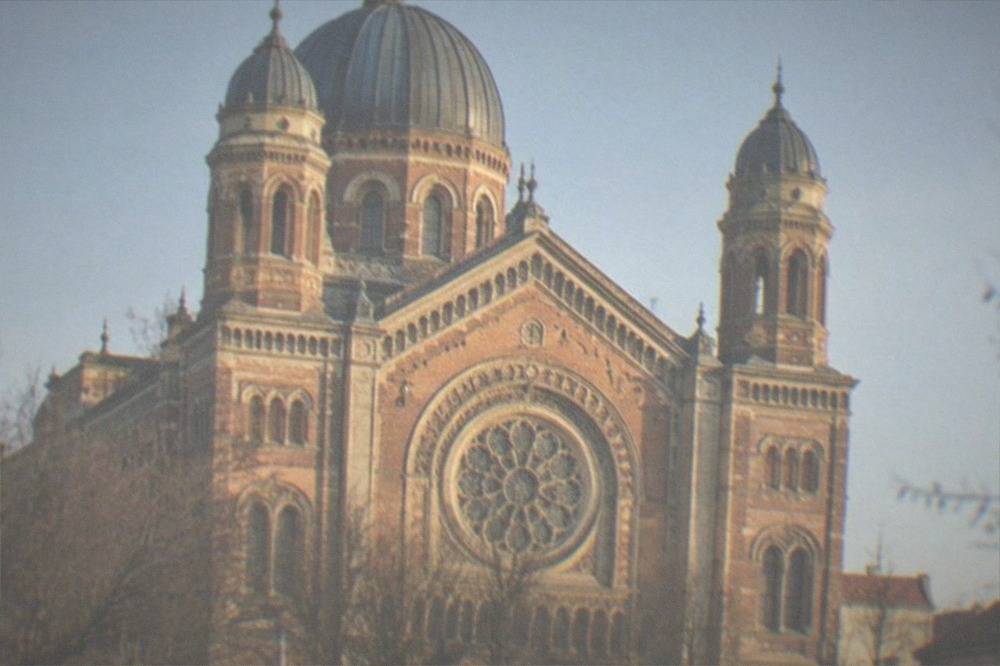
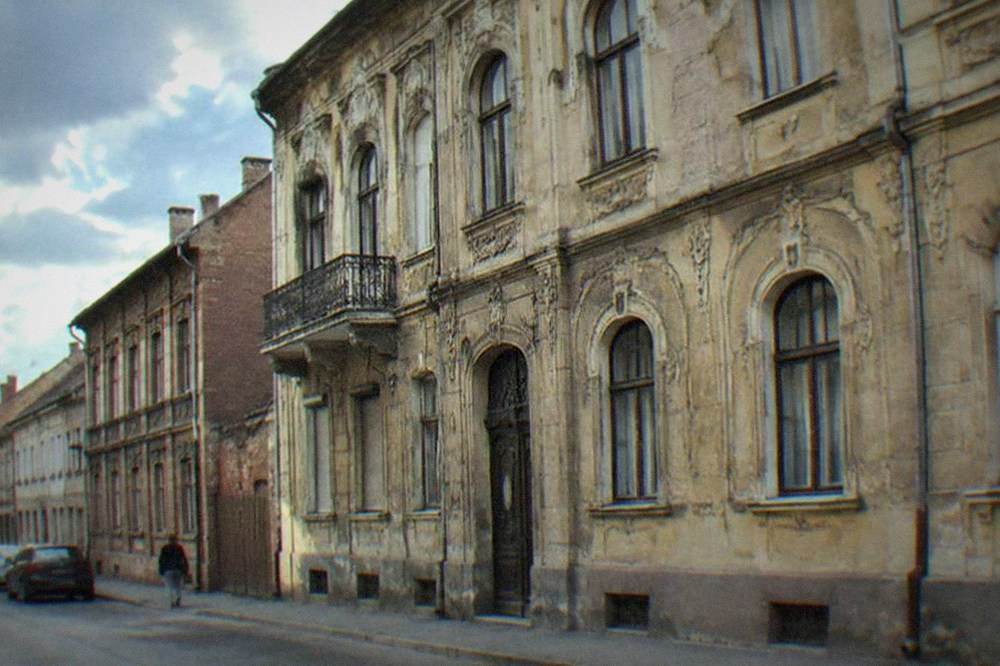
Between the landmarks, the district's real fabric is its residential streets. The blocks between Calea Lipovei and the Bega hold long runs of Secession and Neo-Baroque apartment buildings, some restored, some waiting their turn, and the mix is exactly what gives Fabric a lived-in character that the more polished Cetate lacks. Photographers tend to work the area in the last two hours of daylight, when the ornament on the facades throws shadows.
A guided walk is the efficient way to absorb this if your time is short. The Timisoara Highlights walking tour covers the central districts' key landmarks, and Check availability on the operator's live listing for current departure times.
For visitors drawn to the religious heritage specifically, an ecumenical walking tour of Timisoara ties Fabric's churches and synagogue into the city's wider multi-confessional story, which is one of the defining themes of Banat urban history. The tour suits travelers who want the context behind the facades rather than just the photo stops.
Between the walking options, the district also connects to the bigger regional picture. Travelers who use Timisoara as a base often pair city days with a longer excursion into the countryside, and the tours below show how the two scales of trip sit side by side.
How To Get To Fabric And Get Around The District
Fabric is reached from central Timisoara on foot in about ten minutes from Theresia Bastion, or by tram on the lines that cross the district, using a 5 lei single ticket valid for 60 minutes on all STPT modes including trams, trolleybuses, buses and the Bega vaporetto in season, or an 18 lei day pass; payment works by contactless bank card on board, e-wallet card, SMS, mobilPay, eTicket or STPT kiosks. The district is flat and compact, so once you are in it, walking is the only sensible mode.
The tram is not just transport here, it is heritage. The route between Cetate and Fabric follows the line of the first horse-drawn tram in the Habsburg Empire, opened on 8 July 1869 from Piata Sf. Gheorghe in Cetate to Fabric, and extended to the Iosefin railway station that October. Timisoara later ran the first electric tram in Romania, in 1899. Riding the tram east out of the center is therefore a short trip on one of the oldest public transport corridors in Central Europe.
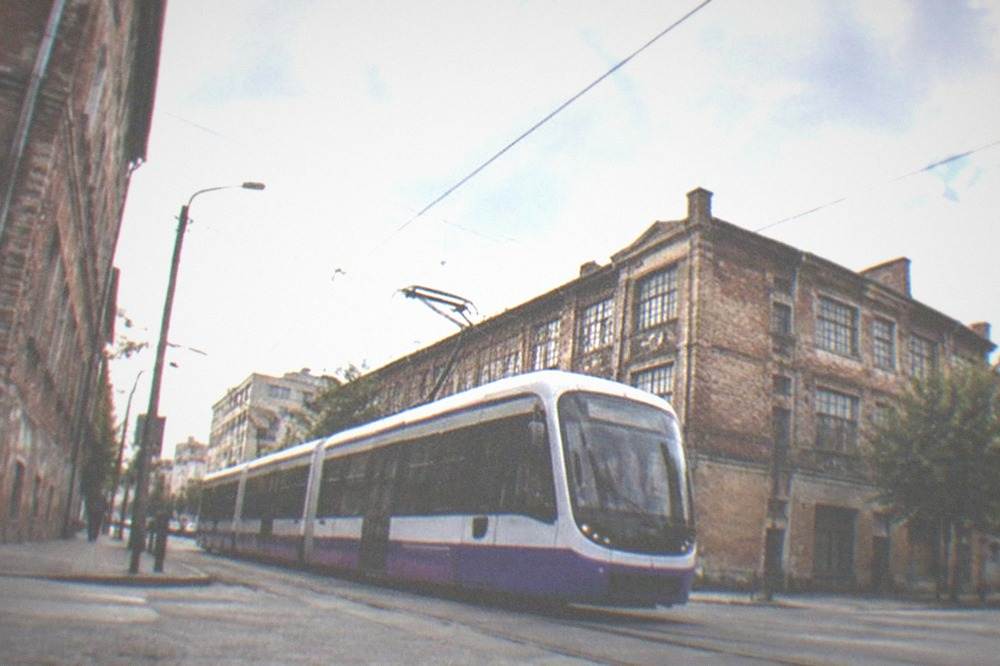
Fares are set by STPT, the municipal operator, and the current tariff is verified on its own ticketing page. The table below gives the figures that matter to a visitor.
| STPT Ticket Or Pass | Price | Notes |
|---|---|---|
| Single ticket, 60 minutes | 5 lei | Valid on all modes including the vaporetto |
| 1-day pass | 18 lei | All modes, unlimited rides for the day |
| 30-day general pass | 160 lei | All lines, rarely needed by visitors |
| Annual general pass | 1,320 lei | Resident product, listed for completeness |
Real-time arrivals are published at live.stpt.ro, and STPT also partners with the Transit app for live tracking, so checking the next tram before leaving a cafe is genuinely easy. One caveat: the 24Pay app was suspended in April 2026 and Tranzy was discontinued earlier that year, so do not download either expecting them to work; the card-on-board and SMS options are the current reliable ones.
The Bega vaporetto, the small waterbus on the canal, runs seasonally from 1 April to the end of October, with nine stops per direction and the same 5 lei single ticket as the land network. It is more of a recreation ride than a commuter service, but it touches the district's waterside edge and makes a pleasant loop when combined with a walk along the Bega. This site has a full guide to the Bega canal if the water route interests you.
Is Fabric Good For Food And Evenings Out?
Fabric is one of Timisoara's most rewarding districts for eating and drinking, anchored by the market and bakery culture around Piata Traian and by a spread of neighborhood restaurants, craft beer bars and cafes along Calea Lipovei and the streets between Piata Traian and the Bega, with prices at the accessible end of the city's range: cost-of-living trackers updated in September 2026 put an inexpensive restaurant meal at around 45 to 50 lei and a draft beer in a neighborhood pub at 11 to 12 lei.
The district's food identity is less tourist-facing than Cetate's, which is precisely the point. Around Piata Traian and the side streets you find the bakeries, grills and lunchtime kitchens that serve the neighborhood, and the market tradition of the square still shapes what is on offer. For the fuller picture of where to eat across the city, including Fabric picks, see Timisoara restaurants and the guide to Timisoara food.
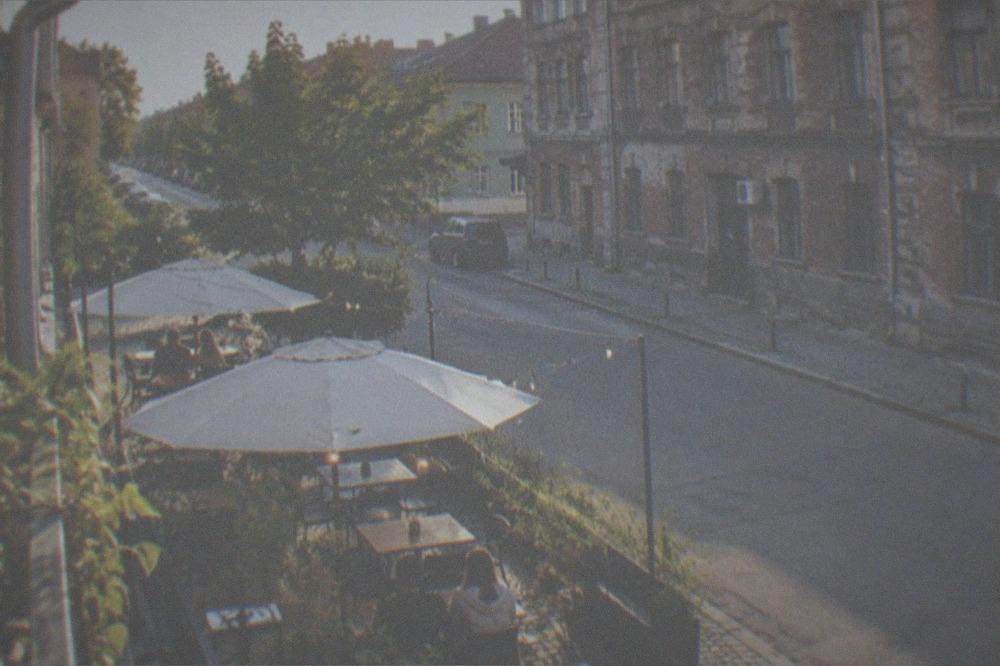
For planning purposes, the indicative prices below come from cost-of-living aggregators updated in September 2026; they are ranges for orientation, not promises, and any specific venue may sit above or below them.
| Item | Indicative Price (RON) | Source Basis |
|---|---|---|
| Draft beer, 0.5 L, neighborhood pub | 11 to 12 | Cost-of-living trackers, Sep 2026 |
| Cappuccino, regular | 13 to 15 | Cost-of-living trackers, Sep 2026 |
| Inexpensive restaurant meal | 45 to 50 | Cost-of-living trackers, Sep 2026 |
| Fast-food combo meal | around 32 | Cost-of-living tracker, Sep 2026 |
Evenings in Fabric are quieter than in the center. The district's bars and terraces fill with locals rather than visitors, and the walk back toward the lit facades of Union Square is short if you want both atmospheres in one night. Craft beer has a real foothold in Timisoara, and the guide to Timisoara craft beer covers where the scene's best rooms are.
What Are The Piata Traian Tram Works In 2026, And Do They Affect A Visit?
Piata Traian has been closed to trams since 3 August 2026, with the closure scheduled to run to the end of 2026 while the square and its tram tracks are rebuilt, and STPT has diverted the affected lines and provided replacement buses for the duration; pedestrians still reach the square's cafes and market building normally, so the works change how you arrive, not whether you can visit. The live alerts feed on stpt.ro is the authoritative source for which lines are diverted on any given day.
This is the single most important practical fact about visiting Fabric in late 2026. The square itself remains open to people; it is the tram tracks and parts of the roadway that are under reconstruction. If your hotel or route plan assumed riding a tram straight to Piata Traian, adjust it: either walk in from Theresia Bastion, which takes minutes, or ride a tram to the nearest operating stop and walk the rest.
The works are part of a wider regeneration push. A zoning plan for the whole Fabric district received preliminary approval in October 2025, and its published aims include completing the Bega promenade on the south bank between Podul Dacilor and Podul Andrei Șaguna, green corridors along former riverbeds, turning Strada Pestalozzi into a green artery, and reorganizing parking to improve pedestrian access. In plain terms: the district is mid-renovation, and visiting now means seeing the scaffolding alongside the finished parts.
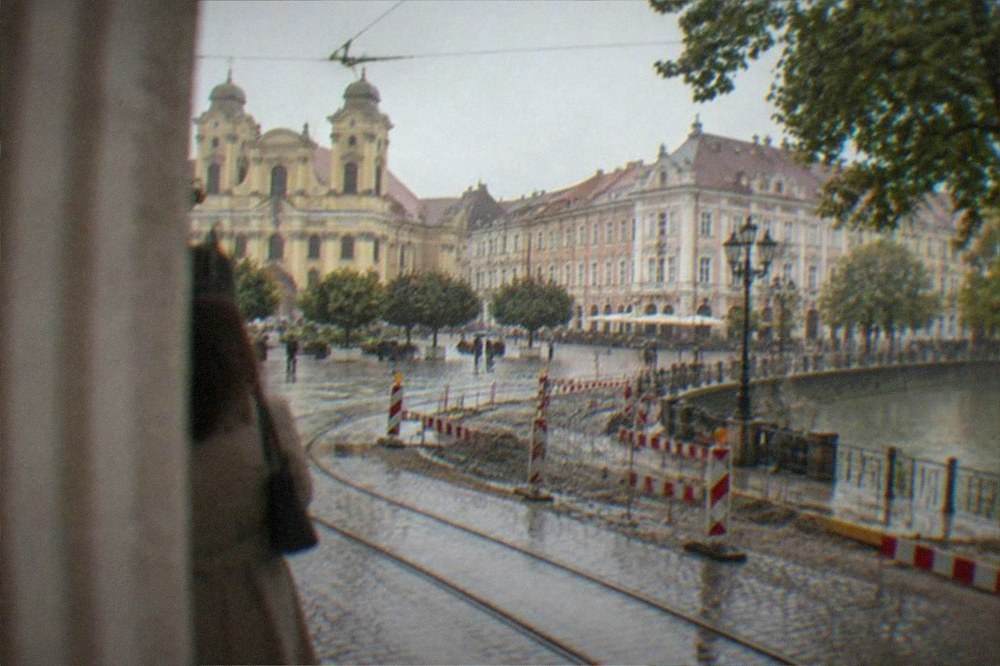
There is a trade-off worth naming honestly. The square works make 2026 a slightly rougher year to visit than 2027 will be, but nothing in the district is closed because of them, and the low visitor pressure means the cafes, the synagogue and the church squares are easier to enjoy than their Cetate equivalents. Visitors who came during the 2023 European Capital of Culture year will remember the city mid-transformation; Fabric is continuing that story.
When Is The Best Time To Visit Fabric?
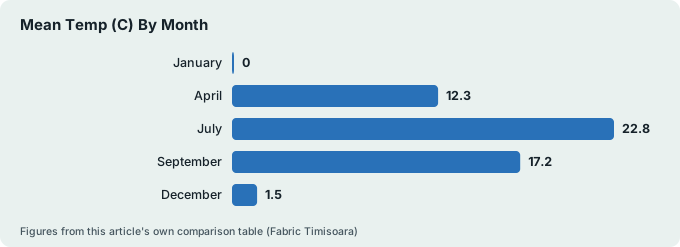
The best months to visit Fabric are May through September, when Timisoara's climate normals give mean temperatures of 17.3 C in May rising to 22.8 C in July and back to 17.2 C in September, and when the Bega vaporetto runs from April to the end of October; December brings the Christmas market season in the center and a mean of 1.5 C, while June is the wettest month at 79.1 mm of rain.
The climate here is continental, not Mediterranean: cold, flat Januaries at a 0.0 C mean, warm summers, and rain distributed across every month, from 34.1 mm in March, the driest, to June's 79.1 mm peak. A compact umbrella serves you all year. The verified normals for the Timisoara station, at 86 m altitude, are summarized below.
| Month | Mean Temp (C) | Precipitation (mm) |
|---|---|---|
| January | 0.0 | 37.3 |
| April | 12.3 | 50.6 |
| July | 22.8 | 61.9 |
| September | 17.2 | 50.4 |
| December | 1.5 | 44.7 |
Two seasonal notes matter for Fabric specifically. First, the vaporetto season, April to October, pairs well with the district's waterside edge, so a warm-month visit lets you combine the square, the church and a canal ride in one loop. Second, the city's event calendar concentrates in summer and early autumn, and the guide to Timisoara festivals and events tracks what is confirmed for the year. The wider question of timing a whole trip is covered in the best time to visit Timisoara.
Where Does Fabric Fit In A Timisoara Itinerary?
Fabric deserves half a day in most Timisoara itineraries: a morning or afternoon loop of Piata Traian, the Millennium Church and the Fabric Synagogue, reached on foot from the center and finished with a meal in the district, slots naturally into day one or day two of a visit, and pairs well with a Bega canal walk or a vaporetto ride in the warmer half of the year. Travelers with only one day should see Cetate and Union Square first, then cross to Fabric if time allows.
The district is one of four historic quarters that together make up the walkable heart of the city, and understanding how they relate saves time. The table below places Fabric among its siblings.
| District | Character | Main Anchor | Best For |
|---|---|---|---|
| Cetate | Walled old town | Union Square | First-time sights, cafes, museums |
| Fabric | Planned Habsburg suburb | Piata Traian | Architecture, food, local life |
| Iosefin | Western historic quarter | Iosefin Water Tower | Quiet streets, riverside walks |
| Elisabetin | Southern villa quarter | Piata Maria | Art Nouveau facades, low-key bars |
For a structured plan, the itineraries on this site already account for Fabric: one day in Timisoara fits the district in as a half-day extension, while two days in Timisoara gives it a full morning with time for the synagogue and a long lunch. If Fabric is your base rather than a stop, the guide to where to stay in Timisoara weighs the districts against each other for lodging.
Once you have seen the city, Fabric is also a sensible launch pad for the region. The Banat countryside, the Nera Gorge and the Danube gorges all sit within day-trip range, and the guides to day trips from the city and to the Banat region map the options. A private day trip into Transylvania is the most ambitious single-day option from the city, and it pairs naturally with the walking tours above for travelers splitting a week between the city and the countryside.
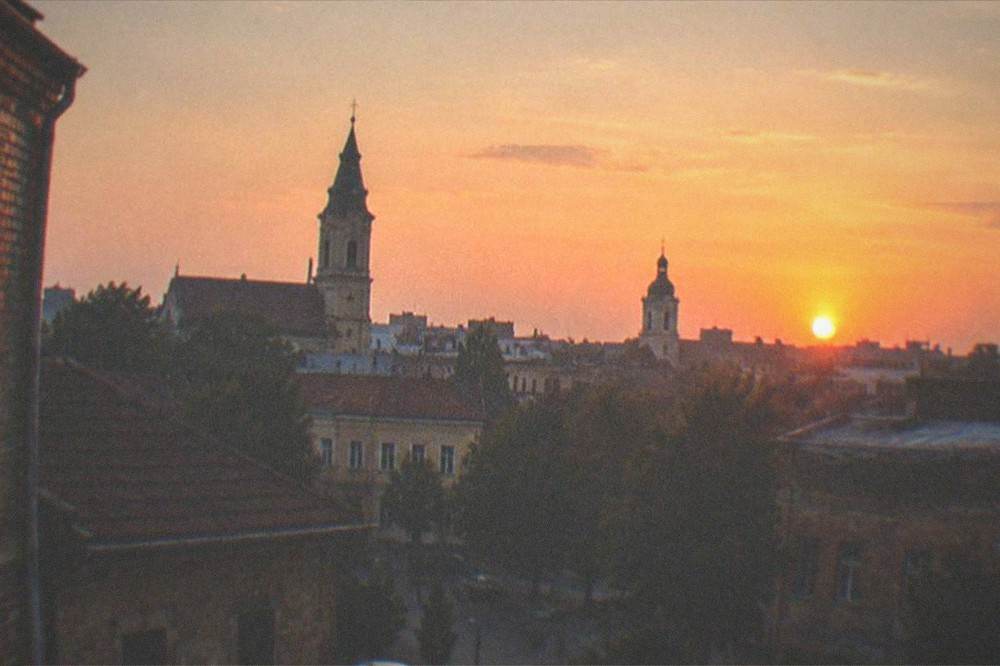
Whichever way you split your days, the trio below shows the full spread of what a Timisoara-based trip can include, from a city walk to a full day in Transylvania.
Common Questions About Fabric Timisoara
What is Fabric in Timisoara?
Fabric is the historic district immediately east of Timisoara's walled old town, laid out as a planned Habsburg suburb outside the fortress walls and anchored today by Piata Traian, the Millennium Church and the Fabric Synagogue. Its name refers to its original role as the crafts and factory quarter serving the fortress.
How far is Fabric from the center of Timisoara?
Fabric begins essentially at Theresia Bastion, so the walk from the old town core around Union Square to Piata Traian is short and flat, a matter of minutes on foot. Trams also connect the districts along the corridor of the city's original 1869 horse-drawn tram line.
Is Fabric worth visiting in Timisoara?
Yes, for travelers interested in architecture, local food culture and a less polished side of the city. Fabric's Secession facades, its market square, its synagogue restoration in progress and its neighborhood cafes make it one of the most rewarding half-days in Timisoara, especially for visitors who have already covered Cetate.
Can you reach Piata Traian by tram in 2026?
Not directly: Piata Traian has been closed to trams since 3 August 2026 for reconstruction works scheduled to run to the end of 2026, with affected lines diverted and replacement buses provided. The square itself remains open to pedestrians, and STPT's live alerts feed publishes the current diversion details.
What food is Fabric known for?
Fabric is known for its neighborhood eating around Piata Traian: bakeries, grills, market culture and informal restaurants serving the district rather than the visitor economy. Indicative September 2026 prices put an inexpensive restaurant meal at around 45 to 50 lei and a neighborhood draft beer at 11 to 12 lei.
Where should a first-time visitor stay, Fabric or Cetate?
Most first-time visitors base themselves in or near Cetate for the highest concentration of sights, then visit Fabric as a half-day. Travelers who prefer a quieter, more local base with lower prices often choose Fabric or the neighboring quarters; the site's where-to-stay guide compares the districts in detail.
Fabric is the district where Timisoara's history keeps working for a living: the trams still run the corridor opened in 1869, the synagogue is being brought back piece by piece, and the square that fed the fortress is being rebuilt for the next century. Give it half a day, arrive on foot over the bastion, and let the wider city wait.